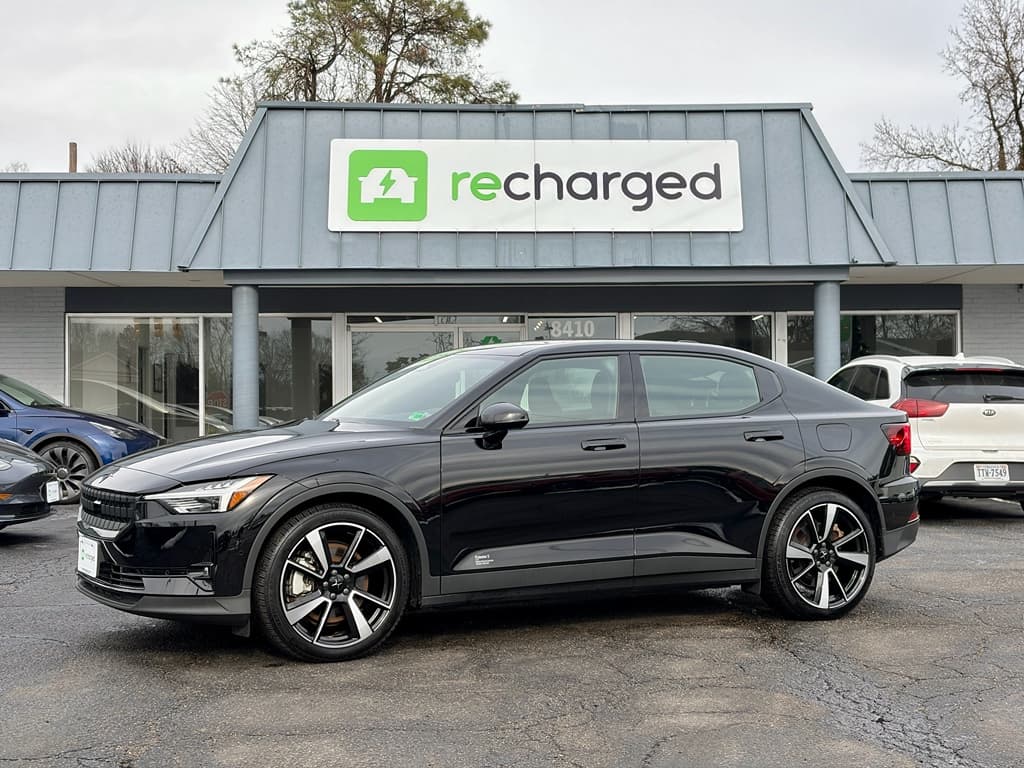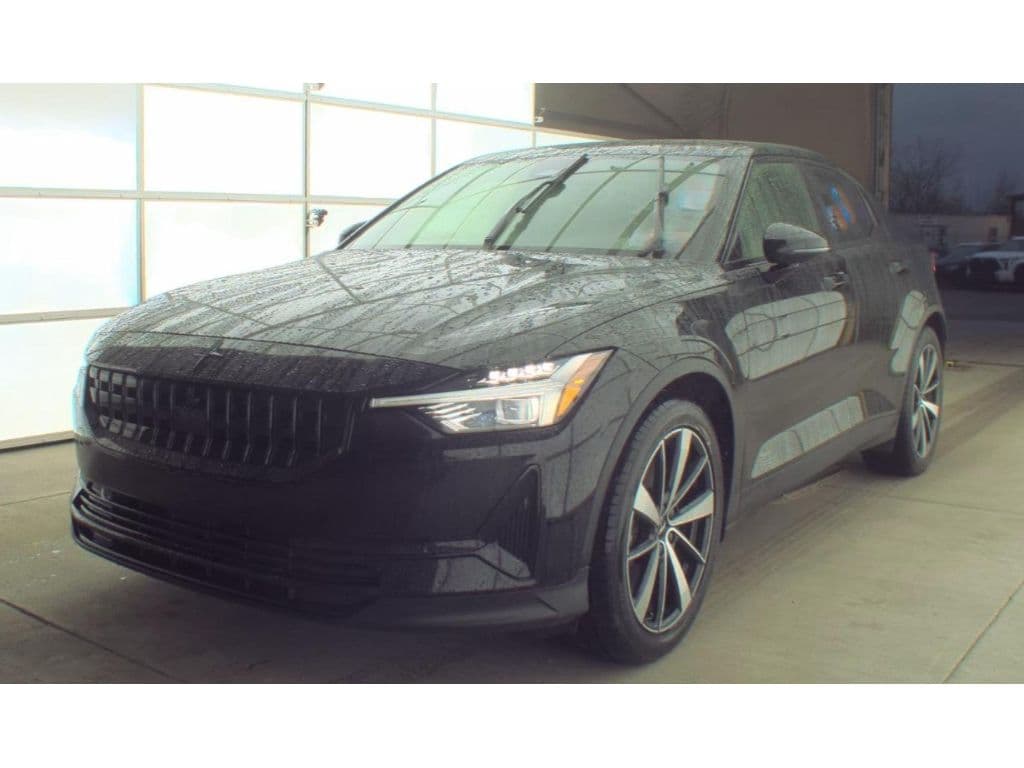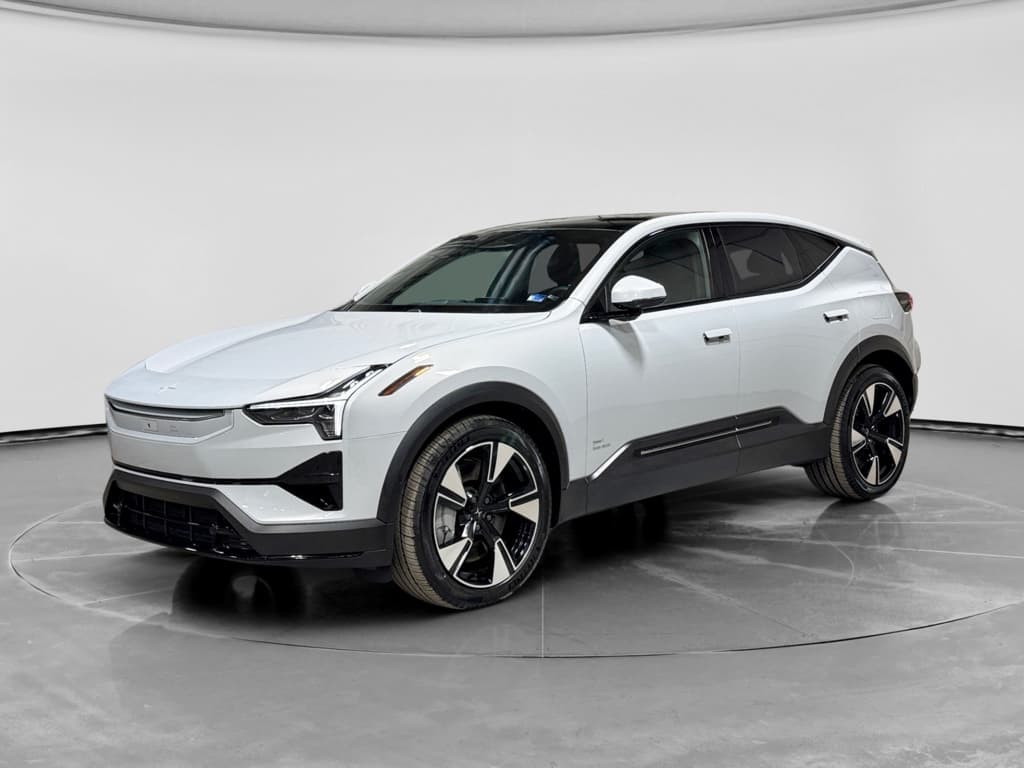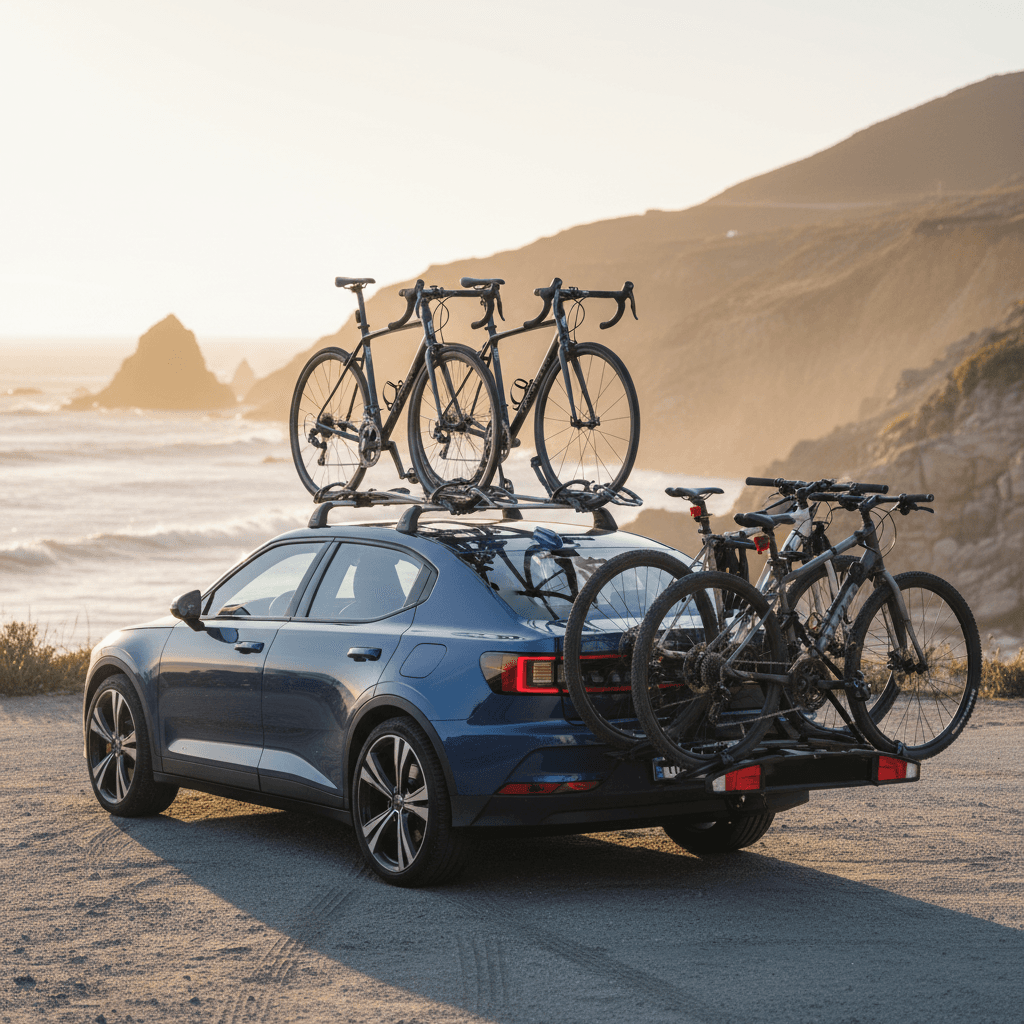
If you’re eyeing a Polestar 2 as your daily driver and weekend adventure rig, you’re probably wondering what Polestar 2 bike rack options actually work in the real world. The good news: between factory tow bars, aftermarket hitches, roof racks, and even suction‑cup mounts, you can absolutely haul your bikes without turning the sleek fastback into a science experiment.
Big picture
Why bike rack planning matters on a Polestar 2
On a gas crossover, you can more or less throw any rack on and go. On an EV like the Polestar 2, you have to think about aerodynamics, weight limits, and charging access. A poor rack choice can cost you 10–20% of your highway range, block your charge port, or overload the hitch if you’re not careful. Getting it right once is cheaper than buying the wrong hardware twice.
Key numbers to keep in mind
Quick overview: Polestar 2 bike rack options
Four main ways to carry bikes on a Polestar 2
Each has trade‑offs in cost, convenience, and range.
1. Hitch‑mounted bike rack
Best all‑round choice if your Polestar 2 has a tow bar or aftermarket hitch.
- Easy loading at waist height
- Minimal range loss vs. roof
- Works well for e‑bikes and heavier mountain bikes
2. Roof‑mounted bike rack
Great if you can’t or don’t want to add a hitch.
- Uses factory or aftermarket crossbars
- Freed‑up access to rear hatch
- Higher wind noise and range impact
3. Trunk/hatch‑mount rack
Strap‑on racks are not ideal on the Polestar 2’s glassy hatch.
- Risk of paint or glass damage
- Often block the camera and lights
- Use only models rated for glass hatches, if at all
4. Suction‑cup / vacuum racks
SeaSucker‑style vacuum mounts can work with the smooth roof.
- Very clean look, no hitch required
- Great for occasional use and travel
- Requires careful installation and regular checks
Glass hatch caution
Factory hitch and tow bar options
Polestar has offered different towing and tow‑bar setups depending on market and model year. In Europe and many other regions, you’ll see a retractable tow bar that tucks under the bumper when you’re not using it. In North America, the towing package has typically meant a square receiver hitch designed for bike racks, ski carriers, or light trailers.
Factory tow / hitch options by region (overview)
Check your specific car’s build sheet or VIN details to confirm what you have.
| Region | Typical factory option | Receiver type | Good for bikes? |
|---|---|---|---|
| U.S. / Canada | Towing package with receiver hitch | Square hitch receiver (often 2" x 2") | Yes, ideal for hitch racks |
| UK / EU / AU | Retractable or fixed tow bar | Euro swan‑neck ball or removable bar | Yes, with compatible tow‑ball racks |
| Markets w/o tow option | No factory tow equipment | , | Need aftermarket hitch or roof / suction rack |
Factory towing equipment often determines which bike rack styles are easiest to use.
Bike carriers vs. towing
If you’re looking at a used Polestar 2, pop down and look underneath the rear bumper. A factory hitch or retractable tow bar is a huge bonus if you plan to carry bikes, because it opens up the safest and most flexible rack options. At Recharged, we call this out in our listings and discuss it in the Recharged Score walk‑through so you know exactly what hardware you’re getting.
Aftermarket hitches for U.S. and Canada
If your Polestar 2 didn’t come with a hitch, you’re not out of luck. Several companies have developed aftermarket hitches for the 2021–2024 Polestar 2, some with hidden receivers that preserve the clean rear bumper line. These are usually designed around bike racks and light towing, not huge campers, and that’s perfect for most owners.
Common aftermarket hitch styles for Polestar 2
What to expect when you start shopping.
Hidden/stealth hitches
The cross‑bar tucks behind the bumper, with a small removable receiver or neck.
- Virtually invisible when not in use
- Popular with design‑conscious EV owners
- Great for 2–3‑bike platforms
Fixed receiver hitches
Traditional receiver that’s always visible under the bumper.
- Simple and usually cheaper
- Easy to use with 2" bike racks
- May reduce departure angle a bit on steep driveways
Dealer tow‑bar retrofits
In some markets, Volvo/Polestar dealers offer official or Volvo‑branded tow‑bar retrofits.
- Designed to work with factory wiring
- Sometimes retractable, sometimes fixed
- Usually the priciest option, but very integrated
Ask for the numbers
Choosing a hitch-mounted bike rack
If you have any kind of tow bar or hitch on your Polestar 2, a hitch‑mounted rack is almost always the best blend of convenience and efficiency. Loading is easy, you don’t have to lift bikes over your head, and wind drag is lower than on the roof. The trick is matching the rack to your receiver size, weight limits, and bike types.
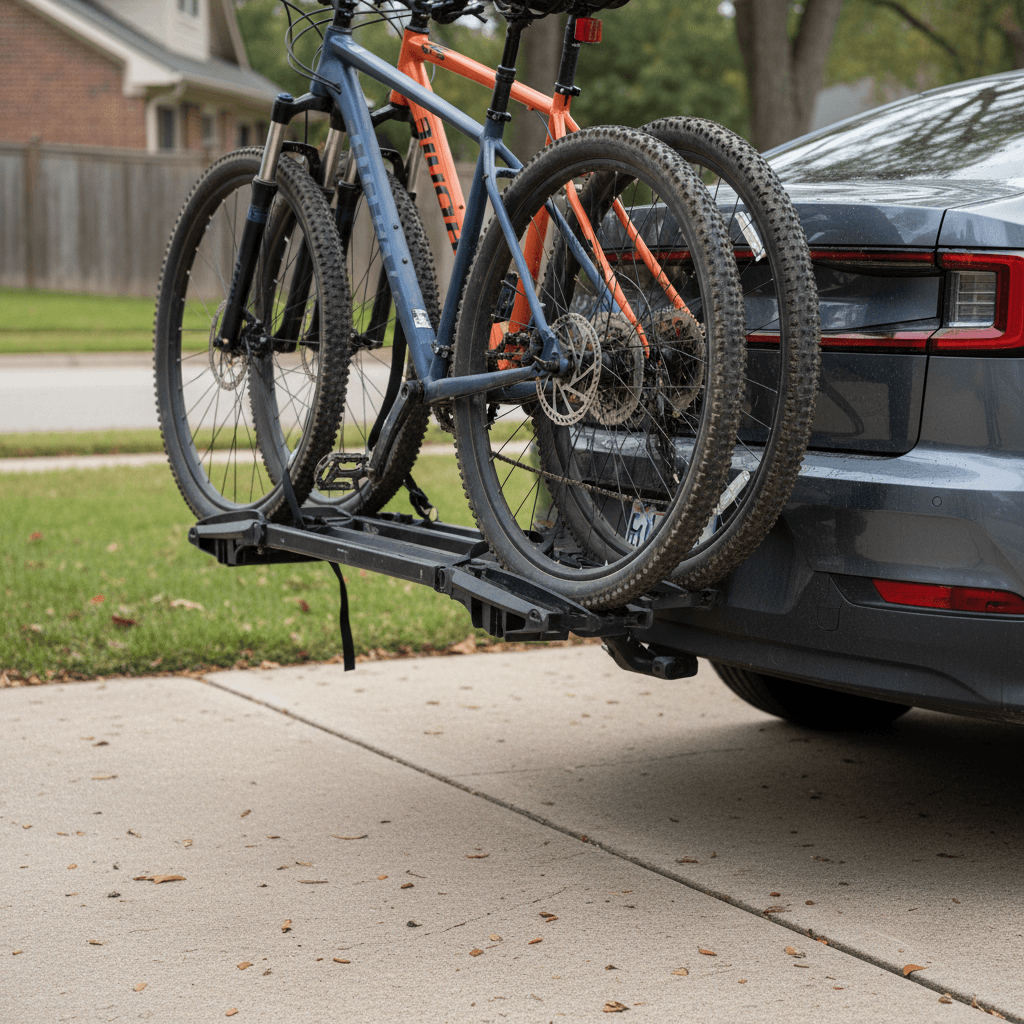
Key decisions when picking a hitch rack for your Polestar 2
1. Receiver size and adapter use
Confirm whether your car has a 1¼" or 2" receiver. Many premium racks (like 1Up or Kuat) are 2" only. You can use a 1¼"‑to‑2" adapter, but that adds leverage on the hitch, fine for two lightweight bikes, less ideal for four e‑bikes.
2. Platform vs. hanging style
Platform racks support each wheel and usually hold bikes more securely, especially long‑travel mountain bikes or heavy e‑bikes. Hanging racks are lighter and cheaper but can swing and scratch frames if you’re not careful.
3. Total weight (rack + bikes)
Add up the published rack weight plus all bikes and compare it to the hitch’s <strong>vertical load rating</strong>. Aim to leave at least 10–20% margin instead of riding the limit every time you head for the trailhead.
4. Tilt‑away and hatch access
Choose a rack that tilts down far enough for the Polestar 2’s hatch to clear, even with bikes loaded. Many owners report success with tilt‑away designs, but check test‑fit videos when possible.
5. E‑bike compatibility
If you haul e‑bikes, look for a rack specifically rated for them: higher per‑bike weight limits, sturdier trays, and sometimes ramp accessories to spare your back.
6. Security and storage
Integrated locks on the hitch pin and bike trays add peace of mind. Also think about where you’ll store a big platform rack; some fold up against the garage wall better than others.
Why hitch racks are the sweet spot
Roof rack bike carriers for Polestar 2
If a hitch isn’t in the cards, maybe you lease the car, or your market doesn’t offer a tow package, a roof rack and bike carriers are the next best move. The Polestar 2 supports factory‑style crossbars that clamp into hidden mounting points in the roof frame, and several aftermarket companies sell crossbar kits sized for the car.
Pros of roof‑mounted bike racks
- No hitch required – perfect for cars without tow equipment or owners who don’t want anything under the bumper.
- Great rear visibility – you keep your backup camera and taillights unobstructed.
- Modular – the same bars can carry cargo boxes, skis, or kayaks.
Cons to consider
- Range hit – bikes on the roof add a lot of drag, especially above 60 mph.
- Lifting height – the Polestar 2 isn’t an SUV, but you still have to hoist bikes overhead.
- Garage clearance – it’s easy to forget bikes are up there until the garage door reminds you.
Mix and match brands carefully
Owners report that high‑quality crossbars designed specifically for the Polestar 2 do a decent job of keeping wind noise under control when they’re empty. Add bikes, though, and you’ll definitely hear more whoosh at highway speed and see a chunk go missing from your predicted range. For local trail runs, that’s usually a fair trade.
Trunk-mount and suction-cup racks: Pros and cons
Strap‑on trunk racks are the default answer for a lot of older hatchbacks and sedans, but the Polestar 2’s glassy rear hatch and sharp shoulders make them a tougher fit. You’ll see some owners running them, but it’s not a beginner‑friendly option, and if something shifts, the repair bill lands firmly on your shoulders, not the rack maker’s.
Strap‑on trunk / hatch racks
- Can work only if the rack is explicitly rated for glass hatches and steeply‑sloped profiles.
- Risk of rubbing through paint or damaging trim if straps loosen.
- Often block rear camera and sometimes taillights or license plate.
Verdict: Use only as a last resort, and only with a rack the manufacturer specifically approves for vehicles like the Polestar 2.
Suction‑cup / vacuum racks
- SeaSucker‑style racks adhere to the smooth painted or glass roof with vacuum cups.
- Popular with sports car owners because they avoid permanent hardware.
- Require careful cleaning of both the cups and the mounting area before every trip.
Verdict: A clever solution for occasional use if you’re diligent, but not everyone’s comfort zone.
Don’t clamp on the plastic
Weight limits, range, and handling
Bike racks seem simple, until you look at the numbers. The Polestar 2 has limited tongue‑weight capacity compared with a pickup, and EV range is sensitive to aerodynamics. Spend a few minutes on the math now, and you’ll save yourself white‑knuckle miles later.
How rack choice affects weight and range
Illustrative examples for a typical Polestar 2 setup; always check your own hitch and rack specs.
| Setup example | Approx. rack weight | 2 trail bikes | Total load | Range impact (highway) |
|---|---|---|---|---|
| 2‑bike platform hitch rack | 45 lbs | 2 × 32 lbs | ~109 lbs | +5–10% energy use |
| 4‑bike platform hitch rack | 65 lbs | 4 × 32 lbs | ~193 lbs | Close to many hitch vertical limits |
| 2 roof‑mounted trays | 30 lbs | 2 × 32 lbs | ~94 lbs | +10–20% energy use |
| 1 suction‑cup roof mount | 15 lbs | 1 × 32 lbs | ~47 lbs | +10–15% energy use |
Think in terms of total system weight and where the bikes sit in the airstream.
Watch the vertical load
Handling‑wise, a couple of bikes on a quality platform rack won’t turn the Polestar 2 into a handful. But you will feel extra sway in fast crosswinds or quick lane changes, especially with tall enduro bikes hanging out back. Drive it like there’s a big fragile box behind you, because there is.
Installation tips and mistakes to avoid
Polestar 2 bike rack setup: Do’s and don’ts
Confirm your hardware before ordering
Crawl under the rear bumper or check your build sheet to see if you have a factory hitch, retractable tow bar, or nothing at all. That single step can save you buying the wrong rack style entirely.
Use the right torque and hardware
When installing an aftermarket hitch, follow the manufacturer’s torque specs, and use all required reinforcement plates and bolts. EVs are heavy; a half‑installed hitch is asking for trouble.
Protect paint and seals
For roof and suction‑cup racks, meticulously clean the contact areas. A single grain of sand under a cup can leave a permanent ring in the clear coat.
Test‑fit before a big trip
Load the bikes, drive a short local loop, and listen for clunks, creaks, or wobble. Adjust straps or wheel trays now, not on the freeway shoulder.
Mind the charge port and cables
On the Polestar 2, make sure your rack position doesn’t interfere with your ability to plug into public chargers, especially if you frequent tight DC fast‑charging stalls.
Re‑check fasteners regularly
EV torque and regen braking can shake hardware differently than older gas cars. Make a habit of checking hitch pins, rack bolts, and bar clamps every few trips.
Insurance and liability
Polestar 2 bike rack FAQ
Frequently asked questions about Polestar 2 bike racks
How Recharged can help Polestar 2 shoppers
If you’re shopping for a used Polestar 2 with weekend rides in mind, it pays to think about bike racks before you sign anything. A car with a factory tow bar or a professionally installed aftermarket hitch opens up the easiest, most efficient options. A roof‑rack‑only setup can still work brilliantly if you know you’re fine lifting bikes and giving up a bit of highway range.
At Recharged, every Polestar 2 we sell includes a Recharged Score Report that calls out towing equipment, roof‑rack readiness, and battery health in plain language. Our EV specialists can walk you through exactly how you plan to use the car, bikes, boards, trailers and all, and help you choose a configuration that fits. And with nationwide delivery and flexible financing, you can go from browsing to your first trailhead run without ever setting foot in a showroom.