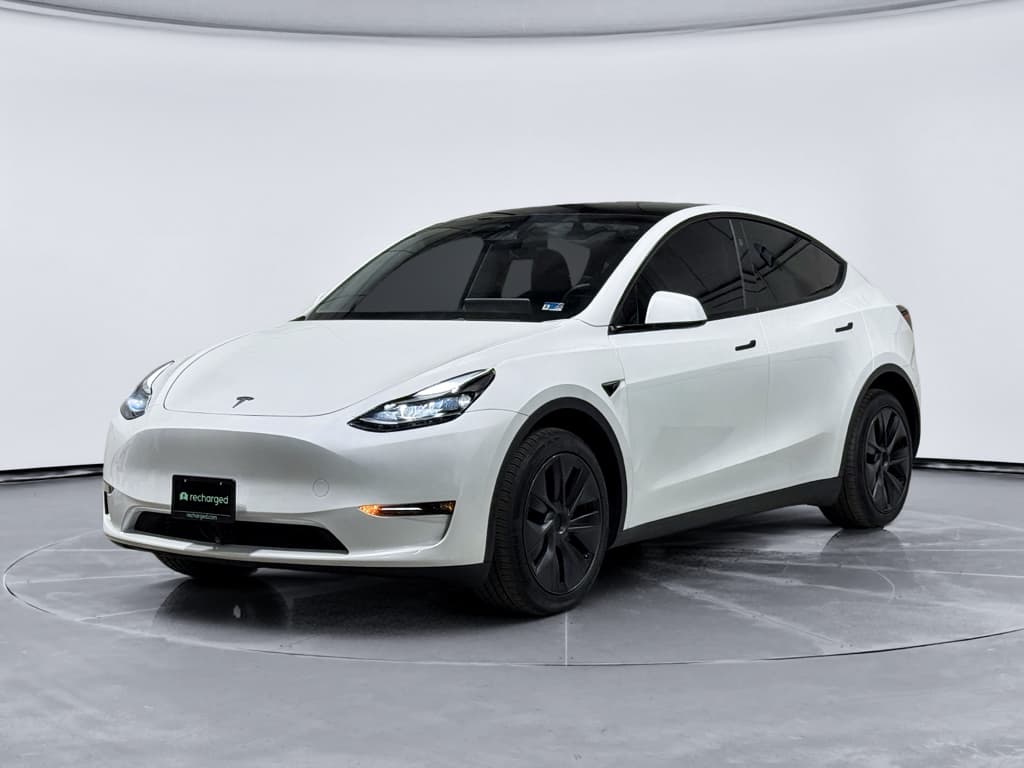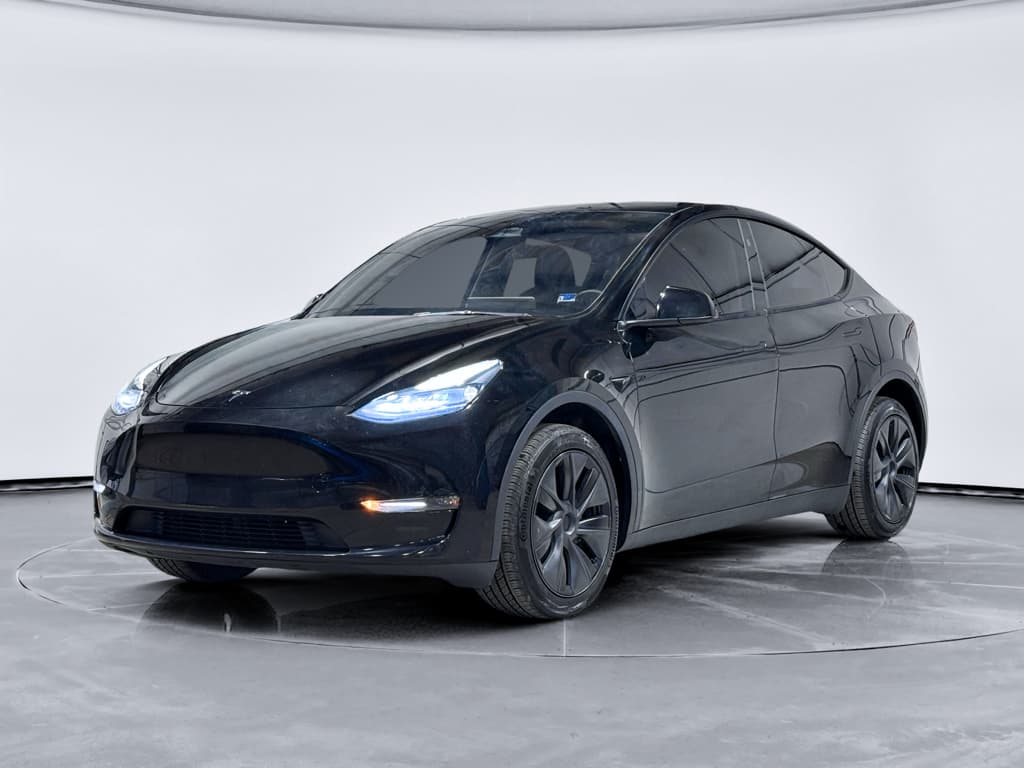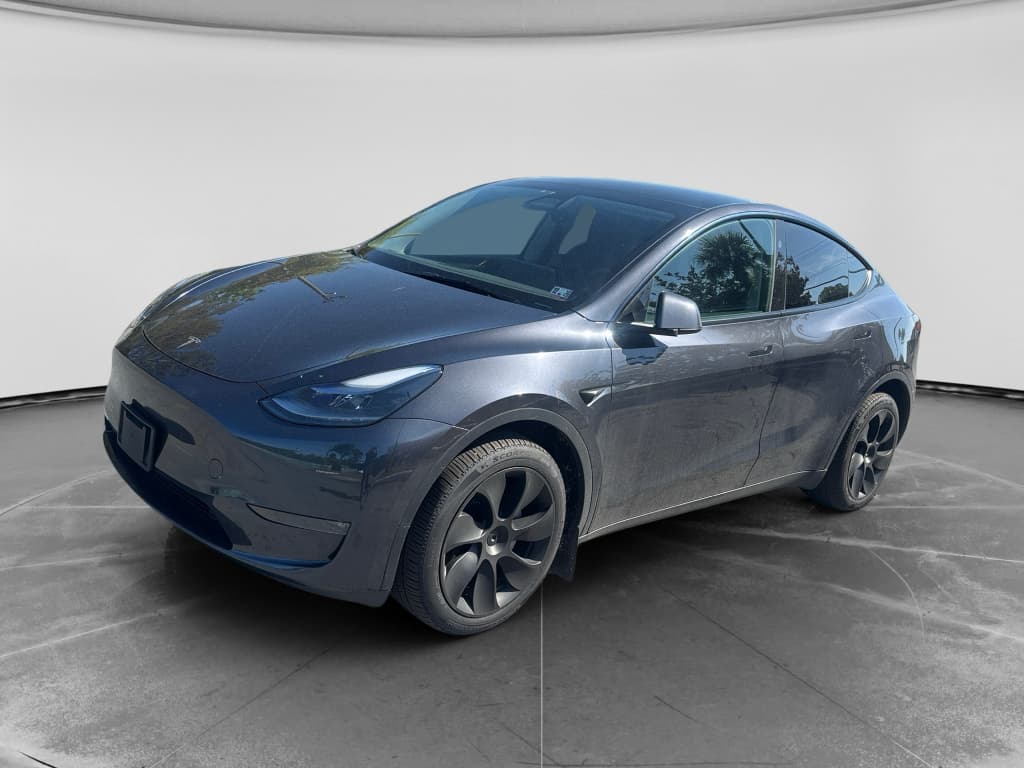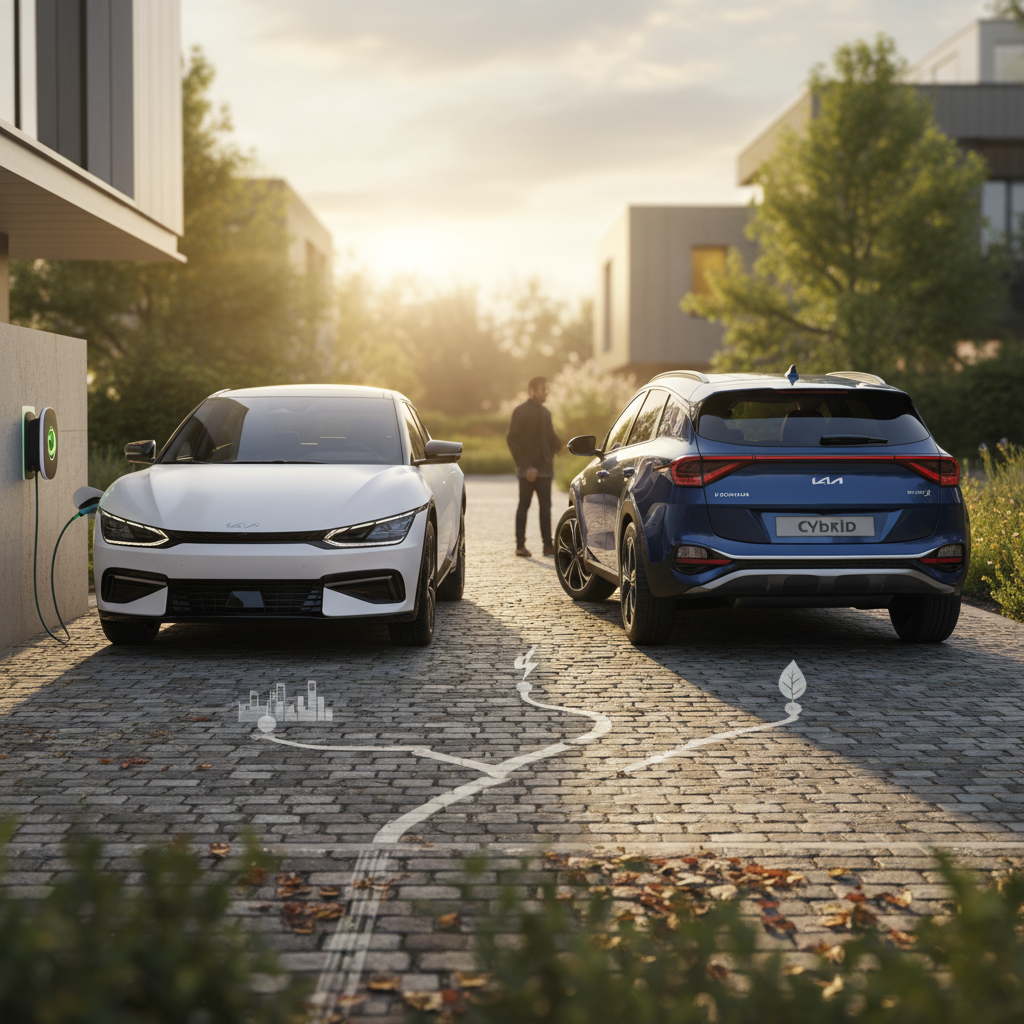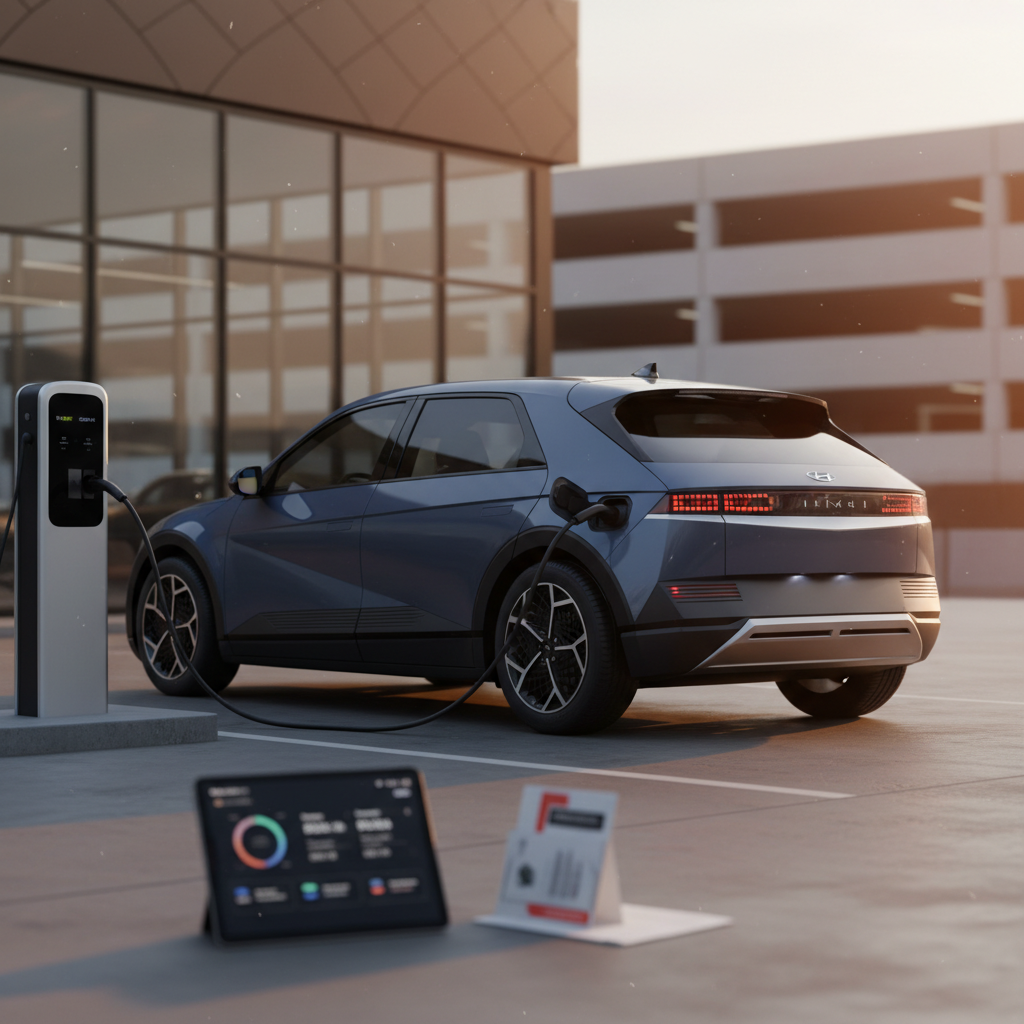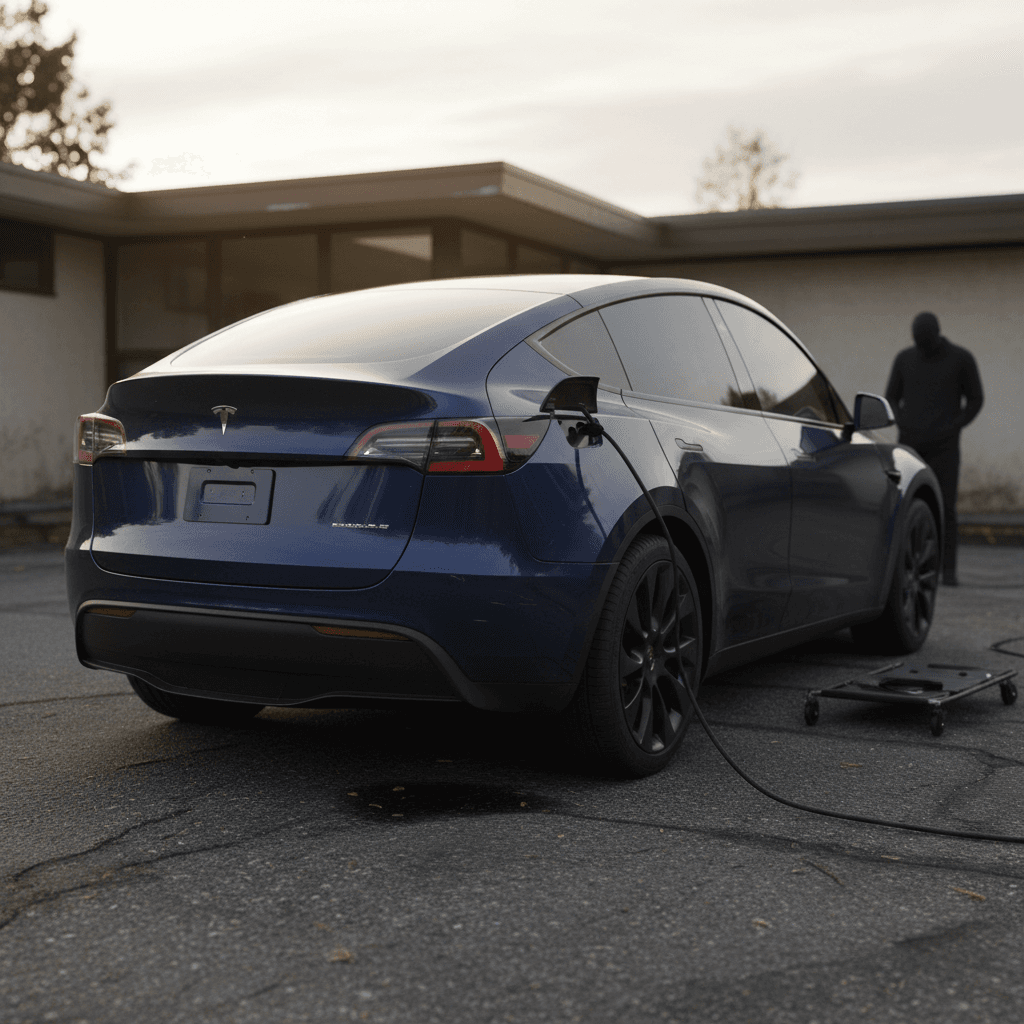
If you’re cross‑shopping a used Tesla Model Y vs Genesis GV60, you’re looking at two of the strongest electric SUVs on the market, but they appeal to very different owners. One leans on charging access and software, the other on luxury, refinement and ultra‑fast DC charging. The trick is matching their strengths to how you actually drive.
What this guide covers
Overview: Used Tesla Model Y vs Genesis GV60
Tesla Model Y (used)
- Segment: Compact all‑electric SUV, 2 or 3 rows (depending on trim).
- Strengths: Class‑leading Supercharger access, strong range, over‑the‑air updates, excellent safety scores, big cargo area.
- Weak spots: Firmer ride, minimalist interior that not everyone loves, build‑quality inconsistency on early years, no Apple CarPlay/Android Auto.
Genesis GV60 (used)
- Segment: Luxury compact electric crossover, strictly 2 rows.
- Strengths: Upscale interior, quiet ride, very fast DC charging (800‑volt platform), generous standard equipment, bidirectional V2L power.
- Weak spots: Smaller dealer network, shorter real‑world range than many Model Y trims, less cargo space, used availability is still limited in some regions.
How to read this comparison
Quick specs and key differences
Core specs: used Tesla Model Y vs Genesis GV60 (typical U.S. trims)
Representative specs for popular used configurations. Exact numbers vary by model year, wheel size and EPA rating.
| Model / Trim (typical used) | Drivetrain | EPA range (mi) | 0–60 mph (approx.) | Max DC fast charge | On‑board AC charger | Cargo space |
|---|---|---|---|---|---|---|
| Model Y Long Range AWD | Dual‑motor AWD | ≈ 318–330 | ≈ 4.5 s | Up to 250 kW | 11.5 kW | Up to ~76 cu ft seats folded |
| Model Y Performance | Dual‑motor AWD | ≈ 279–303 | ≈ 3.5 s | Up to 250 kW | 11.5 kW | Similar to Long Range |
| GV60 Advanced AWD | Dual‑motor AWD | ≈ 248–264 | ≈ 4.5–5.0 s | Up to ~240–350 kW (800 V) | 10.5–11 kW | Smaller than Model Y; tight for bulky gear |
| GV60 Performance AWD | Dual‑motor AWD | ≈ 235–248 | ≈ 3.7–4.0 s | Up to ~240–350 kW (800 V) | 10.5–11 kW | Same footprint as Advanced |
Always confirm the exact specs of the specific car you’re considering, as range and performance can vary by year and trim.
Spec sheet trap
Range and efficiency in the real world
Range is often the first filter when comparing a used Tesla Model Y vs Genesis GV60. Both are capable, but they’re not equal.
Range snapshot: how far can you actually go?
Typical U.S. EPA estimates for popular trims, assuming healthy batteries.
Tesla Model Y (used)
- Long Range AWD: commonly around 318–330 miles EPA when new.
- Performance: typically around 279–303 miles EPA.
- Real‑world: Many owners see 260–290 miles on the highway, more around town in mild weather.
Genesis GV60 (used)
- Advanced AWD: roughly mid‑250s EPA miles depending on wheel size.
- Performance AWD: around 230–240 miles EPA in U.S. testing.
- Real‑world: Expect closer to 200–220 miles on the highway, especially for the Performance trim.
Daily‑use perspective
How to decide if range is “enough” for you
1. Map your longest regular days
Look at your calendar, not just your imagination. If your true worst‑case day is 150 miles, either EV works. If you regularly hit 220+ miles without easy charging, the Model Y has a clearer advantage.
2. Consider winter and highway driving
High speeds, cold weather and roof racks all eat range. Add a 25–35% buffer to whatever you think you need, especially in northern climates.
3. Think about future road trips
If you plan cross‑country drives or frequent weekend getaways, extra range reduces how often you need to stop and how picky you must be about where you stop.
Charging experience and network access
Charging is where philosophy really diverges. The Model Y leans on Tesla’s integrated ecosystem and huge Supercharger network. The GV60 leans on industry‑standard CCS with ultra‑fast speeds and, in newer model years, growing access to Tesla’s network as well.
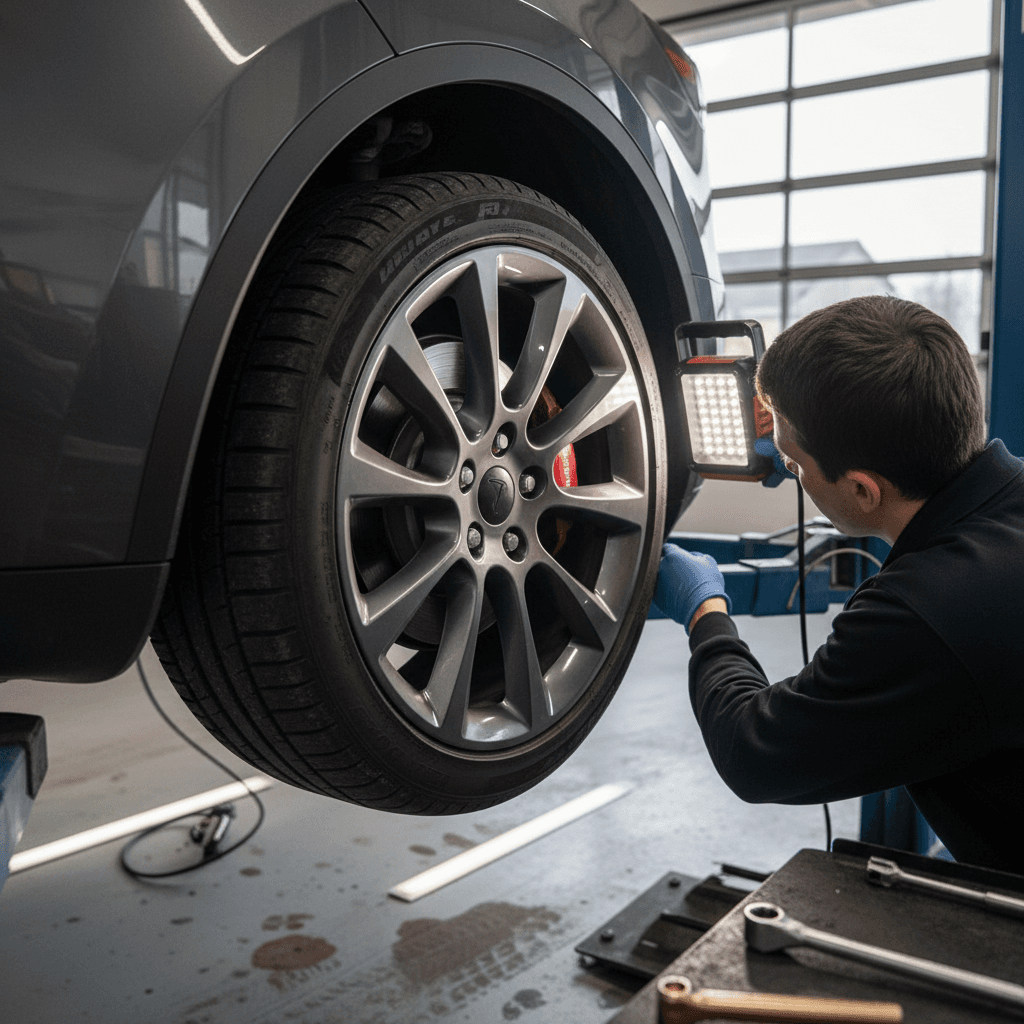
Tesla Model Y: ecosystem advantage
- Connector: NACS (Tesla’s plug), now becoming the North American standard.
- Network: Direct access to thousands of Tesla Supercharger sites, with plug‑and‑charge simplicity and integrated trip planning.
- Speed: Up to 250 kW peak; real‑world sessions often hold strong power from 10–50% before tapering.
- Apps: Most of what you need is built into the Tesla app and in‑car navigation. Little fiddling with third‑party apps.
Genesis GV60: raw speed, evolving access
- Connector: CCS1 on earlier U.S. cars, with a transition toward NACS on newer model years.
- Network: Primarily Electrify America and other CCS networks today, plus expanding access to Tesla Superchargers via NACS adoption and adapters.
- Speed: 800‑volt battery architecture enables 10–80% in roughly 18 minutes on a strong 350 kW DC fast charger.
- Apps: You’ll typically juggle multiple apps (Genesis, network providers, PlugShare) for planning and payment.
Think beyond peak kW
If you plan to mostly charge at home and only use fast charging on occasional trips, both vehicles are more than capable. If your road‑trip routes are rural or lightly served by CCS, the Model Y’s established Supercharger access still gives it the edge for stress‑free long‑distance travel.
Interior comfort, tech and usability
Minimalist tech pod vs boutique lounge
Cabin experience is one of the biggest feel‑difference factors between these EVs.
Tesla Model Y interior
- Design: Very minimalist, single center screen, almost no physical buttons.
- Space: Airy feel, excellent forward visibility, massive cargo volume, optional third row on some used Long Range models.
- Tech: Smooth, fast UI; robust navigation and trip planning; native music and video apps, but no Apple CarPlay or Android Auto.
- Noise & ride: Generally firmer and noisier than the GV60, especially on larger wheels.
Genesis GV60 interior
- Design: Premium, boutique vibe with high‑quality materials, color options and distinctive details (like the crystal‑sphere shifter).
- Space: Comfortable for four adults, but cargo space and rear headroom feel tighter than Model Y.
- Tech: Dual 12.3‑inch screens, excellent camera views, and full Apple CarPlay/Android Auto support.
- Noise & ride: Quieter cabin and more compliant ride, it feels like a luxury vehicle first, EV second.
Family‑friendly pick
Driving dynamics and performance
Both SUVs are quick, quicker than almost any gas SUV from a decade ago. But they deliver that speed with different personalities.
- Model Y Long Range: brisk and efficient, with confident all‑weather traction from dual‑motor AWD. Steering is light and a bit video‑game‑like, but it corners flat and feels eager.
- Model Y Performance: genuinely fast, with sub‑4‑second 0–60 mph runs. Larger wheels and a firmer suspension sharpen responses but can punish rough pavement.
- GV60 Advanced: balanced and smooth, with enough power for quick merges but tuned more for refinement than raw speed.
- GV60 Performance: sports‑car quick, with boost modes and performance tuning that make it feel playful, but you pay for that with reduced range.
Test‑drive tip
Safety ratings and driver-assistance tech
Both vehicles offer modern crash protection and active‑safety tech, but the Tesla Model Y has the longer safety track record in U.S. testing and a more mature driver‑assist stack, albeit with quirks.
Safety and driver‑assist: what matters on a used EV
Look beyond autopilot marketing and focus on ratings, standard equipment and how updates are supported.
Tesla Model Y safety picture
- Crash tests: Strong results in IIHS and NHTSA testing across 2020–2025 model years.
- Active safety: Automatic emergency braking, lane‑keeping, blind‑spot monitoring and more are widely standard.
- Assistance features: Autopilot comes on most used models, with optional Enhanced Autopilot or Full Self‑Driving on some. Assist behavior improves (and sometimes changes) via software updates.
Genesis GV60 safety picture
- Crash tests: Early results and brand history suggest solid protection, though the GV60 doesn’t have as much long‑running U.S. data as Model Y yet.
- Active safety: Adaptive cruise, lane‑centering, blind‑spot view monitor and cross‑traffic alerts are typically standard or widely available.
- Assistance feel: Genesis’ lane‑centering and adaptive cruise tuning is calm and refined, though not as tightly integrated into navigation as Tesla’s system.
Used‑EV inspection reminder
Used prices, depreciation and incentives
By 2026, there are far more used Model Ys on the road than GV60s, which shapes pricing and availability.
How the used market is shaking out
Typical U.S. used pricing will vary by region, mileage and equipment, but you’ll often find similar‑year GV60s priced competitively versus a Model Y, despite the Genesis’ higher original sticker. That means the GV60 can feel like a bargain if you value luxury features more than maximum range or Supercharger access.
Don’t shop on price alone
Battery health and longevity on the used market
Both SUVs use modern lithium‑ion packs with liquid thermal management, and both have strong high‑voltage warranties when new. But actual battery health on any used EV comes down to how the previous owner charged and drove it.
Battery health questions to ask for Model Y and GV60
1. What’s the current estimated range at 100%?
Ask the seller to fully charge (or estimate from 80–90%) and share the displayed range. Compare it to the original EPA figure to get a rough sense of degradation.
2. How was the car typically charged?
Frequent DC fast charging and constant 100% charges can accelerate wear. Home Level 2, with daily charges to 70–80%, is gentler on the pack.
3. Is there a documented service or warranty history?
For both Tesla and Genesis, look for records of any battery‑related service campaigns, software updates or pack replacements.
4. Was the EV stored in extreme heat?
Long‑term outdoor parking in high‑heat climates is harder on batteries. A garaged car in a moderate climate is ideal.
How the Recharged Score helps
Ownership experience and ongoing costs
Owning a used EV SUV is about more than range and screens. Charging patterns, software support, service access and insurance all shape the long‑term experience.
Living with a used Tesla Model Y
- Software and updates: Frequent over‑the‑air updates add features, refine range estimates and tweak driver‑assist behavior. Your car may feel materially different two years after you buy it.
- Charging costs: Easy to manage via Tesla’s app and in‑car trip planner. Many owners combine low‑cost home charging with occasional Supercharger stops.
- Service: Tesla service centers and mobile service are reasonably widespread in many metro areas, but you’re tied to their ecosystem for many repairs.
- Insurance: Premiums vary widely by region; some owners see higher rates than comparable gas crossovers due to repair costs.
Living with a used Genesis GV60
- Software and updates: Genesis supports over‑the‑air updates, but the pace and scope are more conservative than Tesla’s.
- Charging costs: You’ll likely manage several apps or RFID cards for public fast charging, plus any utility programs for home rates.
- Service: Genesis dealers are fewer than mainstream brands, but service quality and experience are typically high, with concierge‑style touches.
- Insurance: Treated more like a luxury compact SUV; in some regions premiums may be similar to or slightly above the Model Y.
Plan for tires and brakes
Which used EV SUV is right for you?
Model Y vs GV60: match the EV to the driver
Use this as a shortcut if you’re still on the fence.
Choose a used Tesla Model Y if…
- You road‑trip often and want the least‑friction charging experience via Superchargers.
- You need maximum cargo space and possibly an occasional‑use third row.
- You value frequent software updates and being in the heart of the Tesla ecosystem.
- You’re okay with a firmer ride and a minimalist interior without CarPlay/Android Auto.
Choose a used Genesis GV60 if…
- You prioritize quiet, refined ride quality and a premium cabin over raw range.
- You mainly drive in metro areas with good CCS infrastructure and growing NACS access.
- You want traditional infotainment with Apple CarPlay/Android Auto.
- You like the idea of potentially better value thanks to luxury‑brand depreciation.
If you step back from the spec sheets, the choice comes down to ecosystem and personality: Model Y for range, charging convenience and tech‑forward ownership; GV60 for luxury, refinement and distinctive design. Either way, buying used with verified battery health and fair‑market pricing puts you in the driver’s seat rather than guessing from a listing description.
How Recharged can help you decide
Ready to find your next EV?
Browse Vehicles