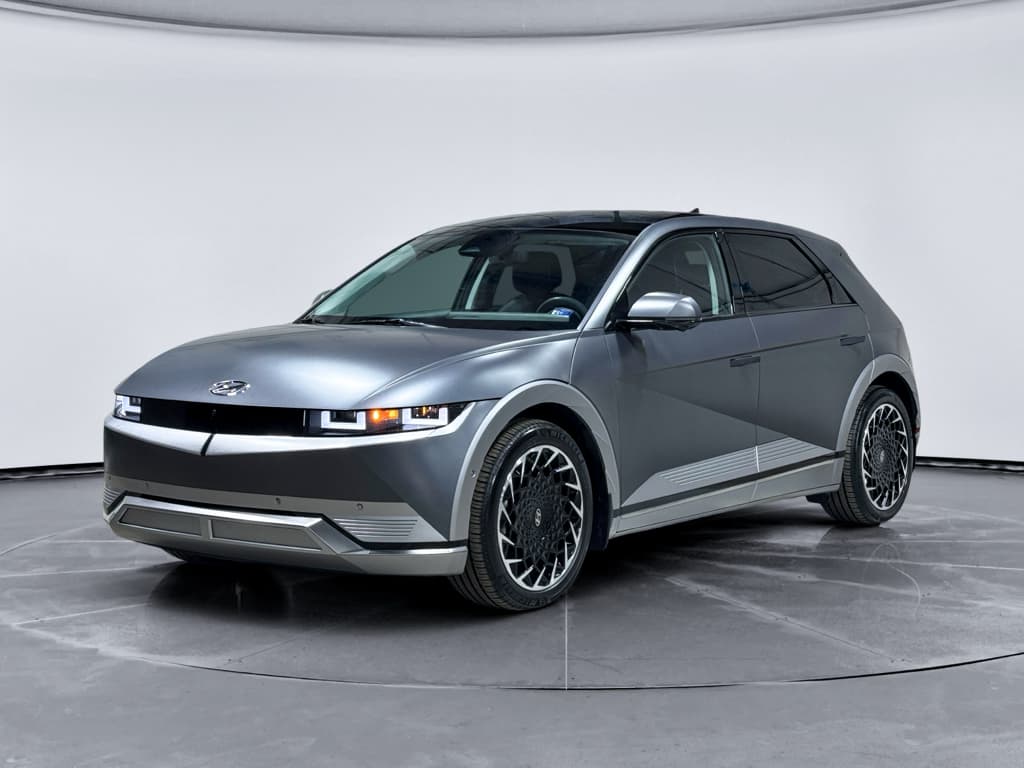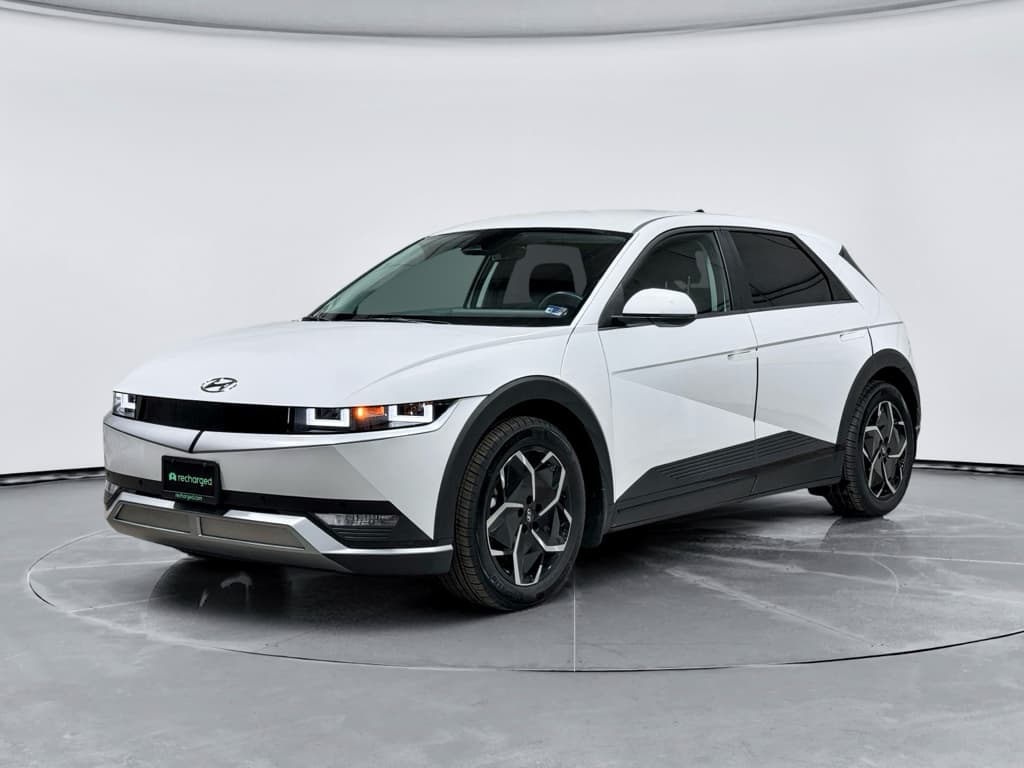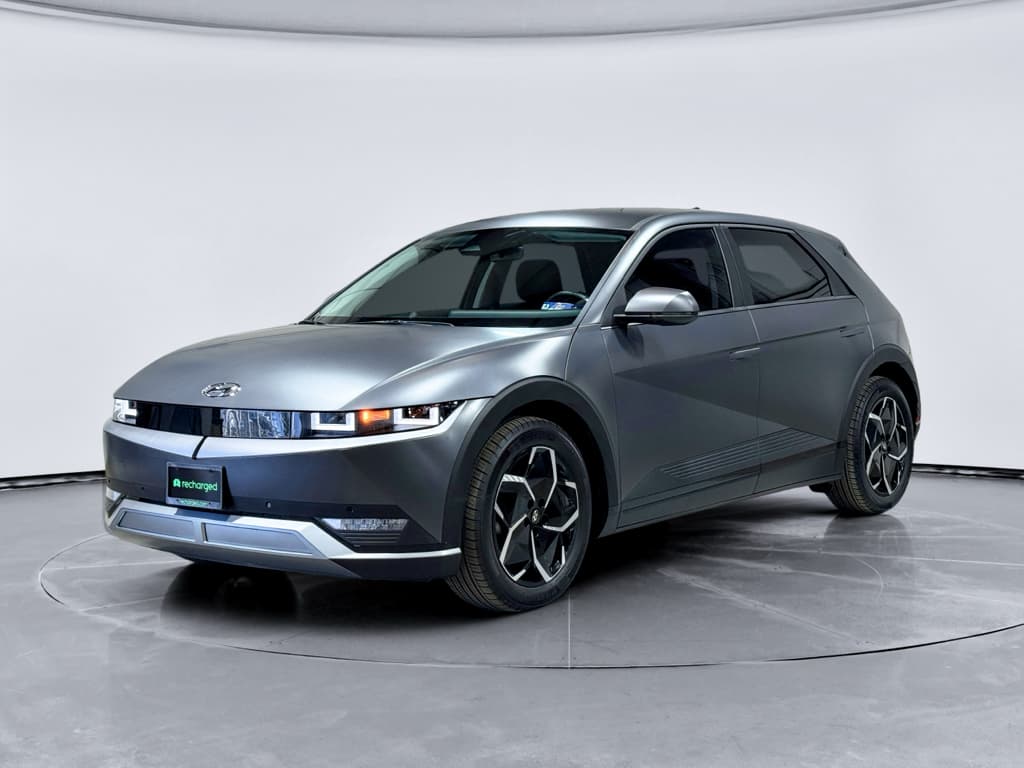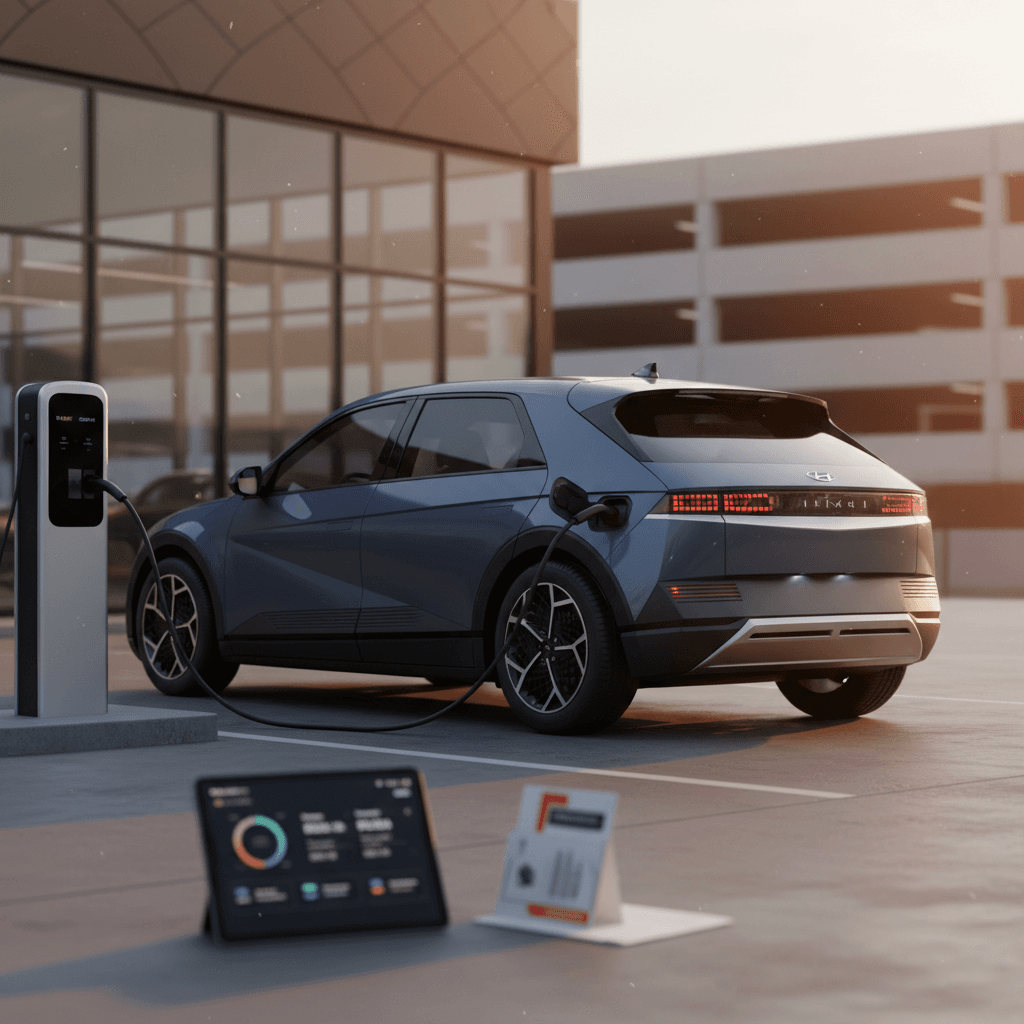
The 2026 Hyundai Ioniq 5 lands in a very different EV market than when this sharp-edged crossover first showed up. Prices are coming down, more competitors are plugging in, and Hyundai has tweaked range, features, and pricing to keep the Ioniq 5 squarely on your shopping list. This 2026 Hyundai Ioniq 5 buying guide walks you through trims, range, charging, pricing, and how it stacks up as a new or used buy, so you can decide with confidence.
Quick snapshot
Why the 2026 Hyundai Ioniq 5 matters
Hyundai’s Ioniq 5 has quietly become one of the core mainstream electric SUVs in the U.S. It competes directly with models like the Tesla Model Y, Ford Mustang Mach‑E, Volkswagen ID.4, and Kia EV6, but brings its own mix of retro‑futuristic styling, a roomy cabin, and fast‑charging hardware rooted in an 800‑volt electrical architecture. For buyers in 2026, that matters in two ways: you can often charge quicker than in rival EVs, and you now have a healthy used inventory to cross‑shop against the new model.
2026 Hyundai Ioniq 5 at a glance
What’s new on the 2026 Hyundai Ioniq 5?
Hyundai has treated the 2026 Ioniq 5 as an evolution, not a redesign. The body and cabin will feel familiar if you’ve sat in a 2023–2025 model, but there are several meaningful tweaks that matter to shoppers:
- Lower pricing: Hyundai has cut list prices across most trims compared with 2025, in some cases by close to five figures, to keep the Ioniq 5 competitive against aggressive discounting from other brands.
- Battery and range updates: Standard‑range models moved from the original ~58 kWh pack to roughly 63 kWh, and long‑range versions gained capacity (around 84 kWh on select trims) to nudge range up to an EPA‑estimated ~318 miles on certain rear‑drive models.
- Standard home charger bundle: Hyundai now includes a dual‑amperage portable Level 1/Level 2 charge cord on all trims, making it easier to plug into a 120‑volt outlet or a 240‑volt NEMA receptacle at home without buying a separate wall box right away.
- Feature reshuffling: Expect small changes in which trims get items like surround‑view cameras, premium audio, and advanced driver‑assistance as standard. Always compare the window sticker, not just the trim name, especially if you’re cross‑shopping 2025 and 2026 models.
- Made-in-U.S. production: Following the 2025 model, 2026 Ioniq 5s for the U.S. are built at Hyundai’s Georgia plant, which may help with availability and, depending on future IRS guidance, certain incentive eligibility paths.
Don’t assume all 2026s are identical
2026 Ioniq 5 trim levels and key features
Hyundai slightly adjusts trim names and packages by year, but by 2026 you can expect a familiar ladder of SE, SEL, Limited and an off‑road‑flavored XRT or similar package. Names may vary, but the logic is the same: base trims emphasize value, mid‑trims add comfort and tech, and top trims pile on luxury‑leaning features.
2026 Hyundai Ioniq 5 trim comparison (typical U.S. lineup)
Exact naming and equipment can vary by region and build date, but this table shows how the main trims generally stack up.
| Trim | Drivetrain options | Battery | Headline features | Best for |
|---|---|---|---|---|
| SE Standard Range | RWD | ~63 kWh | Cloth seats, basic audio, core driver-assist suite, included portable charger | Budget shoppers who mainly drive in town |
| SE Long Range | RWD or optional AWD | ~84 kWh | Larger battery, more range, heated front seats on many builds | Commuters who want maximum range per dollar |
| SEL | RWD or AWD | ~84 kWh | Power driver seat, more driver-assist features, power liftgate, upgraded interior trims | Families wanting comfort and value balance |
| XRT / adventure trim | AWD only | ~84 kWh | Tougher cladding, tow hitch, all-terrain styling, sometimes slightly lower range | Outdoor-focused buyers who tow or hit rough roads |
| Limited | RWD or AWD | ~84 kWh | Leather or premium upholstery, panoramic glass roof, surround-view camera, ventilated seats, top-tier audio | Shoppers wanting a near-luxury EV experience |
Always confirm exact features on the specific VIN you’re considering.
Trim-shopping tip
Battery, range, and performance
By 2026, the Ioniq 5 has settled into a clear pattern: one smaller battery pack and one larger pack, paired with either rear‑wheel drive (single motor) or all‑wheel drive (dual motors). Here’s how that translates into ownership realities.
2026 Ioniq 5 batteries and drivetrains
Approximate EPA‑estimated ranges, always check your specific VIN label
Standard Range RWD
Battery: ~63 kWh
Power: around 168 hp equivalent
EPA range: roughly mid‑200s miles, depending on wheels and options.
Good fit if your daily driving is under 80 miles and you don’t road‑trip often.
Long Range RWD
Battery: ~84 kWh
Power: ~225 hp equivalent
EPA range: up to about 318 miles on select trims and wheels.
Best range‑for‑dollar choice in the lineup for many drivers.
Long Range AWD
Battery: ~84 kWh
Power: well over 300 hp equivalent
EPA range: typically high‑200s miles; off‑road‑styled trims hover in the 250–260 mile band.
The quickest versions; great traction but modestly less range.
Real-world range vs EPA label
Everyday driving
The 2026 Ioniq 5 leans toward comfortable and quiet rather than sporty. Even the Standard Range RWD model pulls away from lights briskly thanks to instant EV torque. Long Range AWD versions feel genuinely quick when merging or passing, and regenerative braking lets you slow primarily with the accelerator in many modes.
Ride quality is generally composed, though the biggest wheel packages can feel a bit firmer over broken pavement, something to keep in mind if you drive on rough roads.
Towing and cargo
Properly equipped AWD Ioniq 5s are typically rated to tow around 2,000 pounds, enough for a small trailer, utility hauler, or a pair of dirt bikes. Just remember: towing can slash your range by 30–50%, especially at highway speeds.
Inside, the sliding rear bench and nearly flat floor give you flexible cargo space. If you need more volume than a sedan but don’t want a huge SUV, the Ioniq 5 hits a sweet spot.
Charging: how fast and what you’ll need
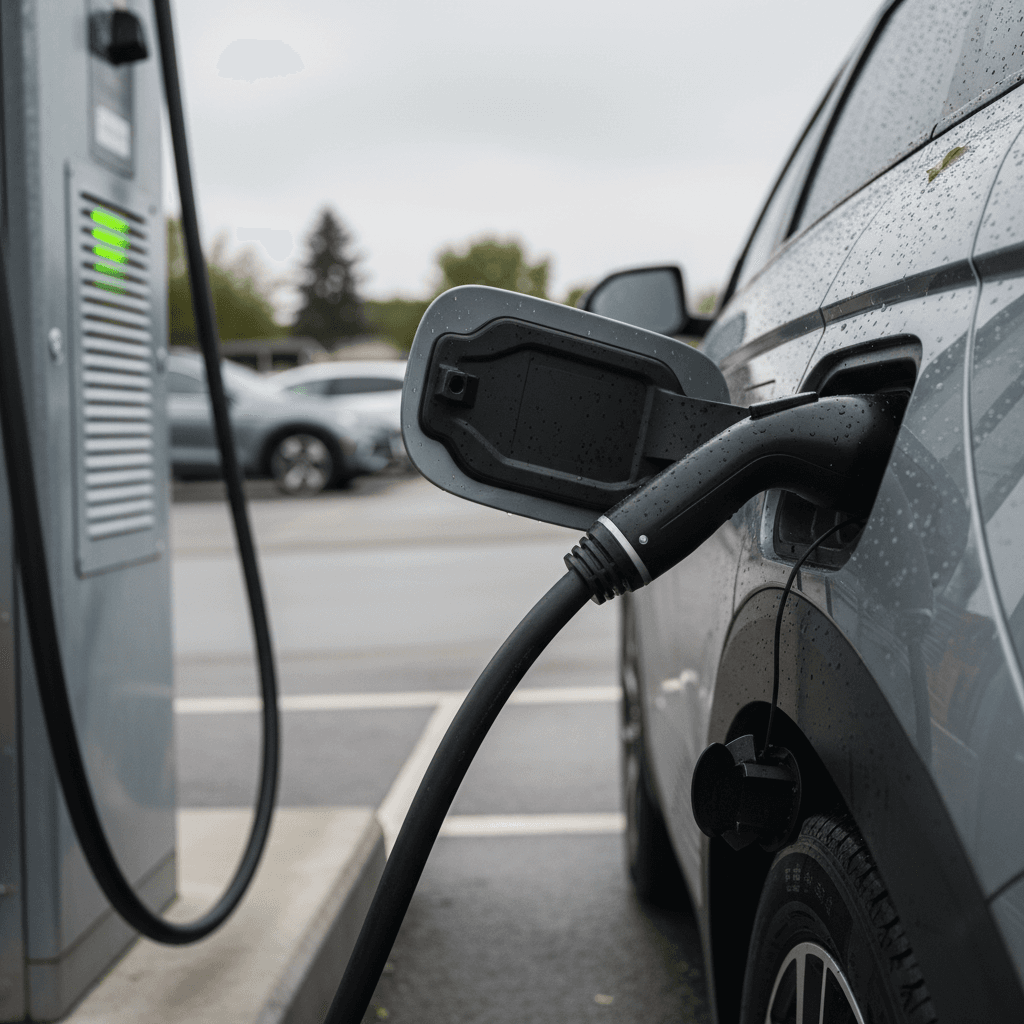
Charging is where the 2026 Hyundai Ioniq 5 quietly distinguishes itself. Its 800‑volt architecture enables very high peak DC fast‑charge rates, and Hyundai now includes a more capable portable charger with every car, which lowers your initial home‑charging costs.
2026 Ioniq 5 charging options
Home and public charging strategies that work in real life
Level 1 (120V)
Best for: Low‑mileage drivers or short‑term charging.
With the included portable charger plugged into a standard household outlet, expect only 2–4 miles of range per hour depending on conditions.
Good backup, but too slow as your only solution if you frequently arrive home with a low battery.
Level 2 (240V) at home
Best for: Most owners.
Use the bundled dual‑amperage cord on a 240‑volt outlet, or install a dedicated wall unit. You’ll typically add 25–35 miles of range per hour, enough to refill a long‑range pack overnight.
This is the sweet spot for daily convenience and battery longevity.
DC fast charging
Best for: Road trips and emergency top‑ups.
On a high‑power 350 kW station with a compatible CCS connector or adapter, Hyundai quotes about 10–80% in around 18 minutes under ideal conditions.
Plan to stop every 2–3 hours on the highway, aligning charging with bathroom and snack breaks.
Battery health and DC fast charging
Pricing, incentives, and total cost of ownership
Hyundai’s 2026 price cuts reposition the Ioniq 5 squarely in the heart of the compact EV‑SUV market. Exact MSRPs vary by trim and region, but expect a starting price around the mid‑$30,000s for a Standard Range SE and upper‑$40,000s to low‑$50,000s for fully loaded, long‑range AWD versions before incentives.
2026 Hyundai Ioniq 5 pricing snapshot (approximate, pre‑incentive)
Use these ranges as a ballpark reference, always verify local pricing, dealer fees, and discounts.
| Version | Typical 2026 MSRP | Who it fits |
|---|---|---|
| SE Standard Range RWD | Mid-$30,000s | Budget‑conscious buyers with short daily commutes |
| SE/SEL Long Range RWD | Low-$40,000s | Drivers prioritizing range and value over AWD |
| Long Range AWD (SEL/XRT) | Mid-to-high $40,000s | Families in snowy climates or towing occasionally |
| Limited Long Range AWD | Around $50,000+ | Shoppers cross‑shopping near‑luxury EVs with more tech |
Pricing will vary by dealer, options, and any regional programs.
Federal and state incentives
Because eligibility rules continue to evolve, especially around North American assembly and battery sourcing, you’ll want to check current IRS guidance and Hyundai’s site for the latest on federal clean vehicle tax credits. Some Ioniq 5 trims may qualify for consumer credits or commercial lease structures that indirectly pass incentives to you.
On top of that, many states and utilities still offer rebates for home charger installation or time‑of‑use rates that make overnight charging cheaper. Those can shave hundreds of dollars a year off your running costs.
Operating costs vs gas SUVs
Even if your electric rates are average, most Ioniq 5 owners will spend less per mile on energy than they would on gasoline in a comparable compact SUV. Electric powertrains also have fewer moving parts and no oil changes, which helps keep routine maintenance low.
Insurance costs can be higher than for an equivalent gas crossover, so be sure to collect quotes before you sign. Over a 5‑ to 8‑year period, though, many owners still come out ahead thanks to lower fuel and maintenance expenses.
Safety, tech, and comfort features to compare
Even base 2026 Ioniq 5s come with a long list of driver‑assist tech, while higher trims pile on more sensors, cameras, and comfort features. When you’re comparing cars, especially used ones from different years, focus less on the marketing names and more on what’s actually installed.
Key 2026 Ioniq 5 features to focus on
What changes most between trims and model years
Driver assistance
- Standard: Forward collision avoidance, lane keeping assist, adaptive cruise (on most trims).
- Available: Highway driving assist with lane centering, blind‑spot view monitor, rear cross‑traffic braking.
On used cars, confirm these features are actually present and functional.
Infotainment & software
- Wide dual‑screen setup with smartphone integration.
- Later years, including 2026, may add upgraded over‑the‑air update capability and digital key features.
- Check for software update history on used units.
Comfort & interior
- Heated front seats common from mid‑trims up; ventilated seats usually Limited only.
- Panoramic glass roof optional or standard on upper trims.
- Adjustable center console and sliding rear bench add real‑world flexibility.
Good news for used shoppers
New vs. used Ioniq 5 in 2026
By 2026, you’re no longer choosing between an early‑adopter new Ioniq 5 and nothing used. You now have a three‑ to four‑model‑year spread of Ioniq 5s on the used market alongside the latest 2026 builds. That changes the math in interesting ways.
Reasons to buy new 2026
- Latest battery and range tuning: Long‑range RWD trims with the larger pack can eke out a bit more highway range than early models.
- Freshest tech and warranty: Full bumper‑to‑bumper coverage plus the remaining long EV battery warranty give peace of mind if you keep cars a long time.
- Potential incentive structures: Depending on policy at the time you buy, leases and certain trims may unlock attractive programs you can’t get on used vehicles.
Reasons to buy used (2022–2025)
- Lower upfront price: Depreciation hits EVs hard in the first few years. A well‑cared‑for 2023 or 2024 Ioniq 5 can undercut an equivalent 2026 build by thousands.
- Plenty of range already: Earlier long‑range RWD models with the ~77.4 kWh pack and ~300‑mile EPA labels still fit most real‑world use cases.
- More selection: You may find colors and option combinations that are rare or allocation‑limited on brand‑new 2026 inventory.
Used EV risk: unknown battery history
How Recharged evaluates used Ioniq 5s
Because the Ioniq 5 has become a staple of the used‑EV market, Recharged has developed model‑specific checks to help separate great examples from risky ones. Every Ioniq 5 we list comes with a Recharged Score Report that goes beyond a generic vehicle history.
What’s in a Recharged Score for the Ioniq 5
Key areas our EV specialists look at
Battery health diagnostics
- We read pack data through the Ioniq 5’s systems to estimate usable capacity vs. original spec.
- We look for signs of abnormal degradation patterns that could point to hard usage.
- We factor in mileage, age, and climate to project future capacity realistically.
EV-specific inspection
- We verify DC fast‑charging behavior and Level 2 charging function.
- We inspect the CCS/NACS charge port for wear or damage.
- We test key driver‑assist systems, infotainment, and OTA update functionality where applicable.
Ready to find your next EV?
Browse VehiclesYou also get transparent fair‑market pricing and the option for nationwide delivery, plus support from EV‑specialist advisors who live with these cars every day. If you’re comparing a used Ioniq 5 to a new 2026 model, that data can make the difference between leaning into the value play or justifying the step up to new.
Checklist: how to shop the 2026 Hyundai Ioniq 5
Step-by-step 2026 Ioniq 5 buying checklist
1. Define your real range needs
Look at your typical week: daily commute, kids’ activities, weekend trips. If you rarely exceed 100–120 miles in a day and road‑trips are occasional, a Standard Range or used long‑range model might be enough. If you drive long distances often, prioritize the larger battery with RWD for maximum range.
2. Choose drivetrain before trim
Decide whether you truly need AWD for weather or towing. RWD models are more efficient and generally cheaper; AWD adds traction and acceleration at the cost of some range and price. Once that’s decided, pick the trim that gets you your must‑have features.
3. Plan your home charging setup
Confirm what power you have in your garage or driveway. A 240‑volt outlet or dedicated Level 2 charger is ideal. Factor any electrician work into your overall budget, but remember that the 2026 Ioniq 5’s included portable charger can handle both 120V and 240V when properly wired.
4. Compare new vs used side by side
Price out a new 2026 build against a comparable 2023–2025 example with similar equipment. For used, ask for a battery‑health report like the Recharged Score, detailed service history, and confirmation of any software update campaigns.
5. Double-check incentives and lease offers
Policies and OEM programs change. Before you commit, run the numbers with and without potential federal and state incentives, plus any lease cash or finance offers. Sometimes a lease on a new 2026 Ioniq 5 is effectively cheaper than a loan on a used one once everything is factored in.
6. Test range and charging in your real routes
On your test drive, include highway speeds and ideally a quick stop at a DC fast charger you’d use in real life. Watch energy use at 70 mph and confirm plug‑and‑charge behavior, payment, and charging speed. A 30‑minute detour now can prevent range‑anxiety surprises later.
2026 Hyundai Ioniq 5 FAQ
Frequently asked questions about the 2026 Ioniq 5
Bottom line: should you buy a 2026 Ioniq 5?
If you’re shopping in the compact electric SUV segment in 2026, the Hyundai Ioniq 5 deserves a serious look. It blends competitive range, fast charging, a comfortable cabin, and now‑sharper pricing into a package that still feels fresh years after launch. The latest model‑year tweaks mostly sharpen what was already good, especially for long‑range RWD trims that push past the 300‑mile mark.
Your real choice isn’t just “Ioniq 5 or not,” but whether a new 2026 or a carefully vetted used example is the smarter move. If you favor the latest tech, full warranty, and potentially stronger incentives, leaning toward a new 2026 makes sense. If you’re value‑driven, Recharged’s used Ioniq 5 inventory, with Recharged Score battery diagnostics, fair‑market pricing, and EV‑specialist support, can get you into essentially the same driving experience for less. Either way, following the steps in this guide will help you land the right Ioniq 5 for how you actually drive.