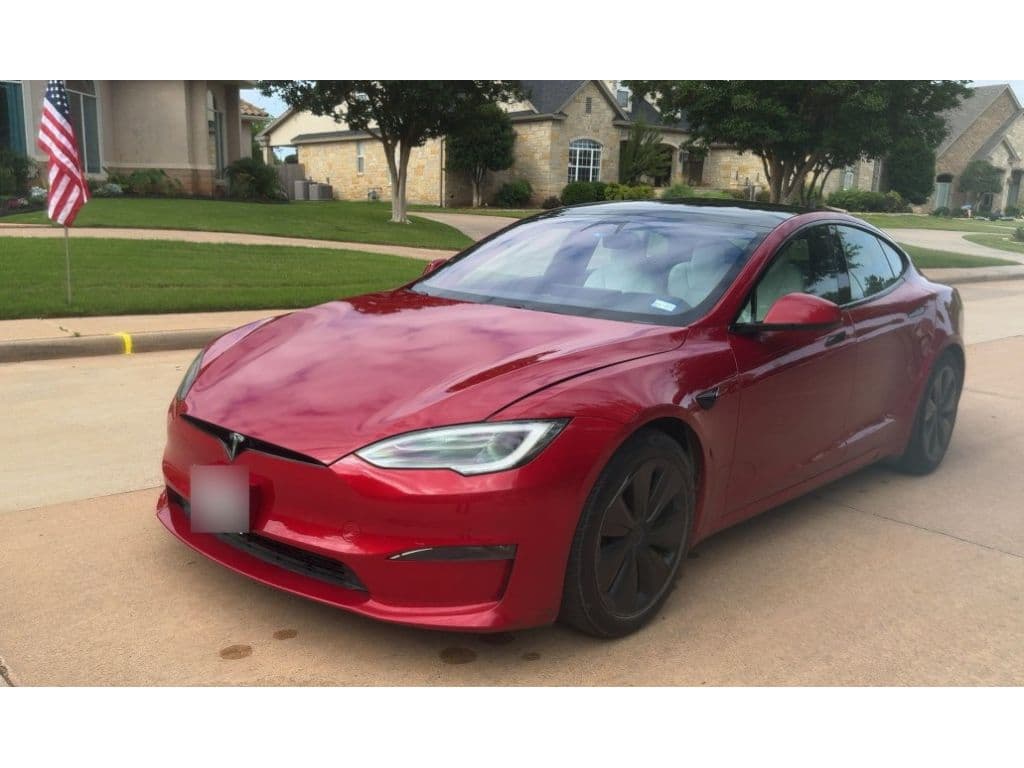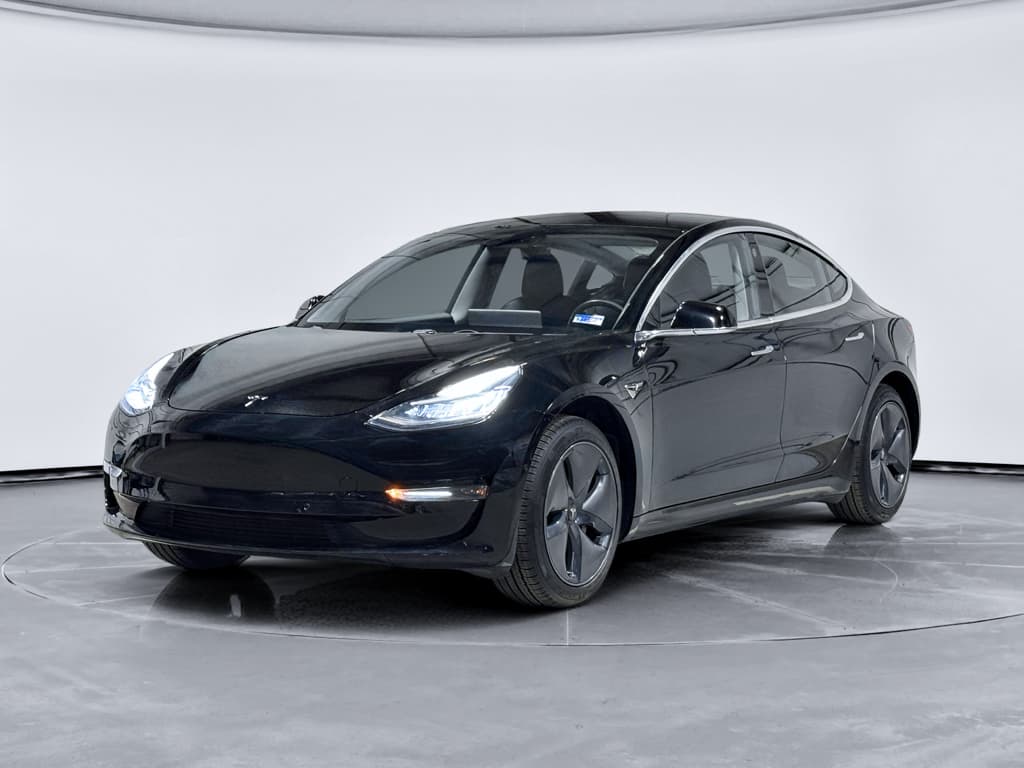
If you’ve ever watched a Tesla Model S streak past and thought, “One day,” 2026 might finally be that day. After years of steep depreciation and a late‑2025 price rebound, the used Model S has become one of the most interesting luxury EV values on the market, if you know how to shop it. This used Tesla Model S buying guide for 2026 walks you through pricing, which years to target, battery health, common problems, and exactly how to avoid an expensive mistake.
Quick takeaway
Why a used Tesla Model S is interesting in 2026
Used Tesla Model S market snapshot, early 2026
Used Tesla values tumbled through 2024 and early 2025 as new‑car prices dropped and more EVs hit the market. By late 2025 and into 2026, that slide finally bottomed and even reversed, with Model S prices jumping roughly 8–9% as Tesla discontinued new S and X production and buyers started chasing the remaining supply. In other words: you’re shopping right as the car has become a modern classic, not a commodity.
Depreciation cuts both ways
Model S generations and which years to target
Not all Model S years are created equal. Tesla has updated the car continuously since 2012, with a major refresh in 2016 and a ground‑up interior and mechanical update for the Plaid‑era cars starting in 2021. Before you chase a bargain, you need to know what you’re really looking at.
Tesla Model S eras to know before you buy
Use this as a shorthand map of the Model S family when you’re scrolling listings.
| Era | Approx. Model Years | What You Get | Best For | Buyer Cautions |
|---|---|---|---|---|
| Early original (pre‑facelift) | 2012–early 2016 | Classic nose, simpler interiors, smaller batteries (60–85 kWh). | Lowest entry prices. | Many are high‑mileage; older tech (MCU1), more wear on battery and suspension. |
| Facelift / AP2 era | mid‑2016–2018 | New front fascia, LED headlights, Autopilot 2 hardware. | Good value blend of range and modern look. | Watch for MCU/eMMC failures and out‑of‑warranty air‑suspension repairs. |
| Raven & late pre‑refresh | 2019–2020 | Efficiency update (Raven), smoother ride, better range. | Daily drivers wanting comfort and range. | Fewer on the market; prices stay firmer than older cars. |
| Refresh / Plaid era | 2021–2024 | New interior, horizontal screen, yoke or round wheel, Plaid tri‑motor option. | Enthusiasts and long‑term owners wanting latest tech. | Higher prices and steeper near‑term depreciation; check for software history and any performance‑use abuse. |
Year ranges are approximate; always verify exact build date and options from the VIN and window sticker when possible.
Sweet‑spot years
What a used Tesla Model S costs in 2026
In early 2026, used Model S prices in the U.S. span a wide range depending on age, mileage, trim, and battery health. Market data shows typical asking prices from the high‑$20,000s for older, higher‑mile cars up to $60,000‑plus for late‑model Plaid and fully loaded long‑range examples. That spread is exactly why you need a plan before you start clicking “Buy.”
Typical used Tesla Model S price bands in early 2026 (U.S.)
Very rough guide to what you’ll see in listings. Local markets and condition matter a lot.
| Era / Trim | Typical Years | Approx. Mileage Band | Typical Asking Range |
|---|---|---|---|
| Older pre‑facelift / smaller packs | 2013–2015 | 80,000–150,000+ miles | $28,000–$35,000 |
| Facelift 75D / 90D / 100D | 2016–2018 | 60,000–120,000 miles | $32,000–$42,000 |
| Raven Long Range / Performance | 2019–2020 | 40,000–90,000 miles | $38,000–$48,000 |
| Refresh Long Range | 2021–2023 | 20,000–70,000 miles | $40,000–$55,000 |
| Plaid | 2021–2024 | 15,000–60,000 miles | $50,000–$70,000+ |
Assumes clean title, no major accidents, and typical mileage. Exceptional or rough vehicles can sit outside these ranges.
How to judge a price quickly
Battery health and warranty: what really matters
With any used EV, the battery is the big-ticket item. The Model S uses large lithium‑ion packs that generally age well, but age, mileage, fast‑charging habits, and climate all leave fingerprints. Think of the battery like the engine and fuel tank combined: if it’s tired, everything else about the deal changes.
How to evaluate a used Model S battery in 2026
Four signals that tell you more than the odometer ever will.
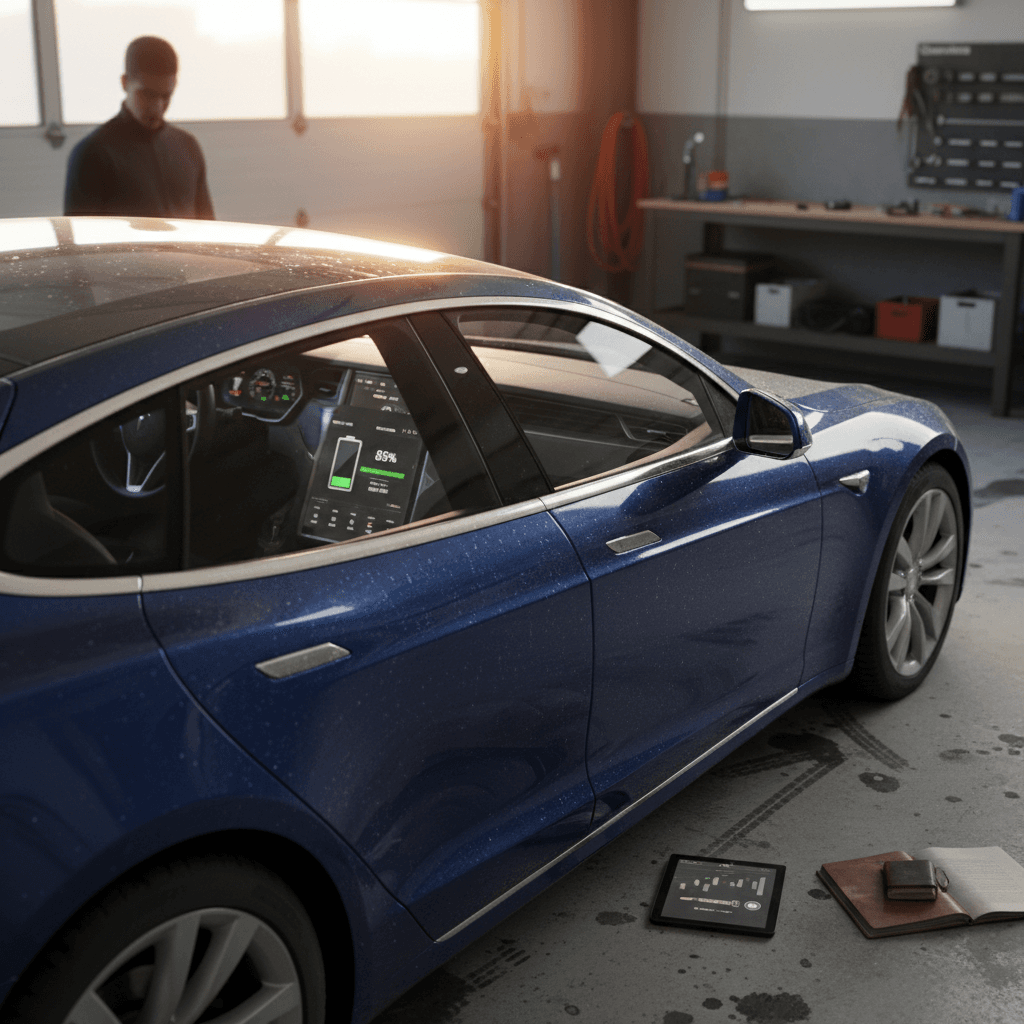
Displayed range at 100%
Ask the seller for a recent photo of the car at 100% charge, showing the rated range. Then:
- Search what that model was rated for when new.
- Estimate degradation: a car that should show 370 miles but only displays 320 has lost ~13%.
Charging history
A car fast‑charged on DC almost every day (road‑trip warrior or rideshare) will usually age faster.
Look for:
- Mostly home or workplace Level 2 charging.
- Occasional DC fast‑charge use, not daily dependence.
Climate and storage
Cars that lived in very hot regions and sat at high state‑of‑charge for long periods tend to lose more capacity.
Cooler climates and garages are your friends.
Remaining battery warranty
Most Model S battery and drive‑unit warranties run 8 years from in‑service date.
A 2020 car will typically carry coverage into 2028; a 2015 car is likely out of battery warranty now.
How Recharged helps here
Ready to find your next EV?
Browse VehiclesCommon Model S issues to watch for
No used luxury car is perfect, and the Model S has its share of quirks. The good news: most of the big problems are well‑known by now. Go in with eyes open and you can separate annoying but fixable issues from true deal‑breakers.
- MCU (media control unit) failures on older cars (MCU1) – Early Model S cars are known for failing infotainment screens due to memory wear. Many have been repaired under warranty or upgraded; look for documentation.
- Air‑suspension components – Air struts and compressors can fail with age and miles. Listen for clunks or uneven ride height, and budget accordingly on higher‑mile cars.
- Door handle mechanisms (earlier years) – The signature retractable handles can stick or stop presenting. One or two repairs in the car’s history isn’t unusual; multiple repeated replacements can be a red flag.
- Interior squeaks and trim wear – Early cars in particular can feel less buttoned‑down than later builds. Decide how much this matters to you.
- High‑voltage and charging hardware – Warning lights, charging faults, or a history of repeated DC fast‑charge issues deserve careful scrutiny and a professional inspection.
Red flags, walk away or renegotiate
Specs, trims, and options that actually matter
Tesla has sold the Model S with a confusing alphabet of badges, 60, 70D, 75, 85, 90D, 100D, Long Range, Performance, Plaid, and a constantly shifting menu of options. Some of that alphabet soup matters for your daily life; some of it doesn’t.
What to prioritize on a used Model S in 2026
Decide what kind of driver you are, then shop accordingly.
Battery size & range
Most important spec. Bigger packs (90, 100, Long Range) mean more real‑world flexibility.
If you routinely drive 200+ miles in a day, skip the smallest packs and aim for a long‑range version even if it costs more.
Performance vs. sanity
Performance and Plaid trims are genuinely outrageous. They’re also harder on tires and brakes and more tempting to previous owners.
If you want quiet, efficient luxury, a Long Range or 75/90/100D can be the better everyday fit.
Interior & interface
2021+ cars bring the new horizontal screen and revised cabin, plus yoke or round wheel.
Earlier cars feel more traditional. Sit in both styles if you can; your hands and eyes will have strong opinions.
Air suspension & wheels
Big 21‑inch wheels look great but ride harsher and eat tires. Smaller wheels are kinder to your spine and your budget.
Adaptive air suspension is lovely when it works; just remember potential repair costs on older high‑mile examples.
Autopilot & safety tech
Autopilot hardware and software generations get complicated fast. For commuting, basic Autopilot (lane‑keeping and adaptive cruise) is usually enough.
Full Self‑Driving can add value for some, but don’t pay a huge premium unless you truly want it.
Charging hardware
All U.S. Model S cars use Tesla’s NACS connector and can access Superchargers, but charging speeds vary slightly by pack and year.
If you road trip often, look for healthy fast‑charge performance in the car’s history and during a test charge if possible.
Step-by-step used Model S inspection checklist
Whether you’re standing in a driveway, at a dealer lot, or browsing a fully digital listing, you should approach every used Model S the same way: systematic, curious, and a little bit skeptical. Here’s a practical checklist you can work through in under an hour.
Your used Tesla Model S inspection game plan
1. Validate VIN, history, and recalls
Start with the basics. Run the VIN through a vehicle‑history service, check for accidents, buybacks, or branded titles, and confirm any open recalls have been addressed. Look for consistent mileage and ownership records.
2. Walk the exterior slowly
Look for mismatched paint, uneven panel gaps, overspray, or ripples that suggest prior body work. Minor bumper resprays aren’t unusual; structural repairs, flood evidence, or poorly aligned glass are bigger concerns.
3. Sit, touch, and listen inside
Check seat bolsters, steering‑wheel wear, headliner, and all switches. Test the doors, windows, HVAC, audio, seat heaters, and sunroof (where equipped). Squeaks on rough roads are common but should not sound like a maraca band.
4. Drive it like you own it
On a test drive, pay attention to straight‑line tracking, brake feel, suspension noises, and how the car responds over bumps. A good Model S feels solid, not floaty or crashy. Try highway speeds if possible.
5. Test charging behavior
If you can, plug into a Level 2 charger and verify that the car charges without errors. Watch the charge rate and listen for odd clicking or repeated contactor sounds. Charging faults can foreshadow expensive high‑voltage issues.
6. Check software and features
Confirm the car is on a reasonably current software version and that advertised features, Autopilot, premium connectivity, heated steering wheel, etc., are actually active. Some features follow the car; others can be removed if the car changed hands.
7. Get a battery health report
For a private‑party sale, consider paying for an independent EV specialist to pull detailed battery data. When buying through Recharged, review the included <strong>Recharged Score Report</strong> with battery‑health metrics before you commit.
Bring a digital checklist
Where to buy, and how Recharged fits in
You can find used Tesla Model S listings everywhere in 2026: Tesla’s own used inventory, franchise and independent dealers, online marketplaces, and private sellers. Each path trades convenience, transparency, and risk a little differently.
Traditional routes
- Tesla used inventory: Typically higher prices, limited selection of years and trims, but straightforward online buying and some reconditioning.
- Independent dealers: Wide variety of cars and price points. Inspection quality and EV knowledge vary wildly, some are excellent, some are guessing.
- Private sellers: Often the lowest prices and best stories about how the car was used, but you’re on your own for inspection and paperwork.
Buying through Recharged
Recharged is built specifically for used EVs, including the Model S. When you shop here, you get:
- A Recharged Score on every car, with verified battery health, drive‑unit checks, and pricing against real market data.
- Help with financing, trade‑in, and even consignment if you’re selling another EV.
- Nationwide delivery and EV‑specialist support so you can do the whole process digitally, or visit the Recharged Experience Center in Richmond, VA if you prefer to see cars in person.
If you like the Model S but don’t want to become an EV detective, this can be the least stressful route.
Financing and total cost of ownership
The sticker price is only part of the story. A used Model S can be cheaper to run than a similarly quick gas sedan, but repair surprises and insurance can catch people off guard. A realistic look at total cost of ownership will keep you out of trouble.
Your used Model S cost picture, beyond the purchase price
Think in monthly and per‑mile terms, not just the big number on the window.
Financing & payments
Many buyers finance used Teslas just like any other car. Shop rates with your bank or credit union, and compare to offers from digital retailers.
At Recharged, you can pre‑qualify for EV financing online with no impact to your credit score, then see real monthly payments for each Model S listing.
Energy vs. fuel costs
Even with rising electricity prices in some regions, charging a Model S at home usually undercuts gasoline by a wide margin.
Supercharging on road trips costs more than home charging, but still tends to beat filling an equivalent performance sedan at the pump.
Maintenance & repairs
No oil changes, fewer moving parts, and regenerative braking mean lower routine maintenance than a gas car.
But when something big breaks, air suspension, door handles, MCU, the bill can sting. A pre‑purchase inspection is cheap insurance.
Insurance & protection
Insurance premiums vary by state and by your record; performance trims often cost more to insure.
Some buyers choose extended coverage or service plans to smooth out risk once the original warranty ends. Just run the numbers carefully.
Watch the depreciation curve
FAQ: used Tesla Model S buying guide 2026
Frequently asked questions about buying a used Tesla Model S in 2026
Bottom line: is a used Model S right for you?
If you want a silent, brutally quick luxury sedan that still turns heads in 2026, a used Tesla Model S belongs on your short list. The magic is in buying the right car, not just the right badge: the right battery, the right year, the right history. Go beyond glossy photos and zero‑to‑sixty times. Ask for range screenshots, study service records, and don’t be shy about walking away from a car that doesn’t quite add up.
The good news is that you don’t have to do it alone. Platforms like Recharged exist precisely because EVs, and especially used Teslas, demand a different kind of homework. With verified battery‑health data, fair‑market pricing, financing support, and EV‑savvy humans on call, you can let the Model S be what it wants to be in your life: not a gamble, but a great long‑range companion that still feels a little bit like the future.