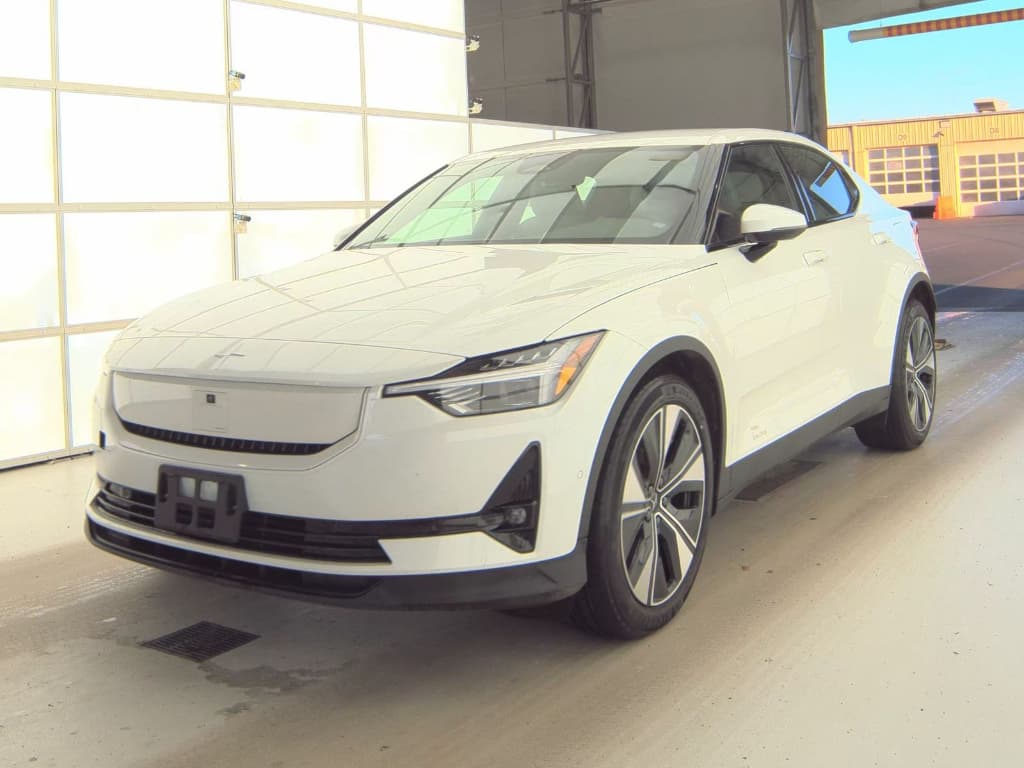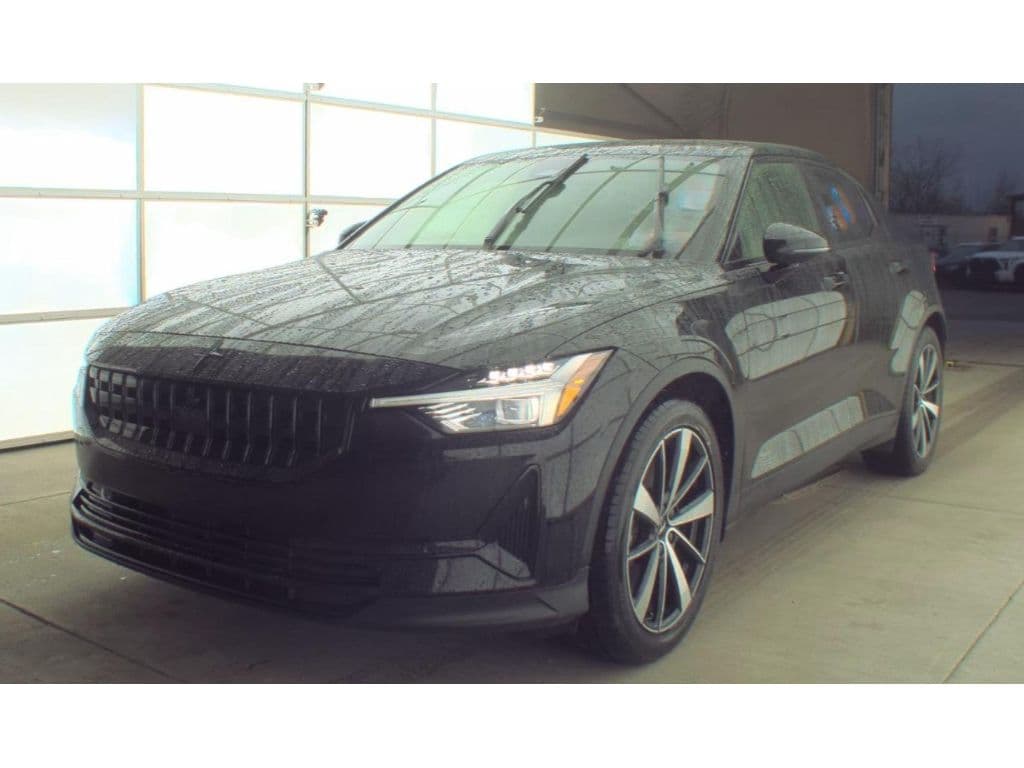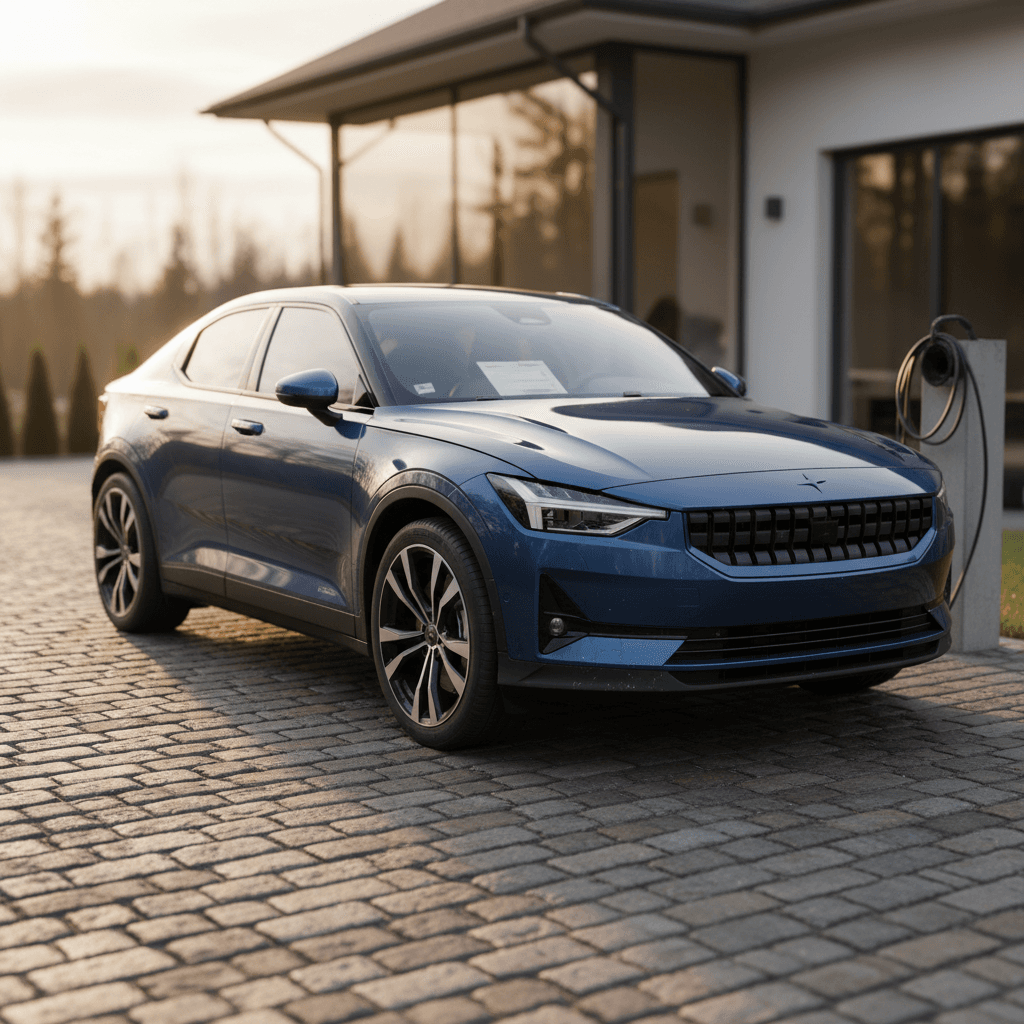
The 2021 Polestar 2 was the brand’s first mass-market EV and a clear shot at the Tesla Model 3. With dual motors, a 78 kWh battery, Google-based infotainment and crisp Scandinavian design, it’s now one of the more interesting options in the used EV market. This 2021 Polestar 2 review focuses on what it’s actually like to drive and live with today, and what you should know before you buy one used.
Quick Take
2021 Polestar 2 at a Glance
Key 2021 Polestar 2 Specs
2021 Polestar 2 Core Specifications (U.S.)
Headline specs for the launch-year Polestar 2 sold in North America.
| Item | 2021 Polestar 2 Long Range Dual Motor |
|---|---|
| Battery (gross/usable) | 78 kWh (about 75 kWh usable) |
| Drive layout | Dual-motor all-wheel drive |
| Power & torque | 408 hp / 487 lb-ft |
| 0–60 mph (manufacturer / tested) | ~4.5 sec / as quick as 4.1 sec in instrumented tests |
| EPA range | 233 miles |
| Max DC fast charge rate | 150 kW (155 kW peak for early cars) |
| Max AC charge rate | 11 kW (Level 2) |
| Body style | 5-door fastback hatchback |
| Towing | Up to 2,000 lbs rated |
| Assembly | Chengdu, China |
Most 2021 U.S. Polestar 2s were Long Range Dual Motor launch editions with generous standard equipment.
Driving Impressions: Performance, Ride and Handling
On the road, the 2021 Polestar 2 feels more like a compact European sport sedan than a futuristic science project. With 408 horsepower and 487 lb-ft of torque from its dual motors, acceleration is brisk enough to snap your head back and comfortably merge or pass even with passengers and cargo on board. Independent tests have clocked 0–60 mph in the low‑4‑second range, putting it squarely in performance‑EV territory.
Ride & Handling
The 2021 Polestar 2 rides on Volvo’s Compact Modular Architecture, and it shows in the way it soaks up rough pavement. Standard cars strike a firm but controlled balance: more buttoned-down than a typical crossover, but not punishing. Steering is direct and nicely weighted, and the car feels confident on a twisty back road.
If you find a used example with the Performance pack (Öhlins dampers, Brembo front brakes and 20-inch summer tires), expect sharper responses but also more road noise and impact harshness. It’s fun, but it’s overkill if you care more about comfort than Nürburgring splits.
Regeneration & Braking Feel
Polestar gives you several levels of one‑pedal driving, from light to quite aggressive regeneration. In its strongest setting the car will slow to a stop when you lift off the accelerator, which is great in city traffic but can feel like throwing an anchor if you’re not used to it.
One common complaint is that the transition between regen and the friction brakes can feel grabby, especially at low speeds. It’s not unsafe, but if you’re cross‑shopping a Tesla, you may notice the Polestar’s pedals feel less natural.
Test-Drive Tip
Range, Battery & Charging for the 2021 Polestar 2
Range is where the 2021 Polestar 2 shows its first real compromise. With a 78 kWh battery and dual motors, the car carries some weight and isn’t tuned to chase every last mile of efficiency the way a Tesla is.
2021 Polestar 2 Range & Charging Highlights
What to expect on real roads, not just spec sheets.
EPA range
The 2021 Long Range Dual Motor is rated at 233 miles on the EPA cycle. In mixed driving, many owners see 200–230 miles per charge depending on weather and speed.
Highway reality
Independent highway tests at ~75 mph have seen around 190 miles from a full charge. Expect less in cold weather or with the Performance pack’s stickier 20-inch tires.
Charging speeds
On DC fast chargers, the car can accept up to 150–155 kW, taking it from low state of charge to 80% in about 35–40 minutes. On Level 2 home charging (11 kW), a full charge takes roughly 7–8 hours.
Battery Longevity
Compared with rivals, the 2021 Polestar 2’s efficiency is only average. Where a similarly quick Model 3 will often cruise at 4+ miles per kWh, many Polestar 2 owners see closer to 3–3.3. That doesn’t make the car a bad road‑trip companion, but you’ll want to plan charging stops a bit more carefully and understand that winter range in particular can dip meaningfully.
Interior, Comfort & Google-Based Tech
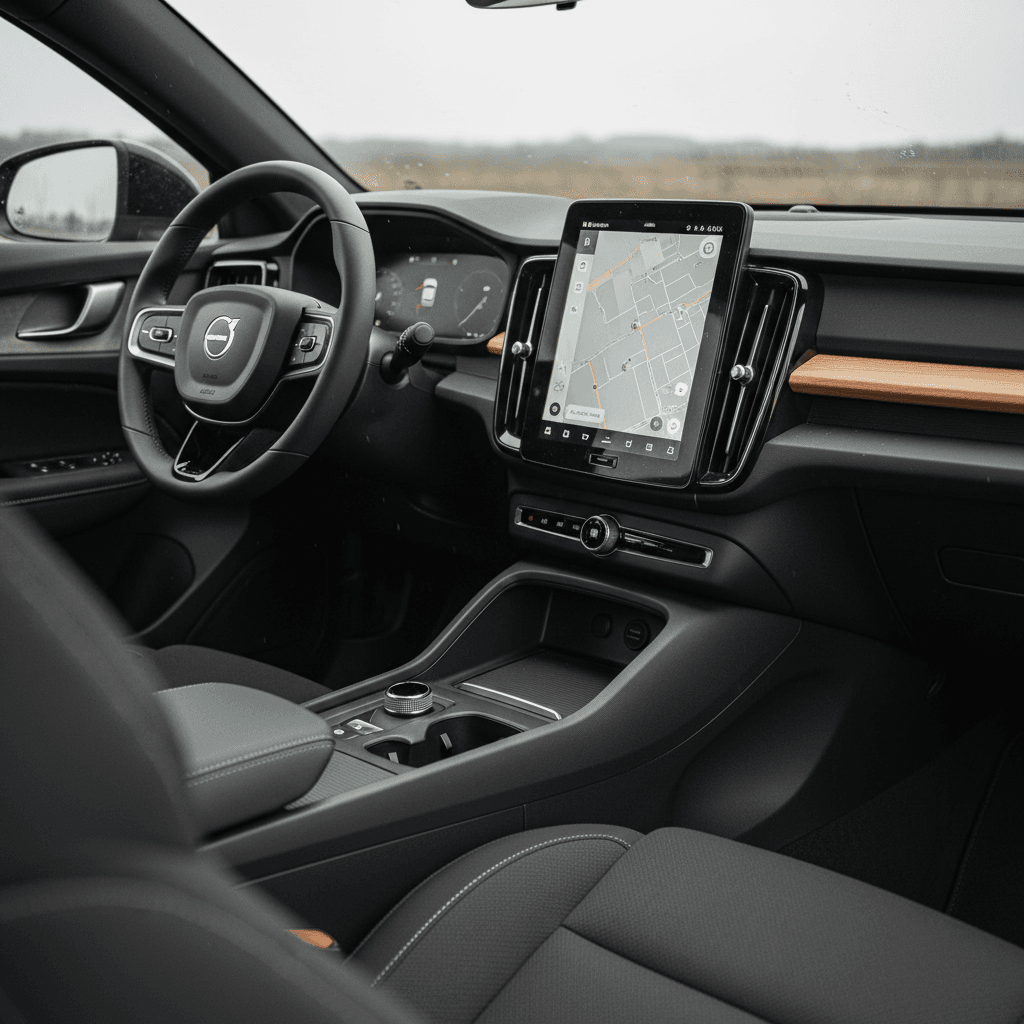
If range is the Polestar 2’s main weakness, the cabin is its biggest strength. The 2021 car combines clean Scandinavian design with high‑quality materials and solid ergonomics in a way that feels more grown‑up than many EVs from 2021.
Inside the 2021 Polestar 2
Where Scandinavian minimalism meets early‑adopter tech.
Space & seating
Front seats are supportive and comfortable on long drives, and the driving position is more "car" than "crossover". Rear headroom is decent for adults, though the sloping roofline means very tall passengers may brush the headliner.
Cargo practicality
Thanks to the hatchback design and split‑folding rear seats, you get almost 39 cubic feet of space with the seats down, plus some under‑floor storage and a small front trunk. It’s more useful day‑to‑day than a traditional sedan trunk.
Infotainment
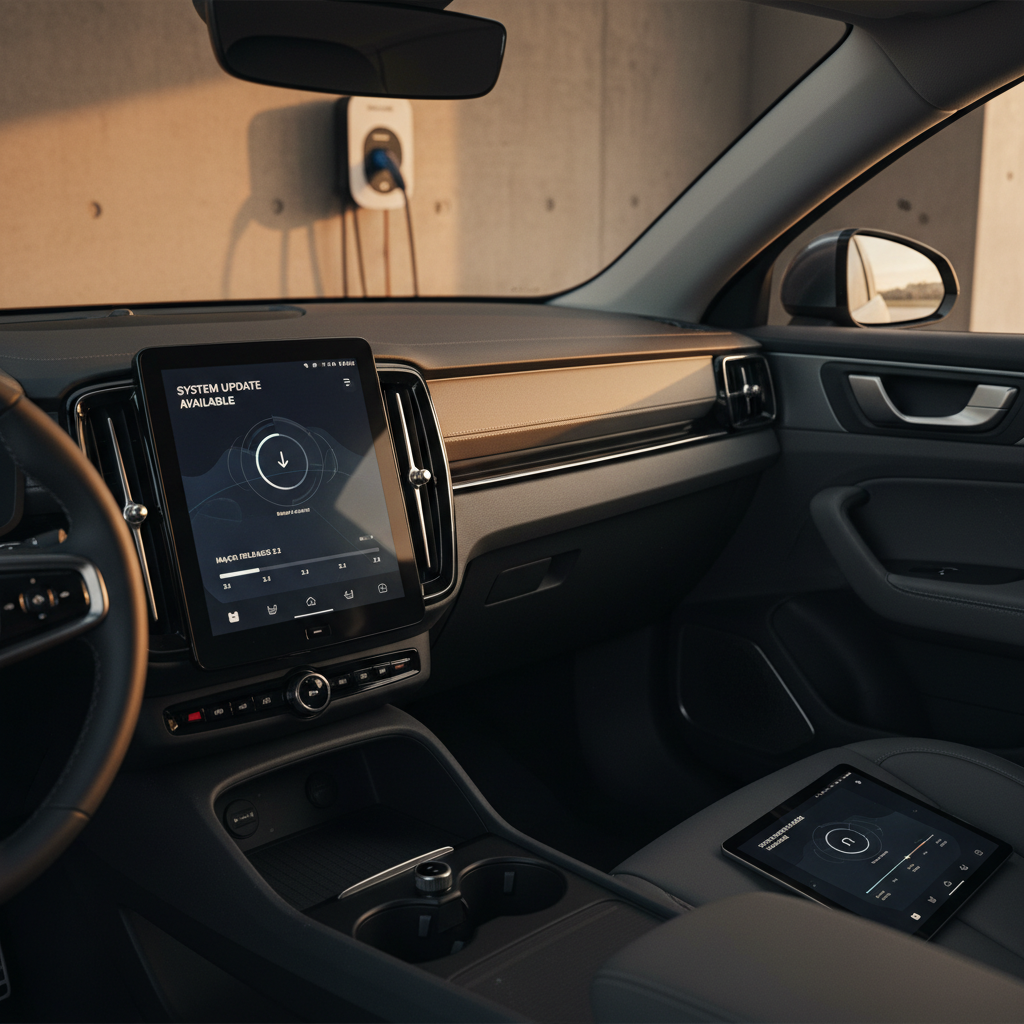
The star of the show is the Android Automotive system with a 11‑inch vertical touchscreen. Google Maps, the Play Store and Google Assistant are built in, and over‑the‑air updates have added features over time. Apple CarPlay support arrived later via software, so verify it’s enabled if that matters to you.
Infotainment Quirks
Overall refinement is where the Polestar 2 feels closest to its Volvo roots. Cabin noise is well controlled, materials feel expensive, and the physical controls that do exist, like the knurled volume knob and steering‑wheel buttons, have a satisfying, deliberate action. If you’re not chasing the biggest screen or the wildest ambient lighting, this is one of the nicest small EV cabins from its era.
Safety, Driver Assistance & Crash Performance
Polestar came out of the gate with a comprehensive safety story, and the 2021 Polestar 2 reflects that. It was engineered alongside Volvo products and shares their focus on crash protection and active safety tech.
- IIHS Top Safety Pick+ in 2021, with good scores in major crash categories and strong front‑crash prevention performance.
- Standard advanced safety features including automatic emergency braking, pedestrian and cyclist detection, lane keeping assist, blind‑spot monitoring and rear cross‑traffic alert.
- Adaptive cruise control and Pilot Assist (lane centering) available as part of the Driver Assistance package on many launch cars.
- Multiple cameras and parking sensors, with a 360‑degree camera system on better‑equipped models.
Rear Camera Recall
Reliability and Common 2021 Polestar 2 Issues
As a first‑generation EV from a new brand, the 2021 Polestar 2 has had its share of teething problems. Most are software‑centric rather than catastrophic hardware failures, but they’re still important to understand if you’re considering a used example.
Most Common 2021 Polestar 2 Complaints
What owners and service bulletins reveal.
TCAM & connectivity failures
One of the most widely reported issues involves the Telematics and Connectivity Antenna Module (TCAM). When it acts up, the car can lose LTE data, GPS and connection to the Polestar app. In some cases, OTA updates fail and the car needs a dealer visit or hardware replacement.
Infotainment & camera glitches
Owners report frozen or crashing infotainment screens, laggy performance and error messages related to the rear camera, now addressed by a recall. Most glitches can be cleared with a system reboot, but recurring failures should be inspected before you buy.
Charging & battery warnings
A minority of owners have experienced inconsistent fast‑charging behavior, battery‑related warning lights or reduced range. Sometimes this is down to software or a problematic DC fast charger, but persistent issues merit a high‑voltage system inspection and reading the car’s service history.
Suspension noise & ride issues
Some drivers complain about front suspension clunks or a "wooden" feel over bumps, particularly on Performance‑pack cars with 20‑inch wheels. Updated parts and revised bushings address many of these complaints, so look for records of suspension work.
How Recharged Helps De‑Risk a Used Polestar 2
"Think of the first‑year Polestar 2 less as an unreliable science experiment and more as a well‑engineered car with a few very fixable software headaches."
Ownership Costs, Depreciation & Used Market Pricing
When new, a 2021 Polestar 2 launch edition typically stickered in the low‑to‑mid‑$60,000 range, including the Performance and Pilot packs on better‑equipped cars. Today, depreciation has done what depreciation does best, and that’s where things get interesting for used shoppers.
Typical 2021 Polestar 2 Used Asking Prices (Early 2026, U.S.)
Approximate retail asking ranges; actual pricing varies by mileage, options, condition and region.
| Configuration & Mileage | Approx. Asking Range (USD) |
|---|---|
| Long Range Dual Motor, 30–50k miles, standard equipment | $27,000 – $32,000 |
| Long Range Dual Motor, 20–30k miles, Driver Assistance & Performance packs | $32,000 – $36,000 |
| High‑mileage cars (60k+ miles) or cars with cosmetic flaws | $23,000 – $27,000 |
Expect meaningful variation based on equipment; Performance‑pack and low‑mileage cars sit at the upper end.
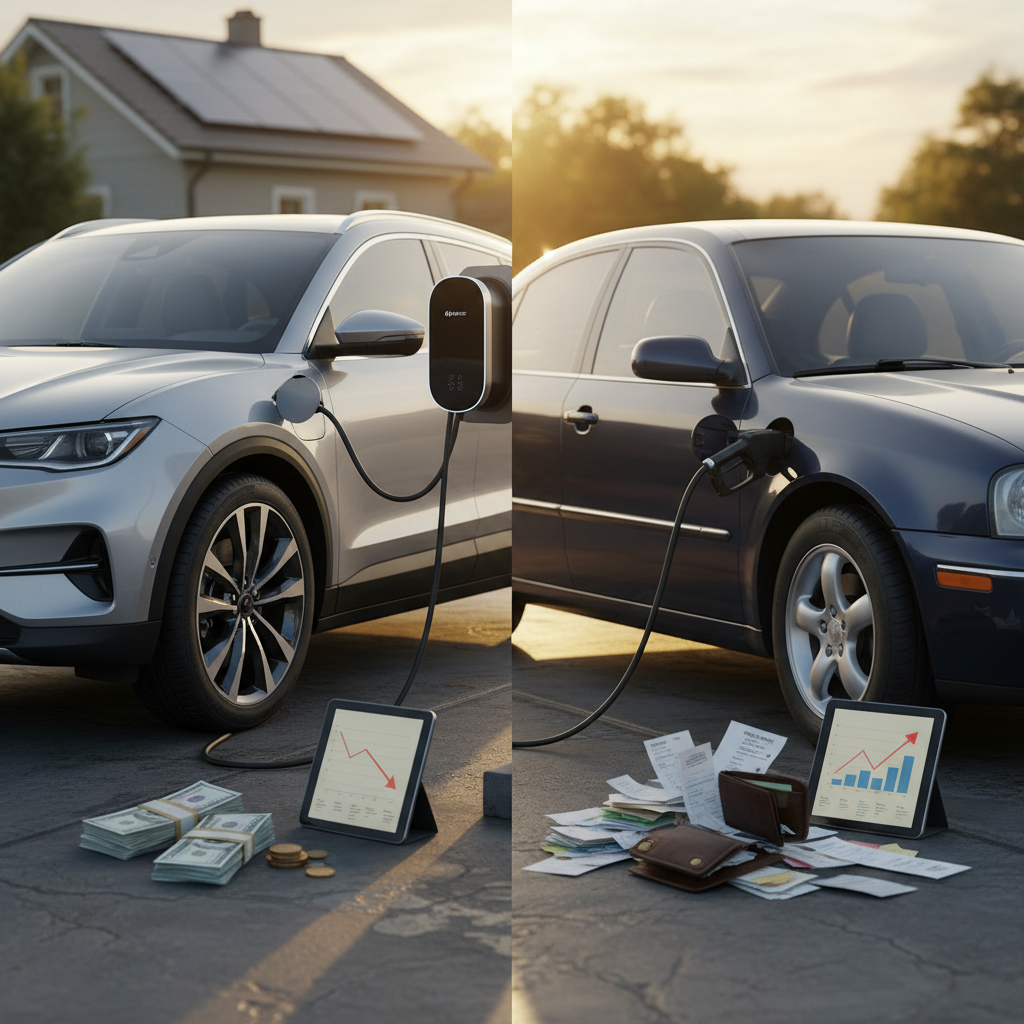
Those numbers can make a 2021 Polestar 2 feel like a bargain compared with similarly quick new EVs. But you should also factor in running costs: insurance on a compact luxury EV, potential out‑of‑warranty repairs if the car is past its basic coverage, and slightly higher electricity usage than the most efficient competitors.
Leverage EV Depreciation
2021 Polestar 2 vs Tesla Model 3 (and Other Rivals)
Polestar 2 Advantages
- Build quality & materials: Interior fit and finish generally feel more solid and premium than early‑2020s Teslas.
- Hatchback practicality: The fastback liftgate makes it easier to load bikes, strollers and bulky cargo.
- Google integration: Native Google Maps and Assistant mean navigation and voice control work much like your phone.
- Conservative design: If you prefer understated Scandinavian styling over sci‑fi minimalism, the Polestar is an easy choice.
Where Rivals Win
- Range & efficiency: Tesla’s Model 3, Hyundai’s Ioniq 5 and Kia’s EV6 all offer more range per kWh and more miles between stops.
- Charging network: With more non‑Tesla access to Superchargers rolling out, Tesla still enjoys an edge in road‑trip charging, though CCS networks are improving.
- Software polish: Tesla and Hyundai/Kia systems generally feel more cohesive and less glitch‑prone than early Polestar 2 software.
- Resale value: Some rivals hold value slightly better, particularly Tesla, which can mean higher prices on the used market but also smaller resale losses later.
Who the 2021 Polestar 2 Is For
Buying a Used 2021 Polestar 2: Checklist
Pre-Purchase Checklist for a 2021 Polestar 2
1. Confirm software & recall status
In the car’s settings, verify it’s on a recent software version and ask for documentation showing that rear camera and connectivity recalls have been completed. A seller or dealer should have this in the service history.
2. Inspect infotainment behavior
During the test drive, use navigation, audio streaming and climate controls. Note any freezes, crashes or slow responses, then power‑cycle the car and see if they return. Persistent glitches can indicate failing hardware behind the screen.
3. Check battery health & range
Ask for recent range figures at 100% and 80% charge, and request a battery‑health report if available. At Recharged, this is built into the <strong>Recharged Score</strong>, so you can compare real remaining capacity between vehicles.
4. Evaluate charging performance
If possible, test both AC charging at home or a Level 2 station and DC fast charging. Watch for unusually low charge rates, error messages or the car ending a session early.
5. Listen for suspension noise
Drive over rough pavement and speed bumps with the windows down. Clunks, creaks or knocking from the front end can point to worn suspension components that may need replacement.
6. Review warranty timeline
Confirm in-service date to understand what’s left of the 4‑year/50,000‑mile bumper‑to‑bumper coverage and 8‑year/100,000‑mile battery warranty. This is especially critical for early‑build 2021 cars now approaching the end of basic coverage.
Make the Most of a Digital Buying Experience
2021 Polestar 2 FAQ
Frequently Asked Questions About the 2021 Polestar 2
Verdict: Is the 2021 Polestar 2 a Good Used EV?
The 2021 Polestar 2 was never designed to win spec‑sheet wars. Instead, it set out to be a well‑built, genuinely pleasant everyday electric car with a modern tech stack and a distinct Scandinavian character. On those terms, it succeeds. You give up some range and charging efficiency versus the best in the segment, but in return you get a quiet, quick, confidence‑inspiring EV that feels thoughtfully engineered rather than gimmicky.
As a used buy in 2026, the calculus comes down to how you drive. If most of your life happens within 30–60 miles of home and you have reliable access to Level 2 charging, the 2021 Polestar 2’s ~200-mile real-world range is a non‑issue and its strengths, design, safety, comfort, rise to the top. If you’re a frequent long‑distance road‑tripper who wants to stretch 250–300 miles between stops, there are better‑suited EVs.
Either way, don’t treat a used EV like a used ICE car. Ask for data on the battery, insist on proof of recall work and put the software through its paces. Buying through Recharged adds structure to that process: every Polestar 2 we list gets a Recharged Score battery‑health report, transparent pricing, available financing and nationwide delivery, plus specialists who live and breathe EVs. If the 2021 Polestar 2 matches your priorities, that combination can turn an intriguing spec sheet into a smart long‑term ownership decision.