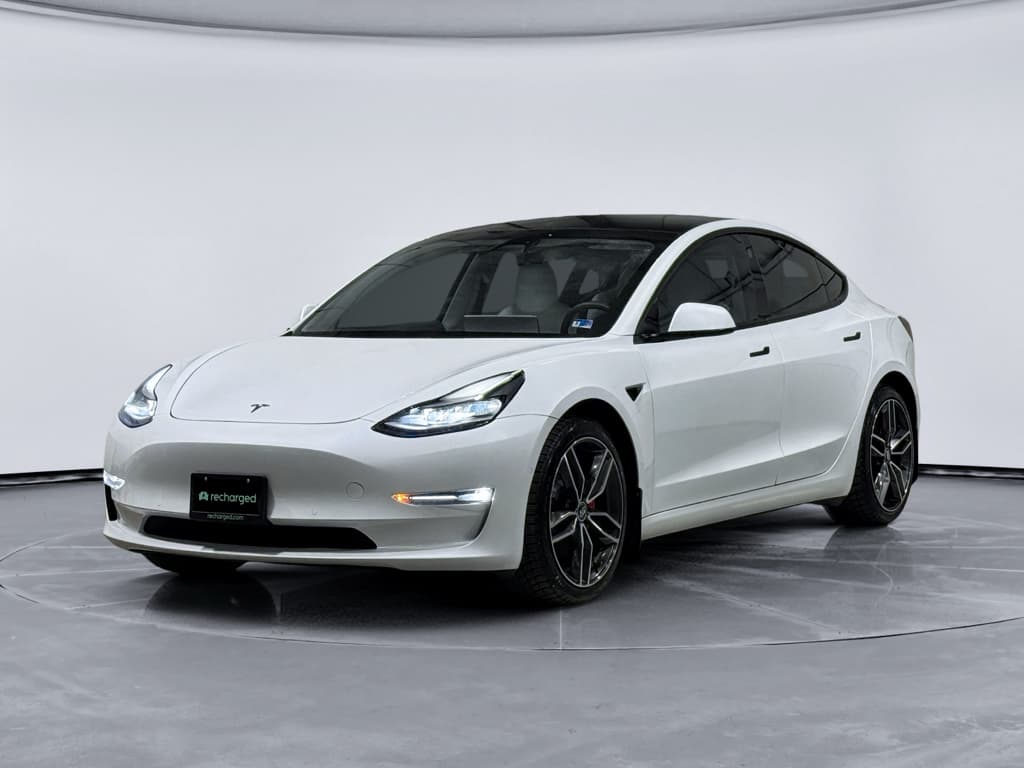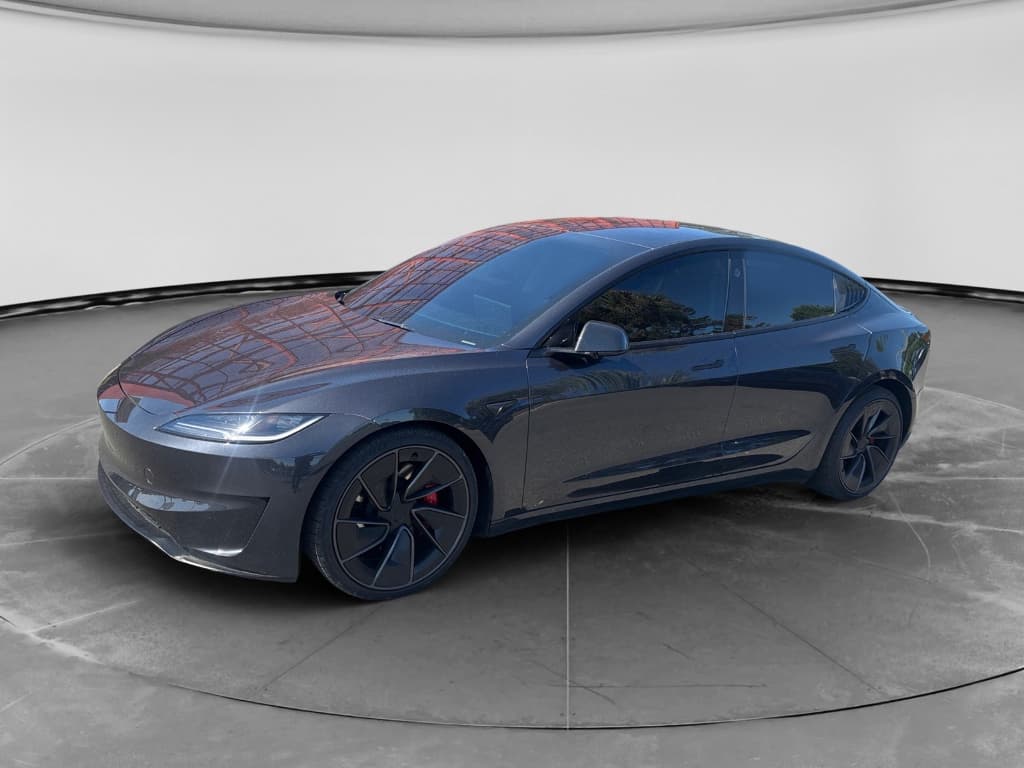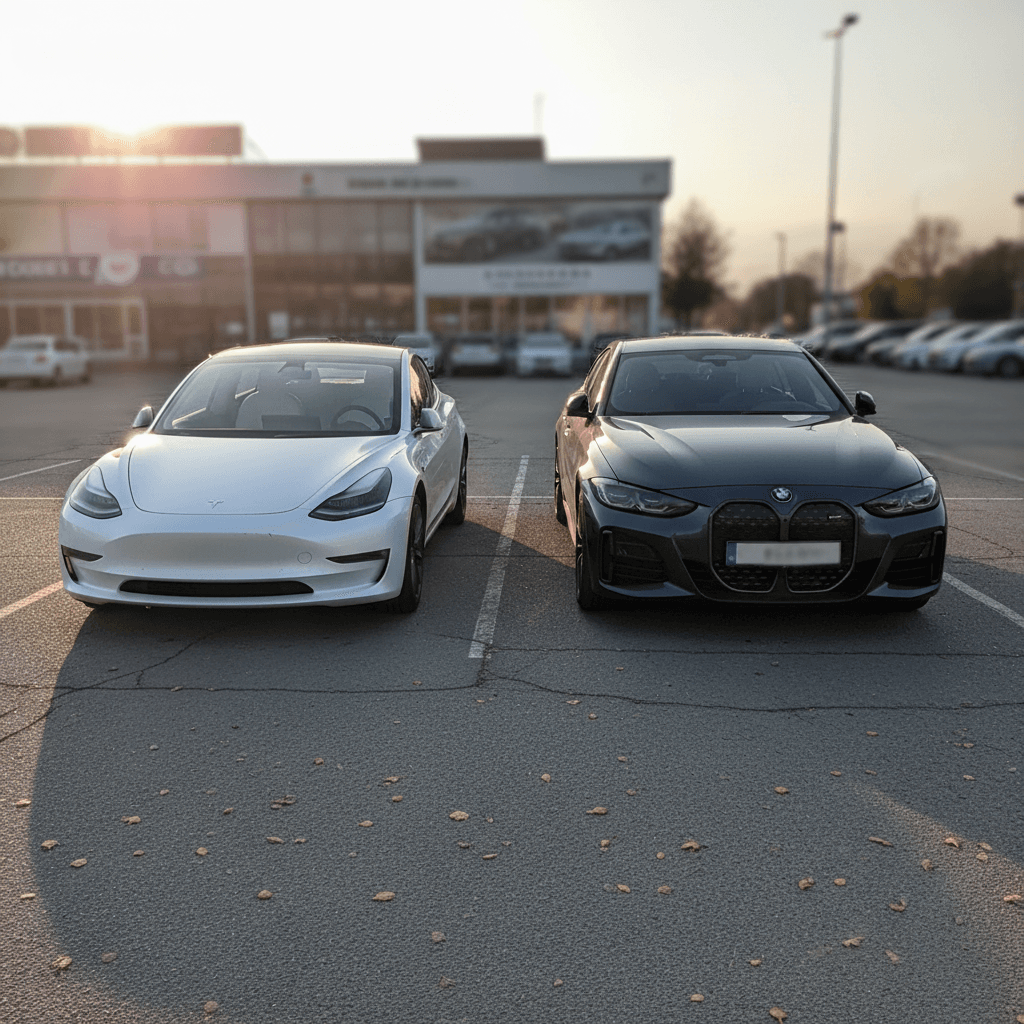
If you’re shopping for a **used electric sedan under $30,000**, chances are you’ve landed on the **used Tesla Model 3 vs used BMW i4** question. Both promise long-range, premium-feeling EV ownership without new-car prices, but they get there in very different ways. This guide breaks down what each offers in the real world so you can decide which one fits your budget, driving habits, and appetite for risk.
Budget reality check
Why this comparison matters under $30,000
In the **$25,000–$30,000** range, you’re in a sweet spot: cars are old enough to depreciate heavily, but new enough that battery tech and safety are still competitive. The Tesla Model 3 dominates used listings, while the BMW i4 offers a more traditional luxury feel with newer interiors and driver assistance tech drawn from BMW’s latest platforms.
Used Model 3 vs used BMW i4 under $30K: quick takeaways
Snapshot of how these two stack up for most U.S. buyers
Used Tesla Model 3: strengths
- More inventory under $30k, especially 2018–2020 cars.
- Solid real-world range, especially Long Range trims.
- Direct access to the Supercharger network (NACS).
- Minimalist tech-heavy cabin with frequent OTA software updates.
- Lower running costs thanks to simple powertrain and broad parts availability.
Used BMW i4: strengths
- Feels like a modern BMW 4 Series inside, more traditional luxury.
- Newer model years, so you’re often buying a car only 2–4 years old.
- Strong range in eDrive40 trims and refined highway manners.
- Works with existing CCS fast-charging networks; NACS access coming via adapters.
- Better noise insulation and seat comfort for some drivers than early Model 3s.
Price caveat
Availability: what you’ll actually find under $30,000
Typical used inventory under $30,000 (U.S. market)
What you’re likely to see around the $25k–$30k price point from mainstream dealers and online marketplaces.
| Model | Common Years Under $30k | Typical Trim Mix | Likely Mileage Range |
|---|---|---|---|
| Tesla Model 3 | 2018–2021 | Standard Range / SR+, mix of Long Range RWD & AWD | 45,000–90,000+ miles |
| BMW i4 | Early 2022–2023 (rare) | Primarily eDrive35, occasional higher-mileage eDrive40 | 35,000–70,000+ miles |
| Neither available | 2024+ years | High-spec or low-mileage cars | Usually above $30,000 |
Exact availability varies by region and month, but these patterns are consistent across recent listings.
Because the Model 3 launched back in 2017 and sold in huge volumes, depreciation has had more time to work. That’s why you can often drop below $30,000 and still pick between color, wheel size, and options. The BMW i4 arrived in 2021 for 2022 model years, so there are simply fewer used cars in circulation, and they’re newer, which keeps prices higher for now.
Leverage the age gap
Range and battery: used Model 3 vs used i4
Headline range and battery specs (new, EPA-rated)
On paper, both cars offer **plenty of range** for daily commuting and most road trips. The trick under $30,000 is understanding _which_ trims you’re likely to get and how battery health has held up after several years of use.
Used Tesla Model 3: what range to expect
- Most sub-$30k cars will be **2018–2020 Standard Range / SR+ or early Long Range** trims.
- Standard Range / SR+ originally carried roughly **220–250 miles EPA** ratings; Long Range versions went well above 300 miles when new.
- Real-world owners typically report **modest degradation**, often 5–12% over the first 5–7 years when cared for reasonably.
- Earlier Model 3s are among the lightest EV sedans, which helps efficiency and highway range compared with some newer, heavier competitors.
Watch for high-degradation packs
Used BMW i4: what range to expect
For a BMW i4 under $30k, expect to see more **eDrive35** than eDrive40. The eDrive35 uses a smaller usable pack (roughly high‑60s kWh) with an official range in the mid‑200-mile region, while the eDrive40 and M50 trims pair a larger ~80 kWh pack with ranges pushing into the 280–300 mile band on the right tires and conditions.
- **i4 eDrive35** – RWD, smaller pack, roughly **mid‑200s miles** of EPA range; fine for commuting and moderate trips.
- **i4 eDrive40** – RWD, larger pack, commonly around **300 miles EPA** on smaller wheels; fewer of these under $30k initially.
- **i4 M50** – Dual-motor performance trim using the big pack but giving up some range for power and stickier tires.
Year advantage for i4
Battery health questions to ask on either car
1. What’s the displayed full-charge estimate?
Ask the seller to show you the car at 90–100% with its projected range in the main display. Compare that to the original EPA rating to get a rough sense of degradation.
2. How often was DC fast charging used?
Frequent DC fast charging, several times a week, year after year, can accelerate wear. A mostly home-charged car at Level 2 is usually the safer bet.
3. Typical charge habits
Cars regularly charged to 100% and left sitting in heat are more likely to show degradation. Ask about daily charge limits and whether the owner followed manufacturer guidance.
4. Any battery-related service history
Look for documentation of warranty work, high-voltage battery repairs, or range complaints. Some issues are one-off defects; others hint at patterns you should avoid.
5. Third-party or dealer health reports
If you’re buying through a retailer like Recharged, look for a **battery health report** based on diagnostics, not just a quick glance at the dash. It’s the closest thing you’ll get to a pre-purchase battery inspection.
Charging experience and network access
Tesla Model 3: Supercharger access is a major perk
A used Tesla Model 3 plugs straight into the NACS-based Tesla Supercharger network with no adapters or apps beyond Tesla’s own. You’ll also get easy access to home Level 2 charging with a wall connector or third-party charger. For U.S. road-trippers, there’s still nothing quite as seamless as pulling into a Supercharger, plugging in, and letting the car and charger handle the billing.
If you regularly drive long distances on interstates, this alone can tilt the comparison in favor of the Model 3.
BMW i4: CCS now, NACS later via adapters
A used BMW i4 currently uses the CCS standard in the U.S., giving you access to networks like Electrify America, EVgo, and others. Real-world experiences vary more here: some sites are flawless, others plagued by broken hardware or software quirks.
Most major automakers, including BMW, are transitioning to NACS access via adapters and future ports. Over the next few years, that should narrow the charging-experience gap, but in the near term, a Tesla still offers the smoother fast-charging story.
Home charging matters more than road charging
Tech, comfort, and driving feel
Cabin and infotainment
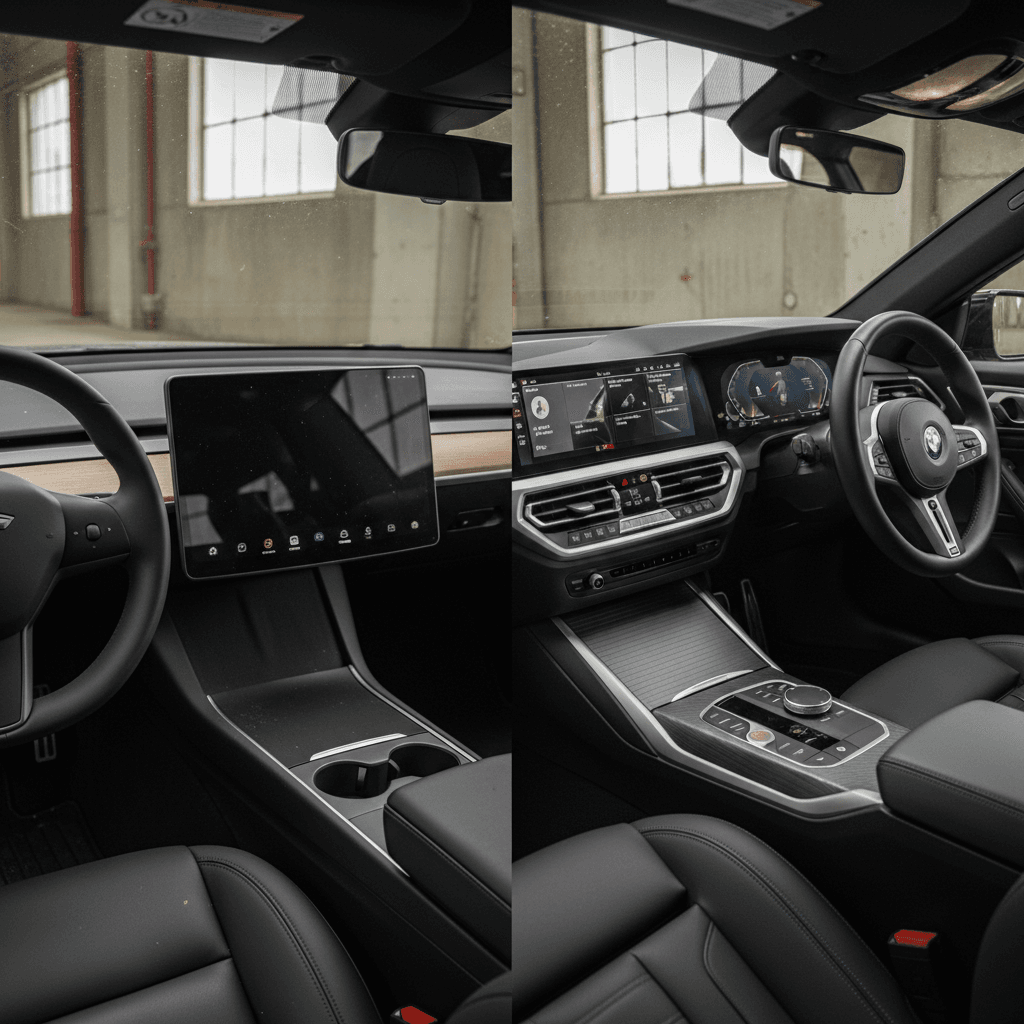
Interior feel: minimalism vs classic luxury
Your preference here can easily outweigh small differences in specs.
Tesla Model 3 interior
- Dominated by a single **central touchscreen**; almost everything runs through it.
- Very **minimalist design**, few buttons, clean lines, lots of open space.
- Frequent **over-the-air updates** add features and tweak the interface.
- Some drivers love the futuristic feel; others miss traditional gauges and knobs.
BMW i4 interior
- Looks and feels like a modern BMW 4 Series with **higher-end materials** in many trims.
- Digital instrument cluster plus central screen, but with more **physical controls**.
- Seats and driving position often feel more “German sport sedan” than tech gadget.
- Cabin isolation and ride compliance tend to be more refined on rough roads.
Ride, handling, and noise
Both cars are quick by any reasonable standard, even in their base trims. The Model 3 has a lighter, more agile feel, with sharp steering and strong acceleration, especially in Long Range and Performance versions. Early cars can ride firmly, and road noise on rough pavement is a common complaint. The BMW i4 is heavier but more planted, with a chassis tuned to feel like a familiar BMW sport sedan. If you prioritize **quiet, composed highway cruising**, the i4 often wins; if you want something that feels nimble and instantly responsive, the Model 3 still sets the benchmark in this bracket.
Where each car shines day-to-day
Ownership costs: insurance, maintenance, and depreciation
Cost-of-ownership comparison under $30,000 (broad patterns)
Relative tendencies you’re likely to see in the U.S. when running numbers on a used Model 3 vs used BMW i4.
| Category | Used Tesla Model 3 | Used BMW i4 |
|---|---|---|
| Insurance | Often mid-pack; Performance/dual-motor trims can be higher. | Typically higher, reflecting BMW parts and repair costs. |
| Maintenance | Simple EV powertrain; some suspension and trim issues on early cars. | EV drivetrain but BMW-level parts/labor; still less than a comparable gas BMW. |
| Depreciation trend | Already well into the used curve, so future drops are shallower. | Still on the steeper part of the curve; more downside left from new MSRP. |
| Tires & brakes | Performance tires on some trims wear faster; regen helps brakes last long. | Heavier car with wide tires; budget more for premium rubber over time. |
Actual costs depend on your zip code, driving record, and specific trim, but these trends show up repeatedly in shopper data and owner reports.
The **Model 3’s head start in the used market** helps you in two ways: the worst depreciation is usually behind you, and independent shops are now very familiar with common issues. BMW’s dealer network is extensive, but EV-specific repairs can still carry BMW pricing. On the flip side, that steeper i4 depreciation is why it will gradually start appearing under $30,000 more often, especially for the entry eDrive35 trim.
Run the total cost, not just the sticker
Inspection checklist for both cars
Don’t skip a pre-purchase inspection
Which used EV is right for you?
Match the car to your priorities
Use these profiles as a starting point, not a verdict.
Choose a used Tesla Model 3 if…
- You want **maximum charging convenience** today via the Supercharger network.
- You’re okay with a **2018–2020 car** with more miles but solid range.
- You like a clean, tech-forward cabin and frequent software updates.
- Your budget is tight and you want the **widest selection** under $30k.
Choose a used BMW i4 if…
- You value **traditional BMW driving feel** and cabin refinement.
- You want a car that’s generally **newer in model year** at a given price point.
- You’re comfortable navigating CCS fast-charging (and future NACS adapter options).
- You prioritize **quiet, comfortable highway cruising** over tech minimalism.
If you’re on the fence…
- Drive both on the same day, on similar routes.
- Compare **real, measured battery health** and range estimates, don’t rely on guesses.
- Let **total ownership cost** (payment + insurance + energy) break the tie.
- Consider where you’ll charge most: home, work, or public networks.
How Recharged helps with used EVs like these
Shopping for a used Tesla Model 3 or BMW i4 under $30,000 can feel like a coin flip, especially if all you have to go on is photos and a seller’s word. Recharged was built to make **used EV ownership simple and transparent**, so you’re not gambling on the most expensive and complex component: the battery.
- Every vehicle on Recharged comes with a **Recharged Score Report**, including verified battery health and fair-market pricing analysis.
- You can get **financing, trade-in, and nationwide delivery** in one fully digital experience, or visit the Recharged Experience Center in Richmond, VA if you prefer to see things in person.
- EV specialists walk you through trim differences, Standard Range vs Long Range, eDrive35 vs eDrive40, so you’re clear on what your budget truly buys.
- If you already own an EV, Recharged can make an **instant offer or consignment plan** so you can move into a Model 3 or i4 with far less hassle.
Why that matters for this comparison
FAQ: used Tesla Model 3 vs used BMW i4 under $30,000
Frequently asked questions
Under $30,000, the **used Tesla Model 3** is currently the easier, more flexible choice, while the **BMW i4** is the up-and-coming alternative that brings newer model years and a more traditional luxury feel as prices fall. The right answer for you comes down to how you drive, where you charge, and how much risk you’re willing to take on a battery you can’t easily see. If you’d rather base that decision on hard data than hope, look for objective battery health reporting, like the Recharged Score, and let that, along with your budget and driving style, point you toward the car you’ll be happy to live with for years.