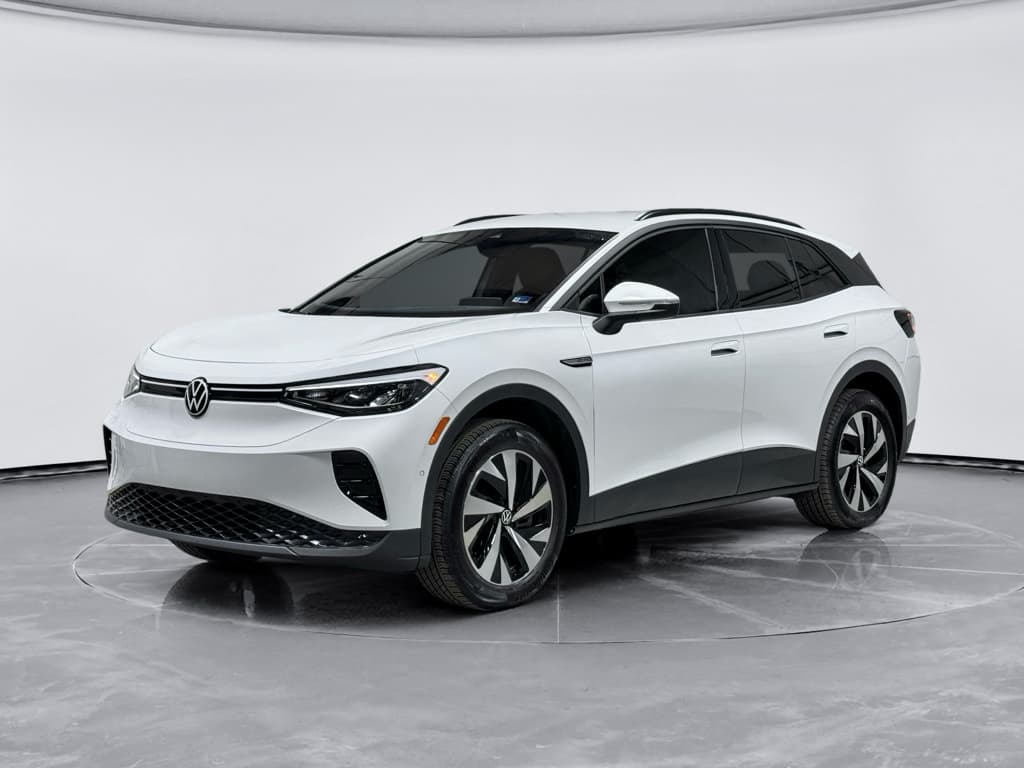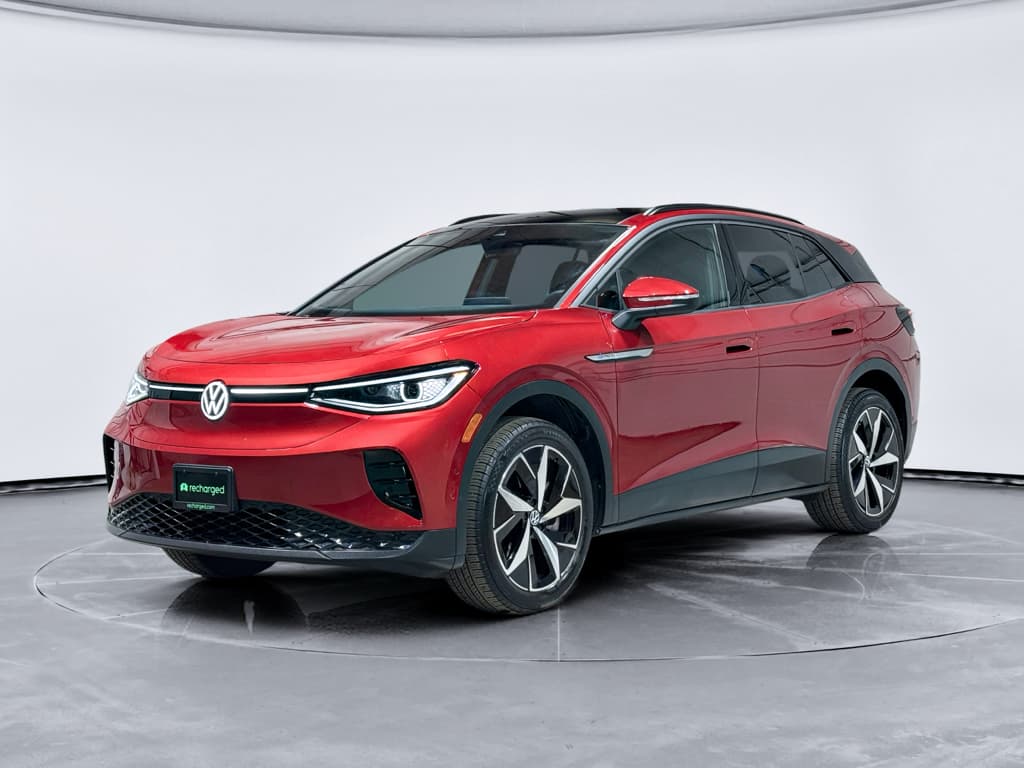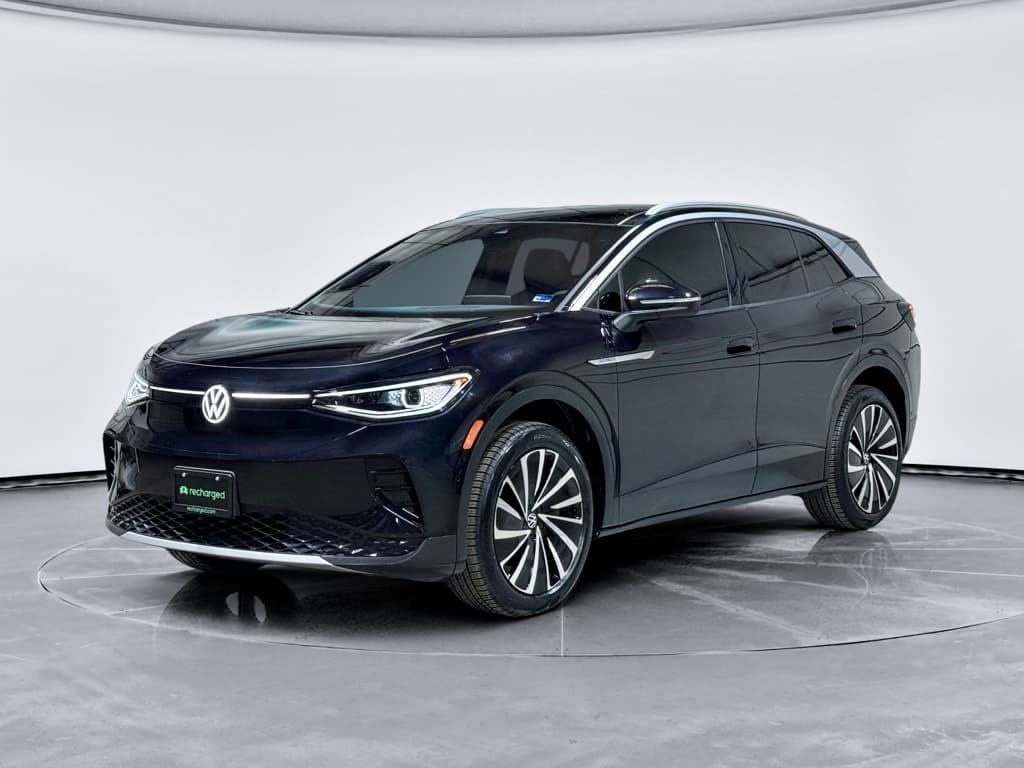
If you’re eyeing a Volkswagen ID.4, or already have one, one of the first ownership questions is simple: how much is insurance on a Volkswagen ID.4? The honest answer is that it depends a lot on you, but we can narrow the range and show you what’s typical in 2025, why EVs sometimes cost more to insure, and how to keep your premiums in check.
Quick context: EV insurance in 2025
Volkswagen ID.4 insurance at a glance
Volkswagen ID.4 insurance: ballpark numbers for 2025
Those aren’t promises, just realistic ranges based on current market data for compact electric SUVs and published averages for the VW ID.4. Your actual number will reflect your driving history, location, coverage limits, and model year more than the name on the tailgate.

So how much is insurance on a Volkswagen ID.4?
Let’s put some realistic brackets around the question “How much is insurance on a Volkswagen ID.4?” The figures below assume full coverage (liability, collision, and comprehensive) on a late-model ID.4 used as a daily driver in the U.S.
Example VW ID.4 insurance scenarios (2025)
Illustrative examples based on common driver profiles. Your actual quote will vary by state, insurer, credit tier, and exact coverage limits.
| Driver profile | Location type | Driving record | Estimated annual premium | Rough monthly cost | What’s driving the price |
|---|---|---|---|---|---|
| 35-year-old, homeowner, 2023 ID.4 Pro RWD | Suburban Ohio | Clean | $1,650 | $140 | Good credit, multi-car policy, low theft area and modest commute. |
| 42-year-old, 2024 ID.4 Pro S AWD | Urban California | Clean | $2,400 | $200 | High-cost state, dense traffic, higher repair and medical costs baked into regional rates. |
| 28-year-old, 2022 ID.4 used | Mid-size city Texas | 1 at-fault accident | $2,750 | $230 | Younger driver plus prior claim, financed vehicle requiring low deductibles and full coverage. |
| 50-year-old, 2021 ID.4 | Rural Midwest | Clean | $1,400 | $120 | Lower-risk ZIP code, lower mileage, higher deductibles and long insurance history. |
These are not offers, think of them as reference points to compare your own quotes against.
Don’t anchor on one quote
Why EVs, and the ID.4, can cost more to insure
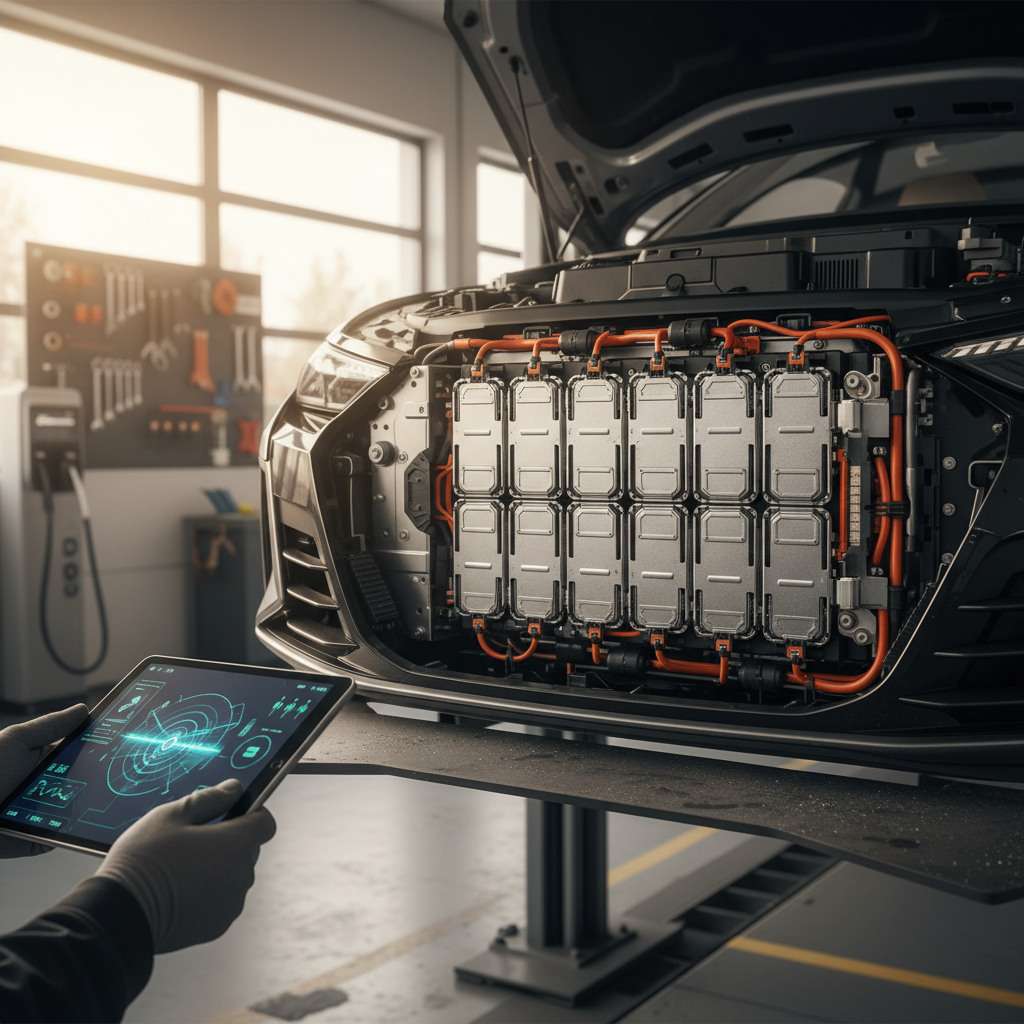
From an insurer’s point of view, the VW ID.4 isn’t just another compact SUV, it’s a relatively new EV with an expensive battery pack and a lot of specialized hardware. That shows up in the premium. Here’s why insurers often charge more for EVs like the ID.4 than for comparable gas crossovers:
Key reasons VW ID.4 insurance can be pricier
Most of these have little to do with you and everything to do with the car’s design and repair ecosystem.
High-cost battery & electronics
Specialized repairs
Higher average claim severity
New tech risk buffer
Trim & equipment levels
Weight and structure
The flip side: EVs have safety advantages
The biggest factors that change your ID.4 insurance price
The model you drive matters, but insurers still care far more about who’s behind the wheel, where the car lives, and how it’s used. With the Volkswagen ID.4, expect these factors to move your quote up or down the most:
What insurers look at for your VW ID.4
1. Your driving record
Recent at-fault accidents, speeding tickets, or DUIs will push your ID.4 premium up quickly. Three clean years behind the wheel are often the threshold for better rates.
2. Age & experience
Teen and early-20s drivers see the steepest premiums on any car, including the ID.4. Drivers in their 30s–50s with long histories typically pay the lowest per mile.
3. Where you live and park
Urban ZIP codes with more crashes, theft, and high medical costs almost always mean higher premiums. Garaging your ID.4 overnight and living in a low-theft area helps.
4. Annual mileage & usage
Driving 20,000+ miles per year, commuting at rush hour, or using your ID.4 for business raises risk. If you drive relatively few miles, look at low-mileage or telematics programs.
5. Coverage limits & deductibles
Higher liability limits and lower deductibles mean better protection and higher price. Raising collision and comprehensive deductibles from $500 to $1,000 can trim your bill, if you can afford the bigger out-of-pocket hit after a claim.
6. Credit-based insurance score (where allowed)
In most states, insurers use credit-based scores as a predictor of claim behavior. Strong credit can unlock lower ID.4 rates; weaker credit can add a noticeable surcharge.
7. Trim, options, and model year
A brand-new ID.4 Pro S AWD costs more to repair or replace than a three-year-old base model. Higher MSRPs and complex driver-assistance packages can nudge premiums upward.
8. Lienholder and lease requirements
If you finance or lease your ID.4, the lender will require full coverage and may limit how high you can set your deductibles. That can keep your premium above a cash-buyer’s.
Practical test: quote your current car vs. ID.4
How VW ID.4 insurance compares to gas SUVs
If you’re cross-shopping the ID.4 against compact gas crossovers like a Honda CR‑V, Toyota RAV4, or Volkswagen Tiguan, it’s natural to ask whether you’ll get hit with a big insurance penalty for going electric.
Typical full-coverage insurance: VW ID.4 vs similar compact SUVs
Illustrative averages using national data for compact SUVs and electric vehicles. Local quotes can be higher or lower.
| Vehicle | Powertrain | Typical annual premium | How it usually compares |
|---|---|---|---|
| Volkswagen ID.4 | Electric | $1,900–$2,300 | Often a bit higher than a comparable gas VW or Toyota because of EV repair costs and battery value. |
| Volkswagen Tiguan | Gas | $1,700–$2,000 | Gas compact SUV with lower parts and repair costs; often slightly cheaper than the ID.4 to insure. |
| Toyota RAV4 | Gas | $1,600–$1,950 | Broad repair network and long track record; frequently one of the cheaper mainstream compact SUVs to insure. |
| Hyundai Kona Electric / Kia Niro EV | Electric | $1,850–$2,250 | Similar pattern to the ID.4, EV premiums typically sit just above their gas siblings. |
Think in terms of ranges, not pennies. The ranking (cheaper vs more expensive) tends to hold even as prices move over time.
Insurance is just one cost line
9 ways to lower your Volkswagen ID.4 insurance bill
You can’t change that the ID.4 is a modern EV with a big battery, but you have a lot of control over the rest of your risk profile. Here are practical strategies that often move the needle:
Smart strategies to save on ID.4 insurance
You don’t have to do all of these at once, start with the easiest 2–3 and re-quote.
1. Shop multiple insurers
2. Right-size your coverage
3. Raise deductibles (carefully)
4. Stack discounts
5. Bundle home or renters
6. Use telematics or low-mileage plans
7. Manage who’s on the policy
8. Re-shop at renewal
9. Consider total cost, not just monthly
Avoid this common mistake
Used ID.4 insurance & total cost of ownership
If you’re shopping a used Volkswagen ID.4, you’re already thinking about total cost of ownership, not just the purchase price. Insurance is a major line item, but it’s also one of the places where a well-chosen used ID.4 can shine compared with a brand-new one.
Why a used ID.4 can be cheaper to insure
- Lower vehicle value: A 3‑year‑old ID.4 typically costs less to replace than a brand-new one, which can modestly reduce collision and comprehensive premiums.
- More stable loss data: As insurers gather several years of claim history on early ID.4s, pricing often becomes less conservative.
- Flexible coverage choices: On an older, fully paid-off ID.4, you can decide whether full coverage still makes sense for you.
Costs to keep in mind with a used EV
- Battery health: A weak battery can hurt resale value and total-loss calculations. A strong battery report supports better valuations.
- Prior damage: Previous accidents, especially with structural or battery involvement, can influence how future claims are handled.
- Financing terms: If you finance a used ID.4, your lender will still require full coverage and may recommend (or require) gap protection.
How Recharged fits in
How Recharged helps you shop smarter for ID.4 insurance
Insurance shopping doesn’t have to be guesswork. If you’re considering a used ID.4 through Recharged, you can turn the total-cost-of-ownership dials before you ever sign paperwork.
Ways Recharged can simplify your ID.4 insurance decision
Less time in spreadsheets, more confidence in your numbers.
Transparent vehicle history
Financing that fits your premium
EV-specialist guidance
Ready to find your next EV?
Browse VehiclesOnce you’ve narrowed down an ID.4 you like, get a few insurance quotes using the VIN and Recharged Score details. That way your first premium bill looks exactly like what you penciled out, not an unwelcome surprise.
Volkswagen ID.4 insurance FAQ
Frequently asked questions about Volkswagen ID.4 insurance
When you ask, “How much is insurance on a Volkswagen ID.4?” the honest answer is that it’s a moving target, but not a mystery. For most drivers, you’re looking at roughly $160–$195 per month for full coverage, with plenty of room to move that number up or down based on your choices and circumstances. If you’re considering a used ID.4, pairing a fair purchase price, clear battery health data, and smart insurance shopping can make electric ownership far more affordable than the headlines suggest, and Recharged is built to make that process as straightforward as possible.