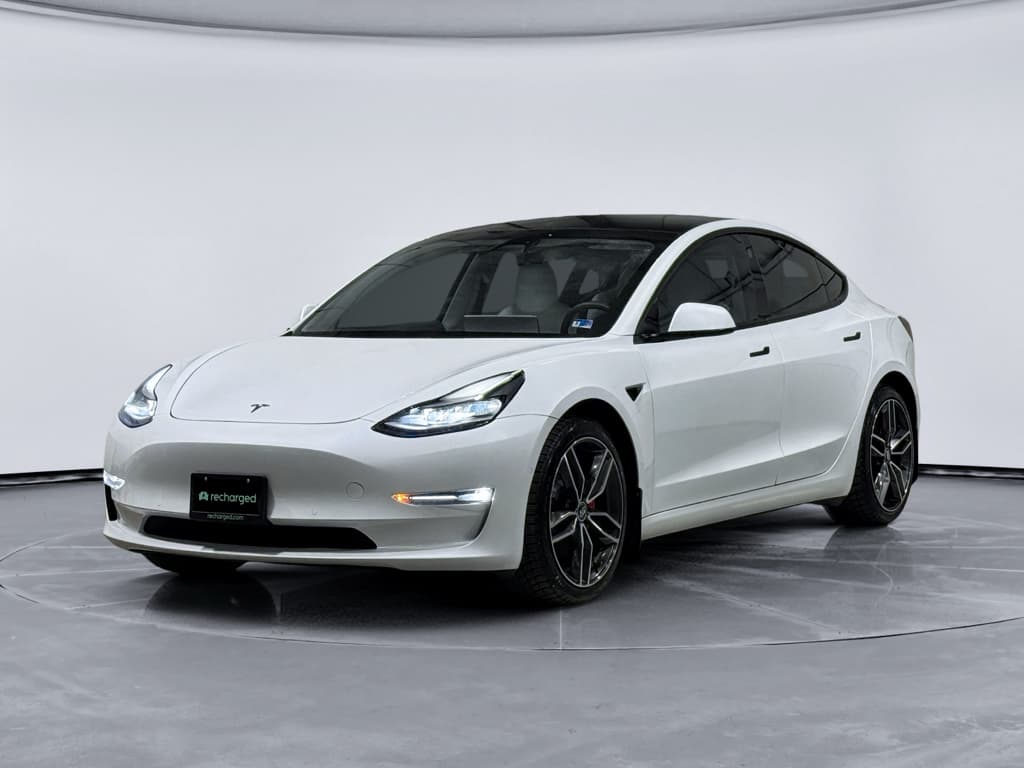
If you’re choosing between a used Tesla and a brand‑new Tesla, insurance is one of those line items that can quietly swing the math thousands of dollars over a few years. EVs already tend to cost more to insure than comparable gas vehicles, and Teslas sit near the top of that curve, so understanding used Tesla insurance vs new Tesla insurance isn’t a nice‑to‑have, it’s core to your ownership costs.
Key idea
Why used vs new Tesla insurance matters
Tesla insurance premiums are high enough that the difference between a used and new car can easily add up to $1,000–$2,000 over a 3‑year period. Industry data still shows EVs can cost notably more to insure than gas cars, largely because of higher repair complexity and battery replacement risk. At the same time, used EV prices, and especially used Tesla prices, have dropped sharply, which can help bring insurance down for buyers who go pre‑owned instead of new.
If you’re shopping the Tesla Model 3 or Model Y, you’re in the crosshairs of this trade‑off. These cars are among the most popular EVs in the U.S., and multiple studies in 2024 and 2025 put their average annual full‑coverage premiums several hundred dollars above the typical car. But those same datasets usually show older model years costing less to insure than brand‑new ones, even when driver profile is held constant.
Where Recharged fits in
How insurers actually price Tesla insurance
It helps to strip the Tesla mystique out of this for a moment. Whether you’re insuring a used 2019 Model 3 or a 2026 Model Y Performance you just drove off the lot, insurers are mostly looking at the same core ingredients:
- Vehicle value (actual cash value) – Higher price and higher repair/replacement cost usually equals higher premiums.
- Repair severity – EVs, and Teslas in particular, lean heavily on expensive electronics, sensors and aluminum body panels that can push up claim amounts.
- Safety performance – Crash test ratings, real‑world crash data, and whether advanced driver assistance really reduces or just changes crash patterns.
- Theft and vandalism trends – In some areas Teslas have become political or cultural targets, which shows up in loss data.
- Driver profile – Your age, driving record, credit (in most states), miles driven, garaging location and prior claims history.
- Coverage choices – Liability limits, deductibles, comprehensive/collision, gap coverage, rental reimbursement and so on.
The piece that changes most between a used and new Tesla is vehicle value. A new Model 3 that cost $45,000–$50,000 when it was titled will typically carry a higher comprehensive and collision premium than the same car three years later after it’s depreciated into the low‑ to mid‑$20,000s. But that’s only part of the story.
Used vs new Tesla insurance costs: what the numbers show
Tesla insurance snapshot in 2025–2026
Aggregated rate data for the Tesla Model 3 and Model Y shows a consistent pattern across many insurers: newer model years cost more to insure than older ones when the driver, coverage and location are held constant. That’s exactly what you’d expect from a car that loses thousands of dollars in value over its first few years.
But there are a few important wrinkles if you’re comparing a used Tesla vs new Tesla as a shopper, not as a statistician:
- A 2026 Performance Model Y on 21‑inch wheels may cost more to insure than a used 2022 Long Range Model Y, even if the driver and location are identical.
- A modest‑mileage 2019 Model 3 RWD can sometimes be insured for hundreds of dollars less per year than a brand‑new 2026 Model 3 Long Range, especially once you cross age thresholds (for example, 25, 30, 40).
- Insurance markets are in flux: national EV insurance costs were climbing sharply through 2024, then leveled off or dropped somewhat in 2025 in many states. A used Tesla might benefit more from that softening than a new one whose value is still high.
Don’t assume “used” automatically means cheap
6 factors that make used Tesla insurance cheaper, or pricier
What usually changes when you go used instead of new
These six levers explain most of the premium gap between used and new Teslas.
1. Vehicle value & depreciation
2. Repair patterns by model year
3. Safety & driver‑assist features
4. Performance trims & wheel/tire packages
5. How the car will be used
6. Financing, leasing & required coverages
Use quotes as a shopping tool
Tesla Insurance vs traditional insurers for used and new cars
How Tesla Insurance treats used vs new
Tesla’s own branded insurance product, available in a growing list of states, prices heavily off its Safety Score telematics data. In theory, if you drive gently and avoid crashes, you can pay substantially less than at a traditional carrier, even in a new Performance model.
From the car’s perspective, Tesla Insurance still looks at value and repair costs, so a three‑year‑old Model 3 often runs cheaper than a brand‑new one with identical coverage. But the gap can be smaller than with legacy insurers because driving behavior gets more weight than age alone.
How traditional insurers look at used vs new Teslas
Traditional carriers, GEICO, Progressive, State Farm, regional mutuals, typically use broader rating buckets by model, trim and year. They rely more on historical loss data and less on live driving data.
In that world, a 2019 Model 3 may slot into a lower premium band than a 2026 Model 3 mostly because its actual cash value is lower. You won’t see as much of a discount for your good driving unless you opt into their telematics programs, which are less Tesla‑specific.
Regulation can change the picture
How insurance changes over a Tesla’s life cycle
Typical insurance pattern over a Tesla’s first 10 years
Approximate patterns for a mainstream model like a Tesla Model 3, assuming the same driver and state. Real numbers will vary, but the shape of the curve is similar for many owners.
| Stage | Approx. age | What usually happens to insurance | Why it matters for you |
|---|---|---|---|
| Brand‑new | 0–2 years | Highest premiums of the car’s life, especially on Performance trims | High vehicle value, limited long‑term claims data, lender requirements and pricey body/ADAS repairs |
| Early used | 3–5 years | Premiums often drop 5–15% vs new, but can spike if a specific model year shows bad loss trends | Depreciation helps, but parts availability and complex repairs may still keep EV rates elevated |
| Mature used | 6–8 years | Premiums may flatten or rise slightly if repair costs spike or safety tech ages | At some point, it can become uneconomical for insurers to repair heavily damaged older EVs, which changes how they price risk |
| Late‑life | 9–10+ years | Some owners reduce coverage (dropping collision) to keep costs down as values fall | If you own the car outright and it’s worth relatively little, you can choose to carry less coverage and pocket the savings. |
Insurance doesn’t just step down every year; it reflects shifting repair costs, safety data and vehicle value.
If you buy new, you’re signing up for that high‑premium first phase. If you buy used, you effectively “skip ahead” to the flatter part of the curve, at the cost of driving an older car with older tech and no new‑car warranty. The right answer depends on how you value those trade‑offs.
Smart ways to lower used Tesla insurance costs
Practical steps to bring premiums down
1. Choose the right trim and wheels
Performance trims, giant wheels and summer performance tires all correlate with more severe claims. A used Long Range or RWD Tesla on smaller wheels is often cheaper to insure than a Performance trim, even in the same model year.
2. Verify advanced safety features work properly
Insurers like cars with working automatic emergency braking, lane‑keeping and collision warnings. On a used Tesla, make sure cameras, sensors and software are in good shape and that no “safety system unavailable” warnings are present.
3. Adjust deductibles thoughtfully
On a lower‑value used Tesla, you may be comfortable with a $1,000 deductible instead of $500, which can cut premiums meaningfully. Just make sure you have the savings to cover that higher out‑of‑pocket if something happens.
4. Ask about telematics or usage‑based programs
Even if you don’t use Tesla Insurance, many carriers offer programs that reward low‑mileage, gentle driving. A used Tesla driven mostly on suburban or highway commutes can test well here and earn discounts.
5. Bundle and shop around
The same used Tesla can generate <strong>hundreds of dollars of premium difference</strong> between insurers. Always get quotes from multiple carriers, and bundle with homeowners or renters insurance when you can.
6. Buy the right used car, not just the cheapest
A salvaged‑title or poorly repaired Tesla can be very hard, and very expensive, to insure. Recharged only lists clean‑title vehicles and provides battery and condition reports, which can give mainstream insurers more confidence in the risk they’re taking.
Leverage Recharged’s data
Ready to find your next EV?
Browse VehiclesInsurance and total cost of ownership: used vs new Teslas
Insurance is just one slice of the total‑cost‑of‑ownership pie, but it’s a big enough slice, often $2,000–$4,000 per year for a Tesla, that it deserves equal billing with financing and energy costs. When you compare a used Tesla vs a new Tesla, think in terms of a 3‑ to 5‑year window rather than a single year’s premium.
New Tesla: higher premiums, more warranty
- Higher annual insurance, especially in the first 2–3 years, because the vehicle’s value is highest.
- Full factory warranty can make mechanical surprises less likely, but body and battery claims are still expensive.
- Often financed with longer terms and smaller down payments, which means lenders may require more robust coverage.
Used Tesla: lower premiums, more variability
- Moderate insurance savings from lower vehicle value, especially if you choose conservative trims and wheels.
- Battery health and prior damage history matter more; a clean, well‑documented car is key.
- Flexibility to buy in cash or with shorter loans, which can let you tweak coverage over time and control total cost.
The punchline: if you’re cross‑shopping a used vs new Tesla of the same model, the used car often wins on insurance and depreciation, while the new car wins on warranty and the latest hardware. For many buyers, especially those stepping into their first EV, a well‑vetted used Tesla is the more financially resilient option.
When a used Tesla makes more sense than new on insurance
Scenarios where a used Tesla tends to come out ahead
Insurance is rarely the only reason to go used, but it can be the tiebreaker.
You’re a solid, low‑risk driver
You can put more down or pay cash
You’re adding a second car
You live in a high‑cost state
You drive moderate miles
You value flexibility
FAQ: Used vs new Tesla insurance
Frequently asked questions
When you strip away marketing and fandom, the used Tesla vs new Tesla decision on insurance comes down to risk, value and flexibility. New cars concentrate cost and protection into the early, expensive years; used cars let you enter that curve later, often with lower premiums and more control over coverage. If you pair a carefully chosen used Tesla with transparent condition and battery data, something Recharged was built to deliver, you can enjoy the upside of EV ownership while keeping one of its biggest hidden costs firmly in check.