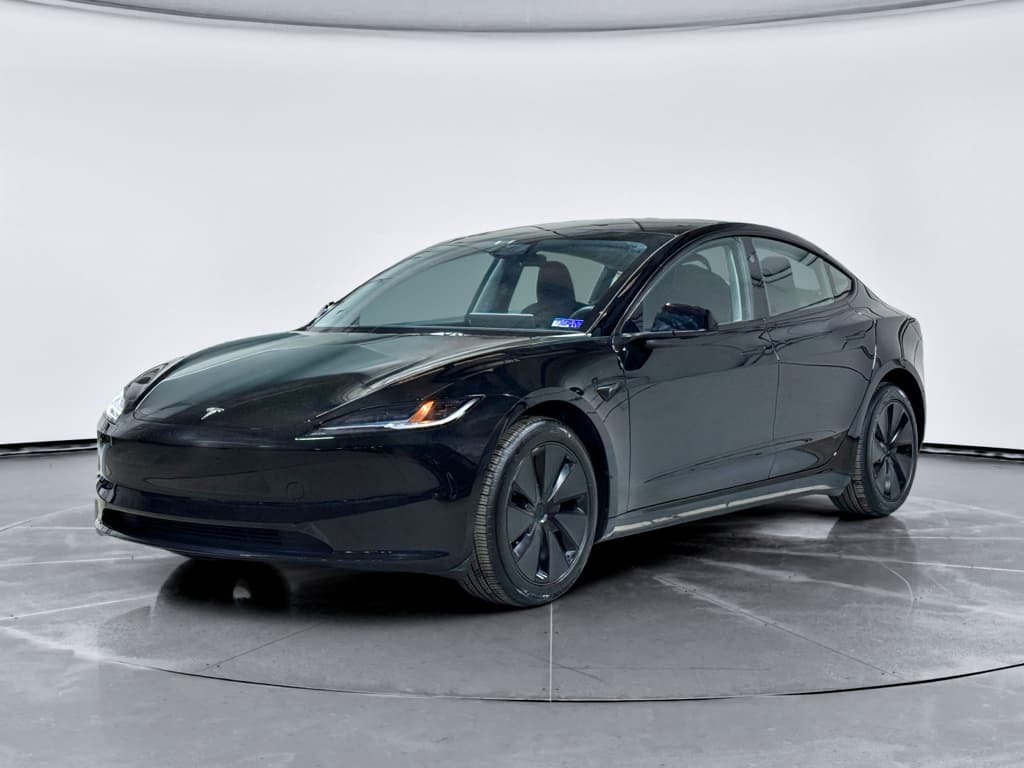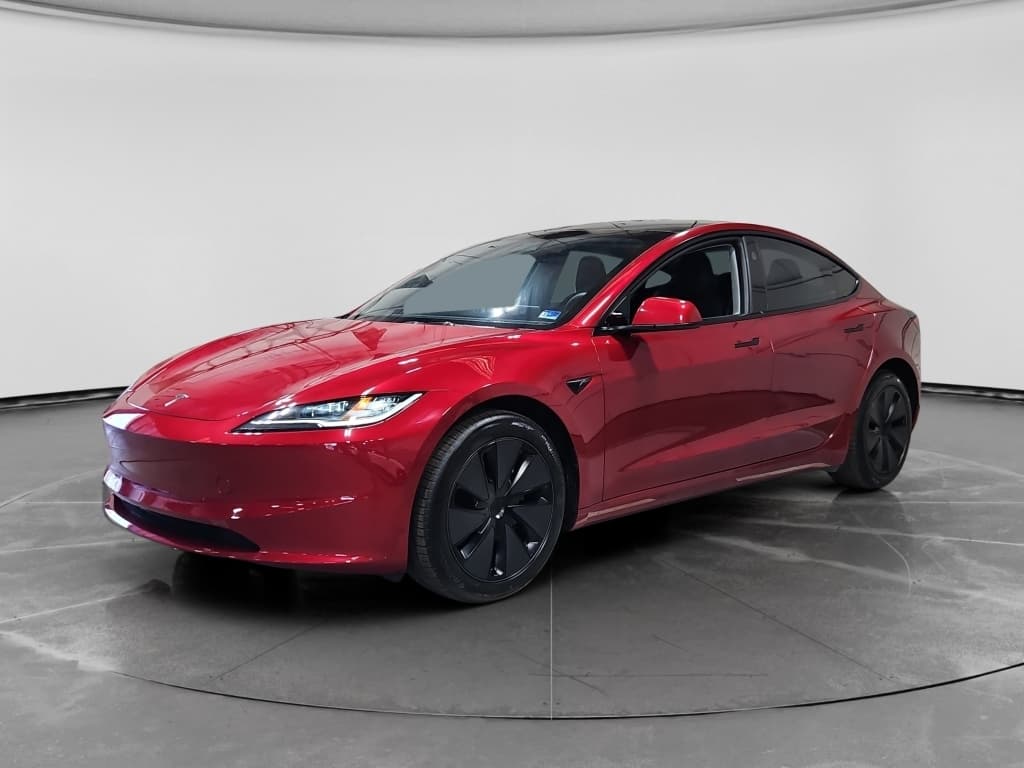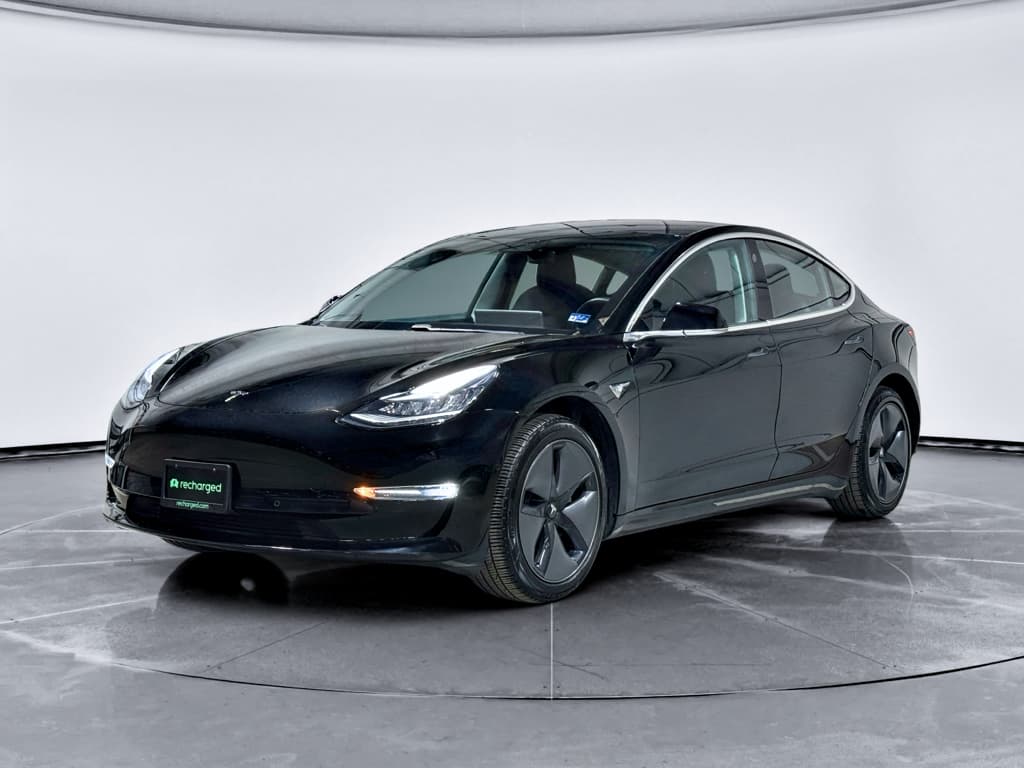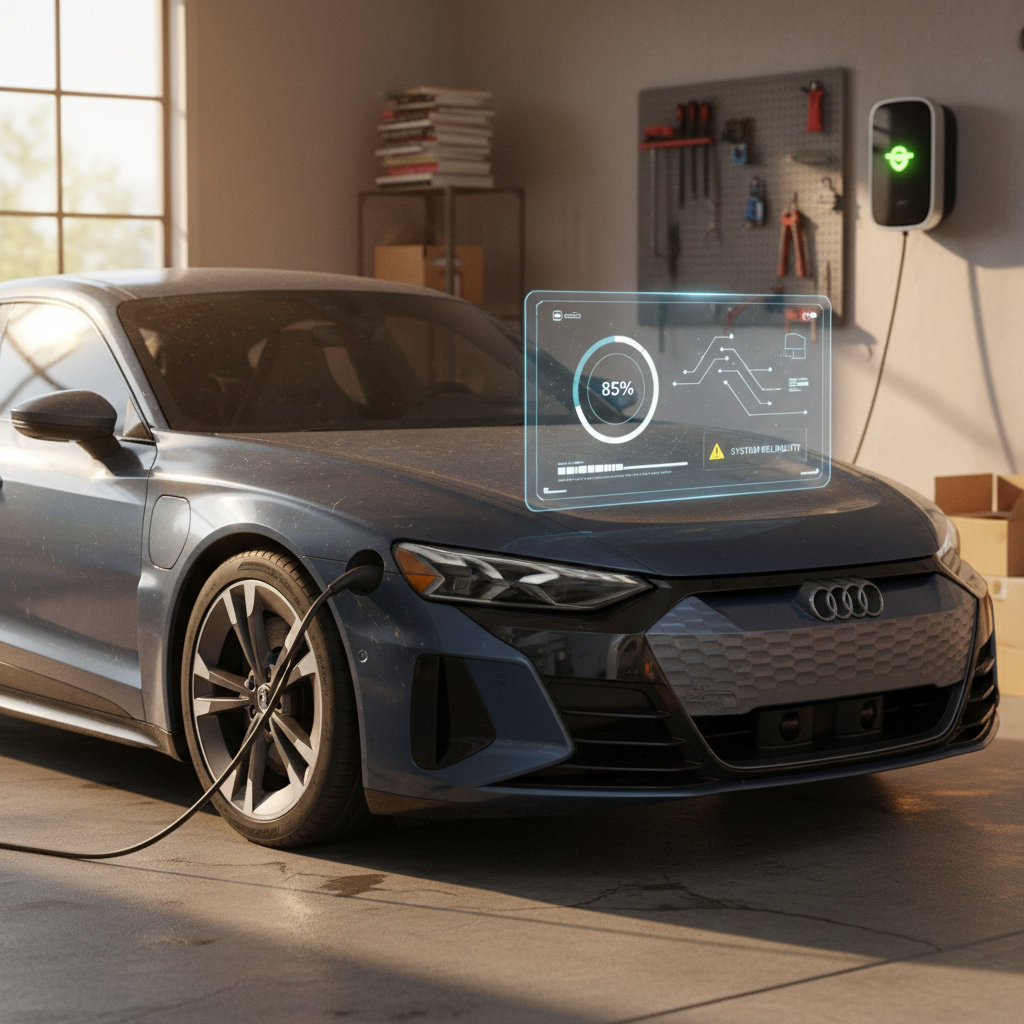
You don’t buy a Tesla Model 3 just to save a polar bear. You buy it because you’re tired of lighting $80 gas-station candles to the god of internal combustion. The real question behind “Tesla Model 3 vs gas car cost” is brutally simple: over 5 years, is the electric one actually cheaper to own, or is this just Silicon Valley virtue signaling with a payment plan?
Context: 2025–2026 reality check
Why Tesla Model 3 vs gas car cost actually matters
For a decade, EVs were the expensive toys of the well-optioned driveway. That’s over. A used Model 3 now overlaps, dollar for dollar, with mainstream gas sedans like a Honda Accord, Toyota Camry, Hyundai Sonata, or VW Jetta. If you’re cross-shopping, you’re not crazy, you’re the new normal. The question is whether the lower running costs of the Tesla outweigh any higher purchase price, charging setup, and insurance.
Who should read this cost breakdown
If you see yourself here, the numbers below are for you
Gas driver eyeing their first EV
High‑mileage commuter
Used‑car bargain hunter
Quick answer: Does a Tesla Model 3 really cost less than gas?
Tesla Model 3 vs gas car: snapshot (typical U.S. driver, 12,000 mi/year, 5 years)
The short version
- A new Model 3 can still be slightly more expensive overall than a mid‑trim gas sedan if you drive very few miles or can’t charge at home.
- A used Model 3 often undercuts a similarly priced used gas sedan by thousands over 5 years, mainly on fuel and maintenance.
- If your local electricity is unusually expensive and gas is unusually cheap, the advantage shrinks or disappears, so local math matters.
Purchase price: new vs used Model 3 and gas sedans
Let’s put some real‑world stickers on the table. Prices vary by market and trim, but this is the ballpark you’re shopping in as of early 2025:
Typical purchase prices (early 2025, U.S.)
Approximate transaction prices before incentives and taxes. Your local market will vary.
| Vehicle | Type | Typical new price | Typical used price (3–4 yrs, avg miles) |
|---|---|---|---|
| Tesla Model 3 RWD | EV | $40,000–$42,000 | $24,000–$30,000 |
| Honda Accord EX / Toyota Camry SE | Gas | $32,000–$35,000 | $20,000–$26,000 |
| Hyundai Sonata SEL / Kia K5 | Gas | $30,000–$33,000 | $19,000–$25,000 |
We’ll use these as our baseline examples for total-cost-of-ownership math later.
Don’t ignore federal and state incentives
Fuel vs electricity: cost per mile in 2025
Gas cost per mile
Take a popular midsize gas sedan:
- Real‑world fuel economy: 30–35 mpg mixed driving
- Gas price: let’s call it $3.50/gal as a middle‑of‑the‑road 2025 number
At 33 mpg, every gallon gets you 33 miles. At $3.50 a gallon, you’re paying about $0.11 per mile for fuel. If gas at your local station is $4.00, that jumps closer to $0.12–$0.13 per mile.
Tesla electricity cost per mile
A Tesla Model 3 RWD typically uses around 250 Wh/mi (0.25 kWh) in mixed driving. So every 1 kWh buys you about 4 miles.
- Typical U.S. residential electricity: roughly $0.15/kWh (check your bill)
- 0.25 kWh × $0.15 = $0.0375/mi, call it 4 cents a mile
Even if your electricity is a steep $0.25/kWh, you’re still around 6–7 cents a mile, usually cheaper than gas unless gas is abnormally low in your area.
Superchargers are not your fuel economy plan
Maintenance and repairs: EV simplicity vs engine complexity
This is where the Tesla quietly eats the gas car’s lunch. A Model 3 has no engine oil, no timing belt, no exhaust system, no transmission with a dozen clutches praying for mercy. Day to day, an EV is just a battery, an inverter, and an electric motor doing laps around the ICE car’s hundred‑year‑old Rube Goldberg machine.
Typical 5‑year maintenance items
Model 3 vs a mainstream gas sedan
Tesla Model 3
- Tire rotations and eventual replacements
- Cabin air filter replacements
- Brake fluid check/flush on schedule
- Wiper blades, washer fluid
Regenerative braking means pads often last well beyond 60,000 miles.
Gas sedan
- Oil and filter changes 2–4× per year
- Transmission service (fluid, filters)
- Spark plugs, ignition components
- Exhaust components, emissions equipment
- Timing belt/chain services (depending on engine)
More moving parts means more things aging out and wearing out.
Realistic maintenance cost ballparks (5 years)
What about battery replacement?
Insurance, taxes, and fees
Insurance is the skunk at the EV garden party. Teslas tend to cost more to insure than equivalent gas sedans, partly because of repair costs and partly because a lot of them are quick enough to expose poor judgement.
- In many U.S. markets, a Model 3’s insurance premium is slightly higher than a Camry/Accord, think hundreds per year, not thousands.
- Some states offset gasoline taxes they’re not collecting by charging annual EV registration fees, often $100–$200 a year.
- On the flip side, you avoid emissions testing in some jurisdictions, and you may get preferential toll or HOV‑lane access depending on local rules.
Shop insurance quotes before you fall in love
Depreciation and resale value
Depreciation is where the plot twists. EV resale values have been more volatile than gas cars, generous tax credits, fast‑moving tech, and Tesla’s own price cuts have battered used values at times. That sounds bad, until you realize it also makes used Model 3s unusually good buys right now.
New buyers
Buy a new Model 3 today, and you’re exposed to the usual EV whiplash: future tax‑credit changes, further price cuts, fresher models. Expect depreciation that’s similar or a bit steeper than a comparable new gas sedan over the first 3–5 years.
Used buyers
Buy a Model 3 that’s already 3–5 years old, and much of that volatility is in the rearview mirror. At that point, depreciation tends to slow, and you’re riding the flatter part of the curve, often flatter than a similarly priced used gas sedan that keeps aging mechanically.
Why used EVs are the current sweet spot
5‑year total cost of ownership: Tesla Model 3 vs gas car
Time to stop hand‑waving and do an honest 5‑year cost comparison. We’ll focus on a realistic used‑car scenario, because that’s where most shoppers are today and where the Tesla has the best chance to shine.
Example 5‑year cost comparison (used vehicles)
Assumptions: 12,000 miles/year, 5 years; electricity $0.15/kWh at home; gas $3.50/gal; average insurance and maintenance.
| Category | Used Model 3 RWD (~$28k) | Used Honda Accord (~$24k) |
|---|---|---|
| Purchase price (out‑the‑door est.) | $30,000 | $26,000 |
| 5‑yr fuel/electricity | $2,800–$3,600 | $6,000–$7,000 |
| 5‑yr maintenance/repairs (typical) | $1,200–$1,800 | $2,000–$3,000 |
| 5‑yr insurance (varies by driver) | $6,000–$7,500 | $5,500–$7,000 |
| Registration/fees (inc. EV fees) | $800–$1,200 | $600–$1,000 |
| Estimated value after 5 yrs | $14,000–$17,000 | $9,000–$12,000 |
| Net 5‑yr cost (very rough range) | ≈ $18,000–$22,000 | ≈ $20,000–$24,000 |
Used 2022 Tesla Model 3 RWD vs used 2021 Honda Accord EX (numbers rounded for clarity).
Read these numbers like a used‑car buyer, not a spreadsheet purist
Used Tesla Model 3 vs used gas car: where savings explode
New‑car buyers are paying a premium for the latest tech, safety scores, and that new‑plastics smell. Used‑car buyers are paying for math. This is where the Model 3 plus a strong battery report starts to look almost unfair versus a same‑price gas sedan.
What makes a used Model 3 a cost winner
1. You can charge at home
Without home or cheap workplace charging, the EV’s fuel advantage shrinks fast. If you’re stuck with public fast chargers, the math may favor a gas car.
2. Verified battery health
A Model 3 with healthy battery capacity and no fast‑charging abuse pattern is a completely different ownership proposition than a neglected one. Recharged’s Score battery diagnostics exist precisely to separate the two.
3. Reasonable purchase price vs gas alternatives
If a clean, well‑equipped used Model 3 costs about the same as, or not wildly more than, a similar‑year Accord, Camry, or Sonata, the lower running costs usually tilt the 5‑year math toward the Tesla.
4. You drive at least 10,000 miles a year
Low‑mileage drivers don’t burn enough fuel to harvest big EV savings. If you’re in the 12,000–20,000 miles‑per‑year lane, the Model 3’s cheaper energy cost compounds fast.
5. You plan to keep it 4–7 years
Total‑cost advantage grows with time. Flipping any vehicle after 18–24 months is like ripping the crust off a depreciation sandwich and eating only that.
Charging convenience and non‑financial factors
Money isn’t the whole story. Dollars share the stage with daily life: where you park, how you road‑trip, how much you hate gas stations, and how much patience you have for new tech.
Model 3 vs gas sedan: the intangibles
Not everything fits in a spreadsheet, but it still matters
Daily convenience
Tesla Model 3: You “fuel” at home overnight. No gas stations, no oil-change weekends, no emissions tests.
Gas sedan: Refueling is faster and universally available. No planning apps, no range calculations.
Road trips
Tesla Model 3: Tesla’s Supercharger network plus native route planning make EV road‑tripping surprisingly painless, if you accept longer stops.
Gas sedan: You can ignore apps and vibes and just drive. Rural America is still written in gasoline.
Environment & noise
Tesla Model 3: Zero tailpipe emissions, quiet cabin, and instant torque change the character of every trip.
Gas sedan: Modern engines are cleaner and quieter than ever, but you’re still burning fuel every mile.
Tech & experience
Tesla Model 3: Over‑the‑air updates, big central screen, advanced driver assistance; feels like a rolling smartphone.
Gas sedan: Depends on trim, but infotainment and driver assistance are catching up fast.
How Recharged helps you pick the right Model 3
The hardest part of this decision isn’t decoding kilowatt‑hours; it’s trusting a used EV. Gas cars telegraph their age, you can hear a tired transmission, smell a leaky gasket. Batteries are quieter liars. That’s where Recharged tries to tilt the game back in your favor.
What you get when you buy a used Model 3 from Recharged
We obsess over the boring details so you can enjoy the car
Recharged Score battery diagnostics
Transparent pricing & trade‑in
EV‑specialist support & delivery
Ready to find your next EV?
Browse VehiclesFAQ: Tesla Model 3 vs gas car cost
Frequently asked questions
Bottom line: Who should choose a Model 3 over a gas car?
If you’re a low‑miles driver who can’t charge at home and mostly cruises short city hops, a simple gas sedan may still be the cheaper, lower‑friction answer. But if you drive 10,000–20,000 miles a year, have a driveway or garage outlet, and you’re shopping in the $20k–$35k used‑car window, the Tesla Model 3 isn’t a splurge, it’s often the rational choice. The fuel and maintenance savings over 5 years add up quietly in the background while you enjoy a car that feels a decade newer than its gas‑burning peers.
The trick is buying the right car, not just the right logo. That means knowing the battery’s true health, paying a sane price, and being honest about your charging reality. If you want help with all three, that’s exactly the lane Recharged was built to live in.