If you’re typing “used SUV for sale near me” into every search bar you see, you’re in good company. Higher new‑car prices, better SUV safety tech, and a wave of discounted used electric SUVs have made 2025 one of the best years to shop pre‑owned, especially if you’re EV‑curious.
Good news for used‑SUV shoppers
Why “used SUV for sale near me” is a smart search in 2025
- New‑vehicle prices are still high, but used prices, especially for EV SUVs, have corrected downward.
- Many 2021–2024 electric SUVs are coming off lease, which means low‑mileage, one‑owner vehicles hitting local markets.
- Federal incentives of up to $4,000 for qualifying used EVs can stack on top of already‑discounted pricing.
- SUVs remain the do‑it‑all family car: higher seating position, flexible cargo, and improved safety tech compared with older crossovers.
Used EV SUV market at a glance
Think locally, shop nationally
Gas vs. electric: Which used SUV near you makes sense?
When a used gas SUV still makes sense
- You live in a rural area with limited public charging and can’t install home charging.
- You tow heavy loads frequently and need a large body‑on‑frame SUV or truck‑based model.
- You drive unpredictable, long distances where fast‑charging is sparse.
Late‑model gas SUVs can still be smart buys, but factor in fuel, maintenance, and possible repairs beyond 60,000 miles.
Why a used EV SUV is often the better bet
- Lower running costs: No oil changes, fewer moving parts, and cheaper “fuel.”
- Quieter, smoother drive: Instant torque and near‑silent operation in traffic.
- Modern tech baked in: Most EV SUVs ship with up‑to‑date safety and driver‑assist features.
- Depreciation is your friend: Many EV SUVs have fallen far below original MSRP, creating real bargains.
If you can install a Level 2 charger or have reliable public charging nearby, a used EV SUV is hard to ignore.
Popular used electric SUVs you’re likely to find near you
Real‑world examples to anchor your search
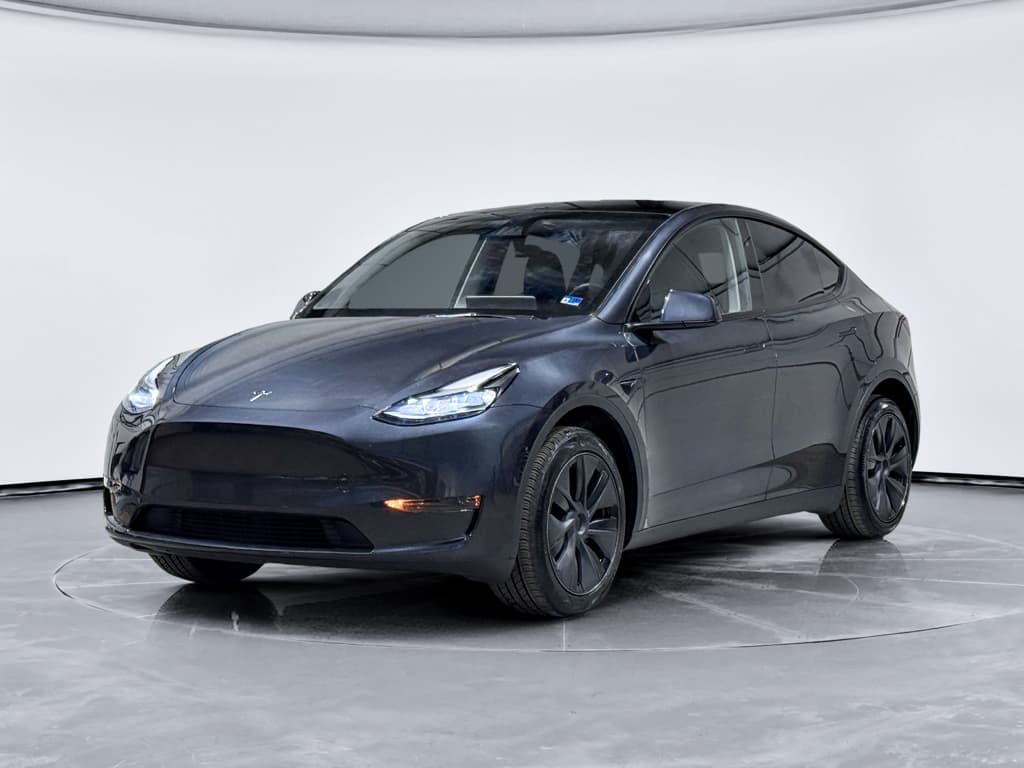
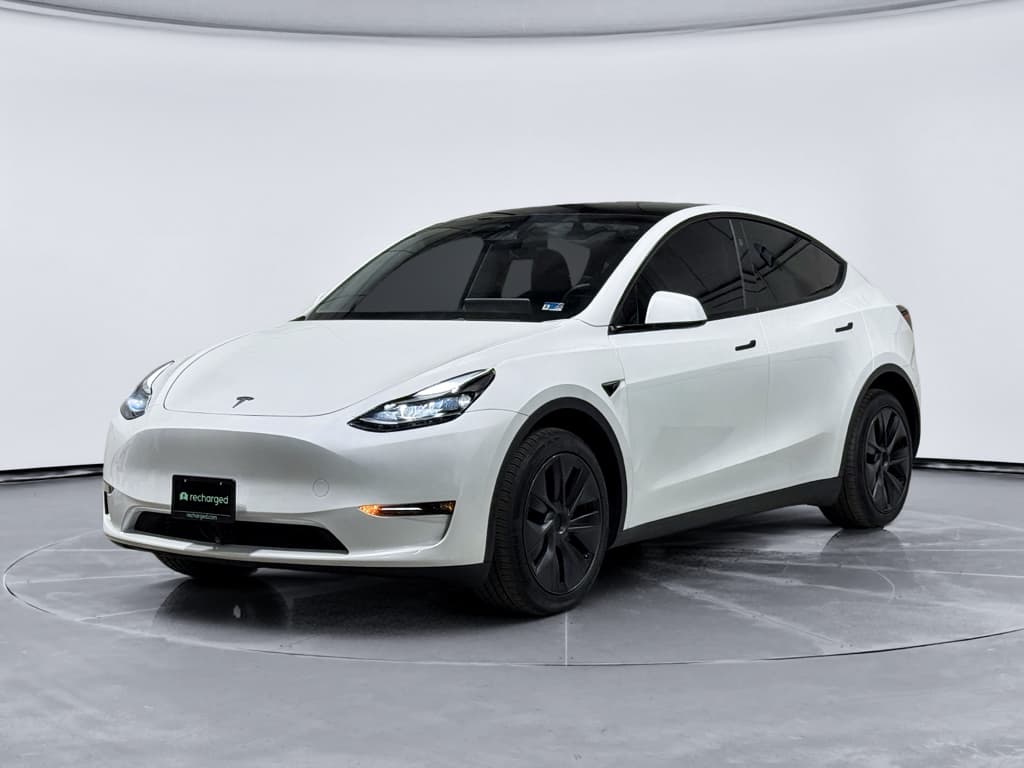
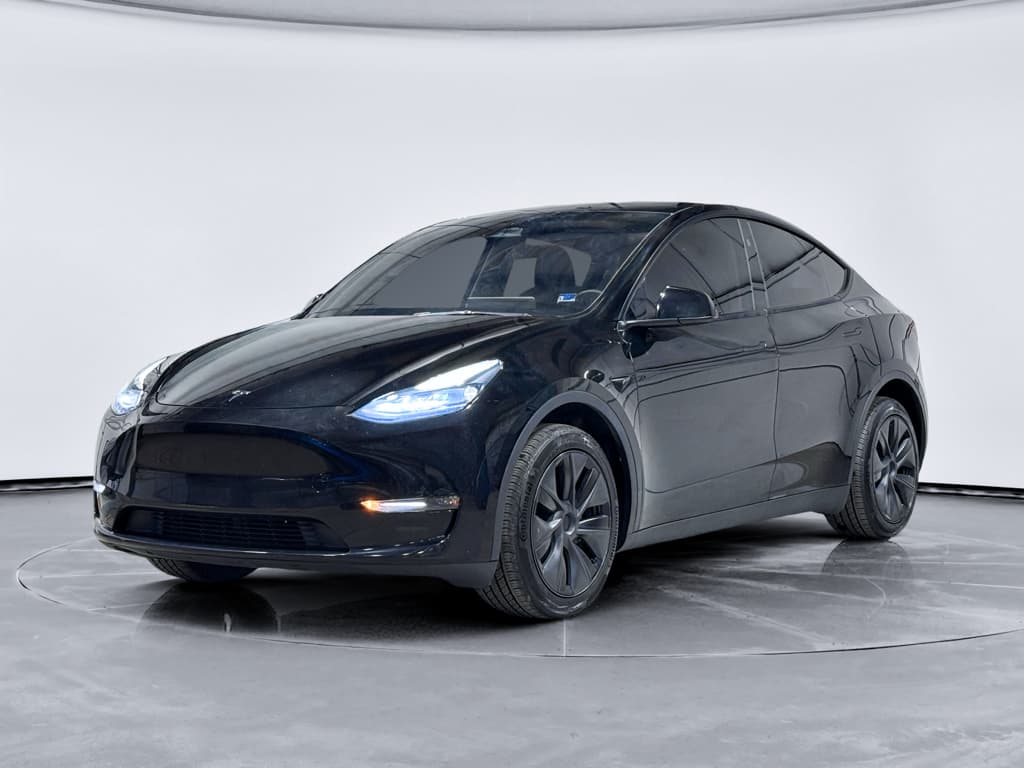
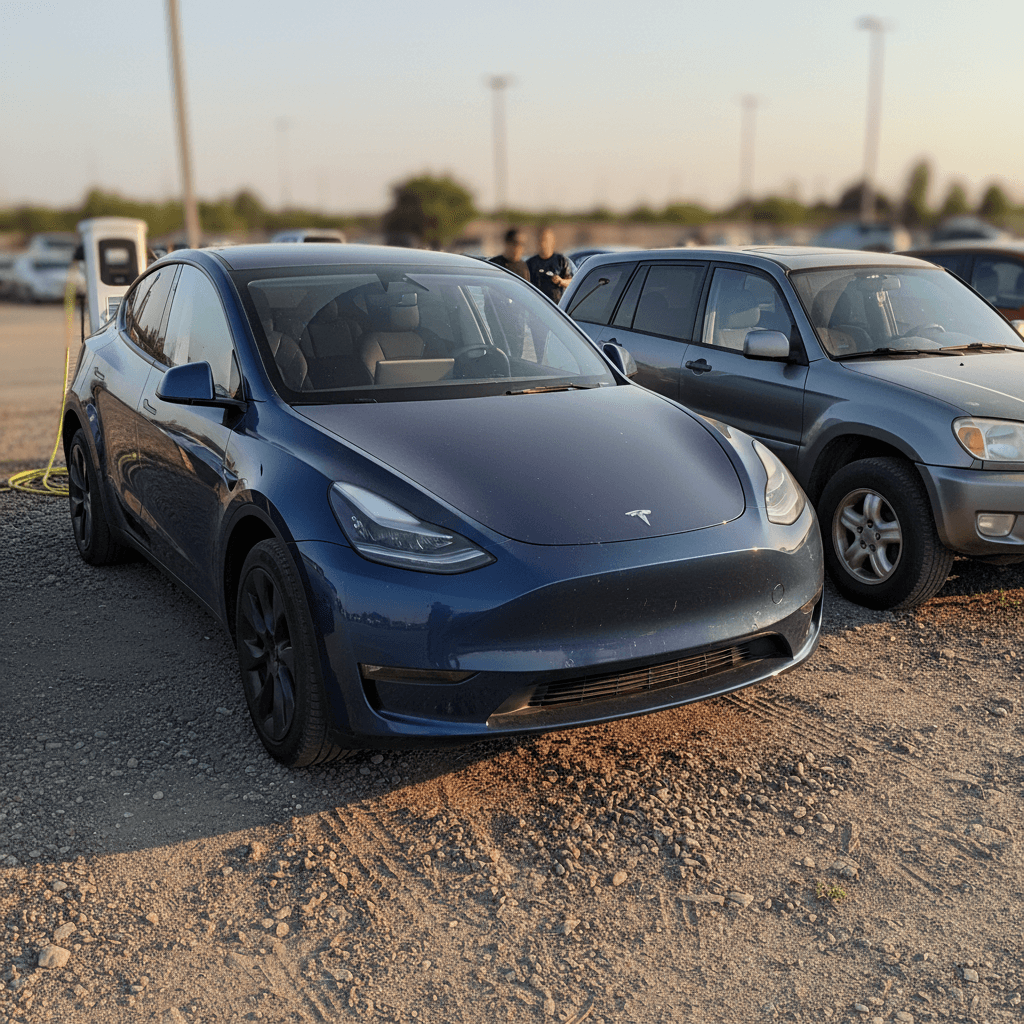
Tesla Model Y
Why it’s everywhere: One of the best‑selling EVs in the U.S., so used inventory is abundant.
- Typical used price: mid‑$20,000s and up depending on year and trim.
- Range: up to ~320 miles when new.
- Pros: Big charging network access, strong performance, roomy interior.
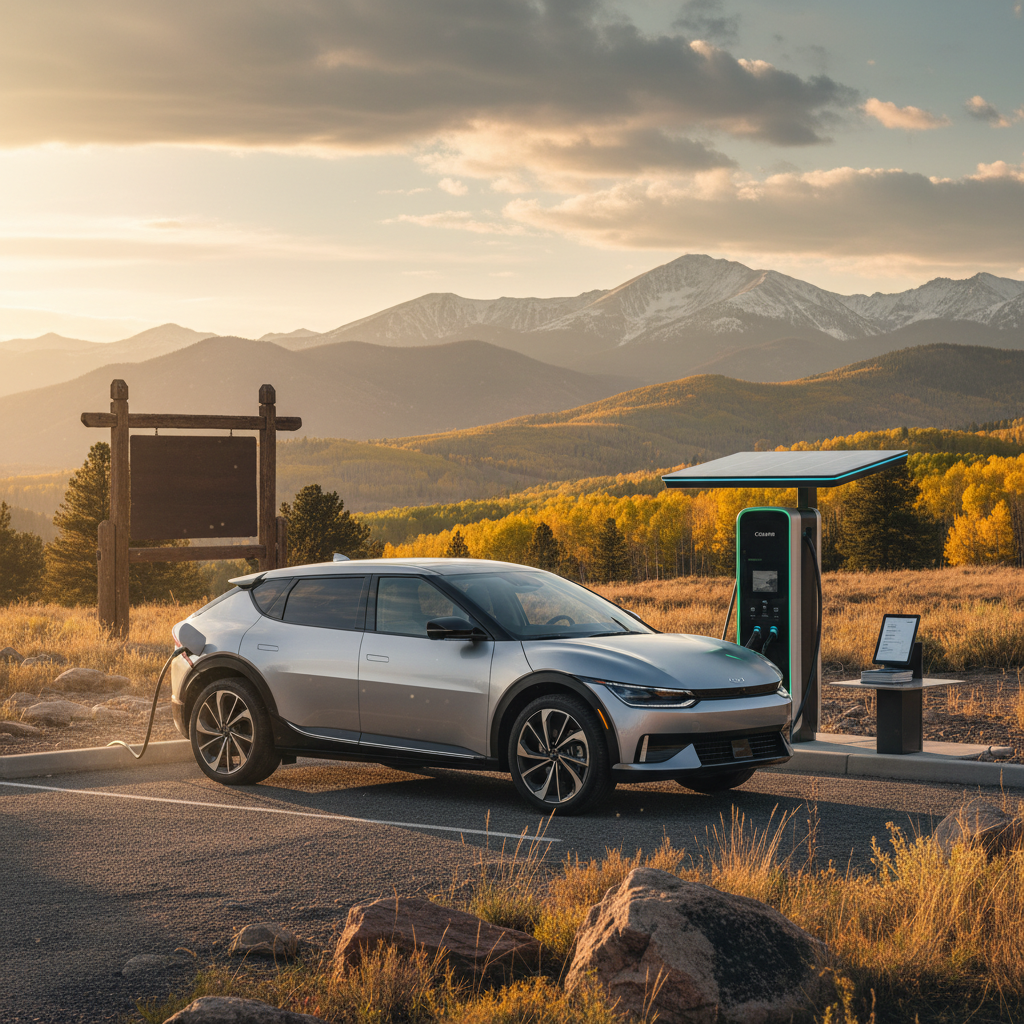
Hyundai Ioniq 5 / Kia EV6
Why they’re hot: Stylish, comfortable, and extremely fast charging thanks to 800V architecture.
- Typical used price: low‑ to mid‑$20,000s.
- Range: roughly 220–300 miles depending on battery and trim.
- Pros: Easy‑to‑use controls, long warranties, great daily‑driver manners.
VW ID.4 & others
Value heroes: Volkswagen ID.4, Ford Mustang Mach‑E, Volvo XC40 Recharge and similar SUVs blend range, space, and price.
- Typical used price: often in the low‑$20,000s for early years.
- Range: roughly 200–270 miles when new.
- Pros: Practical cabins, plenty of safety tech, compelling pricing.
What used EV SUVs really cost right now
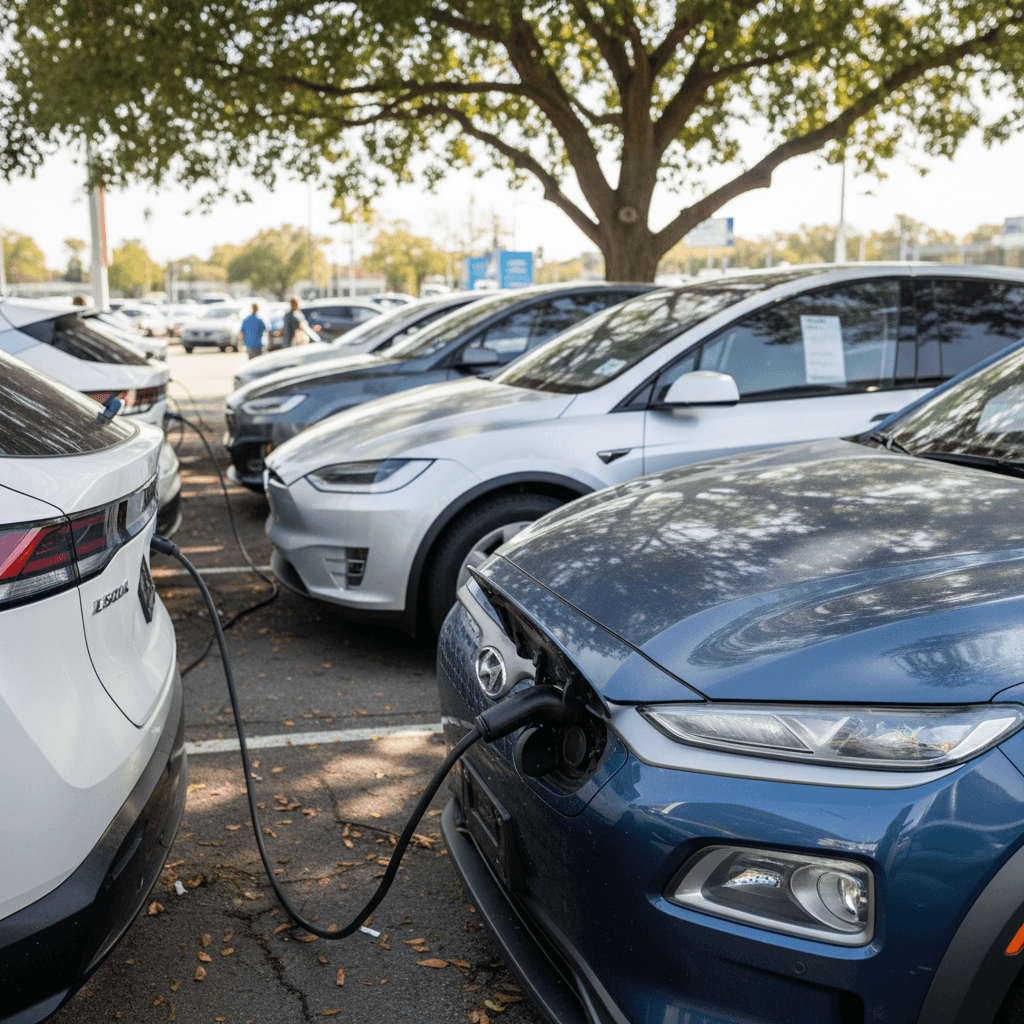
Every market is a little different, but if you’re browsing used EV SUVs for sale near you, you’ll see some patterns. EVs that once stickered for $45,000–$60,000 new are often available for half to two‑thirds of that within 3–5 years, especially as new models and range updates arrive.
Typical used EV SUV price ranges (illustrative)
These are ballpark asking‑price bands for mainstream EV SUVs in the U.S. as of late 2025. Actual prices depend on mileage, trim, condition, incentives, and your local market.
| Model example | Approx. model years | Typical used price band | Original new MSRP band | Notes |
|---|---|---|---|---|
| Compact EV SUV (e.g., Kia Niro EV, Hyundai Kona Electric) | 2019–2022 | $14,000–$22,000 | $35,000–$45,000 | Early EVs with solid range; excellent entry points if battery health checks out. |
| Mainstream EV SUV (e.g., Tesla Model Y, Hyundai Ioniq 5, VW ID.4) | 2021–2024 | $22,000–$32,000 | $43,000–$55,000 | Sweet spot of modern tech, good range, and steep early depreciation. |
| Premium EV SUV (e.g., Audi Q8 e‑tron, Volvo XC40 Recharge) | 2020–2023 | $28,000–$40,000+ | $60,000+ | Luxury cabins and big batteries at used‑Camry money, if you shop carefully. |
Use this as a starting point, not a quote, always compare multiple listings in your area.
Watch your out‑the‑door price
Range, charging and daily life: quick checklist
5 questions to answer before you pick an EV SUV
1. What’s your real daily mileage?
Add up your typical weekday driving. Most drivers fall below 40–50 miles per day, which even a shorter‑range EV can handle easily.
2. Can you install home charging?
If you have a driveway or garage, a Level 2 charger on a 240V circuit is the single biggest quality‑of‑life upgrade for EV ownership.
3. How often do you road‑trip?
A 220–250‑mile EV SUV is perfect for commuting and regional trips. If you do regular 300+ mile drives, prioritize models with fast DC charging support and bigger batteries.
4. What’s the charging network like near you?
Pull up PlugShare or similar apps and zoom in on your town and your usual highway routes. You want redundancy, not a single lonely fast charger.
5. Are you okay learning a new rhythm?
EVs aren’t harder; they’re different. You’ll plug in at home more often and visit public stations less than you visit gas pumps now.
Use “near me” filters smarter
Battery health: the make-or-break factor in a used EV SUV
On a gas SUV, you worry about transmission shifts, oil leaks, and timing chains. On a used EV SUV, your number‑one question is simple: How healthy is the battery? That pack is the car’s fuel tank and its heart, and it’s expensive to replace.
- Most modern EV SUVs lose range slowly when well cared for, often just a few percent over the first couple of years.
- Heat, repeated fast‑charging, and a lot of high‑speed driving can accelerate degradation.
- Two EVs of the same age and mileage can have very different battery health depending on how they were charged and driven.
- A proper diagnostic should look at state of health (SoH), pack balance, error codes, and charging history, not just the dash‑displayed range.
How Recharged handles battery health
How to inspect and test‑drive a used SUV like a pro
Key inspection points: gas vs. electric SUVs
Bring this mental checklist to your next test drive
Shared checks (gas & EV SUVs)
- Walk around the exterior for mismatched paint, panel gaps, or overspray that might hint at poor repairs.
- Check tire wear: uneven patterns can mean alignment or suspension issues.
- Cycle all doors, the liftgate, and rear seats to confirm smooth operation.
- Test lights, wipers, windows, infotainment, and safety systems on a short drive.
EV‑specific checks
- Check estimated range at 80% and 100% charge against the model’s original EPA rating.
- Plug in at least once, Level 2 is fine, to confirm the SUV charges properly and no warnings appear.
- Listen for unusual whines or clunks from the motor or reduction gearbox on acceleration and deceleration.
- Review a battery health report if the seller can provide it, or walk away if they refuse.
Test‑drive flow that reveals the truth
Start with a cold start
If possible, see the SUV before the seller has “warmed it up.” Cold batteries and drivetrains can reveal warning lights or noisy components.
Drive city, then highway
You want stop‑and‑go to test smoothness and one‑pedal driving, then highway speeds to check for wind noise, tracking, and steering feel.
Hit a rough road segment
Listen for rattles, clunks, or squeaks that might indicate worn suspension components or previous collision damage.
Test all driver‑assist features
Try adaptive cruise, lane‑keep assist, parking sensors, and cameras in safe conditions to ensure they work and you’re comfortable using them.
Scan for smells and leaks after
Park, walk around, and look underneath. EVs shouldn’t smell like burnt fluid or show fresh drips, those point to cooling or brake issues.
Red flags, no matter how good the price looks
Financing, trade‑ins and total cost of ownership
That “used SUV near me” search result with the lowest asking price isn’t always the cheapest to live with. To compare deals fairly, you have to look at total cost of ownership: payment, fuel or electricity, maintenance, insurance, taxes and fees, and any available incentives.
How EV SUVs shift your monthly budget
- Payment: Sometimes a touch higher than a similarly‑priced gas SUV because lenders see newer tech and higher MSRPs.
- Fuel vs. electricity: Home charging usually cuts “fuel” costs by around 30–40% vs. gas, especially if you can charge off‑peak.
- Maintenance: No oil changes and fewer wear parts often offset slightly higher insurance over time.
Making the numbers work in your favor
- Check whether the EV SUV you like qualifies for a used‑EV tax credit or local incentives.
- Get multiple insurance quotes before you commit, rates vary a lot by company and model.
- Consider pre‑approval so you know your rate before you negotiate; Recharged offers EV‑friendly financing as part of its digital buying experience.
Leverage your current car
Why consider buying a used EV SUV from Recharged
You can absolutely find a solid used SUV through local classifieds or third‑party listings. But if you’d rather skip the guesswork, Recharged is built specifically around used EVs and plug‑in vehicles, with tooling and people who live and breathe this world.
What makes Recharged different for EV SUV shoppers
Less mystery, more data, and a smoother path to the right used SUV
Recharged Score Report
Fully digital experience
Nationwide reach, local delivery
Ready to find your next EV?
Browse VehiclesHuman help, not just algorithms
FAQ: Used SUV for sale near me
Frequently asked questions
The bottom line: How to narrow your shortlist today
When you search “used SUV for sale near me” in 2025, you’re not just scrolling through random crossovers anymore. You’re choosing between powerful gas models and a growing crop of electric SUVs that deliver quiet speed, low running costs, and modern tech at used‑car prices.
Start by deciding whether an EV fits your daily driving and charging reality. Then focus on battery health, real‑world range, and total cost of ownership, not just the lowest asking price on the page. Compare a few candidates side by side, schedule test drives, and don’t hesitate to walk away from anything that doesn’t come with clear history and solid diagnostics.
If you’d rather skip the guesswork, browse used EV SUVs on Recharged. Every vehicle includes a Recharged Score Report, fair‑market pricing, expert EV guidance, and the option for financing, trade‑in, and nationwide delivery. That way, when you finally stop searching “used SUV for sale near me,” it’s because the right one is already in your driveway.