If you’re shopping for a compact luxury EV SUV, a used Genesis GV60 in 2026 is one of the more intriguing plays. Thanks to steep new-car discounts and rapid depreciation, the GV60 has slid from pricey early adopter toy to genuinely compelling used buy, especially if you care more about tech and refinement than brand badges. This guide walks you through trims, range, battery health, reliability, pricing, and what to inspect before you commit.
Quick take
Why the used Genesis GV60 is interesting in 2026
Three reasons the GV60 stands out as a used buy
Strong tech and weak resale are a rare combination that benefits second owners.
High-end tech, mainstream pricing
Top-tier charging hardware
Heavy depreciation helps buyers
The flip side is that Genesis is still building out its dealer and service footprint, and early‑run GV60s have faced some charging‑system and software recall work. If you understand those tradeoffs and buy the right car, a used GV60 can feel like you’re getting a nearly new premium EV for the price of a nicely equipped mainstream crossover.
Model years, trims, and key specs to understand
In the U.S., the GV60 arrived for the 2023 model year and by 2026 you’ll mostly be cross‑shopping 2023–2025 examples, with early off‑lease 2026s just starting to appear. Exact trims and features vary a bit by year and region, but the basic lineup has stayed consistent.
Common U.S. Genesis GV60 trims (2023–2026)
Always confirm exact equipment on the specific VIN, Genesis has tweaked packages and naming over time.
| Trim | Drivetrain | Approx. Power | Battery (usable) | Est. EPA Range (new) | Who it suits |
|---|---|---|---|---|---|
| Standard / RWD (where offered) | Single motor RWD | ~225 hp | ~77–84 kWh | Low 300s miles (2026 battery) | Efficiency‑focused drivers who don’t need AWD. |
| Advanced AWD | Dual motor AWD | ~314 hp | ~77 kWh | Mid 240s–250s miles | Balanced performance and comfort; most common spec. |
| Performance AWD | Dual motor AWD (Boost) | Up to ~429–483 hp with Boost | ~77 kWh | Low 230s miles | Enthusiasts who care about acceleration more than range. |
Power, drive layout, and range will vary slightly by model year and wheel/tire choice, but this table captures the broad patterns you’ll see when shopping used.
Trim shopping tip
Key Genesis GV60 EV specs that matter used
Range, battery, and charging: what matters on a used GV60
The GV60’s biggest long‑term asset is its battery and charging hardware. It rides on the same E‑GMP platform as the Hyundai Ioniq 5 and Kia EV6, which means good efficiency, sophisticated thermal management, and 800‑volt DC fast charging capability that still feels cutting‑edge in 2026.
- Real‑world range: Expect roughly 70–85% of the original EPA number on highway drives, depending on wheel size, climate, and how fast you cruise.
- Fast charging: On a healthy pack and a strong charger, 10–80% in under 20 minutes is realistic, but only if the station itself can deliver the power.
- Home charging: With an 11 kW onboard charger, a 240‑volt Level 2 setup at 40–48 amps can easily add a full day’s driving overnight.
- Vehicle-to-load (V2L): Many GV60s include a V2L adapter, letting you power tools, camping gear, or even a laptop off the main battery pack. Verify the adapter is included with the car; replacements aren’t cheap.
Watch for DC‑fast‑charging abuse
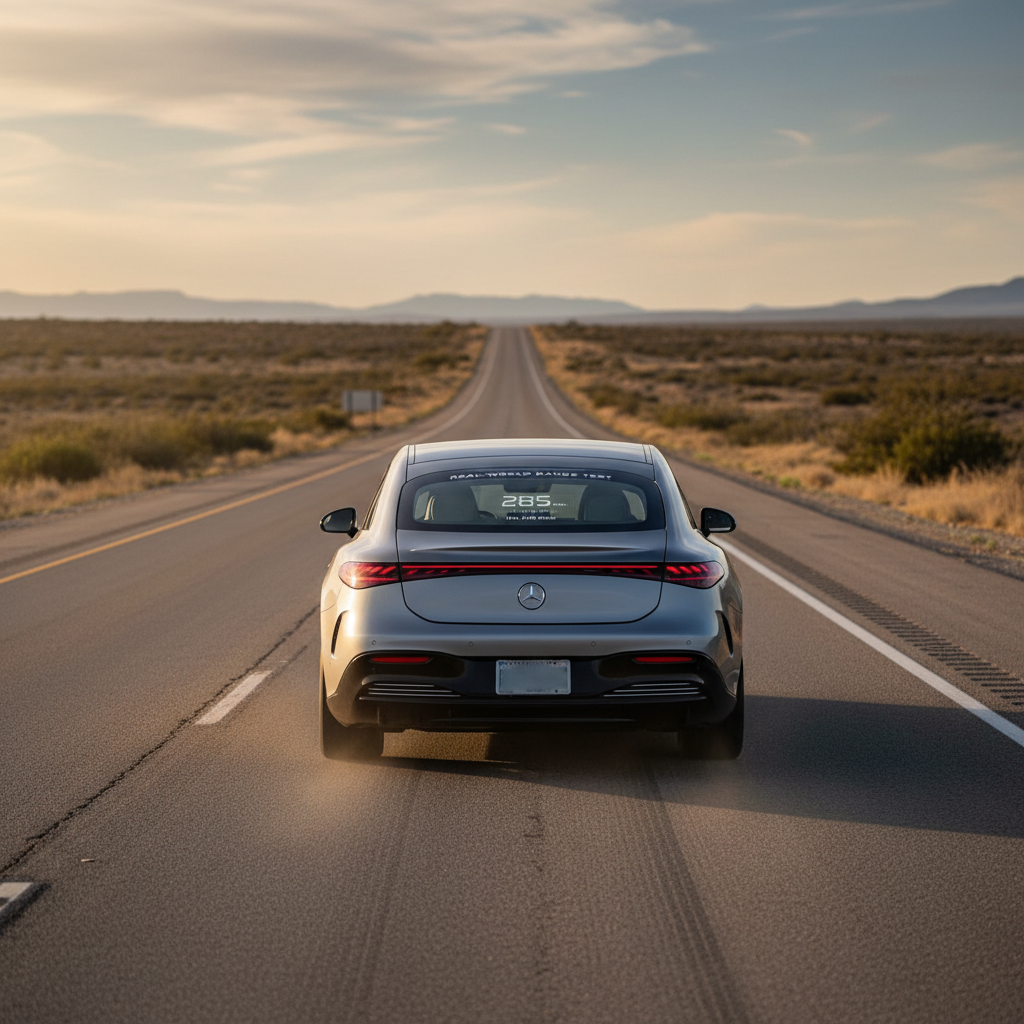
How to sanity‑check range on a test drive
- Start your drive near a known state of charge (for example, 80%).
- Reset the trip computer and drive at typical highway speeds for 20–30 miles.
- Compare miles driven vs. percent used, if you burn 10% to go 25 miles, that implies about 250 miles from 100–0% in similar conditions.
- Use this as a rough reality check against the original EPA rating and the seller’s claims.
What Recharged checks on GV60 batteries
Every GV60 listed on Recharged includes a Recharged Score with battery‑health data pulled from the car and benchmarked against similar vehicles.
- Estimated remaining capacity vs. original usable kWh.
- Charging history patterns where available.
- Diagnostic trouble codes related to the high‑voltage and 12‑volt systems.
- Any open campaigns or software updates related to charging.
Warranty and battery coverage on a used GV60
One of the strongest arguments for a used GV60 is Genesis’s generous warranty structure. Most used examples you’ll see in 2026 will still carry substantial factory coverage, especially on the battery and powertrain.
Genesis GV60 factory warranty overview (U.S.)
Applies to U.S.‑market GV60s; always confirm coverage by VIN with a Genesis dealer before buying.
| Component | Standard Coverage | Notes for 2026 used buyers |
|---|---|---|
| New vehicle limited warranty | 5 years / 60,000 miles | Covers most non‑wear items. A 2023 GV60 sold in 2026 may still have ~2 years of basic coverage if mileage is moderate. |
| Powertrain warranty | 10 years / 100,000 miles | Covers electric drive components; transferable to subsequent owners on U.S. vehicles. |
| EV battery warranty | 10 years / 100,000 miles | High‑voltage pack is protected against defects and excessive capacity loss, subject to Genesis terms. |
| Corrosion & roadside | Varies by component | Useful, but less central to the EV value proposition than battery and powertrain coverage. |
If you’re looking at a 2023 GV60 in 2026, you typically still have at least two years of basic coverage and seven years of battery protection left, assuming mileage hasn’t blown through the limits.
Get the VIN checked
Known issues, recalls, and ownership experience
No modern EV is trouble‑free, and the GV60 is no exception. Because it’s a relatively low‑volume halo model sitting on sophisticated electronics, the pain points you’ll hear about tend to cluster around charging hardware, low‑voltage electrical systems, and software updates, rather than engines or transmissions.
Common GV60 themes from early owners
These don’t affect every car, but they’re patterns worth knowing about.
12‑volt & ICCU issues
Software & OTA quirks
Trim & recall items
Service network reality check
Luxury EVs live or die not just on hardware, but on how consistently the ecosystem around them, dealers, software, charging, actually works. The GV60’s hardware is excellent. The surrounding support structure is still catching up.
Pricing, depreciation, and what a used GV60 is worth
In the new‑car market, the GV60 has been heavily incentivized, which pushes down used values. Analyst data and retail listings through early 2026 show that 3‑year‑old GV60s are often worth substantially less, sometimes tens of thousands of dollars less, than their original sticker, depending on mileage and trim.
What you can generally expect in 2026
- 2023 Advanced AWD: Often priced like a nicely equipped mainstream compact SUV despite a luxury badge and features.
- Performance AWD: Typically carries a modest premium, but big discounts at new put a ceiling on used values.
- Low miles, one‑owner cars: Command more money, but still undercut comparable German rivals by a wide margin.
Exact figures will swing with local incentives, interest rates, and how aggressively Genesis is discounting new stock at the time you’re shopping.
How Recharged approaches GV60 pricing
Recharged uses live market data, auction results, and incentive trends to benchmark every listing.
- Compares similar‑mileage GV60s in your region and nationwide.
- Factors in remaining warranty and verified battery health via the Recharged Score.
- Surfaces a clear, fair‑market price range rather than a mystery number you’re expected to negotiate down from.
Why depreciation is your friend here
Inspection checklist for a used Genesis GV60
Whether you’re buying from a private seller, a traditional dealer, or a digital retailer, you should approach a used GV60 like any high‑tech device on wheels: verify the basics, then stress‑test the electronics and charging systems.
Used Genesis GV60 pre‑purchase checklist
1. Verify software and recall status
Ask for a printout from a Genesis service department showing all completed and outstanding campaigns. On the test drive, look for persistent warning lights or messages about limited charging or system checks.
2. Inspect charging hardware
Open the charge port, check the door and seals, and plug into both Level 2 and (if possible) a DC fast charger. You’re looking for solid connection, stable charging speed, and no error messages. A flaky charge port can turn into a daily headache.
3. Check battery health indicators
Review any available battery report, Recharged provides this as part of the Recharged Score, or at least compare indicated range at a given state of charge with what you’d expect from the original EPA rating. Large unexplained gaps deserve more investigation.
4. Test all driver‑assistance systems
On a safe road, try adaptive cruise control, lane‑keeping, blind‑spot monitoring, and parking assists. Erratic behavior can point to sensor issues, miscalibration, or software bugs that will require a dealer visit.
5. Listen for suspension and wind noise
On the highway, listen for excessive wind noise around the windshield or roof and for clunks over bumps. Given recalls involving windshield trim, you want to be sure everything is tight and properly installed.
6. Confirm included accessories
Make sure you get both key fobs, the portable charge cable (if originally supplied), the V2L adapter, and any cargo covers. These are expensive to replace and often go missing as cars change hands.
Skip the driveway inspection if you want
Charging and ownership fit: is the GV60 right for you?
Beyond price and specs, the real question is whether a GV60 fits your daily life. The answer usually comes down to charging access, climate, and how much you value refinement and speed over brand familiarity and dealer density.
Different buyer profiles for a used GV60
Home charging, suburban commuter
Has a garage or driveway with 240‑volt access, or is willing to install it.
Drives 30–70 miles a day with occasional weekend trips.
Values quiet, comfort, and tech more than maximum cargo space.
GV60 is an excellent fit; you’ll rarely visit a public charger.
Apartment dweller or street parker
Limited or no home charging; relies on public DC fast charging or workplace Level 2.
GV60’s fast‑charge capability helps, but you’ll live or die by local infrastructure quality.
Look closely at public‑charging reliability in your area before committing, this is true for any EV, not just the GV60.
Road‑trip enthusiast
Frequently does 300–600‑mile days.
GV60 can fast charge quickly, but routing, charger availability, and network fragmentation in the U.S. still require planning.
If you live on a busy fast‑charging corridor, it can work well; otherwise consider whether a plug‑in hybrid might better match your use.
Luxury‑brand shopper
Cross‑shopping BMW iX1/iX3 (where available), Mercedes EQB, Tesla Model Y, or Audi Q4 e‑tron.
GV60 feels competitive or better on tech and refinement but lacks a long‑established luxury dealer network.
If you’re comfortable with a newer brand and want value, GV60 is compelling; if you need ubiquitous dealerships, it may not be your first choice.
Cold‑climate considerations
How Recharged helps with used GV60 shopping
A used GV60 is not the kind of car you want to impulse‑buy off a random classified. You’re balancing sophisticated electronics, a still‑developing service network, and meaningful differences in how prior owners charged and maintained the car. That’s exactly the kind of complexity Recharged is built to tame.
What you get when you buy a GV60 through Recharged
Battery transparency, fair pricing, and EV‑savvy support, without a showroom visit.
Recharged Score battery health
Fair, data‑driven pricing
Financing, trade‑in, and delivery
Ready to find your next EV?
Browse VehiclesIf you’d rather see a GV60 in person first, Recharged also operates an Experience Center in Richmond, VA, where you can get hands‑on time with different EVs and talk through charging, incentives, and total cost of ownership before you decide.
Used Genesis GV60 FAQ
Common questions about buying a used Genesis GV60 in 2026
Bottom line on buying a used Genesis GV60 in 2026
A used Genesis GV60 in 2026 is a classic case of underrated hardware in a still‑emerging ecosystem. The car itself, battery, charging, performance, and cabin, is deeply competitive with anything in its class, while heavy incentives and softer resale have pushed used prices into very attractive territory. The tradeoff is that you need to be more intentional about verifying software, recalls, and service access than you would with a mass‑market brand.
If you do that homework, or let Recharged do it for you via the Recharged Score, expert inspection, and transparent pricing, you can end up with a fast‑charging, tech‑rich luxury EV that still has years of battery warranty left and costs far less than you’d expect from the window sticker. For the right shopper, that’s exactly the kind of asymmetry you want to exploit in the evolving used EV market.