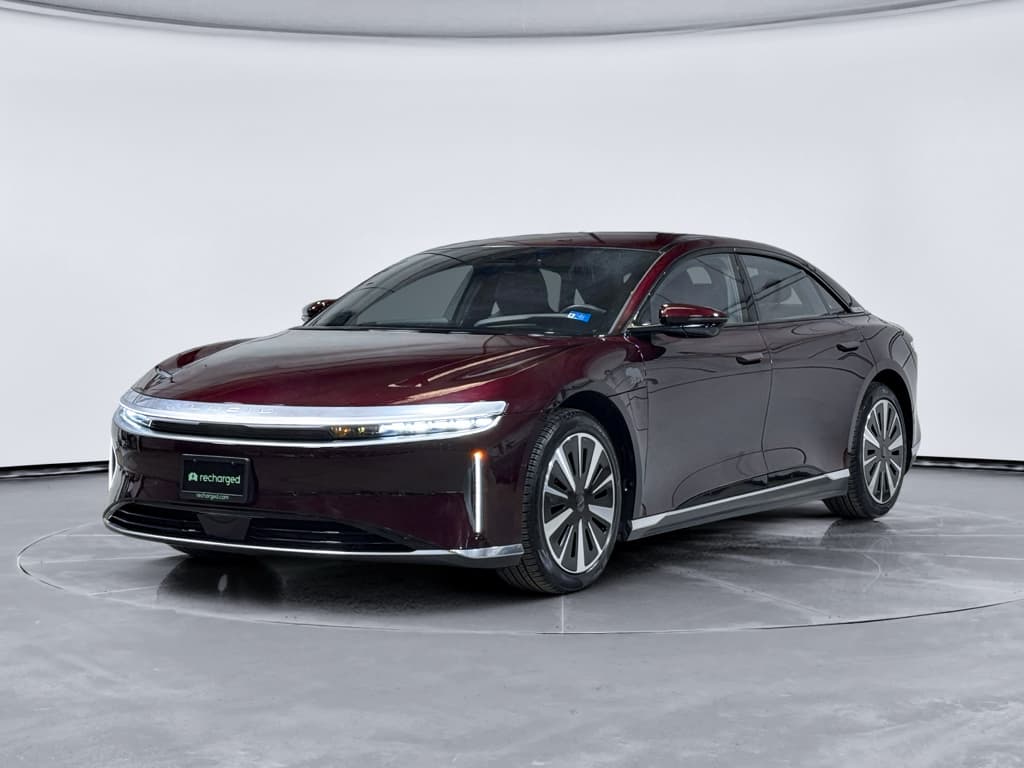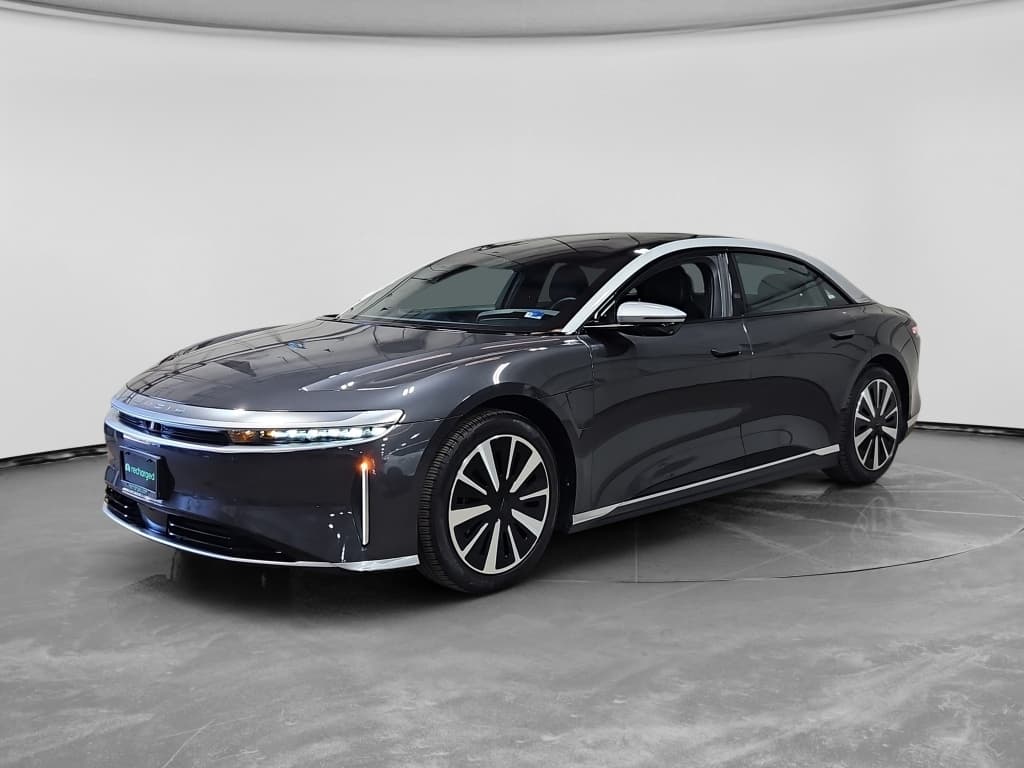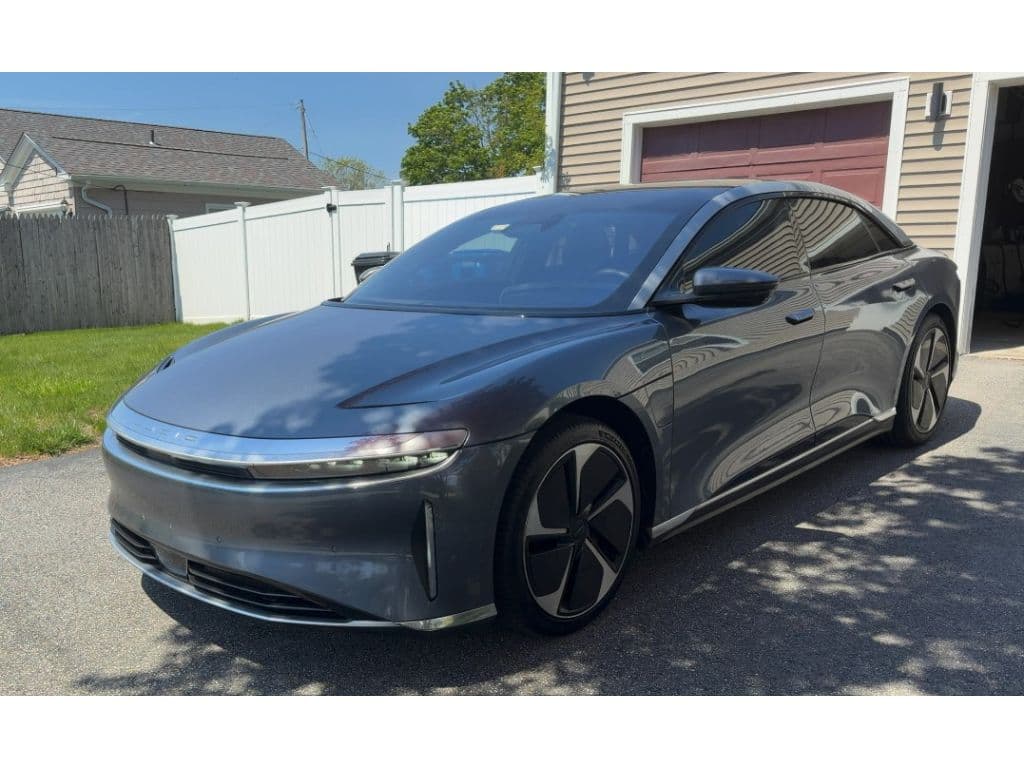
If you’re cross‑shopping a used Lucid Air vs Tesla Model S, you’re looking at two of the most advanced luxury EVs ever built. Both deliver huge range, serious performance, and futuristic interiors, but they’re not interchangeable, especially in the used market, where age, support network, and battery health matter as much as headline specs.
Who this guide is for
Why this comparison matters for used buyers
On paper, the Lucid Air often beats the Model S on raw range, efficiency, and charging speed. Tesla counters with a massive charging network, a long track record, and a mature service ecosystem. When you move to the used market, another layer appears: depreciation, warranty coverage, and how each brand handles software, recalls, and battery longevity.
- Lucid is a newer brand with fewer cars on the road, but record‑setting efficiency and range.
- Tesla Model S has been around since 2012, with more real‑world data, more service options, and a deeper used market.
- Both cars are expensive new, so smart used shopping can save you tens of thousands of dollars, if you know what to look for.
Quick answer: which used EV fits you?
At-a-glance: which used EV fits your priorities?
Use this as a starting point, then dig into the details below.
Choose a used Lucid Air if…
- You want maximum range and efficiency, select trims can exceed 500 miles EPA rated.
- You care about fast home and DC charging (up to ~19.2 kW AC and 300 kW DC on many models).
- You value a spacious, ultra‑lux interior with limo‑like rear space.
- You’re comfortable with a newer brand and smaller service footprint.
Choose a used Tesla Model S if…
- You want rock‑solid charging convenience via the Supercharger network.
- You prefer a proven platform with more service centers and parts availability.
- Performance is a priority, particularly Plaid and Performance trims.
- You like Tesla’s minimalist interior and mature software ecosystem.
Used-market sweet spots
Specs at a glance: Lucid Air vs Tesla Model S
Exact specs vary by year and trim, but here’s how typical late‑model examples compare. Think 2023–2025 cars you’re likely to see in today’s used listings.
Typical late‑model specs: Lucid Air vs Tesla Model S
Approximate specs for mainstream trims common in the used market. Always verify exact numbers for the specific car you’re considering.
| Spec | Lucid Air Pure / Touring | Tesla Model S Dual-Motor Long Range |
|---|---|---|
| EPA range (approx.) | ~419–420 mi (Pure), ~406–512 mi (Touring/Grand Touring) | ~375–405 mi depending on year/wheels |
| Battery capacity | ~84–92 kWh (Pure/Touring), up to ~118 kWh (Grand Touring) | ~100 kWh pack |
| 0–60 mph | ~4.3–3.4 sec (Pure/Touring) | ~3.1–3.7 sec (Long Range) |
| Peak DC fast charge | Up to ~300 kW | Up to ~250 kW |
| Max AC home charging | Up to ~19.2 kW | Up to ~11.5 kW |
| Drive layout | RWD or AWD depending on trim | Standard AWD |
| Warranty when new | 4 yr/50k mi basic, 8 yr/100k mi battery/drive unit | 4 yr/50k mi basic, 8 yr/150k mi battery/drive unit |
Lucid wins on peak range and charging speed; Tesla counters with network access and maturity.
Key numbers used shoppers should know
Range and efficiency: used buyers care about real miles
When you buy used, your question isn’t “who claims the highest range?” It’s “how far will this specific car go on a charge today?” That’s where both model choice and battery health matter.
Lucid Air: the efficiency benchmark
- Upper trims like Grand Touring can exceed 500 miles of EPA range and have set real‑world distance records.
- Even lower trims such as Pure and Touring routinely post EPA ratings above 400 miles in many configurations.
- Lucid’s ultra‑efficient powertrain and aero mean excellent highway range for their battery size.
On a used car, that means a healthy Air can still out‑range most rivals, even after a few years of normal degradation, assuming the pack has been well cared for.
Tesla Model S: still excellent, just not king anymore
- Recent Long Range Model S variants typically land in the 375–405 mile EPA range window.
- Efficiency is strong, but generally a step behind the best Lucid figures.
- In real‑world mixed driving, many owners report easy 300+ mile legs, which is more than enough for most trips.
Older Model S packs (pre‑2020) can show more noticeable degradation, so late‑model used cars are where Tesla looks strongest.
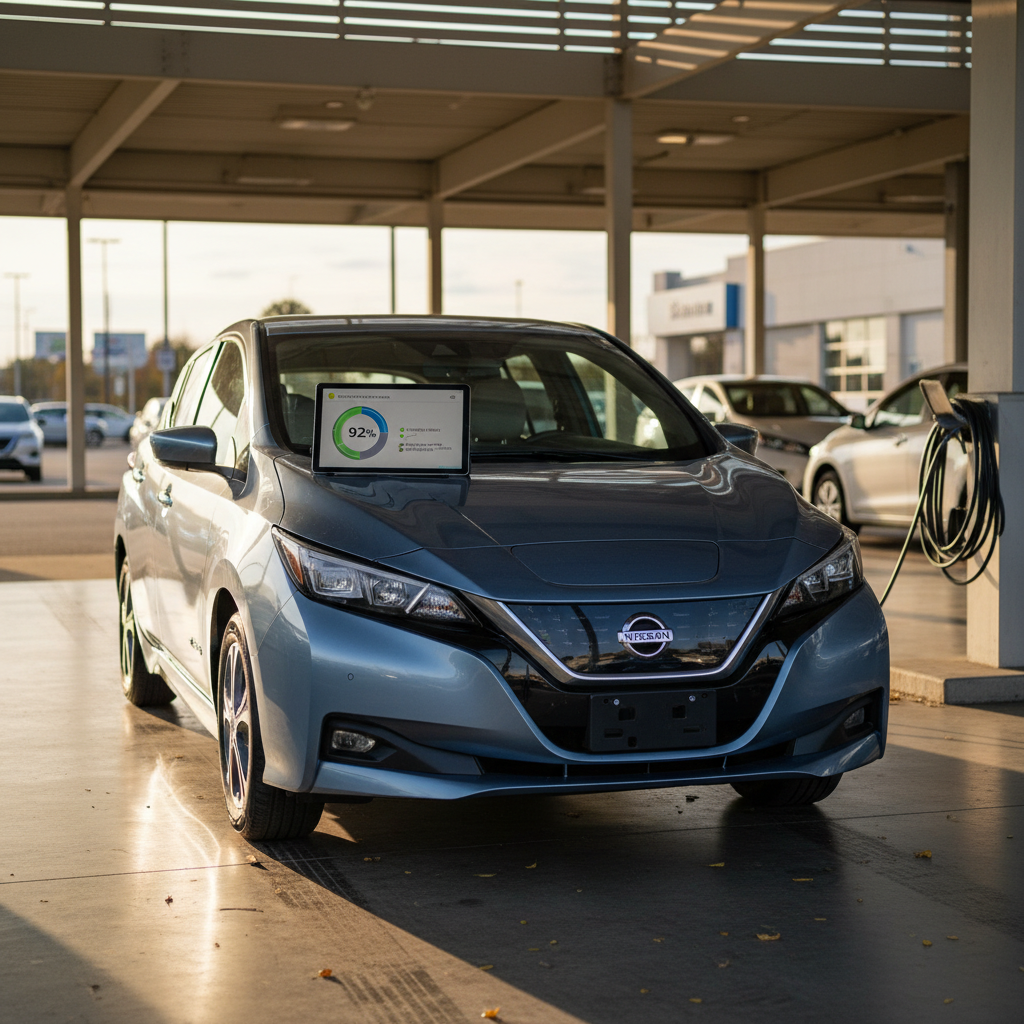
Range is only as good as the battery
Charging experience: home and road-trip ownership
Charging is where the ownership experience can feel radically different, especially on road trips. Lucid often wins on raw charging speed; Tesla typically wins on convenience and predictability.
Home and fast charging: how they differ in daily life
Think beyond peak kilowatts, consider where and how you’ll actually charge.
Home charging
Lucid Air
- Onboard charger up to ~19.2 kW, which is excellent if you have a high‑amp Level 2 setup.
- Can add large chunks of range overnight, even from low state of charge.
Tesla Model S
- Onboard charger up to ~11.5 kW, still more than enough for overnight refills.
- Tesla Wall Connector ecosystem is mature and well‑documented.
DC fast charging
Lucid Air
- 800V architecture enables very fast 10–80% sessions on capable 300 kW DC chargers.
- Can claw back hundreds of miles in roughly 20–25 minutes under ideal conditions.
Tesla Model S
- Up to ~250 kW on V3 Superchargers, very consistent performance.
- Charging curve well understood; software plans stops intelligently.
Charging networks
Lucid Air
- Primarily uses CCS public networks (Electrify America, EVgo, etc.).
- Recent model years can also access Tesla Superchargers via a NACS adapter in some markets, expanding options.
Tesla Model S
- Native access to the Tesla Supercharger network, still the gold standard for reliability and coverage.
- Also works with CCS/J1772 public stations via adapters.
Practical road‑trip advice
Comfort, tech, and driving feel inside each EV
Lucid Air: modern luxury limo
- Cabin feel is airy, spacious, and upscale, with generous rear legroom and large glass areas.
- Materials and design cues feel closer to German luxury sedans than to typical tech‑first EVs.
- Infotainment uses a curved upper display plus a lower tablet, with ongoing software improvements and OTA updates.
- Ride quality skews toward plush and refined, especially on smaller wheels.
Tesla Model S: minimalist tech flagship
- Clean, minimalist interior with a dominant central touchscreen and very few physical buttons.
- Later cars feature the "yoke" or steering wheel option, a controversial but unique touch.
- Software is mature, snappy, and loaded with features like advanced navigation, streaming, and driver‑assist.
- Ride quality is firm but controlled; Plaid and Performance models feel very sporty.
Where each shines inside
Reliability, warranty, and repairs in the real world
This is where the “new vs established” story really matters for used buyers. Lucid’s engineering is impressive, but the brand is young. Tesla has had more time to iron out issues, but it has also built far more cars, so you’ll hear more stories both good and bad.
Reliability and support: what used shoppers should weigh
Lucid Air
- Newer brand with limited but growing reliability data.
- Some software bugs and hardware recalls have required over‑the‑air or dealer fixes.
- Service centers and parts network are more limited, which can mean longer waits in some regions.
- Standard warranties: 4 yr/50k mi basic, 8 yr/100k mi battery/drive unit (check remaining coverage on a used car).
Tesla Model S
- Over a decade of real‑world history and constant iteration.
- Early cars had build‑quality quirks; later models generally improved, though issues still pop up.
- Far more service centers and mobile service options than most startups.
- Battery/drive unit warranty typically 8 yr/150k mi on many Model S variants, giving longer high‑voltage coverage than Lucid.
Don’t skip recall and software checks
Depreciation and total cost of ownership
Luxury EVs shed value quickly from their lofty MSRPs. As a used buyer, that can work strongly in your favor, but the pattern isn’t identical between Lucid Air and Tesla Model S.
Used Lucid Air pricing dynamics
- Steep initial depreciation from six‑figure new prices down into more attainable territory on the used market.
- Smaller buyer pool and brand‑newer status can create aggressive deals on low‑mileage cars.
- Insurance and repair costs can be higher in some areas due to limited parts and service options.
- Outstanding efficiency helps keep energy costs per mile low, especially if you charge at home off‑peak.
Used Tesla Model S pricing dynamics
- Values tend to be more stable, with a deeper used market and strong brand recognition.
- Performance and Plaid trims hold a premium, but Long Range cars often strike the best value balance.
- Older, higher‑mileage cars can be tempting bargains but require a very careful look at battery health and suspension/drive‑unit wear.
- Electricity costs per mile are still low, though efficiency trails the very best Lucid figures.
Resale and future value
How to choose: which one fits your life?
Choosing between a used Lucid Air and a used Tesla Model S isn’t just a spec sheet exercise. It’s about how, where, and how far you drive, and how comfortable you are with brand maturity and support.
Match the car to your real‑world use case
High‑mileage commuters & road‑trippers
You regularly drive long highway stretches and value <strong>maximum range</strong>.
You’re willing to learn the public CCS networks and, where available, use adapters for Superchargers.
You care about spending less time plugged in on trips.
→ A well‑vetted <strong>Lucid Air Pure, Touring, or Grand Touring</strong> can be a fantastic fit.
Plug-and-go convenience seekers
You want the <strong>simplest charging experience</strong> with the least planning.
Most trips are along established Supercharger corridors.
You’re okay with slightly less peak range in exchange for ironed‑out infrastructure.
→ A <strong>Model S Long Range</strong> is likely the easier ownership experience.
Performance enthusiasts
You care as much about 0–60 times as you do about range.
Track days or canyon runs are part of your life, not just commuting.
You want proven high‑performance hardware with a deep enthusiast community.
→ A <strong>Model S Plaid or Performance</strong> is hard to beat; Lucid’s Sapphire is wildly capable but very rare and expensive used.
Luxury-first drivers and passengers
You frequently carry adults in the rear seats and care about space and comfort.
Ride quality, cabin quietness, and materials rank ahead of lap times.
You want your EV to feel like a top‑shelf luxury sedan inside.
→ A <strong>Lucid Air (especially Touring or Grand Touring)</strong> is likely to feel more like a traditional luxury flagship.
Used Lucid Air vs Tesla Model S buying checklist
Essential checks before you commit
1. Verify battery health objectively
Ask for a <strong>third‑party battery health report</strong>, not just a guess from the dash. On Recharged, every vehicle includes a Recharged Score Report with verified battery diagnostics so you know how much real‑world range to expect.
2. Confirm remaining warranty coverage
Look up in‑service date and mileage to see how much of the 4 yr/50k mi basic and 8 yr high‑voltage warranties are left. Tesla’s battery/drive‑unit coverage often extends to 150k miles; Lucid’s usually to 100k miles.
3. Check recall and software status
For both brands, make sure all <strong>recalls and critical software updates</strong> have been completed. Confirm that the car is on a current software version and can still receive OTA updates.
4. Inspect charging hardware and history
Test the car on a <strong>Level 2 charger</strong> and, if possible, a DC fast charger before purchase. Confirm included home charging equipment and any adapters (especially for Tesla owners who plan to use CCS, or Lucid owners who’ll use Superchargers).
5. Evaluate tires, brakes, and suspension
These heavy, powerful EVs can <strong>wear tires and suspension components quickly</strong>. Inspect for uneven tire wear, worn bushings, or clunks over bumps. Budget for a fresh set of quality tires if tread is low.
6. Review service access in your area
Check how far you are from a <strong>Lucid or Tesla service center</strong> and whether mobile service is available. A great car can become frustrating if major repairs mean towing it hundreds of miles.
7. Look at total cost, not just price
Compare insurance quotes, expected maintenance, charging costs, and projected resale value for both cars. Sometimes the cheaper purchase price isn’t the cheaper car over five to seven years.
FAQ: used Lucid Air vs Tesla Model S
Frequently asked questions
Bottom line, and how Recharged helps
If you prioritize maximum range, cutting‑edge efficiency, and a genuinely luxurious cabin, a used Lucid Air, especially a carefully chosen Pure, Touring, or Grand Touring, can be a phenomenal value, provided you’re comfortable with a newer brand and a smaller service footprint. If you care more about charging simplicity, proven hardware, and a huge owner community, a used Tesla Model S Long Range or Plaid still delivers one of the best all‑around EV experiences on the market.
Whichever direction you lean, the most important decision isn’t “Lucid or Tesla?” It’s this specific car vs that specific car: their battery health, history, and price. That’s exactly what Recharged is built to clarify. Every used EV we sell comes with a Recharged Score Report, verified battery diagnostics, transparent market‑based pricing, financing options, trade‑in support, and nationwide delivery, plus EV specialists who live and breathe questions like "used Lucid Air vs Tesla Model S." When you’re ready, you can browse, finance, and complete your purchase fully online, or visit our Experience Center in Richmond, VA to see how a luxury EV fits your life.