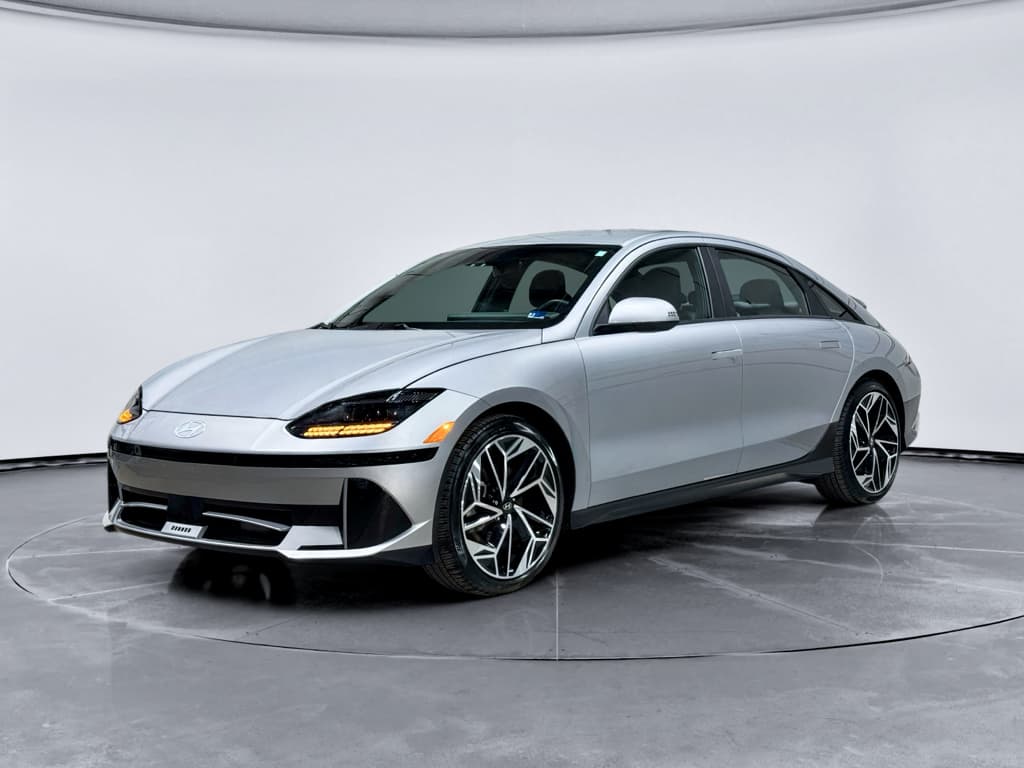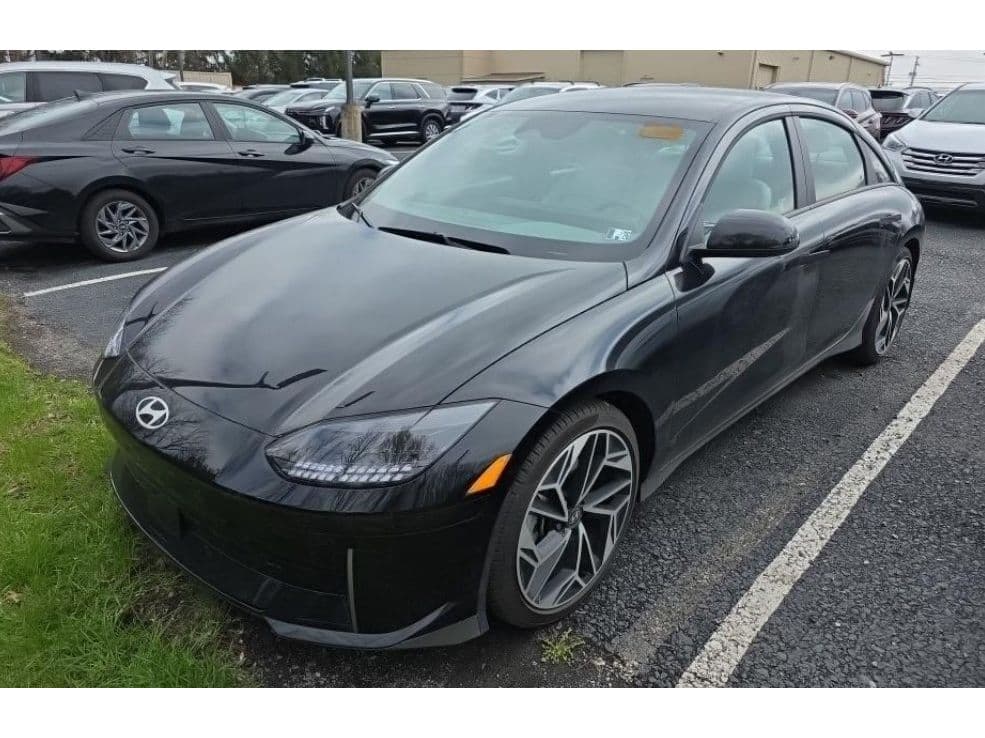
The Hyundai IONIQ 6 looks like a designer’s fever dream and drives like a silent bullet train, but the real question is simple: what does a Hyundai IONIQ 6 long term ownership cost over five years? The answer isn’t just one number, it’s a story about electricity prices, depreciation, insurance actuaries, and how gently you treat that battery.
Quick take
Hyundai IONIQ 6 at a Glance
Key specs that affect ownership cost
The money story starts with efficiency, battery size, and price.
Midsize electric sedan
Battery & range
Efficiency superstar
What Actually Drives Long‑Term EV Costs?
Before we zoom in on the IONIQ 6, it helps to get the categories straight. Whether you drive a Hyundai, a Tesla, or a tired old Camry, your total cost of ownership (TCO) lives in the same buckets:
- Purchase price (and how you finance it)
- Depreciation (what the car is worth in 3–8 years)
- Energy (electricity vs. gasoline)
- Maintenance and repairs
- Insurance
- Taxes, registration, and fees
EVs like the IONIQ 6 tend to front‑load the pain: higher purchase price, lower running costs. Over 5–10 years, the ledger often tilts in their favor, especially if you charge mostly at home and hang on to the car.
How we’re modeling costs
Hyundai IONIQ 6 5‑Year Cost Summary
Estimated 5‑year cost to own a new IONIQ 6
Those numbers track closely with third‑party cost‑to‑own analyses for the 2024 IONIQ 6, which peg 5‑year ownership in the high‑$50,000s for a well‑equipped model, assuming 15,000 miles per year. Think of that as the top of the range: you can do better with a lower‑trim car, smart charging habits, and especially by buying used.
Your mileage will vary
Energy Costs: Electricity vs. Gasoline
Energy is where the IONIQ 6 quietly earns its keep. It’s one of the most efficient EVs on the road, and electricity, while not cheap anymore, is still generally a bargain compared to liquid dinosaurs.
5‑year fuel cost: IONIQ 6 vs. comparable gas sedan
Assumes 15,000 miles per year, average U.S. residential electricity at $0.17/kWh, gasoline at $3.50/gal.
| Vehicle | Energy use | Cost per mile (energy) | Annual fuel cost | 5‑year fuel cost |
|---|---|---|---|---|
| Hyundai IONIQ 6 (long range AWD) | 27 kWh/100 mi | ≈$0.046/mi | ≈$690 | ≈$3,450 |
| Hyundai IONIQ 6 (long range RWD, more efficient) | 24 kWh/100 mi (est.) | ≈$0.041/mi | ≈$615 | ≈$3,075 |
| Comparable gas sedan (30 mpg) | 1 gal/30 mi | ≈$0.117/mi | ≈$1,755 | ≈$8,775 |
Rough, directional math to show why EV efficiency matters over time.
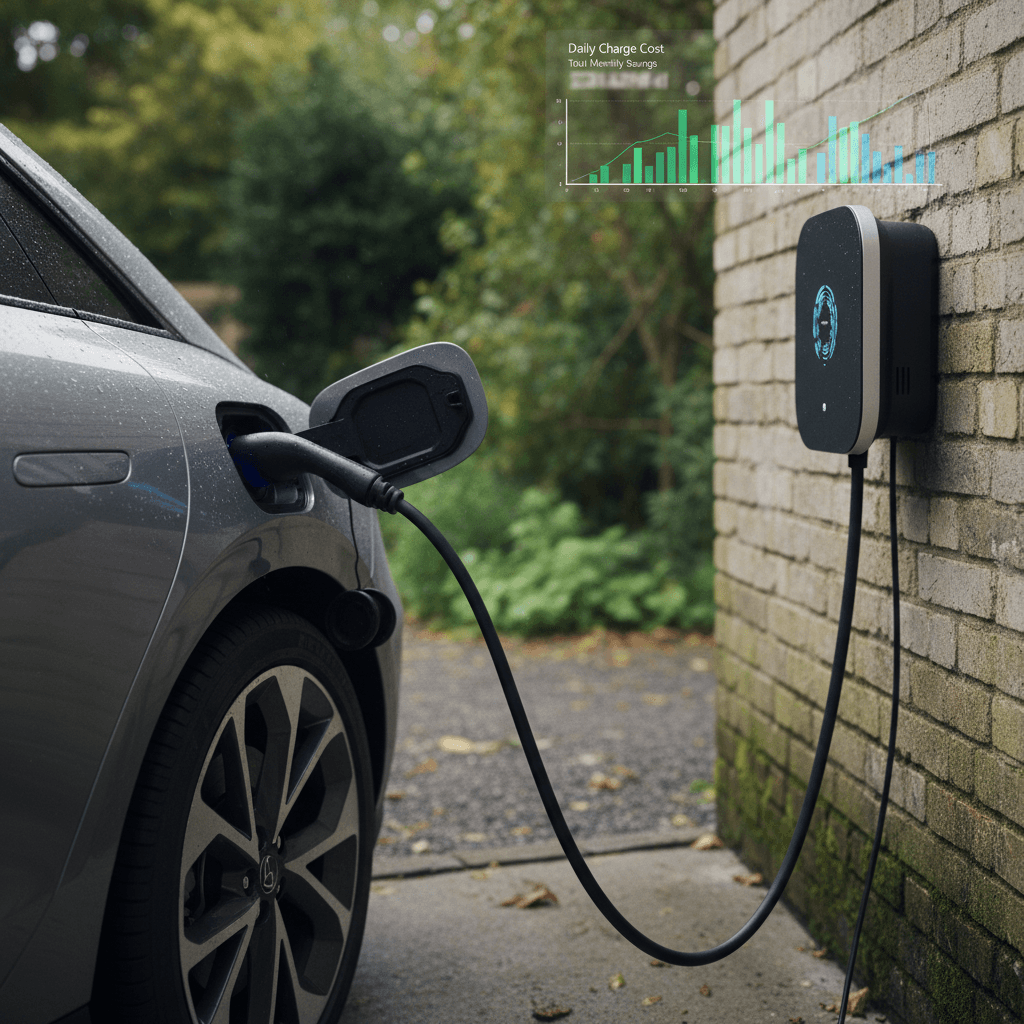
Even with higher 2025 electricity prices, you’re typically saving $1,000+ a year on energy alone versus a similar gas sedan. Over a decade, that’s the price of another used car.
Where the big energy savings live
Maintenance and Repairs Over Time
The IONIQ 6 is a modern EV on the E‑GMP platform, with far fewer moving parts than a gas sedan. No oil changes, timing belts, or complex multi‑gear transmissions. But “low maintenance” doesn’t mean “no maintenance”, and it definitely doesn’t mean “no repairs” past year four or five.
5‑year maintenance story for an IONIQ 6
What you’ll actually pay to keep it rolling.
Years 1–3: Low drama
Tires & brakes
Years 4–5 and beyond
The expensive what‑ifs
As the car ages into year 7, 8, 10, the economics hinge on battery health: an efficient pack with modest degradation keeps the car cheap to run and valuable; a tired pack can turn an otherwise healthy car into an expensive appliance.
Insurance, Taxes, and Fees
Insurance is where EV optimism meets actuarial pessimism. New, tech‑laden EVs tend to cost more to insure than equivalent gas sedans, mainly because repair bills are high and some carriers still don’t know what to make of them.
Insurance: what to expect
Real‑world cost‑to‑own analyses for the IONIQ 6 suggest about $1,350–$1,550 per year in insurance for a typical U.S. driver with full coverage. That’s in the ballpark of other midsize EVs, and higher than a basic gas sedan.
Your premium will swing wildly based on ZIP code, driving record, mileage, and whether your insurer loves or loathes EVs this month.
Taxes, registration, and fees
State and local taxes hit hardest in year one: a new IONIQ 6 can easily rack up $3,000–$4,000 in sales tax and initial fees depending on price and jurisdiction.
After that, plan on a few hundred dollars a year in registration, plus any EV‑specific road‑use fees your state tacks on to replace gas tax revenue.
Easy ways to trim insurance costs
Depreciation and Resale Value
Here’s the big one. Depreciation is the single largest line item in most modern‑car ownership budgets, and the IONIQ 6 is no exception. It’s a gorgeous, efficient, thoroughly modern EV, and the market will still crucify its residual value if newer, longer‑range EVs keep appearing every model year.
How depreciation shapes IONIQ 6 ownership cost
Illustrative numbers based on current market behavior for new midsize EVs.
| Scenario | Purchase price | Value after 3 years | Value after 5 years | Estimated 5‑year depreciation |
|---|---|---|---|---|
| Buy new, mid‑trim IONIQ 6 | $47,000 | $28,000 | $22,000 | ≈$25,000 |
| Buy 2‑year‑old used | $33,000 | $24,000 (year 5 of car) | $19,000 (year 7 of car) | ≈$14,000 |
| Buy 4‑year‑old used | $25,000 | $19,000 (year 7 of car) | $15,000 (year 9 of car) | ≈$10,000 |
The exact figures will move with incentives, supply, and interest rates, but the pattern is consistent: the first 3 years are the most expensive.
Why EV depreciation looks brutal up close
The upshot: if you care about long‑term ownership cost more than new‑car smell, the IONIQ 6 makes far more sense as a used purchase. Someone else pays for the fast part of the depreciation curve; you enjoy the efficiency and style at a bargain.
New vs. Used IONIQ 6: Where You Save Most
How the math shifts when you buy used
1. Depreciation drops dramatically
As the table above shows, a 2‑ to 4‑year‑old IONIQ 6 has already shed a big slice of its original value. Over your 5‑year ownership window, you might see <strong>depreciation that’s $10,000–$15,000 lower</strong> than buying new.
2. Insurance can be cheaper
Lower vehicle value usually pulls comprehensive and collision premiums down. The same safety tech, now at a used‑car price.
3. Incentives may shift the equation
New‑car federal and state incentives change the effective cost of entry. Sometimes a heavily incentivized new IONIQ 6 can undercut an overpriced used one. You have to run the numbers for your ZIP code and tax situation.
4. Battery health becomes the swing vote
On a used EV, the question is no longer “How much does it depreciate?” but “What am I getting for the price?” A used IONIQ 6 with a <strong>healthy, efficient battery</strong> is a bargain; one with hidden degradation is a trap.
Where Recharged fits in
Ready to find your next EV?
Browse VehiclesHow Recharged Helps You Lower Total Cost of Ownership
1. Verified battery health
The battery is the beating heart and biggest cost center in any EV. Our Recharged Score taps into detailed diagnostics so you can compare real battery health across IONIQ 6s and understand how that will affect range, efficiency, and resale value down the road.
2. Fair market pricing & financing
Because Recharged is a digital used‑EV marketplace, we see pricing trends across thousands of vehicles. That lets us price IONIQ 6s against the real market, not wishful thinking. Financing options are built around EV shoppers, and you can pre‑qualify online with no impact to your credit.
3. Full‑stack EV support
From trade‑in and nationwide delivery to help choosing home charging, our EV specialists walk you through the real‑world costs, not just the sticker price. You get a clear picture of 5‑ to 10‑year ownership before you commit.
Hyundai IONIQ 6 Ownership Cost FAQ
Frequently asked questions about IONIQ 6 long‑term costs
Bottom Line: Is the IONIQ 6 Cheap to Own?
If you buy a brand‑new, nicely optioned Hyundai IONIQ 6 and move on after five years, your accountant will not call it cheap. Depreciation alone can devour twenty‑plus thousand dollars in that window. But if you step into the IONIQ 6 ecosystem via the used market, where someone else has already paid for the technology curve, and you charge mostly at home, the story flips. You get a striking, ultra‑efficient sedan with low energy and maintenance costs and a realistic path to below‑average cost per mile over the long haul.
That’s where a platform like Recharged earns its keep: by pairing verified battery health, fair market pricing, EV‑savvy financing, and specialist support so you can buy the right IONIQ 6 at the right point in its life. Do that, and this rolling streamliner isn’t just a design statement, it’s a very rational way to spend your transportation dollars.