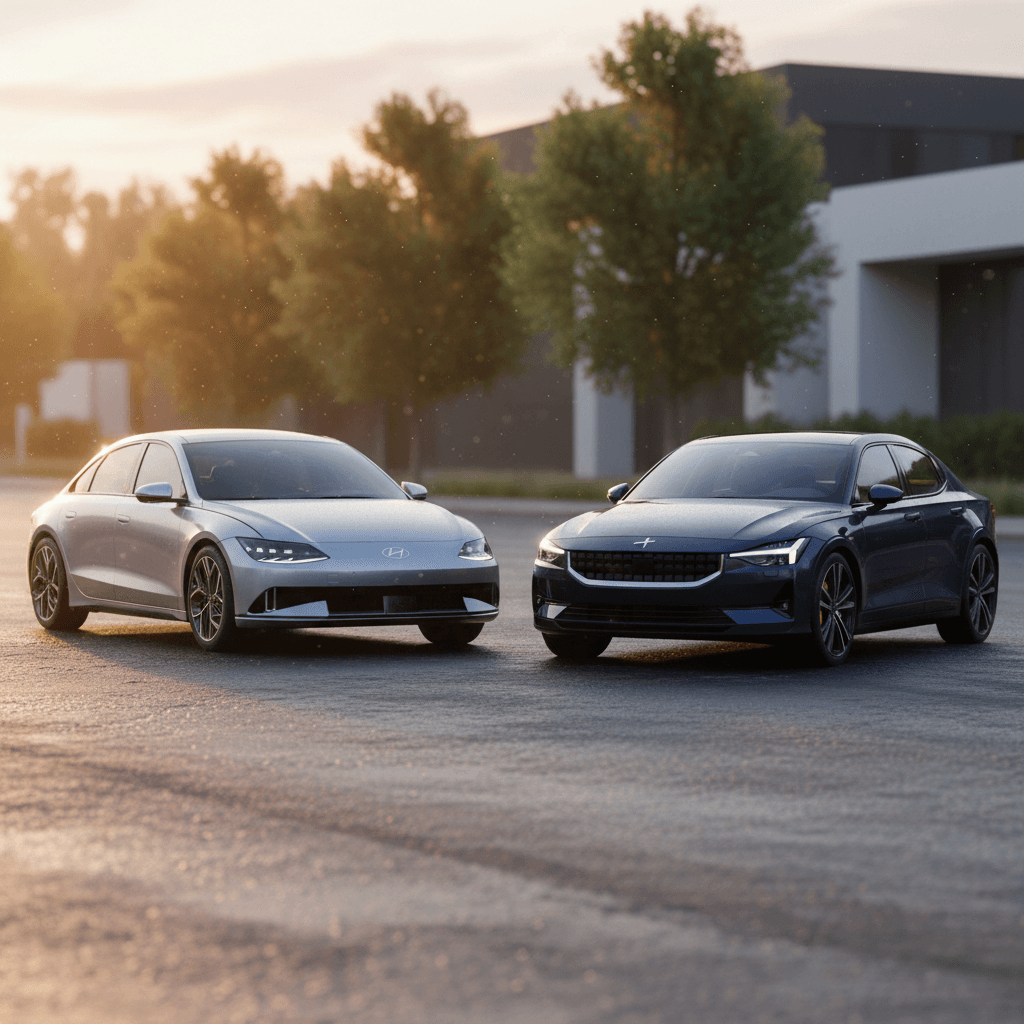
If you’re shopping the used EV market and want a sleek electric sedan, a used Hyundai IONIQ 6 vs Polestar 2 comparison is probably high on your list. Both are stylish, long‑range EVs, but they take very different approaches to comfort, performance, and everyday usability, and those differences matter even more once depreciation and real‑world ownership come into play.
Why this matchup matters
Overview: Used IONIQ 6 vs Polestar 2
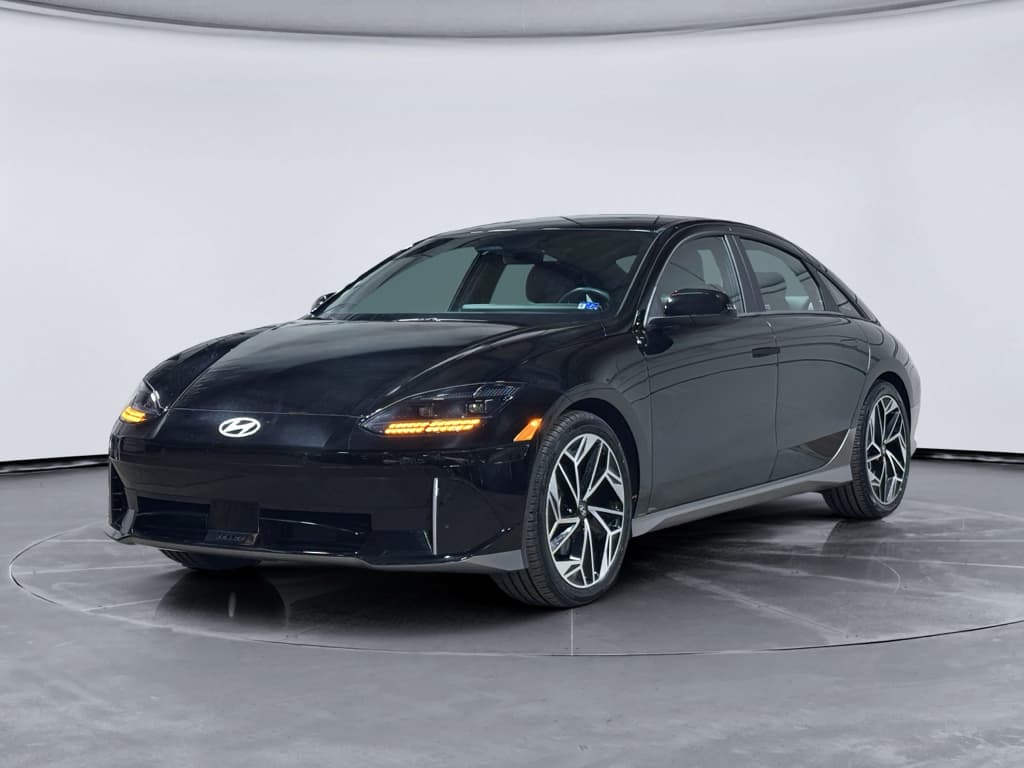
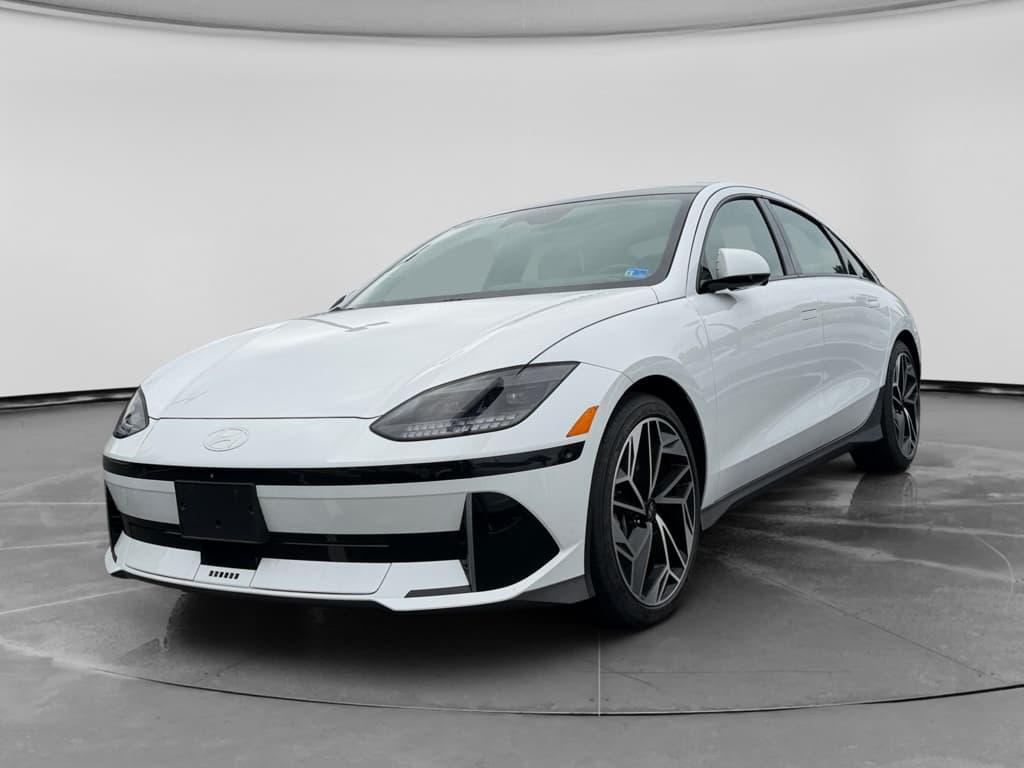
Hyundai IONIQ 6 (used)
- Strengths: Excellent efficiency and range, ultra‑fast 800V DC charging, roomy back seat, strong warranty coverage.
- Best for: Commuters and road‑trippers who value comfort, range, and low running costs over edgy handling.
- On the used market: Early U.S. models (2023–2024) are already showing noticeable depreciation, creating good value for second owners.
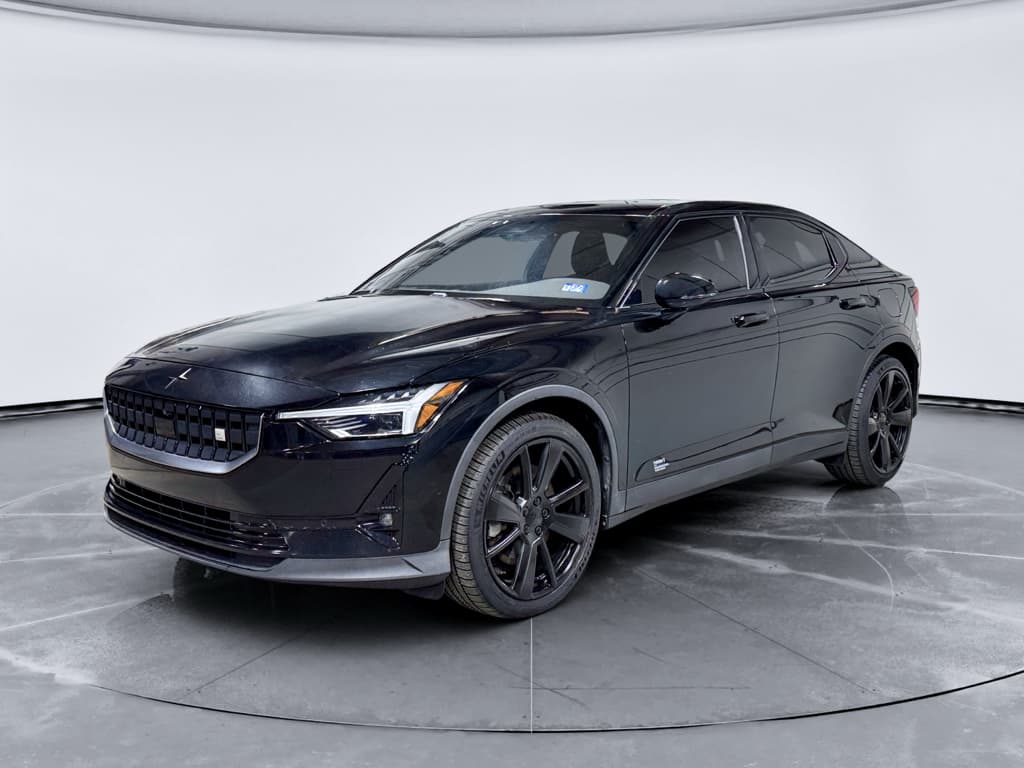
Polestar 2 (used)
- Strengths: Sportier driving feel, Scandinavian design, excellent Google‑based infotainment, hatchback practicality.
- Best for: Drivers who prioritize style, handling, and tech, and don’t mind a stiffer ride or slightly shorter range.
- On the used market: Plenty of 2021–2023 cars off lease make it easy to find inventory, often at attractive prices versus original MSRP.
Headline numbers at a glance (U.S. models)
Quick take: Which used EV fits you?
Which used EV is better for your priorities?
Match the car to how you actually drive
Choose a used IONIQ 6 if…
- You want maximum range and efficiency for highway driving.
- You care about rear‑seat space and comfort for adults or growing kids.
- Ultra‑fast charging and future‑proof 800V tech appeal to you.
- You like a calmer, more relaxed driving feel.
Choose a used Polestar 2 if…
- You want a sportier, more connected driving experience.
- You love minimalist Scandinavian design and a Google‑native infotainment system.
- You prefer the practicality of a hatchback cargo opening.
- You’re okay trading some range and softness in the ride for sharper responses.
Tip for cross‑shoppers
Key specs: range, battery, and charging
Used Hyundai IONIQ 6 vs Polestar 2: Core specs
Approximate specs for common U.S. trims you’ll see used. Always confirm exact specs by VIN.
| Used Hyundai IONIQ 6 (U.S.) | Used Polestar 2 (U.S.) | |
|---|---|---|
| Battery (typical long‑range trims) | ~77.4 kWh usable class pack | ~75–79 kWh depending on year and drivetrain |
| EPA range (single‑motor RWD) | Roughly high‑200s to mid‑300s miles | Up to ~320 miles with 19" wheels (single‑motor) |
| EPA range (dual‑motor AWD) | Typically 270–310 miles depending on wheels | Roughly mid‑200s miles; Performance pack closer to ~247 miles |
| Peak DC fast‑charge rate | Up to ~350 kW on 800V DC fast chargers | Up to ~205 kW on higher‑spec long‑range models |
| 10–80% DC charge time (ideal conditions) | ~18 minutes on a 350 kW charger | Roughly ~34–40 minutes depending on pack/charger |
| On‑board AC charger | ~10.9–11 kW Level 2 | 11 kW Level 2 |
Numbers will vary slightly by model year, wheels, and options.
On the used market, the IONIQ 6 generally wins on paper range and peak charging speed. Its 800‑volt E‑GMP platform and high efficiency let it go farther on a kWh than most rivals, and recharge very quickly when you find a strong DC fast‑charging station. Polestar 2 is no slouch, it offers competitive range and up to around 205 kW of DC fast charging, but if you road‑trip often and want to minimize time at chargers, the Hyundai has the edge.
Real‑world range reality check
Driving experience and performance
How the IONIQ 6 drives
- Single‑motor rear‑drive versions prioritize smooth, quiet acceleration over outright speed.
- Dual‑motor AWD trims add strong passing power but still feel tuned for comfort more than aggression.
- The long wheelbase and soft suspension give it a luxury‑car‑like ride on rough pavement.
- Steering is light, making it easy to drive in town and on long highway slogs.
If you’re coming from a traditional midsize sedan, the IONIQ 6 feels familiar, just a lot quicker and quieter.
How the Polestar 2 drives
- More compact and upright, with a sportier chassis feel.
- Single‑motor rear‑drive cars already feel punchy; dual‑motor versions are genuinely quick.
- The ride is firmer, especially on larger wheels or Performance‑pack cars.
- The steering feels more directly connected, which enthusiasts tend to prefer.
If you enjoy back roads or just want an EV that feels more athletic, the Polestar 2 is the more engaging of the two.
Performance priorities
Comfort, interior space, and practicality
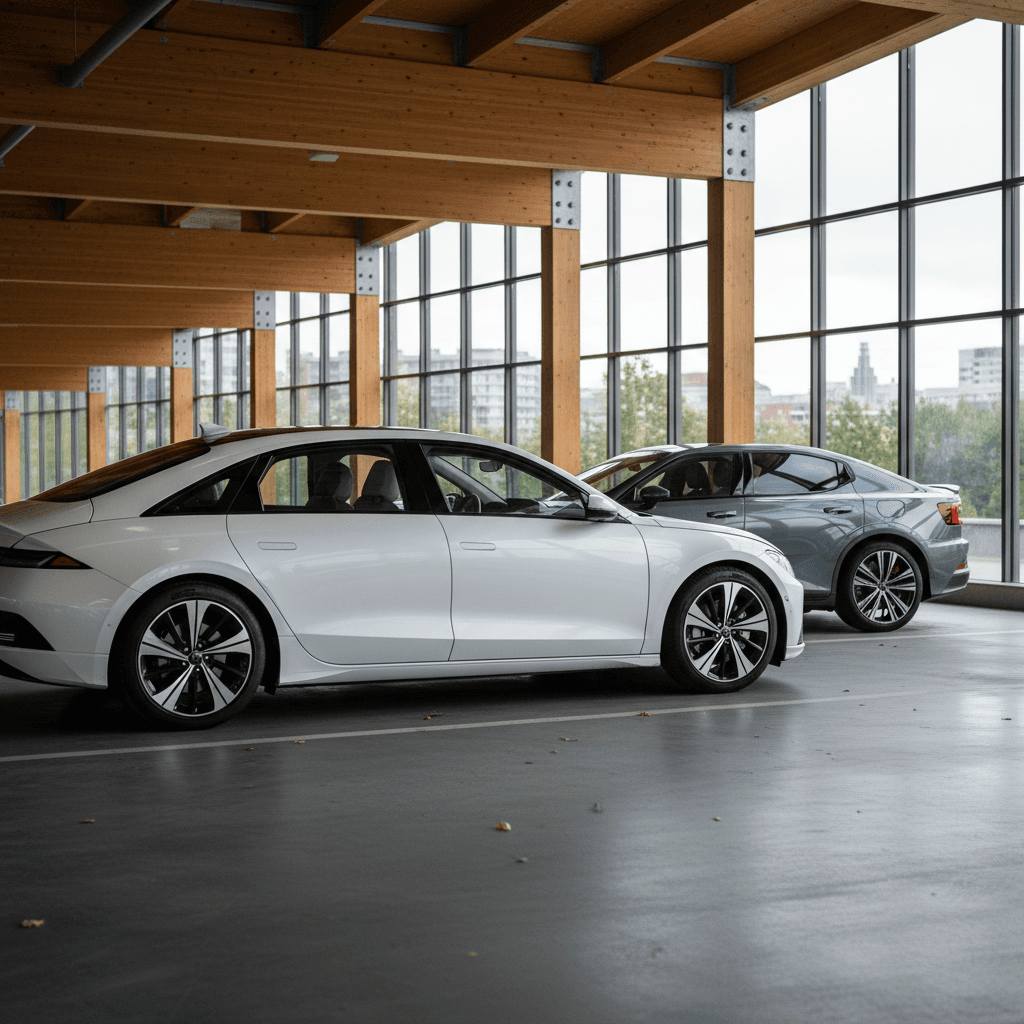
Cabin and cargo: where you’ll feel the difference every day
Sedan vs hatchback, lounge vs loft
Hyundai IONIQ 6: Electric streamliner sedan
- Long wheelbase and clever packaging give excellent rear legroom.
- Low, coupe‑like roofline looks great but can make rear headroom feel snug for very tall passengers.
- Traditional sedan trunk; wide opening but not as flexible as a hatch for bulky items.
- Cabin design emphasizes calm, horizontal lines and a lounge‑like feel.
Polestar 2: Compact luxury hatchback
- Front seats are supportive but the cabin feels cozier overall than the IONIQ 6.
- Rear seat space is tighter, especially if your passengers are tall.
- Hatchback opening and split‑fold rear seats make cargo carrying more flexible.
- Interior design is pure Scandinavian minimalism, with high‑quality materials in most trims.
If you regularly carry adults in the back seat or growing teenagers, the IONIQ 6’s extra wheelbase and legroom make it the easier car to live with. If you’re most often carrying cargo, bikes, strollers, home‑improvement runs, the Polestar 2’s hatchback packaging is a big plus despite the smaller footprint.
Tech, safety, and ease of use
Infotainment and connectivity
- IONIQ 6: Uses Hyundai’s familiar wide dual‑screen layout. Supports Apple CarPlay and Android Auto in many trims, clear menus, and simple controls. Feels more like a traditional car upgraded with EV tech.
- Polestar 2: Built around a Google‑based system with native Maps, Assistant, and Play Store apps. Great if you’re deep in the Google ecosystem; over‑the‑air updates continue to refine the experience.
Driver assistance and safety
- Both offer modern ADAS suites: adaptive cruise, lane‑centering, blind‑spot monitoring, and more, varying by year and package.
- Hyundai’s driver aids tend to feel a bit more conservative and comfort‑oriented.
- Polestar’s tuning often feels more driver‑focused, with a firmer, more confident stance on the road.
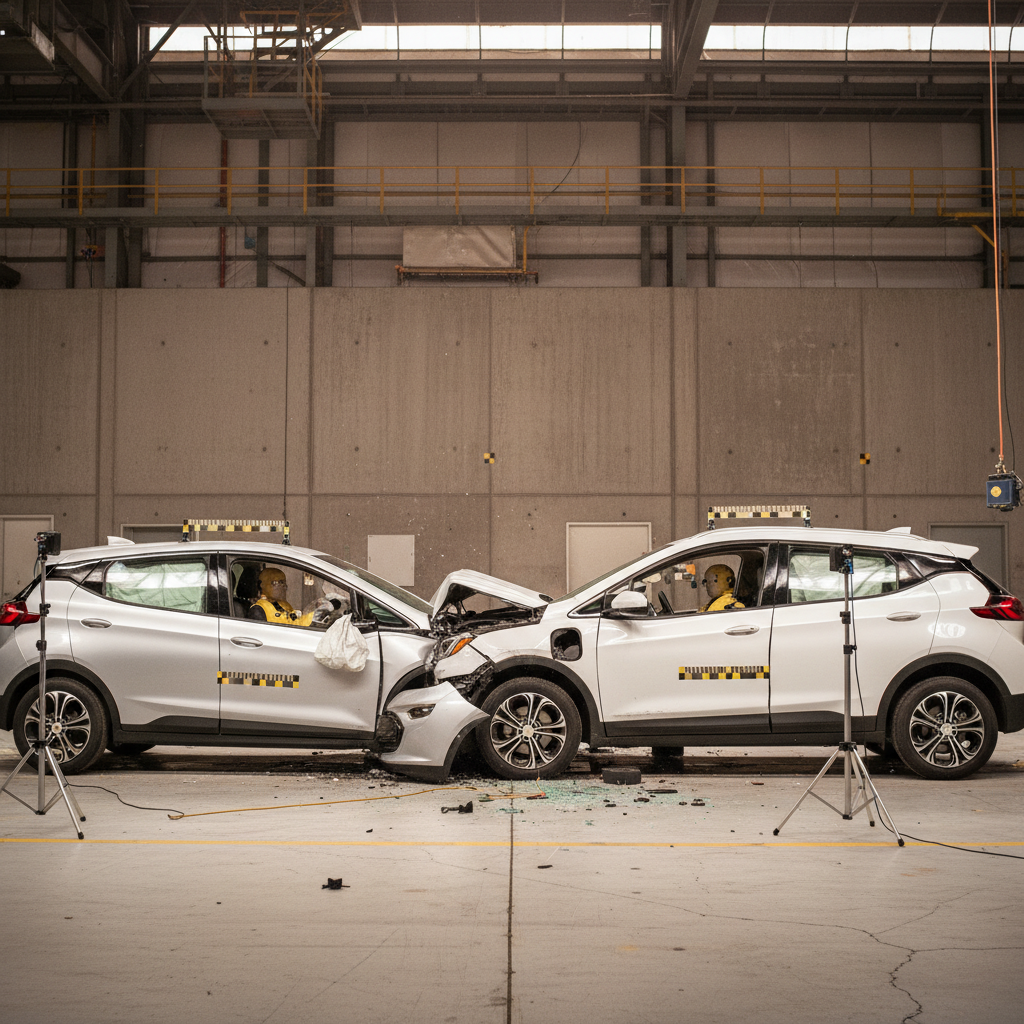
Either way, you’re getting a well‑equipped, 5‑star‑caliber safety package by the standards of their eras.
Used‑car tech check
Ownership costs and depreciation
Both the IONIQ 6 and Polestar 2 have seen meaningful price drops from their original MSRPs, like most early‑adopter EVs. That’s painful for first owners but good news if you’re buying used.
Depreciation and value considerations
How these models typically behave on the used market (exact numbers depend on year, trim, and mileage).
| Factor | Used Hyundai IONIQ 6 | Used Polestar 2 |
|---|---|---|
| Initial MSRP | Competitive with other midsize EV sedans | Priced as a premium compact EV |
| Early depreciation | Steep, especially in first 2–3 years, like many EVs | Also steep; Polestar is still building brand recognition |
| Warranty coverage | Strong 10‑year/100,000‑mile battery warranty on original in‑service date (transferable in the U.S.) | Typical 8‑year/100,000‑mile battery coverage from Polestar/Volvo |
| Used value story | Aggressive depreciation + long battery warranty make high‑value used buys for second owners | Can be priced well below original MSRP; good opportunity if you value design and dynamics |
| Long‑term perception | Hyundai’s IONIQ line is gaining a reputation for efficiency and reliability | Polestar still building brand awareness; may affect resale vs more established badges |
Use these trends as directionally helpful, not as a replacement for a current valuation on a specific VIN.
How depreciation helps you
Charging on the road and at home
- Both cars use the common CCS charge port for DC fast charging on older model years; newer cars will transition toward NACS support or include adapters depending on timing and market.
- The IONIQ 6’s 800V architecture unlocks extremely fast DC charging when you can access 250–350 kW stations.
- The Polestar 2’s fast‑charge speeds are very competitive in its class, though peak rates and taper behavior are a bit more modest.
- At home, both support roughly 11 kW Level 2 charging, if you install a 240‑volt circuit and appropriate EVSE, you can typically recharge overnight from very low to full.
Home charging planning
Reliability, battery health, and used‑EV risk
Neither the IONIQ 6 nor the Polestar 2 has been on the market long enough to establish decades‑deep reliability reputations, but both draw from experienced parent companies, Hyundai and Volvo/Geely. Early data and owner reports suggest that, as with most modern EVs, the main long‑term concern is battery health, not engines or transmissions that no longer exist.
What to verify before buying either used
1. Battery health and usable range
Ask for a battery health report that estimates remaining capacity and expected real‑world range. This gives you a clearer sense of how the car will perform in your daily driving, not just when it was new.
2. DC fast‑charging history
Frequent, repeated DC fast charging at high states of charge can accelerate degradation. A car that mostly lived on Level 2 home charging is often a better long‑term bet.
3. Software update status
Both cars rely heavily on software. Confirm that key recalls and over‑the‑air updates have been applied, and that driver‑assist systems and infotainment behave normally on your test drive.
4. Warranty transfer details
Verify how much of the original battery and powertrain warranty is left and that it transfers to you as the new owner. Hyundai’s long battery warranty is a major plus for the IONIQ 6.
5. Physical inspection of high‑voltage components
Look for any warning lights, unusual noises from cooling pumps, or error messages related to charging. A pre‑purchase inspection by an EV‑literate technician is money well spent.
How the Recharged Score reduces guesswork
How Recharged helps with used IONIQ 6 and Polestar 2
Shopping for a used EV is different from shopping for a used gas car. You’re weighing battery health, charging options, and software support along with the usual considerations like price and mileage. That’s exactly what Recharged was built to simplify.
Why consider buying your used EV through Recharged?
Support that’s designed around electric vehicles, not just any used car
Verified battery health
Transparent pricing & financing
Trade‑in & delivery made easy
Ready to find your next EV?
Browse VehiclesFAQ: Used Hyundai IONIQ 6 vs Polestar 2
Common questions about buying these EVs used
Bottom line: Which should you buy used?
If your priority list starts with range, comfort, and easy road‑tripping, a used Hyundai IONIQ 6 is the stronger all‑around choice. It’s exceptionally efficient, charges very quickly when you find a capable DC fast charger, and offers a more relaxed, family‑friendly cabin. Combine that with Hyundai’s long battery warranty and recent depreciation, and it stands out as a smart value on the used market.
If, on the other hand, you care more about driving feel, design, and tech, a used Polestar 2 can be deeply satisfying. It’s more compact and playful, its Google‑based infotainment is one of the best in the business, and the hatchback layout delivers everyday practicality in a tidy footprint.
Either way, buying used lets you sidestep the steepest part of EV depreciation while still enjoying years of modern, electric driving. Pair that with a solid battery health report, like the Recharged Score, and you can make an informed, confidence‑inspiring decision between these two excellent EVs.