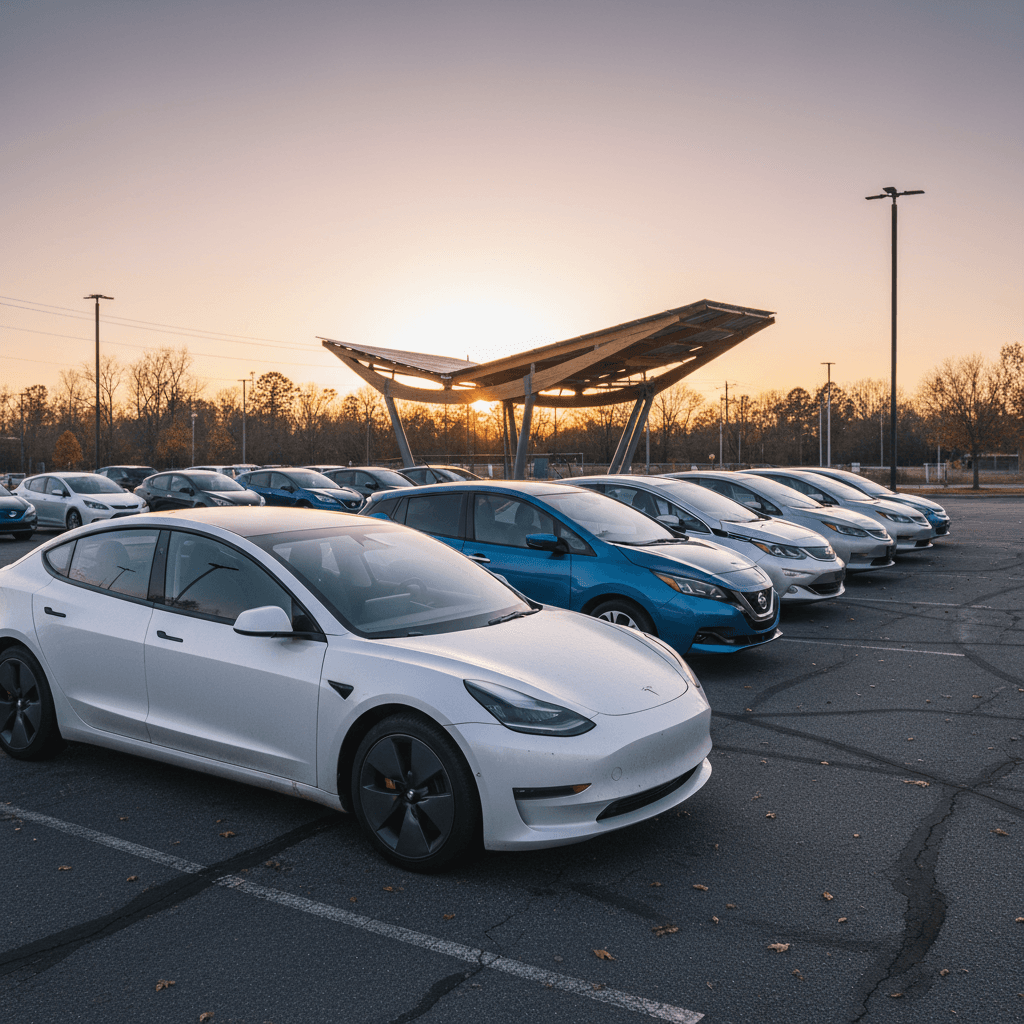
If you’re hunting for the best EV deals in Raleigh, you’re shopping in the right city and at the right time. The Triangle has seen a surge of off-lease Teslas, Bolts, Leafs and plug‑in hybrids, and used prices have softened compared with the 2022–2023 frenzy. The twist in 2026 is that federal purchase tax credits are gone for new buyers, so your savings now come from buying smart: model choice, battery health, local incentives and financing.
Raleigh’s used EV moment
Why Raleigh Is a Sweet Spot for Used EV Deals
Raleigh sits in a kind of EV Goldilocks zone: enough demand that you have real choice, but not so much that used prices are bid into the stratosphere. The broader Raleigh–Durham market has seen used Tesla Model 3 prices drop more than 20% from their 2022 peak, and similar pressure is showing up on Leafs, Bolts and plug‑in hybrids. At the same time, relatively mild winters compared with the Midwest or Northeast are kinder to battery longevity, which matters when you’re buying used.
Raleigh Used EV Market at a Glance
Watch the 2025 tax‑credit hangover
What Counts as a Good EV Deal in Raleigh in 2026?
With the tax‑credit safety net gone, a “good deal” in Raleigh has less to do with theatrically large discounts and more to do with total value: price, mileage, battery health, remaining warranty and how well the car fits your commute. Here’s a rough idea of what competitive pricing can look like in early 2026 for clean‑title, well‑kept examples in the Triangle (exact prices will vary by trim, mileage and condition):
Typical Used EV Asking Prices Around Raleigh (Early 2026)
Approximate retail asking prices for popular used EVs in the Raleigh–Durham market. Well‑bought cars may land a bit under these ranges.
| Model | Model years you’ll see most | Typical price range | Best use case around Raleigh |
|---|---|---|---|
| Tesla Model 3 RWD | 2018–2021 | $23,000–$30,000 | Commuters wanting range + road‑trip ability |
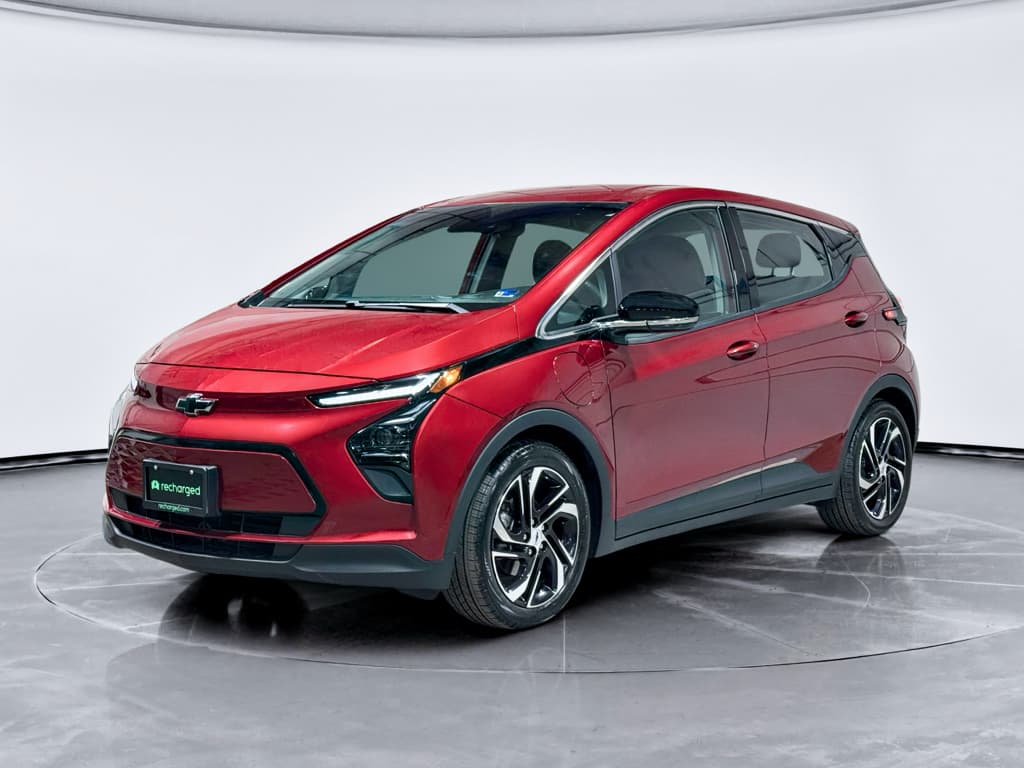
| Chevrolet Bolt EV | 2019–2022 | $14,000–$20,000 | Budget‑minded daily drivers staying mostly in the Triangle |
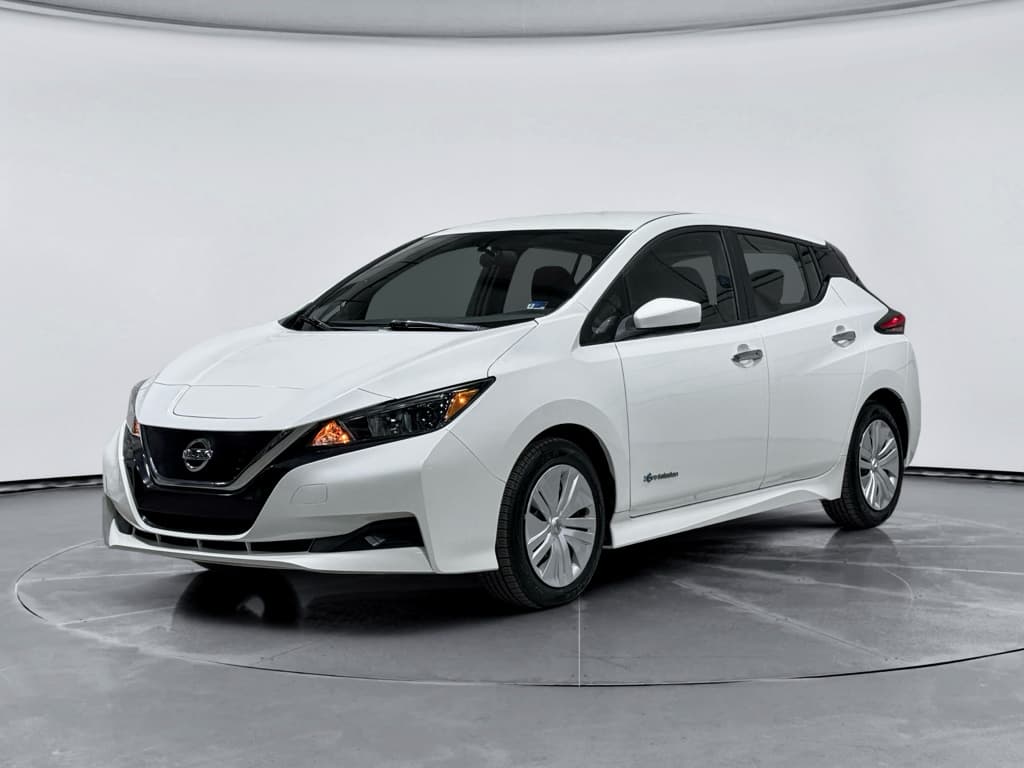
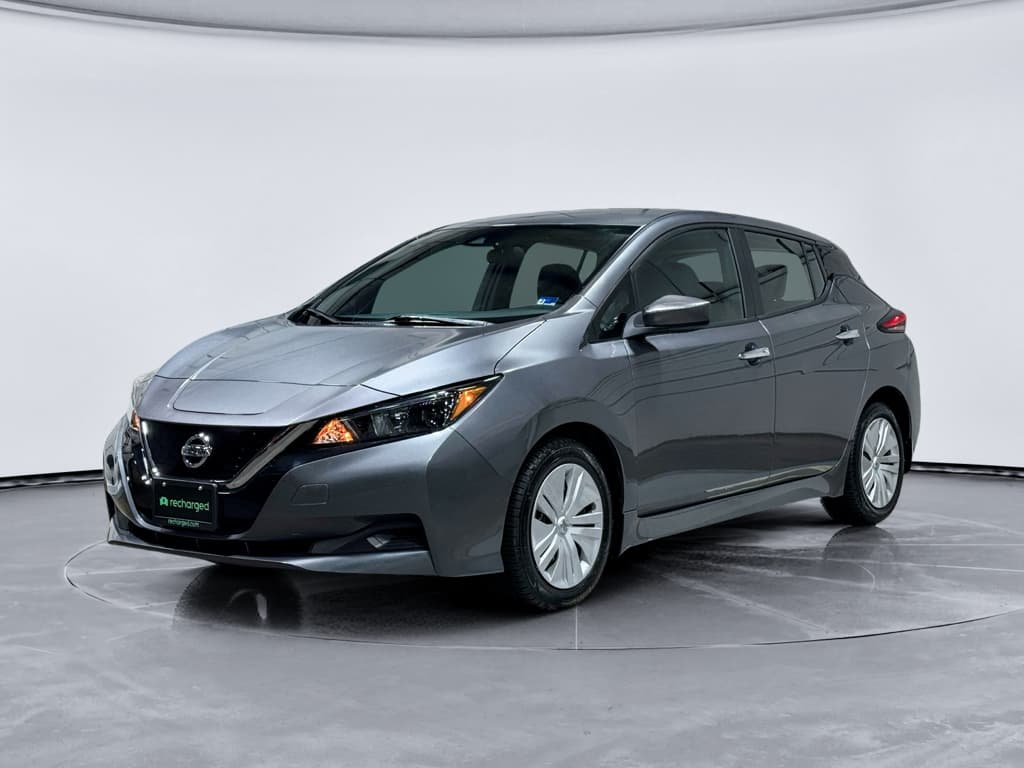
| Nissan Leaf (40 kWh) | 2018–2021 | $10,000–$16,000 | Short‑range city car for in‑town errands and commutes |
| Hyundai Kona / Kia Niro EV | 2019–2022 | $20,000–$27,000 | One‑car households wanting range + practicality |
| Ford Mustang Mach‑E | 2021–2023 | $28,000–$38,000 | Families wanting space and style with decent range |
| Plug‑in hybrids (Volt, Prius Prime, etc.) | 2017–2021 | $13,000–$22,000 | Apartment dwellers or long‑distance drivers easing into EV life |
Use this table as a directional guide, not a price guarantee. Battery health, trim and mileage can easily move a given car a few thousand dollars either way.
How to sanity‑check a price
Best Used EVs for Deals Around Raleigh
Some EVs simply pencil out better than others in Raleigh. They balance purchase price, range, reliability and charging convenience. Here are the standouts if you’re chasing the best EV deals, not just the flashiest badge.
Raleigh’s Sweet‑Spot Used EVs
Models that tend to offer strong value for Triangle drivers
Tesla Model 3 (RWD & Long Range)
Thanks to aggressive new‑car price cuts, used Model 3s in Raleigh have taken a haircut. That’s painful for early buyers and a gift for you.
- Why it’s a deal: Big‑car range and fast‑charging access at midsize‑sedan money.
- Watch for: High mileage rideshare cars, curb‑rashed wheels, and software‑locked features.
Chevrolet Bolt EV / EUV
The Bolt is the Triangle’s value champ: compact, efficient and often thousands cheaper than a comparable Tesla.
- Why it’s a deal: 230+ mile EPA range on later models, low running costs and simple maintenance.
- Watch for: Recall battery replacement history and DC‑fast‑charging speed expectations.
Nissan Leaf
For in‑town Raleigh life, Cameron Village runs, NCSU commutes, downtown errands, the Leaf is the used‑EV gateway drug.
- Why it’s a deal: Some of the lowest used EV prices on the market.
- Watch for: Older Leafs lack active battery cooling; hot‑climate history can mean more degradation.
Runner‑Up Deals Worth a Look
Not always the cheapest, but strong value if they fit your life
Hyundai Kona EV & Kia Niro EV
If you want crossover practicality without going full luxury, these Korean EVs hit the sweet spot.
- Pros: Comfortable, efficient, often better equipped than rivals.
- Cons: Fewer DC fast‑chargers along some NC corridors compared with Tesla’s network.
Ford Mustang Mach‑E & VW ID.4
For families who want space and a higher driving position, these are the mainstream choices.
- Pros: Roomy cabins, solid range, good safety tech.
- Cons: Heavier and less efficient than smaller EVs, so factor in slightly higher electricity use.
Incentives and Rebates Raleigh EV Shoppers Can Still Use
Here’s the blunt truth: North Carolina doesn’t offer a statewide EV purchase rebate, and the federal EV purchase credits for new and used cars ended on September 30, 2025. That doesn’t mean there’s nothing left to stack. In 2026, the best EV deals in Raleigh increasingly come from charging incentives and broader clean‑energy programs.
- Federal EV charger tax credit (Form 8911): Still available through June 30, 2026, covering 30% of home charging equipment and installation costs, up to $1,000 for many households.
- Duke Energy EV charger rebates: Duke’s Charger Prep Credit program in North Carolina can reimburse up to roughly $1,100 per charger in eligible electrical upgrades for Level 2 charging at home.
- Energy Saver NC home rebates: Launched by the NC Department of Environmental Quality, this program offers substantial rebates, potentially tens of thousands of dollars across upgrades, for income‑qualified households installing things like upgraded electrical panels and wiring, which can dovetail with EV charger installs.
- Local pilots and grants: Raleigh has been using federal funds to add public chargers, including solar‑powered units. You may not get a check, but better, cheaper public charging improves your total cost of ownership.
Stack your home‑charging savings
How to Spot a Great Used EV Deal (Not Just a Low Price)
A dangerously cheap used EV is like a too‑good‑to‑be‑true apartment listing: the photos are immaculate, the reality smells like mold. Your job in Raleigh’s EV market is to separate healthy, fairly priced cars from problem children that only look cheap. That comes down to battery health, history and how honestly the seller is pricing the car against those facts.
6 Signals You’re Looking at a Good EV Deal
1. Verified battery health
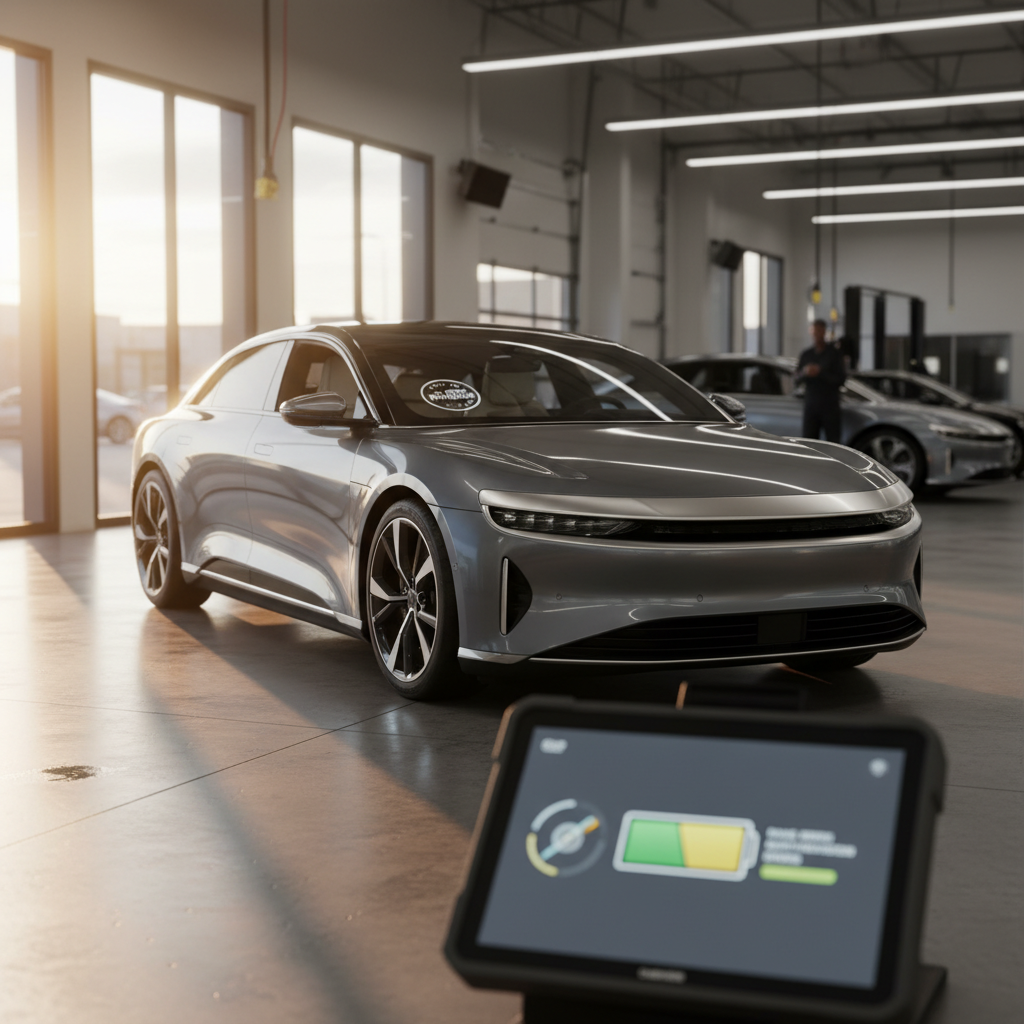
Ask for a <strong>third‑party battery health report</strong> or a tool like the Recharged Score, which uses diagnostics to show real pack health instead of just a dashboard guess.
2. Clean, transparent history
Run the VIN. You want clear accident history, no flood damage, and maintenance records that show recall work, especially battery recalls, was completed properly.
3. Range matched to your reality
For most Raleigh commutes, 180–220 miles of real‑world range is plenty. Don’t overpay for 300+ miles if you rarely leave Wake, Durham or Orange counties.
4. Charging that fits your lifestyle
If you live in a house or townhome, plan on a Level 2 charger at home. Apartment dwellers should confirm reliable public or workplace charging before signing anything.
5. Price aligned with condition
A car with 15% more battery degradation than average should be meaningfully cheaper than book value. If the price doesn’t reflect the compromise, it’s not a deal.
6. Seller who understands EVs
If the seller can’t explain charging speeds, range expectations or how to maximize battery life, be on guard. Confusion at the keyboard often hides problems under the hood.
How Recharged helps here
Financing and Trade-Ins: How to Lower Your Monthly Payment
In 2026, you can’t rely on a federal tax credit to bail out a bad finance plan. The math has to work on its own. For Raleigh buyers, that means squeezing savings out of financing structure, interest rate and what you do with your current car.
Smart EV financing in Raleigh
- Shorter terms age better: Aim for 48–60 months so you’re not paying off the car long after its tech feels dated.
- Pre‑qualification helps: Getting pre‑qualified with a lender (or through platforms like Recharged) sets a ceiling and gives you leverage when you shop.
- Watch the APR: A one‑point rate difference can mean thousands over the life of the loan.
Trade‑in vs. selling privately
- Trade‑in convenience: One transaction, less hassle, instant equity into your EV.
- Private‑sale upside: You may squeeze out more cash, but expect time, test drives and paperwork.
- Hybrid approach: Some platforms (including Recharged) offer instant cash offers or consignment, blending simplicity with stronger pricing.
Why pre‑qualifying helps you hunt deals
Where to Shop for the Best EV Deals in Raleigh
Raleigh’s EV deals aren’t all sitting in one magical lot off Capital Boulevard. The best approach is to compare a few different channels and remember that the cheapest car on paper isn’t always the least expensive to own.
Shopping Channels for Raleigh EV Buyers
Mix and match to find the best value, then let the numbers decide
Local dealers & franchised stores
Pros: In‑person test drives, trade‑in support, some CPO warranties. Cons: Wide variation in EV knowledge and battery transparency.
Ask specifically how they evaluate EV batteries and whether they’ll share diagnostic reports.
Online EV marketplaces
Pros: Easy cross‑shopping, nationwide inventory, at‑home delivery. Cons: You need to trust their inspection process.
Recharged focuses on used EVs only, pairing detailed battery health reporting with digital purchasing and optional delivery to Raleigh.
Private sellers
Pros: Potentially lower prices and more negotiation room. Cons: No built‑in protections, and you’re doing all the homework.
If you go this route, budget for a paid EV inspection and third‑party battery health check.
Raleigh EV Buyer Checklist
Before you sign anything, run through this Raleigh‑specific checklist. It’s the quickest way to avoid buyer’s remorse and make sure your “deal” survives first contact with real life.
10-Step Checklist for the Best EV Deals in Raleigh
Confirm your real daily and weekly mileage
Measure your actual commute and weekend driving for a couple of weeks. You may discover you don’t need the biggest battery on the lot.
Decide house, townhome or apartment strategy
If you own your home, plan for a Level 2 charger. In an apartment, map public chargers near your building, office and usual routes.
Shortlist 2–3 models that fit your life
Focus on the cars that actually work for your budget and needs, maybe a Bolt and a Model 3, or a Leaf and a Niro EV, rather than browsing everything with a plug.
Check typical Raleigh pricing for each model
Compare asking prices within 100 miles. If one car is several thousand below the pack, ask why before you celebrate.
Get battery health in writing
Insist on a diagnostic battery report, ideally a standardized score like the Recharged Score, not just “it seems fine.”
Verify remaining battery and drivetrain warranty
Many EVs have 8‑year battery warranties. Know the in‑service date and mileage limits so you’re not caught a few months past the line.
Review vehicle history and recall status
Flood titles, major collisions and unrepaired recalls can turn a bargain into a bottomless pit. Walk away if anything feels off.
Run the payment numbers twice
Price, down payment, APR, term, insurance and charging costs should all fit comfortably in your budget <em>before</em> you factor in any fuel savings.
Estimate your charging savings vs. gas
Even with Duke’s rates, home‑charged EV miles usually undercut gasoline by a wide margin. Put rough numbers on that advantage, you’re buying a lower fuel bill, not just a car.
Plan your first year of ownership
Where will you charge? Any road trips? Do you need roof racks, winter tires, or accessories? Baked‑in plans beat impulse upgrades every time.
FAQ: Best EV Deals in Raleigh
Frequently Asked Questions About EV Deals in Raleigh
Bottom Line on Finding the Best EV Deals in Raleigh
The best EV deals in Raleigh in 2026 aren’t hiding in one secret sale or single weekend event. They’re the product of choosing the right used EV for your life, insisting on honest battery data, stacking the remaining charger incentives and financing the car in a way that respects your budget. Do that, and Raleigh’s growing inventory of Model 3s, Bolts, Leafs and crossovers turns into a buyer’s market, especially for drivers who don’t need the latest badge to enjoy quiet, cheap electric miles.
If you want help cutting through the noise, platforms like Recharged exist for exactly this moment. You can browse used EVs with verified battery health, get a fair offer for your trade‑in, pre‑qualify for financing online and arrange delivery to the Triangle, all with EV specialists who speak the language. However you shop, bring data, patience and a clear sense of your own needs, and Raleigh will reward you with some of the most compelling EV deals in the Southeast.