If you’re cross-shopping a used Hyundai IONIQ 5 vs Kia EV6, you’re already looking at two of the best mainstream EVs on the road. They share the same 800‑volt E‑GMP platform, ultra‑fast charging, and similar batteries, but they feel very different to live with. This guide focuses specifically on the used market: real-world range, charging, space, comfort, and what to look for before you buy.
Same bones, different personalities
Hyundai IONIQ 5 vs Kia EV6: Quick Overview for Used Buyers
High-Level Snapshot: Used IONIQ 5 vs EV6
Both are excellent; the right choice depends more on fit than on specs.
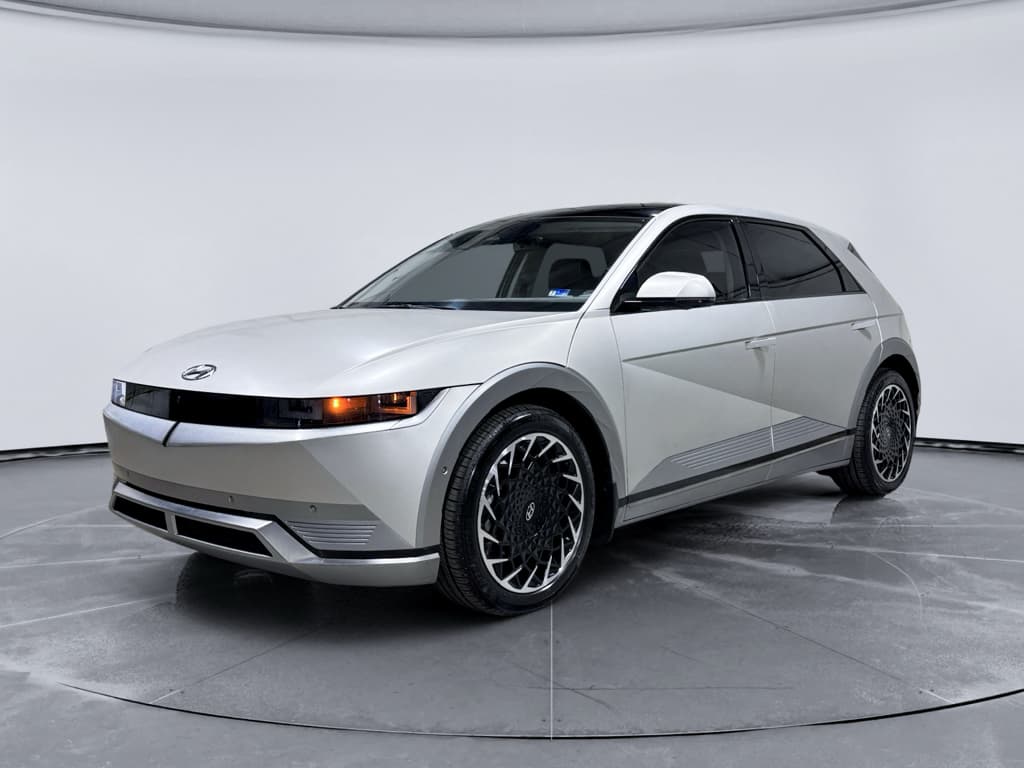
Hyundai IONIQ 5 (2022–2025 used)
- Positioning: Family-friendly electric crossover with SUV‑like roofline and roomy cabin.
- Strengths: Space, comfort, relaxed ride, boxy practicality, excellent fast charging.
- Typical used shopper: Families, commuters, first EV buyers who want an easy transition from a compact SUV.
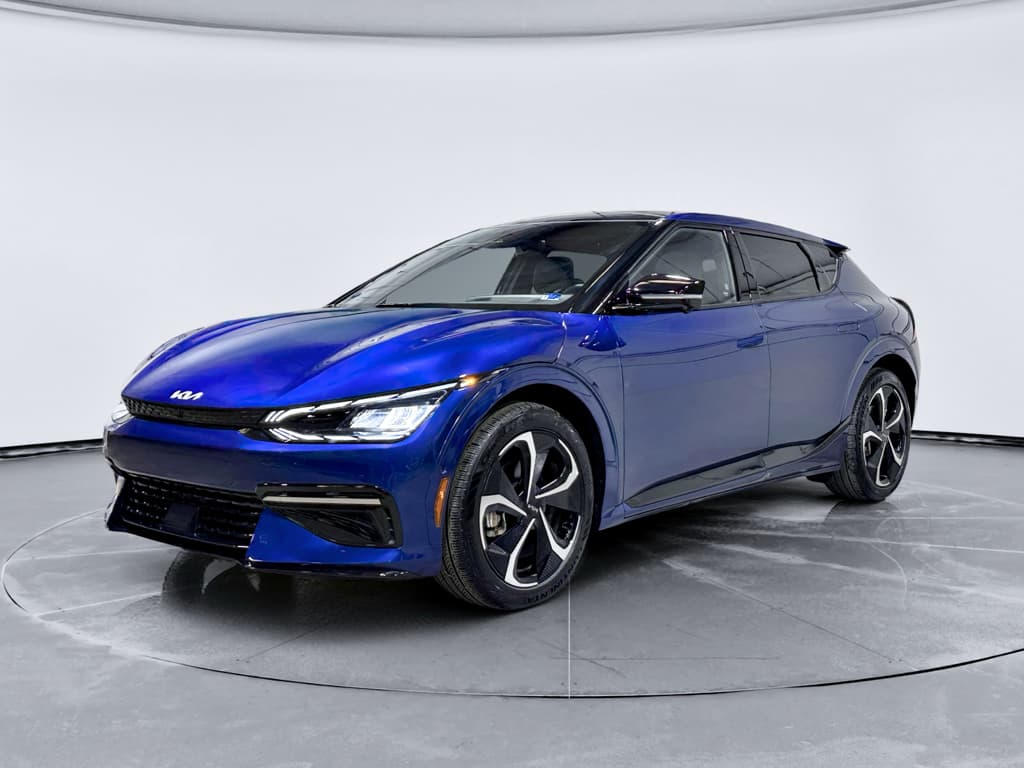
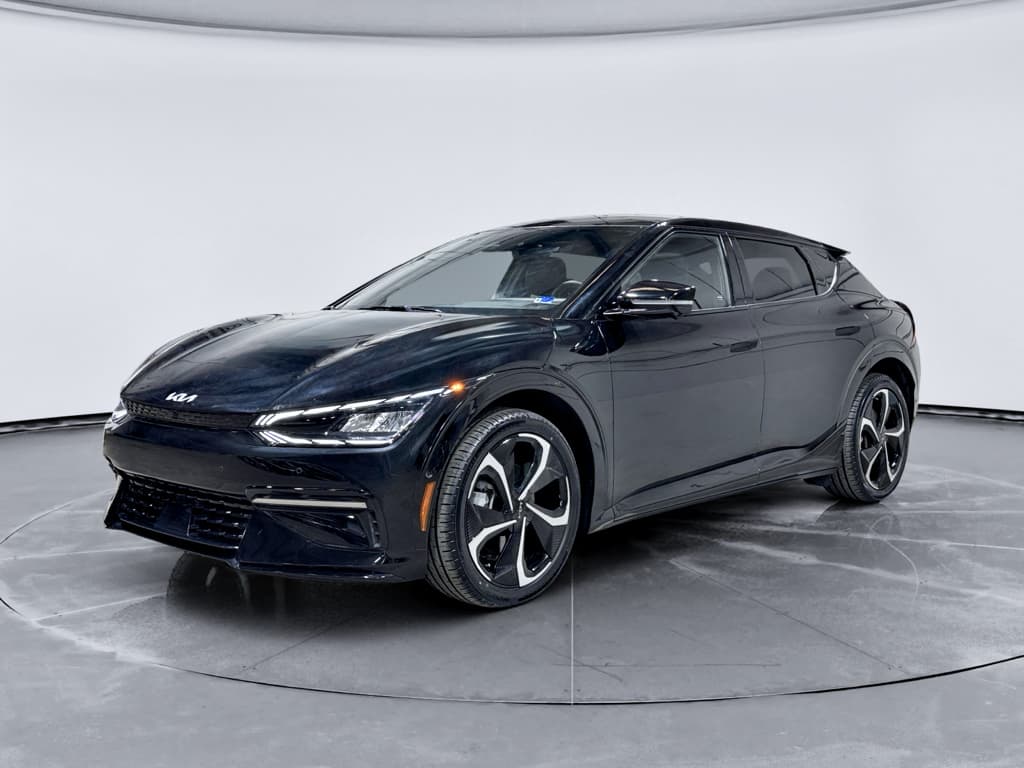
Kia EV6 (2022–2025 used)
- Positioning: Sportier, lower-slung crossover with a more premium feel.
- Strengths: Sharper handling, slightly better efficiency, richer standard features on many trims.
- Typical used shopper: Enthusiasts, style-conscious buyers, road‑trippers who prioritize efficiency and dynamics.
Key Platform Stats (Most U.S. 2022–2024 Models)
Key Specs That Matter Most in the Used Market
Used IONIQ 5 vs EV6: Core Specs (Typical U.S. 77.4 kWh Models)
These are the specs you’ll encounter most often on 2022–2024 used listings with the larger battery pack.
| Spec | Hyundai IONIQ 5 (RWD LR) | Hyundai IONIQ 5 (AWD LR) | Kia EV6 (RWD LR) | Kia EV6 (AWD LR) |
|---|---|---|---|---|
| Power | ~225 hp | ~320 hp | ~225 hp | ~320 hp |
| Battery (usable) | ~77.4 kWh | ~77.4 kWh | ~77.4 kWh | ~77.4 kWh |
| EPA range* | ~303 mi | ~260 mi | ~310 mi | ~282 mi |
| 0–60 mph | ~7.0 s | ~5.1 s | ~7.0 s | ~5.1 s |
| Onboard AC charging | 11 kW | 11 kW | 11 kW | 11 kW |
| DC fast charge | 10–80% ~18 min | 10–80% ~18 min | 10–80% ~18 min | 10–80% ~18 min |
Exact numbers vary by model year, trim, and wheel size, but this table captures the patterns you’ll see most often when shopping used.
EPA ranges vs. real life
Range & Efficiency: Which Goes Farther on a Charge?
On paper, the Kia EV6 tends to edge out the IONIQ 5 by a few miles of EPA range on comparable trims. For example, early long‑range rear‑wheel‑drive (RWD) models are rated around 303 miles for the IONIQ 5 vs about 310 miles for the EV6 with the same ~77.4 kWh pack. All‑wheel‑drive (AWD) trims narrow this gap, but the pattern holds: the EV6 is usually the slightly more efficient sibling.
- If you prioritize maximum range per charge, tilt toward a long‑range RWD EV6 or IONIQ 5 with smaller wheels (19-inch rather than 20–21s).
- For mixed commuting and family use, either vehicle with the larger battery will be more than enough, even allowing for degradation and winter losses.
- High‑power performance trims (like EV6 GT or IONIQ 5 N) trade range for acceleration. Fun, but not ideal if range anxiety is your main concern.
How used battery health changes the story
Charging Experience: Home, Public DC Fast Charging & NACS
Home charging: essentially a draw
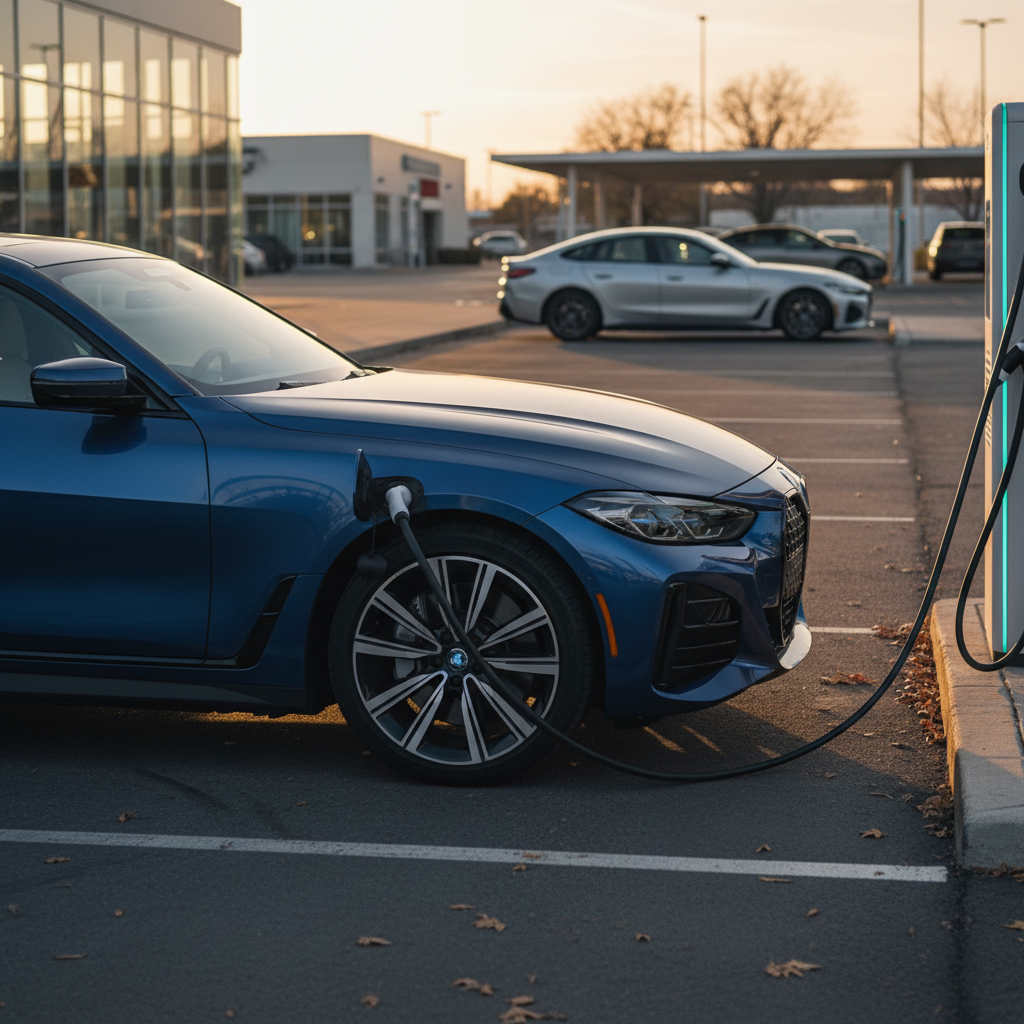
Both models come with an 11 kW onboard charger. On a 48‑amp Level 2 unit (240 V), you’re looking at roughly 7–8 hours for a full charge from low state of charge on the large battery. In daily use, most owners add 30–60% overnight, which either car can handle comfortably.
- If you already have a 40–48 amp Level 2, either EV will work perfectly.
- On a 120 V outlet, expect only 3–4 miles of range per hour of charging, strictly backup/emergency for both.
DC fast charging: one of the best pairs on the market
Thanks to their 800‑V architecture, the IONIQ 5 and EV6 were early standouts for fast‑charging performance. In good conditions, both can go 10–80% in about 18–20 minutes on a 350 kW charger, adding well over 150 miles of highway range in a coffee stop.
- On 150 kW stations, expect ~25 minutes to 80%, still very competitive.
- Charging can slow in winter unless you pre‑condition the battery.
NACS and future charging flexibility
Space, Comfort & Practicality: Family-Friendly vs Driver-Focused
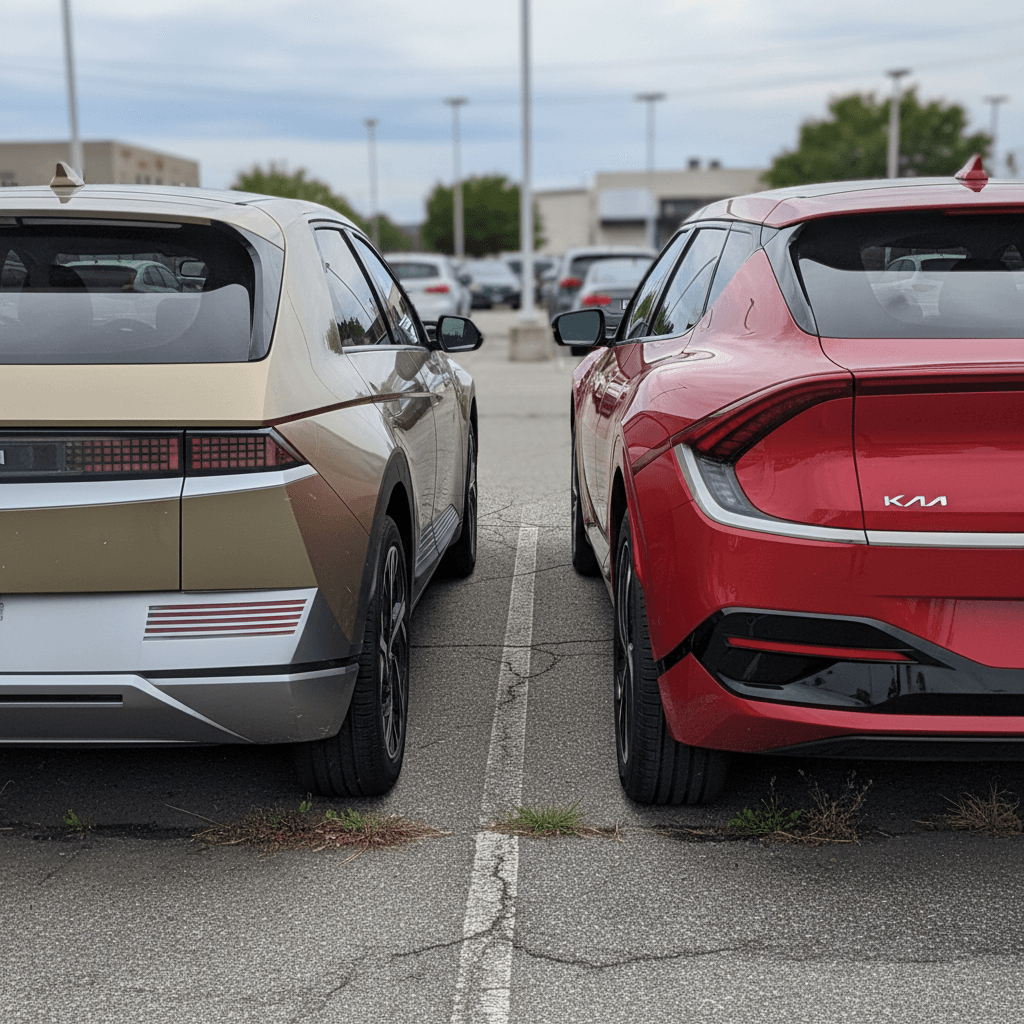
Even though they share a platform, the IONIQ 5 and EV6 package space very differently. The Hyundai aims for maximizing room and usability, while the Kia prioritizes a sleeker profile and sportier stance.
Cabin & Cargo: Where the Space Really Goes
Both work as daily family haulers, but they feel different inside.
Hyundai IONIQ 5: Roomy and lounge-like
- More passenger volume: The upright roofline and long 3,000 mm wheelbase translate into excellent rear legroom and very good headroom.
- Flat floor, sliding rear bench (many trims): Easier to fit rear‑facing car seats or tall passengers.
- Cargo space: Slightly more cubic feet behind the rear seats than the EV6, plus a more square opening that’s easier for bulky items.
- Cabin vibe: Light, airy, almost living‑room‑like, especially in lighter interior colors.
Kia EV6: Sporty and cocooning
- Lower roofline: Rear headroom is still good, but taller passengers will notice the more coupe‑like shape.
- Less cargo volume on paper: Still practical, but the sloping tailgate slightly limits tall boxes or bulky strollers.
- Cabin vibe: Darker, more driver‑centric cockpit with a wraparound display and center console that feels more "sports sedan" than "open lounge."
If you have kids or big dogs…
Driving Dynamics: Calm Cruiser or Sporty Crossover?
Behind the wheel, the shared hardware splits in two distinct directions. The Hyundai IONIQ 5 is tuned as a comfortable, relaxed cruiser; the Kia EV6 wants to be a sporty crossover, especially in dual‑motor trims.
Hyundai IONIQ 5: Easygoing and refined
- Ride comfort: Softer suspension tuning, especially on 19‑inch wheels, soaks up everyday bumps well.
- Steering: Light and accurate, but not especially talkative. Great for city and commuting.
- Performance: AWD models are genuinely quick, but the personality remains calm rather than aggressive.
If you’re coming from a compact SUV or minivan, the IONIQ 5 feels like a natural, low‑stress upgrade to EV power.
Kia EV6: Tighter and more engaging
- Steering & handling: Heavier, more direct steering and a lower stance give the EV6 a more planted, sporty feel on back roads.
- Body control: Less roll in corners, especially on performance‑oriented trims.
- Performance versions: Trims like the EV6 GT go deep into performance car territory; thrilling, but overkill for some.
If you value driving fun and regularly use curvy roads or high‑speed highways, the EV6’s character may be more satisfying.
Wheel size matters more than you think
Used Ownership Costs, Reliability & Warranty Considerations
In the used market, the IONIQ 5 and EV6 are more similar than different on running costs. They share most high‑value components, including motors, inverters, and battery modules. What matters more is how the specific car was used, and whether you still benefit from factory warranties.
What to Watch on Used IONIQ 5 and EV6 Ownership
Shared platform = shared strengths and failure modes.
Long battery warranties
Lower routine maintenance
What can add cost
How Recharged reduces used‑EV guesswork
Which Used EV Fits You Best? Buyer Profiles
Who Should Choose a Used IONIQ 5 vs Kia EV6?
Daily Commuter & First‑Time EV Owner
Priorities: comfort, easy visibility, straightforward controls, solid range.
Best fit: IONIQ 5 RWD long‑range on 19‑inch wheels.
Why: Softer ride, airy cabin, plenty of range for most commutes, friendly ergonomics.
Family with Kids or Car Seats
Priorities: rear legroom, car‑seat access, cargo practicality, simple tech.
Best fit: IONIQ 5 SEL or Limited, ideally long‑range RWD or AWD if you need traction.
Why: Sliding rear bench (on many trims), tall roofline, easier loading of kids and gear.
Enthusiast or Highway Road‑Tripper
Priorities: stable high‑speed manners, efficiency, confident passing power.
Best fit: Kia EV6 RWD or AWD Wind/GT‑Line with the big battery.
Why: Slightly better efficiency, sportier dynamics, richer feature set on many trims.
Performance Junkie
Priorities: acceleration, handling, character.
Best fit: EV6 GT or IONIQ 5 N if your budget and patience for range trade‑offs allow it.
Why: These variants transform the platform, but they’re niche; be realistic about your range needs.
Used IONIQ 5 & EV6 Buying Checklist
Essential Checks Before You Commit to a Used IONIQ 5 or EV6
1. Confirm battery size and drivetrain
Don’t assume based on trim name alone. Verify whether the car has the 58 kWh or ~77.4 kWh pack and whether it’s RWD or AWD. This has a huge impact on range and performance.
2. Review battery health data
Ask for a battery health report rather than just looking at the range estimate on the dash. At Recharged, this is built into the Recharged Score so you can compare cars apples‑to‑apples.
3. Inspect fast‑charging behavior
If possible, do a brief DC fast‑charge test. Sudden early tapering, refusal to charge at higher powers, or repeated errors are red flags that deserve further diagnostics.
4. Check wheel size and tire condition
Larger wheels look good in photos but can hurt efficiency and ride comfort. Inspect tires for uneven wear; heavier EVs can chew through cheaper sets.
5. Verify software updates & charging access
Confirm that all software updates are current and ask specifically about NACS/Tesla Supercharger access or adapters. This can expand your charging options dramatically over a 5–8‑year ownership window.
6. Evaluate warranty coverage left
Look at in‑service date and mileage to understand how much factory battery and powertrain coverage remains. A car with several years of battery warranty left is materially lower risk.
7. Look for signs of hard use
Performance variants or cars with lots of DC‑fast‑charge miles (e.g., multiple cross‑country trips) may have different wear patterns. Service history, tire records, and an expert inspection will tell the story.
FAQ: Used Hyundai IONIQ 5 vs Kia EV6
Frequently Asked Questions: Used IONIQ 5 vs Kia EV6
Bottom Line: How to Choose Between a Used IONIQ 5 and EV6
When you strip away the marketing, a used Hyundai IONIQ 5 vs Kia EV6 comparison isn’t about which car is "good", they both are. It’s about which one aligns better with how you actually live. If you want space, comfort, and an easygoing feel that slots right into family life, the IONIQ 5 is the safer bet. If you care more about styling, a driver‑centric cockpit, and slightly sharper dynamics, the EV6 will probably make you happier every time you walk up to it.
In the used market, the biggest wildcards are battery health, software status, and how the previous owner treated the car. That’s where working with an EV‑focused retailer like Recharged can simplify things: every vehicle comes with a Recharged Score battery report, guidance on charging options (including NACS/Tesla access), and expert support from first click to delivery. Get those fundamentals right, and either of these Korean EVs can be a smart, future‑proof upgrade from a gas SUV.