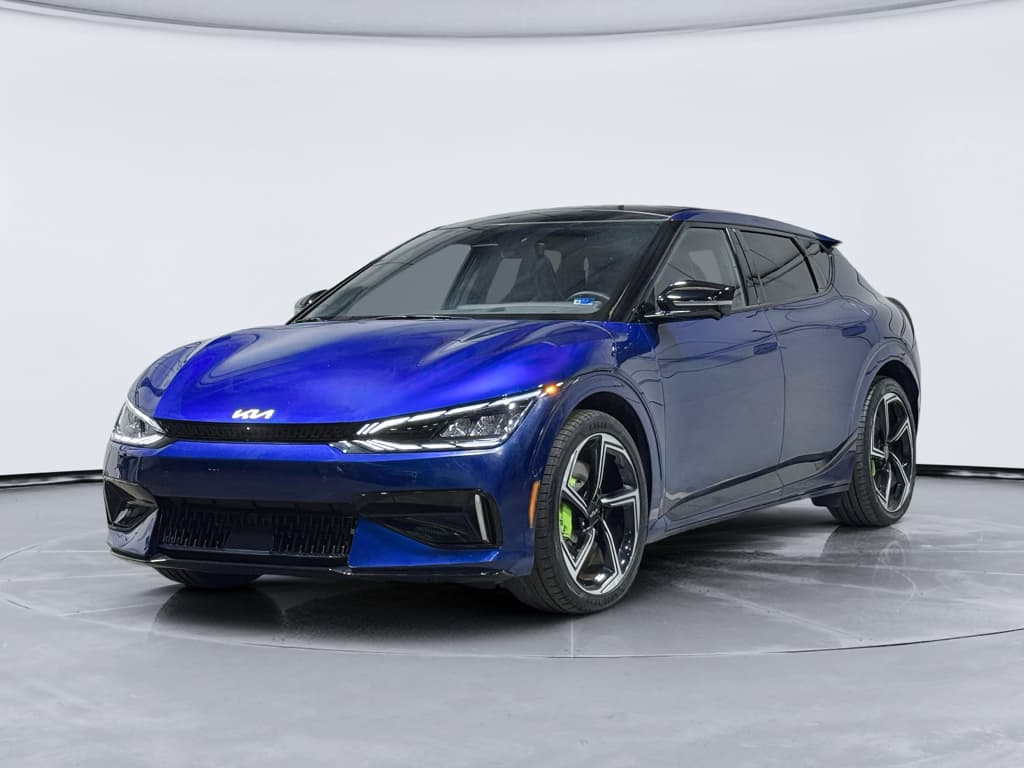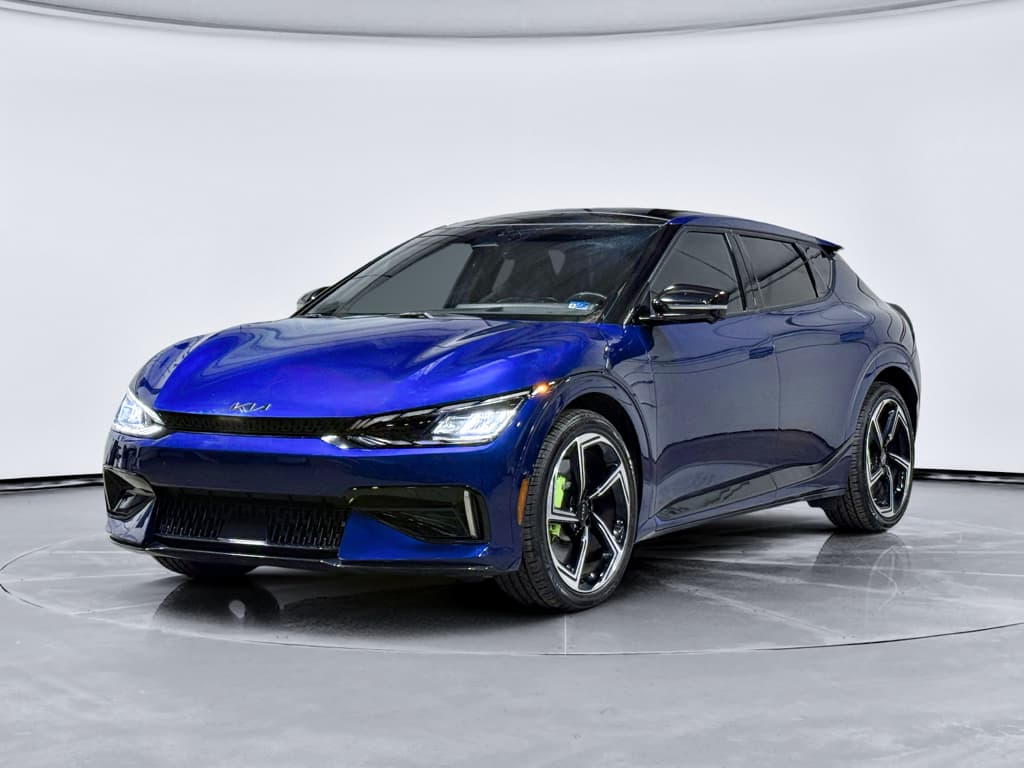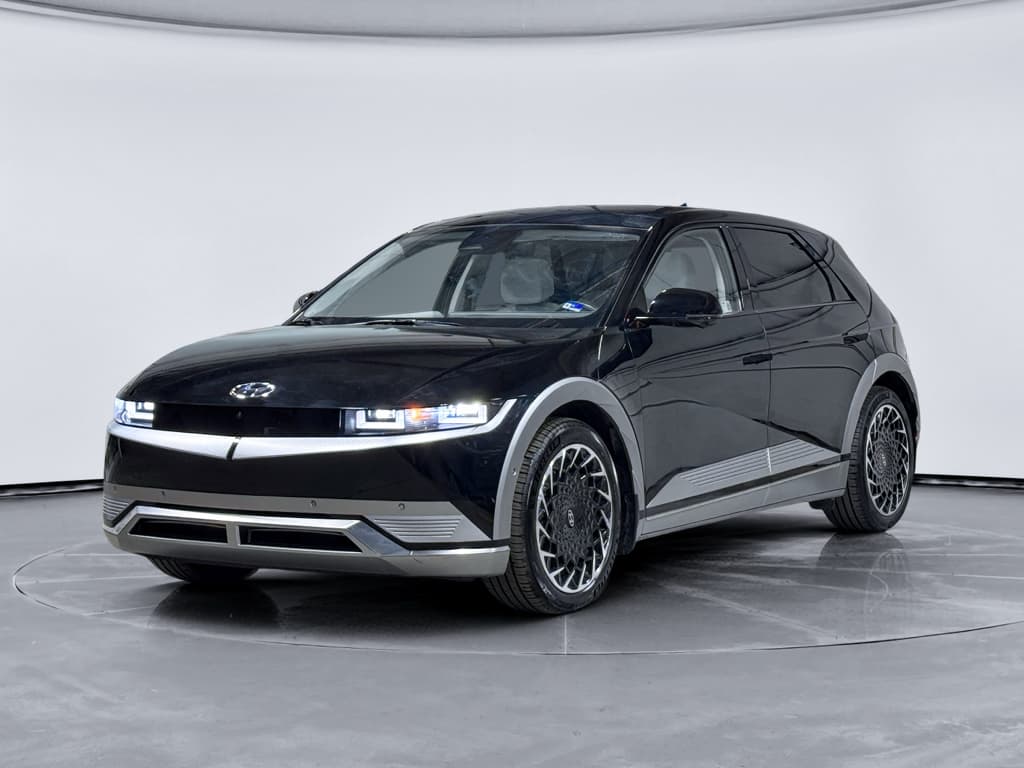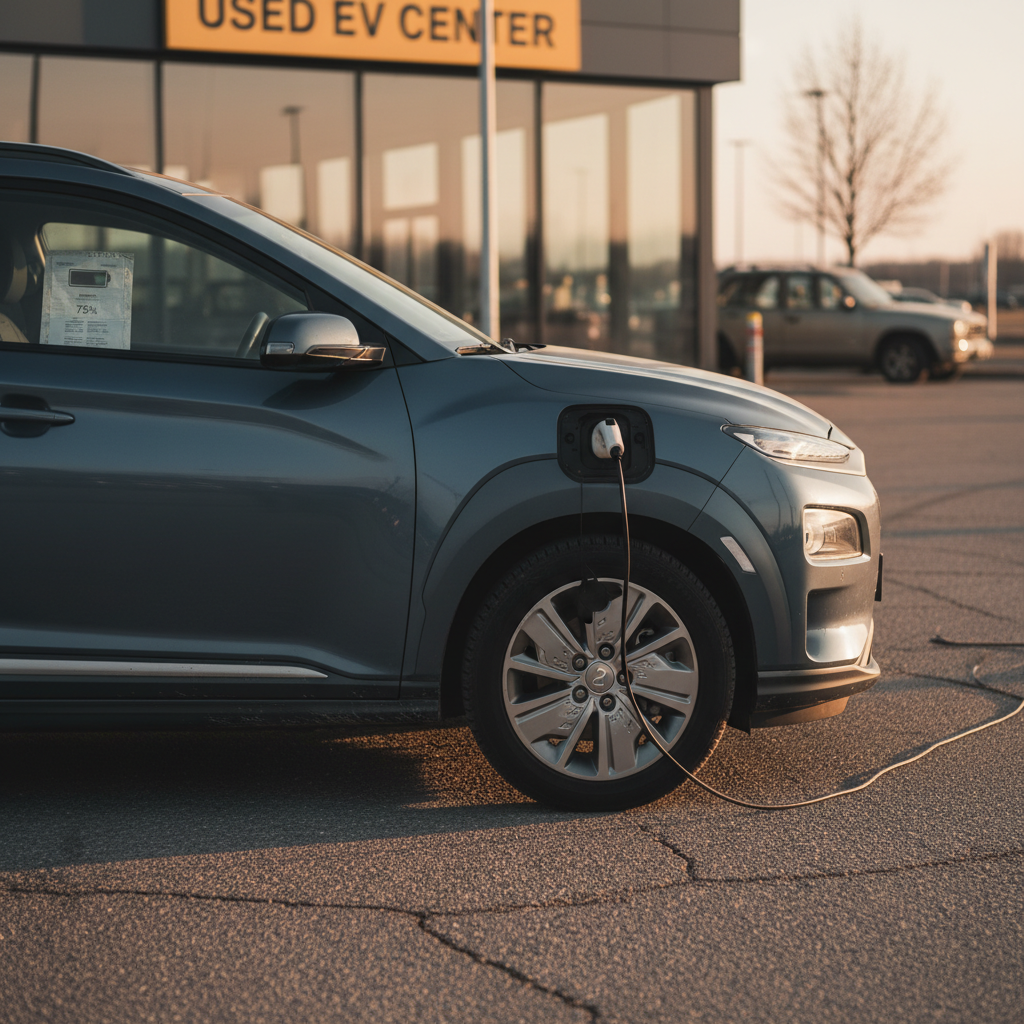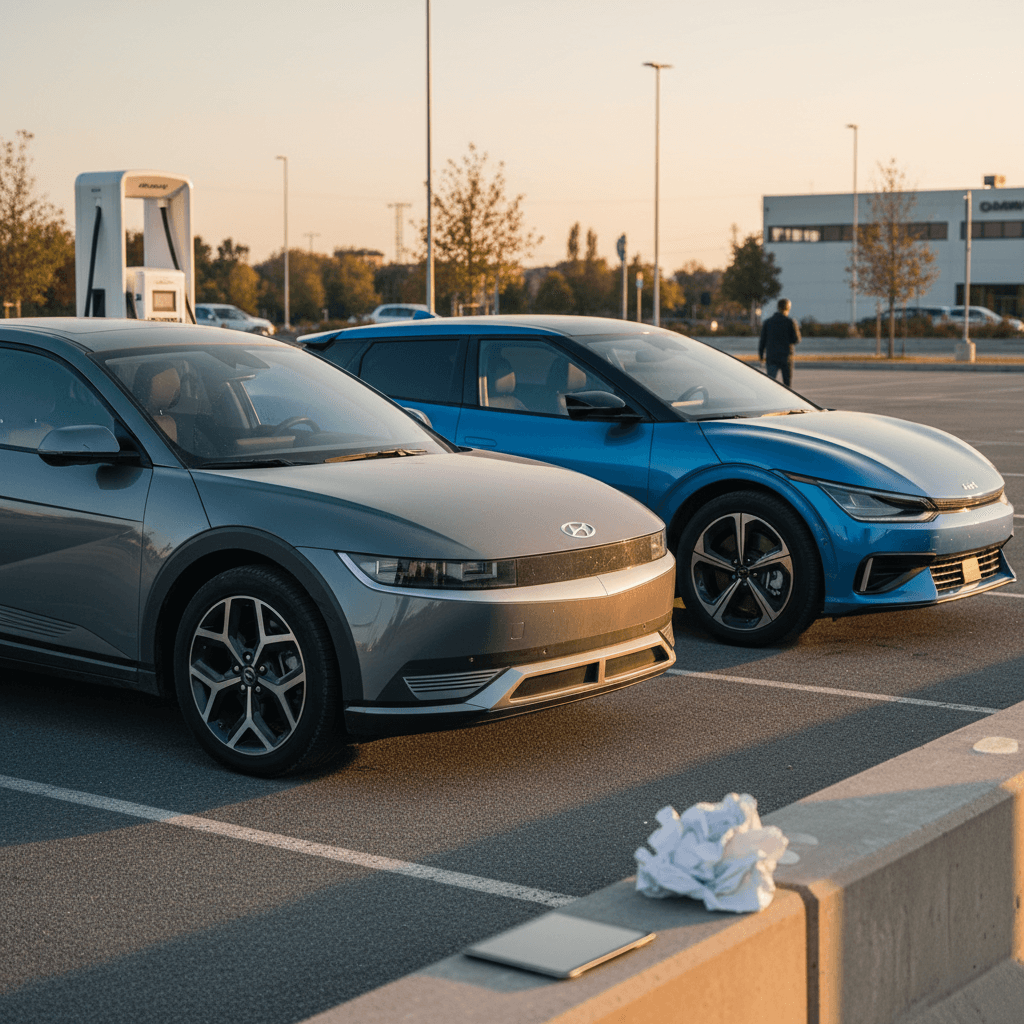
If you’re shopping the used EV market in 2026, a used Hyundai Ioniq 5 vs Kia EV6 comparison is probably at the top of your list. These sibling electric crossovers share Hyundai Motor Group’s e‑GMP platform, 800‑volt fast‑charging hardware, and a lot of parts, but they feel very different to live with. This guide focuses specifically on the used market so you can decide which one makes more sense for your driveway and your budget.
Same bones, different personalities
Overview: Used Ioniq 5 vs EV6 in 2026
Ioniq 5: Family‑friendly lounge on wheels
- Boxier SUV look with retro "pixel" design
- Roomier back seat and more upright seating
- Softer, calmer ride; great daily driver and road‑trip car
- Typically a bit cheaper than an equivalent EV6 on the used market
EV6: Sporty crossover with a coupe vibe
- Lower, more aggressive stance and fastback roofline
- More conventional, driver‑focused cockpit
- Firmer suspension and sharper steering feel
- Performance‑oriented trims like the EV6 GT are true hot hatches
2026 buying tip
Quick specs and key differences
Hyundai Ioniq 5 vs Kia EV6: core specs (U.S. models)
Approximate specs for common 2022–2024 U.S. trims, exact figures vary by model year and wheel size, but this gives you a realistic used‑market snapshot.
| Spec | Hyundai Ioniq 5 (most trims) | Kia EV6 (most trims) |
|---|---|---|
| Platform | Hyundai–Kia e‑GMP, 800‑V | Hyundai–Kia e‑GMP, 800‑V |
| Battery (larger pack) | ~77.4–84.0 kWh gross (year‑dependent) | ~77.4–84.0 kWh gross (year‑dependent) |
| Typical EPA range, RWD long‑range | Up to ~303–318 miles (newer years) | Up to ~303–319 miles (newer years) |
| Typical EPA range, AWD long‑range | Roughly 256–290 miles | Roughly 253–295 miles |
| Max DC fast‑charge rate | Up to 230+ kW; 10–80% ≈ 18 min (ideal conditions) | Up to 230+ kW; 10–80% ≈ 18 min (ideal conditions) |
| 0–60 mph (AWD mainstream trims) | Low‑5‑second range | Low‑5‑second range; GT as quick as mid‑3s |
| Cargo space (rear seats up) | A bit more usable, squarer opening | Slightly less, sloping roof cuts into space |
Both models ride on the 800‑V e‑GMP platform and support very fast DC charging when you can find a 350 kW station.
The short version
Used pricing, depreciation and value
By 2026, the first 2022 Ioniq 5 and EV6 models are four years old, and plenty of 2023–2024 examples are rolling off lease. That’s created a healthy supply of used inventory, and some steep discounts versus original sticker prices.
What you’ll usually see on the used market
Real numbers vary by trim, mileage, condition and region, but these are common 2026 patterns in the U.S.
Purchase price
- Ioniq 5: Often slightly cheaper than comparable EV6s for the same year and mileage.
- EV6: Sportier styling and the hot‑rod GT trim can keep prices firmer.
Depreciation
- Early Ioniq 5s and EV6s have already taken their biggest hit, especially higher‑priced trims.
- That makes 2023–2024 lease returns a sweet spot for value.
Value sweet spots
- Ioniq 5 SEL / Limited RWD or AWD with the bigger pack.
- EV6 Wind / GT‑Line RWD or AWD for balance of features and price.
Watch the tax‑credit history
How to compare two real used listings
1. Normalize mileage and model year
Two similar‑priced SUVs aren’t equal if one is a 2022 with 50,000 miles and the other is a 2023 with 22,000 miles. Adjust what you’re willing to pay based on age and mileage.
2. Compare trims, not just badges
An Ioniq 5 SE Standard Range RWD is a different animal from a Limited AWD. The same goes for EV6 Light vs GT‑Line vs GT. Make sure you’re comparing similar battery sizes and equipment.
3. Factor in remaining warranty
Hyundai and Kia both offer long EV component warranties. A newer, lower‑mileage example with more factory coverage left can easily justify a higher price.
4. Look at battery health, not just odometer
Two cars with identical mileage can have very different battery histories. A trusted <strong>battery health report</strong>, like the Recharged Score, tells you how much capacity is left compared with new.
5. Include charging hardware
Does the seller include a home Level 2 charger, charging credits, or adapters (including NACS adapters on newer models)? Those extras can save you hundreds of dollars right away.
Battery, range and charging performance
From a technical perspective, this round is basically a draw. The Ioniq 5 and EV6 share the same battery tech, 800‑V architecture, and support for high‑power DC fast charging, one of the big reasons they’re so compelling as used buys in 2026.
Range and charging highlights
Home charging reality check
- Battery sizes: Early U.S. models offered a smaller ~58 kWh pack on base trims and a ~77.4 kWh pack on most others; by 2025+ the larger pack grows to about 84 kWh on both vehicles.
- Real‑world range: Expect high‑100s to mid‑200s miles in mixed driving for used AWD examples, more for RWD and gentle driving. Cold weather and high speeds still take a bite out of either model’s range.
- Charging curves: Both vehicles are known for excellent fast‑charge curves when the battery is warm and you’re on a high‑power charger. On older, low‑power DC stations, they behave like any other EV, slower in, slower out.
- Bidirectional power: Many trims offer vehicle‑to‑load (V2L), letting you run tools, camping gear, or even parts of a home during an outage with the right adapter.
Used‑EV range tip
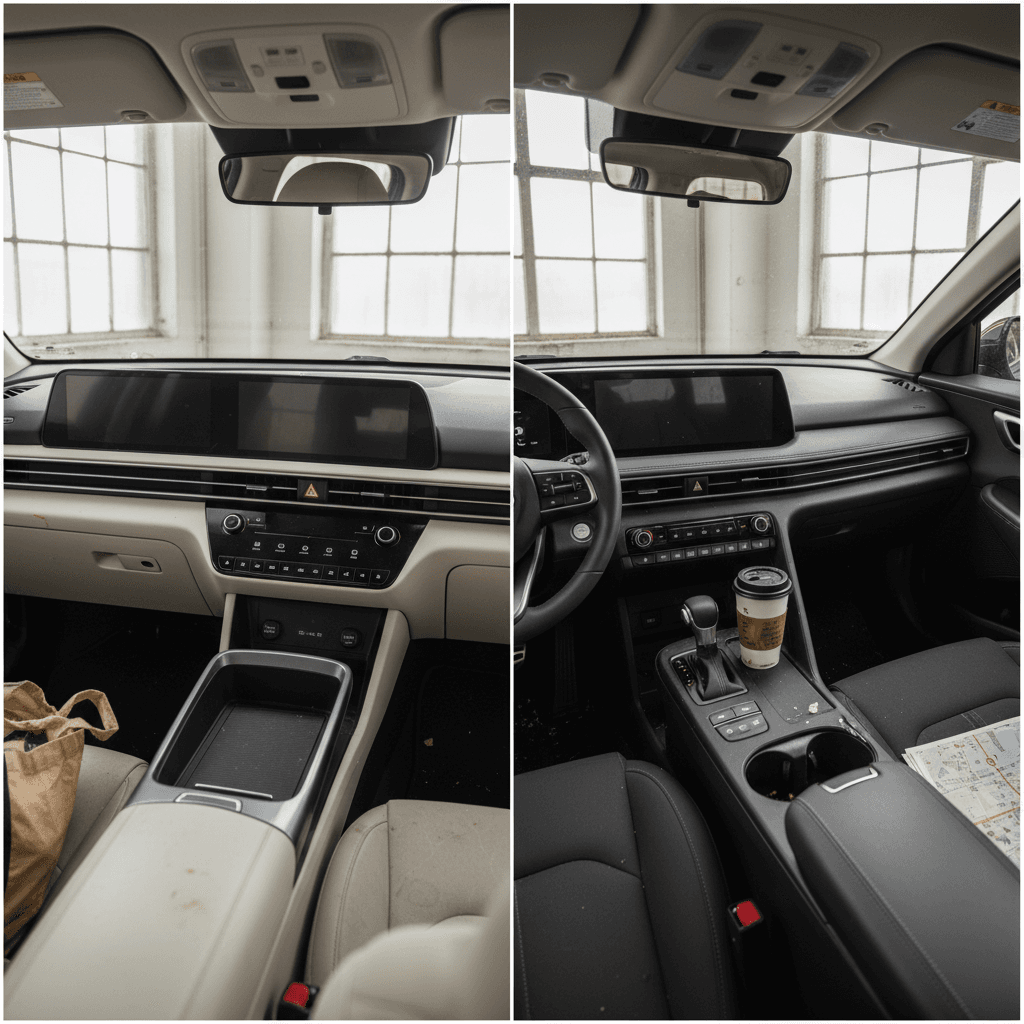
Comfort, space and everyday practicality
Day‑to‑day, the biggest difference between a used Ioniq 5 and EV6 isn’t voltage or motor count, it’s how they fit you, your passengers, and your stuff.
Ioniq 5: Lounge and legroom champ
- Longer wheelbase and boxier roof = generous headroom and legroom, especially in the back.
- Sliding rear seats and a flat floor create a flexible cabin for kids, pets, or adults.
- The squared‑off hatch makes it easier to load bulky items like strollers, boxes, or camping gear.
- Seat comfort and a softer ride make it feel like a relaxed small SUV or wagon.
EV6: Driver‑centric and style‑forward
- Lower roofline and more cocoon‑like cockpit emphasize the driver’s seat.
- Rear headroom is fine for many adults, but tall passengers may prefer the Ioniq 5.
- Cargo area is useful but more shaped by the sloping hatch, check your stroller or bike fit.
- Firmer suspension and slightly heavier steering feel add to the sporty character, but can feel busy on rough pavement.
Family‑use verdict
Driving experience and performance
Both EVs are quick by any normal standard. Even the modest single‑motor versions scoot, and the dual‑motor AWD trims can embarrass a lot of performance cars from just a few years ago. But their personalities diverge.
How they feel from behind the wheel
Same motors, different tuning and attitude.
Hyundai Ioniq 5
- Light, easy steering and a relaxed, almost luxury‑like ride in many trims.
- Still very quick; AWD versions can hit 60 mph in the low‑5‑second range.
- Quiet and composed on the highway, ideal for long road trips.
Kia EV6
- Weightier steering and firmer suspension for crisper turn‑in and less body roll.
- EV6 GT turns everything up to 11 with supercar‑level acceleration, but also stiffer ride and shorter range.
- Feels smaller and more agile on a winding road.
Performance vs practicality
Features, tech and safety
On the tech front, the two are more similar than different. Both launched with big screens, modern driver‑assist suites, and over‑the‑air update capability in many trims. The differences come down to layout, interface philosophy, and how much tech you like in your face.
- Infotainment: Both use wide landscape screens with familiar Hyundai‑Kia software. The EV6’s cabin wraps the display toward the driver, while the Ioniq 5 leaves the cabin more open and minimalist.
- Physical controls: Both mix touch and physical buttons. Try the climate and audio controls, some people strongly prefer the Ioniq’s more straightforward approach, others like the Kia’s multi‑function touch bar.
- Driver aids: Adaptive cruise, lane‑centering, blind‑spot monitoring, and 360‑degree cameras are widely available. Higher trims on both offer hands‑on lane‑keeping that works well on highways when properly calibrated.
- Safety: Both have strong crash‑test results and robust standard safety tech. As with any used car, verify that recall work and software updates have been completed.
Tech‑lover tip
Ownership costs, reliability and warranty
Because the Ioniq 5 and EV6 share major components, their long‑term ownership stories rhyme. You’re looking at low routine maintenance, long EV component warranties, and the usual used‑EV questions about battery health and software updates.
What to think about before you buy used
Applies to both Ioniq 5 and EV6.
Warranty coverage
Maintenance & repairs
Battery and charging history
Don’t skip the EV‑specific inspection
Which used EV fits you best?
So, in a used Hyundai Ioniq 5 vs Kia EV6 comparison for 2026, which one should you actually buy? The truth is, there’s no universal winner, only the one that fits your life better. Here’s how to think about it by use case.
Match the EV to your lifestyle
Daily commuter / small family
Leaning Ioniq 5: extra rear legroom, easier child‑seat installation, and calmer ride for school runs and traffic.
Consider RWD long‑range trims if you don’t need AWD, the extra range and lower cost are a win.
Enthusiast driver
Leaning EV6: sharper steering and firmer suspension make back‑roads more fun.
If you can live with lower range and higher tire bills, the EV6 GT is a riot. Otherwise, a GT‑Line AWD is the sweet spot.
Road‑trip and adventure crowd
Both work well thanks to fast charging, but the Ioniq 5’s cabin and cargo shape make it easier to pack.
If you plan frequent ski‑trip or camping runs, prioritize trims with all‑wheel drive and roof rails, and test your cargo setup before you buy.
Budget‑minded used shopper
Start with Ioniq 5 SE/SEL trims, they often undercut equivalent EV6s on price for similar range and features.
Be flexible on color and minor options; prioritize <strong>battery health, clean history, and remaining warranty</strong> over a particular wheel design.
How Recharged can help
Ready to find your next EV?
Browse VehiclesFrequently asked questions: used Ioniq 5 vs EV6
Used Hyundai Ioniq 5 vs Kia EV6: common questions
If you line up a used Hyundai Ioniq 5 and Kia EV6 on paper, the spec sheets are almost mirror images, battery size, range, charging, and performance live in the same neighborhood. The meaningful differences all come down to how they fit your life: the Ioniq 5’s roomy, calming cabin versus the EV6’s sleek, driver‑centric feel; a slight edge in space and value for the Hyundai versus a touch more style and sportiness for the Kia. In 2026, the best move is to shop specific cars, not just model names. Look at battery health, remaining warranty, and total cost of the deal. And if you want a shortcut to the good ones, Recharged can put curated Ioniq 5 and EV6 examples, each with a transparent Recharged Score Report, right at your fingertips.