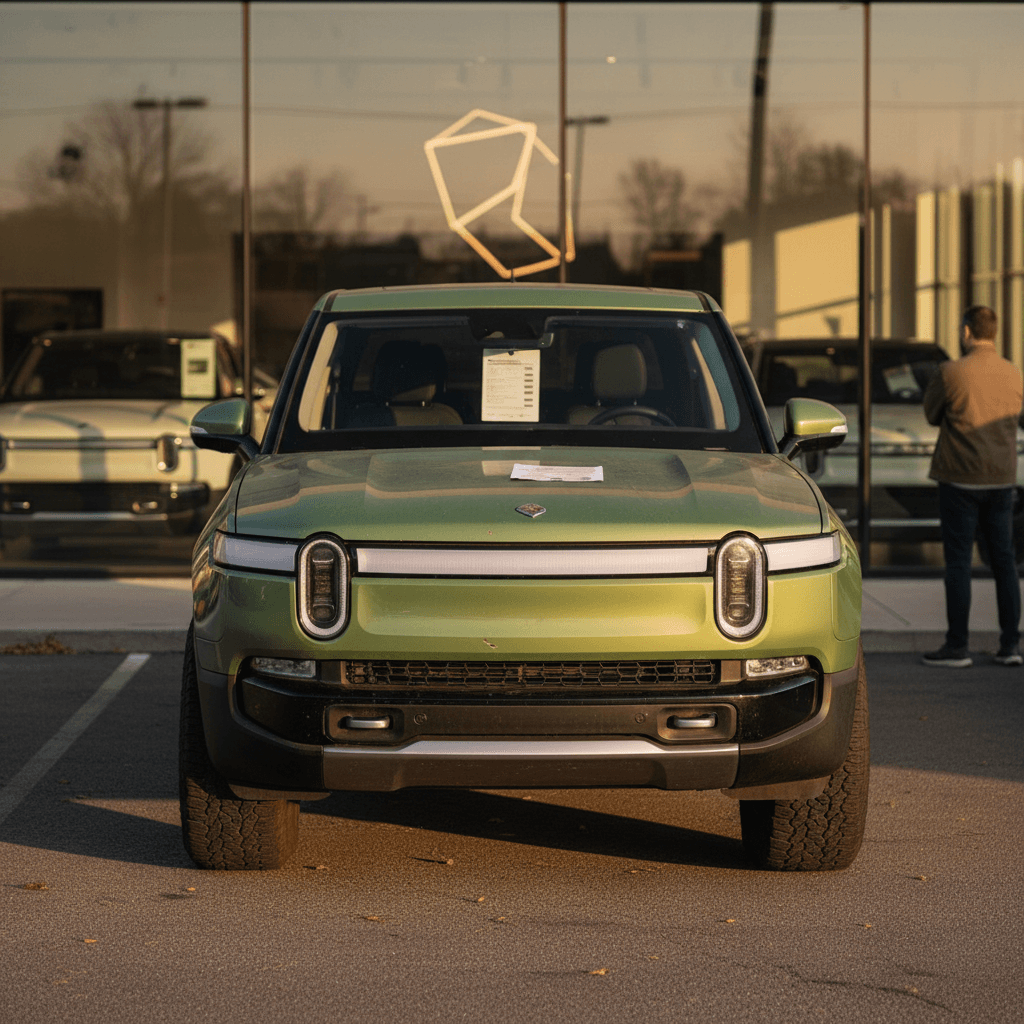
If you’re staring at your payment on a Rivian R1T and wondering what its trade‑in value looks like in 2026, you’re not alone. Early Rivian buyers paid premium prices into a volatile EV market, and now those trucks are starting to change hands in big numbers. This guide walks you through what your R1T is really worth today, what’s behind the numbers, and how to squeeze every last dollar out of your trade or sale.
Why 2026 is a turning point for R1T values
Rivian R1T trade‑in value in 2026: the big picture
Rivian R1T value snapshot in 2026 (typical U.S. markets)
Because the R1T is still a relatively new truck and the EV market has been on a roller coaster, you won’t find a single "correct" number for its 2026 trade‑in value. Pricing tools like KBB and Edmunds, real‑world wholesale auctions, and what online buyers are paying can all be a few thousand dollars apart. The key for you is not chasing an exact dollar as much as understanding the range your truck should live in, and how to move your offer toward the top of that range.
How much is my Rivian R1T worth in 2026?
Let’s put some stakes in the ground. Exact numbers will vary by region and options, but in early 2026, typical asking prices for used R1Ts at mainstream dealers and online marketplaces often land something like this:
Typical 2026 pricing bands for Rivian R1T (asking prices)
These are broad, directional ranges for trucks in good condition. Trade‑in offers are usually a few thousand below these numbers.
| Model year & configuration | Typical miles (2026) | Typical retail asking range* | Realistic trade‑in ballpark |
|---|---|---|---|
| 2022 R1T (early Launch/Adventure, Quad) | 35,000–60,000 | $43,000–$55,000 | $39,000–$50,000 |
| 2023 R1T (Dual / Performance Dual / Quad) | 25,000–45,000 | $50,000–$65,000 | $46,000–$60,000 |
| 2024 R1T (mostly Dual / Performance, some Quad) | 10,000–35,000 | $59,000–$76,000 | $55,000–$70,000 |
| 2025 R1T (Dual / Tri Max, low‑mile) | Under 20,000 | $68,000–$84,000+ | $63,000–$78,000 |
Use these ranges as a starting point, then adjust for your truck’s miles, options, and condition.
Ranges, not promises
If you plug a clean, average‑mile 2025 R1T into a pricing tool, you’ll often see a trade‑in value somewhere around the low‑to‑mid‑$50,000s for base trucks and into the $60,000s or higher for well‑optioned trims. A 2022 truck with higher mileage might land closer to the low‑$40,000s on trade, even if it stickered near, or above, $80,000 when new.
What really drives R1T trade‑in value
6 levers that move your Rivian R1T trade‑in offer
These are what buyers and algorithms look at before they ever see your truck in person.
1. Model year & generation
2. Mileage & use pattern
3. Battery & drivetrain
4. Condition & repair history
5. Region & season
6. Incentives & new‑truck pricing
Know your trim before you ask for quotes
Rivian R1T depreciation trends in 2026
R1T owners have lived through two different stories at once: headline‑grabbing EV depreciation on one side and surprisingly strong demand for well‑specced adventure trucks on the other. Pricing tools that look at the last few years of sales often show Rivian taking a bigger early percentage hit than many gas pickups, but the real‑world picture is more nuanced.
- Early adopters who paid peak pricing or skipped incentives often saw the steepest dollar losses, five‑figure drops in the first two to three years weren’t unusual.
- As Rivian adjusted MSRPs and more inventory hit the market, used prices began to settle into a more traditional luxury‑truck pattern.
- By 2026, many three‑year‑old R1Ts have lost on the order of 30–40% of their original MSRP, which is still painful but not wildly out of step with other high‑end EVs and luxury trucks.
Why R1T depreciation looks worse on paper
The other wildcard in 2026 is Rivian’s broader story: a new Georgia plant, the R2 lineup on the horizon, and even high‑profile partnerships around commercial and robotaxi fleets. Stronger brand stability tends to help used values; uncertainty tends to hurt them. For now, R1Ts with clean histories and the right spec are still finding ready buyers, if they’re priced realistically.
Trade in vs sell: where to get the best value
Trading in your Rivian R1T
Trading your R1T to a Rivian store or another dealer is the cleanest path if you’re ordering a new vehicle. You roll everything into one transaction, often save on sales tax in many states, and hand off the paperwork headache.
- Pros: Fast, convenient, usually some tax advantage, no need to deal with private buyers.
- Cons: Offer is usually lower than what you could get selling private party or to a specialty EV retailer.
Rivian’s own trade‑in tool will give you a ballpark and let you apply equity toward a new R1T or R1S, but they typically wholesale non‑Rivian vehicles and have to price accordingly.
Selling your R1T to a specialist or private party
If you’re willing to put in a bit more effort, you can usually net more selling the truck yourself or to a buyer that focuses on EVs.
- Pros: Potentially thousands more than a standard dealer trade‑in, especially on higher‑trim trucks.
- Cons: More time, more paperwork, and with private sales, you’re handling test drives, payment, and title logistics.
Platforms like Recharged specialize in used EVs, including the R1T, and can often blend the best of both worlds: better pricing than a typical trade plus expert help with the sale and delivery.
Where Recharged fits in
7 ways to maximize your R1T trade‑in offer
Pre‑trade checklist for Rivian R1T owners
1. Pull real numbers from multiple sources
Start with at least two pricing tools plus a real offer or two. Enter your exact trim, mileage, and options. Then get instant‑offer quotes from a Rivian store, an EV specialist like Recharged, and maybe one mainstream dealer to see how they compare.
2. Document software, service and recalls
Keep a simple folder (digital is fine) with software update history, any service visit records, and proof that recall work has been completed. A buyer that feels confident about how your truck’s been cared for is far more likely to sharpen their pencil.
3. Clean it like you’re taking photos
You don’t need a concours detail, but you do need a clean cabin, washed exterior, and an empty bed. Dealership appraisers are humans, they’ll mentally subtract less for reconditioning when the truck looks like something they can put on the front row quickly.
4. Fix cheap, obvious items
Touch‑up paint for a scuffed bumper, repairing a cracked windshield, or replacing bald tires can sometimes cost less than the hit a dealer will bake into their offer. Ask what matters most to them before you spend big money, but don’t ignore clear, inexpensive fixes.
5. Be realistic about mods
All‑terrain tires and racks can help with the right buyer, but heavy customization, wraps, extreme lifts, non‑OEM lighting, often narrows the market. If you still have stock parts, consider returning the truck closer to factory spec before you sell or trade.
6. Time your move
Trucks with all‑weather chops tend to appraise better heading into fall and winter in snow states. On the flip side, if Rivian drops a fresh batch of aggressive lease deals or discounts on new R1Ts, expect used values to soften for a bit, wait that out if you can.
7. Don’t accept the first offer blindly
Even if the first quote you get looks decent, use it as leverage. Share competing offers, ask if your preferred buyer can match or beat them, and be willing to walk. A polite, informed seller usually ends up a few hundred, or a few thousand, dollars ahead.
Sample 2026 R1T trade‑in ranges by year, trim and miles
To make this concrete, here’s how different Rivian R1T configurations might look in early‑to‑mid 2026. These are illustrations, not quotes, but they’ll help you sanity‑check any offers you get.
Illustrative 2026 trade‑in ranges by scenario
Example Rivian R1T trade‑in value scenarios based on year, trim, and mileage.
| Scenario | Truck details (example) | Condition snapshot | Plausible trade‑in range |
|---|---|---|---|
| Daily‑driver early Quad | 2022 R1T Launch/Adventure Quad, 48,000 miles, Max Pack | Clean Carfax, a few rock chips, original wheels & tires 50% worn | $42,000–$48,000 |
| Road‑trip family Dual | 2023 R1T Adventure Dual Large Pack, 32,000 miles | One bumper scuff, full service history, new tires | $50,000–$58,000 |
| Low‑mile 2024 Performance | 2024 R1T Performance Dual Max Pack, 14,000 miles | Excellent condition, no paintwork, popular color combo | $58,000–$68,000 |
| Loaded 2025 Tri Max | 2025 R1T Tri Max Ascend, 9,000 miles | Like‑new inside and out, near‑full factory warranty | $65,000–$78,000+ |
If an offer is far outside these ballparks without a clear reason, ask more questions, or get a second opinion.
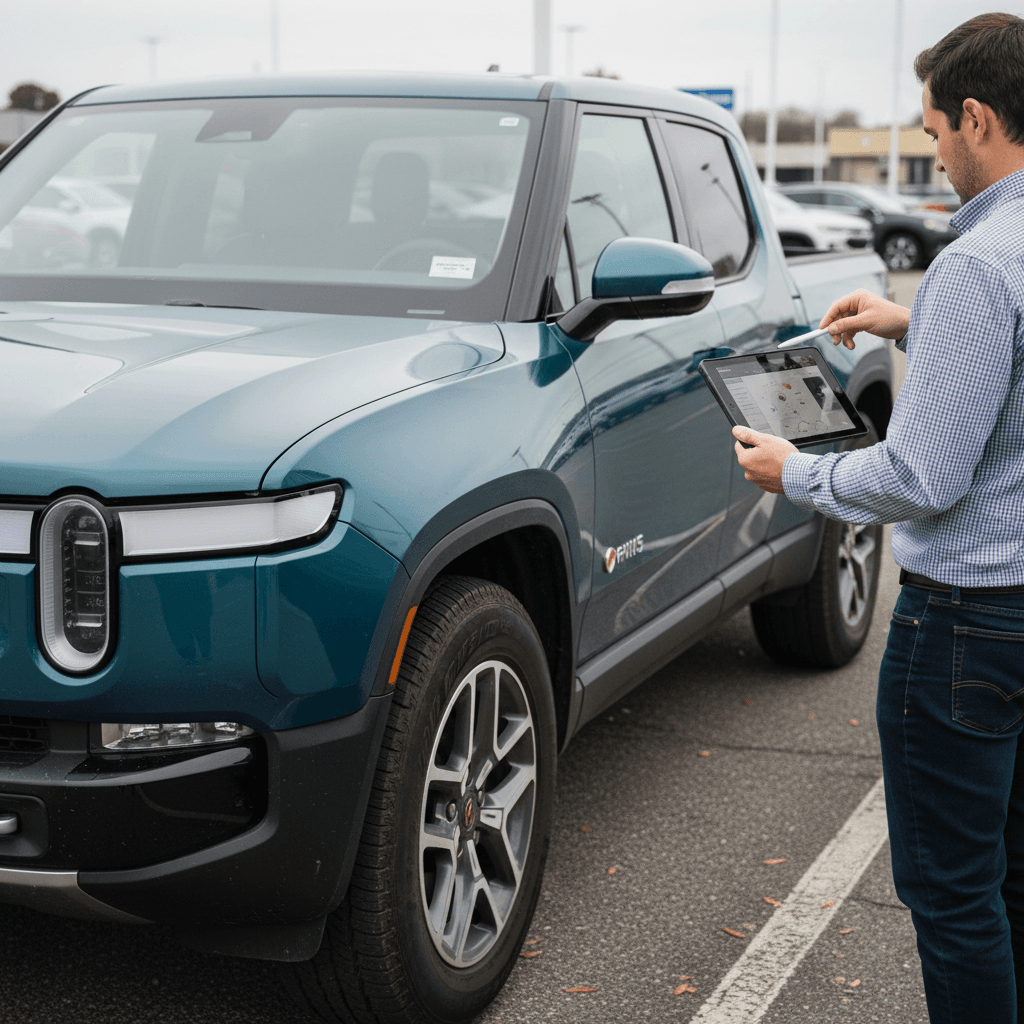
Watch for lowball "convenience" offers
Financing, equity and avoiding a negative‑equity surprise
With a high‑priced, fast‑depreciating vehicle like the Rivian R1T, your loan or lease terms matter just as much as the truck’s raw trade‑in value. Plenty of owners wake up in year two or three and realize their payoff is higher than any offer on the table, that’s negative equity, and it changes your options.
- Positive equity means your R1T is worth more than your payoff. That difference can roll into a down payment or simply lower the amount you have to finance on your next vehicle.
- Break‑even is when offers more or less match what you owe. You can switch vehicles without writing a big check, but you’re not walking away with cash either.
- Negative equity means your trade‑in value is lower than your payoff. You’ll either need cash to cover the gap or a lender willing to roll the shortfall into your next loan, raising your future payment and risk.
Always get your real payoff in writing
If you’re upside‑down on your R1T but need to move on, maybe you’re relocating, or your commute has changed, this is where talking to EV‑savvy specialists helps. At Recharged, for example, our team can walk you through real offers on your truck, how much you owe, and whether trading, consigning, or simply holding the R1T another year makes the most financial sense.
How Recharged values a used Rivian R1T
Recharged was built for exactly the kind of questions Rivian owners are asking in 2026: What’s my EV worth now? How much battery life do I really have? And am I getting a fair shake from the person on the other side of the desk?
Inside a Recharged Rivian R1T valuation
Why a generic trade‑in quote and an EV‑specific appraisal rarely match.
Battery health via Recharged Score
Live EV market data
Multiple paths to sell
Ready to find your next EV?
Browse VehiclesThinking about trading your R1T?
Rivian R1T trade‑in value 2026: FAQ
Frequently asked questions about Rivian R1T trade‑in value in 2026
Bottom line: should you trade your Rivian R1T in 2026?
If you bought an R1T at or near launch, you’ve already taken the worst of the depreciation hit. In 2026, trade‑in value is finally settling into something like a normal curve for a high‑end adventure truck: steep early drops, then a more predictable slide. Whether you should trade now comes down to simple math and honest self‑assessment, do you still love the truck, and does it still fit your life and budget?
The smartest move is to anchor yourself with real numbers. Get your payoff in writing, gather multiple offers, and compare them to what similar R1Ts are actually selling for. If you’re just exploring options, talking to an EV‑focused retailer like Recharged gives you a clearer picture: we’ll walk you through your R1T’s battery health, current market value, and the trade‑in, consignment, or sale paths that make the most sense for you, so when you do hand over the keys, it feels like a decision you made on your terms.