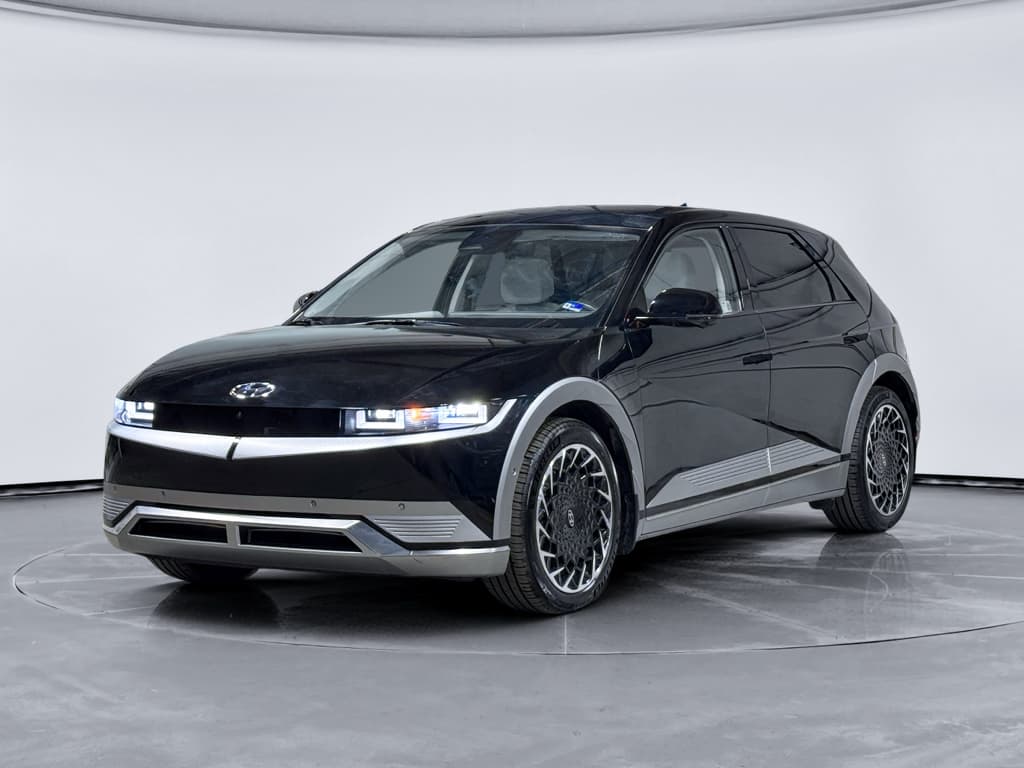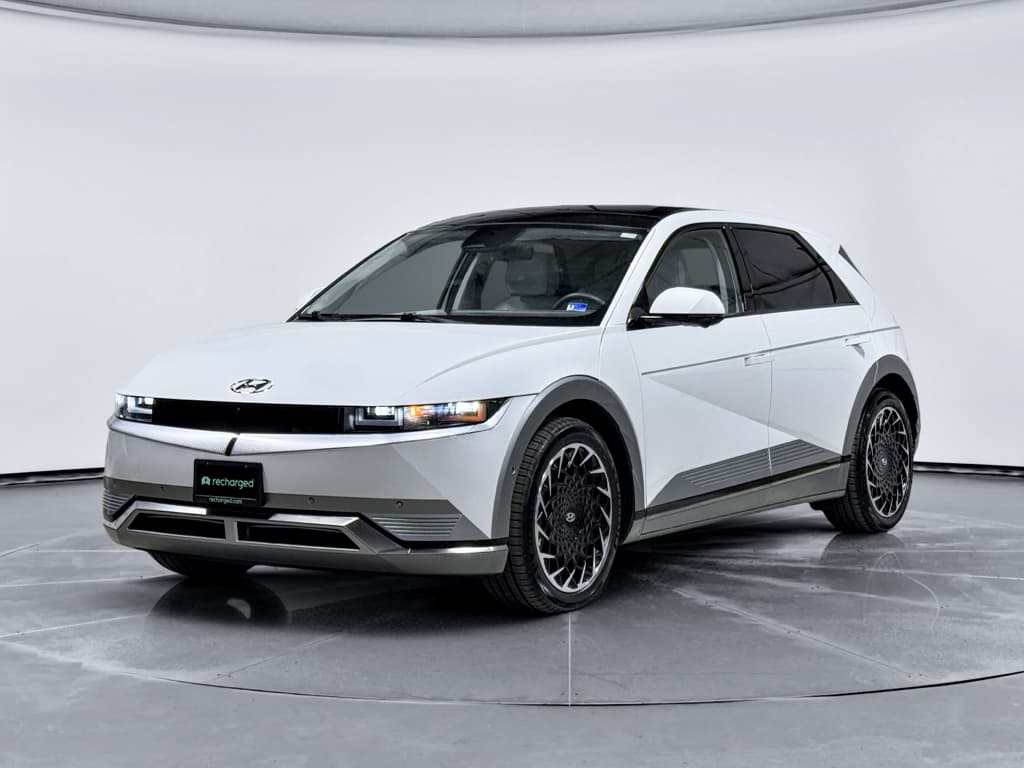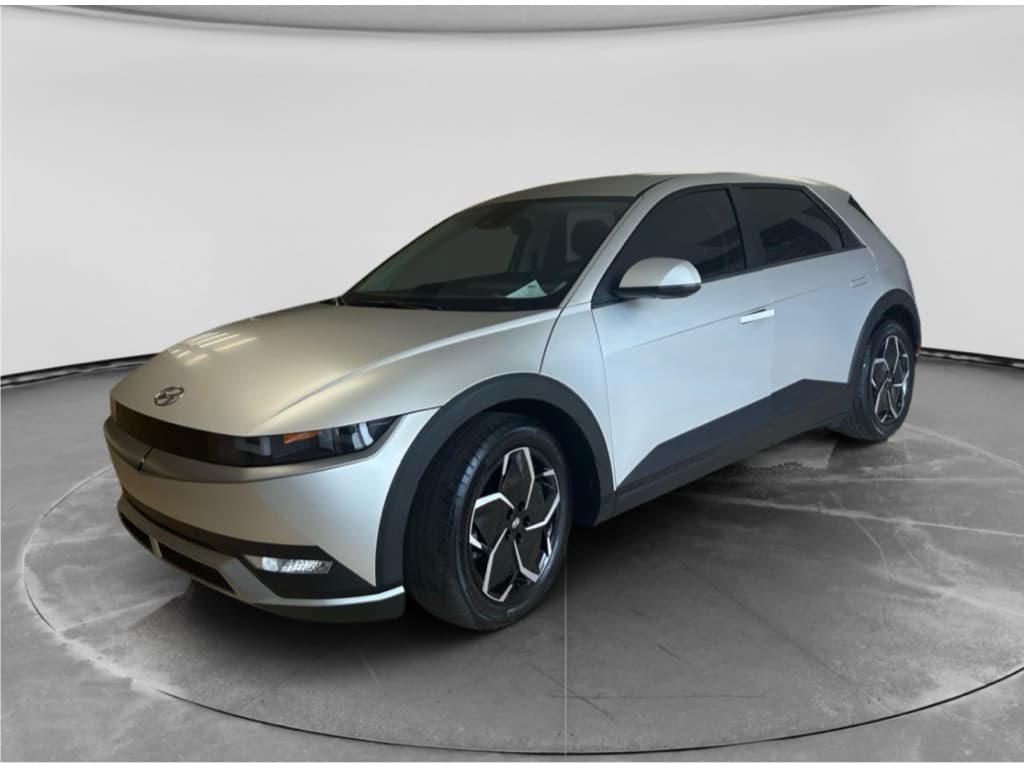
If you’re shopping for a **used Hyundai Ioniq 5 in 2026**, you’re in a sweet spot. The earliest 2022 models are coming off lease, 2023–2024 inventory is hitting the used market in volume, and Hyundai has quietly cut new‑car pricing, pushing more value into used examples. The catch: you need to understand trims, battery health, and a few early‑build quirks before you sign anything.
Quick take
Why a used Hyundai Ioniq 5 makes sense in 2026
Used Ioniq 5 market snapshot for 2026
The Ioniq 5 launched in the U.S. for the 2022 model year and quickly became a benchmark for **charging speed, interior space, and design**. By 2026, there’s enough real‑world data to separate strong used examples from problem children. Depreciation has done a lot of the work for you: new‑car price cuts for 2025–2026 models and aggressive lease incentives have pulled used prices down faster than many comparable gas crossovers, creating genuine bargains for patient shoppers.
Who the Ioniq 5 fits best
Model years, trims, batteries and range
Hyundai has already tweaked the Ioniq 5 formula several times. Knowing **which battery and drivetrain** you’re looking at is critical, because it directly affects range, performance and price.
Core Ioniq 5 configurations you’ll see used
Use this as a decoder ring when you read window stickers and listings.
Standard Range RWD
Battery: ~58 kWh usable
Drive: Single‑motor rear‑wheel drive
EPA range (new): roughly mid‑200s miles
Best for: Lower price, urban use, shorter commutes.
Long Range RWD
Battery: ~77–84 kWh (model‑year dependent)
Drive: Single‑motor rear‑wheel drive
EPA range (new): up to ~300+ miles on later cars
Best for: Maximum range and efficiency.
Long Range AWD
Battery: Same pack as long‑range RWD
Drive: Dual‑motor all‑wheel drive
EPA range (new): typically 250–270 miles
Best for: Quicker acceleration, bad‑weather traction.
On earlier U.S. cars (2022–2023), long‑range versions used a battery in the high‑70‑kWh range; later updates move to an **84‑kWh pack** with slightly better range and efficiency. By the 2025–2026 model years, Hyundai has also streamlined trims and tweaked styling, but from a used‑buying standpoint the big questions remain the same: how big is the battery, is it rear‑ or all‑wheel drive, and what’s the original EPA range rating.
Typical Ioniq 5 EPA range by configuration (when new)
Approximate figures to help you sanity‑check seller claims. Real‑world range varies with weather, driving style and wheel size.
| Battery / Drive | EPA range (approx.) | What it means for you |
|---|---|---|
| Standard Range RWD | ~220–240 mi | Fine for city and short‑suburb commutes with reliable home charging. |
| Long Range RWD | ~280–320 mi | The sweet spot if you value range and road‑trip flexibility. |
| Long Range AWD | ~250–270 mi | More power, slightly less range; winter drivers may prefer the traction. |
| Performance‑oriented AWD (if equipped) | Low‑ to mid‑200s mi | Quickest variants trade some range for acceleration. |
Use these numbers as a starting point, not a guarantee.
Watch wheel size and options
Used Ioniq 5 pricing and depreciation in 2026
Hyundai’s decision to **lower new‑car pricing for the Ioniq 5 around the 2025–2026 model years** put downward pressure on used values. Combine that with the typical EV depreciation curve, steep early, then more gradual, and you get meaningful savings if you’re buying a 2–4‑year‑old example in 2026.
What you’ll typically see asking
- 2022 models: Often at the lower end of the market, especially higher‑mileage SE and SEL trims.
- 2023–2024 models: The bulk of off‑lease inventory; prices hinge on battery size and AWD vs. RWD.
- 2025 early builds: Lightly used demos and lease returns can undercut brand‑new 2026s.
Exact numbers vary by mileage, options and region, but it’s common to see well‑equipped long‑range RWD or AWD examples priced thousands below their original sticker.
How to tell if a price is fair
- Compare similar trim, mileage and battery, not just model year.
- Factor in remaining 8–10 year battery warranty time and miles.
- Look at total out‑the‑door cost, not just monthly payment.
- Use tools that show fair market range instead of relying only on asking prices.
On Recharged, every listing includes a Recharged Score with fair‑value analysis, so you can see quickly whether a used Ioniq 5 is priced above, at, or below market.
Use depreciation to your advantage
Battery health: what really matters on a used Ioniq 5
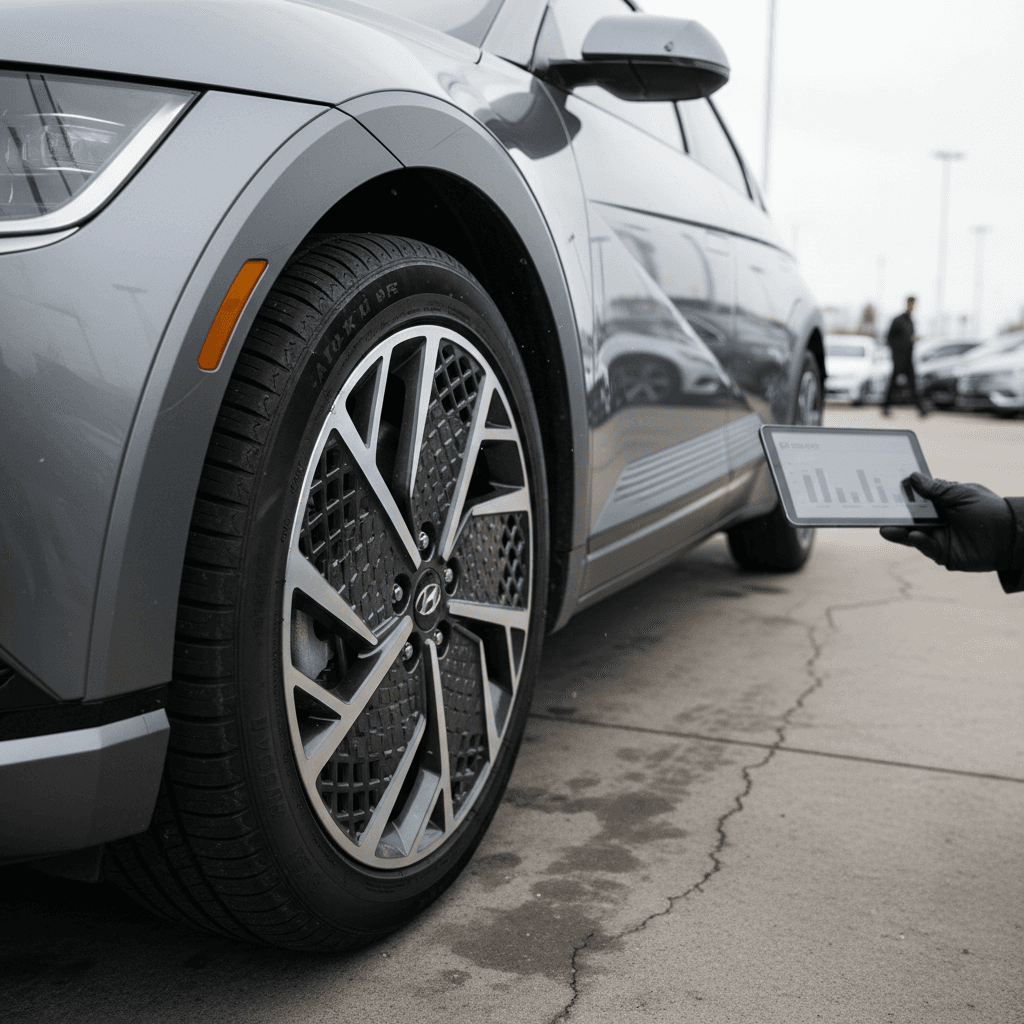
The Ioniq 5’s battery is its most expensive component, and the single biggest factor in whether a used example is a great deal or a bad bet. Hyundai backs the high‑voltage battery for around **10 years or 100,000 miles (sometimes more, depending on region)** against defects, but that doesn’t mean every used car has the same remaining life or range.
How to evaluate Ioniq 5 battery health
Don’t guess from the dash alone, dig a little deeper.
Check stated vs. expected range
On a full (or nearly full) charge, does the predicted range roughly match what you’d expect for that trim and battery size? Large shortfalls may hint at heavy fast‑charging, frequent 100% charges or a history of deep discharges.
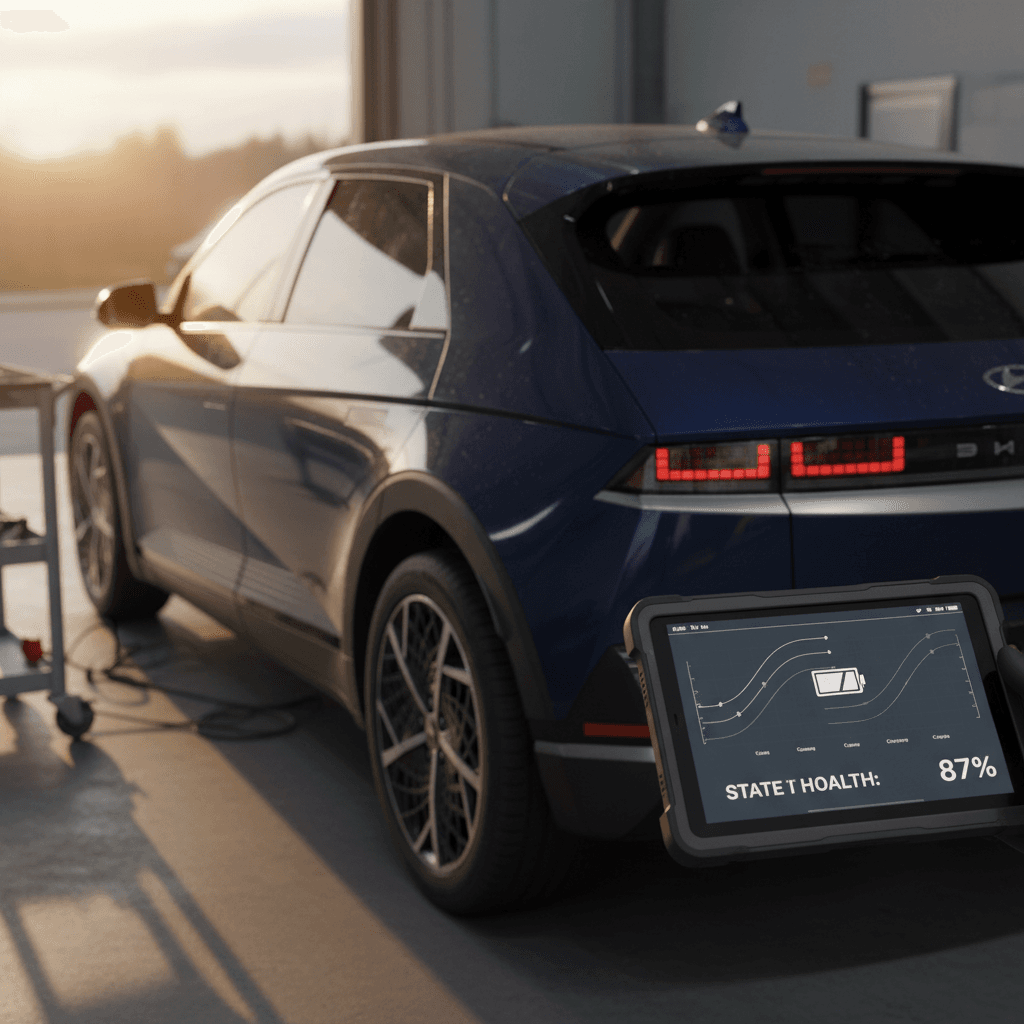
Pull a proper battery report
A diagnostic scan can reveal battery state of health (SoH) and any stored fault codes. Recharged’s Score Report includes verified battery‑health data so you’re not taking the seller’s word for it.
Confirm warranty and recall status
Ask for documentation on any battery or charging‑system recalls and verify remaining warranty. A clean history with up‑to‑date software is a plus; unresolved campaigns are a red flag.
Don’t rely on a single test drive
Common Hyundai Ioniq 5 issues and complaints
Overall, the Hyundai Ioniq 5 has landed in the **average‑to‑below‑average reliability** range in major owner surveys, not a disaster, but not bulletproof either. The most important thing for a used buyer is to know which issues matter, what has been fixed by recalls or software updates, and which quirks are more about comfort than safety.
Issues 2026 shoppers should ask about
1. Software and instrument‑panel recalls
Some 2025–2026 Hyundai models, including the Ioniq 5, have been recalled for instrument‑panel software that can blank out displays. Verify that all campaigns are complete, your seller should be able to provide documentation or a service printout.
2. Early powertrain and roll‑away recalls
Early 2022–2023 cars saw software recalls related to potential roll‑away risks when parked or powertrain control issues. Confirm that these have been addressed; if you see open safety recalls, insist they’re done before delivery.
3. High‑voltage charging components
A small but real subset of owners have reported issues with onboard chargers or charge‑port electronics. Ask whether the car has ever needed major EV‑system repairs and whether they were resolved under warranty.
4. Climate system glitches
Owner surveys have captured complaints about intermittent HVAC performance or strange behaviors that often resolve after software updates. During your test drive, cycle heat, A/C and defrost to look for oddities.
5. Comfort and usability gripes
These aren’t deal‑breakers for most, but you’ll hear about firm seats, reflective glass, or finicky touch controls. Make sure you and your passengers are genuinely comfortable with the seating position and controls before you buy.
6. Body and trim quality
As with any mass‑market crossover, look for rattles, misaligned trim and wind noise, especially on higher‑mileage freeway commuters. This is standard used‑car due diligence, but worth calling out on an otherwise quiet EV.
Walk‑away red flags
Charging, ownership costs and 2026 incentives
Charging is one of the Ioniq 5’s biggest advantages. Thanks to its 800‑volt architecture, it’s among the **quicker‑charging mass‑market EVs**, especially on modern high‑power DC fast‑chargers. For a used‑car buyer, that translates into shorter road‑trip stops, assuming you treat the battery well and pick the right charging strategy.
- Level 2 home charging (240V) is ideal for daily use; most owners fully recharge overnight.
- The Ioniq 5 can accept very high DC fast‑charge rates when conditions are right, especially on long‑range packs.
- Frequent fast‑charging from very low to 100% can accelerate battery wear; try to keep daily use in the 20–80% zone.
- Public charging costs vary widely, but home charging in most U.S. markets remains significantly cheaper per mile than gasoline.
Ownership cost advantage
Policy changes between 2024 and 2026 have made federal purchase incentives more complicated, and many imported EVs, including the Ioniq 5, have moved in and out of eligibility. Even if you can’t claim a federal credit on a used Ioniq 5, you may still qualify for **state or utility‑level rebates on home charging equipment**. It’s worth checking your local programs before installing a Level 2 charger.
How to inspect a used Hyundai Ioniq 5
A used Ioniq 5 inspection looks a lot like any other used‑car checkout, with a few EV‑specific twists. Use the checklist below as a structured way to separate solid candidates from risky ones.
Used Hyundai Ioniq 5 inspection checklist
1. Verify trim, battery and drivetrain
Confirm exactly which trim you’re looking at (SE, SEL, Limited, etc.), whether it’s **Standard Range or Long Range**, and whether it’s RWD or AWD. That determines realistic range, performance and resale value.
2. Review service history and recalls
Ask for a full service history printout. You want to see recall work completed, regular maintenance (tire rotations, brake inspections, cabin filters) and any EV‑system repairs noted with parts and dates.
3. Get a battery health report
Request documented battery data, not just a salesperson’s assurances. On Recharged, this comes built‑in via the **Recharged Score battery‑health diagnostics**, so you can compare one Ioniq 5 to another with hard numbers.
4. Inspect tires, brakes and suspension
The Ioniq 5 is heavy and torquey; aggressive driving chews through tires quickly. Uneven wear can hint at alignment issues. Listen for clunks over bumps and check for brake noise or vibration under hard stops.
5. Test all charging options
If possible, plug into both Level 2 and a DC fast‑charger to confirm that charging starts smoothly, locks properly and sustains appropriate speeds. Pay attention to any warning messages in the cluster or infotainment.
6. Run every feature during the test drive
Try all driver‑assist systems, cameras, seat adjustments, HVAC modes and infotainment functions. EVs are software‑heavy; you want to find glitches now, not after you’ve signed paperwork.
Dealer lot vs. EV marketplace: where to buy
Traditional dealer or used‑car lot
- Pros: Local presence, potential for trade‑in convenience, ability to see multiple vehicles in one visit.
- Cons: EV expertise can be hit‑or‑miss, limited transparency on battery health, heavy focus on monthly payment over total value.
- What to watch: Make sure someone on staff can speak credibly about EV charging, software updates and recalls, not just paint and payments.
EV‑focused retailer or marketplace
- Pros: Typically deeper EV‑specific inspection, clearer battery‑health reporting, and nationwide selection.
- Cons: You may be buying sight‑unseen, so return policies and condition reports matter a lot.
- How Recharged helps: Every Ioniq 5 we list includes a Recharged Score Report with verified battery health, fair‑market pricing analysis, and an EV specialist who can walk you through trims, charging and financing options.
Try before you commit
FAQ: Used Hyundai Ioniq 5 in 2026
Frequently asked questions
Bottom line: is a used Ioniq 5 right for you?
If you want a future‑proof EV with fast charging, a spacious cabin and distinctive design, a **used Hyundai Ioniq 5 in 2026** deserves to be on your short list. The key is to shop like a pro: focus on the right battery and drivetrain, insist on clear battery‑health data and recall documentation, and compare total cost of ownership, not just sticker price.
Do that, and depreciation becomes your ally. You’ll be leveraging 2022–2024 price drops, tapping into remaining factory warranty, and landing a genuinely modern EV for the cost of a mid‑range gas crossover. If you’d rather not decode trims, service records and battery reports on your own, you can browse used Ioniq 5s on Recharged, every one backed by a **Recharged Score Report**, EV‑savvy financing help, and optional nationwide delivery straight to your driveway.