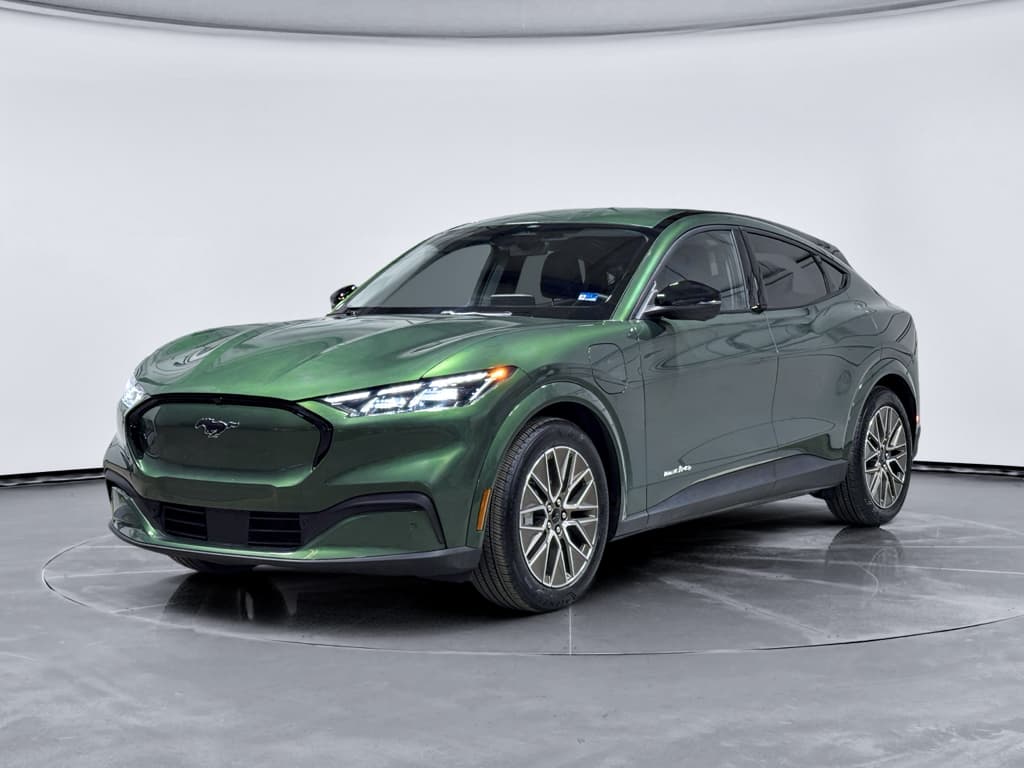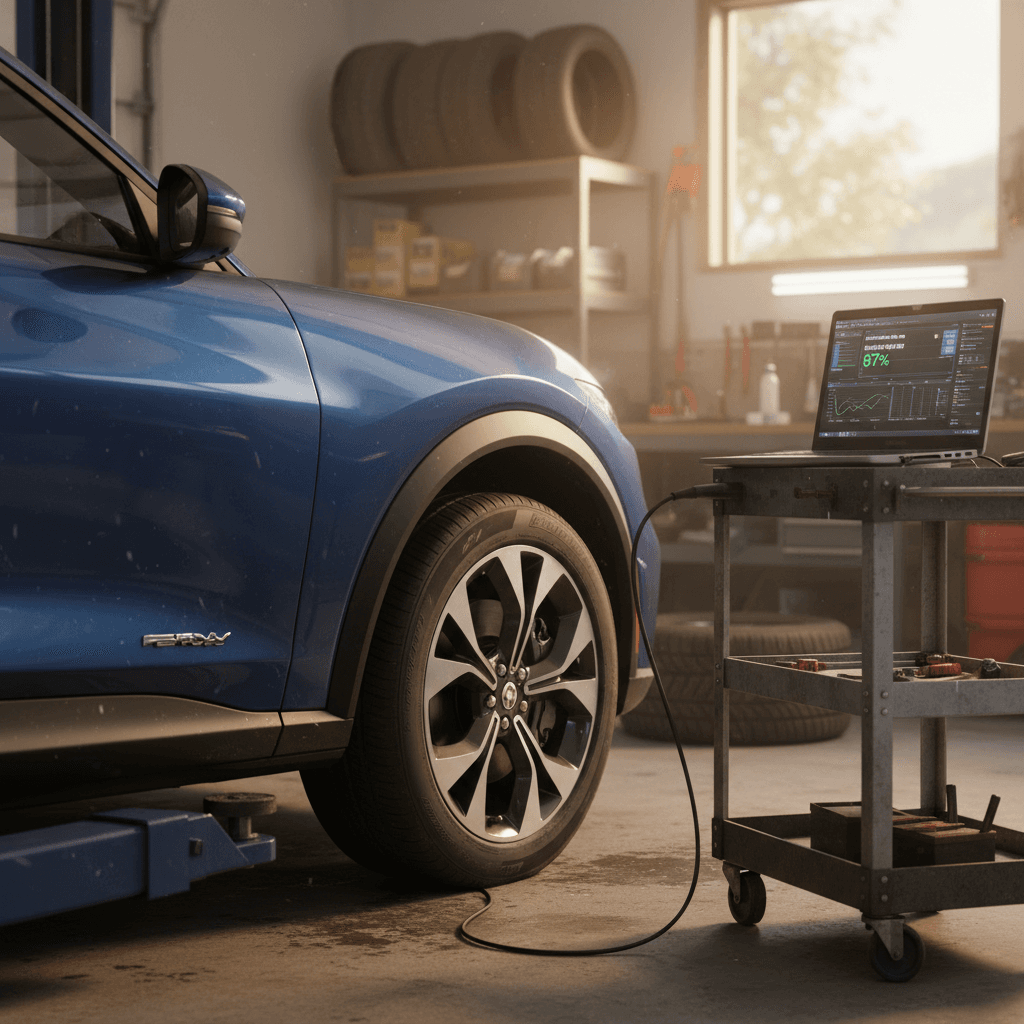
If you’re eyeing a used Ford Mustang Mach‑E in 2026, you’re shopping at the right time. Early 2021–2023 cars have taken a big depreciation hit, newer 2024–2025 models are starting to show up off‑lease, and Ford’s long battery warranty helps keep risk in check. This guide walks you through trims, range, pricing, reliability, and exactly how to evaluate battery health so you don’t overpay.
Quick take
Why the Mustang Mach‑E makes sense used in 2026
Used Mustang Mach‑E market snapshot for 2026
The Mustang Mach‑E launched for the 2021 model year and has matured quickly. By 2026, you’re benefiting from heavy early‑EV depreciation, a still‑long remaining battery warranty on most vehicles, and a growing track record of recalls and software fixes you can review before buying. Compared with many luxury EVs, used Mach‑E pricing has settled into accessible territory without giving up modern tech, DC fast‑charging, or decent range.
Who the Mach‑E fits best
Model years, trims, and batteries to know
Before you compare used listings, get clear on the trim and battery combinations. They drive not only price, but also range, performance, and options like all‑wheel drive.
Core Mustang Mach‑E trims & battery options (2021–2025)
High‑level snapshot of the most common used variants you’ll see in 2026. Always confirm exact equipment from the window sticker or VIN decode.
| Trim | Battery | Drive | Approx. EPA range when new | Typical used shopper profile |
|---|---|---|---|---|
| Select | Standard‑range (SR) ~68 kWh usable | RWD or eAWD | ~210–247 miles | Value play; often the lowest‑priced used Mach‑E. |
| Premium | SR or Extended‑range (ER) ~88–91 kWh usable | RWD or eAWD | ~224–310 miles | Most common; mix of comfort, range, and options. |
| California Route 1 | ER only | RWD or eAWD (varies by year) | ~300+ miles | Range‑focused highway cruiser; rarer on used market. |
| GT / GT Performance | ER only | eAWD | ~235–270 miles | High‑performance; commands a premium, may have been driven harder. |
| Rally (newer years) | ER only | eAWD | Similar to GT | Off‑road‑flavored variant, limited used supply in 2026. |
Ranges are approximate EPA estimates when new; expect some reduction with age and usage.
Watch for battery chemistry differences
Range and charging: what to expect from a used Mach‑E
Real‑world range in 2026
EPA estimates for new Mach‑Es range from about 210 to 310 miles depending on battery, drive configuration, and trim. On a used example, expect:
- 10–15% lower usable range versus new to account for early battery degradation and less‑than‑ideal conditions.
- SR pack cars living more comfortably in the 170–210‑mile real‑world window.
- ER pack cars often delivering 220–270 miles on mixed driving when driven reasonably.
Climate, tires, speed, and your driving style can swing range more than small differences in published EPA numbers.
Charging experience
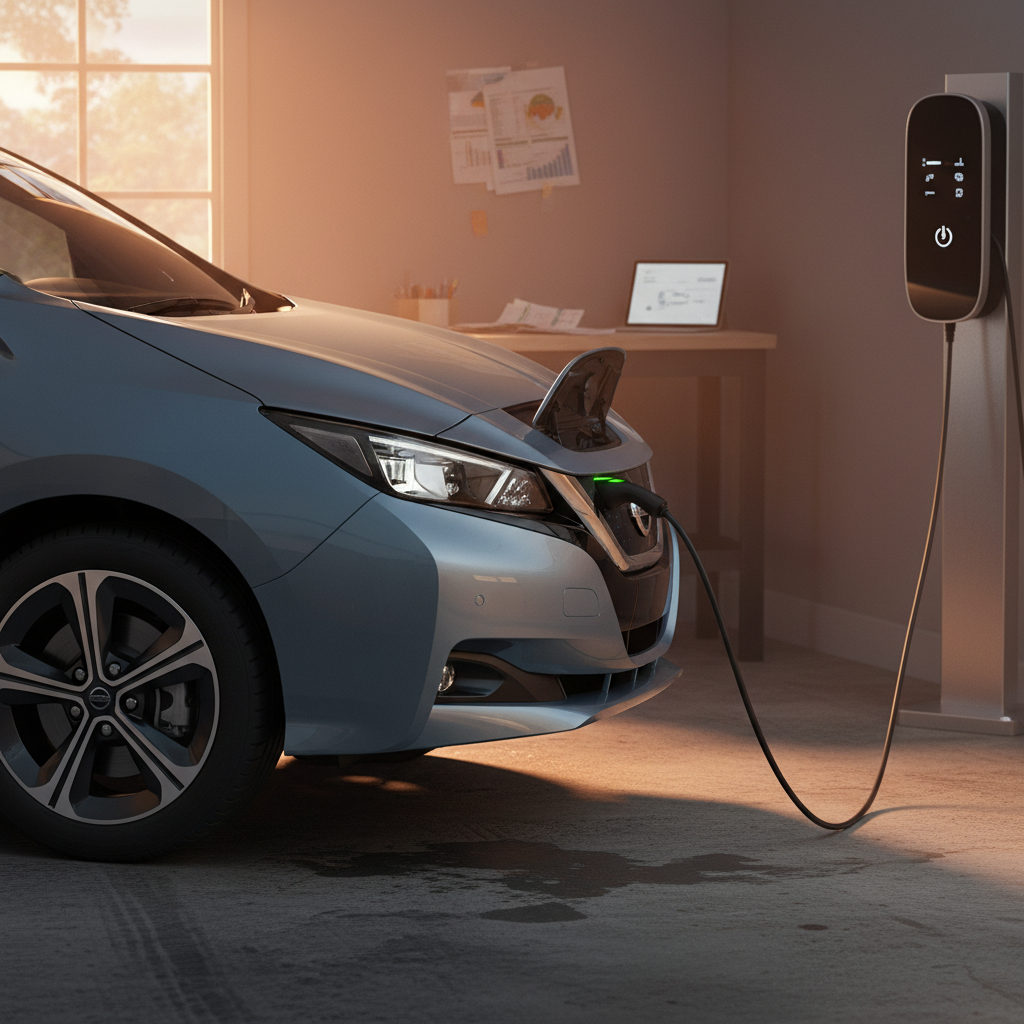
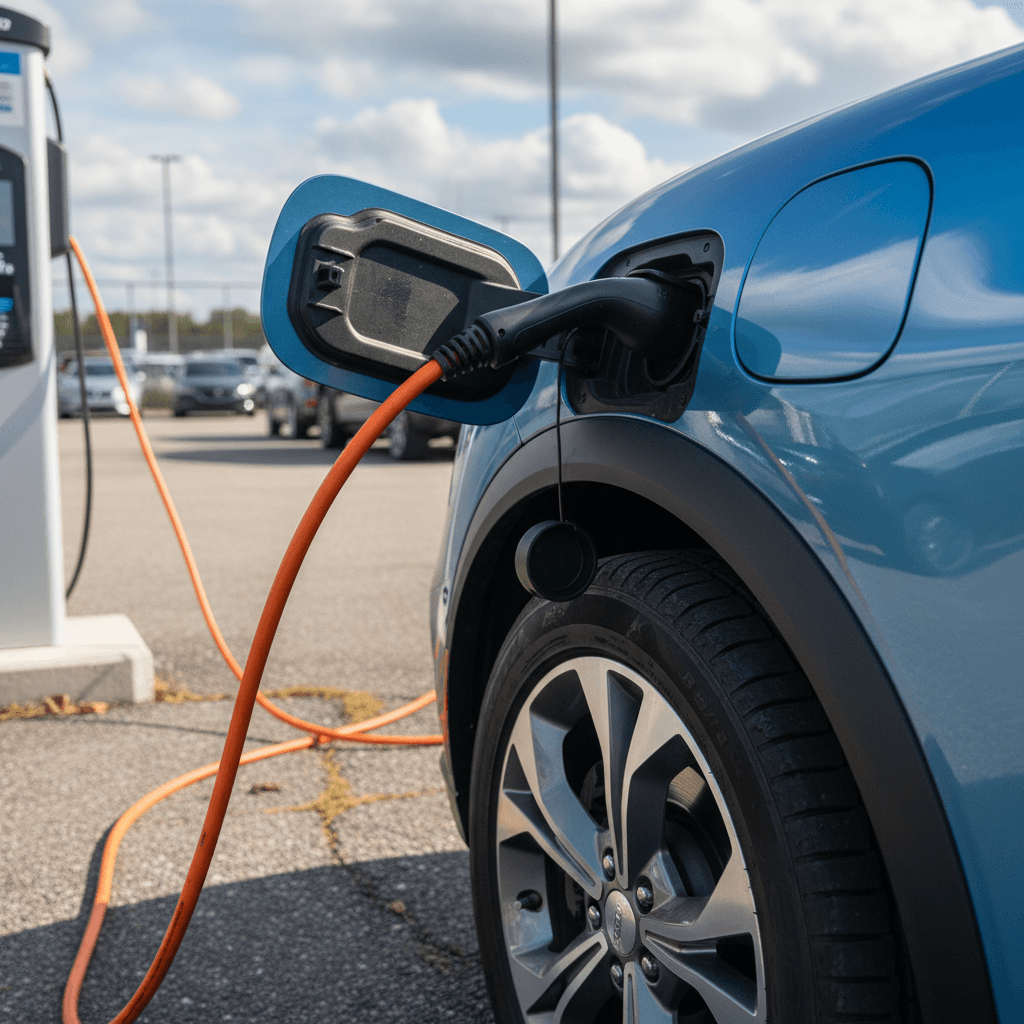
- Home Level 2 (240V): 11 kW onboard charger on most trims lets you add roughly 25–30 miles of range per hour on a 48‑amp circuit.
- DC fast charging: Max rates in the ~115–150 kW range depending on battery and model year; plan around 10–80% in ~35–45 minutes when conditions are ideal.
- Connector standards: 2021–2024 U.S. Mach‑E models use CCS. Ford is transitioning to NACS (Tesla) support; check whether a used car includes a NACS adapter or future hardware upgrades.
If most of your driving is local and you can charge at home, SR models are fine. Frequent long highway trips favor ER and good DC‑fast‑charge coverage where you live.
Pro tip: test‑drive near a fast charger
Pricing: what used Mustang Mach‑E models cost in 2026
By 2026, used Mustang Mach‑E pricing in the U.S. has separated clearly by model year, mileage, trim, and battery. Exact numbers vary by region and options, but you can use these bands as a reality check when you’re scanning listings or talking to dealers.
Typical 2026 asking ranges for used Mustang Mach‑E
Approximate U.S. retail asking prices for clean‑title vehicles with average mileage for age. Local markets and individual condition will vary.
| Model year | Common trims | Approx. price range (typical retail) | Notes |
|---|---|---|---|
| 2021 | Select, Premium, California Rt. 1 | $18,000–$26,000 | Heaviest depreciation; many off lease; check recall history carefully. |
| 2022 | Select, Premium, California Rt. 1, GT | $22,000–$30,000 | Good balance of price and remaining warranty; more GTs appear here. |
| 2023 | Select, Premium, GT | $26,000–$34,000 | Still under factory bumper‑to‑bumper in many cases; some LFP SR packs. |
| 2024 | Premium, GT, special trims | Low‑$30,000s–high‑$30,000s | Early off‑lease units and demos; depreciation starting but still relatively new. |
| 2025 | Premium, GT, Rally | Low‑$30,000s–low‑$40,000s | Mostly nearly‑new and CPO; small but growing used supply in 2026. |
Use these ranges as a starting point, then adjust for mileage, options, battery health, and accident history.
Private party vs. dealer vs. marketplace
Depreciation and resale: where values are heading
The first few years of any EV’s life bring steep depreciation as technology evolves and early buyers move on. The Mustang Mach‑E is no exception: examples of 2024 models already show roughly a 40–45% drop from original MSRP within two years in typical configurations. That hurts the first owner, but it’s good news if you’re buying in 2026.
Key factors shaping Mach‑E resale in the late 2020s
Understanding these will help you judge whether a specific car is fairly priced.
Battery longevity
Software & hardware updates
Charging ecosystem
Target the depreciation sweet spot
Battery health: the #1 thing you can’t skip
On any used EV, usable battery capacity is the asset you’re really buying. A clean interior and fresh tires mean little if the pack has lost an unusually high amount of capacity or shows signs of abuse. With the Mustang Mach‑E, most owners are still within Ford’s 8‑year/100,000‑mile high‑voltage battery warranty in 2026, but capacity can still vary significantly from car to car.
How to evaluate Mustang Mach‑E battery health
1. Check remaining factory battery warranty
Confirm the original in‑service date from the title, Carfax‑style report, or Ford service records. Subtract that from 8 years / 100,000 miles to see how much coverage you have left. A 2021 sold in early 2021, for example, runs out of battery warranty around early 2029.
2. Review any third‑party battery report
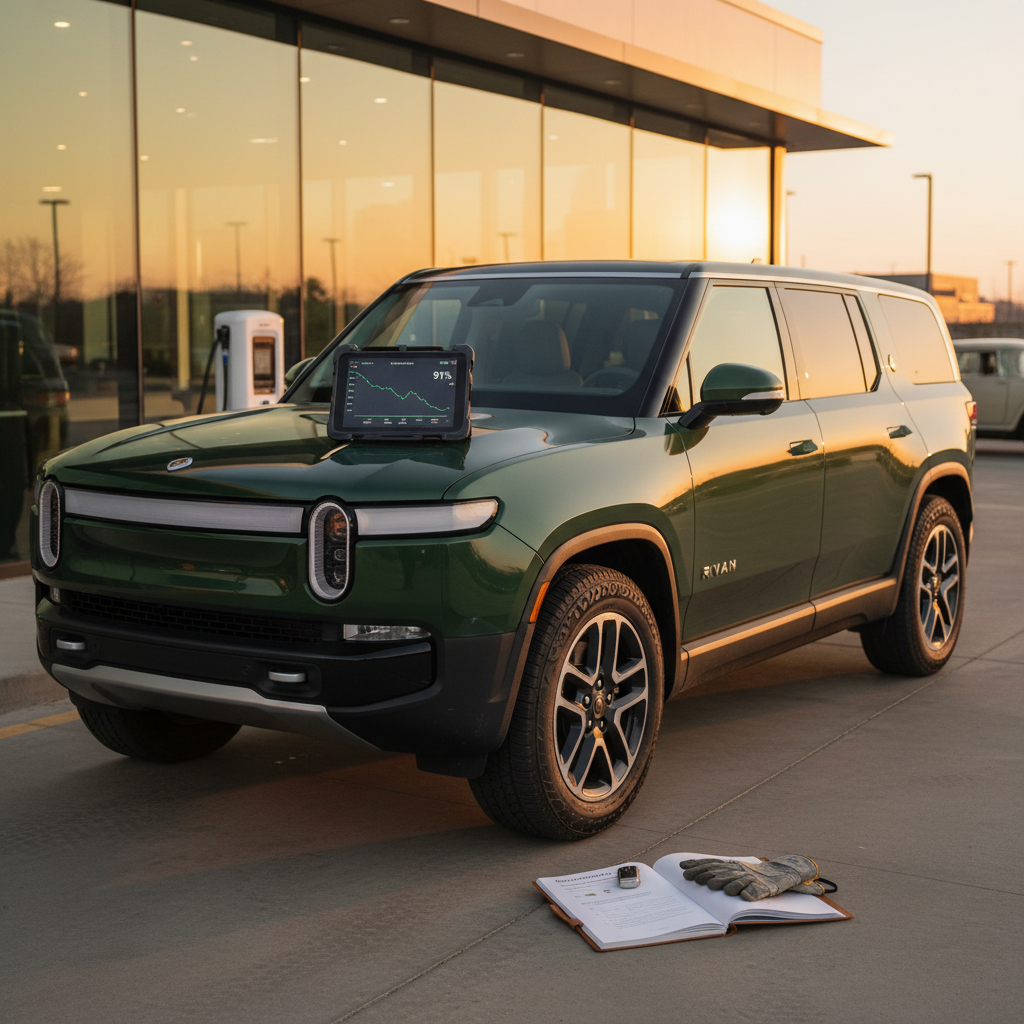
Look for an objective measure of state of health (SoH) rather than vague comments like “battery seems fine.” On Recharged, every Mach‑E listing comes with a <strong>Recharged Score Report</strong> that quantifies battery health and flags anomalies, so you can compare cars apples‑to‑apples.
3. Compare range estimate to EPA figures
On a fully charged battery, compare the car’s predicted range to the original EPA estimate for that trim. A moderate gap is normal, especially with different driving history and climate, but an unusually low estimate can be a red flag.
4. Ask about charging habits
Frequent DC fast‑charging from very low states of charge or daily 100% charges on NMC‑based packs can accelerate wear. Occasional fast‑charging is fine; you just don’t want a history of “road‑trip every day” usage.
5. Inspect service and recall history
Some Mach‑E recalls have focused on battery contactors and high‑voltage components. Verify that related campaigns are completed and that no unresolved diagnostic trouble codes (DTCs) are present before you sign anything.
6. Take a long enough test drive
Drive at least 20–30 miles, ideally on a route that mixes city and highway. Watch how the state‑of‑charge percentage drops relative to miles driven and whether the car behaves normally under full acceleration.
Where Recharged fits in
Reliability, recalls, and common issues
Owner satisfaction with the Mustang Mach‑E has generally been strong, but the model has seen its share of software‑heavy recalls and a few hardware campaigns. When you’re shopping used in 2026, your job is less about avoiding the model entirely and more about finding an example that’s been properly updated and maintained.
Most common Mustang Mach‑E issues to screen for
You don’t need to be an engineer, just know where to look and what to ask.
Rearview camera glitches (software)
High‑voltage contactor / power loss issues
Door latch and lock recalls
Parking / roll‑away software faults
Do not ignore open recalls
Inspection checklist for shopping a used Mach‑E
Beyond battery health and recalls, you should approach a used Mach‑E like any other late‑model crossover, but with a few EV‑specific twists. Use this checklist as you walk a car in person or review photos and inspection reports online.
Physical and digital inspection checklist
Confirm trim, battery, and drive type
Don’t rely solely on the ad headline. Decode the VIN or check the original window sticker to verify whether you’re looking at an SR vs. ER battery, RWD vs. eAWD, and the right trim (Select, Premium, California Rt. 1, GT, Rally). Pricing should line up with what the car actually is.
Inspect tires and brakes
EVs are heavy and torque‑rich, so tires can wear quickly, especially on GTs. Uneven tire wear may hint at alignment issues or hard use. Check for plenty of tread and budget $800–$1,200 if a full set is due soon.
Check for accident and flood history
Pull a history report and look for structural damage, airbag deployment, or flood branding. EVs with previous flood damage are especially risky due to potential hidden high‑voltage corrosion.
Test all driver‑assist features
Verify that adaptive cruise control, lane‑keeping, blind‑spot monitoring, parking sensors, and automatic emergency braking work as intended. Malfunctioning sensors can be pricey to chase down.
Evaluate infotainment and app connectivity
Confirm that the large central screen responds quickly, that built‑in navigation and wireless smartphone integration work, and that you can connect the car to Ford’s app (or the seller can show it was connected). Software is central to the Mach‑E experience.
Look and listen while driving
On the road, listen for clunks over bumps, whine from the drive unit, or wind noise from misaligned doors or glass. Regenerative braking should feel smooth and predictable without grinding or harshness.
Financing, warranties, and total cost
A used Mustang Mach‑E can be cheaper to own than a comparable gas crossover, but only if you understand the full cost picture: purchase price, financing, electricity, insurance, and future repairs.
Financing and incentives
- Used‑EV financing: Many lenders now treat late‑model EVs similarly to gas cars for rates and terms, especially when purchased through established dealers or marketplaces.
- Tax credits: As of 2026, federal and state incentives focus heavily on new EVs and select used EVs that meet price and income caps. Check current rules; some used buyers qualify for point‑of‑sale credits or state rebates.
- Trade‑in value: If you have a gas vehicle to move, get multiple trade‑in offers or an instant offer/consignment quote through platforms like Recharged to maximize your down payment.
Running costs and warranties
- Energy vs. fuel: Home charging is usually equivalent to paying roughly $1–$2 per gallon of gas. Public DC fast charging can be closer to gas costs, so rely on home or workplace charging when possible.
- Maintenance: No oil changes, timing belts, or spark plugs. Budget for tires, cabin filters, brake fluid, and the occasional software or hardware fix.
- Warranty mix: Many 2023–2025 Mach‑Es will still have some bumper‑to‑bumper coverage left in 2026, plus the longer battery warranty. Ask whether any extended service contracts are transferable.
Run your own TCO math
How Recharged helps with used Mach‑E shopping
Shopping used EVs can feel opaque, especially around battery health and fair pricing. Recharged was built to make used EV ownership simple and transparent, and the Mustang Mach‑E is a core part of that mission.
What you get when you buy a used Mach‑E through Recharged
Designed to strip out the uncertainty that usually comes with EV shopping.
Recharged Score Report
Fair, data‑backed pricing
Financing, trade‑in & delivery
Ready to find your next EV?
Browse VehiclesExpert guidance from EV specialists
FAQ: Used Ford Mustang Mach‑E buying guide 2026
Common questions about buying a used Mustang Mach‑E in 2026
Bottom line: should you buy a used Mustang Mach‑E?
If you’re buying in 2026 and want an electric crossover that still feels current without paying new‑car money, a used Ford Mustang Mach‑E deserves a spot at the top of your list. Focus on the right trim and battery for your driving, verify battery health and recall completion, and sanity‑check pricing against market norms. Do that, and you get sharp styling, strong performance, and modern tech with predictable running costs.
If you’d rather not do that legwork alone, browsing Mach‑E inventory on Recharged gives you pre‑vetted vehicles with transparent battery‑health reports, fair pricing, EV‑savvy support, and nationwide delivery. However you choose to shop, the 2026 used market finally gives you the leverage, not the other way around.