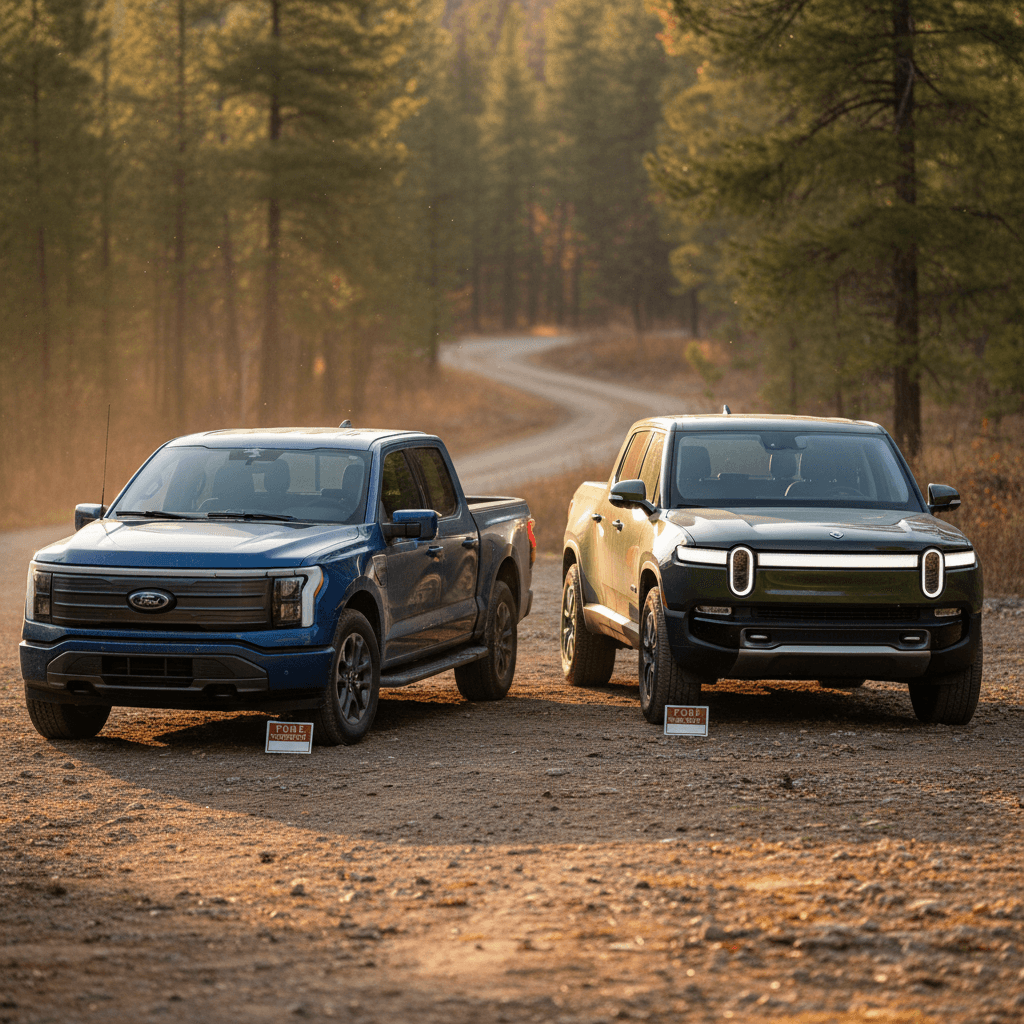
If you’re shopping for a used electric pickup, the two names that keep popping up are the Ford F-150 Lightning and the Rivian R1T. And if your budget tops out around $50,000, the used market is exactly where these trucks start to get interesting. This guide walks through how a used Ford F-150 Lightning compares to a used Rivian R1T under $50,000, and which one is likely to fit your real life, not just your Instagram feed.
Context: the market is moving fast
Why compare these electric trucks under $50k?
Above $70,000, the electric truck conversation is mostly about options and ego. Under $50,000, it’s about tradeoffs: range versus towing, tech versus reliability, warranty coverage versus price, and whether you’re buying a work tool or an adventure toy. At this price point, you’re usually cross‑shopping earlier‑build Lightnings (often Pro and XLT trims) against launch‑era Rivian R1Ts with higher miles or simpler configurations.
- You want a serious truck, not just an electric crossover with a bed.
- You’re trying to stay under roughly the price of a nicely equipped new gas half‑ton.
- You care about long‑term battery health and running costs more than 0–60 bragging rights.
- You’re open to either Ford or Rivian, but you want to understand how they differ in the real world.
Quick take before we dive in
Availability: What you’ll actually find under $50,000
Typical used inventory under $50,000
Broad national patterns as of 2024–2026 (your local market may vary)
Used Ford F-150 Lightning
- Common under $50k, especially 2022–2023 Pro and XLT.
- Many trucks from commercial and early‑adopter fleets now hitting auctions.
- Mix of standard‑range and extended‑range batteries; lower‑spec trims dominate.
- Some trucks have high towing miles or frequent DC‑fast‑charging history.
Used Rivian R1T
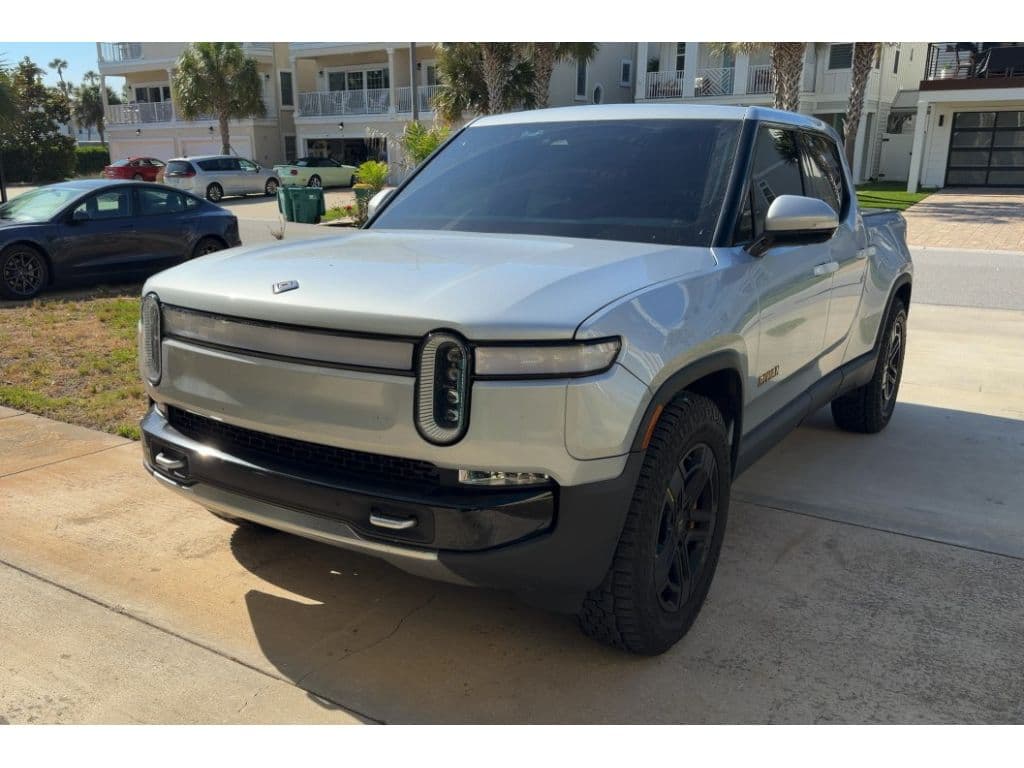
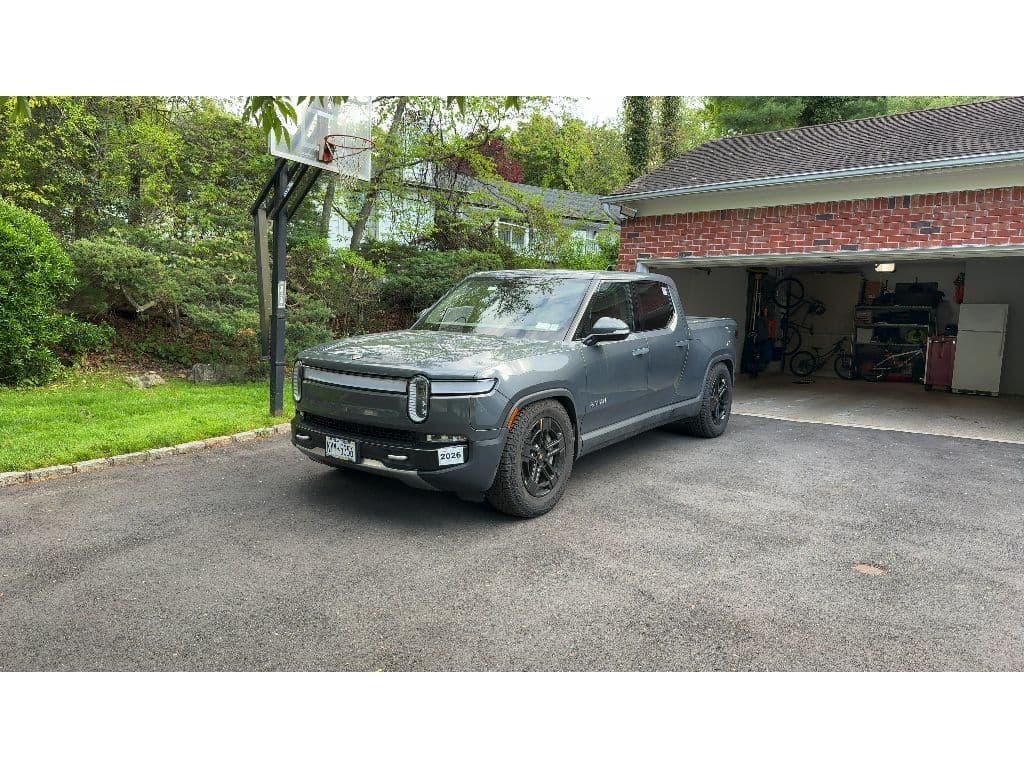
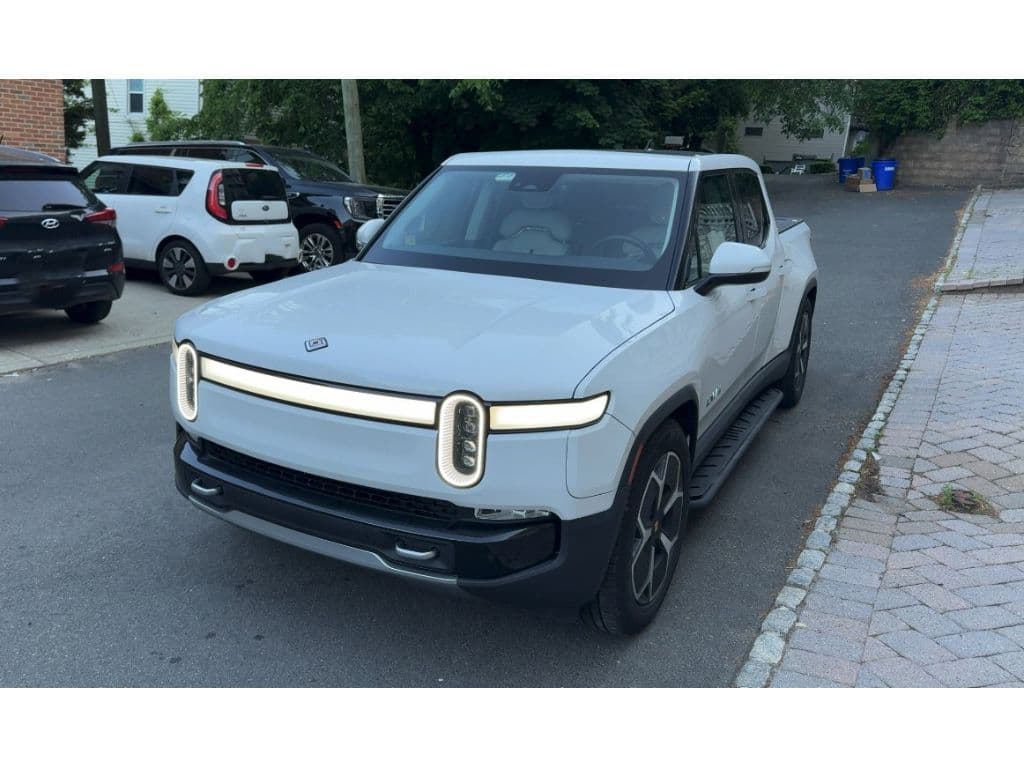
- Less common under $50k; usually higher‑mileage 2022–2023 trucks.
- Often Large battery, Dual‑Motor, earlier software and hardware revisions.
- Many are enthusiast‑owned; more off‑road use, but also better maintained.
- Inventory is thin outside EV‑dense markets and West Coast metros.
Watch out for "too cheap" trucks
Specs at a glance: range, towing, and performance
Used F-150 Lightning vs Rivian R1T: core specs you’ll see under $50k
Approximate specs for common configurations that show up in the sub‑$50k used market.
| Truck | Likely battery pack | EPA range (approx.) | 0–60 mph (approx.) | Max towing (properly equipped) |
|---|---|---|---|---|
| Ford F-150 Lightning Pro / XLT SR | Standard Range (~98 kWh usable) | ~230–240 miles | ~4.5–5.0 seconds | 7,700 lbs |
| Ford F-150 Lightning XLT / Lariat ER (higher miles) | Extended Range (~131 kWh usable) | ~300–320 miles | ~4.0 seconds | 10,000 lbs |
| Rivian R1T Dual Motor Standard / Standard+ | Standard packs (~100–110 kWh usable) | ~260–280 miles | ~4.5–5.0 seconds | Up to ~11,000 lbs |
| Rivian R1T Dual or Quad Large | Large pack (~130+ kWh usable) | ~300–350+ miles | ~3.0–4.0 seconds | Up to ~11,000 lbs |
Numbers are typical for 2022–2024 U.S. trucks; individual vehicles may differ based on tires, options, and software updates.
Spec sheet vs reality
Real‑world range and usage patterns
Range is where marketing, EPA labels, and ownership reality collide. The Lightning and R1T are both shaped like bricks, and truck buyers love big tires and racks, none of which helps efficiency. When you’re buying used under $50k, it’s even more important to understand how those numbers translate into your daily life.
Daily driving and commuting
- Lightning: Even a standard‑range Lightning can comfortably cover a 40–60‑mile daily commute with plenty of buffer. Ford’s trip computer is conservative, and the truck is easy to live with if you mostly charge at home.
- R1T: The R1T is more efficient than its brick‑like profile suggests, especially in dual‑motor form with road‑oriented tires. For mixed suburban use, it often does better than its EPA numbers imply once you learn its drive modes.
Highway and cold‑weather range
- Highway at 75 mph: Expect both trucks to run closer to 60–70% of EPA range, especially with AT tires or a rooftop tent.
- Cold weather: Electric trucks have a lot of mass and glass; heating them in winter takes energy. Plan on another 15–30% hit in sustained freezing temps in either truck unless you precondition religiously.
Pro tip for cold‑climate buyers
Towing, hauling, and work‑truck duty
Both trucks can tow like a proper half‑ton, and both see massive range penalties once you hitch up anything with wind resistance. Under $50k, your choice is less about the maximum number on the brochure and more about how the truck manages heat, stability, and driver workload when you’re pulling a trailer.
How they behave when you actually tow
Not just tow ratings, but the lived experience.
Ford F-150 Lightning
- Towing feel: Very familiar if you’ve towed with a gas F‑150. Strong brake regen, confident stability control, and a long wheelbase inspire confidence.
- Range hit: With a box trailer, realistic effective range can drop into the 80–130 mile window between fast‑charge stops.
- Strength: Work‑truck ergonomics, bed access, on‑board scales and Pro Trailer Assist (on higher trims) make it feel like a Ford first, EV second.
Rivian R1T
- Towing feel: Immense power and an extremely planted chassis, especially in Quad‑Motor trucks. The shorter wheelbase can feel more lively with heavy trailers.
- Range hit: Similar percentage loss to Lightning, but starting range is often higher with Large or Max packs.
- Strength: Superb independent suspension and stability off‑road. Think adventure trailer more than jobsite equipment hauler.
Critical towing reality check
Comfort, tech, and everyday livability
Under $50,000, you’re usually comparing work‑leaning Lightning trims (with some clever tech sprinkled in) to adventure‑oriented R1Ts that feel more like a premium SUV with a bed. Both are quiet, quick, and comfortable, but they scratch different itches.
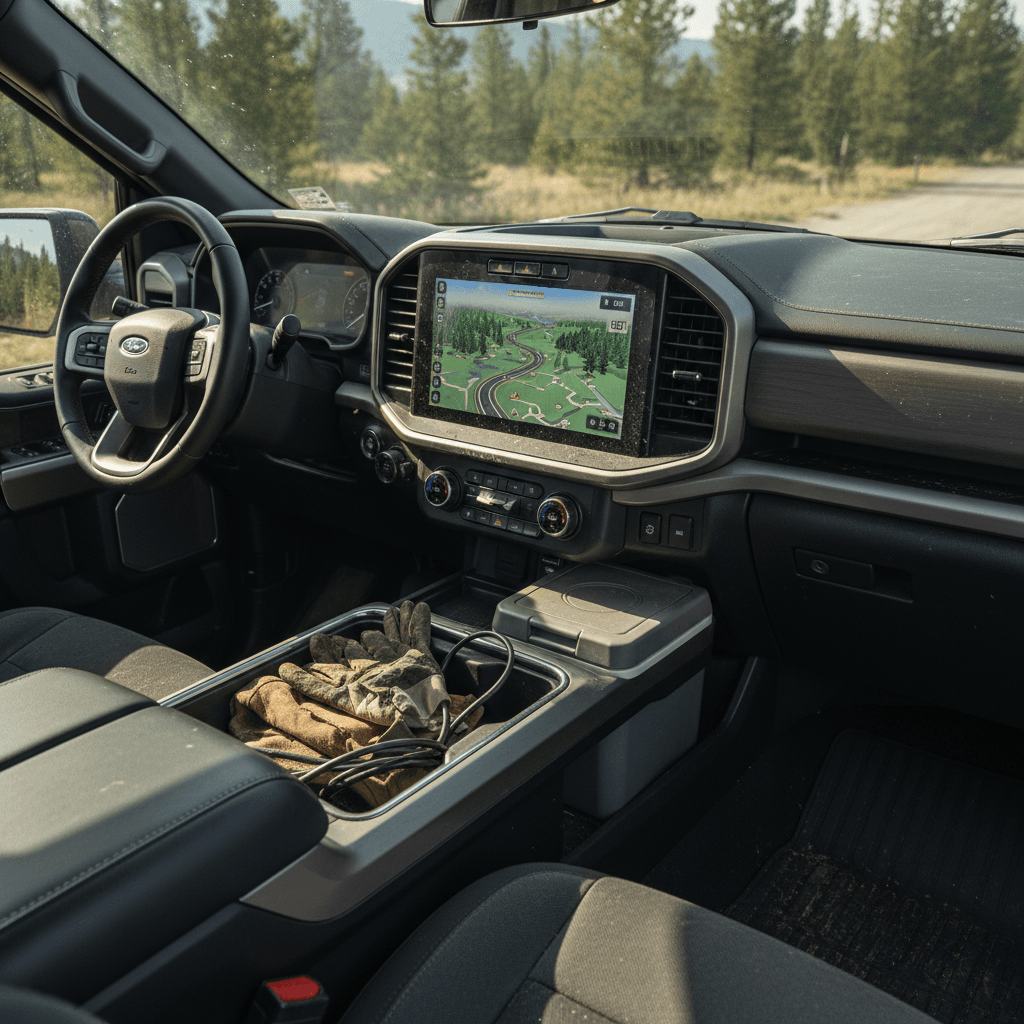
F-150 Lightning interior and usability
- Cabin: If you’ve driven any recent F‑150, the Lightning will feel familiar. Large physical controls, lots of storage, and an upright seating position.
- Tech: Ford’s SYNC screen is big and capable, but not as flashy as Rivian’s UI. You still get OTA updates and features like BlueCruise on some trims.
- Work life: Fold‑flat work surfaces, plenty of 120V/240V outlets, and Pro Power Onboard turn the truck into a rolling generator and office.
Rivian R1T interior and usability
- Cabin: More premium materials and a design language closer to a Scandinavian living room than a contractor’s truck. Seats and ride quality are excellent.
- Tech: Rivian’s software is polished, with clever drive modes, crisp mapping, and frequent OTA updates. But almost everything is touch‑based, less ideal with gloves.
- Utility: The gear tunnel, under‑bed storage, and integrated camp kitchen provisions make the R1T uniquely suited to adventure and overlanding.
Where each truck feels "at home"
Charging experience and road‑trip viability
Charging is where your zip code and travel habits matter more than spec sheets. Under $50k, you’re buying early‑generation trucks that may or may not have the full suite of future‑proof charging hardware or NACS (Tesla connector) support baked in.
Charging basics for both trucks
Charging a used F-150 Lightning
- Home charging: With a 48‑amp Level 2 charger, you can usually fully recharge overnight, even from low state of charge.
- Public DC fast charging: Early Lightnings rely primarily on CCS networks. As Ford adopts NACS, adapters and direct‑NACS trucks will change the landscape, but used inventory is a mix of both worlds.
- Smart use case: Ideal if most of your miles are local with occasional, planned fast‑charge trips.
Charging a used Rivian R1T
- Home charging: Similar story, Level 2 at home makes ownership painless. The truck can handle robust AC rates.
- Public DC fast charging: Rivian’s own Adventure Network plus CCS public chargers give you more options in some regions, fewer in others. As with Ford, NACS access is improving over time via hardware and adapters.
- Smart use case: Excellent for road‑trip‑heavy lifestyles in regions with good DC fast coverage.
How to sanity‑check long trips
Ownership costs, depreciation, and resale
From a total‑cost‑of‑ownership perspective, electric trucks flip the usual script. Energy and maintenance are cheap; depreciation can be brutal, especially on early‑build vehicles as tech improves. Under $50,000, you’re effectively letting the original owner eat much of that first‑owner pain.
Cost dynamics: Lightning vs R1T
Where each truck is winning, and losing, money for you.
Purchase price
- Lightning: Deeper discounts and more supply. Fleet sell‑offs mean more Pro and XLT trucks crossing into the $40k–$50k band.
- R1T: Limited supply keeps prices stickier. Finding a clean R1T under $50k takes more patience or higher mileage.
Maintenance & repairs
- Lightning: Benefits from Ford’s vast dealer network; parts pricing and processes feel familiar to truck owners.
- R1T: Over‑the‑air fixes are great, but collision and out‑of‑warranty repairs can be pricier and slower in some regions.
Depreciation & resale
- Both trucks have already taken a big first‑owner hit by the time they reach $50k.
- Future resale will hinge on battery health, software support, and how quickly new EV trucks push capability forward.
Battery health is your single biggest risk factor
Which used EV truck fits you? Buyer scenarios
Paper spec comparisons are useful, but most buyers boil down to a few clear‑cut scenarios. Here’s how a used Ford F‑150 Lightning vs a used Rivian R1T under $50,000 tends to shake out in the real world.
Match your use case to the right truck
Daily driver + light weekend utility
You commute under 60 miles per day and mostly haul home‑improvement supplies, bikes, and furniture.
You want easy dealer access and a cabin that feels like a familiar F‑Series.
You don’t regularly tow long distances.
<strong>Best fit:</strong> Used F‑150 Lightning Standard‑Range XLT or similar trim.
Adventure travel and overlanding
You value off‑road capability, clever storage, and a premium cabin.
You do more long‑distance highway travel and camping trips than jobsite work.
You’re comfortable with app‑centric controls and a smaller service network.
<strong>Best fit:</strong> Used Rivian R1T with Large battery and Dual or Quad Motor.
Towing and mixed work use
You tow equipment locally or regionally and need a truck bed that works like a truck.
You’ll install home Level 2 charging at your house or shop.
You want features like Pro Power Onboard to run tools from the truck.
<strong>Best fit:</strong> F‑150 Lightning with Extended‑Range battery and tow packages, if you can find one under $50k, even with higher miles.
Tech enthusiast and early adopter
You want the most futuristic feeling truck and are comfortable living on the bleeding edge.
You’re okay with occasional service quirks or software changes in exchange for rapid OTA improvements.
You’re more interested in unique design and capability than blending in at the jobsite.
<strong>Best fit:</strong> Rivian R1T, especially if you find one with a strong battery‑health report at a good price.
How Recharged helps you shop used electric trucks
Buying a used electric truck isn’t like buying a used gas F‑150. You’re evaluating software, charging behavior, and battery health as much as paint and tires. That’s why Recharged is built specifically around used EVs, including trucks like the F‑150 Lightning and Rivian R1T.
What you get when you shop used EV trucks with Recharged
1. Recharged Score battery‑health diagnostics
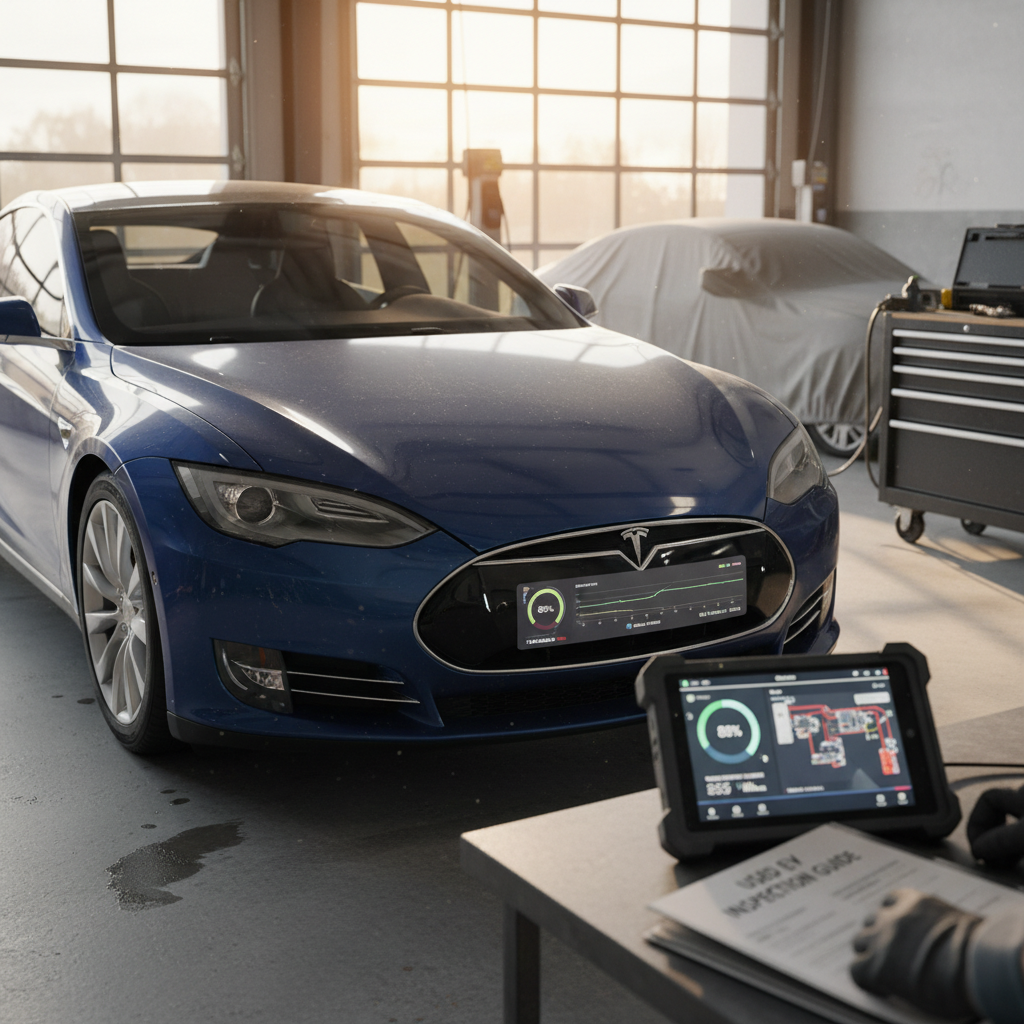
Every EV on Recharged comes with a Recharged Score Report that analyzes battery health, fast‑charge history, and degradation patterns, so you understand the pack before you buy.
2. Transparent, fair‑market pricing
Our pricing tools account for battery health, options, mileage, and evolving EV resale trends. You see how your truck stacks up against similar Lightnings and R1Ts nationwide.
3. EV‑specialist support
You’re not talking to a generic salesperson. Our specialists live and breathe EVs and can walk you through tradeoffs like Standard vs Extended Range or Dual vs Quad Motor.
4. Flexible ways to sell or trade
Already own an EV or gas truck? Recharged can give you an instant offer, help with trade‑in, or list your vehicle on consignment to maximize value when you upgrade.
5. Financing and nationwide delivery
You can finance your used Lightning or R1T through Recharged, complete paperwork online, and have the truck delivered to your driveway, or visit our Experience Center in Richmond, VA.
FAQ: Used F-150 Lightning vs Rivian R1T under $50k
Frequently asked questions
Bottom line: Choosing between Lightning and R1T
When you narrow the comparison to a used Ford F-150 Lightning vs a used Rivian R1T under $50,000, you’re not really asking which spec sheet wins, you’re asking what kind of truck life you want to live. The Lightning is the rational choice: easier to find, easier to service, and better tuned to traditional truck tasks. The R1T is the emotional choice: more distinctive, more capable off‑road, and a nicer place to spend long days on the road.
If you’re primarily a contractor or small‑business owner who also needs a family hauler, a used Lightning with a clean battery‑health report is likely the right answer. If you’re chasing mountain passes, national parks, and remote campsites, a well‑vetted R1T under $50k is a rare but compelling find. Either way, approach these trucks like the long‑lived, software‑defined machines they are: demand data on the battery, think honestly about your charging reality, and use an EV‑focused marketplace like Recharged to make sure the price you pay matches the truck you’re actually getting.