If you’re trying to time the market for a used electric vehicle, you’re not alone. After a wild few years of price swings, many shoppers want a clear, data‑driven used EV price forecast for 2027, and practical advice on whether to buy now or wait.
In a sentence
Why used EV prices in 2027 matter for you
Used EVs are no longer a niche experiment. In the U.S., used EV sales have been growing much faster than new EV sales, even as some automakers talk about an “EV winter.” At the same time, EVs still carry higher upfront prices and can depreciate faster than comparable gas cars, especially in the first 3–4 years of ownership.
That combination makes the 2026–2027 window unusually important. If you buy too early, you could catch the steepest part of the depreciation curve. If you wait too long, you could miss historically low prices on certain models as tax policy and supply normalize. The goal of this guide is to help you understand where prices are headed and how to protect yourself, whether you’re shopping now or planning ahead for 2027.
Where used EV prices stand today
Current used EV price snapshot (late 2024–early 2026)
Broadly, used EV prices have **come down from their 2021–2022 highs**, especially for non‑Tesla models. Average listing prices fell almost 9% year‑over‑year into late 2024, and many mainstream EVs now undercut comparable gas models on the used lot.
At the same time, the picture isn’t uniform. When U.S. federal EV tax credits for new and used vehicles expired on September 30, 2025, it pushed more price‑sensitive shoppers into the used market. In early 2026, data showed used Tesla prices ticking up again even as non‑Tesla EVs continued to soften, highlighting how brand and supply constraints can override broad market trends.
Watch the averages
5 key forces that will shape used EV prices by 2027
The five biggest drivers of 2027 used EV prices
Understand these, and the 2027 outlook gets much clearer.
1. Battery costs & tech
Battery pack prices fell about 20% in 2024 and are expected to drop below $100/kWh around 2026. Cheaper, longer‑lasting packs make new EVs more competitive, but they also raise the bar for older, short‑range models, putting extra pressure on first‑generation EVs.
2. End of U.S. tax credits
Federal tax credits of up to $7,500 for new EVs and $4,000 for used EVs ended on September 30, 2025. That removed a big subsidy from the new‑car side, making late‑model used EVs relatively more attractive, but also lowering what buyers can afford overall.
3. Supply surge of off‑lease EVs
Leases written in 2022–2024 will return in volume by 2026–2027. That means a wave of 3–5‑year‑old EVs, Teslas, Hyundai/Kia, Ford, VW, hitting the used market at once, increasing selection and putting downward pressure on prices in crowded segments.
4. Demand from value buyers
Even as new‑EV growth cools, used‑EV demand is rising from buyers who sat out the early years. They’re focused on cost‑per‑mile, not cutting‑edge tech, which supports values of practical, efficient models with healthy batteries.
5. Residual value normalization
Early fears that EVs would be total‑loss magnets are fading. More EVs are being repaired instead of written off, and several fully electric models now appear in top residual‑value rankings. As residuals stabilize, panic‑level discounting should ease.
Bonus: Policy & charging build‑out
Local incentives, electricity rates, and public‑charging build‑out will keep affecting regional pricing. Markets with robust charging and cheap power will generally support stronger used EV values than markets where charging remains painful.
How to read any 2027 forecast
Segment-by-segment used EV price forecast for 2027
Instead of one blunt prediction, it’s more useful to think in segments. Below is a directional view of where **average transaction prices** for common used‑EV types are likely to sit by late 2027 in today’s dollars, assuming normal economic conditions and no major new incentives. These are ranges, not guarantees, but they’re helpful for planning.
Directional used EV price outlook by segment (late 2027, U.S.)
Approximate transaction‑price ranges for typical 3–7‑year‑old used EVs with healthy batteries (≥80% SOH). All figures in today’s dollars.
| Segment | Typical Age in 2027 | Example Models | Likely Price Range* | Price Direction vs. 2024 |
|---|---|---|---|---|
| Short‑range compacts | 5–9 yrs | Nissan Leaf, BMW i3, early Fiat 500e | $8,000–$14,000 | Down (pressure from newer, longer‑range EVs) |
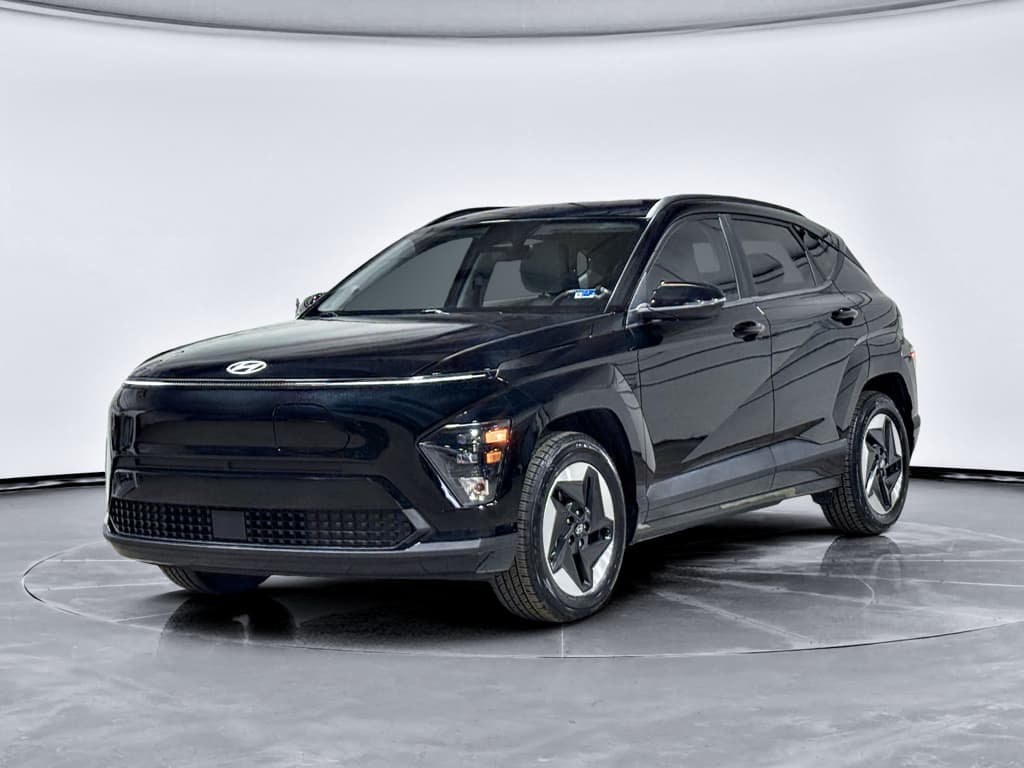
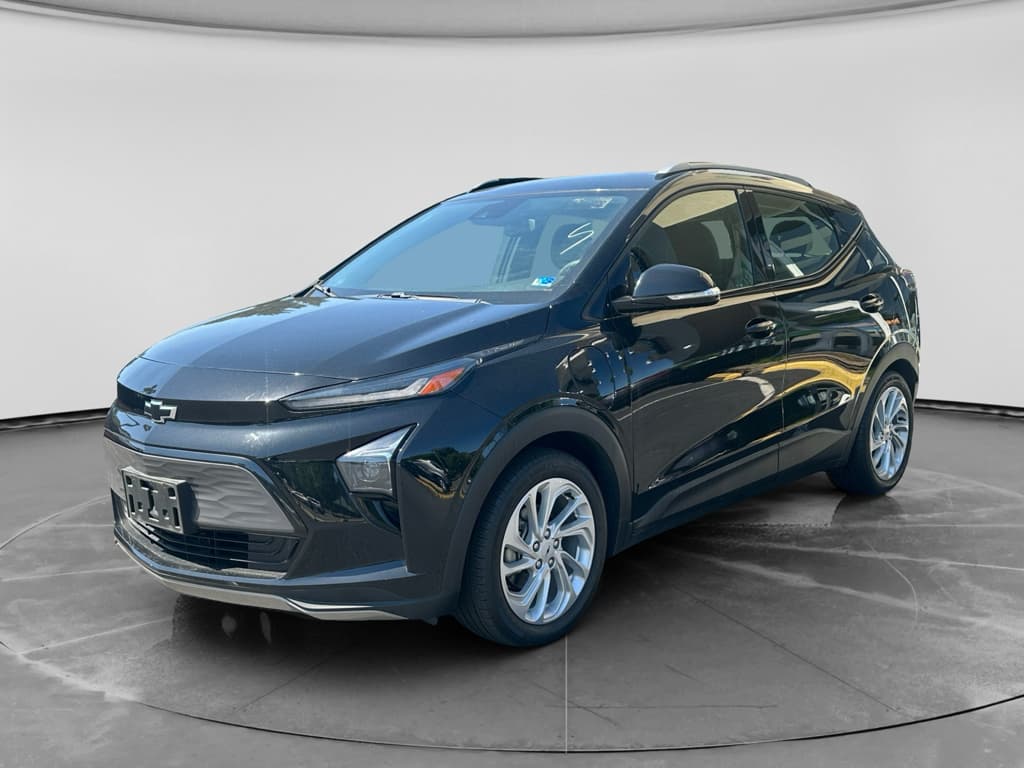
| Affordable mainstream hatchbacks & sedans | 3–7 yrs | Chevy Bolt EUV, Hyundai Kona Electric, VW ID.4 (base) | $14,000–$24,000 | Slightly down or flat |
| Popular crossovers & SUVs | 3–6 yrs | Tesla Model Y, Hyundai Ioniq 5, Kia EV6, Ford Mustang Mach‑E | $24,000–$36,000 | Mixed: Teslas firmer, others slightly down |
| Luxury & performance EVs | 3–7 yrs | Porsche Taycan, Audi e‑tron/ Q8 e‑tron, Mercedes EQ models | $28,000–$55,000+ | Soft; higher depreciation risk |
| Large trucks & adventure EVs | 3–5 yrs | Ford F‑150 Lightning, Rivian R1T/R1S, GMC Hummer EV | $40,000–$70,000+ | Uncertain; highly sensitive to new‑model pricing |
These are directional estimates meant for planning, not appraisals of any specific VIN.
Important disclaimer
Tesla vs. non‑Tesla: What 2027 prices may look like
Teslas: Brand strength, but no guarantees
Tesla still dominates the used EV market, and we’ve already seen that when policy or supply shifts, like the end of federal tax credits in late 2025, used Tesla prices can actually rise even as others fall. Strong brand recognition, software‑driven features, and access to the Supercharger network all support residual values.
By 2027, expect clean, well‑optioned Model 3 and Model Y examples with verified battery health to hold up relatively well compared with peers. Older Model S and X units, especially with high miles or battery concerns, will be far more price‑sensitive.
Non‑Tesla EVs: Better value, wider spread
Non‑Tesla EVs have generally depreciated faster, which is why many of the best deals today are Chevy Bolts, Hyundai/Kia crossovers, and first‑generation mainstream EVs. That story should mostly continue through 2027, with solid values for practical, efficient models, and heavy discounts for low‑range or niche vehicles.
The biggest wildcard is how quickly non‑Tesla brands gain seamless access to fast, reliable charging. As NACS (Tesla‑style) charging becomes more universal, the gap between Tesla and others should narrow, especially for 2024+ models.

How much will used EVs depreciate by 2027?
Most EVs still depreciate faster than comparable gas cars in their early years, but the curve is starting to normalize. Industry data from 2024–2025 show five‑year retained values in the **34–52%** range for popular EVs, meaning 48–66% depreciation over five years, depending heavily on brand and segment.
- A mass‑market crossover like a Hyundai Ioniq 5 or Tesla Model Y might retain ~40% of its original value after five years in line with many luxury ICE models.
- A mainstream compact EV with limited range, like early Nissan Leafs, can lose two‑thirds of its value over that same window.
- Premium performance EVs (Taycan, Hummer EV) often see steep early depreciation but may stabilize once they reach a smaller enthusiast buyer pool.
2027 depreciation snapshot (for a 2024 model)
What this means if you’re buying a used EV before 2027
The question everyone asks: “Will I regret buying now if prices drop further?” The honest answer is that timing the exact bottom is almost impossible. But you can stack the odds in your favor with a few concrete strategies.
Buyer playbook for 2026–2027
1. Prioritize battery health over year and miles
Battery State of Health (SOH) is the single biggest driver of long‑term EV value. A 5‑year‑old EV with 88% SOH can be a smarter buy than a 3‑year‑old example with 78%. Always insist on a <strong>verified battery report</strong>, not just a range guess.
2. Focus on 3–5‑year‑old vehicles
By 3–5 years, the steepest depreciation is usually behind you, but you still get modern range, tech, and safety. This is often the sweet spot for cost‑per‑mile ownership, especially on popular crossovers and sedans.
3. Avoid short‑range first‑generation models, unless they’re cheap
Older EVs with real‑world range under ~120 miles will face the most pricing pressure as newer, longer‑range models flood the market. They can still be great city cars, <strong>if</strong> you buy them at an appropriately low price and understand the limitations.
4. Compare total cost, not just sticker price
Lower purchase prices can be wiped out by high insurance, expensive out‑of‑warranty repairs, or paid DC fast charging. Look at a 5‑year total cost picture: purchase, financing, electricity, maintenance, and potential resale.
5. Use price declines to your advantage, not as a reason to freeze
If prices are drifting down slowly, that’s an opportunity to negotiate, not necessarily a signal to stay on the sidelines. Just avoid overpaying for models likely to face outsized future depreciation (low‑range or niche luxury EVs).
6. Insist on transparency from the seller
On a used EV, you want to see battery diagnostics, charging history where possible, accident records, and a fair‑market price benchmark. If the seller can’t provide that, move on, there is more supply coming.
The biggest mistake to avoid
How Recharged helps you navigate a volatile used EV market
Because pricing is so dependent on battery condition, model‑specific trends, and policy changes, guessing is expensive. Recharged was built to strip guesswork out of the used‑EV experience.
Shopping used EVs with more confidence
How Recharged reduces the risk of buying in a choppy 2027 market.
Recharged Score battery report
Every vehicle on Recharged comes with a Recharged Score Report that includes verified battery health, range estimates, and other key condition metrics, so you’re not buying blind.
Fair, data‑driven pricing
Our pricing tools look at current market data, model‑specific depreciation, options, and battery health to benchmark a fair market price, not just whatever the last auction brought.
Expert guidance & flexible ways to buy
From EV‑specialist support and financing to trade‑ins, instant cash offers, consignment, and nationwide delivery, Recharged helps you structure the deal that matches your risk tolerance and budget.
If you’re in or near Virginia, you can also visit our Richmond Experience Center to talk with EV specialists in person, compare models, and review real battery‑health reports before you buy. Prefer digital? You can complete the entire purchase process online, from browsing to signing to delivery.
FAQs: Used EV price forecast 2027
Frequently asked questions about 2027 used EV prices
Bottom line: Should you wait until 2027?
If you’re hoping for a 2027 fire sale on used EVs, you’re likely to be disappointed. The more realistic outlook is **gradual softening**, rising supply, and increasingly sharp splits between winners and losers: practical crossovers and sedans with healthy batteries on one side, and low‑range or niche luxury EVs on the other.
If you need an EV for commuting or family duty, waiting purely for an extra few percentage points of depreciation can easily cost you years of lower running costs and a better driving experience. A smarter approach is to decide what role the car needs to fill, target models with strong real‑world demand and good charging options, and then use objective data, especially battery health and market‑based pricing, to make your move when the right car appears.
That’s exactly the problem Recharged is built to solve. Whether you end up buying in 2026, 2027, or beyond, going in with clear expectations and verified information will matter far more than guessing the perfect month to sign the paperwork.