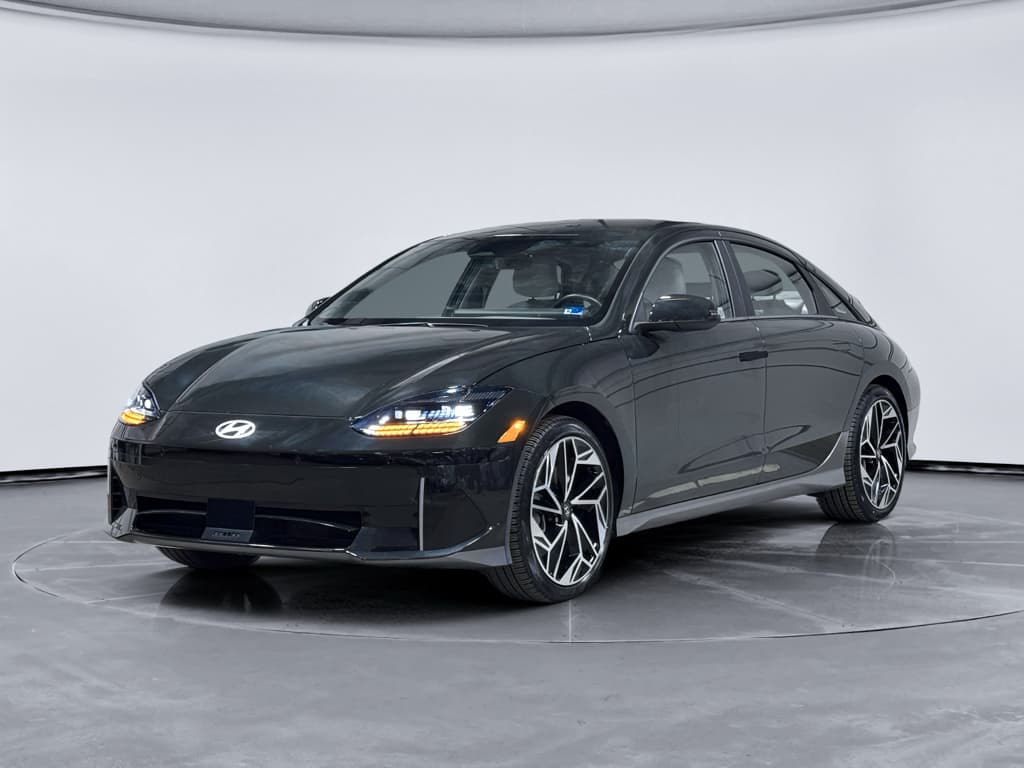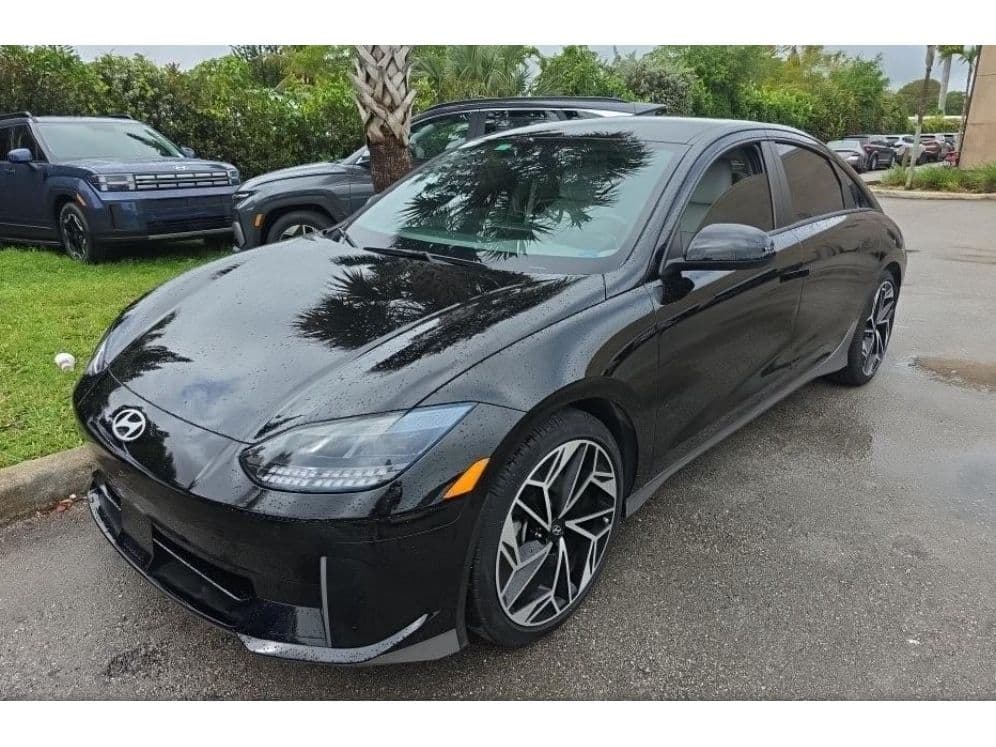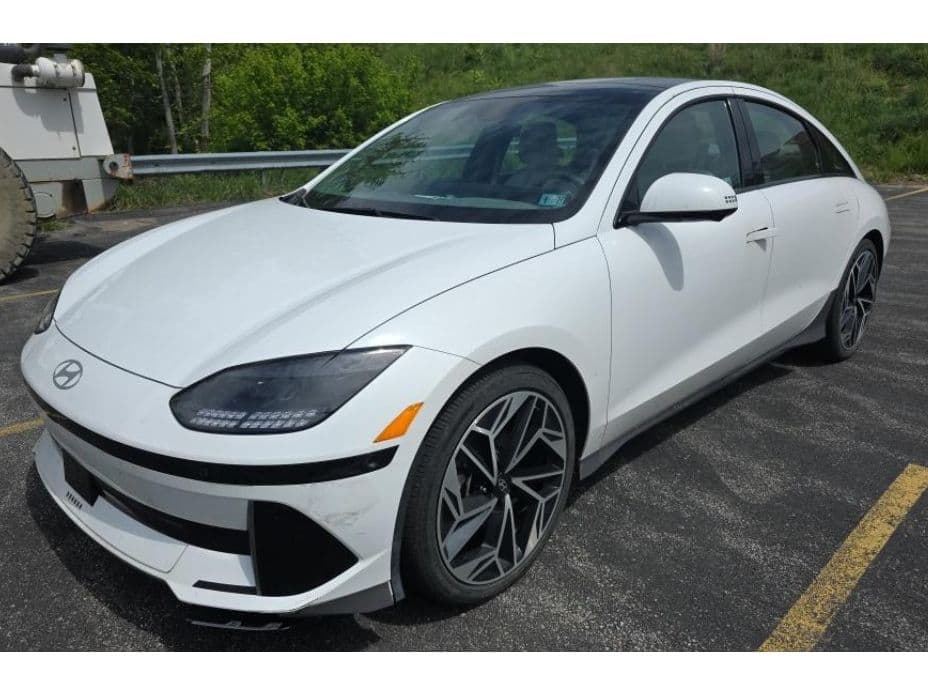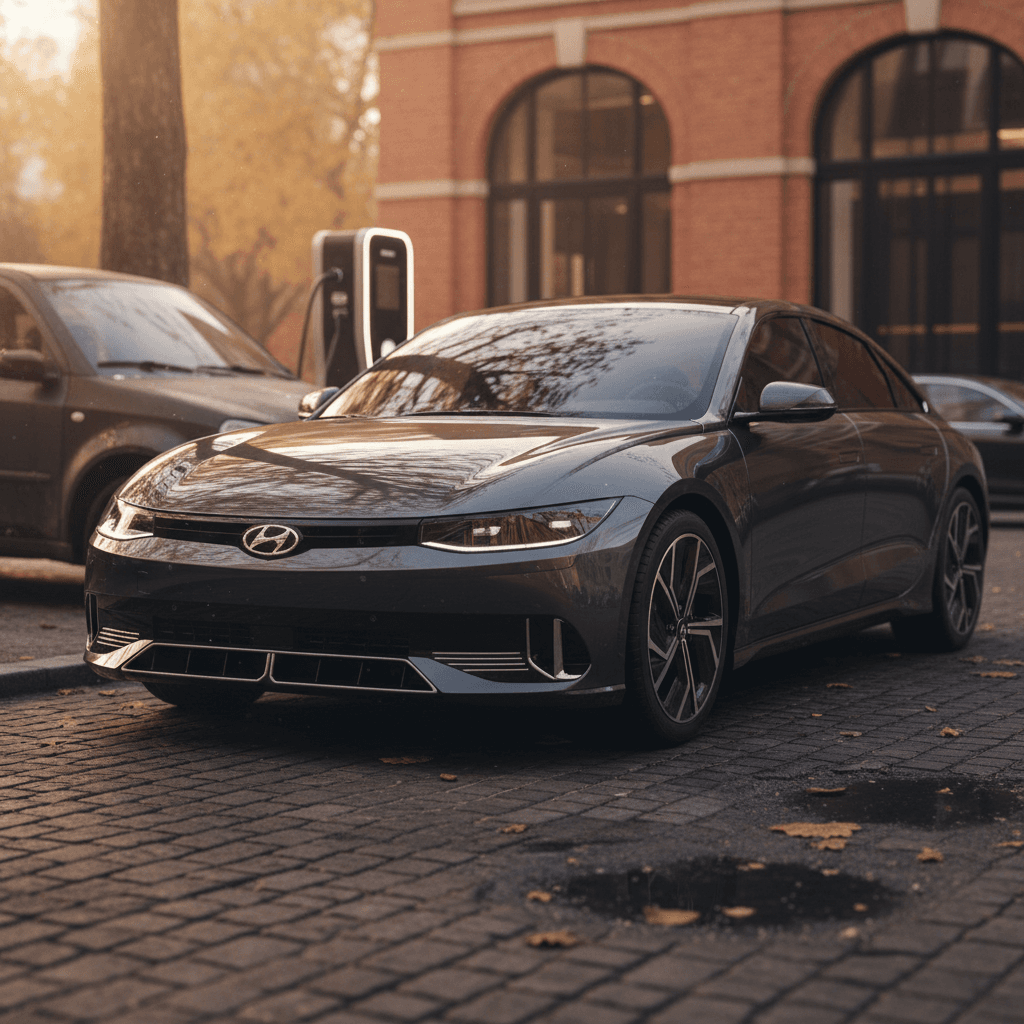
If you’re wondering whether the 2026 Hyundai Ioniq 6 is a good buy, you’re really asking two different questions. First: does the new, high‑performance Ioniq 6 N make sense as a new EV purchase? Second: are the earlier 2023–2025 Ioniq 6 models smart buys on the used market now that Hyundai has pulled the regular sedan from its U.S. lineup?
Key context for 2026 shoppers
Quick answer: Is the 2026 Ioniq 6 a good buy?
2026 Ioniq 6 value snapshot
Broadly, here’s how to think about it:
- 2026 Ioniq 6 N (new): A niche, very quick performance EV with track‑ready tuning and higher pricing. It’s a good buy only if you specifically want a high‑power electric sport sedan and accept stiffer ride, higher tire costs, and likely limited incentives.
- Used 2023–2025 Ioniq 6 (SE/SEL/Limited): For most shoppers, this is where the real value lies. Deep discounts and heavy depreciation mean you can often get long‑range, ultra‑fast‑charging capability for surprisingly little money, especially compared with new EVs or luxury gas sedans.
- If you prioritize range, efficiency, and comfort over SUV height, a well‑vetted used Ioniq 6 can be one of the smartest EV buys in 2026. If you want a mainstream new Hyundai EV, the Ioniq 5 or Kona Electric probably make more sense than chasing a 2026 Ioniq 6 N.
Where Recharged fits in
Ready to find your next EV?
Browse VehiclesWhat changed for 2026: Ioniq 6 lineup reality check
Hyundai’s decision for the 2026 model year in the U.S. is important context for your buying decision:
Ioniq 6 in 2026: what’s actually on the table
Performance halo new, value play used
Regular Ioniq 6 discontinued in U.S.
Ioniq 6 N performance model arrives
This split has two big implications for shoppers:
- If you want a new Ioniq 6 in 2026, you’re basically shopping for a performance halo car, not a mainstream sedan.
- If you want a practical, efficient Ioniq 6 as a daily driver, your best route is a used 2023–2025 model, where supply is growing and depreciation is doing you a favor.
Don’t let “discontinued” scare you off
Ioniq 6 strengths: range, charging, and comfort
Strip away the styling debates and lineup drama, and the Ioniq 6’s fundamentals are strong, especially for earlier SE/SEL/Limited trims:
Ioniq 6 range and battery basics (U.S. trims)
Approximate EPA-estimated ranges and battery sizes for 2024–2025 models. Exact figures vary slightly by model year and wheel choice, but this captures the landscape most used buyers will see.
| Trim | Drivetrain | Battery (kWh) | EPA-est. range (mi) | Notes |
|---|---|---|---|---|
| SE Standard Range | RWD | 53 | ~240 | Best price point but smallest battery; uncommon in some regions. |
| SE Long Range | RWD | 77.4 | ~361 | Headline efficiency champ with 18" wheels. |
| SEL / Limited RWD | RWD | 77.4 | ~305 | More equipment and 20" wheels trade some range for style and grip. |
| SE / SEL / Limited AWD | Dual‑motor AWD | 77.4 | ~270–316 | Stronger acceleration, still respectable range for an AWD sedan. |
Earlier Ioniq 6 sedans offer some of the best sedan range figures on the U.S. EV market.
On top of that, the Ioniq 6 rides on Hyundai’s 800‑V E‑GMP platform. In plain English, that means genuinely fast DC charging when you find a capable charger. Real‑world 10–80% sessions in the 18–25 minute window are routine in good conditions, which makes the car competitive with far more expensive EVs on road trips.
1. Long, real‑world range
The Ioniq 6’s sleek aero and relatively light weight pay dividends in efficiency. Even the mid‑trim cars with 20" wheels can offer comfortable highway ranges, and the SE Long Range RWD remains one of the few EV sedans that can realistically cover 300+ miles on a charge in moderate conditions if you drive reasonably.
2. Comfortable, quiet, and tech‑rich
Inside, the Ioniq 6 leans more toward "electric lounge" than bare‑bones eco car: dual 12.3" screens, strong driver‑assist features, and a quiet cabin. The rear floor is flat, and while the sloping roof eats into headroom, legroom is generous. If you’re used to compact sedans, this feels a class up in comfort.
Trim choice matters
Where the Ioniq 6 falls short
Every EV is a bundle of trade‑offs. For the Ioniq 6, the main weak points aren’t about the powertrain itself, they’re about market positioning, body style, and some growing‑pains issues.
- Body style vs. American tastes: U.S. buyers overwhelmingly prefer crossovers and SUVs. The Ioniq 6 is a low, sleek sedan with a relatively small trunk opening, which makes it less appealing for families who are used to hatches and crossovers.
- Depreciation: New pricing, shifting incentives, and limited name recognition have pushed early Ioniq 6s into heavy depreciation territory. That hurts if you buy new and sell in 2–3 years; it’s great if you’re the second owner looking for a deal.
- Software and OTA expectations: Hyundai marketed over‑the‑air update capability, but owners have often seen slow, incremental updates rather than Tesla‑style feature rollouts. If you’re expecting a constantly evolving software experience, you may be disappointed.
- Charging network reality: The car’s hardware is excellent, but your experience still depends on the public networks where you live. As the industry transitions toward NACS and better reliability, you’ll want to plan your routes and charging apps carefully.
- Emerging reliability concerns: Like many E‑GMP cars, the Ioniq 6 shares components such as the ICCU (integrated charging control unit). There have been scattered reports of failures and service delays. They’re not universal, but they’re worth screening for when you evaluate a used car.
Why due diligence matters on a used Ioniq 6
New 2026 Ioniq 6 N vs used 2023–2025: Which is the better buy?
Because the 2026 U.S. lineup is essentially “Ioniq 6 N or used,” it’s worth being explicit about who each path really serves.
Who should consider the 2026 Ioniq 6 N vs used cars
Two very different buyers, one nameplate
2026 Ioniq 6 N: Buy if…
- You want a high‑performance EV with track capability and are willing to pay for it in price, tires, and insurance.
- You’re okay being an early adopter on a relatively rare model.
- You value the updated styling and performance tuning more than lowest cost of ownership.
Used 2023–2025 Ioniq 6: Buy if…
- You want maximum value per dollar in a comfortable, efficient EV sedan.
- You care more about quiet highway miles and fast charging than Nürburgring lap times.
- You’re happy to let the first owner eat the depreciation while you enjoy a still‑young car with significant warranty left.
For 90% of shoppers asking whether a “2026 Hyundai Ioniq 6 is a good buy,” the real answer is: look closely at a well‑documented used Ioniq 6 from 2023–2025. The 6 N is exciting, but it’s a niche halo product, not a rational value play.
Costs, depreciation, and total value
Hyundai undercut many competitors with aggressive price cuts on new 2024–2025 Ioniq 6 models, and the used market has followed with some eye‑opening deals. It’s not unusual in 2026 to see low‑mileage SEL and even Limited trims listed far below their original MSRP.
How the value story typically looks in 2026
Actual prices vary by region and incentives, but this gives a directional view of where the Ioniq 6 tends to land in the market relative to its capabilities.
| Scenario | What you pay for an Ioniq 6 | What you’re getting |
|---|---|---|
| New 2026 Ioniq 6 N | High five‑figures+ (performance EV pricing) | Track‑capable performance sedan, limited supply, niche buyer. |
| New 2025 Ioniq 6 (leftover inventory, if any) | Often discounted from original MSRP | Great hardware but shrinking incentives; risk of further depreciation if you sell quickly. |
| Used 2023–2024 Ioniq 6 SEL/Limited | Substantially below original sticker after 2–3 years | Long‑range battery, fast charging, and a lot of tech for the money, plus remaining Hyundai warranties. |
Heavy early depreciation hurts first owners but creates opportunity for informed used buyers.
Compare against alternative EVs, not just gas sedans
- How an Ioniq 6’s total cost of ownership compares to a gas sedan or small SUV you’re considering.
- Whether a trade‑in or consignment makes more sense if you’re coming out of another vehicle.
- Financing options that fit how quickly you expect EV tech and incentives to change.
Battery health: What to know before you buy used
Hyundai’s 10‑year/100,000‑mile battery warranty in the U.S. is a major safety net, but it isn’t a substitute for understanding the health of the specific pack in front of you.
Battery due‑diligence checklist for an Ioniq 6
1. Confirm remaining factory warranty
Check in‑service date and mileage so you know exactly how much of Hyundai’s 10‑year/100,000‑mile high‑voltage battery coverage is left. Many 2023–2024 cars will still have years of coverage in 2026.
2. Look at real‑world range vs. spec
Test drive the car with a reasonably full battery and compare indicated range to the original EPA estimate for that trim. Modest loss over a few years is normal; dramatic gaps can justify a deeper look.
3. Review DC fast‑charging history
Heavy, frequent DC fast‑charging isn’t an automatic deal‑breaker, E‑GMP is built for it, but extreme use, especially in hot climates, can accelerate wear. Ask for service records or telematics summaries where available.
4. Check for charging‑system work
Ask explicitly about ICCU or onboard‑charger repairs and how they were resolved. A properly repaired car can be a fine buy; repeated failures with vague documentation are a red flag.
5. Get an independent health report
Whenever possible, pair your own evaluation with an objective report. Every Ioniq 6 sold by Recharged includes a <strong>Recharged Score</strong> that quantifies pack health, fast‑charge performance, and thermal behavior.
How Recharged evaluates Ioniq 6 battery health
Charging experience: Home, public, and road trips
On paper, the Ioniq 6 is one of the best‑charging EVs available: 800‑V architecture, strong peak charge rates, and a very efficient drivetrain. In the real world, your experience depends heavily on how you plan to use the car.
Home charging
If you can install a Level 2 charger at home, the Ioniq 6 is easy to live with. A 240‑V, 40‑amp circuit and a quality home EVSE will typically refill a depleted long‑range battery overnight. Hyundai has often bundled home‑charging credits with new sales; when you’re buying used, you’ll want to budget for your own hardware and installation.
If you’re not sure what you need, Recharged can help you size a home charger and even coordinate installation as part of your purchase process.
Public and road‑trip charging
On road trips, the Ioniq 6’s fast‑charge capability shines when it’s paired with a strong DC fast‑charging network. In 2026, many networks are improving uptime and reliability, and more automakers, including Hyundai, are aligning around the North American Charging Standard (NACS). As that transition rolls out, expect access to better stations, especially along major corridors.
The bottom line: the hardware won’t hold you back. You’ll just want to plan routes using multiple networks and keep a backup option in mind, like you would with any non‑Tesla EV today.
Plan your road trips, don’t wing them
Checklist: Is an Ioniq 6 right for you?
Use this quick checklist to decide whether a 2026‑era Ioniq 6 (new N or used 2023–2025) fits your needs better than an Ioniq 5, Kona Electric, or another EV.
Quick fit checklist
You’re okay with a sedan, not an SUV
The Ioniq 6 sits low and sleek. If you absolutely need a tall ride height or a giant hatch, you may be happier in an Ioniq 5 or another crossover.
You value highway comfort and efficiency
If your driving is mostly commuting and highway trips, the Ioniq 6’s aero and quiet ride make more sense than a boxier crossover at the same price.
You’re willing to do a bit of homework
Because depreciation and some early reliability complaints make the market messy, you’re ready to dig into service history, battery health, and pricing rather than buying purely on looks.
You care about fast charging
You plan at least occasional road trips and value 800‑V fast charging now, and potentially broader NACS access later, as a real advantage over slower‑charging rivals.
You’re budget‑sensitive but tech‑curious
You want as much future‑proofed EV hardware as you can get, but you’d rather let someone else pay new‑car pricing. A vetted used Ioniq 6 hits that sweet spot.
FAQ: 2026 Hyundai Ioniq 6 buying questions
Frequently asked questions
Bottom line: Should you buy an Ioniq 6 in 2026?
In 2026, the Hyundai Ioniq 6 is an oddball in the best sense. As a new car, the 6 N is a niche, thrilling EV for performance‑minded drivers. As a used car, the 2023–2025 Ioniq 6 is quietly becoming one of the most interesting bargains in the EV world: long range, ultra‑fast charging, strong warranties, and heavy depreciation creating room for savvy buyers.
If you’re willing to live with a sedan rather than an SUV, and you buy with eyes open about battery health, charging hardware, and software expectations, then a carefully vetted Ioniq 6 can absolutely be a good buy in 2026. Work with an EV‑focused retailer like Recharged, lean on tools like the Recharged Score, and you can capture the upside of this under‑appreciated sedan while dodging most of the risks.