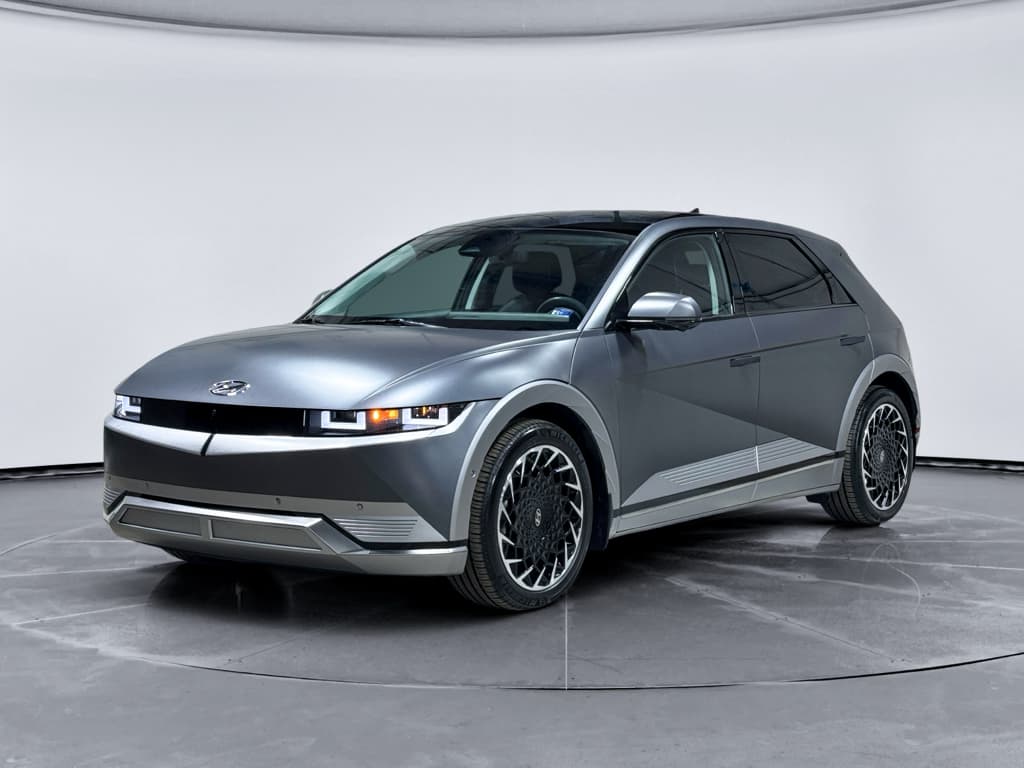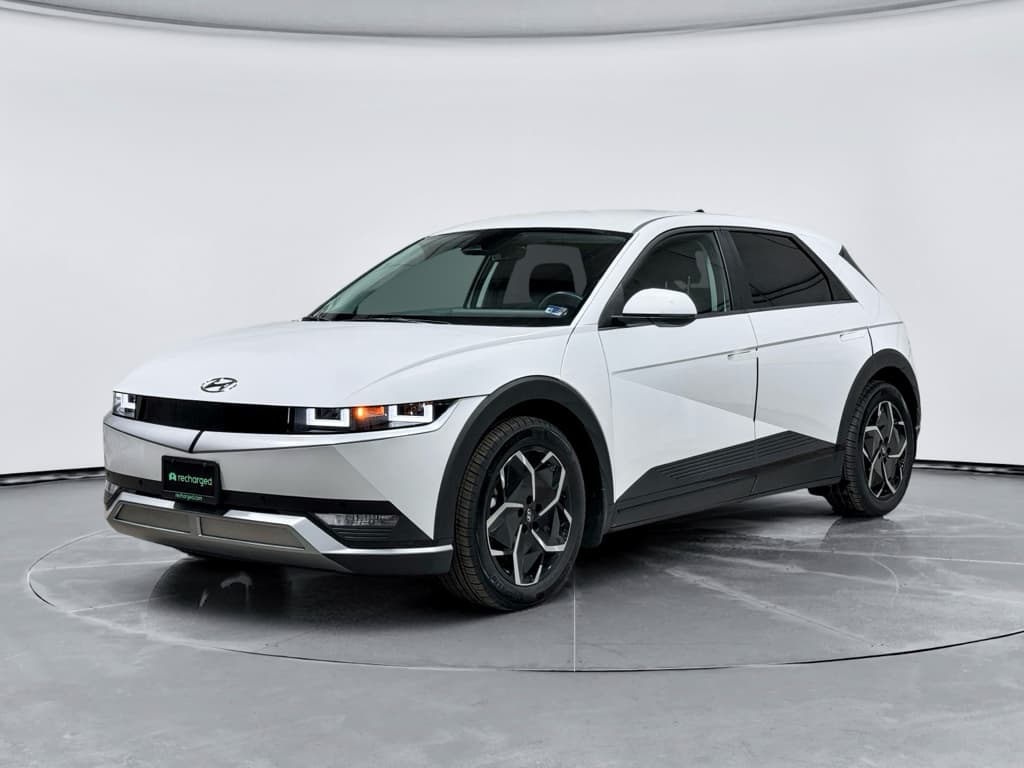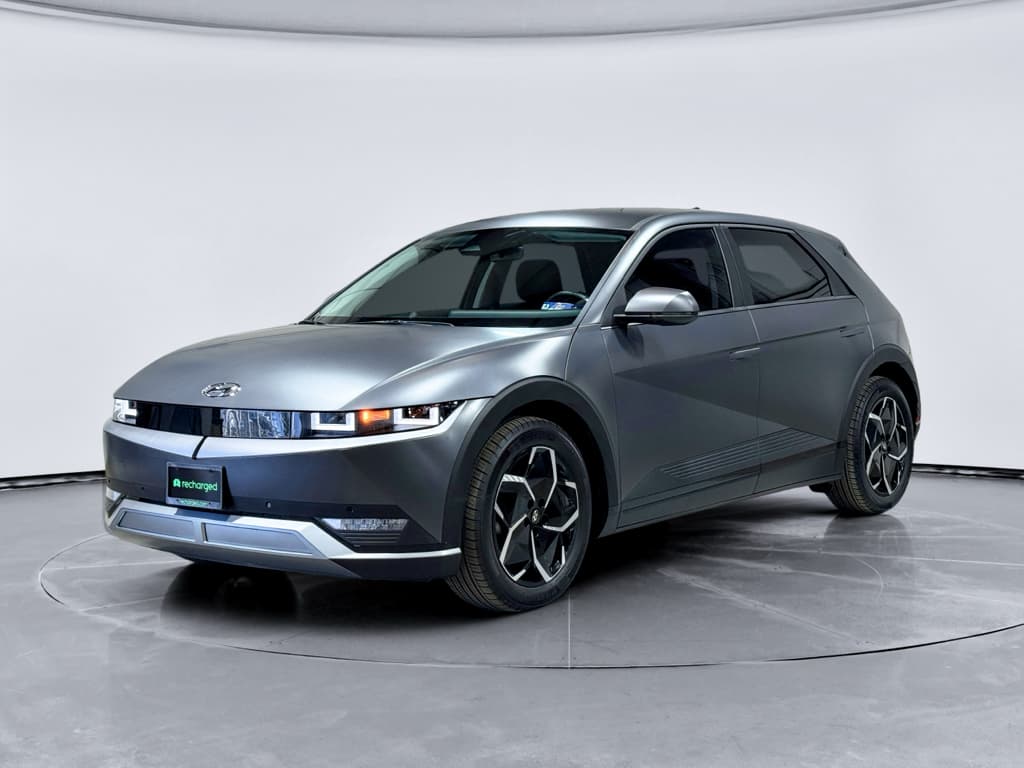
If you’re looking at a 2024 Hyundai Ioniq 5, you’ve probably already heard the horror stories: cars that won’t charge, mysterious warning lights, software updates that take all afternoon. This guide walks through the real‑world 2024 Hyundai Ioniq 5 problems and fixes so you can separate Reddit folklore from issues that actually matter, especially if you’re shopping used.
Good news up front
Overview: How troublesome is the 2024 Ioniq 5 really?
On paper, the 2024 Ioniq 5 carries over the same E‑GMP platform that launched in 2022. That means most of the platform’s strengths, and its early teething pains, are still in play. Owner surveys and reliability data show decent overall reliability for 2024, but a cluster of complaints around charging electronics, software quirks, and occasional electrical gremlins persists.
2024 Ioniq 5 problem patterns at a glance
Quick take: Should you worry about 2024 Ioniq 5 problems?
What’s genuinely concerning
- ICCU and wiring issues that can disable DC fast charging or the car entirely until repaired.
- Intermittent Level 2 charging interruptions and error messages on some cars.
- Scattered reports of 12‑volt battery drain causing no‑start situations.
- Software campaigns that can mean long update times and temporary feature losses while updating.
What’s mostly livable
- Occasional infotainment lag and navigation weirdness, often fixed with updates or a reboot.
- Wind and tire noise on certain wheel/tire setups, annoying, but not catastrophic.
- Random trim rattles or hatch noises that can usually be adjusted under warranty.
- The usual EV learning curve around charging speeds, cold‑weather range, and preconditioning.
Used‑buyer pro tip
Most common 2024 Hyundai Ioniq 5 problem areas
Across owner reports, forums, and warranty data, the 2024 Ioniq 5’s trouble spots look a lot like the earlier years, just a little better controlled. Here are the big buckets, plus how they usually show up and what to do about them.
ICCU failures and charging shutdowns
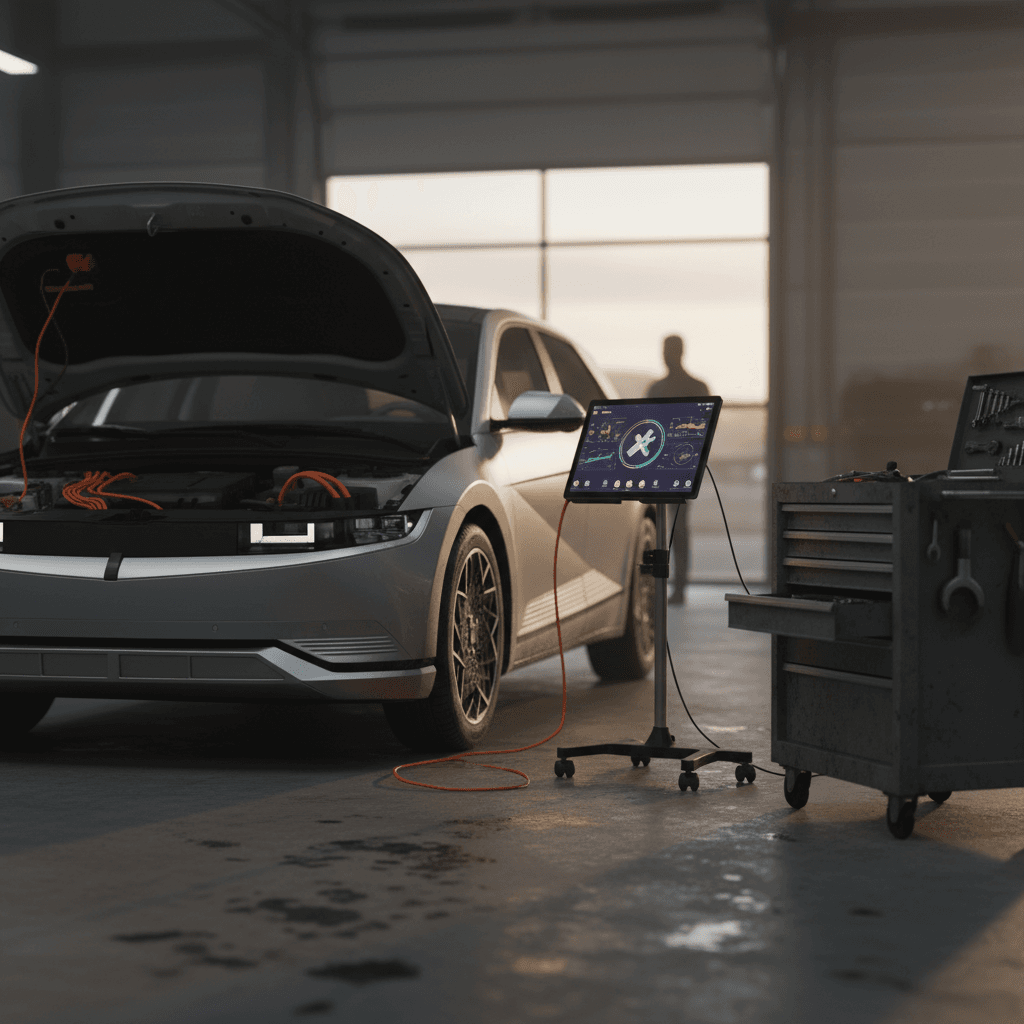
The Ioniq 5’s Integrated Charging Control Unit (ICCU) is the brains-and-brawn box that converts AC to DC for the battery and manages on‑board charging. On 2022–2024 cars, it’s also the star of the show when something goes wrong. Owners describe everything from warning lights and reduced charging speeds to a complete refusal to DC fast charge, or even move, after a failure.
Common ICCU‑related symptoms on 2024 Ioniq 5
What you might see if your Ioniq 5’s charging control hardware or wiring is unhappy.
| Symptom | When it happens | What it likely means | What to do next |
|---|---|---|---|
| DC fast charging stops or won’t start | At public fast chargers | ICCU or related wiring may be overheating or faulting | Stop trying to force‑charge, document messages, and schedule dealer diagnosis. |
| Multiple warning lights and reduced power | While driving or shortly after charging | High‑voltage system protection kicking in | Pull over safely, power cycle the car, and call roadside assistance if warnings persist. |
| Car won’t go into drive after charging | Immediately after a session | Charging system fault stored in memory | Do not keep trying to force it; have the car towed to Hyundai service. |
| Frequent ‘charging fault’ messages on both home and public chargers | Randomly over weeks or months | Early stages of charging electronics or harness trouble | Log where and how it happens, then get it inspected under warranty. |
Not every error message is an ICCU failure, but this cluster of symptoms is worth taking seriously.
Why ICCU issues matter
- Hyundai has issued major recalls and service campaigns covering 2022–2024 Ioniq 5 models for charging‑control and wiring issues, including harness overheating and ICCU failures.
- Repairs typically involve replacing the ICCU, updating software, and sometimes replacing sections of the wiring harness.
- Most 2024s will still be well within the 5‑year/60,000‑mile basic warranty and the 10‑year/100,000‑mile EV component warranty, so owner cost is usually $0, time is the real pain point.
Level 2 charging glitches and fixes
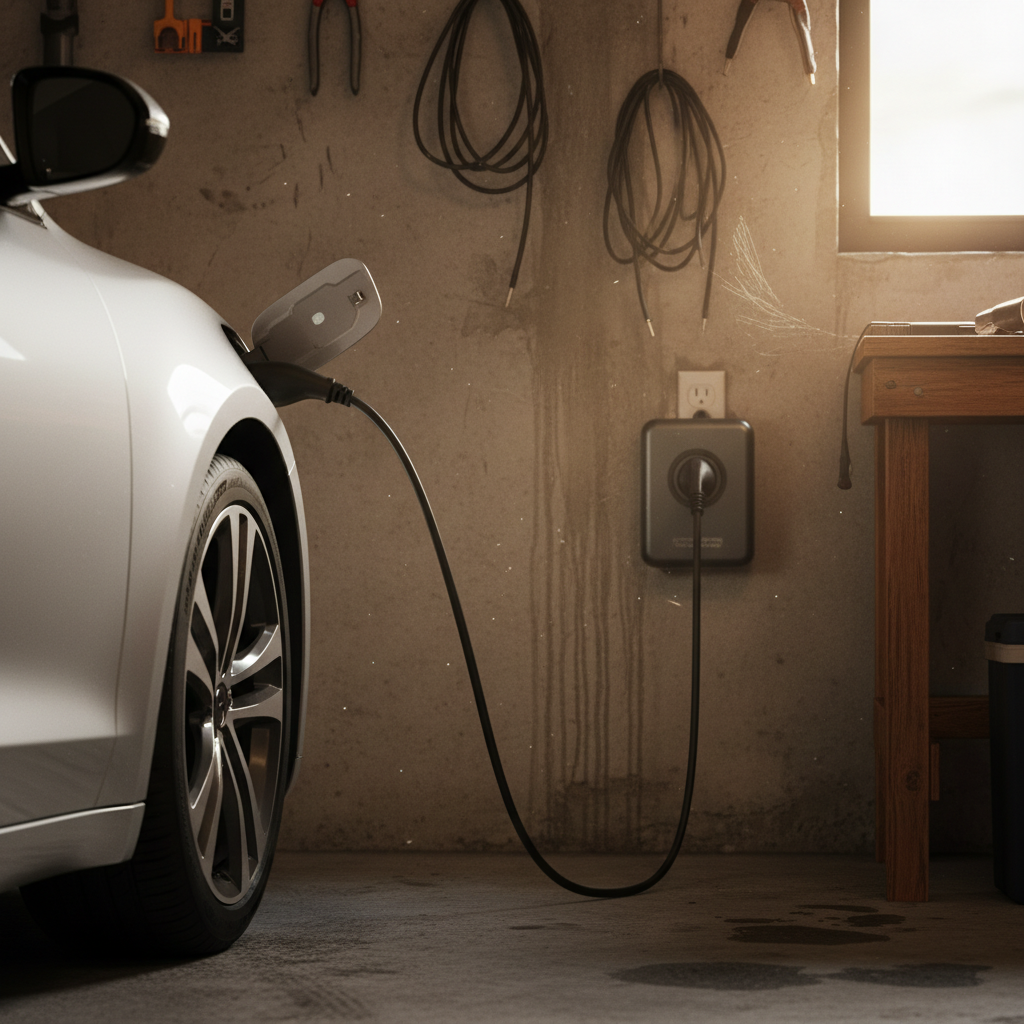
Alongside the big ICCU stories, a quieter theme with the 2024 Ioniq 5 is finicky Level 2 charging: home sessions that stop after 10–30 minutes, error codes on the dash, or an app notification that charging ‘interrupted’ even though the power never went out.
Common Level 2 charging complaints on 2024 Ioniq 5
Most of these are fixable with a mix of software updates and good electrical hygiene.
Randomly interrupted sessions
Charging starts normally, then stops mid‑session with a brief warning, often resuming again later or not at all.
Often tied to firmware quirks or communication issues between the EVSE (home charger) and the car.
Charger won’t start
You plug in and nothing happens, or you get a ‘Check charger’ message even though other EVs charge fine.
Could be a picky handshake between the car and a particular station, or an early sign of a charging module problem.
Home vs. public behavior
Some owners report problems only at home, or only on one brand of public Level 2 station.
That pattern helps your technician decide whether to start with your home wiring, EVSE, or the car itself.
Quick DIY checklist before blaming the car
1. Try at least two different Level 2 chargers
If the car misbehaves on one charger but works flawlessly on another, the problem may be the EVSE or its wiring, not the Ioniq 5.
2. Check your home circuit and breaker size
A 40‑ or 50‑amp dedicated circuit, properly wired, is crucial. Have a licensed electrician verify connections and tighten lugs if needed.
3. Update the car’s software
Some charging interruptions are explicitly addressed in software campaigns. If your Ioniq 5 is nagging you for an update, don’t ignore it.
4. Log dates, times, and chargers
Keep a simple log of when and where charging fails, including station brand and any error codes. This makes dealer diagnosis much easier.
12‑volt battery and no‑start issues
Like many modern EVs, the Ioniq 5 still relies on a humble 12‑volt battery to wake up the computers and close the high‑voltage contactors. If that small battery is weak, or the car’s energy management logic misbehaves, you can get the maddening experience of a fully charged traction battery and a car that won’t ‘turn on.’
- Symptoms include dim interior lights, multiple error messages at startup, or the car refusing to shift into gear.
- In many cases, a simple 12‑volt battery replacement fixes the problem outright; in others, a software update addresses improper charging of the 12‑volt system.
- If you’re shopping used, a 2024 that’s already had its 12‑volt battery replaced isn’t automatically a red flag, but ask why, and check for any related warranty work.
Easy prevention move
Software bugs, OTA updates, and infotainment drama
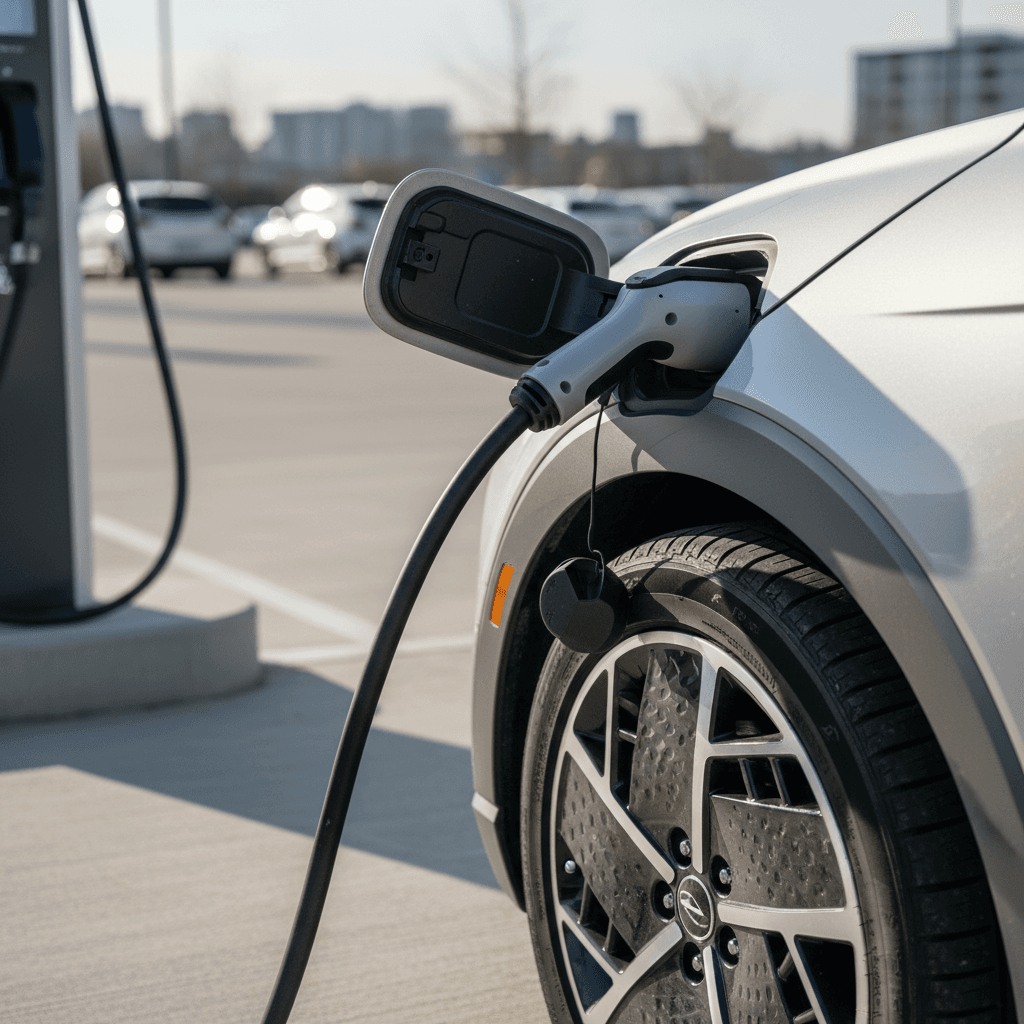
If the Ioniq 5 were a person, its software would be the mercurial artist friend who sometimes forgets what day it is. Owners of 2024 cars report everything from harmless quirks, Android Auto lag, frozen camera views, to multi‑hour over‑the‑air (OTA) updates that temporarily knock out features while they install.
Typical 2024 Ioniq 5 software annoyances
Most are more irritating than dangerous, but still worth fixing.
Infotainment & nav glitches
- Map data that lags behind reality.
- Occasional freezes or reboots of the center screen.
- Connectivity issues with the Hyundai app, especially around remote charging status.
Many of these improve with the periodic nav/infotainment updates Hyundai posts via its updater tool and OTA campaigns.
Software recalls and warnings
- Instrument cluster display bugs on newer builds prompting recall campaigns.
- Messages in the car warning that a large software update is coming and certain features (like the rear camera) will be unavailable during installation.
- Dealers telling owners to use older model‑year software files for manual updates.
This is classic first‑generation EV chaos: the platform is good, the software roadmap is still catching up.
Never ‘mix and match’ Ioniq software
Ride, noise, and tire wear complaints
Under the skin, the 2024 Ioniq 5 is a long‑wheelbase, heavy EV with instant torque and big wheels. Unsurprisingly, owners report a few old‑school issues: fast‑wearing tires, road noise, and occasional vibration as the miles stack up.
- OEM low‑rolling‑resistance tires can develop cupping or uneven wear if rotations are skipped or alignment is slightly off, leading to a ‘thrum’ at highway speeds.
- Some owners describe foam‑lined tires where the internal foam insert separates and causes balance issues; the fix is simply new tires.
- Wind noise around the mirrors and A‑pillars is a common EV complaint at 70+ mph, there’s not much drivetrain noise to mask it.
Simple ride‑quality fixes
Key safety recalls affecting the 2024 Ioniq 5
By spring 2026, multiple recalls and service campaigns touch the 2024 Ioniq 5, many of them shared with earlier model years. The details evolve, but the themes are consistent: charging electronics, electrical harnesses, and safety‑critical software logic.
Major recall themes for 2022–2024 Ioniq 5 (including 2024 MY)
Exact campaign numbers change, but these categories are the ones that matter when you’re evaluating a used car.
| Recall theme | What it addresses | Why it matters | What you should verify |
|---|---|---|---|
| ICCU / wiring harness overheating | Charging control hardware and harness that can overheat or fail under load, potentially disabling charging or drivability. | Prevents sudden loss of charging capability and protects against electrical damage. | Confirm recall completion and ask for documentation if the ICCU or harness was replaced. |
| Charging‑system software | Logic controlling how the Ioniq 5 responds to charging faults and communicates with EVSEs. | Reduces nuisance charging errors and improves safety margins around high‑voltage faults. | Check for completed software campaigns and ask the seller when the last update was installed. |
| Instrument cluster / warning logic | Bugs that can blank out the cluster or display incorrect warning information. | You need reliable warnings and speed information; this is safety‑critical. | Verify any instrument‑panel recall is done and confirm the cluster behaves normally on a test drive. |
| Parking brake / roll‑away risk (earlier years) | Early software that could fail to apply parking brake under certain conditions. | Relevant if you’re cross‑shopping 2022–2023 cars; less of a 2024 issue but worth knowing. | If you’re looking at an older build, confirm all brake‑related campaigns are closed. |
Always run the VIN through Hyundai and NHTSA before you buy, recalls are VIN‑specific, not just model‑year specific.
How to check recalls in minutes
Pre‑purchase checklist for a used 2024 Ioniq 5
If you’re staring at a used 2024 Ioniq 5 listing and wondering whether it’s a gem or a grenade with mood lighting, here’s a structured way to find out. You don’t need a lab coat, just a charger, a VIN, and an hour of honest inspection.
Used 2024 Ioniq 5 inspection checklist
1. Run the VIN for recalls and campaigns
Use Hyundai’s site and NHTSA to confirm there are no open recalls. Ask for paperwork showing completed ICCU, wiring, or software campaigns.
2. Test DC fast charging from low state of charge
Arrive at a DC fast charger around 10–20% battery, plug in, and confirm the car reliably ramps up to expected power and holds the session without errors.
3. Try a full Level 2 session
If possible, plug into a 40‑ or 48‑amp Level 2 charger for at least 30–45 minutes. Watch for random interruptions or ‘charging fault’ messages.
4. Check for warning lights and error history
On startup, the dash should light up briefly, then clear. Any persistent warning lights, especially around the EV system or brakes, are a red flag.
5. Inspect tires, brakes, and ride quality
Look for uneven tire wear or cupping, then test drive on a rough and a smooth road. Note any vibrations, rattles, or pulling under braking.
6. Verify software and infotainment behavior
Navigate through menus, pair your phone, test the backup camera, and see if the car is nagging for a pending OTA update the seller has ignored.
7. Ask directly about charging or electrical repairs
A straightforward seller will tell you if the car has had an ICCU replaced, repeated charger faults, or a 12‑volt battery failure. These aren’t dealbreakers, but surprise history is.
How Recharged deals with 2024 Ioniq 5 issues for you
If you love the Ioniq 5’s design and charging speed but not the idea of being an unpaid beta tester, this is where a curated marketplace helps. At Recharged, every Ioniq 5 we list goes through EV‑specific checks that focus on exactly the pain points above.
What Recharged looks at on every Ioniq 5
Beyond a basic safety inspection, we lean hard on battery health and charging behavior.
Recharged Score battery diagnostics
Charging system & ICCU checks
History, recalls & pricing transparency
Ready to find your next EV?
Browse VehiclesShop Ioniq 5 the low‑anxiety way
FAQ: 2024 Hyundai Ioniq 5 problems and fixes
Frequently asked questions about 2024 Ioniq 5 issues
Bottom line: Is a 2024 Ioniq 5 still a smart buy?
The 2024 Hyundai Ioniq 5 is a bit like a brilliant first‑album band that’s still sorting out the live show. The design, efficiency, and 800‑volt charging hardware are genuinely impressive, and most owners go years without more than software annoyances. But the car also lives at the intersection of high‑voltage complexity and fast‑moving software, so when it does stumble, it tends to stumble in ways that affect your ability to charge or even drive.
If you’re willing to do your homework, verifying recalls, testing charging behavior, and buying from someone who can actually explain what’s been done, the 2024 Ioniq 5 can be a fantastic, future‑proof EV. If you’d rather not gamble, shopping through Recharged gives you a curated pool of cars with verified battery health, documented charging performance, and EV‑savvy support from the first click to the moment the car shows up in your driveway.