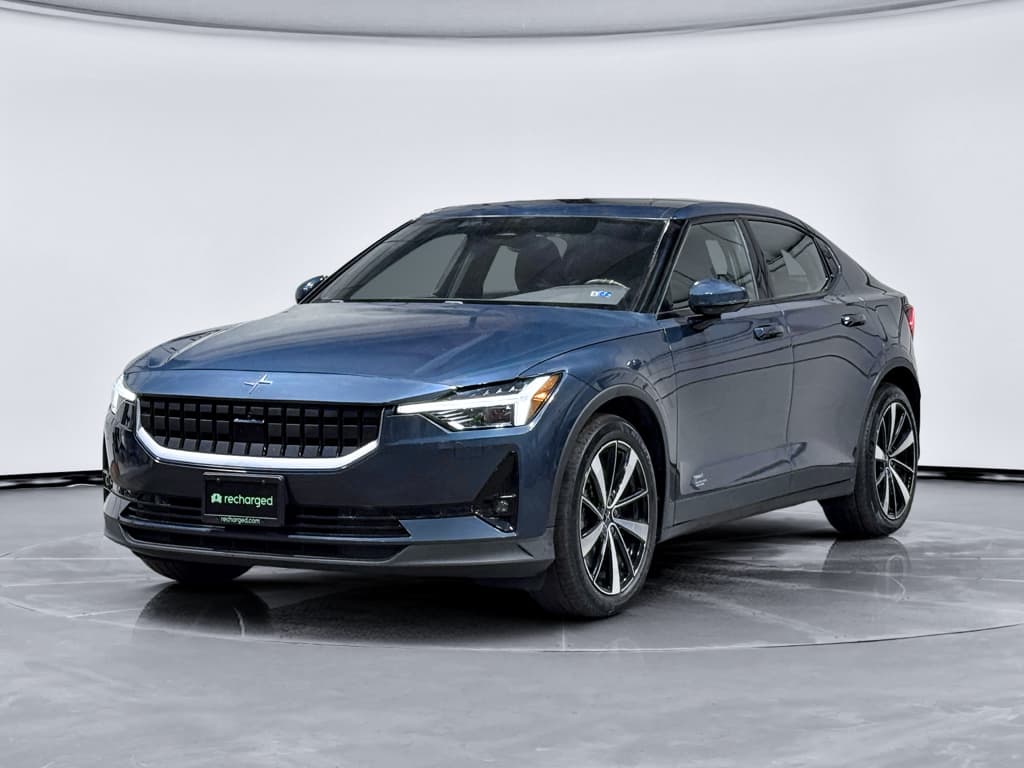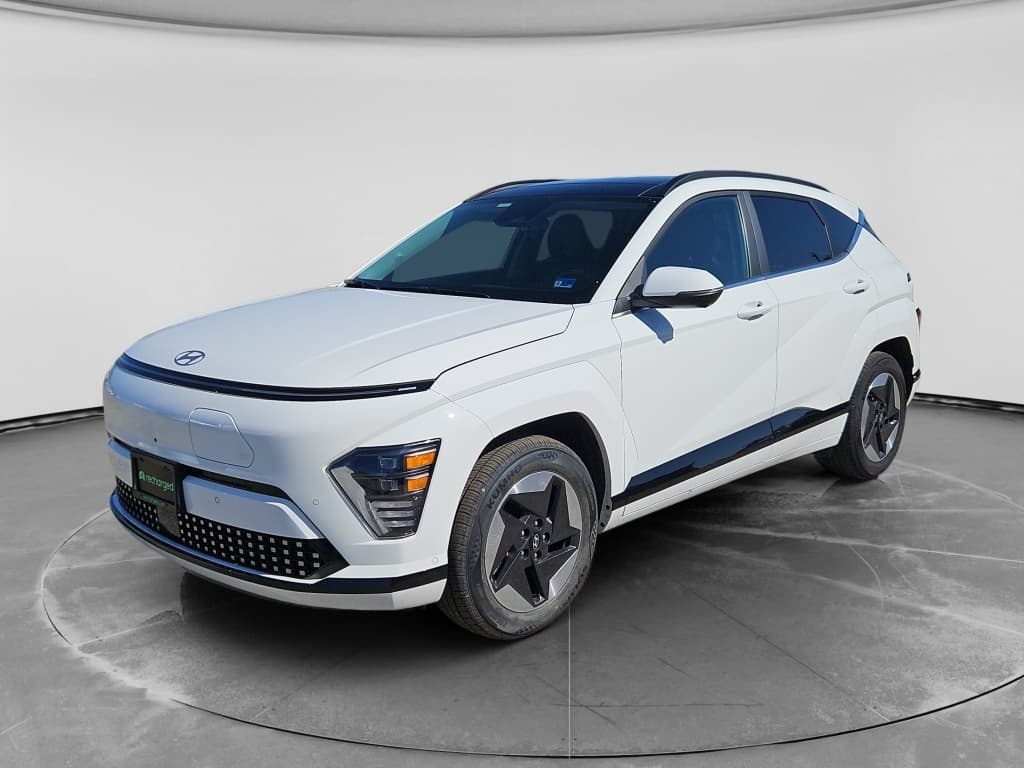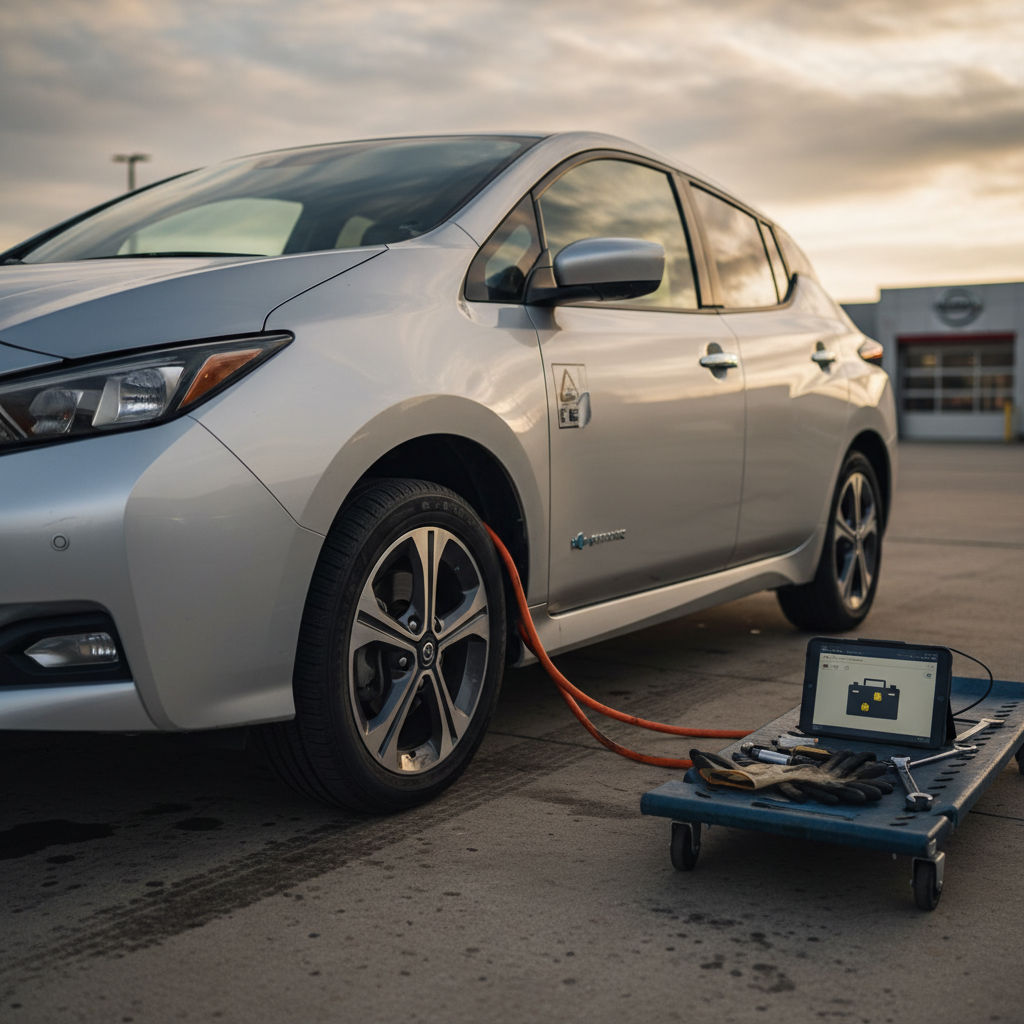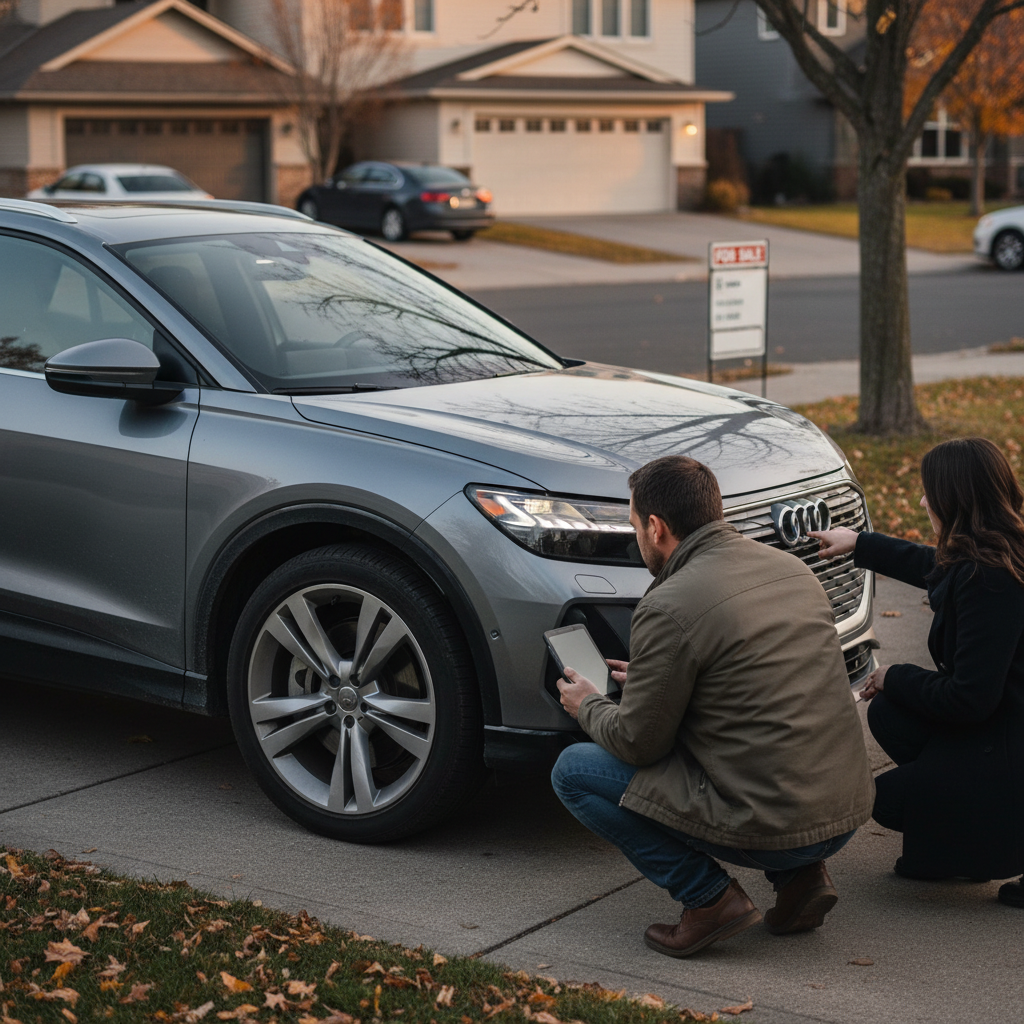
If you’ve been curious about going electric but new EV prices felt out of reach, 2025 might be your year. The used EV market trends in 2025 are bending in favor of shoppers: prices are down from their pandemic peak, selection is way up, and battery performance is aging more gracefully than many skeptics predicted. At the same time, policy shifts and tax-credit changes are reshuffling which used EVs are the best deals, and which ones to approach with caution.
Used EVs are quietly having a moment
Why the used EV market matters in 2025
Over the last few years, the number of plug-in vehicles on U.S. roads has exploded. By 2024, Americans were buying around 1.3 million new EVs a year, plus millions of hybrids and plug-in hybrids. That wave of early EV adopters is now trading out of their first electric cars, and fleets are cycling out 3–5-year-old vehicles. The result: a fast-growing supply of used EVs that didn’t exist even three or four years ago.
For you, that means two big things. First, you’re no longer stuck choosing between a handful of pricey, low-mileage Teslas. There’s a deep bench of options, from compact hatchbacks to luxury crossovers, often at or below the average used car price. Second, we now have enough real-world data to see how batteries and resale values are actually holding up, instead of guessing from lab tests and early prototypes.
The used EV market by the numbers
Big-picture used EV market trends in 2025
Four big forces shaping used EVs in 2025
Understanding these currents will help you read any individual deal more clearly.
1. Prices correcting after a wild run-up
Used EV prices overheated in 2021–2022 when new-car inventory was tight. In 2024 and into 2025, they’ve fallen much faster than used gas cars, by roughly mid-teens percent on average, bringing many models back within reach.
2. More models and miles in the mix
Early used EV lots were a Tesla-and-Bolt story. Now you’ll see Mach‑E, ID.4, Ioniq 5, luxury models, and fleet turn-ins with highway miles. That diversity gives you more ways to match budget, range, and features.
3. Batteries aging better than feared
Real-world tracking shows far fewer catastrophic battery failures than many predicted. Most modern packs lose range slowly and predictably, especially in mainstream models that sold in volume.
4. Policy whiplash and tax-credit shifts
Federal credits tied to new EVs, plus state-level rebates and access to HOV lanes or cheap charging, ripple into used values. When a new-model credit disappears, used prices sometimes pop up overnight.
Trend whiplash is normal
Price trends: used EVs are finally a buyer-friendly market
Let’s talk about the part that hits your wallet first. After years of sky-high used prices across the board, used EVs have seen some of the sharpest corrections. By early 2025, the average price of a 1–5-year-old used EV had dropped by roughly 15% year-over-year, while comparable gasoline and hybrid models barely moved.
How used EV prices stack up in 2025
These broad averages will vary by model, mileage, and region, but they show the direction of travel.
| Vehicle type | Avg. 1–5 year-old price (US) | Year-over-year change | Market takeaway |
|---|---|---|---|
| All used vehicles | $31,000 | -1% | Essentially flat after the pandemic surge. |
| Used EVs (all brands) | $32,000 | -15% | Significant correction; many mainstream EVs now price-competitive with gas cars. |
| Used Teslas (overall) | $31,700 | -14% | Led much of the decline in 2024, especially higher-end models. |
| Entry-level used EVs (Bolt, Leaf, etc.) | $16,000–$22,000 | -10–20% | Often the cheapest way into an EV, with trade-offs in range and fast charging. |
Used EV prices have cooled far more than the wider used-car market, opening a window for value-focused buyers.
Use the “EV discount” to your advantage
It’s not all one-way movement, though. When policy shifts remove a $7,500 new-EV credit for certain models, some shoppers who would have bought new pivot to the used market instead. In early 2026 data, that dynamic even pushed used Tesla prices back up a few percent while other used EVs kept getting cheaper. Expect more of this push-pull as federal and state rules continue to evolve.
Who dominates the used EV market in 2025?
One name still towers over the used EV landscape: Tesla. Thanks to years of out-selling every other EV brand, Teslas are now the backbone of the pre-owned electric market, especially for 1–5-year-old vehicles.
- The Tesla Model 3 remains the single best-selling used EV in America, accounting for nearly one in five late-model used EV sales.
- The Tesla Model Y runs a close second, with a similarly large share of the used market.
- Other frequent flyers include the Ford Mustang Mach‑E, Volkswagen ID.4, Chevy Bolt EV/EUV, and Hyundai Ioniq 5, all climbing the used charts as their first owners trade up.
- Luxury models like the Mercedes-Benz EQS and certain high-end Teslas show up as steeply depreciated used buys, tempting if you understand the running costs.

Where the strongest used EV demand is today
Battery health and degradation: what the data actually shows
For many shoppers, the elephant in the room is the battery. You’ve heard the horror stories: “What if I buy a used EV and the battery dies the day after the warranty ends?” In 2025, we finally have enough history to answer that with something better than a shrug.
“We have not yet seen widespread battery degradation and failure… The EV batteries we’re tracking today are lasting even longer than most experts expected.”
That doesn’t mean every pack is perfect. It means that across hundreds of thousands of real-world vehicles, modern EV batteries are aging more like engines and transmissions than disposable smartphone cells. A 5-year-old EV might have lost 8–15% of its original range, not half of it.
What really affects used EV battery health
You can’t change the car’s past, but you can understand it.
Climate
Extreme heat is the enemy. EVs that spent their life in very hot regions and parked outside can show more degradation than those in milder climates or garages.
Fast-charging habits
Occasional DC fast charging is fine. Living on fast charging (5+ times a week) can accelerate wear, especially on early fast-charge systems.
Mileage & driving style
EV batteries generally tolerate mileage well, but high annual miles combined with lots of fast charging and aggressive driving can add up.
Don’t buy an EV without a battery report
How policy and incentives are shaping used EV demand
The rules of the EV game keep changing, and that matters just as much for used shoppers as it does for people eyeing the latest model-year. Federal tax credits, state incentives, and even utility discounts can all nudge prices and demand in ways you’ll feel on the used lot.
Federal tax credits and their ripple effects
Federal incentives have become more complex, tying eligibility to things like income, vehicle price caps, and where the car was built. When a popular model loses its new-car credit, its used value may actually rise because budget-conscious shoppers shift to pre-owned.
On the flip side, a brand-new EV that suddenly qualifies for the full credit can undercut its own used siblings on price, pressuring used values until the market rebalances.
State and local perks that favor used shoppers
Many states offer EV incentives that don’t care whether the car is new or used: reduced registration fees, HOV lane access, cheap off-peak charging, or local rebates. Those benefits make a used EV with lower depreciation doubly attractive.
Utilities are also rolling out time-of-use plans and home-charger rebates, which help you lock in low running costs regardless of whether you bought new or pre-owned.
Check incentives at your ZIP code, not just your state
Which used EVs are smart buys in 2025?
In a market changing this fast, naming a single “best used EV” is a fool’s errand. Instead, think in terms of profiles: which combinations of price, range, charging access, and tech fit your life. Here’s how some common choices line up in 2025.
Used EV archetypes to watch in 2025
These aren’t endorsements of specific VINs, but patterns you’ll see again and again when you start shopping.
| Profile | Typical models | Why they’re appealing in 2025 | Key watch-outs |
|---|---|---|---|
| Value commuters | Chevy Bolt EV/EUV, Nissan Leaf (newer generations), Kia Niro EV | Some of the lowest entry prices in the EV world; great for shorter commutes and second cars. | Earlier Leafs have limited range and spotty fast-charging; always check battery health carefully. |
| Mainstream all-rounders | Tesla Model 3, Tesla Model Y, Hyundai Ioniq 5, VW ID.4, Ford Mustang Mach‑E | Blend of solid range, modern tech, and wide availability. Many now price at or below comparable gas SUVs. | Feature changes year-to-year can be dramatic; verify options, driver-assistance suites, and charging hardware. |
| Luxury bargains | Mercedes EQS, Audi e-tron/Q8 e-tron, higher-spec Teslas | Luxury EVs take big early depreciation hits, turning six-figure new cars into relatively attainable used buys. | Higher insurance, tires, and repair costs. Make sure your budget covers running them, not just buying them. |
| Road-trip regulars | Long-range Teslas, newer CCS models with robust fast-charging support | Access to strong fast-charging networks plus bigger packs make interstate trips genuinely practical. | You’ll want a clear picture of fast-charging history and any remaining warranty coverage on the battery and drive units. |
Match your driving pattern and budget to the right used EV profile instead of chasing one “perfect” model.
How to shop the 2025 used EV market like a pro
Step-by-step used EV shopping checklist
1. Start with your real-world range need
Forget the biggest number on the window sticker. Add up your longest regular days, then build in a healthy buffer for weather and detours. Many drivers find a <strong>200–250 mile real range</strong> more than enough.
2. Decide where you’ll charge most
Home Level 2 charging makes almost any EV easy to live with. If you’ll rely heavily on public fast charging, lean toward models with proven charging networks and support, this is where Teslas still have a big edge.
3. Demand transparent battery health data
Ask for an <strong>independent battery health report</strong>, not just a screenshot of the dash. On Recharged, every vehicle comes with a Recharged Score that quantifies battery condition so you’re not guessing.
4. Compare total cost of ownership, not just price
Factor in fuel savings, maintenance, insurance, home charging equipment, and possible incentives. A used EV with a slightly higher price can still win on monthly cost once you run the math.
5. Check software, connectivity and charging standards
Make sure the car supports the latest charging standards in your area and can still receive over-the-air updates or dealer software support. This is especially important as the industry shifts toward NACS connectors.
6. Consider financing and resale up front
Used EVs are now common enough that lenders better understand their values. Explore <strong>EV‑friendly financing</strong> and think about where this car will be in 3–5 years when you’re ready to move on.
Be careful with orphaned models
How Recharged helps you navigate the used EV market
The 2025 used EV market is full of opportunity, but also full of nuance. That’s exactly the kind of environment where expert, EV-specific guidance matters. Recharged was built from the ground up around used electric vehicles, not as an afterthought bolted onto a gas-car marketplace.
What you get when you buy a used EV through Recharged
Clarity on battery health, fair pricing, and the whole ownership journey.
Verified battery health with the Recharged Score
Every vehicle on Recharged includes a Recharged Score Report that measures battery condition, range impact, and charging history where available. You’re not relying on hunches or vague assurances.
Transparent, fair-market pricing
Recharged benchmarks each EV against nationwide data so you can see exactly how a given asking price compares. No guessing whether you’re overpaying because it’s an electric.
EV‑specialist support, start to finish
From choosing the right model to understanding home charging, you can talk with EV‑savvy specialists instead of explaining kilowatts to a traditional salesperson.
Financing, trade‑in, and delivery
Recharged offers financing tailored to used EVs, options to trade in your current vehicle or get an instant offer, and nationwide delivery, plus an Experience Center in Richmond, VA if you want to see cars in person.
Ready to find your next EV?
Browse VehiclesWhether you’re browsing from your couch or walking into the Richmond Experience Center, the goal is the same: make EV ownership simple and transparent, especially in a fast-changing market like 2025’s.
Used EV market 2025: FAQ
Frequently asked questions about used EV market trends in 2025
The bottom line on used EV market trends in 2025
In 2025, the used EV market is no longer an experiment, it’s a real marketplace with real leverage for informed buyers. Prices have cooled, selection has exploded, and the doomsday scenarios about batteries aging like smartphones simply haven’t come true at scale. At the same time, policy changes and charging-standard shifts mean you can’t just skim a listing and hope for the best.
If you’re willing to dig a little deeper, into battery health, charging access, and total ownership cost, a used EV can deliver quiet, quick, low-maintenance driving for less money than you might think. That’s where platforms like Recharged earn their keep: by turning all those moving pieces into a clear Recharged Score Report, fair-market pricing, and EV‑specialist guidance that helps you make a decision with both your head and your gut.
So if you’ve been sitting on the sidelines, watching EV headlines swing from hype to cynicism and back again, 2025’s used market is your invitation to step onto the field, on your terms.