If you’re shopping for a pre-owned electric car in 2026, you’ve probably noticed a disconnect: headlines talk about **0% financing** on new EVs, but the rate you’re being quoted on a used model is much higher. Understanding where **used EV financing rates in 2026** actually sit, and what you can do to beat the averages, can easily save you thousands over the life of your loan.
Context: auto loan rates are still elevated
Used EV financing rates in 2026: the quick view
Used EV financing snapshot for 2026 (U.S.)
In other words, if you see a used EV rate in the **high single digits** in early 2026, that’s quite competitive. Offers in the **low teens** (12–13% APR) are common, especially for mid-tier credit or long terms, but often negotiable if you shop around or bring your own financing.
Watch the fine print, not just the APR
How used EV financing compares to gas cars and new EVs
Used EV vs. used gas car rates
- On average, **used EV APRs track similar to used gas cars** of comparable price and borrower profile.
- Some lenders still price EVs **slightly higher** (0.25–0.75 percentage points) to offset perceived residual-value risk.
- Specialty lenders and EV‑focused retailers increasingly treat EVs like any other late-model used car if battery health is documented.
Used EV vs. new EV promos
- New EVs in early 2026 frequently advertise **0% APR** or rates under 4% for well-qualified buyers through captive finance arms.
- Those promotional rates are heavily **subsidized** by automakers responding to softer EV demand and the loss of federal tax credits.
- Promos almost never extend to used inventory, especially older off‑lease EVs now flooding the market, so expect a noticeable gap.
Typical financing ranges in 2026 (prime borrowers)
Illustrative ranges for shoppers with solid credit (roughly 700+), based on late‑2025 data and early‑2026 lender offers. Your actual rate will vary by lender, term, and vehicle.
| Vehicle & loan type | Typical APR range (2026) | Notes |
|---|---|---|
| New gas vehicle loan | 6.0%–7.5% | Standard bank/credit union rates for 60–72 months. |
| Used gas vehicle loan | 9.5%–12.5% | Higher due to age, mileage and collateral risk. |
| New EV with captive promo | 0%–4.0% | Limited to specific trims, short terms, and top‑tier credit. |
| New EV without promo | 5.9%–8.9% | Similar to other new‑vehicle rates, sometimes slightly lower for select models. |
| Used EV (mainstream lender) | 10.0%–13.0% | Overlaps with used gas-vehicle averages, sometimes with small EV premium. |
| Used EV (credit‑union special) | 7.5%–10.0% | Best-case offers when your credit and income are strong and the EV is late‑model. |
Used EV rates usually sit closer to used gas‑car averages than to new‑EV promotional offers.
Where used EV shoppers find the best rates
Why used EV APRs are still higher than you think
If you’re seeing double‑digit APR quotes on a 3‑ or 4‑year‑old EV, it’s not just bad luck. Lenders are still processing a young segment that’s changing fast, and they price for uncertainty.
- **Battery uncertainty.** Without solid health data, lenders worry about expensive battery replacement and faster depreciation, so they pad risk into the rate.
- **Residual value volatility.** EV prices swung sharply in 2023–2025 as incentives came and went and new models arrived. That history still weighs on residual models in 2026.
- **Policy whiplash.** The phase‑out of federal EV incentives in late 2025 reshaped demand almost overnight. Lenders know policy can change again, so they avoid razor‑thin margins on used EV paper.
- **Portfolio performance.** Some subprime auto portfolios took hits during the rate spike. That’s made lenders more conservative across the board, including on used EVs.
“The surge of EVs coming off lease in 2025 and 2026 is great news for used buyers, but it forces lenders to rethink how they price risk on an entirely new class of used vehicles.”
6 factors that actually drive your used EV rate
What lenders look at before they price your used EV loan
Understand these and you’ll understand why your offers look the way they do.
1. Credit profile
2. Down payment & LTV
3. EV age, mileage & battery health
4. Loan term & structure
5. Lender type
6. Market & policy backdrop
Battery reports are starting to pay off
7 strategies to lower your used EV APR in 2026
Practical ways to beat the average rate
1. Time your purchase around rate moves
Auto APRs tend to follow broader interest‑rate trends with a lag. If your timeline is flexible and forecasts call for modest easing later in 2026, waiting a few months could shave **0.25–0.5 points** off your offer.
2. Clean up your credit before you apply
Pay down revolving balances, correct any errors, and avoid opening new tradelines in the 90 days before you shop. A small bump in your score can move you into a **better pricing tier**.
3. Get pre‑approved with a credit union or online lender
Walk into the dealership, or a digital retailer like Recharged, with a **firm pre‑approval letter**. That sets a baseline and forces in‑house finance managers to compete instead of dictating terms.
4. Target late‑model EVs with strong battery health
Focus on **2‑ to 4‑year‑old EVs** with verifiable battery diagnostics. Lenders are more comfortable with this sweet spot, which can unlock lower APRs and better loan terms.
5. Right‑size your term and down payment
Stretching to **84 months** might lower your payment but can increase your APR and total interest. Aim for **60–72 months** and at least **10% down** to balance payment and rate.
6. Skip unnecessary add‑ons in the finance office
Service contracts, paint protection and other add‑ons rolled into the loan raise your **amount financed and effective APR**. Decide in advance what you truly need and say no to the rest.
7. Refinance once rates or your credit improve
If you have to buy now in a high‑rate window, look for lenders that make **no‑fee refinancing** easy once rates or your credit score improve. The used EV market is still maturing; better refi products are emerging.
Use pre-qualification to shop confidently
How lenders underwrite used EVs differently
Behind the scenes, underwriting a used EV still looks a bit different from a conventional used SUV or sedan. The math is sharper around depreciation, mileage and battery condition, and lenders increasingly differentiate between “first‑generation” EVs and the more robust models coming off lease now.
What makes a used EV easier to finance
- Model years **2022 and newer** with mainstream demand (Tesla, Hyundai, Kia, Ford, GM, etc.).
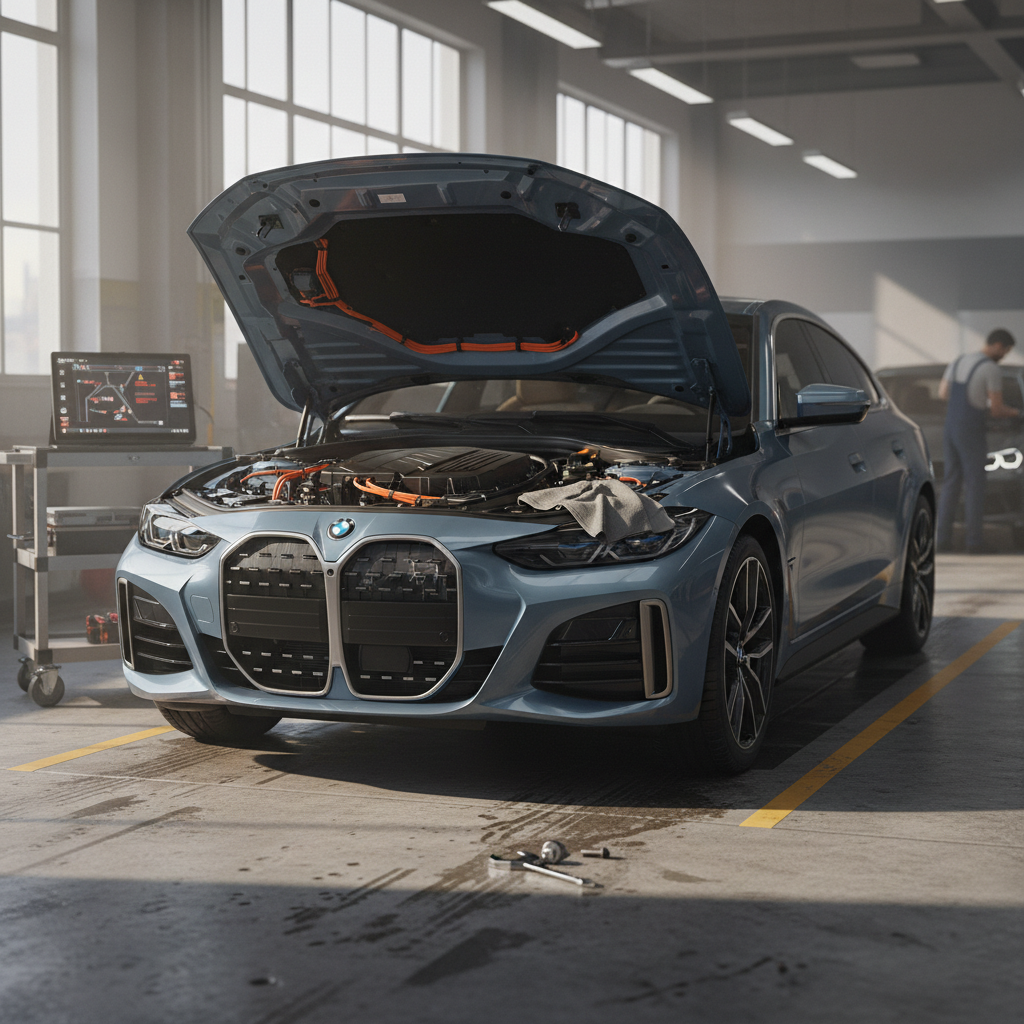
- Battery health verified by a **third‑party diagnostic** with minimal degradation.
- Clean history reports, single‑owner vehicles, and consistent service records.
- Price points that align with auction and wholesale data, no obvious overpaying.
What raises red flags
- Early‑generation EVs with high mileage and no battery‑health documentation.
- Vehicles priced above market, especially when the buyer brings **little or no money down**.
- Loans that roll in negative equity from a prior car, pushing LTV above comfortable thresholds.
- Thin or unstable income documentation in combination with a rapidly depreciating asset class.
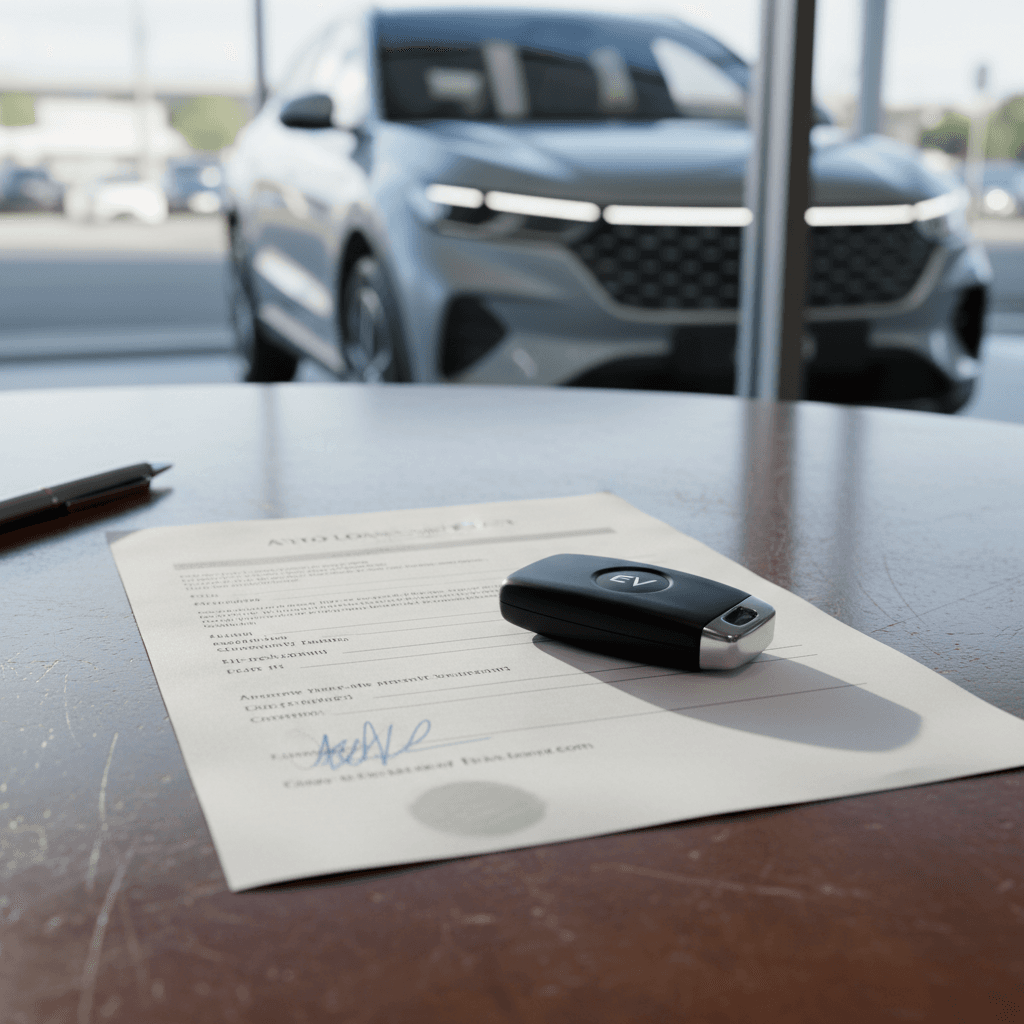
Loan terms, payments and total cost tradeoffs
In a high‑rate environment, it’s tempting to fixate on the lowest monthly payment. But with used EVs, where depreciation can be steeper in the early years, the **wrong** term can leave you underwater longer than you’d like.
How term length changes your used EV cost
Illustrative example: $30,000 used EV, 10% APR, no money down. Taxes and fees excluded for simplicity.
| Term length | Monthly payment (approx.) | Total interest over life of loan | Key takeaway |
|---|---|---|---|
| 36 months | $968 | ~$4,848 | High payment, but you build equity quickly and pay far less interest. |
| 60 months | $637 | ~$8,220 | More manageable monthly cost with a reasonable interest total. |
| 72 months | $556 | ~$10,032 | Lower payment but thousands more in interest, and you may be upside‑down longer. |
Shorter terms mean higher payments but significantly lower total interest paid.
Beware very long terms on rapidly depreciating EVs
How Recharged can help you save on a used EV
Financing a used EV doesn’t have to feel like guesswork. Recharged is built specifically around **transparent, data‑driven used EV ownership**, which helps both buyers and lenders get more comfortable with the numbers.
Why lenders (and buyers) like Recharged vehicles
Better data and cleaner vehicles can translate into better financing outcomes.
Verified battery health
Fair market pricing
Fully digital, EV‑specialist support
Ready to find your next EV?
Browse VehiclesLeverage pre-qualification through Recharged
Used EV financing 2026: FAQs
Frequently asked questions about used EV financing rates in 2026
Used EV financing rates in 2026 are shaped by two competing forces: a maturing second‑hand EV market that’s finally stocked with solid choices, and a rate environment that’s still higher than many shoppers remember. If you understand how lenders think about used EVs, use battery‑health data to your advantage, and shop financing as carefully as you shop the car, you can land a deal that keeps your payment, and your long‑term cost of ownership, under control. Platforms like Recharged are built to make that process simpler, more transparent and more EV‑friendly from the first click to the final signature.