If you’re shopping for a pre-owned electric car this year, you’ve probably noticed two things: prices on many used EVs have come down from their pandemic-era peaks, but used EV financing rates in 2025 are still higher than what we saw a few years ago. The good news is that with a bit of planning, you can still lock in a competitive APR and keep your monthly payment in check.
Quick snapshot: used EV loan rates in early 2025
Where used EV financing rates stand in 2025
Let’s start with the big picture. After the Federal Reserve’s rapid rate hikes in 2022–2023, auto loan APRs climbed sharply. As of early– to mid‑2025, inflation has cooled somewhat and markets are expecting rate cuts, so auto loan rates have eased from their highs but remain elevated compared with the pre‑2023 era.
Auto and used EV rate landscape in 2025
Keep in mind that these are averages. Your actual used EV APR in 2025 will depend on your credit profile, the lender you choose, the vehicle, and the loan structure. For a well‑qualified buyer, it’s realistic to see offers several points below the national average, especially through a credit union or a platform that works with multiple lenders.
How used EV loan rates compare to gas cars
Most mainstream lenders still price used EVs similarly to other used cars. However, a growing number of banks and especially credit unions now treat EVs as a preferred product and offer green auto loans with discounted rates. In other words, the fact that you’re choosing an electric vehicle can actually work in your favor.
Typical 2025 rate ranges: used EV vs. used gas car
Illustrative APR bands for borrowers with good credit (exact offers vary by lender and location).
| Loan type | Typical APR band (good credit) | Notes |
|---|---|---|
| Standard used gas car loan | 7.5% – 9.5% | Conventional bank or captive finance loan for a 4–6 year term. |
| Standard used EV loan | 7.5% – 9.5% | Many lenders treat EVs the same as other used vehicles. |
| Green / EV‑specific loan | 7.0% – 9.0% | Credit unions and specialty lenders often apply a 0.25–0.50 point discount for EVs. |
| Promo financing via marketplace | Varies by offer | Online platforms may secure promotional rates or partner discounts for qualified buyers. |
These ranges are examples, not guaranteed offers, your specific rate depends on your credit, income, and lender criteria.
Look for EV‑friendly lenders
5 factors that drive your used EV APR
Whether you’re financing through a dealership, an online marketplace like Recharged, or a credit union, lenders are all looking at a similar set of risk signals. Understanding them gives you levers you can pull to lower your rate.
- Your credit score and history. This is the single biggest input. Super‑prime borrowers can see used EV financing rates in the low‑ to mid‑single digits from some lenders, while subprime borrowers may get offers well into the teens.
- Loan term length. Longer terms (72–84 months) usually come with higher APRs and more interest paid over time, even if the monthly payment looks attractive.
- Down payment and loan‑to‑value (LTV) ratio. Putting more money down lowers the amount the lender must finance and can reduce your rate because the deal is less risky.
- Vehicle age and mileage. Some lenders charge higher APRs for older EVs or limit maximum terms once a vehicle passes a certain age or mileage, especially if they’re concerned about technology obsolescence or battery degradation.
- Where you finance. Captive lenders, banks, online marketplaces, and credit unions all price risk differently. Credit unions and green‑loan programs are often the most aggressive on pricing for EVs.
Watch out for “easy approval” offers
Where to find the best used EV financing rates in 2025
You don’t have to accept the first rate you’re offered at a dealership. In 2025, you have more options than ever for financing a used EV, many of them tailored specifically to electric‑vehicle buyers.
Top sources for competitive used EV loan rates
Combine offers from a few of these to see who really wants your business.
Credit unions & community banks
Member‑owned institutions frequently offer some of the lowest used EV APRs, and many have explicit green‑loan discounts for EVs, plug‑in hybrids, and even home chargers.
You might need to join the credit union first, but eligibility is often broad, based on where you live, work, or donate.
Online lenders & marketplaces
Modern platforms can pre‑qualify you with multiple lenders at once, letting you compare offers without dinging your credit score. Some focus heavily on EVs and green transportation.
Recharged, for example, lets you explore financing options while you shop for a used EV entirely online.
Dealer & captive financing
Automaker finance arms and dealers sometimes run special APR promotions or discounted rates on certified pre‑owned (CPO) EVs.
Always compare these offers with at least one outside quote before you sign.
Pre‑approval is your secret weapon
Choosing loan terms and down payments for a used EV
With used EVs, stretching too far on term length can eat up some of the fuel and maintenance savings that attracted you to an electric car in the first place. The structure of the loan matters just as much as the stated APR.
Picking the right term
- 36–48 months: Higher payment, lowest total interest. Good fit if you’re buying a more affordable used EV.
- 60–72 months: Common sweet spot, reasonable payment with manageable interest cost.
- 84 months and beyond: Temptingly low payments, but you’ll pay significantly more interest and risk being upside‑down longer.
Smart down‑payment strategy
- Aim for at least 10–20% down to improve approval odds and reduce your APR.
- Use any EV tax incentives, rebates, or trade‑in equity to bolster your down payment.
- On a higher‑mileage EV, a larger down payment can help offset lender concerns about long‑term value.
Balance payment comfort with total cost
Why battery health matters to lenders (and your rate)
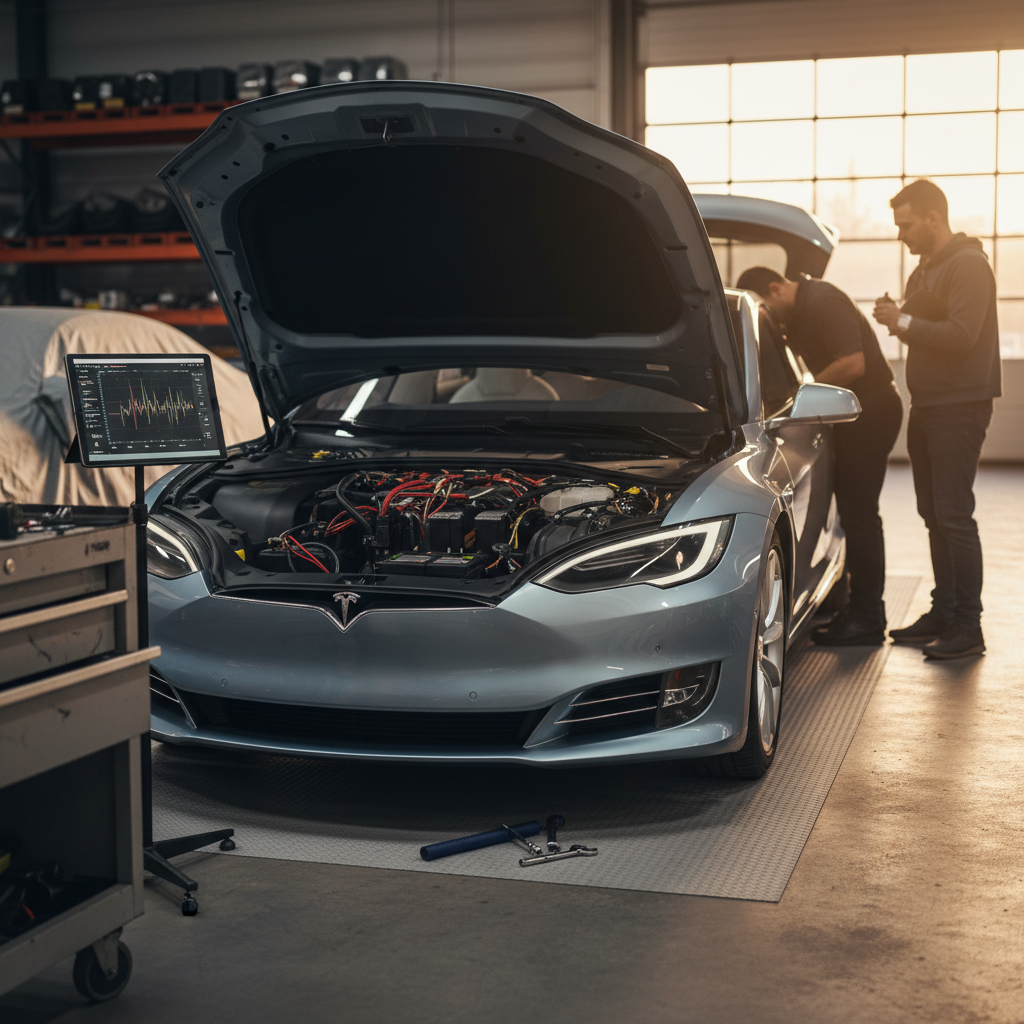
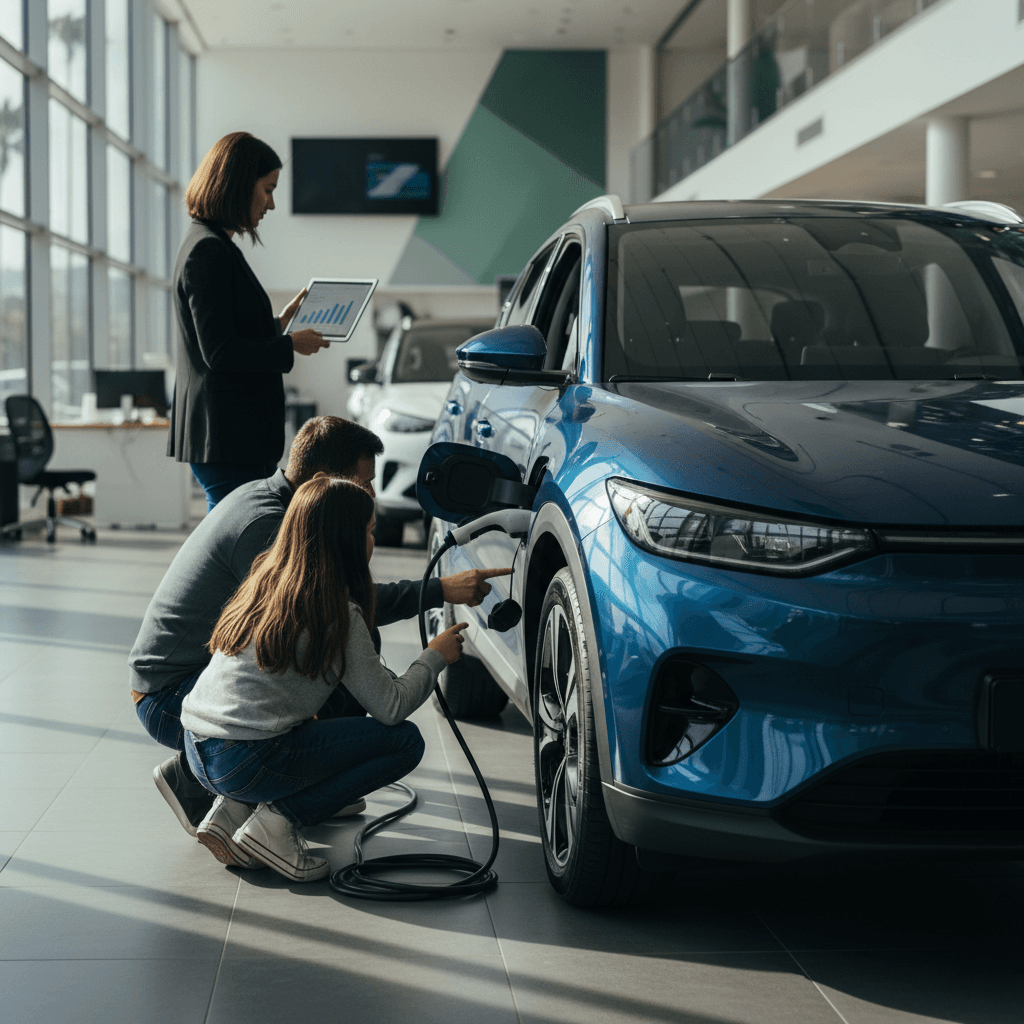
With used EVs, lenders are paying close attention to something that barely exists in gas cars: battery health. The traction battery is the single most expensive component on the vehicle, and its condition directly affects resale value and loan risk.
- If a lender believes the battery is likely to deliver many more years of useful life, they’re more comfortable offering a longer term and sharper rate.
- Vehicles with documented battery diagnostics or a third‑party health report are often easier to finance, especially as they age.
- Conversely, a very old EV with unknown battery condition may push some lenders to shorten the maximum term or bump the APR.
How Recharged tackles battery concerns
7 strategies to lower your used EV financing rate
You can’t control the Fed, but you do control how prepared you are when you apply for a loan. Here are practical tactics you can use right now to improve your odds of a better APR on a used electric car.
Action plan before you sign your used EV loan
1. Check and tune up your credit
Pull your credit reports, dispute errors, and pay down revolving balances where you can. Even nudging your score into the next tier can knock meaningful points off your APR.
2. Get pre‑qualified with multiple lenders
Use soft‑pull pre‑qualification tools from credit unions, online lenders, and marketplaces to compare estimated rates without multiple hard inquiries all at once.
3. Target EV‑specific or green auto loans
Look for lenders that specifically advertise electric‑vehicle or green‑loan discounts. These programs often build in 0.25–0.50 point APR reductions for qualifying EVs.
4. Bring a solid down payment or trade‑in
Equity is your friend. A larger down payment or valuable trade‑in helps lower your loan‑to‑value ratio and can earn you better terms.
5. Consider a slightly shorter term
If you can afford a bit more per month, request quotes for both 72 and 60 months. You may find the total savings in interest worth the stretch.
6. Avoid add‑ons rolled into the loan
Extended warranties, GAP coverage, and extras can all be useful, but financing them at a high APR can undo your hard work. Compare standalone pricing before you roll them in.
7. Shop the car and the money separately
Treat the vehicle price and the loan as two negotiations. With Recharged, for example, you can evaluate the car, its battery health, and your financing options in one transparent, online experience, without last‑minute surprises in the finance office.
Don’t chase payment at any cost
How financing a used EV works with Recharged
Recharged is built specifically for used EV buyers, so the financing process is designed around electric‑vehicle realities, battery health, fair EV‑specific pricing, and a digital‑first experience.
A smoother path to financing your used EV
From rate shopping to delivery, you stay in control.
Shop and see real pricing online
Browse used EVs backed by a Recharged Score Report that includes verified battery health and transparent, fair‑market pricing. No guesswork about what the car is really worth.
Explore financing and trade‑in options
As you shop, you can get personalized payment estimates, explore financing options, and request an instant offer or consignment evaluation for your current vehicle, all digitally.
Close and get nationwide delivery
Once you choose a vehicle and finalize your loan, Recharged coordinates the paperwork and nationwide delivery. EV‑specialist support is available at every step if you have questions about terms, incentives, or ownership costs.
Why this matters for your rate
Ready to find your next EV?
Browse VehiclesUsed EV financing FAQs for 2025
Frequently asked questions about used EV financing in 2025
The bottom line on used EV financing rates in 2025
Used EV financing rates in 2025 are still higher than the rock‑bottom APRs we saw earlier in the decade, but that doesn’t mean a pre‑owned electric car is out of reach. If you understand how lenders price risk, focus on EV‑friendly programs, and structure your loan carefully, you can secure a rate that fits comfortably within your budget.
Start by checking your credit, getting pre‑qualified with a couple of lenders, especially credit unions and green‑loan providers, and targeting vehicles with documented battery health and realistic pricing. Platforms like Recharged bring those pieces together in one place, combining verified battery diagnostics, fair market pricing, financing, trade‑in options, and even nationwide delivery.
Do that work up front, and you’ll not only save on your used EV financing rate, you’ll head into ownership with a car, a payment, and a battery you can feel good about for years to come.