If you’re shopping for a pre-owned EV, you’ve probably heard warnings about “used electric cars to avoid in 2025.” Those lists aren’t clickbait, some models really do have higher rates of battery problems, software glitches, or expensive recalls. But the full story is more nuanced: the *worst* used EV for one driver can be a bargain for another if you understand the risks and check the battery properly.
Where these recommendations come from
Why some used EVs are riskier in 2025
Electric vehicles are still a relatively new technology, and **first‑generation or heavily revised models** tend to have more issues than mature designs. Recent reliability surveys covering 2023–2025 model years show EVs and plug‑in hybrids averaging significantly more reported problems than gas‑only vehicles, especially around **batteries, charging hardware, and in‑car electronics**. That doesn’t mean EVs are a bad idea. It does mean you should be extra picky about *which* used electric car you buy and how thoroughly its battery health is verified.
Reliability context for 2025 used‑EV shoppers
Don’t overgeneralize
Headline list: used electric cars to approach with caution
Here’s a quick, practical snapshot of **used electric cars commonly flagged as higher‑risk picks going into 2025**. Details and nuance come in the next sections, but this gives you a starting point:
Used EVs often flagged as “avoid” or high‑risk (by model years)
These vehicles show up repeatedly in reliability surveys, recall campaigns, or “used EVs to avoid” round‑ups. Model years matter, pay attention to the ranges, not just the nameplate.
| Model | Key risky used years* | Primary concerns |
|---|---|---|
| Audi E-Tron / Q8 E-Tron | 2019, some early Q8 E-Tron years | Electronics, charging faults, suspension issues |
| Chevrolet Bolt EV | 2019–2022 | Battery fire recalls, pack replacements, value impact |
| Hyundai Kona Electric | 2019 | Battery fire recalls, pack replacements |
| Hyundai Ioniq 5 | 2022 (first model year) | Early‑build software and charging glitches |
| Rivian R1T | 2022–2024 (early builds) | Low reliability scores; software and build issues |
| Tesla Model S | 2019–2021 | Air suspension, door handles, electronics; yoke‑era quirks |
| Tesla Model X | 2018, 2022 | Complex doors, electronics, suspension, fit/finish |
| Volkswagen ID.4 | 2021, 2023–2024 | Software bugs, infotainment, recent battery‑fire recalls |
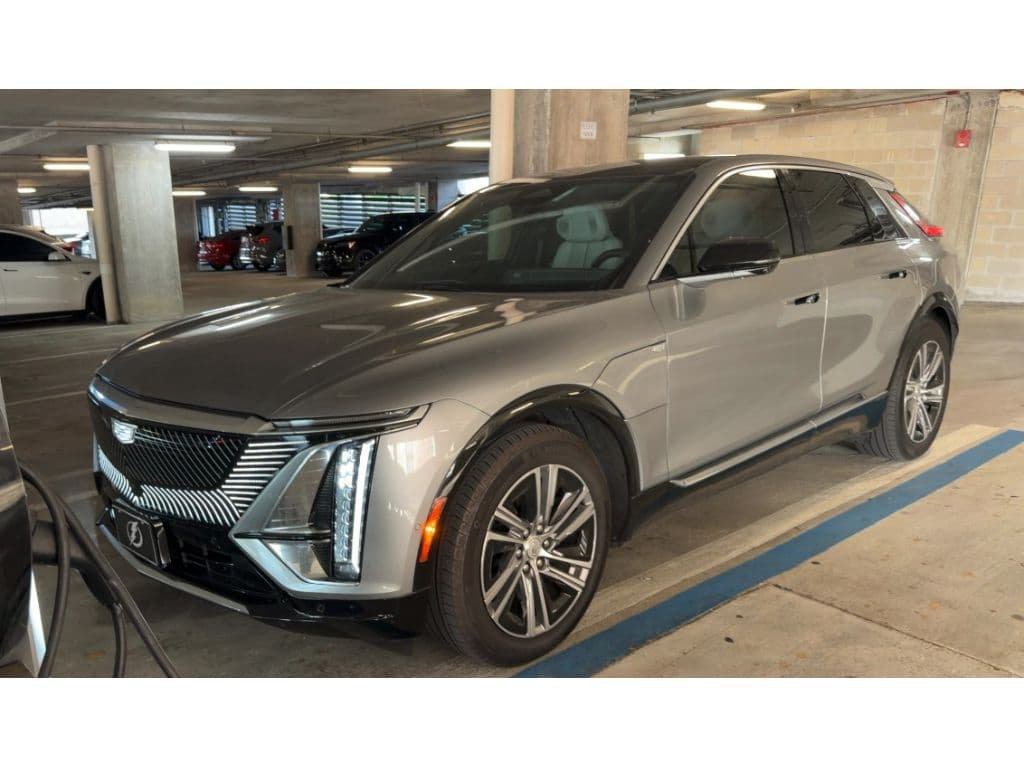
| Cadillac Lyriq | 2024–2025 | Battery, power electronics, multiple recalls; very low reliability scores |
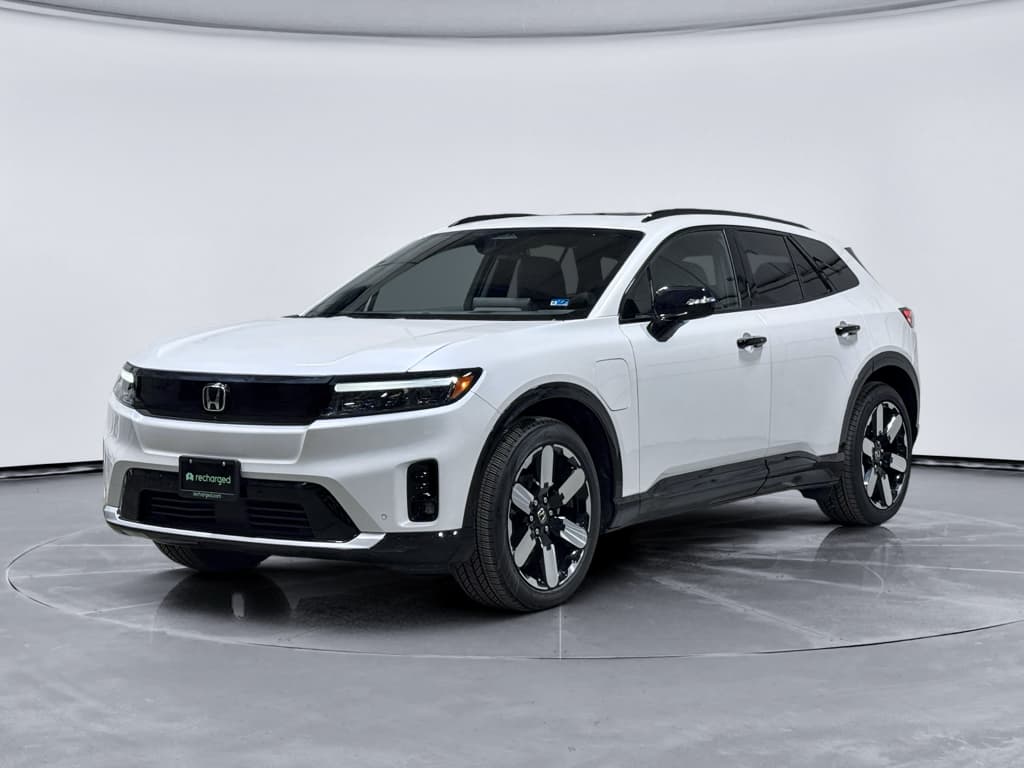
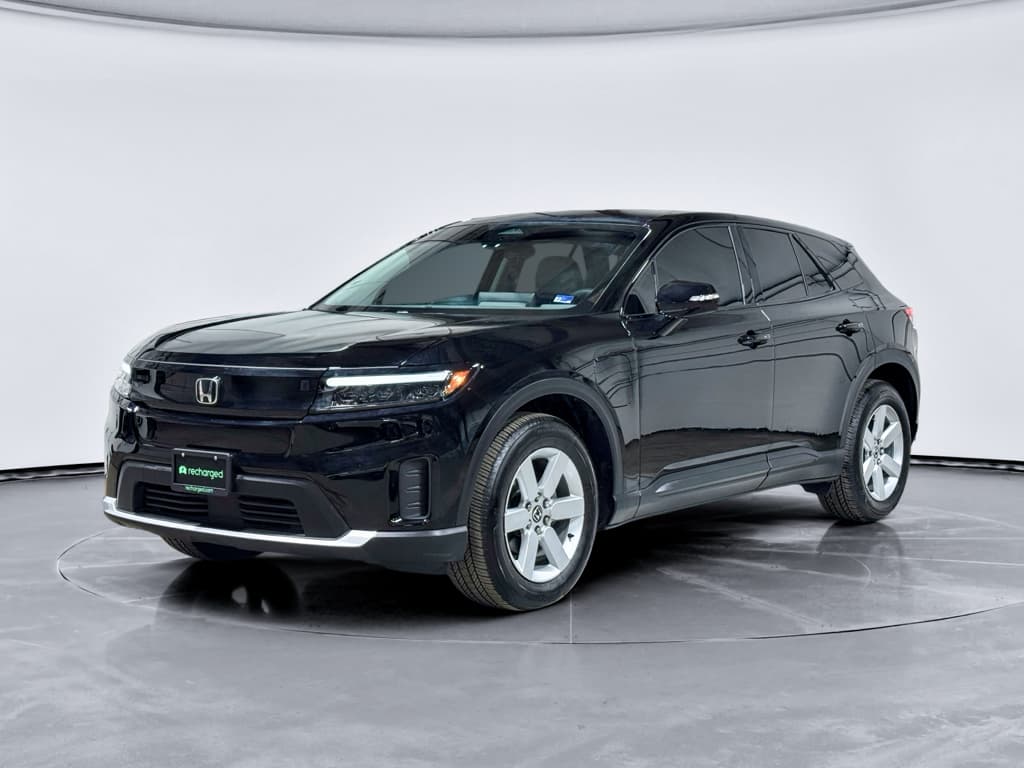
| Honda Prologue | 2024–2025 (early GM‑co‑developed builds) | High‑voltage warnings, braking and axle concerns, first‑gen EV platform issues |
Presence on this list doesn’t mean a specific vehicle is bad, but it *does* mean you should dig deeper on recalls, software updates, and battery health.
About model years
Models frequently flagged on “used EVs to avoid” lists
Let’s walk through the stand‑outs that appear repeatedly in **Consumer Reports reliability rankings, owner‑survey write‑ups, and “EVs to avoid” pieces**, and what that means if you’re staring at a tempting listing.
Chevrolet Bolt EV (2019–2022)
The Bolt has been one of the most affordable ways to go electric, but also one of the most scrutinized. Multiple model years, especially 2019–2022, were hit with high‑profile battery fire recalls that led to software limits, full pack replacements, and a lot of nervous owners.
- Great efficiency and size for city drivers.
- But stigma around past fire risk still weighs on resale values.
- Some cars have brand‑new replacement packs; others don’t.
What it means for you: A used Bolt can be a bargain, but only if you verify every recall is complete, the current battery pack is a newer replacement, and recent diagnostics show healthy capacity.
Hyundai Kona Electric (2019)
The 2019 Kona Electric also faced global battery fire recalls, with many cars getting new packs. Early cars combined a first‑gen battery with relatively small pack size, so degradation or any capacity loss hits range harder.
- Fun to drive and efficient when healthy.
- But early‑build battery issues make 2019 cars higher‑risk.
What it means for you: Treat every 2019 Kona Electric as a special‑case purchase. Confirm pack replacement history, and insist on a third‑party battery health report before you negotiate price.
Luxury used EVs that can be money pits
Impressive specs, but often on the wrong side of reliability charts.
Audi E‑Tron / Q8 E‑Tron
Audi’s big electric SUV looks and feels premium, but owner surveys and road tests have flagged charging system faults, electronic gremlins, and suspension issues, particularly on early 2019 E‑Tron models and some early Q8 E‑Tron builds.
Out‑of‑warranty repairs on air suspension or high‑voltage components can be very expensive.
Cadillac Lyriq
The Lyriq’s design and specs are impressive, but 2024 models in particular have logged repeated recalls for power electronics, rear drive units, and charging faults, along with very low reliability scores.
It’s a classic first‑generation, high‑tech luxury EV: great on paper, still maturing in the real world.
Rivian R1T
Rivian’s electric pickup scores high on owner satisfaction but low on reliability, with owners and survey data pointing to software bugs, fit‑and‑finish issues, and component failures in early 2022–2024 trucks.
As the brand is young, parts and service networks are still catching up in some regions.
Tesla Model S and Model X (select years)
Tesla’s flagship models bring long range and performance, but also complexity. Consumer reliability data has flagged 2019–2021 Model S and 2018 and 2022 Model X for elevated rates of problems, including air suspension, electronics, door mechanisms, and, in some S and X builds, the controversial steering yoke.
What it means for you: If you’re shopping older, out‑of‑warranty S or X models, budget for big repair bills and insist on a pre‑purchase inspection by a shop that knows Teslas well.
Volkswagen ID.4 (2021, 2023–2024)
The ID.4 offers a roomy cabin and comfortable ride, but has dealt with major software and infotainment issues, and, more recently, a U.S. recall of tens of thousands of vehicles over high‑voltage battery fire risk on certain 2023–2025 builds.
Owners of affected cars were told to park outside, limit charge, and avoid DC fast charging until fixes are complete.
What it means for you: If you consider a used ID.4, run the VIN for recall status and treat any unresolved battery‑related campaigns as a serious red flag, especially if the car has been repeatedly fast‑charged.
High‑tech startups = high uncertainty
Battery degradation red flags by model
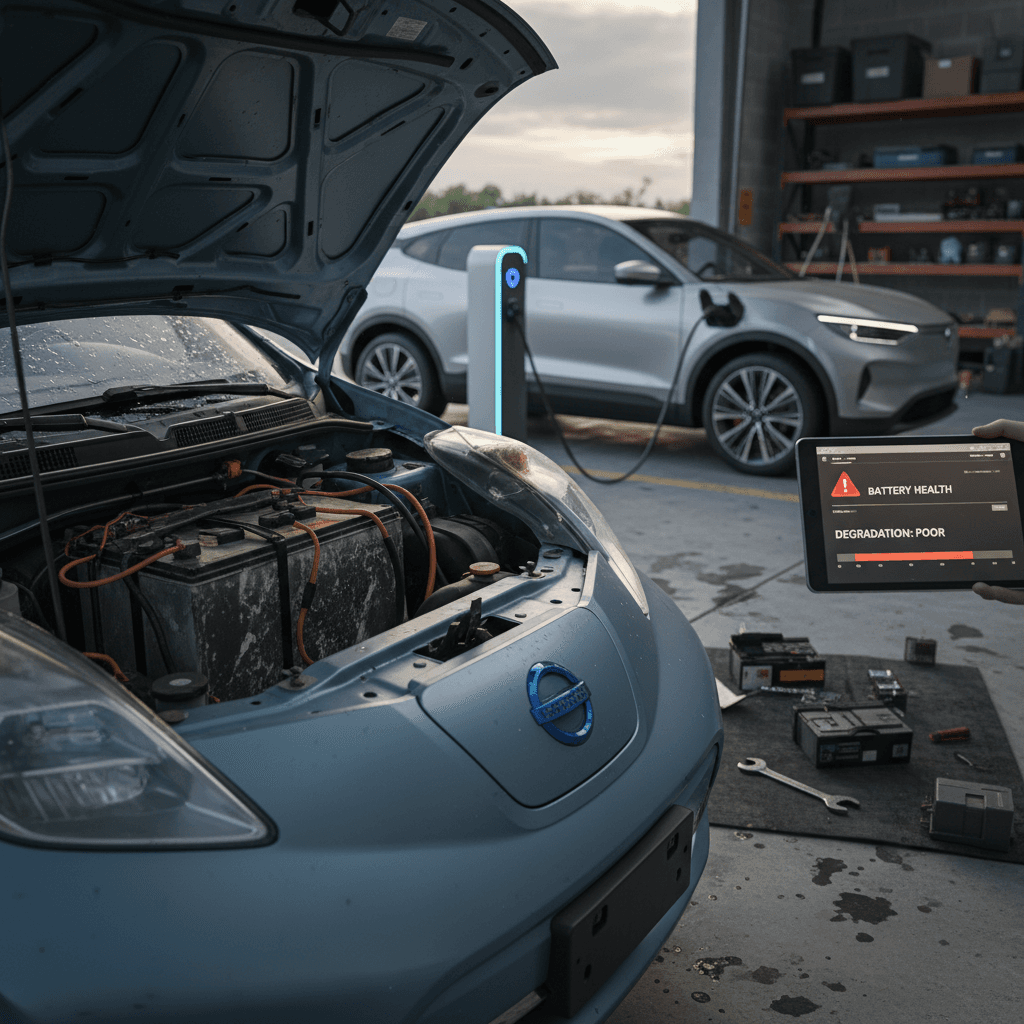
When you talk about “used electric cars to avoid,” you’re really talking about **batteries to avoid**. Most other EV components are fixable at normal prices; a weak or defective pack is where five‑figure surprises live. Some models are more exposed here than others.
Used EV battery risk patterns to watch
These patterns don’t doom a car, but they do demand deeper diagnostics.
Small packs, hot climates
EVs with relatively small packs (under ~65 kWh) that lived in hot, sunny states and fast‑charged heavily are more prone to noticeable range loss by year 6–8.
That hit feels bigger on compact models like early Leafs, Bolts, or Konas because you start with less range.
Aggressive fast‑charging habits
Repeated DC fast charging from low state‑of‑charge to 100% stresses any pack. On vehicles already touched by battery recalls, it should push you to demand a recent, third‑party health report before buying.
Visible software limits
Some recall fixes temporarily capped usable battery capacity or charge level. If the seller mentions restricted charging behavior or range that doesn’t match the dash estimate, you need to know whether that’s software, a bad cell group, or both.
Smart move: battery‑first shopping
Recalls, software gremlins and first‑gen EV risks
Several of the models on 2025 “avoid” lists share a theme: they’re **first‑generation EVs on new platforms with lots of software**. That combination can mean growing pains, some annoying, some serious.
- Early builds of **Hyundai Ioniq 5** and **Kia EV6** saw reports of charging‑station compatibility quirks and software bugs that were later addressed via updates and hardware tweaks.
- The **Volkswagen ID.4** launched with an ambitious software stack that led to frozen screens, charging interruptions, and, for later years, the battery‑fire recall that requires software changes and possibly pack work.
- The **Honda Prologue**, co‑developed with GM, has triggered concerns around unexplained high‑voltage warnings and braking behavior on early 2024–2025 builds, classic first‑model‑year warning signs.
First model year? Raise the bar.
How to shop a higher‑risk used EV if the price looks amazing
Sometimes the numbers are just too tempting. A 2019 Audi E‑Tron or Chevy Bolt with low miles at a huge discount might still make sense, if you treat it like what it is: a **high‑risk, high‑reward** purchase that demands extra homework.
Due‑diligence steps for risky used EVs
1. Pull the full recall history by VIN
Ask for the VIN up front and run it through official recall tools. Confirm that all battery, charging and software‑related recalls are complete, and get documentation. If anything is still open, subtract the hassle, and risk, from your offer or walk away.
2. Get a real battery health report, not just “it feels fine”
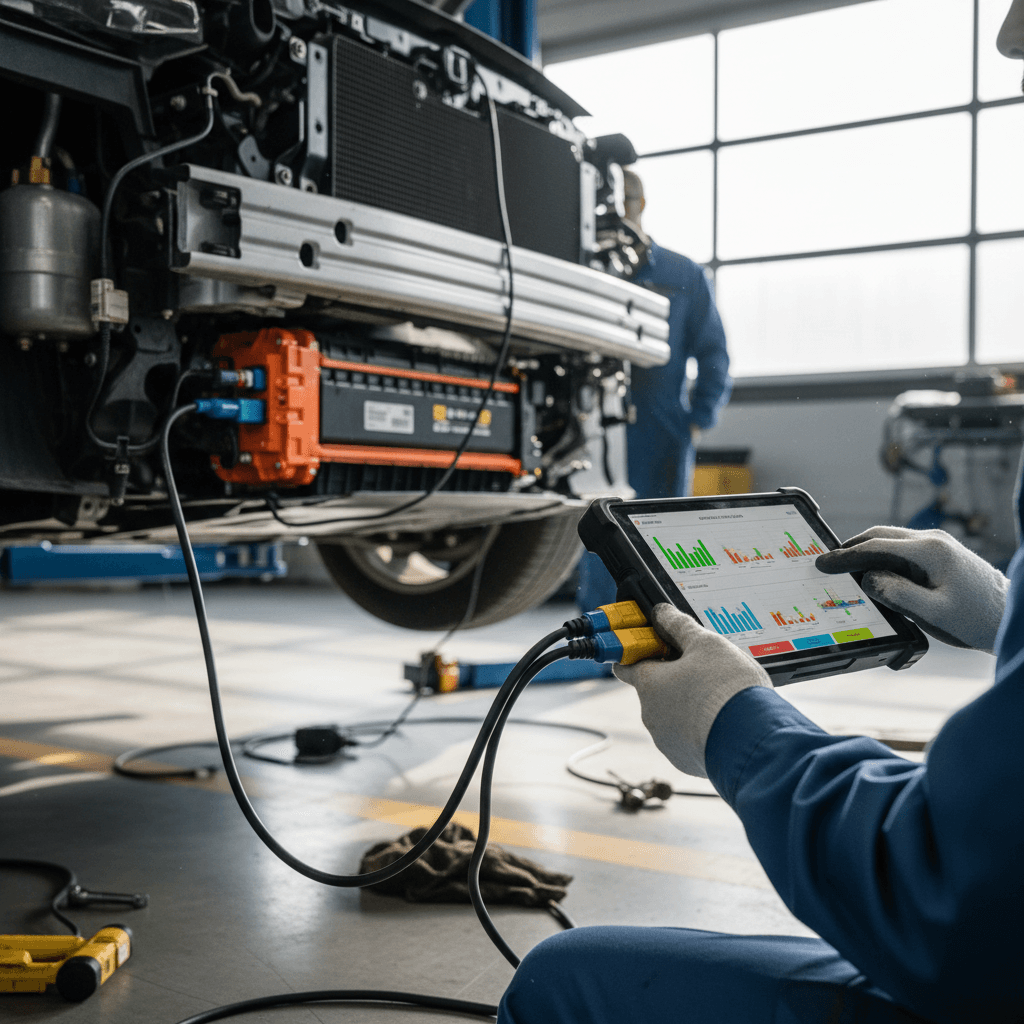
Dash estimate and seller claims aren’t enough. You want a **scan‑based battery health report** showing state‑of‑health (SOH), pack temperature behavior and fault codes. This is exactly what the Recharged Score battery diagnostics are designed to show.
3. Ask for charging habits and climate history
Where the car lived and how it was charged matters. A Bolt that lived in a mild‑climate suburb and mostly charged on Level 2 at home is a very different risk profile than one that fast‑charged daily in Phoenix.
4. Budget realistically for out‑of‑warranty repairs
On luxury EVs and complex first‑gen models, assume that a **single out‑of‑warranty repair can cost four figures**. If that prospect makes you nervous, concentrate on simpler, more proven models instead.
5. Prefer cars sold by EV‑focused retailers
Mainline used‑car lots may not understand EV quirks. Working with an EV‑specialist retailer like <strong>Recharged</strong> means you get battery diagnostics, transparent pricing, and expert guidance baked into the process.
Safer used EV alternatives to consider
Not every used EV is a drama magnet. Some models have earned **much stronger reliability scores and better battery‑health reputations**, especially in later model years. Availability varies by region, but here are broad categories worth focusing on:
Used EVs that tend to be safer bets
Always verify individual vehicle condition, but these nameplates generally fare better than the “avoid” list.
Mainstream hatchbacks & sedans
- Tesla Model 3 from well‑known years with good build quality and strong range.
- Second‑generation Nissan Leaf (2018+) with updated battery chemistry, still modest range, but improved degradation vs. early Leafs.
Simple packaging and plenty of real‑world data help these cars age more predictably.
Mature crossovers
- Later‑build Hyundai Kona Electric and Kia Niro EV after recall work, especially if battery health is verified.
- Select years of Kia EV6 and Hyundai Ioniq 5 once early software issues were ironed out.
These share well‑developed platforms with strong efficiency and good owner satisfaction when issues are addressed.
Proven hybrids and PHEVs
If you’re open to a gas engine, used **Toyota and Honda hybrids** often top reliability charts, and plug‑in hybrids from proven brands can ease you into the EV world while cutting fuel bills.
They’re not BEVs, but they may fit your risk tolerance better.
Remember: model > brand loyalty
How Recharged helps reduce used‑EV risk
If this all sounds like a lot of homework, that’s because it is. The good news: you don’t have to do it alone. Recharged was built specifically to make **used EV ownership simpler and more transparent**, especially around the thing that matters most, the battery.
What Recharged does differently with used EVs
Turning “buyer beware” into “buyer informed.”
Recharged Score battery diagnostics
Every vehicle on Recharged comes with a **Recharged Score Report** that includes verified battery health, not just an odometer reading. Our diagnostics look at state‑of‑health, temperature behavior and fault codes so you know what you’re getting.
Model‑specific risk screening
We constantly monitor reliability data, recalls and software campaigns. High‑risk model years, like certain Bolts, ID.4s or startup EVs, go through extra scrutiny before we list them, or we avoid them altogether if we can’t stand behind the battery.
Fair pricing, financing & support
Because we understand EV depreciation and battery risk, our pricing reflects real‑world reliability, not just a book number. You can also finance, trade in, or sell your EV through Recharged, with EV‑specialist support from start to finish and optional nationwide delivery.
Ready to find your next EV?
Browse VehiclesChecklist: evaluating any used EV in 2025
Whether you’re looking at a car on Recharged, at a local dealer, or from a private seller, run through this quick checklist before you sign anything.
10‑point used‑EV evaluation checklist
1. Confirm your real‑world range needs
Estimate your daily miles, typical weather, and how often you’ll fast‑charge. A car that starts with 220 miles of range and has lost 10–15% may be fine for a 40‑mile commute but terrible for a 120‑mile one‑way drive.
2. Research model‑year reliability
Search for "<strong>[model] [model year] reliability</strong>" and skim at least one owner‑survey‑based source plus a couple of long‑term reviews. Note any recurring themes around batteries, charging, or software.
3. Run the VIN for recalls and campaigns
Use official recall look‑up tools to see if there were <strong>battery, high‑voltage, or software</strong> campaigns and whether they were completed. Ask the seller for documentation and service invoices.
4. Get a battery health report
Insist on a proper diagnostic report, not a screenshot of the range estimate. On Recharged, this is included in the Recharged Score. Elsewhere, ask a trusted EV shop or mobile diagnostic service to scan the car before purchase.
5. Ask about charging habits
How often was the car DC fast‑charged? Did the owner routinely charge to 100% and leave it full? Was it stored in extreme heat or cold? Honest answers here tell you a lot about future battery life.
6. Inspect tires, brakes and suspension
EVs are heavy, and some early models chew through tires and suspension components faster than comparable gas cars. Uneven tire wear or clunks over bumps can hint at upcoming costs.
7. Test all charging hardware
If possible, plug into both Level 2 and, for DC‑capable cars, a fast charger during your test drive. Watch for failed sessions, odd noises from the pack, or warnings on the dash.
8. Check software version and update history
Ask if the car is on the latest software and whether updates have fixed past bugs (infotainment freezes, charging failures, driver‑assist glitches). For Teslas and some others, you can see update history in the car or app.
9. Verify warranty coverage
Many EVs still carry **8‑year/100,000‑mile (or more) battery warranties**. Confirm the in‑service date and exact terms. A car with several years of pack coverage left is a very different risk than one that’s fully out of warranty.
10. Compare with safer alternatives
Before you fall for a single listing, step back and ask: “Is there a more reliable model or later build year that would meet my needs?” Sometimes shifting to a different trim, year, or brand cuts your risk dramatically for a small price change.
Used EVs to avoid in 2025: FAQ
Frequently asked questions about risky used EVs
Used electric cars aren’t divided into “safe” and “dangerous” boxes. They live on a spectrum, from proven, boringly reliable commuter tools to high‑tech, first‑gen experiments that still have bugs to shake out. In 2025, the smartest move is not to swear off certain badges but to combine **model‑year research, battery health diagnostics and realistic pricing**. If you’d rather have a specialist do that legwork for you, browsing vehicles that already include a Recharged Score Report is an easy way to start your used‑EV search with far fewer unknowns.