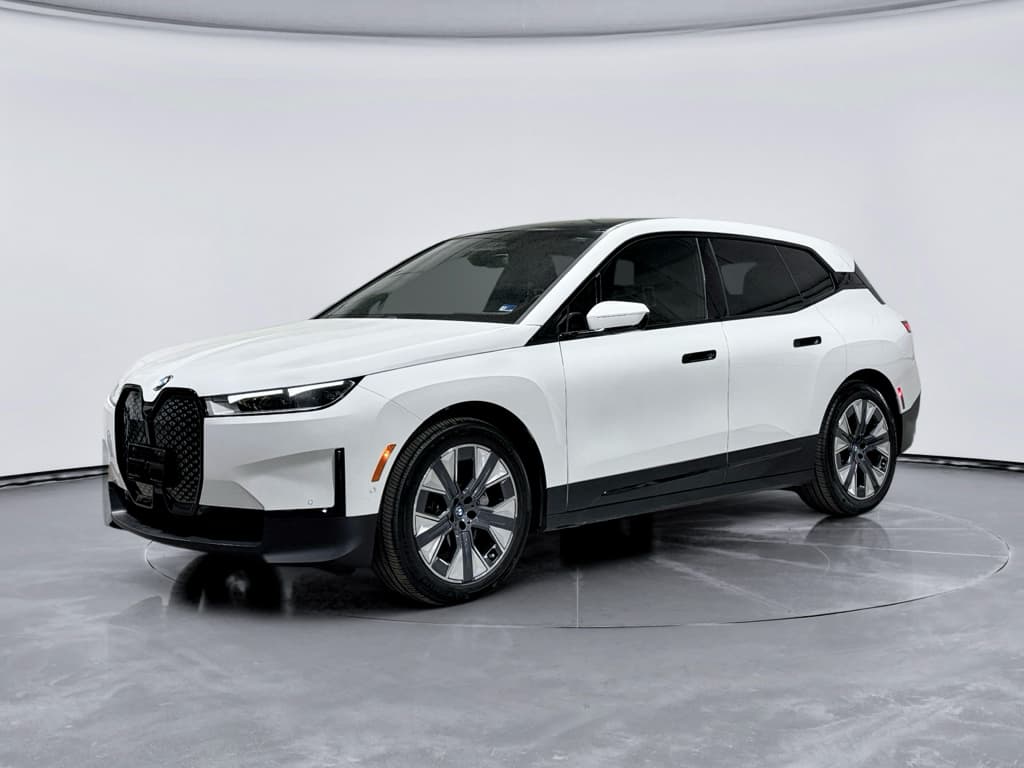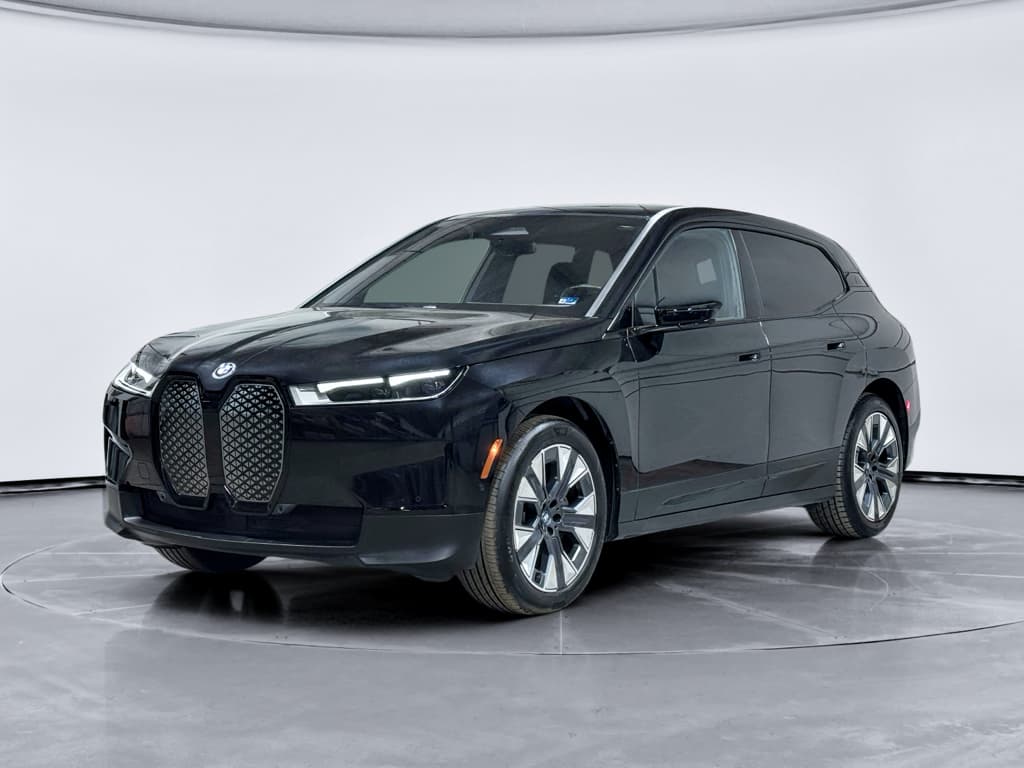
If you’re shopping for a flagship luxury EV, a used BMW i7 vs Mercedes EQS comparison is pretty much inevitable. Both deliver serious range, huge screens and limo-like comfort, but they do it with very different personalities, and those differences matter a lot once these cars hit the used market.
Who this comparison is for
Overview: Used BMW i7 vs Mercedes EQS
BMW and Mercedes took opposite approaches to their first all-electric flagships. The BMW i7 is an electric version of the 7 Series, tall, upright, and unapologetically BMW. The Mercedes EQS rides on a clean-sheet EV platform with a super-slippery, cab-forward shape designed to squeeze every mile from its big battery.
BMW i7 in a sentence
- Feels like a traditional 7 Series that just happens to be electric.
- More engaging to drive, with sharper steering and chassis tuning.
- Interior is rich, techy, and slightly more conventional to use day-to-day.
Mercedes EQS in a sentence
- Prioritizes efficiency and serenity over driver involvement.
- Often delivers more real-world range from its larger battery.
- Ultra-quiet, cushy ride with futuristic, sometimes polarizing, controls and styling.
Used-market reality check
Key Specs at a Glance
BMW i7 vs Mercedes EQS: Core Specs (Typical U.S. Trims)
Representative specs for common trims you’ll see used: BMW i7 eDrive50/xDrive60 and Mercedes EQS 450+/450 4MATIC/580 4MATIC from roughly 2023–2025 model years.
| Spec | Used BMW i7 (eDrive50 / xDrive60 / M70) | Used Mercedes EQS (450+ / 450 4MATIC / 580) |
|---|---|---|
| Battery (usable, approx.) | ~105.7 kWh | ~108–118 kWh (larger in later years) |
| EPA Range window | ~268–321 miles depending on trim | ~340–352 miles (AMG ~305 miles) |
| DC fast-charge peak | Up to ~195 kW | Up to ~200 kW |
| 0–60 mph (typical trims) | ~5.3 sec (eDrive50), ~4.5 sec (xDrive60), ~3.5 sec (M70) | ~5.9 sec (450+), quicker for 580 and AMG |
| Drive layout | RWD or dual‑motor AWD | RWD (450+) or dual‑motor AWD (450 4MATIC/580) |
| Body style | Traditional 3-box sedan | Aerodynamic hatchback-like sedan |
| Length / wheelbase | ~212 in / 126.6 in | ~205 in / 126.4 in |
| Typical new MSRP (when new) | Low–mid $100Ks | Low–mid $100Ks |
| Used pricing trend | Holding a bit firmer | Steeper discounts, more inventory in some markets |
Exact figures vary by wheel size, options and model year, but this comparison captures the broad differences you’ll see while shopping used.
Efficiency & Range Snapshot
Driving Experience, Comfort & Noise
Both of these are proper luxury flagships. The difference is in character: BMW tunes the i7 to feel like a big sports sedan, while Mercedes leans hard into effortless, almost limo-like isolation with the EQS.
How They Feel From Behind the Wheel
Neither is slow, both are quiet, but they appeal to different priorities.
BMW i7: Confident, driver-focused
- Steering and chassis feel more connected. Rear-wheel steering makes it surprisingly maneuverable in tight parking lots for such a long car.
- Acceleration on the xDrive60 and M70 trims is properly quick, but power delivery is smooth rather than neck-snapping.
- Ride quality is plush but a bit firmer than the EQS; great highway stability and body control.
Mercedes EQS: Effortless, ultra-soft
- Air suspension and long wheelbase focus on glide-over-everything comfort. It’s one of the quietest cabins in the segment.
- Steering effort is light; some drivers find it a bit disconnected versus the BMW.
- Brake feel has improved in newer EQS model years, but can still feel less natural than the i7’s to some drivers.
Comfort verdict
Range, Battery & Charging
When you’re talking about six-figure EVs, range and charging performance aren’t just numbers on a spec sheet, they drive resale values and long-term satisfaction. Here the EQS uses its sleeker body and slightly larger battery to squeeze out more miles on a charge, while the i7 counters with solid range and very competitive charging hardware.
- Typical used BMW i7s in the U.S. post EPA ratings in the high-200s to low-300s miles depending on trim and wheels.
- Typical used Mercedes EQS 450+ models are rated around 350 miles, with dual-motor 4MATIC trims just under that.
- Both will usually charge from 10–80% in roughly 30 minutes on a strong DC fast charger when conditions are ideal.
Real-world vs EPA ratings
BMW i7 battery & charging
- Net battery capacity around 105.7 kWh across trims.
- EPA range roughly 268–321 miles depending on wheel size and configuration.
- Peak DC fast charge around 195 kW; you can add roughly 100 miles of range in about 10 minutes at a compatible station.
- On AC (Level 2) at home, expect a full charge in ~10–12 hours with a properly sized 240V circuit.
Mercedes EQS battery & charging
- Battery usable capacity around 108–118 kWh depending on model year, with later cars getting the larger pack.
- Range: EQS 450+ RWD commonly rated around 350 miles; AWD 4MATIC trims slightly lower but still competitive.
- Peak DC rate up to ~200 kW; 10–80% in about 30–31 minutes on a capable charger.
- Home Level 2 charging from about 10–100% in just over 11 hours with a 240V wallbox.
Don’t obsess over one range number
Tech, Infotainment & Driver Assistance
You won’t struggle to find screens, ambient lighting or semi-autonomous driving aids in either car. The real question is which ecosystem you find less frustrating to live with over the next five to ten years.
i7 vs EQS: Tech Highlights
Both are feature-rich, but they organize that tech differently.
BMW i7 tech feel
- Curved dual-screen setup with BMW’s iDrive infotainment; generally easier to live with if you’re coming from a recent BMW.
- Physical controls for a few key functions remain, but many are on touch surfaces.
- Available 31" rear theater screen is spectacular but overkill if you rarely carry rear passengers.
- Driver-assist suite is strong, with highway lane-keeping and adaptive cruise that feel natural once you’re used to BMW’s logic.
Mercedes EQS tech feel
- Most U.S. cars feature the huge MBUX Hyperscreen, three OLED displays under one glass pane. It looks wild and feels very next-decade.
- Interface is deep and highly configurable but can be overwhelming at first; expect a learning curve.
- Innovative ambient lighting, AR head-up display and high-end audio systems reinforce the “rolling lounge” vibe.
- Driver assistance is excellent but the brake-by-wire tuning and one-pedal feel are more polarizing than the BMW’s.
Used-ownership tech tip
Space, Practicality & Design
Underneath the tech theater, these are still full-size flagships. The details of how they use that space, though, are surprisingly different, and those differences are amplified when you live with one every day.
BMW i7: Classic sedan luxury
- Traditional trunk rather than a hatch; cargo space is decent but not SUV-like.
- Rear seat legroom is limo-grade, especially with reclining executive seating packages.
- Upright glasshouse gives better outward visibility and a more conventional profile.
- Styling is bold and controversial up front; if you like it, you really like it.
Mercedes EQS: Electric bubble-limo
- Liftback rear gives a large opening and very usable cargo area; great if you haul bulky gear.
- Cab-forward design and high cowl lines can make front visibility feel a bit more enclosed.
- Rear seat comfort is excellent but some taller passengers notice slightly less headroom than in the i7.
- Exterior is slippery and understated; some shoppers love the futurism, others find it anonymous.
Practicality edge
Ownership Costs, Depreciation & Incentives
Both of these cars start life with six-figure window stickers, but they do not hold value like rare sports cars. In fact, their aggressive new-car pricing, rapid EV tech cycles and shifting tax-credit rules have combined to create some of the steepest depreciation curves in the market.
What to Expect Owning a Used i7 or EQS
Big luxury EVs can be bargains used, but go in with eyes open.
Purchase price
Many 2–3 year-old examples trade well below their original MSRP. Generally, EQS sedans tend to be cheaper than comparable i7s, reflecting heavier discounting and softer demand when new.
Running costs
Electricity is usually cheaper per mile than premium fuel, especially if you can charge at home on off-peak rates. Expect tire costs and insurance to be more in line with gas 7 Series/S-Class equivalents.
Future value
Luxury EV values are influenced by new-model tech leaps and policy shifts. Mercedes has already adjusted EQ pricing and plans, while BMW appears to be pacing its transition more gradually, which may support i7 residuals slightly better.
Financing and total cost with Recharged
Reliability, Battery Health & Used-Buying Risks
Because both the BMW i7 and Mercedes EQS are relatively new platforms, there isn’t a decade of failure data to lean on the way there is for a used Camry. What we do have are early reliability patterns, software update histories, and, most importantly for used shoppers, tools to directly measure battery health.
- Both cars use large, liquid-cooled battery packs with robust thermal management; catastrophic pack failures appear rare so far but not nonexistent.
- Most issues reported so far involve software glitches, infotainment quirks, and occasional driver-assist calibration problems rather than core powertrain failures.
- Luxury EVs like these pack huge amounts of hardware (air suspension, soft-close doors, complex lighting), so out-of-warranty repairs can be expensive even if the battery is fine.
Used Flagship EV Battery Health Checklist
1. Get an objective battery health report
Don’t rely on the dash range estimate alone. A tool like Recharged’s <strong>Recharged Score Report</strong> uses diagnostics and real-world data to quantify usable battery capacity and charging behavior over the car’s life.
2. Review DC fast charging history
Heavy reliance on DC fast charging can increase long‑term battery stress. A car that mostly lived on a home Level 2 charger is usually a safer bet than one that rapid-charged daily.
3. Look for software update records
Ask for service records showing major software updates. Both BMW and Mercedes have pushed significant over‑the‑air and dealer-installed updates that improve range estimates, driver aids, and system stability.
4. Inspect suspension and tires carefully
These are heavy cars. Uneven tire wear, clunks over bumps, or air-suspension warnings are expensive red flags on any used i7 or EQS.
5. Check every powered feature
From soft-close doors to rear-seat entertainment, test every button, screen and motor. On complex luxury EVs, "little" electronic issues can add up fast out of warranty.
Why buying blind is risky
Which Used Luxury EV Fits You Best?
On paper, the Mercedes EQS usually wins on range and pure isolation, while the BMW i7 fights back with a more engaging drive and a cabin that feels closer to a traditional flagship sedan. The right choice for you depends less on one spec and more on how you plan to use the car.
Quick Match: i7 vs EQS by Buyer Type
Think about how you’ll actually live with the car over the next 5–10 years.
You’ll likely prefer a used BMW i7 if…
- You want your EV to drive like a big BMW, with better steering feel and body control.
- You prefer a more conventional sedan shape and better outward visibility.
- You care about long-term interface usability as much as wow-factor screens.
- You’re okay trading a bit of maximum range for driver engagement.
You’ll likely prefer a used Mercedes EQS if…
- You prioritize range and quiet comfort above all else.
- You love the idea of a futuristic, lounge-like cabin with the Hyperscreen and dramatic ambient lighting.
- You regularly road-trip long distances and want every extra mile of highway range you can get.
- You value the hatchback cargo opening for luggage, pets or bulky items.
If you’re still on the fence…
- Drive both back-to-back over the same route, including rough pavement and highway.
- Compare not just list prices but projected monthly costs including financing, insurance and charging.
- Let a third party like Recharged run a full battery and systems health check so you’re comparing apples to apples.
The good news is that in the battle of used BMW i7 vs Mercedes EQS, there isn’t a wrong answer, only a better fit for your needs and tolerance for complexity. If you want a more traditional big-sedan experience that just happens to be electric, the i7 is likely your car. If you’re chasing near-S-Class serenity, a massive hatch and maximum range, a well-vetted EQS is hard to beat, especially at today’s used prices. However you lean, take the time to understand battery health, software history and total cost of ownership. That’s the difference between simply getting a great deal and getting a great EV.