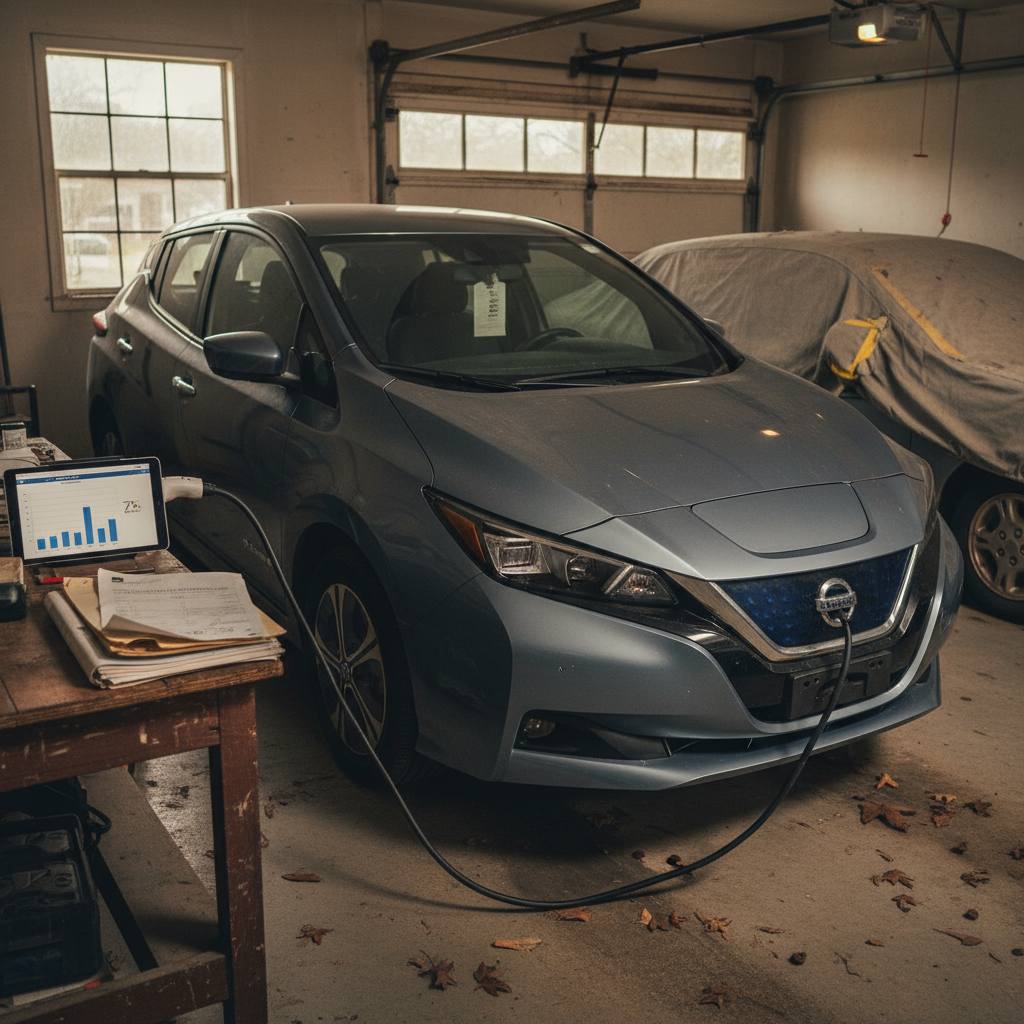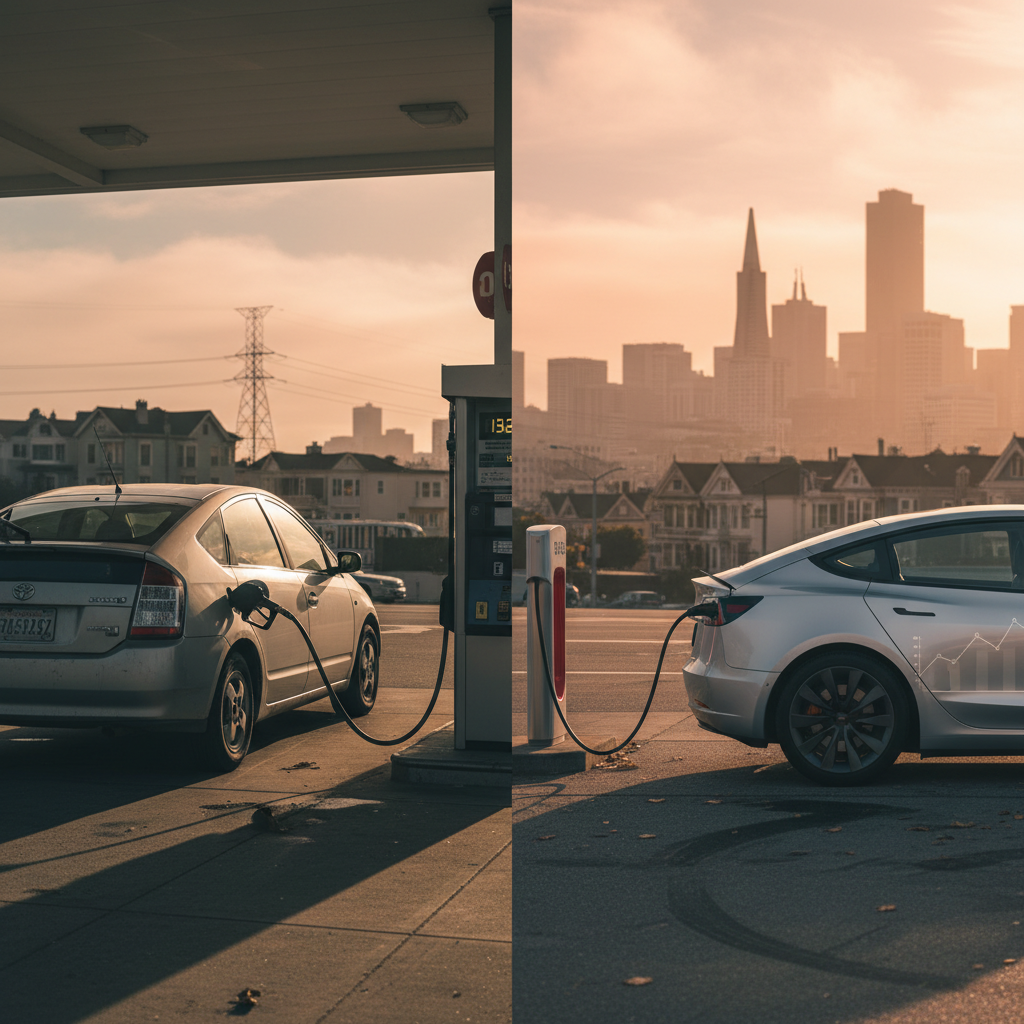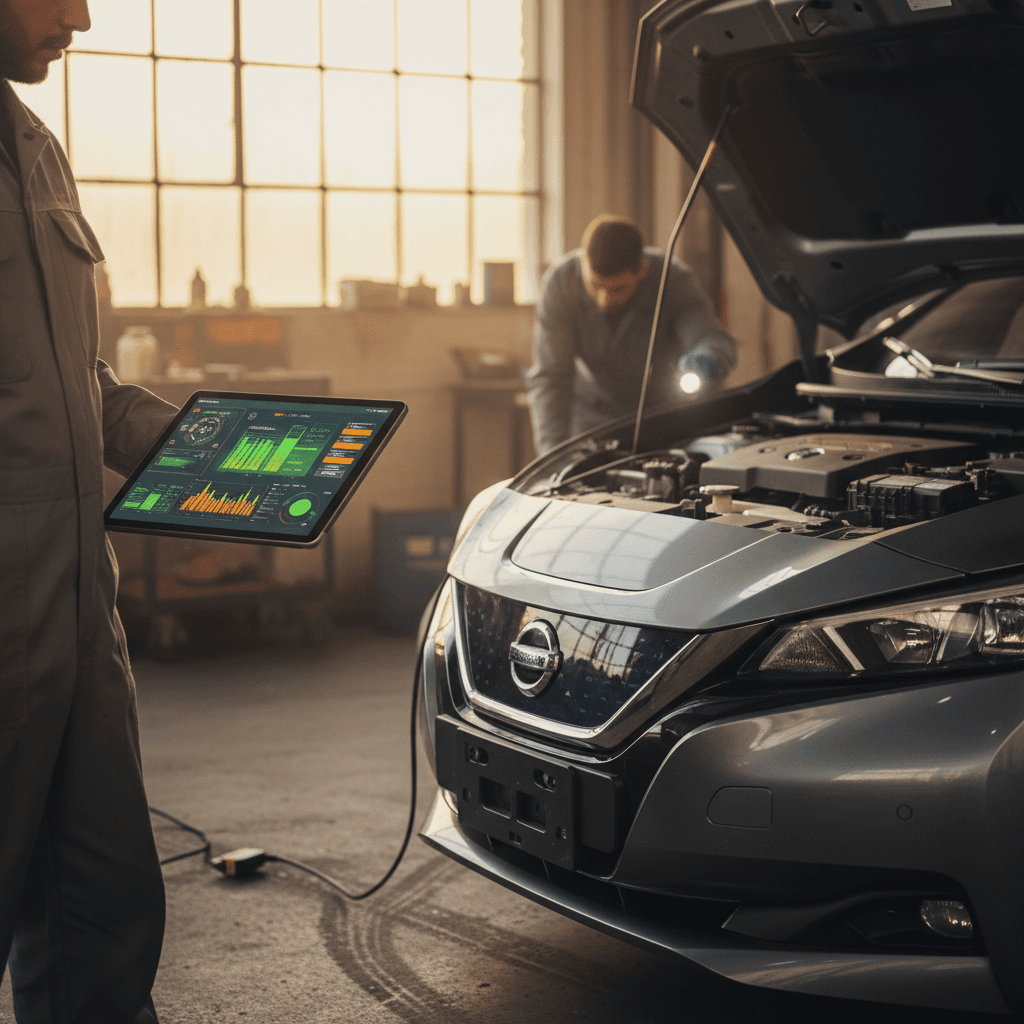
Shopping for a used electric car can feel like trying to judge a smartphone by its case. The paint might shine, the interior might sparkle, but the real story is in the battery, electronics, and charging hardware. This used electric car inspection checklist walks you through what to check yourself, what to ask the seller for, and when to bring in professional help so you don’t inherit someone else’s expensive EV experiment.
Same used car, new rules
Why used EVs need a different inspection
With a gas car, you worry about compression, oil leaks, and transmissions. With a used EV, the **high-voltage battery**, **onboard charger**, and **electronics** carry most of the long-term cost. Packs are far more durable than early horror stories suggested, but a neglected EV, fast charged constantly, parked full in desert heat, rarely updated, can have noticeably less range and a shorter remaining warranty window than its well‑kept twin.
What still matters from gas-car inspections
- Body and paint condition (accidents, rust, panel gaps)
- Tires, wheels, and alignment
- Brakes, suspension, steering feel
- Interior wear, seats, glass, lights
What’s different with used EVs
- Battery State of Health (SoH) and real range
- Charging port, charge speed, and connectors
- Software status, warning lights, and OTA history
- Remaining battery and drivetrain warranty
Used EV risks in one glance
Quick used electric car inspection checklist
If you’re standing on a lot or meeting a private seller, use this high‑level used electric car inspection checklist first, then dive deeper into each step below.
15-point used EV inspection overview
1. Confirm the basics fit your life
Model, body style, cargo space, seating, and EPA or WLTP range line up with your commute and trips.
2. Ask for a battery health report
Request a recent battery State of Health (SoH) or capacity report from the seller, dealer, or marketplace.
3. Compare displayed range to original spec
With the battery near 100%, compare the car’s predicted range to what it was rated at new.
4. Inspect the charging port and door
Look for damage, corrosion, loose doors, or hacked-on adapters around the charging inlet.
5. Verify included charging cables
Confirm you’re getting the mobile charger, any Level 2 cable, and adapters promised in the listing.
6. Test a real charging session
If possible, plug in at Level 2 or DC fast charge to confirm the car charges normally and at expected speed.
7. Check tires for even wear
Uneven wear can warn you about alignment or suspension issues, especially with heavier EVs.
8. Inspect brakes and feel the pedal
Look for rotor rust, listen for grinding, and confirm smooth, predictable pedal feel despite regen braking.
9. Scan for warning lights
Before and after your test drive, check the dash for any amber or red icons, especially battery or drivetrain.
10. Test every high‑voltage accessory
Run HVAC, seat heaters, defrosters, and infotainment. EVs power almost everything from the main pack.
11. Drive at low and highway speeds
Listen for bearing hums, motor whine changes, and wind noise that signal repair history or skipped maintenance.
12. Pull a vehicle history report
Look for accidents, flood or salvage titles, lemon buybacks, and mileage inconsistencies.
13. Confirm battery and drivetrain warranty
Match the in‑service date and mileage with the manufacturer’s battery and powertrain warranty terms.
14. Review service and charging history
Ask how often it fast‑charged, whether recalls were done, and where it was stored (climate matters).
15. Decide if you need a pro EV inspection
For pricey cars or uncertain history, schedule a specialized EV pre‑purchase inspection or buy through a platform that includes diagnostics.
Print or save this checklist
Step 1: Clarify your range and charging needs
Before you point a flashlight at anyone’s battery pack, get clear on what you actually need from a used EV. Otherwise you’ll waste time perfectly inspecting the wrong car.
Match the car to your life first
A pristine EV that doesn’t fit your routine is still a bad buy.
Daily driving
Write down your typical weekday miles and your worst‑case winter day. Most drivers vastly overestimate this. If you drive 40–60 miles a day, a used EV with 180–220 miles of real range is often plenty.
Home charging reality
Can you install a 240V Level 2 charger, or are you stuck with a 120V outlet and public charging? Your home setup dictates how much range buffer you need to sleep at night.
Trips and road‑trips
Do you road‑trip a few times a year, or is your life mostly local? A car that’s perfect for city life can be tedious if you’re driving cross‑country twice a month.
Don’t chase range you’ll never use
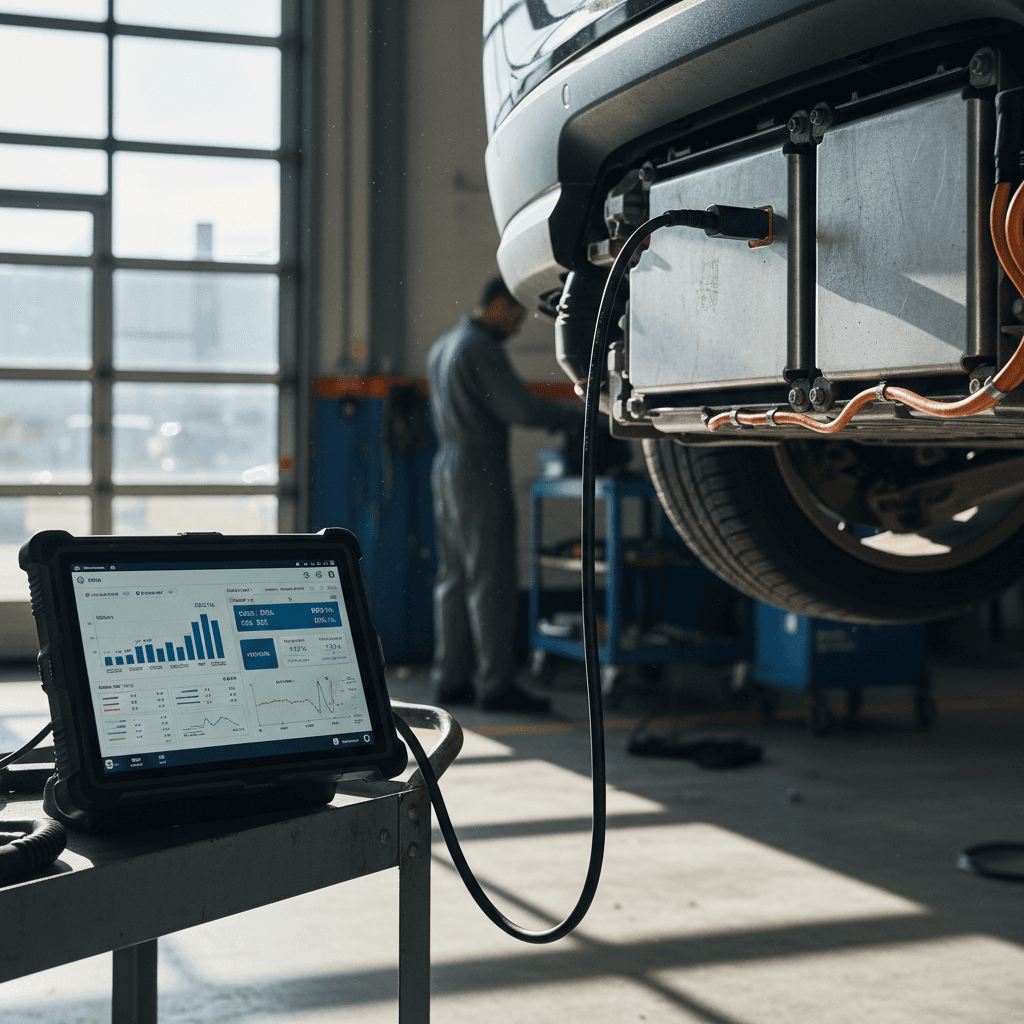
Step 2: Battery health and real-world range
Battery health is the beating heart of any used electric car inspection checklist. The trick is not worshipping one magical number but triangulating a few signals: a battery report, real‑world range, age, mileage, and climate history.
Key battery health signals to review
Use these together rather than fixating on a single State of Health percentage.
| Signal | What to ask for | What you’re looking for | Red flags |
|---|---|---|---|
| Battery health report | Printed or app-based SoH or capacity report | Clear State of Health reading and test date | No report available, or vague screenshots with missing dates |
| Displayed full-charge range | Car charged near 100% before visit | Range broadly consistent with age and SoH | Big gap vs. similar cars or original spec with no price adjustment |
| Age & mileage | In-service date, odometer, climate | Degradation that matches age/miles and mild climate | High degradation on young, low-mile car or extreme hot-climate history |
| Charging history | How often it DC fast-charged | Mixed use of Level 2 and DC fast, mostly moderate SOC | Heavy daily DC fast charging, always stored at 100% charge |
| Warnings & faults | Dashboard, scan tool, or marketplace report | No high‑voltage or battery fault codes | Any current or recent high-voltage/battery warnings |
Battery State of Health is useful, but it’s not gospel; combine it with age, mileage, range, and history.
How to interpret SoH numbers
- Ask the seller to charge the car to at least 80–90% before you arrive so you can see near‑full range.
- Compare the displayed range to reviews and owner reports for similar age and mileage.
- If you’re tech‑comfortable, bring a Bluetooth OBD-II dongle and a model‑specific EV app to read deeper pack data.
- For high‑value cars, consider a third‑party or marketplace battery diagnostic that uses the car’s own data, Recharged bakes this into every Recharged Score report so you don’t have to hunt for tools or experts.
Battery walk-away moments
Step 3: Charging port, cables, and home charging
The most beautiful battery is useless if you can’t feed it. Your used electric car inspection checklist should include a very physical look at the charging port and all the cables you’re supposedly getting.
Charging system inspection checklist
You’re buying a fueling system as much as a car.
1. Charging port & door
- Open and close the charge door several times.
- Check the port for bent pins, corrosion, or cracked plastic.
- Confirm the connector type (NACS, CCS, J1772) matches chargers you can actually use.
2. Included cables & adapters
- Confirm the 120V mobile charger is present, with no melted plugs.
- Check any Level 2 cable or wallbox if included.
- Look for OEM adapters (e.g., NACS–CCS) and test their fit.
3. Real charging test
- If possible, plug into a Level 2 or DC fast charger nearby.
- Confirm charging starts quickly and stays stable.
- Note the charge rate; it should roughly match the car’s spec and station limits.
Sanity-check your home
Step 4: Brakes, tires, and suspension on a used EV
EVs are kind to brake pads but hard on tires. Regenerative braking means pads can last a long time, yet the extra weight and instant torque can chew through cheap rubber and expose marginal suspension quickly.
What to check under each corner
A simple walkaround can reveal thousands of dollars in near‑term wear items.
| Component | Quick check | Good sign | Bad sign |
|---|---|---|---|
| Tires | Check tread depth, outer and inner shoulders, date code | Even wear, quality EV‑rated tires, recent date codes | Inside edges bald, mismatched brands, cheap non‑EV tires |
| Brakes | Look through wheels for rotor surface; listen while braking | Light surface rust that cleans up after a short drive | Deep grooves, heavy rust, pulsing pedal, grinding noises |
| Suspension | Bounce each corner; listen on test drive over bumps | Controlled rebound, quiet over bumps, straight tracking | Clunks, squeaks, or steering wander at highway speed |
| Steering | Check for on‑center feel and vibration | Stable at speed, no shudder while braking | Vibration at speed, pulling, or shake under braking |
Even if the battery is perfect, a used EV with bad tires and neglected suspension can be an expensive first year of ownership.
Heavy EV, heavier repairs
Step 5: Interior electronics and software health
In an EV, the software is not optional garnish; it’s how you talk to the powertrain. A used EV with glitchy screens or ignored software updates can be more frustrating than a high‑mileage car that’s been meticulously updated.
- Power up the car and watch for slow boots, frozen screens, or random reboots.
- Test every window, lock, mirror, seat adjustment, light, and camera view.
- Run the HVAC in heat and A/C modes; confirm strong airflow and no strange smells.
- Open the settings menus and look for software version, update history, and available updates.
- If the brand uses a companion app, ask to see it connected, remote commands, charge status, and preconditioning should work.
Why software status matters
Step 6: Drive test and noise checks
EVs are eerily quiet. That’s lovely for your commute and brutal for sellers hiding mechanical sins. With no engine noise to cover flaws, every whir, thump, and hum gets a solo.
How to structure an EV test drive
1. Start in a parking lot
Crawl at low speed with the windows down. Listen for clunks over speed bumps, clicking CV joints on full‑lock turns, or grinding when you brake.
2. Medium‑speed city loop
Feel for smooth power delivery, consistent regenerative braking, and linear pedal response. Any surging or harshness deserves a second look.
3. Highway segment
Take it to 60–70 mph. Listen for wind noise around doors, rumbling from tires, or a constant hum that changes with speed (wheel bearings).
4. Hands‑on steering check
With a safe following distance on a straight road, briefly loosen your grip (without letting go). The car should track straight instead of pulling.
5. Full stop & regen feel
Decide if you like the regenerative braking calibration. You don’t have to love it on day one, but it shouldn’t feel unpredictable or grabby.
6. Post‑drive scan
After you park, check for any new warning lights. Sudden errors after a hard drive can reveal hidden issues.
Use the silence against the car
Step 7: History reports, warranty, and paperwork
The last section of your used electric car inspection checklist isn’t under the hood; it’s in the paperwork. This is where you confirm that the story the seller is telling matches the car’s actual life.
Paperwork you should review before you buy
If it isn’t documented, assume it didn’t happen.
Vehicle history & title
- Run a history report for accidents, floods, salvage, or lemon buybacks.
- Verify the title is clean and in the seller’s name.
- Watch for out‑of‑state transfers right after major storms.
Warranty & recall status
- Look up original in‑service date to see how much battery and drivetrain warranty remains.
- Check for open recalls and ask for proof of completed ones.
- Clarify whether any aftermarket modifications affect coverage.
Service & charging history
- Ask for service records: tires, brake checks, software updates, HV system work.
- Ask where the car was charged, mostly home Level 2 or constant DC fast charging.
- Look for notes about high‑voltage repairs or repeated warning lights.
Included accessories & extras
- List out everything included in writing: cables, adapters, floor mats, roof racks.
- Confirm both key fobs and any app account transfers.
- Make sure promised features (e.g., DC fast capability) actually exist on this VIN.
If the documents don’t match the story
DIY vs professional EV pre-purchase inspection
You can learn a lot with your eyes, ears, and this checklist. But there are limits to driveway diagnostics, especially for newer EVs with locked‑down software and complex battery management systems.
What DIY inspection is great for
- Obvious issues: curb rash, bad tires, mismatched panels.
- Basic test drive impressions and noises.
- Checking that every feature you care about actually works.
- Filtering out cars where the seller seems evasive or unprepared.
Where a pro EV inspection adds real value
- Pulling detailed battery and high‑voltage system data.
- Scanning for stored trouble codes not yet showing as lights.
- Evaluating subtle suspension wear and alignment.
- Translating all of the above into realistic future repair risk.
Specialist over generalist
How Recharged simplifies used EV inspections
If all of this sounds like a lot to juggle in a parking lot, that’s exactly why Recharged exists. Instead of squinting at vague dealer promises, every vehicle on Recharged comes with a **Recharged Score Report**, a structured, expert‑built snapshot of the car’s battery health, pricing, and overall condition.
What the Recharged Score does for you
So you’re not playing detective with a six‑figure battery pack.
Verified battery health
Each car gets a dedicated Battery Health section that uses the vehicle’s own data and diagnostics, not guesswork, to show capacity, range impact, and how it compares to similar EVs.
Fair market pricing
The report ties condition and battery health to transparent pricing data, so you can see whether a discount actually reflects a weaker pack or if you’re overpaying for a shiny detail job.
EV‑specialist support
Recharged’s EV specialists can walk you through the report, sanity‑check battery health against your commute and trips, and help you compare options, all online, with financing and nationwide delivery if you want it.
Ready to find your next EV?
Browse VehiclesIf you’re trading in an existing car, Recharged can provide an instant offer or consignment, then match you with a used EV that already passed a deep inspection. That’s the opposite of hoping the guy with the Carfax and a handshake has your best interests at heart.
Used EV inspection FAQ
Frequently asked questions about used EV inspections
Bottom line: your used EV inspection checklist
A used electric car isn’t a leap of faith; it’s a math problem with some emotions mixed in. If you match the car’s real‑world range and charging reality to your life, insist on clear battery health evidence, and work through this used electric car inspection checklist methodically, you’ll avoid most of the horror stories you’ve heard. And if you’d rather have experts sweating the details, you can let Recharged do the heavy lifting with verified battery diagnostics, transparent pricing, financing, trade‑in options, and nationwide delivery baked in. However you get there, the goal is the same: an EV that fits your budget, your commute, and your conscience, without any nasty surprises hiding behind the charge port.