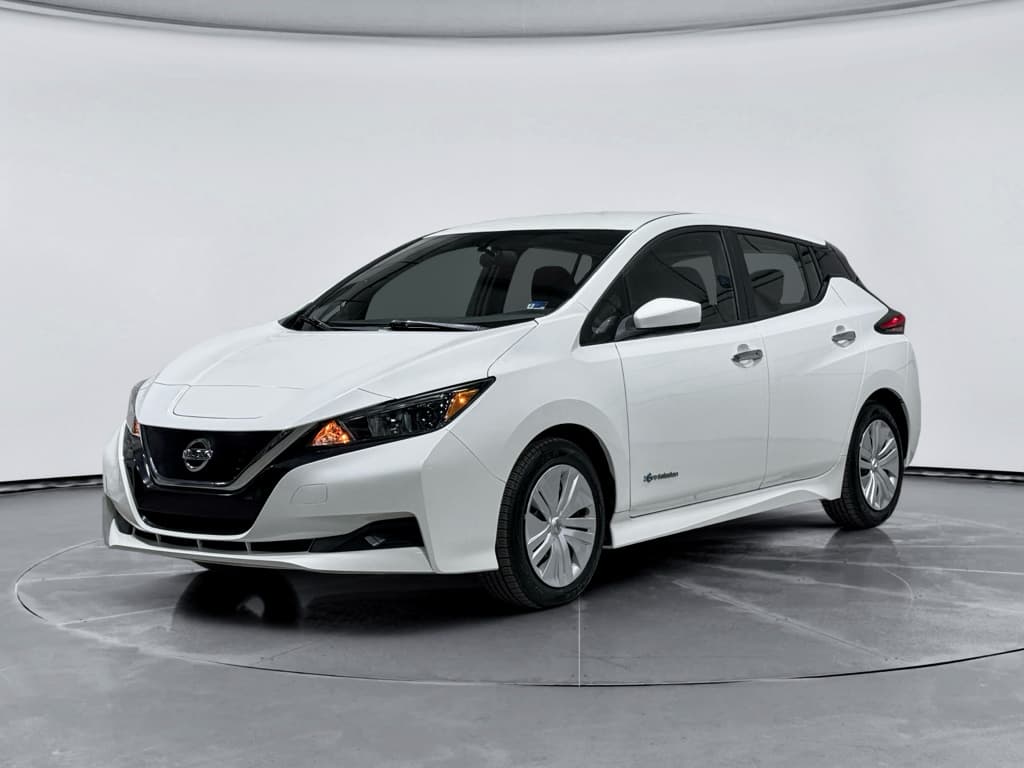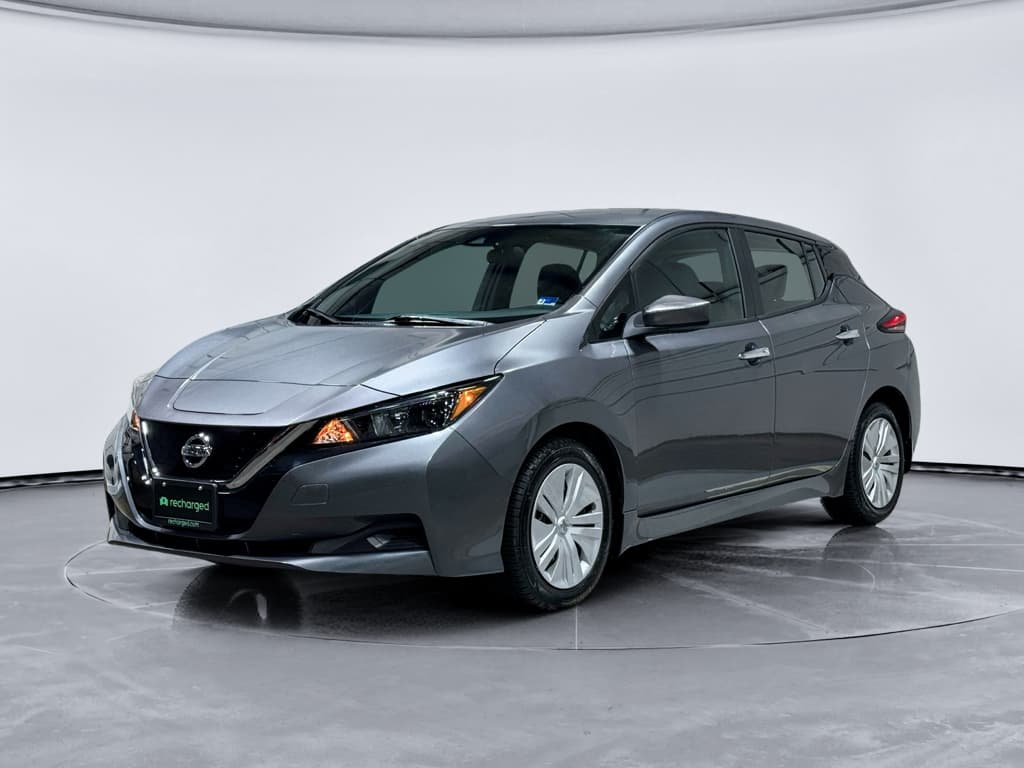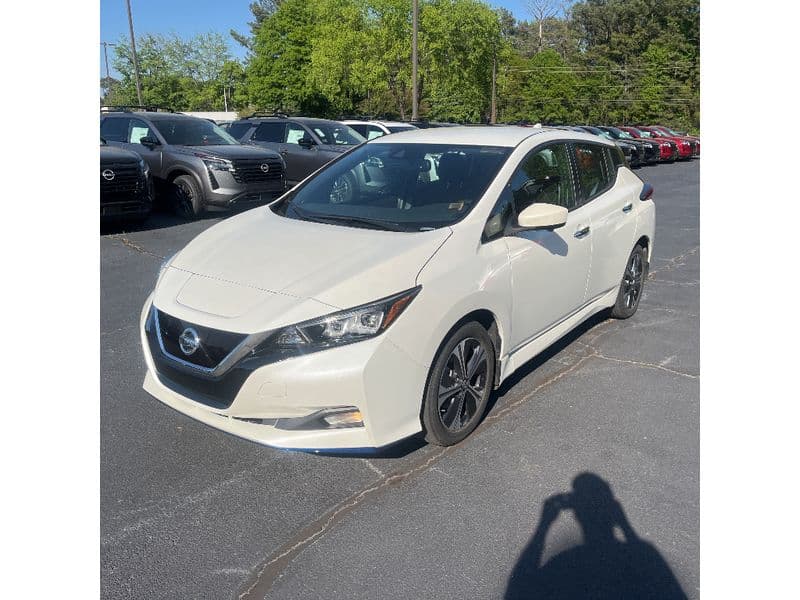
The 2024 Nissan Leaf is one of the oldest electric cars still on sale, and by 2024 it’s effectively the budget option in a market racing toward longer range and faster charging. If you’re shopping for an affordable EV, especially on the used market, it’s natural to ask whether the 2024 Leaf is still worth considering, or if you’re better off in something like a Chevy Bolt or Hyundai Kona Electric.
Quick take
2024 Nissan Leaf overview: what’s changed (and what hasn’t)
By 2024, the Leaf is firmly in its second generation, with the same basic design that arrived for 2018 and a mild styling refresh for 2023. Nissan made no major hardware changes for 2024: same motors, same battery options, same CHAdeMO fast‑charging port. The bigger news is strategic, Nissan has signaled that the Leaf is nearing the end of its run as it shifts investment toward the Ariya and an all‑new, longer‑range Leaf replacement later in the decade.
Key pros and cons of the 2024 Leaf
How the Leaf stacks up before you dive into the details
What the 2024 Leaf does well
- Low purchase price versus most new EVs, and very affordable used.
- Comfortable, quiet ride with good around‑town punch.
- Spacious hatchback layout and generous cargo area for the size.
- Strong suite of standard safety tech and available ProPILOT Assist.
Where it falls behind
- Short range: about 149 miles (S) or 212 miles (SV Plus) on paper, often less at highway speeds.
- Slow DC fast charging, capped at roughly 50 kW and using the fading CHAdeMO standard.
- No heat pump in most U.S. trims, which hurts winter efficiency.
- Model line is nearing end of life, which can impact long‑term support and resale.
2024 Nissan Leaf trims, specs, and pricing
In the U.S. the 2024 Leaf comes in two main trims: the base S and the more capable SV Plus. Both are front‑wheel‑drive hatchbacks with a single electric motor, but they differ significantly in power and battery size.
2024 Nissan Leaf trims at a glance
Core mechanical differences between Leaf S and SV Plus for the 2024 model year.
| Trim | Battery | EPA range (mi) | Motor output | 0–60 mph (approx.) | Original MSRP* |
|---|---|---|---|---|---|
| S | 40 kWh | 149 | 147 hp / 236 lb‑ft | ~7.5 s | ≈ $28,000 |
| SV Plus | ~60–62 kWh | 212–214 | 214 hp / 250 lb‑ft | ~6.5 s | ≈ $36,000 |
Official pricing is for when the car was new; used prices will vary widely by mileage and condition.
Pricing today (used)
Range and efficiency: S vs SV Plus in the real world
On paper, the 2024 Leaf offers up to 149 miles of EPA range in S trim and around 212–214 miles in SV Plus form. That’s already well behind newer competitors that routinely clear 250–300 miles, but the bigger story is how quickly that number erodes in real‑world use.
City and suburban driving
In mixed city and suburban use at moderate speeds, many Leaf drivers see efficiency in the 3.5–4.0 mi/kWh range. That makes the EPA numbers reasonably achievable in mild weather. For a 40 kWh Leaf S, that’s roughly 130–150 miles per charge; for the SV Plus, about 200–230 miles if you’re gentle.
If your daily routine is a short commute plus errands, the Leaf’s range feels perfectly adequate and you may only charge a couple of times per week.
Highway and winter driving
At sustained U.S. freeway speeds (70–75 mph), especially in cold weather, you should budget on the order of 25–35% less effective range than the sticker suggests. It’s not hard to turn a 212‑mile SV Plus into a 150‑mile car on winter interstate drives.
This isn’t unique to the Leaf, every EV loses range at speed and in the cold, but with a relatively small battery, you feel that loss sooner. If you routinely drive 120+ miles in a day without charging at home or work, the Leaf may be a stretch.
Beware the "guess‑o‑meter"
Charging experience: CHAdeMO is the Leaf’s biggest handicap
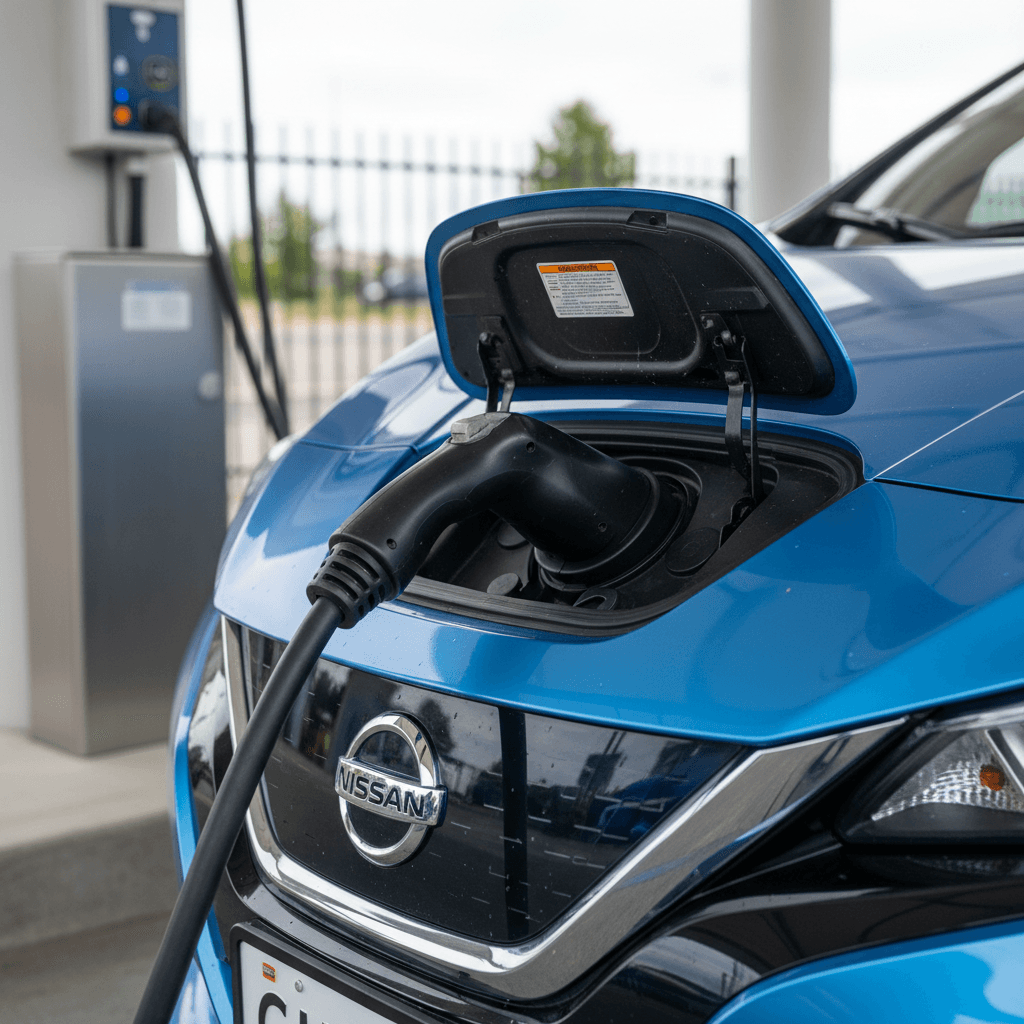
If range is adequate for your driving, the next question is charging, and this is where the 2024 Leaf shows its age. Nissan stuck with the older CHAdeMO fast‑charging standard, while essentially the rest of the U.S. market moved to CCS and now NACS (Tesla’s connector). That has two big implications: slower charging and shrinking infrastructure.
2024 Leaf charging basics
What to expect at home and on the road
Level 1 (120V)
Included portable cord lets you plug into a standard household outlet, adding roughly 3–5 miles of range per hour. Realistically this is an emergency option; a mostly‑depleted pack can take over 30 hours to refill.
Level 2 (240V)
With a 240V home or workplace charger, the Leaf’s onboard charger (around 6.6 kW) will refill a 40 kWh pack in roughly 7–8 hours and the larger SV Plus battery in about 10–11 hours. For most owners this is the primary way the Leaf is charged.
DC fast charging (CHAdeMO)
The Leaf tops out around 50 kW on DC fast chargers, far below the 100–150 kW that’s common on newer EVs. With a warm battery and ideal conditions, expect about 40 minutes to go from 10–80%, sometimes longer on the SV Plus.
CHAdeMO is a dead end
For a Leaf that lives within a home‑charging bubble, suburban commuting, grocery runs, school drop‑off, this may not matter. You’ll plug in at night and wake up to a full battery. But if you’re picturing spontaneous weekend road trips or cross‑state drives, the combination of modest range and limited CHAdeMO infrastructure will make the Leaf one of the most constrained EVs you can buy.
Driving impressions: how the 2024 Leaf feels on the road
For all its technological datedness, the 2024 Leaf still does the basic EV stuff well: it’s quiet, smooth, and quick enough for everyday driving. The two trims have distinctly different personalities, though.
Performance and handling
- Leaf S: With 147 hp and instant electric torque, the base car feels lively around town but runs out of breath in highway passing. Think compact hatchback, not hot hatch.
- SV Plus: The 214 hp motor not only adds range but makes the car genuinely brisk. A ~6.5‑second 0–60 mph time is in line with many sporty gasoline compacts.
Steering is light, ride quality is comfort‑oriented, and body motions are well‑controlled but not sporty. The Leaf makes far more sense as a calm commuter than a canyon carver.
One‑pedal driving and regen
Nissan’s e‑Pedal system allows near one‑pedal driving in both trims, aggressively ramping up regenerative braking when you lift off the accelerator. It’s handy in traffic and quickly becomes intuitive, though the transition to friction brakes isn’t as seamless as in some newer EVs.
Noise insulation is decent for the class, with some tire and wind noise at highway speeds but no engine, of course. Overall refinement is one of the Leaf’s quiet strengths.
Interior, cargo space, and tech features
Nissan has been refining small‑car interiors for a long time, and it shows. The Leaf’s cabin is straightforward and practical rather than futuristic, but materials are solid, seat comfort is excellent, and visibility is good. If you’re coming from a compact crossover, the driving position and space will feel familiar.
Space and tech highlights
Where the Leaf delivers, and where it feels dated
Passenger and cargo room
The Leaf’s tall roof and hatchback body give it good headroom and an honest five‑seat layout. Adults can fit in the rear for shorter trips, and cargo space is competitive with other compact hatchbacks, especially with the rear seats folded.
Infotainment and connectivity
Both trims use an 8‑inch touchscreen with Apple CarPlay and Android Auto. It’s not cutting‑edge, but it’s responsive enough and benefits from physical knobs for core functions. Higher trims add navigation and NissanConnect EV services for remote monitoring and pre‑conditioning.
Driver assistance
Standard Safety Shield 360 tech includes forward automatic emergency braking, blind‑spot monitoring, rear cross‑traffic alert, lane‑departure warning, and automatic high beams. The SV Plus adds ProPILOT Assist, Nissan’s lane‑centering adaptive cruise system that works well on freeways.
Safety, reliability, and battery health concerns
Safety is one of the 2024 Leaf’s strong suits. The Insurance Institute for Highway Safety (IIHS) rates the Leaf and Leaf Plus with Good overall scores in most major crashworthiness categories, including the original moderate‑overlap front test, and the car comes with a robust set of active safety features standard.
Safety and warranty snapshot
About Leaf battery degradation
Recent battery‑fire recall
If you’re shopping used, this is where independent battery health data becomes invaluable. Tools like LeafSpy can read internal battery metrics, but they require some expertise to interpret. At Recharged, every EV listing includes a Recharged Score battery report so you can compare a 2024 Leaf’s actual remaining capacity against similar cars, not just trust a dash estimate.
2024 Nissan Leaf vs Chevy Bolt, Kona Electric, and others
In 2011 the Leaf was the pioneer. By 2024 it’s the value play. To understand whether it makes sense, you have to look at what similarly‑priced EVs offer, especially on the used market, where discontinued models like the Chevy Bolt EV and Hyundai Ioniq Electric have become compelling alternatives.
2024 Leaf vs key rival EVs (used market snapshot)
How a 2024 Leaf SV Plus compares to popular compact EV alternatives you’re likely to cross‑shop used.
| Model | Typical used price* | EPA range (mi) | Fast‑charge connector | Peak DC speed |
|---|---|---|---|---|
| 2024 Nissan Leaf SV Plus | High‑teens to low‑$20k | 212–214 | CHAdeMO | ~50 kW |
| 2022–2023 Chevy Bolt EV | High‑teens to mid‑$20k | 247–259 | CCS | ~55–65 kW |
| 2022–2023 Hyundai Kona Electric | Low‑ to mid‑$20k | 258 | CCS | ~75 kW |
| 2022–2023 Kia Niro EV | Low‑ to mid‑$20k | 239 | CCS | ~75 kW |
Prices are broad typical ranges for low‑mileage used examples in early 2026; local markets vary.
How to read this comparison
Should you buy a 2024 Leaf new or used?
With generous discounts and the end of the model’s life approaching, a leftover new 2024 Leaf can look tempting on price alone. But for most shoppers, the smart money is on gently used, or on a rival EV entirely.
Case for a new or nearly‑new 2024 Leaf
- You can negotiate aggressive discounts on remaining inventory as dealers clear space for newer EVs.
- Full factory warranty and maximum remaining battery life.
- If you lease, you can treat the Leaf as an inexpensive bridge car until infrastructure and standards settle.
Just remember: you’re tying yourself to CHAdeMO support for the next several years. If your driving needs evolve, that could become a constraint.
Case for a used 2024 Leaf
- Early off‑lease 2024 cars can be thousands cheaper than new, with minimal mileage.
- Depreciation on Leafs has historically been steep, which means excellent value for second owners.
- You can cross‑shop with other used EVs at similar prices to see if a higher‑range CCS/NACS car fits your budget.
When you’re shopping, focus less on model year bragging rights and more on battery health, connector type, and range relative to your real needs.
Where Recharged can help
Ready to find your next EV?
Browse VehiclesChecklist: is the 2024 Leaf a good fit for you?
Run through this before you buy a 2024 Leaf
1. Map your daily mileage honestly
Add up your typical weekday commute plus errands, then your longest regular weekend drive. If you’re usually under 70–80 miles per day and can charge at home, the Leaf is probably sufficient.
2. Decide how often you’ll road trip
If you drive 150+ miles in a day more than a few times a year, CHAdeMO plus modest range will be a pain. In that case, favor a CCS or NACS EV with 250+ miles of range.
3. Confirm your home charging plan
Do you have access to a 240V outlet or will you install a Level 2 charger? If not, budget both time and money for an upgrade; living on a 120V outlet with a Leaf gets old fast.
4. Prioritize the right trim
If your budget allows, the SV Plus is usually the sweet spot thanks to its extra range, stronger motor, and driver‑assistance upgrades. The S only makes sense if you truly drive short distances and want the lowest price.
5. Evaluate battery health, not just miles
Two Leafs with the same odometer reading can have very different battery health. Look for independent battery diagnostics, like a <strong>Recharged Score report</strong>, and avoid cars with unusually low remaining capacity.
6. Check for recalls and software updates
For any late‑model Leaf, verify that open recalls, especially those related to the high‑voltage battery, have been addressed, and confirm that the car’s software is up to date.
2024 Nissan Leaf FAQ
Frequently asked questions about the 2024 Nissan Leaf
Bottom line: who should still consider a Leaf
The 2024 Nissan Leaf is no longer the poster child for cutting‑edge electric mobility. It’s a known quantity: comfortable, practical, and often surprisingly cheap, especially used, offset by limited range and a fast‑charging standard that’s fading from the market. If your life is built around short trips and reliable home charging, that trade‑off may work squarely in your favor.
If, on the other hand, you want the freedom to take spontaneous road trips or you don’t control your charging situation, a Leaf, particularly a 40 kWh S, will feel like it’s hemmed in by invisible fences. In that world a used Bolt, Kona Electric, or newer NACS‑equipped EV is worth the extra money. Whatever you choose, focus on battery health, connector type, and realistic range. And if you’d like help comparing a 2024 Leaf against other used EVs, Recharged’s battery‑verified listings and EV‑specialist support can make that decision a lot easier.