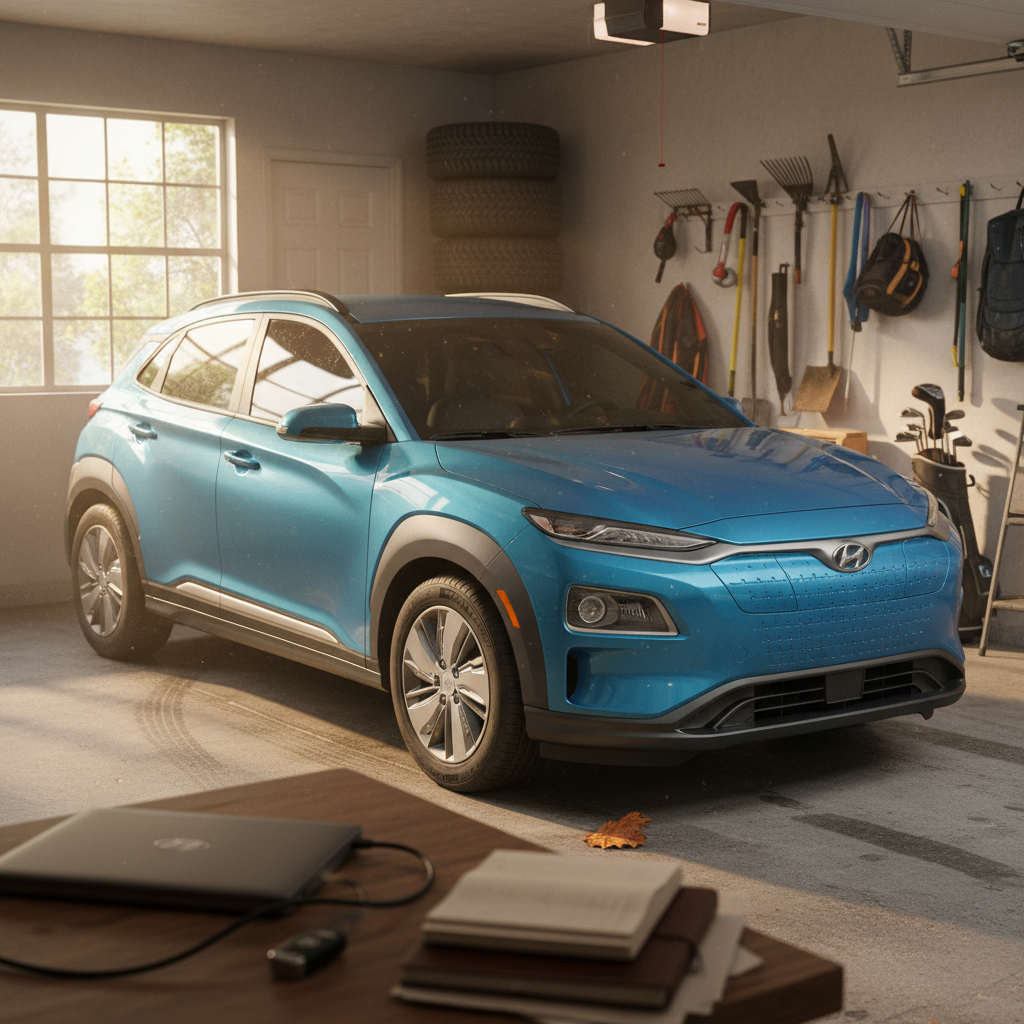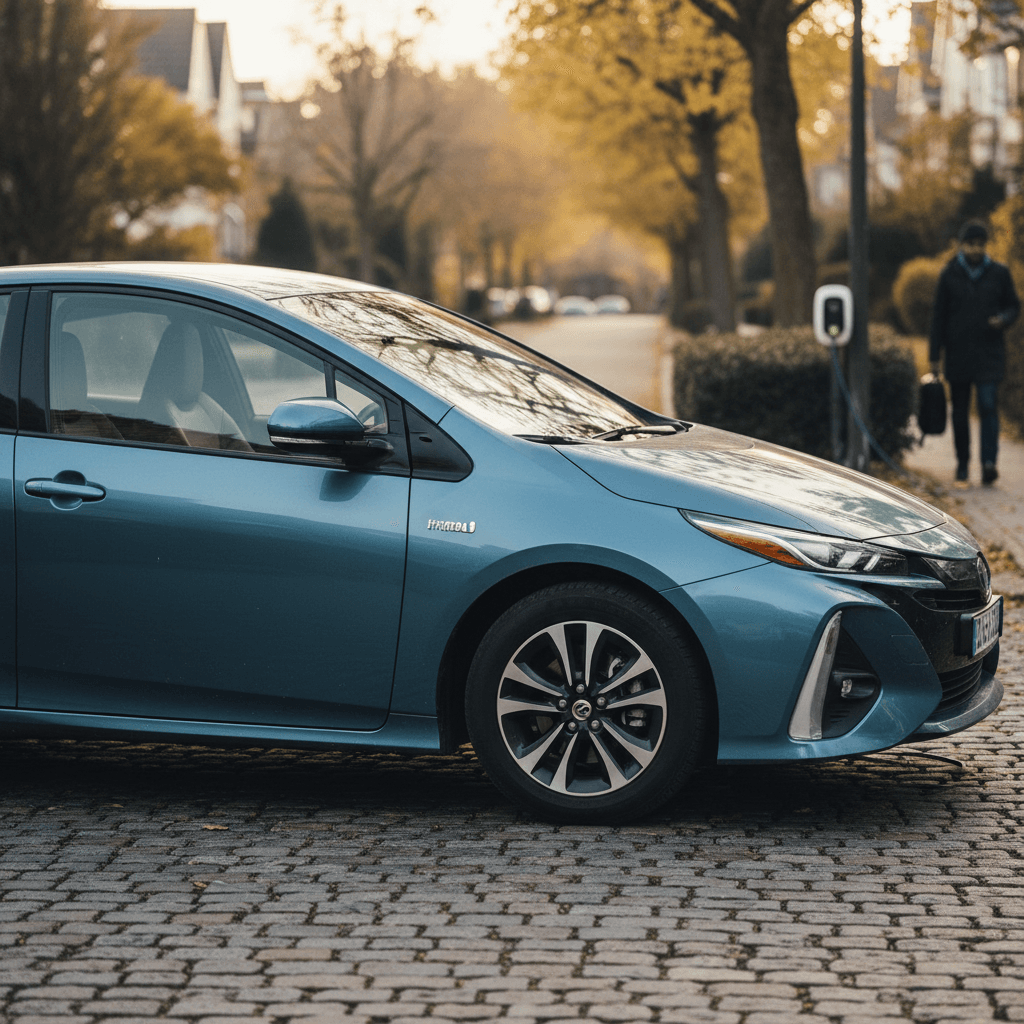
If you’re shopping for used compact cars in 2025, you’re walking a tightrope: you want something affordable, reliable, and efficient that doesn’t feel like a penalty box. The compact segment is where those priorities collide, Corolla, Civic, Golf, compact EVs like the Nissan Leaf and Chevy Bolt. Choosing well here can mean ten years of calm commuting; choosing badly can mean discovering what a $1,900 repair feels like on a $10,000 car.
Why this segment matters
Why used compact cars still make sense in 2025
Used compact cars by the numbers
Used car prices are still elevated, with the average three‑year‑old vehicle hovering just above $30,000. That’s pushed some shoppers to wonder if a compact car is “too small” to justify the price. But this is exactly where compacts shine: they let you tap into big‑car features, advanced safety tech, Apple CarPlay, adaptive cruise, without the SUV price or fuel bill.
- Lower purchase price than crossovers and SUVs, even in today’s inflated market
- Better fuel economy (or zero gas if you go electric)
- Lower insurance costs in many ZIP codes
- Easier to park and live with in dense cities
- If you buy carefully, some of the highest reliability scores in the industry
Think like a spreadsheet, not an enthusiast
What actually counts as a compact car?
The industry definition of a compact car is tied to interior volume, not just exterior size. Think of it as the middle child in the car world, larger than a subcompact (Chevy Spark, Mitsubishi Mirage) but smaller than a midsize (Camry, Accord). In practice, it usually means four doors, a usable back seat, and a trunk or hatch that will survive an IKEA run if you’re clever.
Gas vs. electric compact examples
The body styles overlap more than you’d think
Classic compact sedans
Examples:
- Toyota Corolla
- Honda Civic
- Hyundai Elantra
- Nissan Sentra
These are the default choices: great mileage, huge parts availability, and easy resale.
Compact hatchbacks
Examples:
- Honda Civic Hatchback
- VW Golf
- Mazda3 hatch
- Kia Forte5 / Rio 5‑Door
More cargo space and often a sportier feel, with similar running costs.
Compact EVs & plug‑ins
Examples:
- Chevy Bolt EV
- Nissan Leaf
- Hyundai Ioniq Electric
- Tesla Model 3 (borderline compact)
Silent, quick, and far cheaper to run, especially when you buy used.

What used compact cars really cost today
Let’s talk money. Sticker shock is real in 2025, but used compact cars are still your best shot at stretching a dollar without resorting to automotive cosplay. Here’s a rough look at what you can expect to pay for common scenarios in the U.S. right now:
Typical price bands for used compact cars (2025)
Approximate asking prices for well‑maintained examples with average mileage; local markets will vary.
| Scenario | Example models | Typical price range |
|---|---|---|
| Older budget commuter (8–10 yrs) | 2016 Kia Forte, 2016 Corolla, 2015 Mazda3 | $8,000–$12,000 |
| Sweet‑spot mainstream (5–7 yrs) | 2018–2020 Civic, Corolla, Elantra | $13,000–$20,000 |
| Near‑new compact (2–4 yrs) | 2021–2023 Civic, Corolla, Mazda3 | $20,000–$25,000+ |
| Older compact EV | 2017–2019 Nissan Leaf, 2017–2019 Chevy Bolt | $11,000–$18,000 |
| Newer compact EV | 2020–2023 Tesla Model 3, 2020–2022 Bolt EUV | $20,000–$28,000 |
Use this as a directional guide, not a quote sheet.
Price reality check
Most reliable used compact cars to shortlist
Reliability is where compact cars earn their cult followings. Study enough long‑term reliability data and certain nameplates show up like the chorus of a familiar song: Corolla, Civic, Mazda3, a handful of small Kias and Hyundais, plus a few compact EVs that age remarkably well when the battery is healthy.
Used compact all‑stars
Models that consistently score well in reliability rankings and owner satisfaction
Gas & hybrid workhorses
- Toyota Corolla (gas & hybrid) – The default answer to “what should I buy?” for a reason: simple, efficient, and almost boringly dependable.
- Honda Civic (sedan & hatchback) – Sharper to drive than a Corolla, with excellent long‑term reliability when maintained.
- Mazda3 – Underrated; feels premium inside, with strong dependability scores in many model years.
- Hyundai Elantra / Kia Forte – Newer generations offer impressive value and long warranties; pay attention to service history.
- Prius / Prius c – Technically hybrids, but functionally compact cars with legendary longevity.
Compact EVs worth a look
- Chevy Bolt EV / Bolt EUV – Compact on the outside, big on range; very low running costs make them compelling used buys.
- Nissan Leaf (2nd gen, 2018+) – Affordable entry into EV life; range varies widely by battery size and climate history.
- Tesla Model 3 – Straddles compact and midsize, but often cross‑shopped with compacts. Strong performance and charging access; inspect battery health carefully on higher‑mileage cars.
With EVs, battery condition matters more than odometer readings. That’s where third‑party diagnostics, or a platform like Recharged with a Recharged Score, becomes critical.
Reliability vs. condition
Gas vs. electric used compact cars
Gasoline compact: familiar, flexible
- Pros: Lower upfront price, fueling available everywhere, easy DIY maintenance, huge used selection.
- Perfect for: Drivers without home charging, rural areas with limited public chargers, strict budget shoppers under ~$12k.
- Watch for: Transmission service history, oil consumption on some engines, rust in snow‑belt cars.
Compact EV: cheap to run, quiet to live with
- Pros: Very low running costs, no oil changes, instant torque, often better performance and safety tech.
- Perfect for: Commuters with home or workplace charging, mostly city driving, two‑car households.
- Watch for: Battery health, DC fast‑charging history, warranty remaining on the high‑voltage pack.
If you can charge at home and your daily mileage is modest, a used compact EV often wins the math battle handily.
When an EV is a no‑brainer
How to inspect a used compact car like a pro
The compact segment is full of former rental cars, commuter appliances, and much‑loved family cars. Your job is to tell which is which before you sign. You don’t need to be a technician; you just need a repeatable process and the humility to walk away when something feels off.
7‑step inspection checklist for used compact cars
1. Start with the VIN history
Pull a vehicle history report and check for accidents, salvage titles, odometer rollbacks, and repeated sales in short time spans. One minor fender‑bender is fine; a greatest‑hits compilation of crashes is not.
2. Look for uneven panel gaps & paint
Walk around the car in good light. Mismatched paint, wavy reflections, or crooked panel gaps can reveal past damage, especially on bumpers, doors, and fenders.
3. Check tires and brakes as a budget preview
Uneven tire wear can signal bad alignment or suspension; thin brake pads mean an immediate service bill. On a tight budget, a fresh set of tires can be the difference between comfortable and catastrophic.
4. Sit in every seat
Rattles, musty smells, water stains, and broken switches often show up from the back seat first. If the interior feels abused, the mechanicals probably weren’t cherished either.
5. Test all the tech
Apple CarPlay/Android Auto, backup camera, parking sensors, adaptive cruise, lane‑keep system, turn everything on. In a compact car, tech is a big part of why you’re paying modern‑car money.
6. Drive it like you already own it
On the test drive, find a rough road and a highway on‑ramp. Listen for clunks, feel for vibrations, and pay attention to transmission behavior. A compact car shouldn’t feel fragile.
7. For EVs, demand a battery health check
Range estimates can lie. Ask for a recent battery health report or third‑party scan that shows capacity remaining. Platforms like Recharged include an in‑depth <strong>Recharged Score</strong> so you know what you’re buying.
Don’t skip a pre‑purchase inspection
Financing and total cost of ownership
The monthly payment is only the trailer; the feature presentation is total cost of ownership. Two used compact cars with the same price can have wildly different long‑term costs once you factor in fuel, maintenance, insurance, and interest.
Key cost levers to watch
- Interest rate & term: Stretching a compact car to 84 months can turn a sensible purchase into a long‑term shackle. Aim to match the loan term to the realistic remaining life of the car.
- Insurance: Some sporty compact trims (Si, GTI, etc.) carry noticeably higher premiums. Get quotes by VIN before you commit.
- Fuel or electricity: A compact that gets 35 mpg vs. 22 mpg can easily save you $800–$1,000 a year if you drive a lot.
Why used compact EVs often win
- Maintenance: No oil changes, no timing belts, fewer wear items.
- Energy costs: Home charging is typically much cheaper per mile than gasoline, especially if you charge off‑peak.
- Depreciation: Early buyers absorbed the steepest drop; you reap the benefit at today’s used prices.
When you run the numbers honestly, a used compact EV with verified battery health can be cheaper to own than an older gas compact that drinks fuel and flirts with big repairs.
Use pre‑qualification as a guardrail, not a target
How Recharged changes the game for used compact EVs
Traditional used‑car shopping asks you to take a lot on faith, especially with EVs. You’re supposed to trust that the battery is fine, that the price is fair, that the seller is telling you the whole story. Recharged was built to take the mystery out of used electric vehicles, including the compact models that compete directly with used gas compacts.
What you get when you shop compact EVs with Recharged
Built to make EV ownership simple and transparent
Recharged Score battery health report
Fair market pricing
EV‑specialist support
Nationwide delivery
Financing & trade‑in options
Experience Center in Richmond, VA
Ready to find your next EV?
Browse VehiclesUsed compact car FAQ
Frequently asked questions about used compact cars
The bottom line on used compact cars
Used compact cars are where pragmatists win. The sheet metal may be modest, but the value is not: lower purchase prices, stellar fuel (or electricity) economy, and reliability records that would embarrass some luxury brands. If you choose carefully, a compact can feel like a quiet, competent co‑worker, always on time, never dramatic, rarely in need of attention.
If you’re ready to step into electric without stepping into brand‑new‑car pricing, consider a used compact EV with verified battery health. That’s exactly the gap Recharged was built to fill: fair‑priced used EVs, transparent condition reports, EV‑savvy guidance, and financing that doesn’t require a PhD to understand. Whether your next daily driver burns gasoline or electrons, buy it like it’s going to be in your life for the next decade, because if you pick the right compact, it just might be.