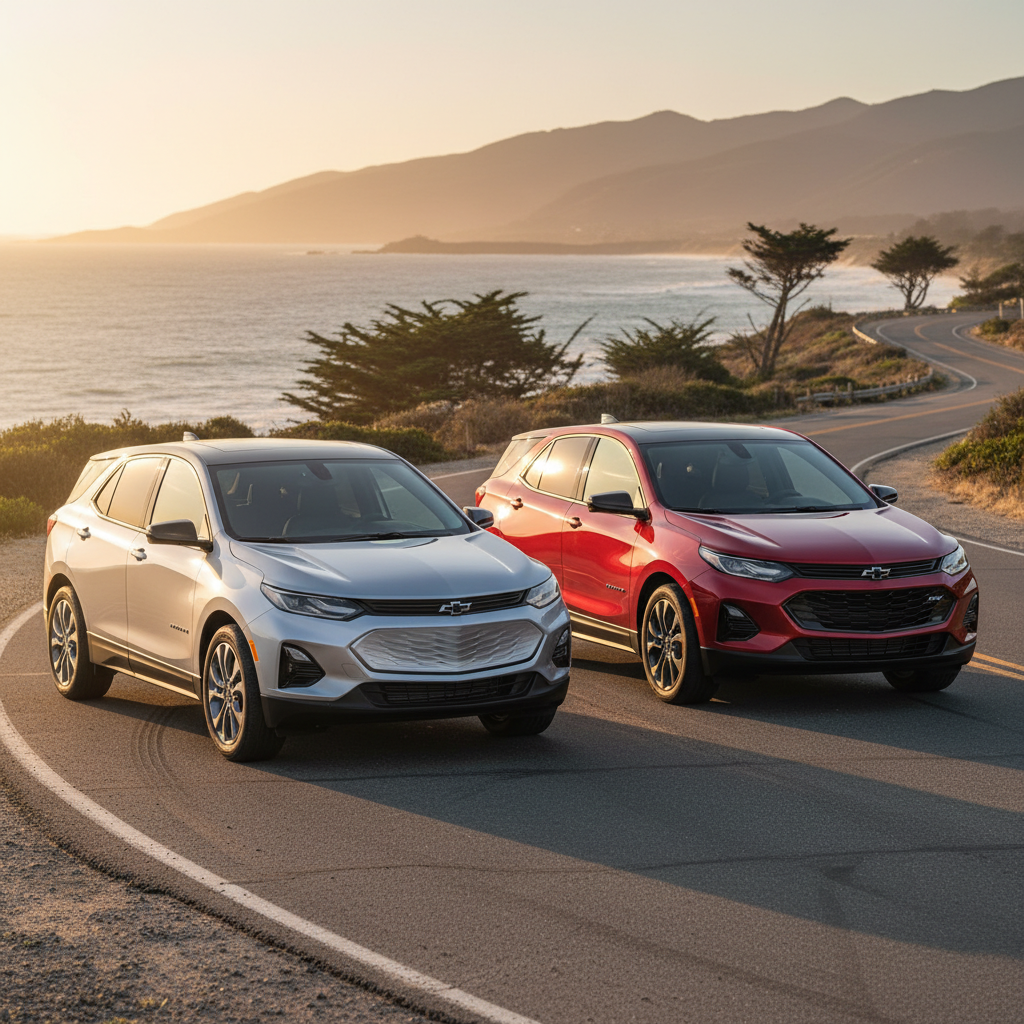
If you’re shopping for an affordable electric car in 2025, used Chevy Bolts are going to pop up again and again. They’re small, practical, and, because GM ended first‑generation production in 2023, used examples are often significantly cheaper than newer EVs with similar range. The catch is that the Bolt’s history includes a high‑profile battery recall, changing incentives, and now a next‑generation Bolt on the way. This guide walks you through what all of that means if you’re considering a used Chevy Bolt EV or Bolt EUV today.
Quick takeaway
Why Used Chevy Bolts Are So Popular
Used Chevy Bolt Snapshot for 2025
The Chevrolet Bolt EV arrived for the 2017 model year as one of the first long‑range, relatively affordable EVs. With more than 200 miles of range and a hatchback form factor, it created a template that the Tesla Model 3 and others would ultimately popularize. Over time, GM cut prices to keep the Bolt competitive, and by 2022–2023 it became one of the most affordable new EVs in America while still offering around 250 miles of EPA range.
GM ended first‑generation Bolt EV and Bolt EUV production in late 2023 to free factory capacity for Ultium‑based vehicles. At the same time, strong sales and loyal owners pushed GM to commit to a next‑generation Bolt on its Ultium battery tech, slated to launch later this decade. In practical terms, that means the existing pool of first‑gen Bolts is finite, and depreciation has made them one of the most cost‑effective ways to get into a modern EV today.
Who a used Bolt is perfect for
Bolt EV vs. Bolt EUV: Key Differences
Chevy Bolt EV vs. Bolt EUV at a Glance
Two flavors of the same efficient electric hatchback
Bolt EV
Body style: Compact hatchback
- Shorter overall, easier to park
- EPA range typically a bit higher than EUV
- Lighter and slightly more efficient
- Model years 2017–2023
Best if you want maximum range per dollar and don’t need extra rear legroom.
Bolt EUV
Body style: Slightly larger "electric utility vehicle"
- Longer wheelbase, more rear legroom
- EPA range ~247 miles when new
- Available with GM Super Cruise driver assistance on some trims
- Model years 2022–2023 in the U.S.
Best if you regularly carry adults in the back seat or want more comfort features.
Mechanically, the Bolt EV and Bolt EUV share the same basic powertrain: a front‑mounted motor around 200 hp, a ~65 kWh battery in later years, and front‑wheel drive. The EUV stretches the wheelbase and body a bit for a more crossover‑like profile. Range differences are modest, so your choice mostly comes down to interior space, styling, and whether you value options like Super Cruise that were only offered on the EUV.
Model Years and Range Cheat Sheet
Chevy Bolt EV & EUV Model Year Overview
Use this as a starting point when you’re comparing used Chevy Bolts by model year.
| Model year | Model | Approx. EPA range (new) | Battery pack | Notes |
|---|---|---|---|---|
| 2017–2019 | Bolt EV | 238 mi | 60 kWh | Early cars; covered by full battery recall and pack replacements in many cases |
| 2020–2021 | Bolt EV | 259 mi | 66 kWh | Higher range; some still affected by recall depending on build |
| 2022–2023 | Bolt EV | 259 mi | 65 kWh | Facelift interior/exterior and lower new‑car prices |
| 2022–2023 | Bolt EUV | 247 mi | 65 kWh | More rear space, slightly less range, optional Super Cruise |
EPA range figures are for when the cars were new; real‑world range on a used car depends heavily on driving conditions and battery health.
The headline here is simple: all used Chevy Bolts offer more than 200 miles of EPA‑rated range, and later cars comfortably clear 250 miles on paper. That’s comparable to many newer, more expensive EVs. For most buyers, the 2020–2023 cars offer the best mix of price, range, and updated interior tech, but well‑maintained earlier cars with fresh recall battery packs can also be excellent values.
Don’t ignore build dates
Recalls, Battery Fires, and What It Means Today
You can’t talk about used Chevy Bolts without mentioning the LG battery recall. Beginning in 2020, Chevrolet issued a series of recalls that eventually covered virtually every first‑generation Bolt EV and Bolt EUV built through the 2022 model year. The issue was a manufacturing defect in certain battery cells that, in rare cases, could lead to thermal runaway and fires when the pack was charged to high state of charge and left parked.
- GM responded by capping usable battery capacity via software updates while investigating the root cause.
- The long‑term fix was to replace affected battery modules (and in many cases the entire pack) with updated units from LG with revised manufacturing processes.
- Owners who received new packs effectively got a "zero‑mile" battery, often with fresh warranty coverage starting at the replacement date.
Why this can be a positive for used buyers
From a used‑car perspective, the key question isn’t “Was this car ever recalled?”, almost all were, but rather “How was the recall completed, and when?” You want to see documentation of completed battery module or pack replacement, plus any follow‑up software updates. Cars that still show open recalls or temporary software limits are ones to approach with caution.
Battery Health on Used Chevy Bolts
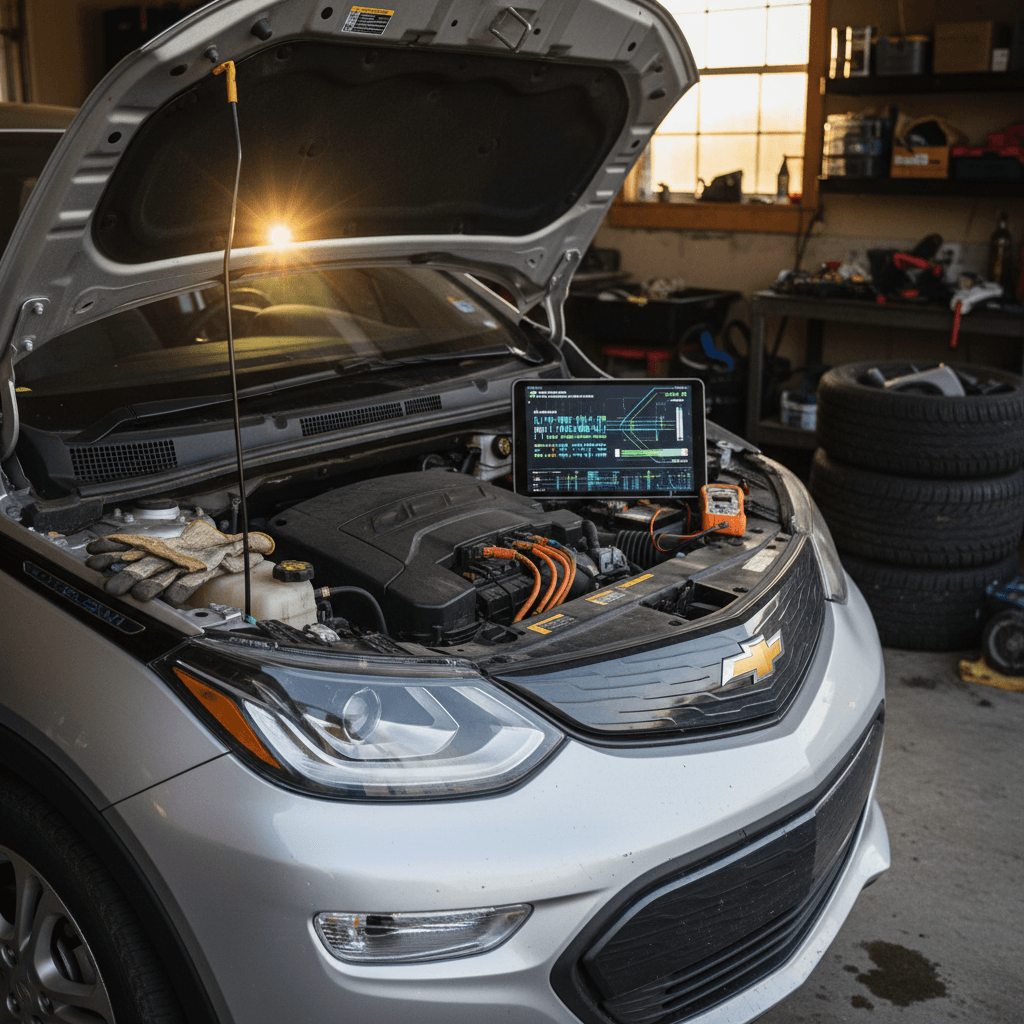
Battery health is the single most important factor in the value of any used EV, and used Chevy Bolts are no exception. Early anecdotal data suggests that most Bolts that weren’t abused or fast‑charged constantly show relatively modest degradation, often still delivering close to their original rated range after several years. But real‑world condition varies widely with climate, charging habits, and mileage.
What hurts Bolt battery health
- Frequent DC fast charging to 100% state of charge
- Regularly leaving the pack at 100% for long periods
- High‑mileage use in very hot climates without garage parking
- Ignoring software updates related to thermal management
What helps preserve it
- Mostly Level 2 home charging, rarely exceeding 90%
- Parking in a garage or shade in hot weather
- Keeping software up to date
- Moderate annual mileage with varied driving (not just highway)
How Recharged measures Bolt battery health
If you’re shopping outside of Recharged, push the seller for concrete evidence of battery health: recent full‑to‑empty range observations, service records, and if possible a third‑party or dealer‑run diagnostic report. A 10–15% loss of usable capacity after several years is not unusual, but anything markedly worse deserves a price adjustment or a pass.
Real-World Pricing for Used Chevy Bolts
Used‑EV pricing has been volatile since 2022, but as of late 2025, used Chevy Bolts generally sit at the affordable end of the EV market. You’re paying for efficiency and range, not luxury branding or high‑performance specs, which is exactly what many buyers want.
Illustrative Used Chevy Bolt Price Bands (Late 2025, U.S. Retail)
These rough bands are for clean‑title, average‑mileage cars retailing at dealers. Local market conditions, tax credits, and vehicle condition can move prices up or down.
| Age / model year | Model | Typical miles | Indicative price band | Notes |
|---|---|---|---|---|
| 2017–2018 | Bolt EV | 70k–110k | ~$14,000–$17,000 | Focus on recall pack replacement and overall condition |
| 2019–2020 | Bolt EV | 50k–90k | ~$16,000–$20,000 | More range than early cars; often sweet spot for budget buyers |
| 2021 | Bolt EV | 40k–70k | ~$18,000–$22,000 | Higher range pack; check recall status carefully |
| 2022–2023 | Bolt EV | 20k–50k | ~$20,000–$26,000 | Facelift interior, newer packs, many off‑lease cars |
| 2022–2023 | Bolt EUV | 20k–50k | ~$21,000–$28,000 | More space and features, slightly higher prices than EV |
Use this as a starting point, not a quote. Recharged pricing embeds battery health and market data into every vehicle’s Recharged Score.
Factor incentives into your math
Recharged uses nationwide sales data to benchmark every vehicle we list, so your used Chevy Bolt’s price is grounded in actual market transactions, not just wishful asking prices. Combined with verified battery health, that gives you a clearer sense of total value versus a random classifieds listing.
Charging Used Chevy Bolts: Home and Road Trip
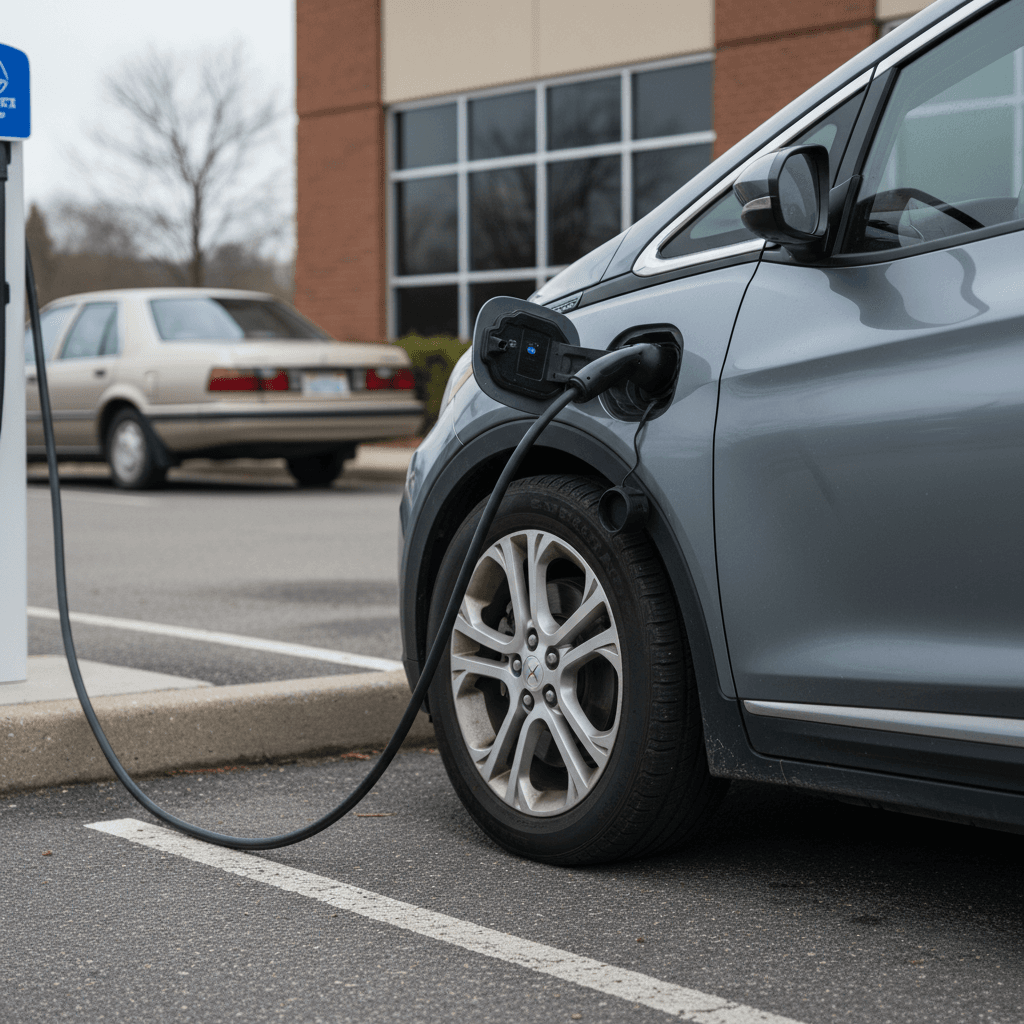
All first‑generation used Chevy Bolts use the J1772 connector for Level 2 AC charging and CCS for DC fast charging. They’re not native to the new NACS (Tesla) standard, but adapters and expanding CCS infrastructure make daily charging straightforward for most owners.
How You’ll Charge a Used Chevy Bolt
Plan for home charging first, public fast charging second
Level 2 at home
- 240V outlet or wallbox
- 0–100% in about 9–10 hours
- Most Bolt owners “live” here for daily charging
Public Level 2
- Workplace and destination chargers
- Good for top‑ups while parked for hours
- Often cheaper than DC fast charging
DC fast charging (CCS)
- Up to ~55 kW on most Bolts
- Best for road trips and urgent stops
- Slower than many newer EVs but still viable
Understand Bolt fast‑charging limits
For most buyers using a Bolt as a commuter or family runabout, the key is installing or accessing reliable Level 2 charging at home or work. Recharged’s EV specialists can help you understand what’s required for a 240V outlet in your garage, what to ask your electrician, and how to size a home charger so it matches the Bolt’s onboard charger rather than overspending on capacity you can’t use.
Inspection Checklist Before You Buy a Used Bolt
Key Checks for Any Used Chevy Bolt
1. Confirm recall completion
Run the VIN through Chevrolet’s recall lookup and verify paperwork showing completed battery module or pack replacement, plus relevant software updates.
2. Ask for battery health evidence
Request recent range observations or a formal battery diagnostic. At Recharged, this is part of the Recharged Score report; elsewhere, you may need to ask a dealer to run an official test.
3. Inspect tires and brakes
EVs are heavier than comparable gas cars and can wear tires more quickly, especially if driven enthusiastically. Uneven wear can hint at alignment or suspension issues.
4. Check charging hardware
Confirm the included portable EVSE works and that the car charges normally on Level 2. If possible, test a DC fast‑charge session to ensure there are no thermal or communication issues.
5. Look for moisture or crash repairs
Inspect under the cargo floor and around doors for signs of leaks, and review Carfax/AutoCheck reports plus panel gaps for evidence of previous collisions.
6. Verify software and features
Make sure infotainment features, driver‑assist systems, and smartphone integration function as expected. Some owners disable features or ignore updates that you might want.
Be cautious with salvage or modified Bolts
When a Used Bolt Makes Sense vs. Other Used EVs
Choose a used Chevy Bolt when…
- You want maximum range per dollar and don’t care about luxury badges.
- You mostly drive in town or do modest‑length highway trips.
- You can charge at home and don’t need ultra‑fast DC charging.
- You value a small footprint for city parking but need real hatchback utility.
Look at other used EVs when…
- You frequently road‑trip in areas with sparse CCS coverage.
- You need all‑wheel drive or towing capability.
- You want a larger crossover or three‑row SUV.
- A local deal on another EV includes fresher incentives or warranty coverage.
How Recharged fits in
Ready to find your next EV?
Browse VehiclesFrequently Asked Questions About Used Chevy Bolts
FAQ: Used Chevy Bolts
Bottom Line: Are Used Chevy Bolts Worth It?
If your mental image of a used EV is an under‑ranged compliance car, the reality of used Chevy Bolts is a pleasant surprise. For the cost of many new compact gas cars, you get an efficient hatchback with around 230–250 miles of usable range, decent tech, and operating costs that are dramatically lower than pumping gas, especially if you can charge at home.
The trade‑offs are real: DC fast charging is slower than newer EVs, and you need to be diligent about recall history and battery health. But those same factors are why Bolts often represent outsized value on the used market. With the right inspection and documentation, a used Bolt EV or EUV can easily cover years of commuting, errands, and weekend trips without the drama, quietly doing the work EVs were always promised to do.
If you’re ready to move from research to reality, browsing used Chevy Bolts on Recharged gives you transparent pricing, a Recharged Score battery health report on every vehicle, and EV‑specialist support from your first question through delivery. That way, the only surprise your used Bolt delivers is how quickly you stop thinking about gasoline at all.