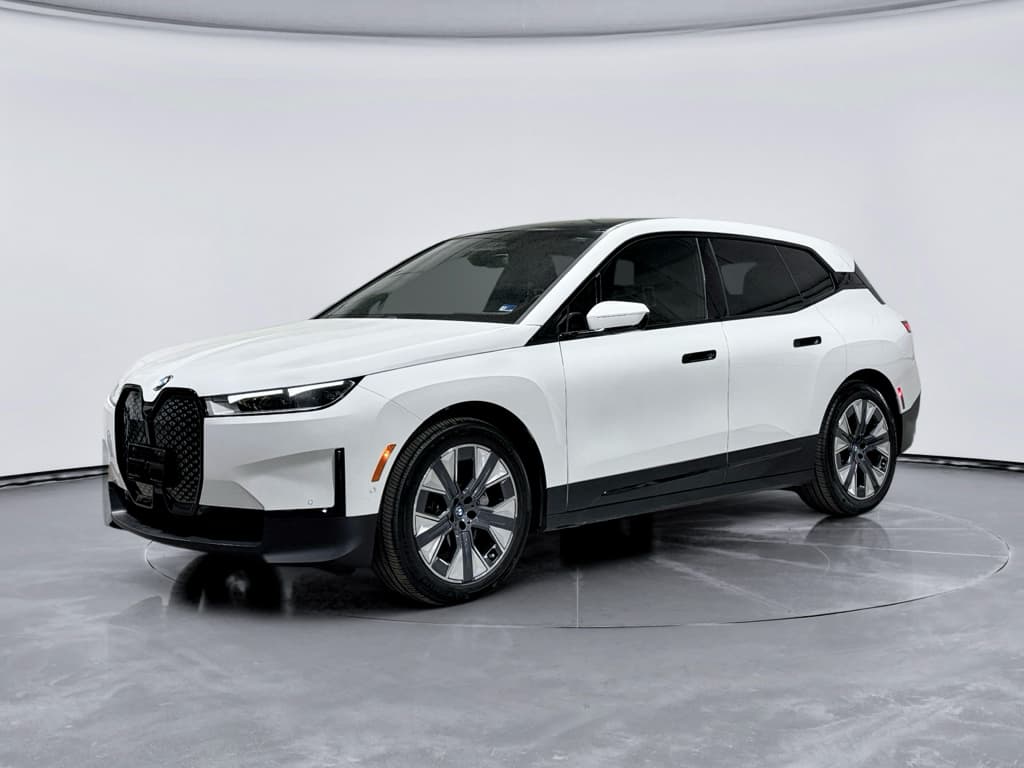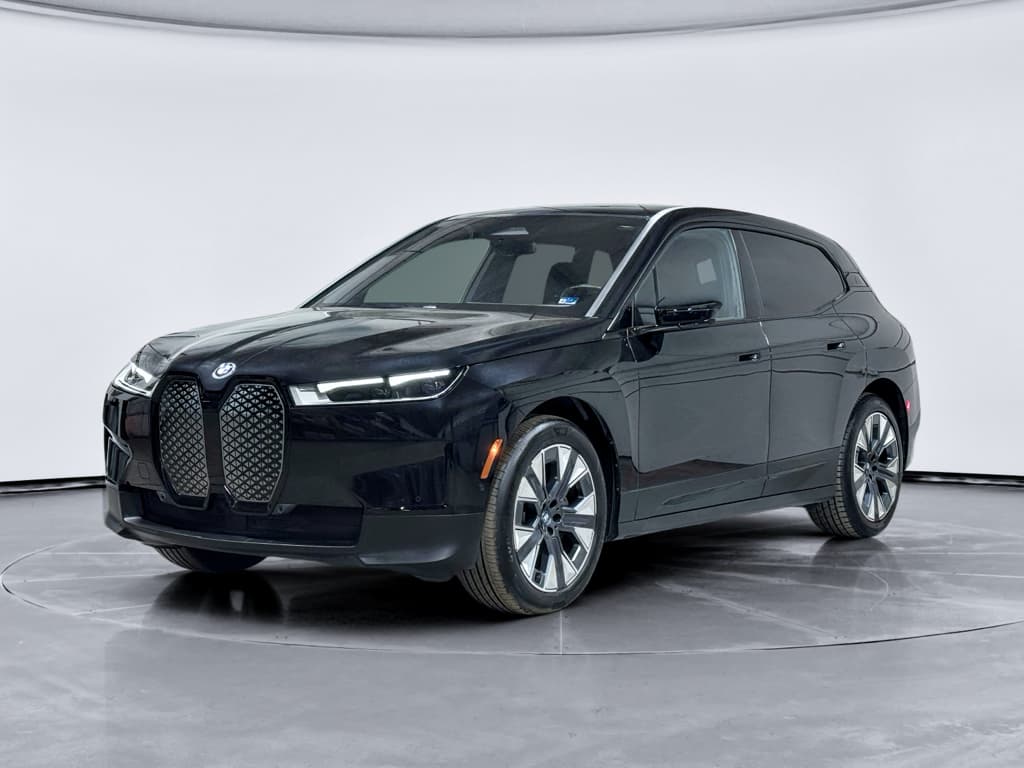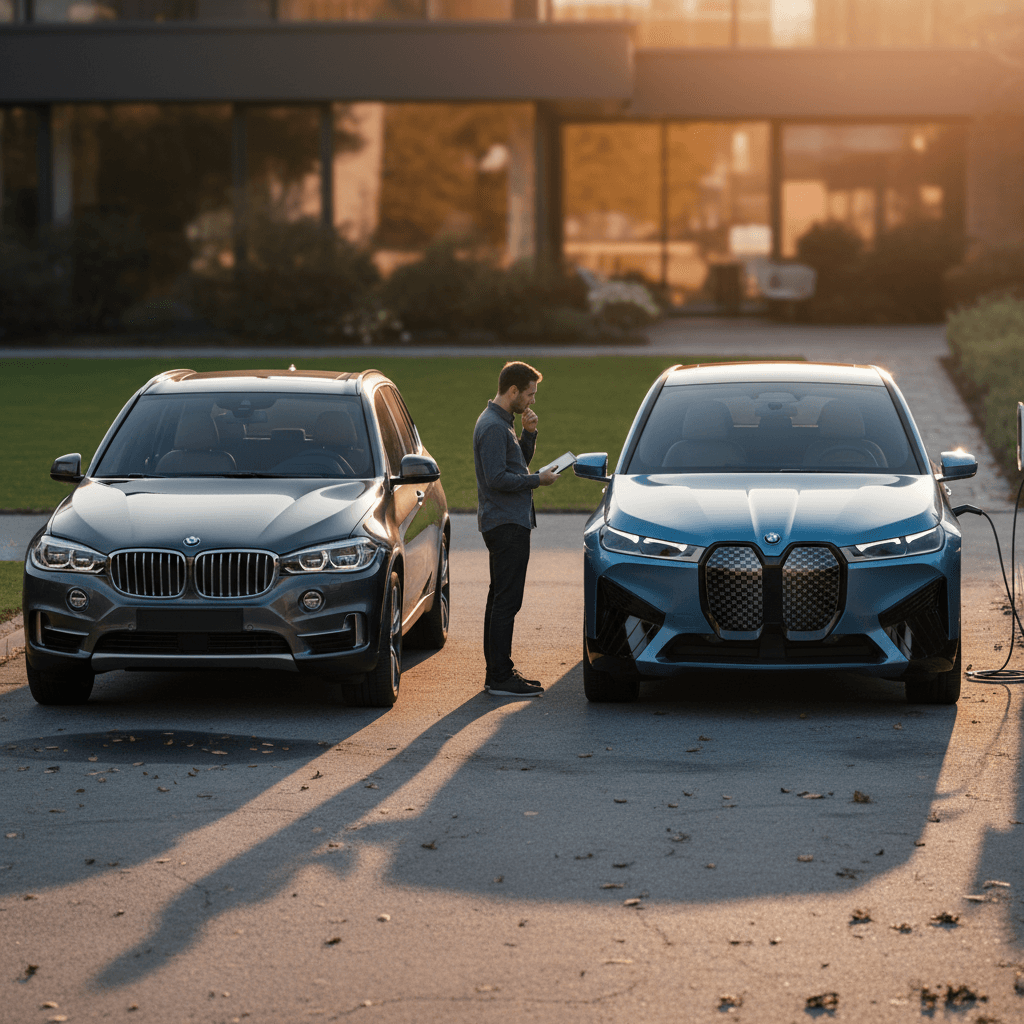
If you’ve spent years in a BMW X5, you already know what a good luxury SUV feels like: solid, quiet, confident, and unfussy on a long drive. The question now is whether trading your X5 for the all‑electric BMW iX will feel like an upgrade or an experiment. This review is written with X5 owners in mind, what changes, what you’ll miss, what you’ll love, and how to decide if a used BMW iX is the right next step.
Quick take if you’re in a hurry
X5 to iX: Who this review is really for
Three typical X5 owners considering an iX
See which one sounds most like you
High‑mileage commuter
You drive 15,000–20,000 miles a year, mostly highway, and your X5’s fuel bill is starting to sting. You want similar comfort with lower running costs.
Family hauler
Your X5 is the school‑run and road‑trip machine. You need space, safety, and real range, not a science project.
Tech‑curious enthusiast
You like how the X5 drives but you’re drawn to EV performance and tech. You don’t want to feel like you’re “downgrading” just to go electric.
If you see yourself in any of those, this BMW X5 owner switch to BMW iX review will walk you through how the two SUVs really compare in size, comfort, performance, charging, and long‑term ownership, especially if you’re eyeing a used iX instead of ordering new.
Size, feel, and design: Does the iX still feel like an X5?
BMW X5 vs BMW iX: Big‑picture dimensions
On paper, the BMW iX is almost the same size as an X5. On the road, it actually feels a bit more planted and calmer, thanks to that extra wheelbase and a lower center of gravity from the battery pack. If you’re used to the X5’s upright, squared‑off look, the iX’s design will be your biggest psychological hurdle: more concept‑car, less traditional SUV.
What will feel familiar
- High seating position and confident view over traffic.
- Solid door shut, heavy steering, and that BMW sense of stability at speed.
- Plenty of room for four adults and a child in the middle rear seat.
What will feel different
- No engine up front, shorter hood, cab pushed forward.
- Smoother, more rounded rear that slightly eats into tall cargo.
- More glass and a lighter, lounge‑like cabin instead of a traditional cockpit.
Tip for garage fit and cargo
Performance and ride comfort: From turbo power to instant torque
Most X5 owners aren’t hurting for power. Whether you drive the six‑cylinder xDrive40i, the plug‑in xDrive50e, or a V8 M60i, you’re used to easy passing and confident highway merges. The iX takes that feeling and makes it effortless.
BMW X5 vs BMW iX: Acceleration snapshot
Approximate manufacturer and test‑quoted 0–60 mph times for popular trims.
| Model | Powertrain type | 0–60 mph (approx.) | What it feels like |
|---|---|---|---|
| BMW X5 xDrive40i | Gas 3.0L turbo I‑6 | ~5.2 sec | Strong, familiar shove as revs build. |
| BMW X5 xDrive50e | Plug‑in hybrid | ~4.6 sec | Punchy, especially off the line in Sport. |
| BMW X5 M60i | 4.4L twin‑turbo V8 | ~4.2 sec | Hot‑rod SUV; rapid when pushed. |
| BMW iX xDrive50 | Dual‑motor electric AWD | ~4.4 sec | Feels even stronger than the number thanks to instant torque. |
| BMW iX M60 | High‑output dual‑motor AWD | ~3.6 sec | Sports‑car quick in a big, silent body. |
Both SUVs are quick; the iX leans on instant electric torque to feel even stronger in real‑world driving.
In everyday driving, the iX xDrive50 already feels quicker than an X5 40i, and very close to an X5 M60i when you squeeze the right pedal to pass. The power is just there immediately, no downshifts, no waiting for boost. The M60, for most former X5 owners, is frankly overkill unless you just want the wildest version.
Ride and noise: iX is the quiet one
- Steering: Lighter and smoother in the iX, especially with driver‑assist active. If you like the X5’s heft, the iX will feel more relaxed but still precise.
- Brakes: Strong but more “blended” in the iX because of regeneration. One‑pedal driving in the iX quickly becomes addictive in traffic.
- Handling: The iX hides its weight well, but you’ll feel it if you really hustle on a back road. If you regularly drive your X5 like an M car, you’ll notice the extra mass.
Range and charging vs. your X5’s fuel stops
Range and refueling are where moving from an X5 to an iX changes your life the most. With an X5, you can ignore planning: any gas station will do. With an iX, you trade those spontaneous fuel stops for home charging and occasional fast‑charge planning.
Realistic BMW iX range expectations (U.S. EPA)
Road‑trip reality check
Living with home charging
- With a 240‑volt Level 2 charger, you can typically add 25–35 miles of range per hour of charging.
- Most X5 owners who switch to an iX plug in overnight and wake up every morning with a “full tank.”
- If you’re shopping used, ask how the previous owner charged and whether they mostly fast‑charged or charged at home.
Public charging vs. gas stations
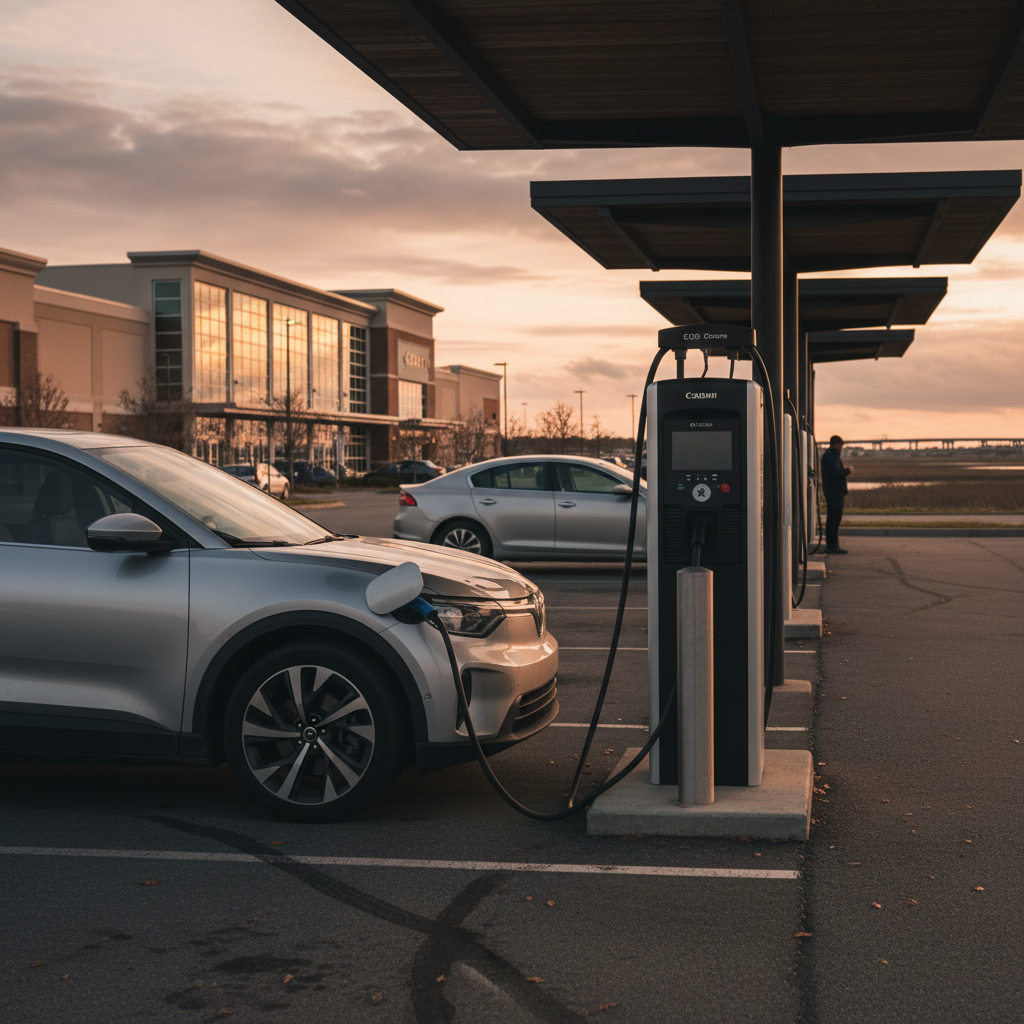
- DC fast charging makes long trips doable, but networks are still more hit‑or‑miss than gas stations.
- You’ll rely on apps (BMW, ChargePoint, Electrify America, etc.) instead of just pulling off at any exit.
- If you often tow, or drive in remote areas with sparse charging, an X5 or X5 plug‑in hybrid is still the safer bet, for now.
Recharged home‑charging tip
Daily living, cargo space, and family duty
As an X5 owner, you know the drill: kids, dogs, Costco runs, maybe the occasional Home Depot weekend. The iX can handle most of that, but there are a few practical differences you’ll want to understand before you sign anything.
Family‑duty comparison: X5 vs iX
What actually changes in day‑to‑day use
Rear seat comfort
The iX’s long wheelbase gives your rear passengers excellent legroom. Adults will be more comfortable than in many X5 builds, especially on long trips.
Cargo and pets
The iX’s sloping rear cuts a bit of vertical space. A large dog will still be happy, but two crates stacked may be trickier than in an X5.
Road‑trip packing
Suitcases fit fine, but you’ll do more Tetris with very bulky items. There’s no huge under‑floor storage because of the battery and electronics.
Safety and driver aids
Both SUVs offer strong crash protection and a full spread of driver‑assist systems. The iX leans harder into hands‑free or semi‑hands‑free cruising where available.
For most X5 families, the iX’s interior space will feel like a sideways move: better in some ways, slightly compromised in others. If your X5 already feels “just big enough” for your life, try loading an iX exactly the way you use your X5 today before committing.
Tech, cabin experience, and noise levels
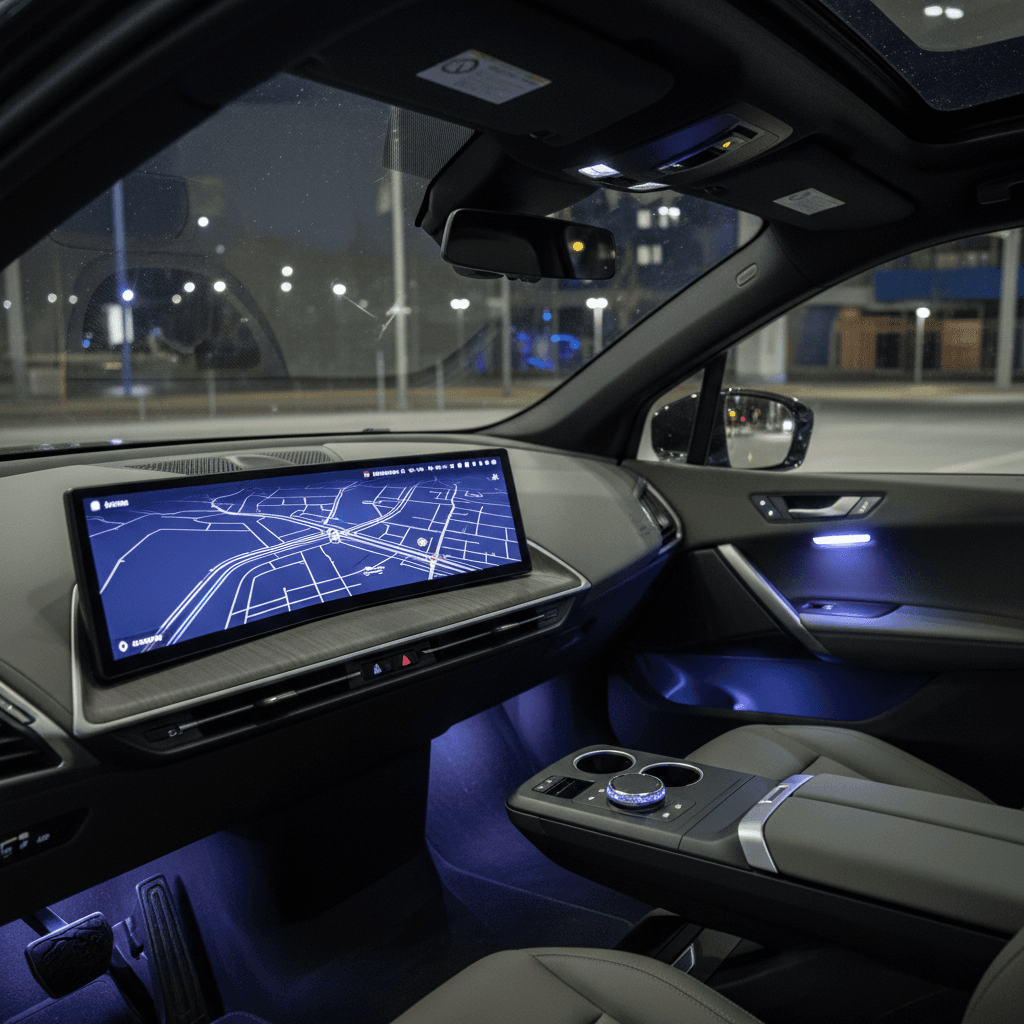
If your current X5 is a 2019 or newer, you’ve already seen BMW’s evolution toward more screens and fewer buttons. The iX pushes that philosophy further with its big curved display, hexagonal steering wheel, and a very minimal center console. Coming from an older X5, it may feel like you jumped a full generation or two.
Why many X5 owners prefer the iX cabin
- Quieter at speed, especially on coarse pavement.
- More dramatic ambient lighting and panoramic glass roof give a lounge‑like vibe.
- Fewer vibrations, no engine, no gearshifts, so long drives feel calmer.
- BMW’s latest infotainment software, over‑the‑air updates, and excellent EV trip planning built in.
What you might miss from the X5
- Physical buttons and knobs, especially for climate and audio.
- The straightforward feeling of a traditional shifter and analog gauges.
- Engine sound, if you enjoy hearing a straight‑six or V8, the iX will sound almost eerily quiet at first.
“The iX is really, really good for long‑distance road trips, especially with the hands‑free steering.”
Good news for tall drivers and passengers
Costs, ownership, and used BMW iX shopping
Moving from an X5 to an iX changes how you spend money more than how much you spend, especially if you buy used. You’ll swap fuel and some maintenance for electricity and, potentially, higher insurance in some markets.
X5 vs iX: Where your money goes
Assuming a typical U.S. owner driving 12,000–15,000 miles per year
Fuel vs. electricity
Most X5 owners will see fuel bills well over $2,000 per year. An iX, charged mostly at home, often lands around $600–$900/year in electricity, depending on rates.
Maintenance
No oil changes, fewer fluids, and far fewer moving parts in the powertrain. You still pay for tires, brakes, cabin filters, and routine checks.
Warranty & recalls
Like any modern BMW, the iX has had recalls and software campaigns. Buying a used example with remaining factory warranty and a clear service history is important.
Reliability reality
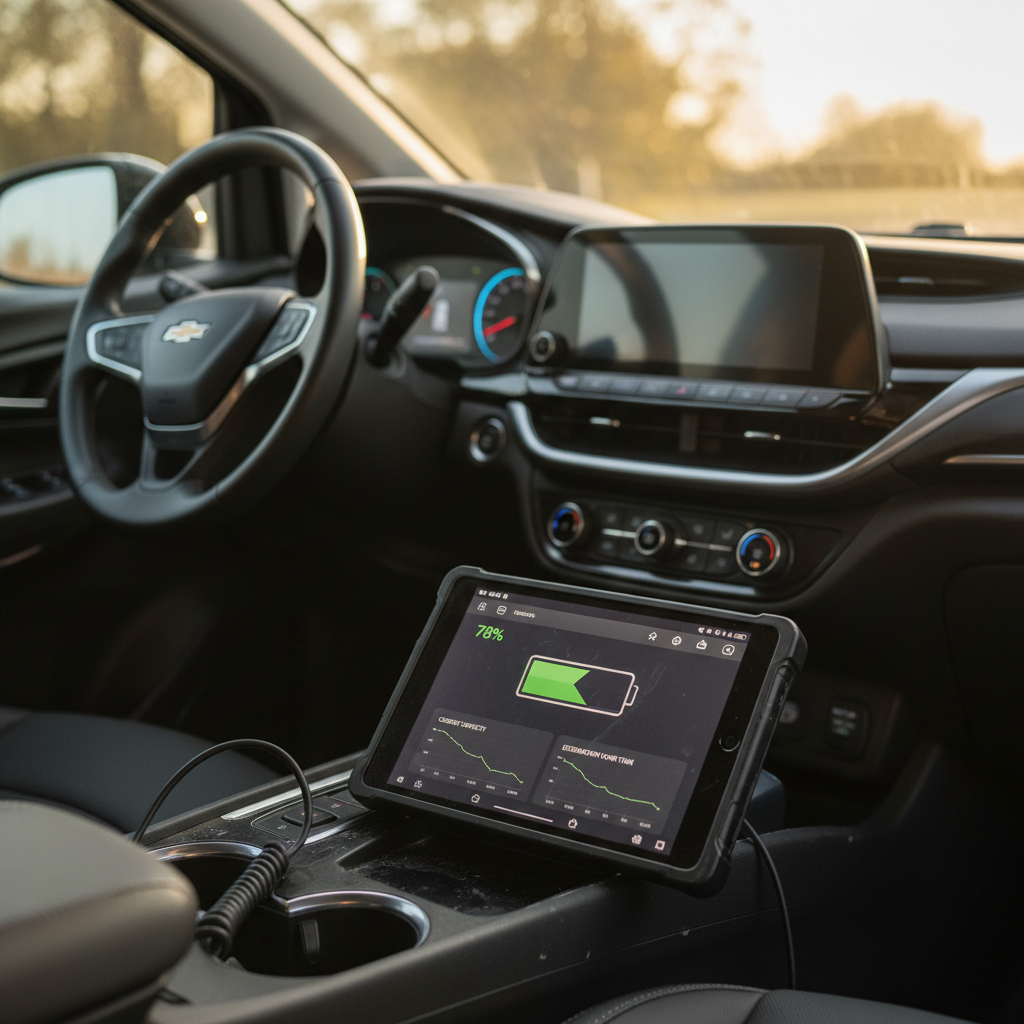
This is where shopping with a specialist helps. Every used EV on Recharged comes with a Recharged Score battery health report, fair‑market pricing, and expert guidance on what warranty coverage you have left and how the previous owner likely used the car. For a tech‑heavy SUV like the iX, that transparency is worth its weight in lithium.
Used BMW iX shopping checklist vs a used X5
Key questions that matter more with a used EV than a used gas SUV.
| Question | Why it matters more on an iX |
|---|---|
| How was it charged? | Cars that lived mostly on DC fast chargers may show more battery wear than those charged at home. |
| What’s the remaining battery warranty? | BMW’s EV battery warranty is typically longer than the basic warranty; know where you stand by year and mileage. |
| Any open recalls or software campaigns? | You want an iX that’s fully up to date before you take delivery. |
| Has it had HV (high‑voltage) repairs? | Major repairs should be documented and ideally performed at a BMW dealer with EV training. |
| What’s the current battery health? | A third‑party or Recharged Score report can give you real data instead of guesswork. |
You’re used to miles and options lists; with an iX you add charging, battery health, and software to the list.
Who should stick with an X5 (or a plug‑in X5)
As good as the iX is, it’s not the right move for every X5 owner. Some people will be happier in another X5 or in the plug‑in hybrid X5 xDrive50e, which straddles both worlds.
- You tow regularly and need simple, nationwide refueling without thinking about charger locations.
- You often drive 400+ miles in a day through rural areas where DC fast chargers are still rare.
- You can’t install home charging (for example, some apartment or condo situations) and would rely almost entirely on public charging.
- You like the X5’s more traditional SUV shape, dash layout, and control feel, and the iX’s design just doesn’t speak to you.
- You want to keep an internal‑combustion option for now but still cut fuel use, here the X5 plug‑in hybrid is a strong compromise.
Plug‑in X5 as a bridge
BMW X5 to BMW iX transition checklist
9 steps to a smart X5 → iX switch
1. Map your real driving habits
Pull a month of odometer readings or use your BMW app. How many miles do you actually drive per day and per week? Most X5 owners discover their daily mileage is well within the iX’s comfort zone.
2. Confirm you can install home charging
Talk to an electrician about a 240‑volt circuit in your garage or driveway. If installation is difficult or impossible, you may want to stay in an X5 or consider the X5 plug‑in hybrid.
3. Decide how much performance you really need
An iX xDrive50 is already rapid. If you currently drive a six‑cylinder X5 and rarely floor it, you probably don’t need an iX M60.
4. Test‑drive the iX on your actual roads
Bring it on your roughest commute or usual highway loop. Pay attention to noise, ride, and how the driver‑assist systems work for you compared to your X5.
5. Load it like you live in it
Bring strollers, golf bags, dog crates, or work cases to the test‑drive. Make sure the iX’s cargo area and rear seats really work for your life, not just for a spec sheet.
6. Try public fast charging once
Even if you’ll mostly charge at home, take a short trip that includes a DC fast‑charge stop. This is where you’ll feel the biggest lifestyle difference compared with gas.
7. Compare total cost of ownership
Factor in fuel vs. electricity, maintenance, and insurance. A used iX with lower running costs may pencil out similarly to a newer X5 once you do the math.
8. Shop battery health, not just miles
With a used iX, ask for a recent battery health report. On Recharged, every vehicle includes a Recharged Score so you can see how the pack is aging before you buy.
9. Plan your trade‑in or sale
Your current X5 still has value, especially if it’s clean and well‑maintained. Recharged can give you an instant offer or help you consign it while you line up your iX.
BMW X5 owner switch to BMW iX: FAQ
Frequently asked questions from X5 owners
Bottom line: Is the BMW iX worth it after an X5?
If you love your BMW X5 for its composure, comfort, and all‑round competence, the BMW iX doesn’t feel like a risky experiment, it feels like the next chapter. It’s quieter, often quicker, and more relaxing to drive, with running costs that make high‑mileage owners smile. You’ll trade quick gas stops and a bit of cargo flexibility for charging stops and a more futuristic cabin, but you won’t be giving up that core BMW feel.
For X5 owners who can install home charging and mostly drive in well‑served EV regions, a used BMW iX, especially one with a clear Recharged Score battery report, is a deeply satisfying upgrade. If your life revolves around towing, remote highways, or last‑minute cross‑country dashes, stick with an X5 or try the plug‑in hybrid first. Either way, going from X5 to iX is less about abandoning what you know and more about discovering how familiar a great electric BMW can feel on the very roads you already drive.