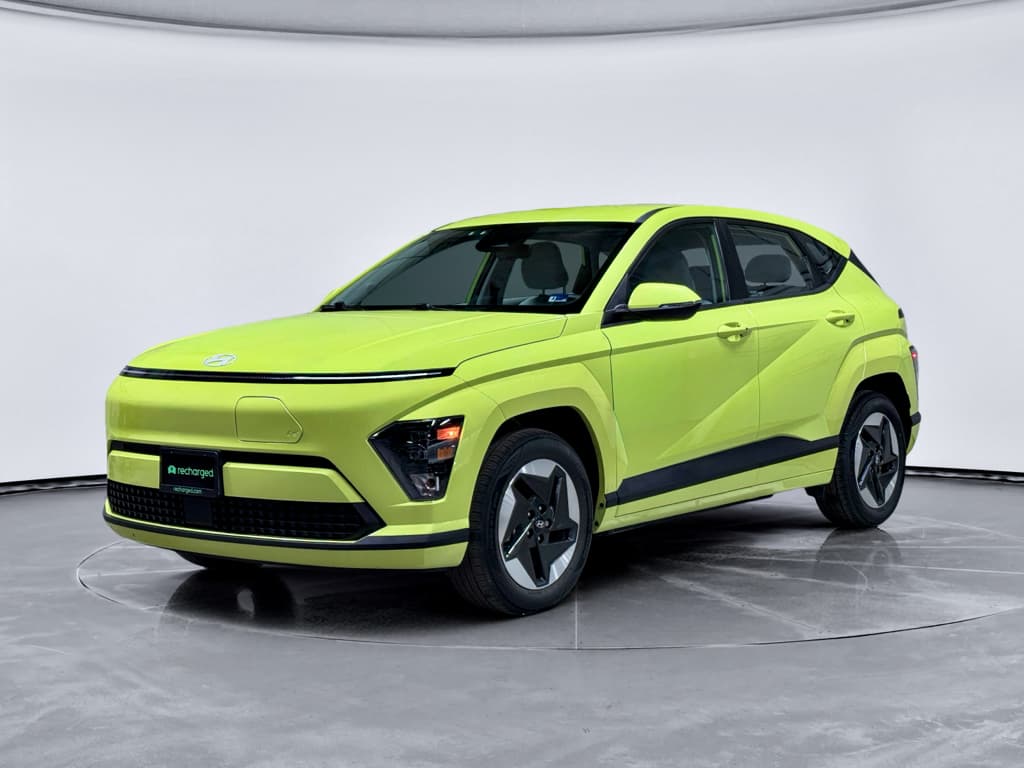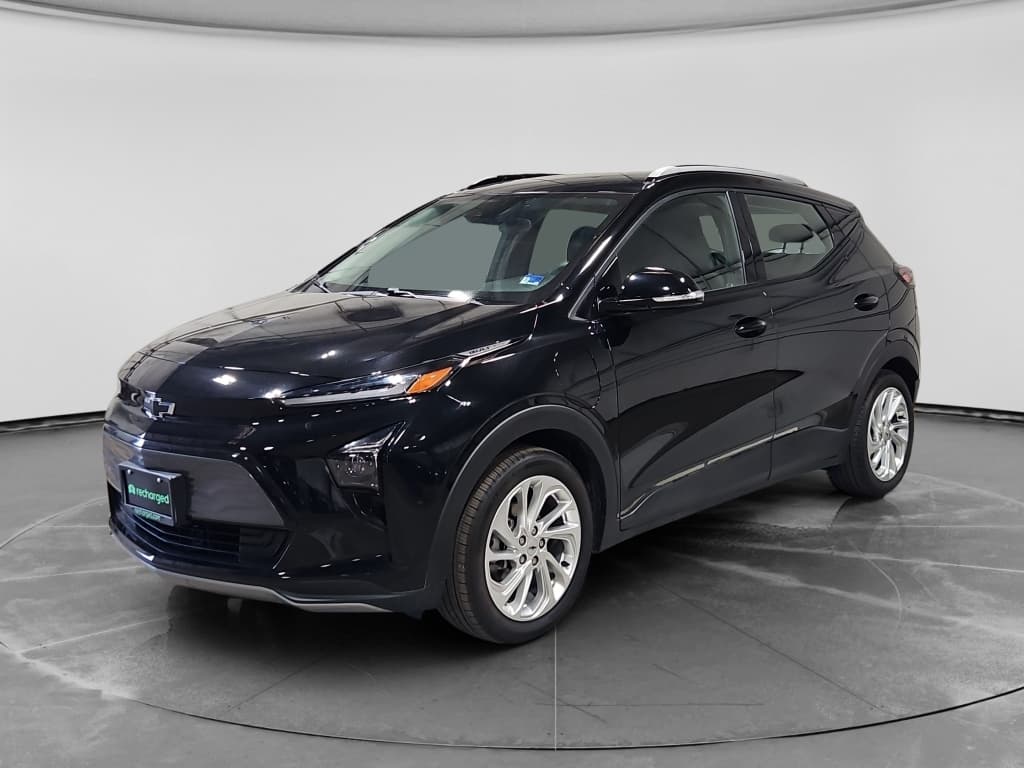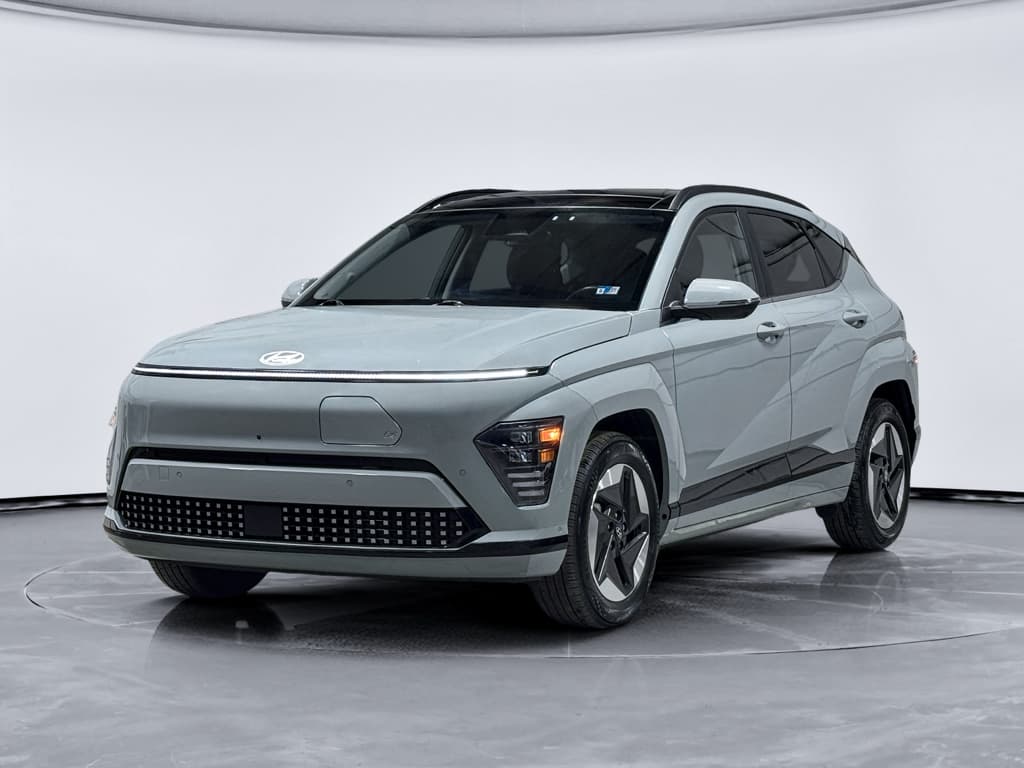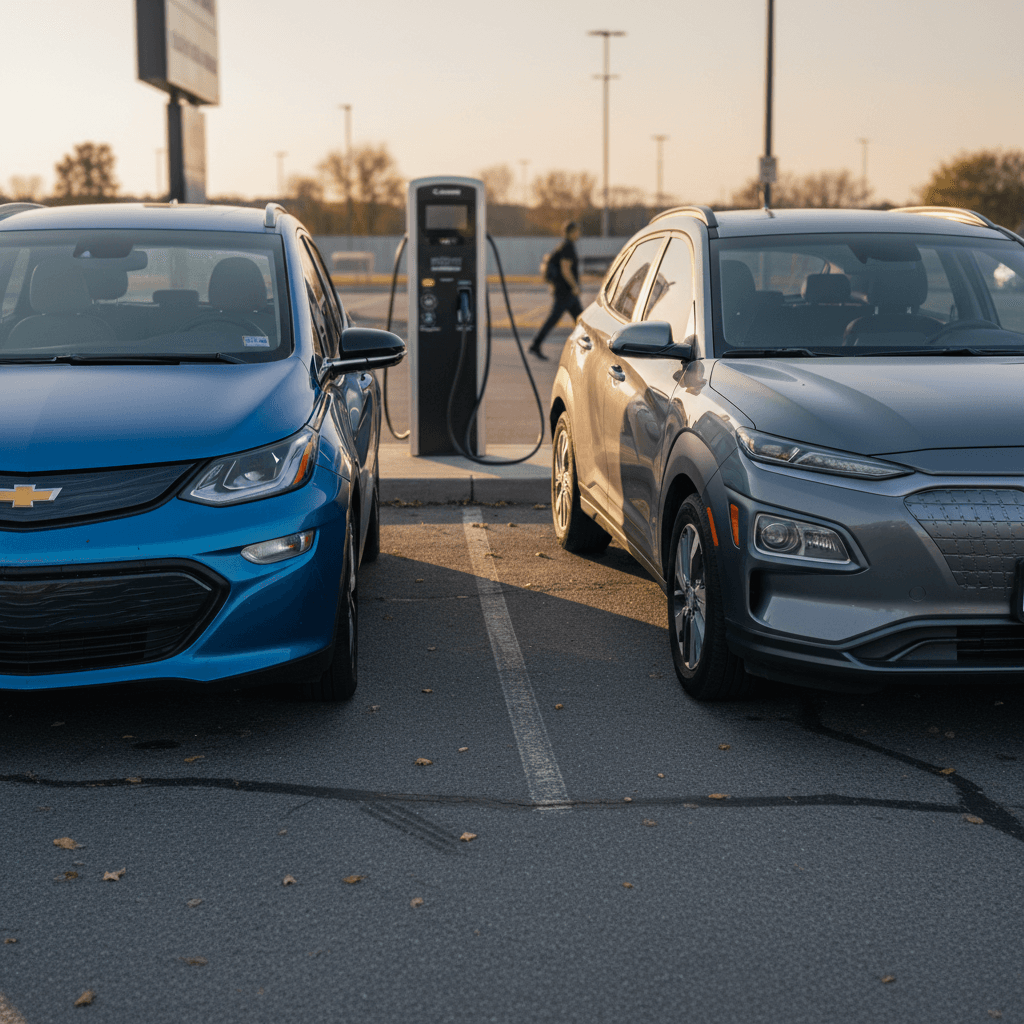
If you’re shopping for a **small, affordable used EV in 2026**, two names keep rising to the top: the **Chevrolet Bolt EV** and the **Hyundai Kona Electric**. Both offer strong range, hatchback practicality, and far lower operating costs than a comparable gas car, but they come with different strengths, weaknesses, and histories you need to understand before you buy used.
What this 2026 comparison covers
Overview: Bolt EV vs Kona Electric as used buys in 2026
Chevrolet Bolt EV: the value and space play
- Pros: Excellent range for the money (~259 miles EPA for later years), roomy interior for its size, simple single‑motor setup, widely available at attractive used prices.
- Cons: High‑profile battery recall history, no all‑wheel drive, ride quality can feel choppy, DC fast charging is adequate but not especially quick.
- Best for: Budget‑minded buyers who want maximum range and interior space per dollar.
Hyundai Kona Electric: the efficiency and refinement play
- Pros: Very efficient (often 4+ mi/kWh in real‑world tests), good range (EPA ~258 miles with the larger pack), long battery warranty, more polished ride and cabin than economy‑car roots suggest.
- Cons: Rear seat and cargo area are tighter than the Bolt EV; DC fast charging is only “good enough,” not road‑trip quick; used prices can be slightly higher than comparable Bolts.
- Best for: Drivers who value efficiency, refinement, and warranty coverage over maximum interior space.
Quick take
Key numbers for typical used Bolt EV and Kona Electric
Key specs at a glance: range, battery, charging
Used Chevrolet Bolt EV vs Hyundai Kona Electric: core specs
Approximate specs for common U.S. trims you’ll encounter on the used market. Always verify equipment on the exact car you’re considering.
| Spec | Chevrolet Bolt EV (2019–2023) | Hyundai Kona Electric (2019–2023, 64 kWh) | |
|---|---|---|---|
| Battery (usable, approx.) | ~65–66 kWh | ~64 kWh | |
| EPA range when new | Up to ~259 mi | Up to ~258 mi | |
| Drive layout | Front‑wheel drive | Front‑wheel drive | |
| AC onboard charger | Up to 11.5 kW (later years) | About 7.2–11 kW depending on model year/market | |
| DC fast‑charge peak | Roughly 55–70 kW in practice | Roughly 70–100 kW in ideal conditions, but often 70–80 kW in real use | |
| DC connector (U.S.) | CCS (Combo) | CCS (Combo) | |
| 0–60 mph (approx.) | ~6.5–6.9 seconds | ~6.4–7.0 seconds | |
| Cargo (rear seats up) | ~16.6 cu ft | ~19.2 cu ft, but with higher floor and tighter opening | |
| Seat count | 5 | 5 |
Later‑year Bolt EVs and Kona Electrics are extremely close on paper, so the details and condition of each individual car matter a lot.
Spec sheets don’t tell the whole story
Driving feel, comfort and practicality
Interior space and everyday usability
Bolt EV: deceptively roomy box
The Bolt EV looks tiny from the outside, but the tall roof and upright seating position deliver surprising space for the driver and front passenger. Rear seat room is decent for adults on shorter trips, and the flat floor helps. Cargo volume is competitive, and the hatch opening is friendly for bulky items like strollers or folding bikes.
The front seats in earlier model years drew some complaints for being narrow and firm. Later years improved padding slightly, but if you have broad shoulders or sensitive hips, you’ll want a long test drive to be sure you’re comfortable.
Kona Electric: more traditional crossover feel
The Kona Electric feels more like a conventional small crossover. The driving position is a bit more relaxed than the Bolt’s upright stance, and materials and design typically feel a step more polished.
The trade‑off is **tighter rear legroom and a slightly less boxy cargo area**. If you routinely carry tall adults in the back or bulky cargo, the Kona’s packaging isn’t quite as clever as the Bolt’s. For couples or small families with younger kids, though, it works very well.
Ride, noise and handling
- Bolt EV: Quick, light on its feet, and fun around town. The short wheelbase and firm suspension can make rough pavement feel busy, especially on big‑sidewall all‑season tires pumped up for efficiency. Wind and road noise are acceptable but not luxury‑car quiet.
- Kona Electric: Still a compact EV, but generally a touch more settled over broken pavement. Steering feel is light but accurate, and cabin noise at highway speeds tends to be slightly better controlled than in a comparable Bolt EV. If you commute long distances on the highway, the Kona usually feels a bit more relaxed.
Comfort verdict
Battery health, recalls and long‑term confidence
Chevrolet Bolt EV: recall history and replacements
You can’t talk about used Bolt EVs without addressing the **high‑profile battery recall** that affected every 2017–2022 model and some early 2023s. Due to manufacturing defects at the cell level, GM ultimately chose to replace battery packs or apply extensive remediation in a large number of cars. Most vehicles in the used market today have already had this work completed, which is good news if you’re shopping carefully.
Buying a used Bolt EV: battery and recall checklist
1. Confirm recall completion
Ask for documentation (dealer invoice or GM campaign print‑out) showing that all open battery recalls are complete on the VIN you’re considering.
2. Verify battery replacement vs. software fix
Many Bolts received full pack replacements, while others got software updates with revised charge limits. A pack replacement can effectively reset battery aging, but a clean software‑only car with strong health data can also be a great buy.
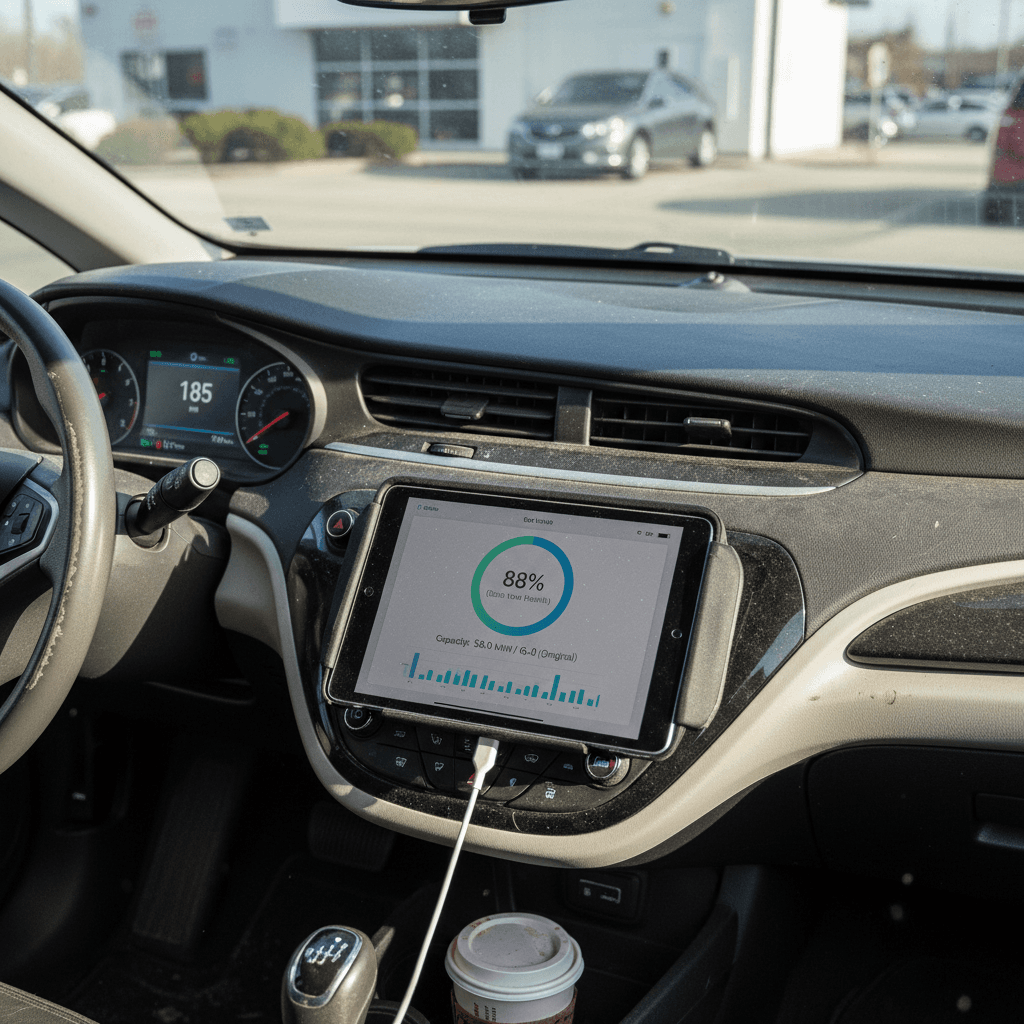
3. Review current usable capacity
On a used EV, what matters now is **measured usable capacity**, not just what it left the factory with. Recharged’s Score Report quantifies that for you, so you can see how much real‑world range you’re actually buying.
4. Check DC fast‑charging history
Heavy DC fast‑charging doesn’t automatically doom a Bolt’s pack, but it can contribute to faster degradation over time. Look for vehicles with balanced home Level 2 use when possible.
Hyundai Kona Electric: warranty strength and degradation
The Kona Electric hasn’t had the same headline‑grabbing battery recall story in the U.S. as the Bolt EV, and Hyundai backs the high‑voltage battery with a **long warranty (often 10 years/100,000 miles for original owners)**. For you as a second owner, that warranty may or may not transfer in full, depending on model year and region, so it’s important to read the fine print on the specific car.
- Real‑world owner reports generally show **modest degradation** on first‑generation Kona Electrics used reasonably and charged mostly at home.
- Hyundai has issued **software updates** over time to refine DC fast‑charging behavior and improve charge curves, especially on later‑year cars.
- As with any used EV, storage and use patterns matter: a Kona that lived in a mild climate and charged at Level 2 overnight will usually age better than one fast‑charged daily in extreme heat.
Don’t rely on the dash bar graph alone
Charging experience: home and road‑trip usability
Home charging: Level 1 vs Level 2
How Bolt EV and Kona Electric behave at home
Both shine when you can plug in overnight, ideally on Level 2.
Level 1 (120V)
On a standard household outlet, both cars add range slowly, often 3–5 miles of range per hour in mild weather. That can work if you drive only 20–30 miles per day, but it’s marginal if your daily commute is longer.
Level 2 (240V)
With a 240V home charger, later Bolt EVs can draw up to about 11.5 kW, while many Kona Electrics sit in the 7–11 kW range depending on year. In practice, either car can usually go from low charge to full **overnight in 7–10 hours**.
Panel and outlet considerations
Both EVs use the standard J1772/CCS AC inlet for Level 1 and Level 2. You’ll want a dedicated 240V circuit (often 40–60 amps) installed by a qualified electrician. Recharged can connect you with trusted home‑charging partners or help you size your setup.
Public DC fast charging: realistic expectations
On paper, you’ll see numbers like “up to 100 kW” attached to Kona Electric fast‑charging and somewhat lower published peaks for the Bolt EV. In the real world, **both behave more like 55–75 kW chargers at most U.S. stations**, and both taper power significantly as they approach 60–80% state of charge.
What this means on a road trip
Connector type and networks
Both the used Bolt EV and first‑gen Kona Electric in the U.S. use the **CCS fast‑charging standard**, so they can plug into most non‑Tesla DC fast‑charging networks. As Tesla’s NACS standard rolls out more broadly by 2026, you may see adapters or future retrofit kits, but for now, you should shop based on CCS network coverage along your routes.
Preconditioning and charge curve behavior
Some newer EVs can pre‑warm or cool the battery before a fast‑charge stop for maximum speed. First‑generation Bolt EVs and Kona Electrics are more basic: they’ll protect themselves if the pack is too hot or cold, but they don’t chase a perfect charge curve. In practice, that means **winter charging will be noticeably slower** for both if you go straight from a cold driveway to a DC fast charger.
Cold‑weather charging tip
Ownership costs, incentives and resale value
Used pricing and value in 2026
By 2026, most first‑generation Bolt EVs and Kona Electrics on the used market have taken their biggest depreciation hit. That’s good news for you: you can often find clean, well‑equipped examples for **mid‑teens to low‑twenties** in U.S. dollars, depending on mileage, year, trim and region.
Where each model usually wins on value
Pricing varies by market, but these patterns show up often.
Chevrolet Bolt EV: lower entry price
In many markets, you’ll see **slightly lower asking prices** for comparable Bolt EVs than for Kona Electrics of similar year and mileage. The recall story, Chevy’s decision to pause and then reboot the Bolt nameplate, and larger fleet volumes all contribute to this.
If your top priority is stretching your budget, a clean Bolt EV is often the **cheapest way to get ~250 miles of range** in a modern EV.
Hyundai Kona Electric: value in warranty and refinement
The Kona Electric sometimes commands a bit more money in the used market, but you’re often buying a longer original battery warranty and a slightly more refined driving experience. For buyers planning to keep the car many years, that can be worth the premium.
As always, actual condition, service history, and battery health matter more than nameplate alone.
Insurance, maintenance and running costs
- Energy costs: Because both are efficient EVs, your per‑mile energy cost is low, especially if you can charge off‑peak at home. The Kona’s slightly better efficiency gives it a small edge on electricity bills, but the difference is often just a few dollars a month for typical U.S. driving.
- Maintenance: No oil changes, timing belts or exhaust systems. You’re mainly budgeting for tires, brake fluid changes, cabin filters, and incidental repairs. The Bolt’s instant torque can be harder on front tires if you drive it enthusiastically.
- Insurance: Premiums vary by ZIP code and driver profile, but neither car is especially exotic to insure compared with other EVs. Always get quotes on the exact VINs you’re considering, safety‑feature content and trim can move premiums up or down.
- Resale: As newer small EVs with faster charging and modern driver‑assistance suites arrive, first‑gen Bolt EVs and Kona Electrics will continue to depreciate. Buying used in 2026 means somebody else already took the steepest hit, but plan to keep the car several years to get the best value.
Watch purchase price vs. battery health
Which one fits you? Use‑case recommendations
Bolt EV vs Kona Electric: best fit by driver type
Start with how you drive, then pick the platform that matches.
City commuter, limited parking
If you mostly drive in town, park in tight spaces, and value quick steering and easy maneuvering, **both cars are excellent**. The Bolt’s upright glass and short nose make it extra easy to place in traffic and slots, while the Kona feels more familiar to anyone coming out of a small crossover.
Edge: Tie, with a slight nod to the Bolt if you prioritize visibility and turning radius.
Suburban family, mixed driving
Hauling kids, groceries, and weekend gear? The **Bolt EV’s clever interior packaging** makes it feel like a bigger car inside, but the Kona’s more refined ride might keep everyone happier on longer drives.
Edge: Bolt for space, Kona for comfort. Shop the better individual car.
Frequent highway trips
Neither EV is a long‑range road‑trip monster, but both can absolutely handle occasional interstate stints with planning. The Kona’s slightly more settled highway ride, efficiency, and evolving DC fast‑charge tune give it a narrow advantage here.
Edge: Kona Electric, especially in later model years with updated charging logic and driver‑assistance features.
When a used Bolt EV is the smarter choice
- You want maximum range and utility per dollar.
- You’ve found a car with documented battery recall work and strong health data.
- You’re comfortable with a slightly firmer ride and simpler interior if it means more space and lower monthly payments.
- You mainly charge at home and use fast‑charging only occasionally.
When a used Kona Electric is the smarter choice
- You value efficiency, warranty coverage and cabin refinement more than every last cubic foot of cargo space.
- You do a lot of highway commuting and appreciate quieter manners and modern driver‑assistance features.
- You’ve found a car with a clean history, up‑to‑date software, and a remaining battery warranty that fits your ownership plans.
How Recharged simplifies buying a used Bolt or Kona
Buying a used EV is different from buying a used gas car. A quick test drive and a clean Carfax don’t tell you how the **battery and charging hardware** are really doing. That’s where shopping through Recharged changes the experience.
What you get with a used Bolt EV or Kona Electric from Recharged
Built to make EV ownership simple and transparent.
Recharged Score battery diagnostics
Every vehicle on Recharged comes with a Recharged Score Report that includes verified battery health and charging performance, so you can see how one Bolt EV or Kona Electric compares to another at a glance.
Fair market pricing and financing
Our pricing tools factor in year, mileage, trim, equipment, and battery health, not just book values. You can also pre‑qualify for EV‑friendly financing online, with expert guidance if you’re moving from a traditional auto loan or lease.
Trade‑in, consignment and delivery
Already own a car? Get an instant offer or explore consignment options. Once you’ve picked your Bolt EV or Kona Electric, Recharged can arrange nationwide delivery or a visit to our Experience Center in Richmond, VA.
Ready to find your next EV?
Browse VehiclesNext step: try both back‑to‑back
Frequently asked questions: used Bolt EV vs Kona Electric
Common questions about buying a used Bolt EV or Kona Electric in 2026
The **used Chevrolet Bolt EV and Hyundai Kona Electric are two of the smartest, most accessible EV buys** you can make in 2026. They’re efficient, practical, and significantly cheaper to own than most gas cars, and their biggest differences come down to space, ride quality, and how each individual car has been cared for. Start with how you drive, then compare actual vehicles using verified battery‑health data. That’s exactly the path Recharged is built around, so you can choose the right Bolt or Kona with confidence and enjoy the payoff of EV ownership for years to come.