If you’re typing “used car batteries near me” into a search bar, you’re probably trying to solve one of two problems: save money on a replacement battery, or figure out where to drop off an old one without breaking any rules, or starting a fire. This guide walks you through where to find used and refurbished car batteries, how pricing and core charges work, and how to recycle both traditional 12‑volt and modern EV packs safely.
Quick definitions
Why People Search “Used Car Batteries Near Me”
- Your car won’t start and you want the cheapest possible fix today.
- You’re working on a project car or off‑grid setup and don’t need a brand‑new battery.
- You have a dead or weak battery in the garage and want to know who will take it, and maybe pay for it.
- You’re curious about used EV batteries and how they’re reused for backup power or home storage.
The good news is that batteries are one of the most recycled automotive parts in the U.S. Nearly all major parts stores, many scrap yards, and local recycling programs accept them. The bad news: not every “used battery” is a good deal, and mishandling modern batteries, especially lithium‑ion, can be dangerous.
Types of Used Car Batteries You’ll See
Common Used Battery Types
Know what you’re looking at before you hand over cash
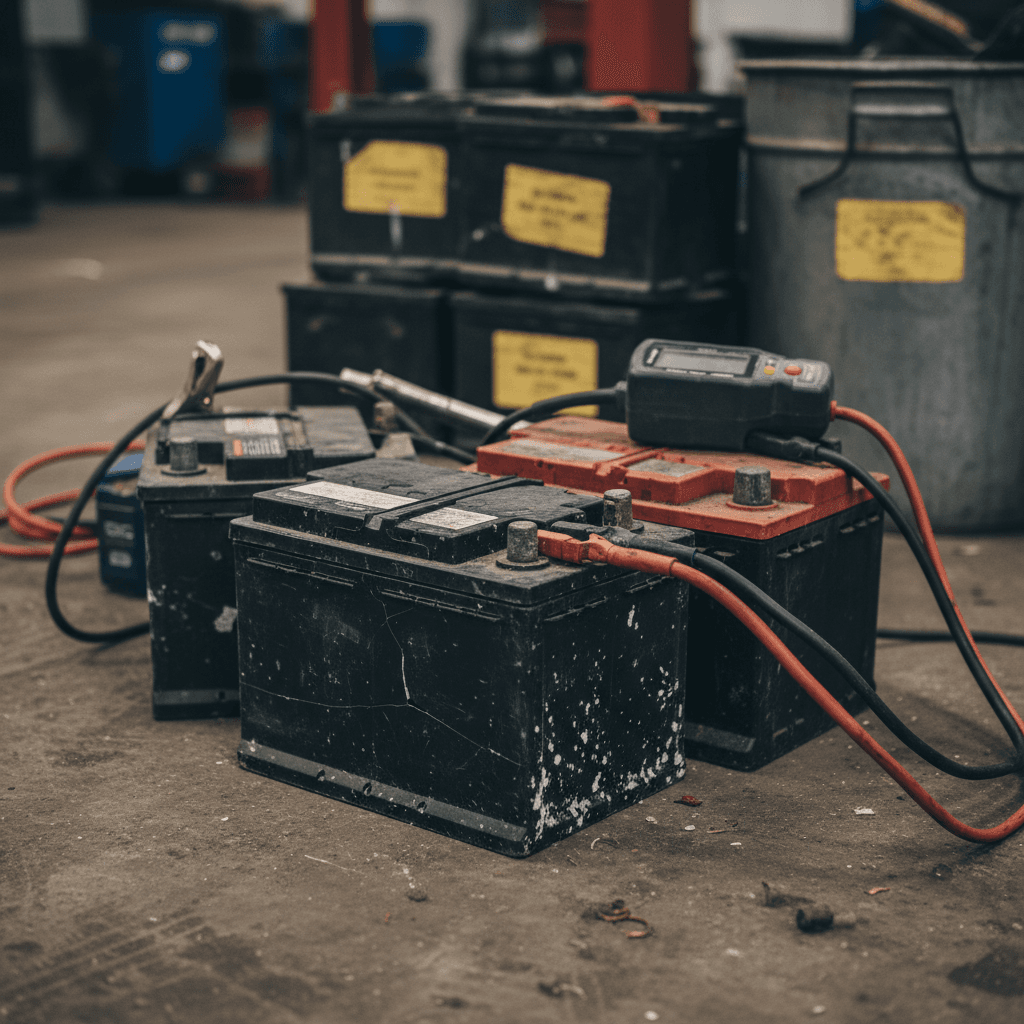
Used 12V lead‑acid
These are traditional starter batteries from gas and hybrid vehicles.
- Often pulled from scrap cars
- May be nearly dead
- Cheap but risky
Refurbished / reconditioned
Used batteries that have been tested, charged, and sometimes desulfated.
- Usually sold with a short warranty
- Cost less than new
- Best option if you’re on a budget
Used EV modules & packs
High‑voltage lithium‑ion batteries from retired EVs.
- Mostly used in stationary storage today
- Not something you just buy on Craigslist and plug into a car
- Handled by specialists
Used vs. rebuilt vs. junk
Where to Find Used Car Batteries Near You
Depending on whether you want to buy a used battery or drop off an old one, you’ll have different options. Here’s where most U.S. drivers start.
Typical Local Sources for Used and Recycled Batteries
Not every location sells used batteries, but almost all will accept old ones for recycling.
| Place | Usually Buys Old Batteries? | Sells Used/Refurbished? | Good For |
|---|---|---|---|
| Auto parts chains (AutoZone, O’Reilly, Advance, NAPA) | Yes, for core credit or small cash | Some locations offer refurbished 12V | Quick swap, basic testing, recycling |
| Big‑box retailers (Walmart, etc.) | Yes, typically for core credit | Rarely sell used; mostly new only | Budget new batteries, core returns |
| Independent repair shops | Sometimes; often just for recycling | Occasionally used take‑offs | Local advice, troubleshooting |
| Scrap yards & metal recyclers | Yes, pay by the pound | No, usually scrap only | Best for getting rid of piles of old batteries |
| Municipal recycling / household hazardous waste | Yes, often for free | No sales | Safe legal disposal of all types |
Call ahead and ask what they actually offer, policies vary by store and region.
Call before you drive
How Core Charges and Pricing Work
If you’ve ever been surprised at the checkout total for a battery, the culprit was probably a core charge. Understanding how this works can save you real money when you’re buying new or used.
- When you buy a battery, the store often adds a core charge, a refundable deposit, commonly around $10–$30, to make sure old batteries come back for recycling.
- If you bring an old battery at the time of purchase, the store usually waives the core charge or deducts it instantly.
- If you don’t have an old battery with you, you pay the core charge, but you can bring a battery back later with your receipt and get that core charge refunded (usually in cash or to your card).
- Scrap yards bypass the whole core system and simply pay you by weight for lead‑acid batteries, often a few dollars per unit, depending on market prices.
Watch out for “store credit only”
The Bigger Picture: Why Core Charges Exist
Is Buying a Used 12V Car Battery Worth It?
With inflation squeezing budgets, the appeal of a cheap used battery is obvious. But the real question is whether it’s a good value over time, not just at the register.
Pros of a used or refurbished battery
- Lower upfront cost: You might pay half of what a new battery costs.
- Short‑term fix: Fine for a car you plan to sell soon or a vehicle you rarely use.
- Environmental benefit: Extends the life of an existing battery before it’s recycled.
Cons and hidden risks
- Shorter lifespan: Even a good used battery may only last a year or two.
- Murky history: You don’t know how it was used or abused.
- Weak warranty: You may get 30–90 days, or nothing at all.
Rule of thumb
Recycling and Disposal: Do Not Toss Batteries in the Trash
Regardless of whether you buy used or new, every battery eventually has to be retired. How you dispose of it matters, not just for the environment, but for safety. Lead‑acid batteries contain hazardous materials, and modern lithium‑ion packs can start fires if they’re damaged or crushed in trash trucks or sorting lines.
How to Get Rid of Old Car Batteries Safely
1. Never put them in curbside trash or recycling
Trash trucks and recycling facilities are not equipped for batteries. Lithium‑ion cells especially can short‑circuit, overheat, and ignite when crushed.
2. Use auto parts stores as drop‑off points
Most national chains will accept old lead‑acid car batteries for free and may even pay you a small amount or credit, whether or not you’re buying a new one.
3. Check your city’s hazardous waste program
Search your city or county website for “household hazardous waste” or “battery disposal.” Many areas run regular drop‑off events for everything from car batteries to EV packs and e‑bike batteries.
4. Don’t stockpile damaged batteries at home
If a battery is swollen, leaking, or smells like rotten eggs, treat it as urgent. Wear gloves, ventilate the area, and contact a hazardous waste line or professional for guidance.
5. Keep receipts for core refunds
If you paid a core charge on a new battery, keep the receipt and bring it plus the old battery back to the same retailer to get your deposit returned.
Why this matters
What About Used EV Batteries and Second-Life Packs?
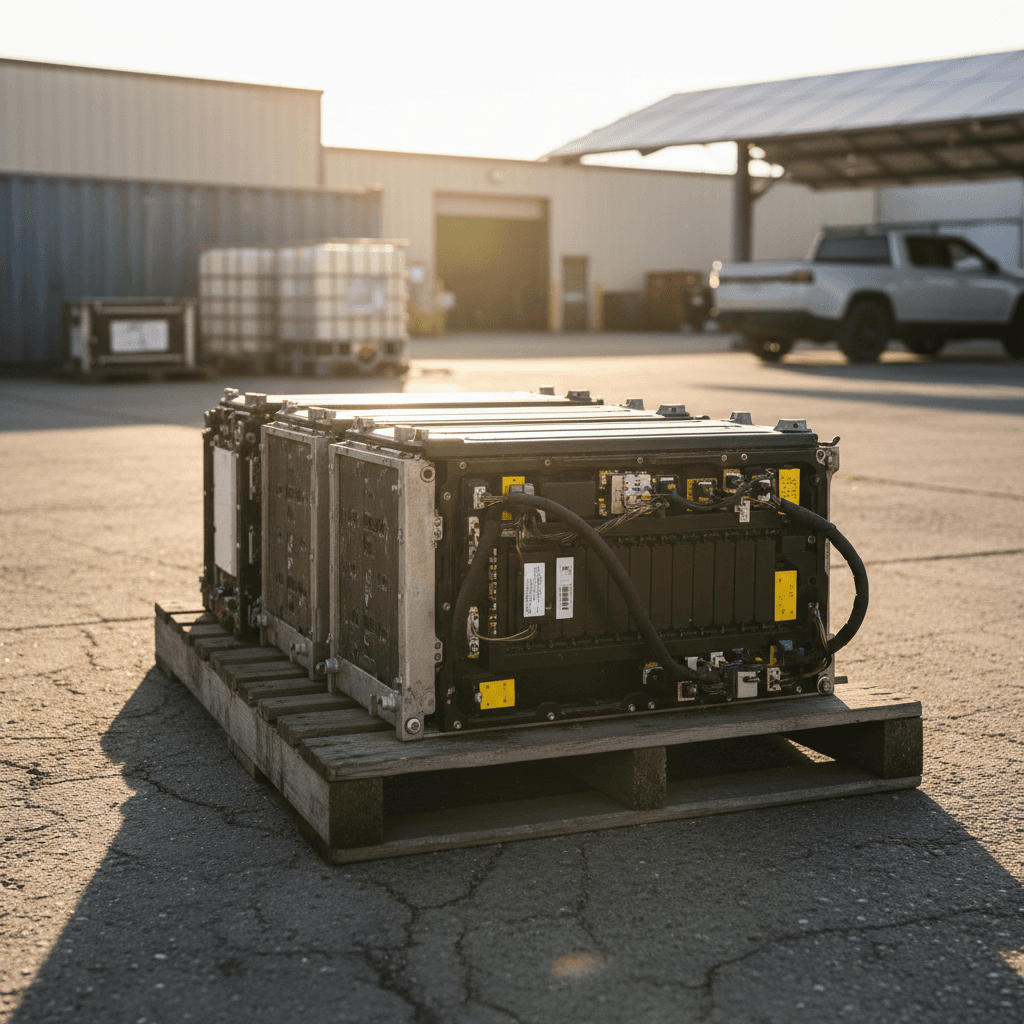
If you drive, or are thinking about buying, a used EV, you might wonder where used EV batteries go and whether you can just buy one “near you.” The reality in 2025 is that large EV packs are almost always handled by manufacturers, recyclers, and specialized energy‑storage companies, not walk‑in retail.
How Used EV Batteries Are Actually Reused
You won’t usually buy one at a local parts store, but they are getting second lives.
Stationary energy storage
When an EV battery drops to roughly 70–80% of its original capacity, it’s often no longer ideal for propulsion, but it can still be valuable in stationary storage.
- Grid‑connected battery farms
- Backup power for data centers and buildings
- Supporting fast‑charging stations
Recycling & critical materials
Once a pack is too degraded or damaged, it’s dismantled and recycled. Specialists recover nickel, lithium, copper and other materials that go back into new batteries, closing the loop.
Why you don’t see used EV packs on Craigslist (much)
For you as a driver, the practical takeaway is simple: treat the EV battery as part of the car, not a separate DIY project. When you shop for a used EV, what really matters is verified battery health and a plan for end‑of‑life, not trying to source a cheap replacement pack on your own.
Safety Checklist Before You Buy a Used Battery
If you still decide a used or refurbished battery makes sense, use this checklist to avoid the most common mistakes. A few simple questions can tell you whether you’re dealing with a professional operation or a sketchy side hustle.
Used Battery Buying Checklist
1. Ask how it was tested
You want more than “it held a charge.” Reputable sellers use load testers or conductance testers and can show you a printout or at least explain their process.
2. Ask about the age and history
Look for a date code on the battery case and ask which vehicle it came from. A five‑year‑old battery from a city delivery truck has had a harder life than one from a lightly used commuter car.
3. Get the warranty terms in writing
Even 30–90 days of coverage tells you the seller has some confidence in their product. If there’s no warranty at all, price should be correspondingly low, and you’re accepting the risk.
4. Inspect the case and terminals
Avoid batteries with cracks, bulges, heavy corrosion, or signs of leakage. Clean terminals are a good sign; damaged posts are a deal‑breaker.
5. Confirm compatibility with your vehicle
Match group size, terminal orientation, and cold‑cranking amps (CCA) to your owner’s manual or the sticker on your old battery. The wrong spec can cause hard starts or electrical issues.
6. Plan for proper disposal of the old unit
Before installing the “new to you” battery, have a plan for the old one, return it as a core, take it to a parts store, or drop it at a hazardous waste site.
How Recharged Fits Into the Bigger Battery Picture
At Recharged, our focus is on the car built around the battery, specifically, making it easier to buy and sell used EVs with transparent battery health. Instead of selling loose batteries, we provide a Recharged Score Report on every vehicle, including verified diagnostics on the high‑voltage pack’s condition, estimated range, and expected degradation.
Why battery health transparency matters
- In an EV, the traction battery is the most valuable component.
- Knowing its real state of health is the difference between a great deal and an expensive mistake.
- Our Recharged Score gives you data, not guesses, about pack health and usable range.
How Recharged supports your EV journey
- Browse used EVs online with full battery reports.
- Get EV‑savvy financing, trade‑in options, and nationwide delivery.
- If you’re local to Richmond, VA, visit our Experience Center for hands‑on help with questions about charging, battery life, and more.
Thinking about switching to an EV?
FAQ: Used Car Batteries Near Me
Frequently Asked Questions
Key Takeaways
Searching for “used car batteries near me” can lead you to some genuinely useful options, refurbished 12V batteries from reputable shops, easy drop‑off points for recycling, and a better understanding of how EV packs live a second life in stationary storage. The key is to separate safe, transparent deals from risky guesswork. Treat batteries with the respect high‑energy devices deserve, use professional channels for both purchase and disposal, and lean on platforms like Recharged when you’re ready to step up from simply replacing a battery to choosing an entire used EV with verified battery health. That’s how you save money today without creating dangerous messes or expensive surprises tomorrow.