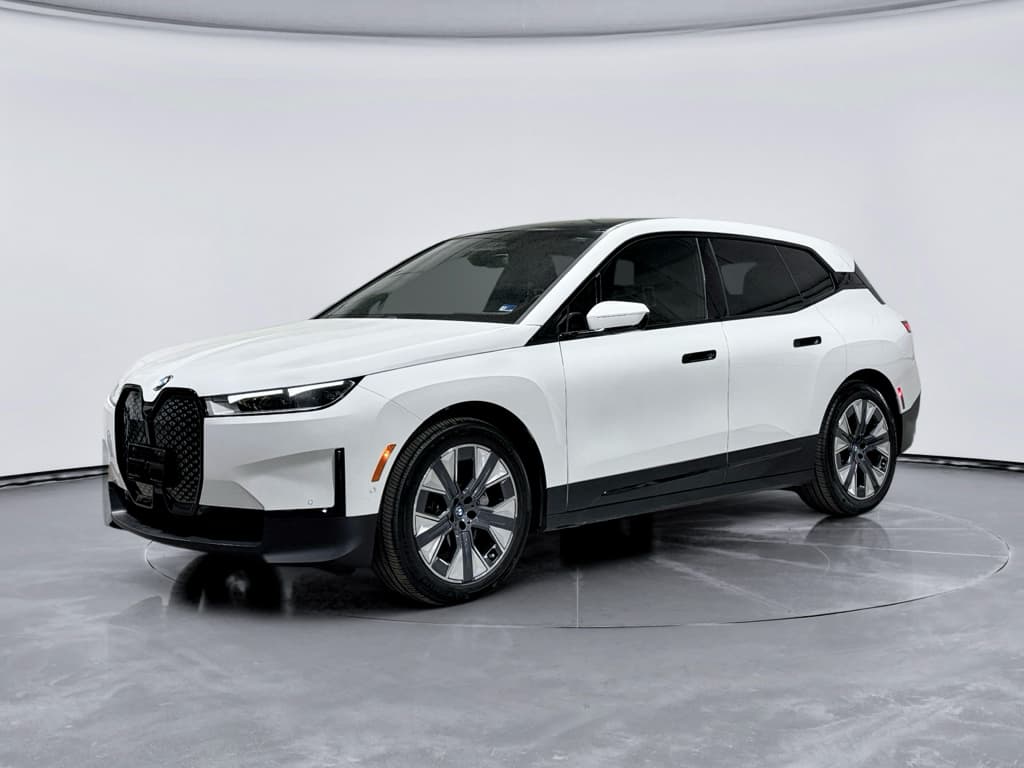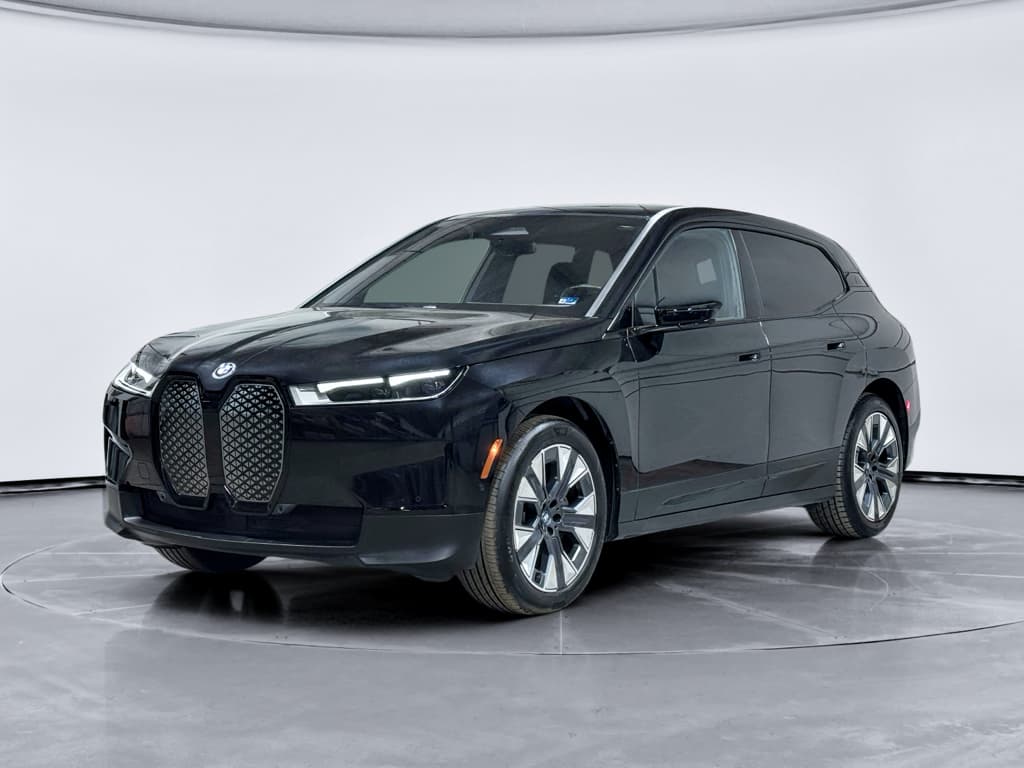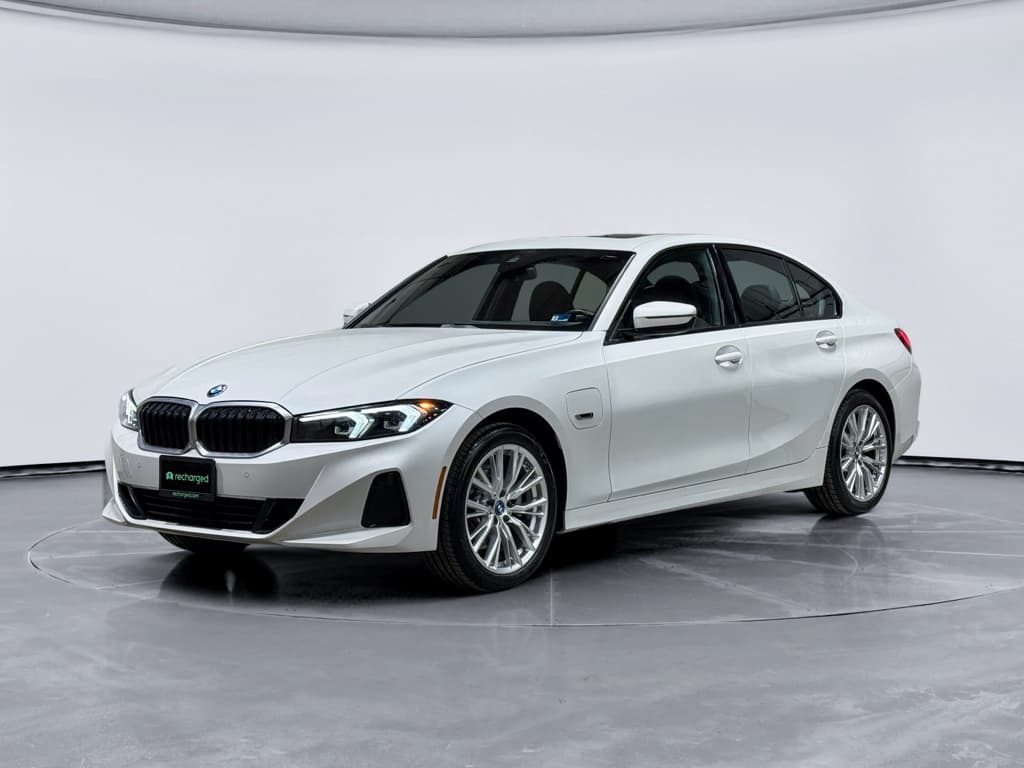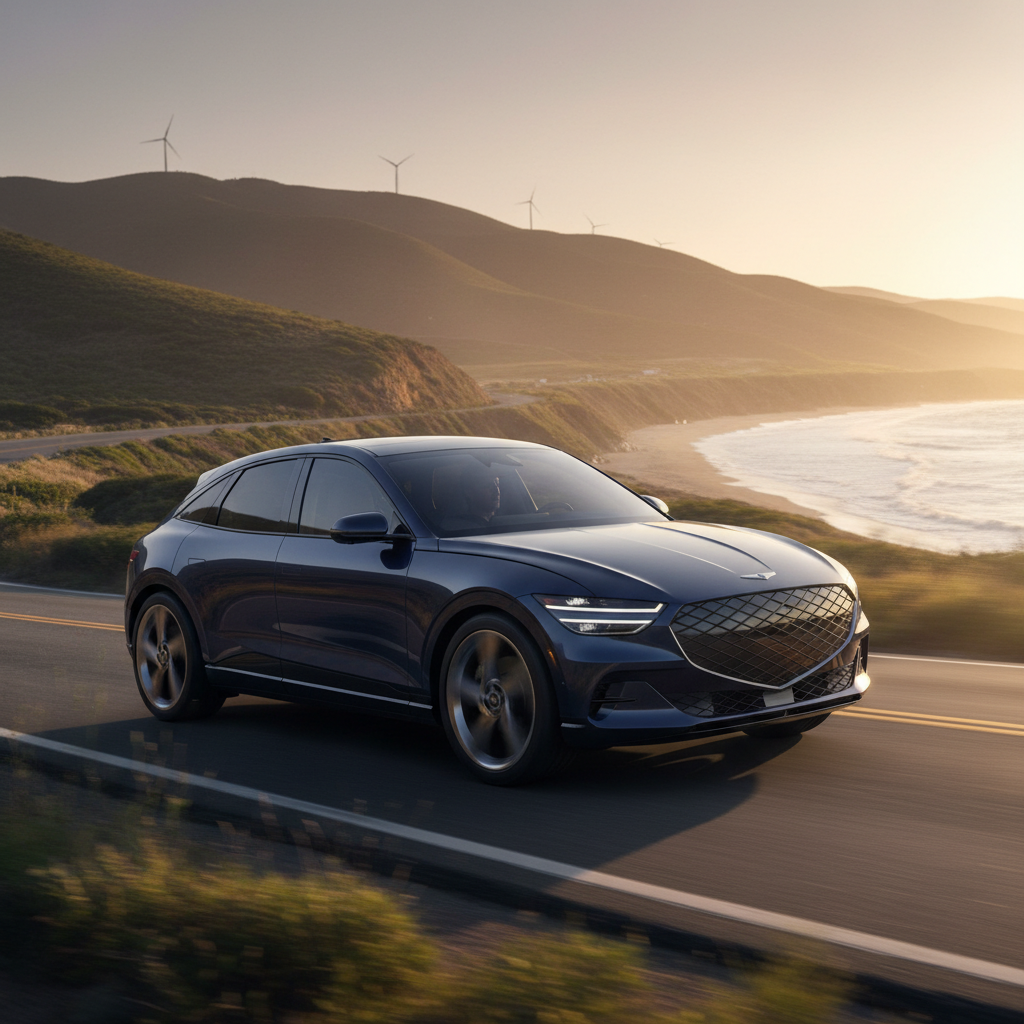
If you’re eyeing BMW’s all‑electric 5 Series, you’re probably not just wondering how quick it is, you want to know the **BMW i5 long term ownership cost**. What will it really cost to keep one in your driveway for 5–10 years, and how does that compare to a gas 5 Series or a different EV?
What this guide covers
BMW i5 long‑term cost at a glance
Sample 5‑year BMW i5 cost snapshot (new purchase)
These are ballpark numbers
How much does a BMW i5 really cost to own?
Long‑term ownership cost is usually broken into a few big buckets: **purchase price and depreciation, energy (charging), insurance and taxes, maintenance and repairs, and financing**. Incentives and tax credits may lower your out‑of‑pocket cost in the early years, but depreciation and resale value matter just as much over 5–10 years.
Main cost buckets
- Purchase price & depreciation – What you pay vs. what the car is worth in 5–10 years.
- Charging/energy – Electricity at home and on the road.
- Insurance, tax, and registration – Ongoing paperwork costs.
- Maintenance & repairs – Tires, brakes, fluids, and the unexpected.
Key BMW i5 variables
- Trim & options – i5 eDrive40 vs. i5 M60, wheel size, packages.
- Mileage – 8,000 miles/year commuter vs. 18,000‑mile road‑warrior.
- Charging mix – Mostly home Level 2 or frequent DC fast‑charging.
- New vs. used – Buying after the first big depreciation hit.
1. Purchase price and BMW i5 depreciation
The BMW i5 slots between the compact i4 and the larger, more opulent i7. Most U.S. buyers see **transaction prices in the mid‑$70,000s and up** once they check a few option boxes. That’s a serious chunk of change, and where long‑term ownership cost really starts.
Illustrative 5‑year BMW i5 depreciation (new vs. used)
Simple example numbers to show how buying used can change your long‑term cost. Actual resale values will vary by mileage, condition, and market.
| Scenario | Purchase price | Estimated value after 5 yrs | Value lost in 5 yrs |
|---|---|---|---|
| New BMW i5 eDrive40 | $75,000 | $34,000–$40,000 | $35,000–$41,000 |
| Lightly used (2‑yr‑old) i5 | $55,000 | $30,000–$36,000 | $19,000–$25,000 |
These are example figures for explanation only, not guaranteed resale values.
Why EV depreciation can look steep
If you plan to keep your BMW i5 **8–10 years**, depreciation matters less emotionally, you’re stretching that initial cost over many more years of use. But if you like to swap into a new car every 3–5 years, it should be right at the top of your decision list.
2. Charging costs: home vs public for the BMW i5
The i5’s official range varies by trim and wheel size, but you’re roughly in the **260–320‑mile ballpark** when new. What you pay to feed those miles depends almost entirely on where you plug in and what you pay per kilowatt‑hour (kWh).
BMW i5 charging cost scenarios (per year)
Assuming ~12,000 miles/year and average efficiency around 3.0 mi/kWh.
Mostly home charging
Electric rate: ~$0.14–$0.17/kWh off‑peak
Annual energy: ~4,000 kWh
Estimated annual cost: about $560–$700
Equivalent to roughly $45–$60 per month in “fuel.”
Mix of home & DC fast
Home: ~70% of miles
Public fast‑charge: ~30% of miles
Estimated annual cost: roughly $800–$1,100
Fast‑charging is convenient, but pricier per kWh.
Heavy DC fast‑charging
Public DC fast: majority of miles
Typical pricing: ~$0.30–$0.45/kWh
Estimated annual cost: roughly $1,300–$1,800
Still often cheaper than premium gas, but not by a mile.
Public charging can narrow your savings
Over 5 years at 12,000 miles per year, a mostly‑home‑charged i5 might spend **$2,800–$3,500** on electricity. A comparable gas 5 Series, driven the same distance, could easily burn **$8,000–$11,000** in premium fuel depending on prices. That fuel gap is one of the big levers that helps offset a higher purchase price.
3. Insurance and taxes on a BMW i5
Insuring a brand‑new luxury EV like the BMW i5 often costs **more than insuring a mainstream sedan**, and sometimes more than a similarly priced gas BMW 5 Series. High‑tech headlights, sensors, and aluminum bodywork all drive up repair bills, which insurers factor into premiums.
- In many U.S. markets, a new BMW i5 can run **10–25% higher** to insure than an average mid‑size sedan.
- If you step up to the high‑performance M60 trim, expect another bump for that extra power and price tag.
- Rural/suburban owners with clean records fare best; dense urban areas with high repair and theft rates pay more.
How to keep BMW i5 insurance costs in check
As for **taxes and registration**, some states still offer EV perks like reduced registration fees, HOV access, or state‑level rebates. Others have started adding EV‑specific fees to replace gas‑tax revenue. Before you sign for that i5, it’s worth a quick check of your state DMV and utility websites to see what applies to you.
4. BMW i5 maintenance, tires, and repairs
Here’s where the BMW i5 quietly pays you back compared with a gas 5 Series. There’s no engine oil to change, no spark plugs, and far fewer moving parts. But it’s still a German luxury sedan, which means **premium parts and labor rates** when something does need attention.
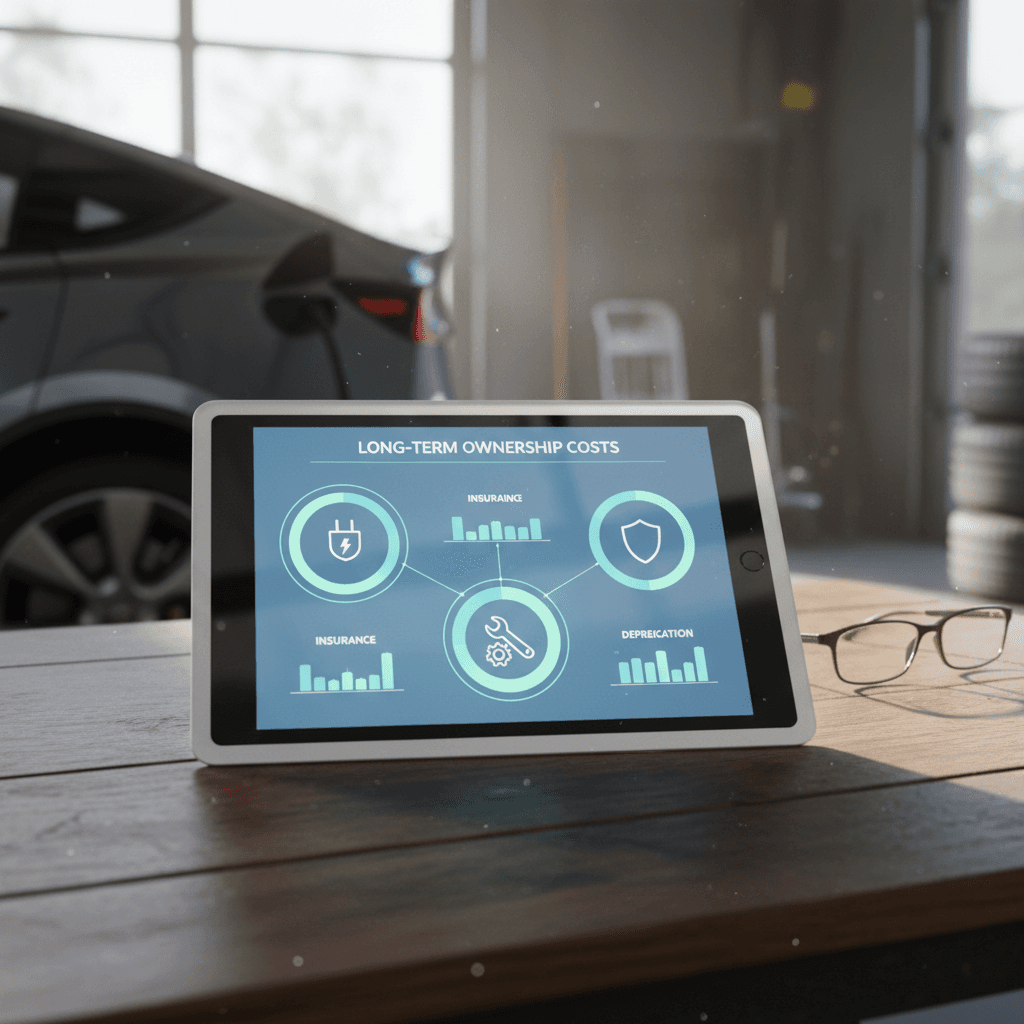
Typical BMW i5 maintenance & wear items
5‑year, 60,000‑mile ownership snapshot (excluding accidents and major repairs).
Routine service
- Brake fluid, coolant, cabin filters: Scheduled items every few years.
- Software updates: Often over‑the‑air, but some dealer visits still happen.
- Estimated cost: roughly $800–$1,400 over 5 years, depending on dealer rates and plans.
Tires & brakes
- Performance tires: Large wheels wear faster; budget $1,200–$1,800 per set.
- Brake pads/rotors: Regenerative braking stretches pad life, but luxury hardware is pricey when it’s finally needed.
- Estimated 5‑year cost: $1,000–$1,800 for most drivers.
Out‑of‑warranty repairs can sting
All in, many i5 owners can expect **roughly $1,800–$3,000** in routine maintenance and wear‑item costs over 5 years, assuming no major accidents or unusual failures. That’s typically lower than a similar‑age gas 5 Series, largely because there’s no oil‑change cadence and brakes last longer.
5. Battery health and long‑term value
BMW designs the i5’s high‑voltage battery with a buffer, most of the time you’re not using every last kWh the pack can hold. That, along with active thermal management, helps slow **battery degradation**. It’s normal to see some range loss over many years, but catastrophic failure is uncommon in well‑cared‑for EVs.
- Charging mostly to 80–90% for daily use (and saving 100% for trips) helps keep the pack happier.
- Frequent DC fast‑charging warms things up more, which can modestly accelerate degradation over years.
- Parking in a garage or shaded area is kinder to the battery than baking in full sun day and night.
How Recharged helps de‑risk battery health
Ready to find your next EV?
Browse VehiclesA healthy battery supports **resale value**. As more shoppers learn the difference between a car with 90% original usable capacity and one with 70%, EVs with documented battery health, backed by real data, not just an optimistic range estimate on the dash, will have a meaningful edge in the used market.
BMW i5 vs gas 5 Series: long‑term cost comparison
If you’re cross‑shopping, the big question is simple: does a BMW i5 actually cost less to own than a gas‑powered 5 Series like a 530i or 540i? Over 5 years, the answer often depends on your **driving pattern and electricity vs. fuel prices** where you live.
Illustrative 5‑year cost comparison: BMW i5 vs gas 5 Series
Very rough example for a U.S. owner driving 12,000 miles per year, buying new, excluding financing and insurance.
| Category | BMW i5 (new) | BMW 5 Series gas (new) |
|---|---|---|
| Purchase price (on‑road) | Higher | Lower (depending on options) |
| Fuel/energy over 5 yrs | ~$2,800–$3,500 (home‑heavy charging) | ~$8,000–$11,000 (premium gas) |
| Routine maintenance | Lower | Higher (oil, more moving parts) |
| Depreciation | High (especially early years) | High but more predictable |
| Total 5‑yr cost, excluding insurance | Potentially similar, with i5 ahead if you drive more and charge at home | Potentially similar, with gas 5 ahead if you drive little or rely on fast‑charging |
These numbers are directional only; your local fuel and electricity rates will shift the picture.
Where the BMW i5 pulls ahead
How a used BMW i5 can slash your long‑term costs
From a pure numbers perspective, **a 2‑ to 4‑year‑old BMW i5 with documented battery health is the sweet spot**. You avoid the biggest new‑car depreciation hit, still enjoy modern tech and range, and can benefit from lower running costs versus a gas sedan.
Why a used BMW i5 is often the value play
1. Someone else paid for the steepest depreciation
Many luxury EVs drop sharply in the first 3 years. Buying after that slide means you pay far less for essentially the same performance and comfort.
2. You still get plenty of warranty
Depending on build date and mileage, you may get remaining bumper‑to‑bumper and high‑voltage battery warranty coverage, critical for peace of mind.
3. Battery health can be verified
With tools like the <strong>Recharged Score battery diagnostics</strong>, you can see real battery health data instead of crossing your fingers.
4. Lower sales tax and insurance
A lower purchase price usually means lower taxes and, in many cases, lower insurance premiums compared with a brand‑new i5.
Where Recharged fits in
How to estimate your own BMW i5 cost of ownership
You don’t need a spreadsheet degree to ballpark your personal **BMW i5 long term ownership cost**. You just need a few realistic assumptions about how you’ll use the car.
Quick 6‑step BMW i5 cost estimate
1. Decide how long you’ll keep it
Are you a 3‑year swapper or a 10‑year keeper? The longer you keep the car, the more the initial purchase price gets diluted per year.
2. Estimate your annual mileage
Grab your current odometer readings or fuel receipts. A 6,000‑mile‑per‑year driver will see very different savings than someone doing 18,000.
3. Check your electricity rate
Look at your utility bill for your per‑kWh cost and any off‑peak EV plans. Plug that into an online EV cost calculator to estimate annual charging cost.
4. Compare to your current gas costs
Add up what you spent on fuel last year. That’s your personal baseline. An i5 will probably slash that number if you can mostly charge at home.
5. Get real insurance quotes
Don’t guess. Call or go online with your current insurer and one or two competitors with a specific BMW i5 VIN or trim for accurate quotes.
6. Decide new vs. used
Compare a new i5 payment vs. a used one with similar equipment. Factor in warranty status, battery health reports, and your comfort level with risk.
BMW i5 long‑term ownership FAQ
Frequently asked questions about BMW i5 long‑term costs
Bottom line: is the BMW i5 worth it long‑term?
If you’re drawn to the BMW i5’s blend of quiet speed, tech, and traditional 5‑Series comfort, the long‑term cost story is more nuanced than “EVs are always cheaper.” A new i5 is a premium purchase with premium insurance and luxury‑car depreciation, but it also offers dramatically lower fuel and routine maintenance costs, especially if you rack up miles and charge mostly at home.
Where the math really starts to sing is with a **carefully chosen used BMW i5**. Let someone else take the first big depreciation hit, then step into a car with verified battery health, transparent pricing, and expert support. That’s exactly the lane Recharged was built for, making used EV ownership simpler, more transparent, and more confidence‑inspiring from your first search to the day it’s delivered to your driveway.