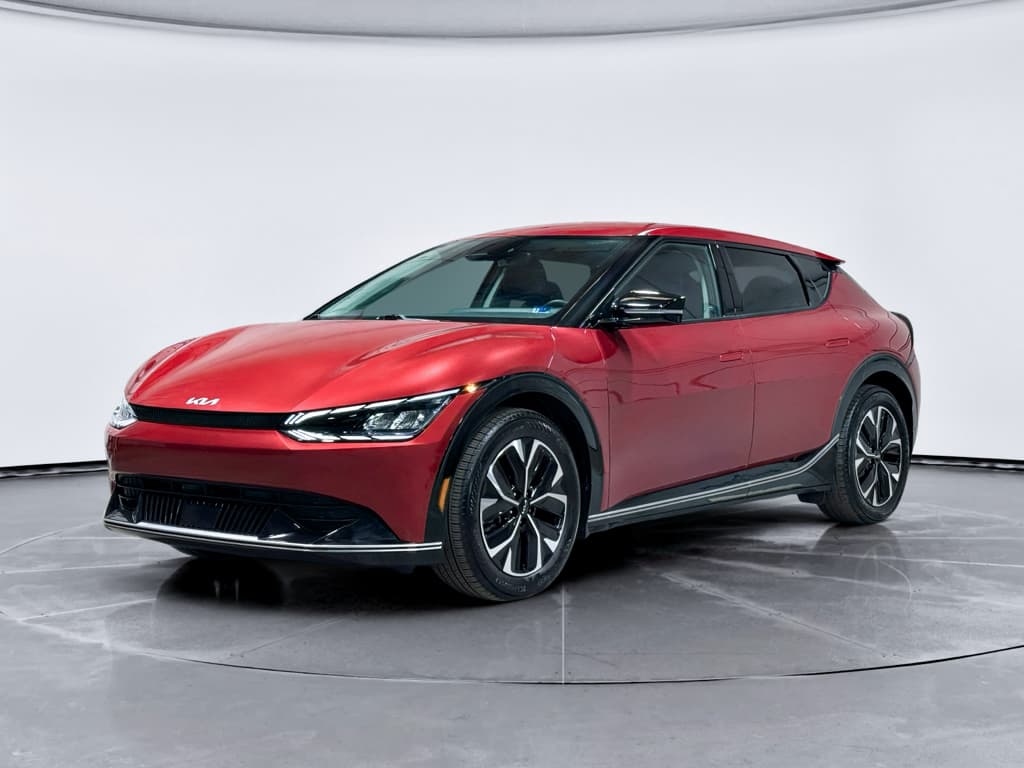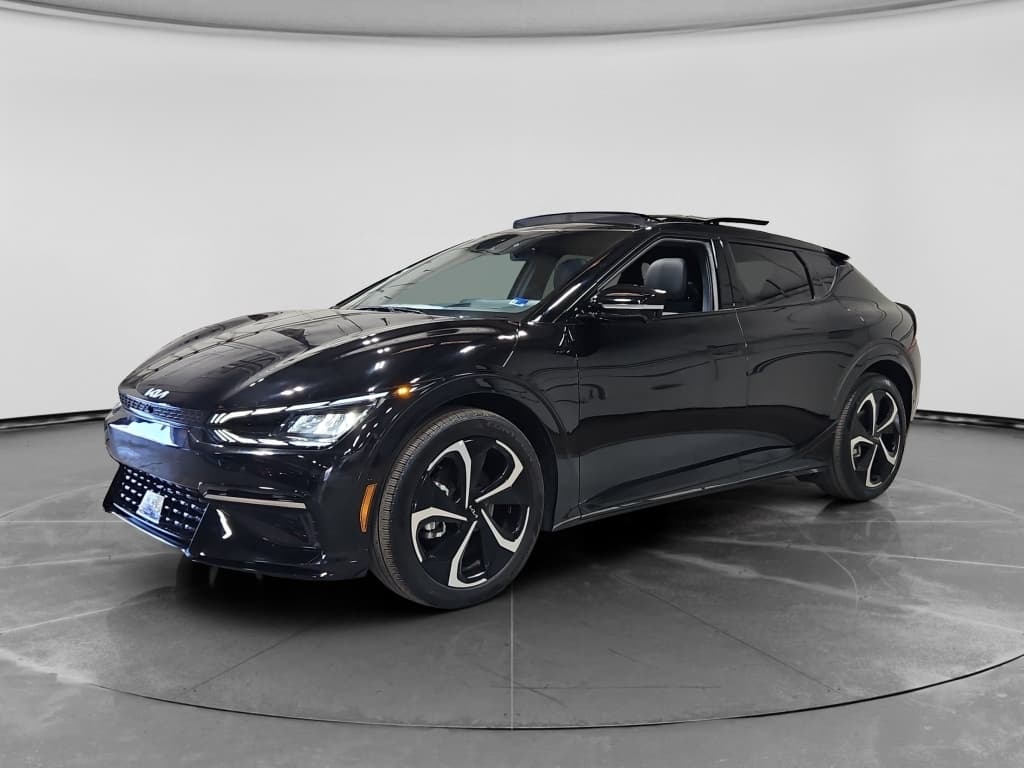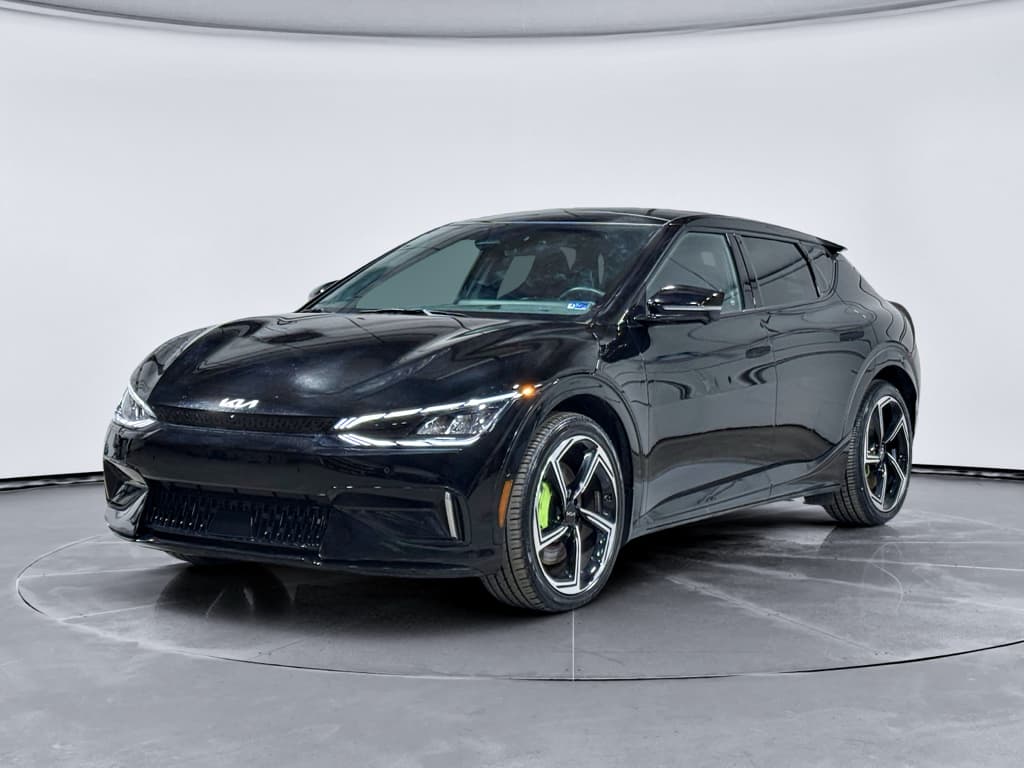
You’re cross-shopping the Kia EV6 vs VW ID.4 because you want a practical electric SUV that doesn’t feel like a science experiment. Both check the EV boxes: usable range, hatchback practicality, and modern safety tech. But they have very different personalities, and those differences show up every day in how they drive, charge, and age as used EVs.
Same idea, very different vibes
Kia EV6 vs VW ID.4: quick overview
Kia EV6 vs VW ID.4: specs at a glance (recent U.S. models)
Key numbers for mainstream trims you’re most likely to see new and used in the U.S. market.
| Kia EV6 (2024–2025 typical) | VW ID.4 (2024–2025 typical) | |
|---|---|---|
| Body style / size | Sporty compact crossover, low roof, long wheelbase | Traditional compact SUV, taller roof, shorter nose |
| Battery sizes (usable, approx.) | 58 kWh (base), 77.4–84 kWh (most trims) | 62 kWh (earlier base), ~82 kWh (most U.S. trims) |
| EPA range window | ~218–310 miles depending on trim | ~200–295 miles depending on trim |
| DC fast charge peak | Up to ~240–258 kW on newer models, 800V architecture | Up to ~175 kW on 82 kWh pack |
| 0–60 mph (mainstream trims) | ~5.1–7.2 seconds | ~5.7–7.5 seconds |
| Drive layouts | RWD or AWD | RWD or AWD |
| Interior vibe | Futuristic, driver-focused, slightly cozier | Straightforward, upright, more open-feeling |
| Used pricing (U.S.) | Often higher than ID.4 for similar year/miles | Generally more affordable on the used market |
| Best for | Drivers who want style and performance with range | Families who want comfort, value, and simplicity |
Exact range and price depend on model year, trim, options, and whether you’re buying new or used.
How to read the numbers
Driving character: planted EV6 vs easygoing ID.4
Kia EV6: sporty and composed
The EV6 sits low, with a long wheelbase and wide track. Out on a highway sweeper, it feels more like a sporty wagon than a tall SUV. Steering is quick, the chassis is well buttoned-down, and even the non-GT trims have a confident, planted feel when you change lanes at speed.
- Power range: roughly 167 hp in base RWD trims up to 576+ hp in the EV6 GT.
- Acceleration:
- Ride:
VW ID.4: relaxed and friendly
The ID.4 takes the opposite approach. It rides taller, with softer suspension tuning and slower steering. You don’t fling it into corners so much as guide it along, and that’s exactly what many drivers want for the school run and commute.
- Power range:
- Acceleration:
- Ride:
Performance takeaway
Range, battery and charging: where the numbers matter
Realistic range and fast charging highlights
On paper, the EV6 has a small but meaningful edge in both maximum range and fast‑charging speed. Most long‑range RWD versions are EPA‑rated around 300 miles, with some years posting a 310‑mile figure. The ID.4, depending on year and battery, usually tops out just under that, in the high‑200‑mile window.
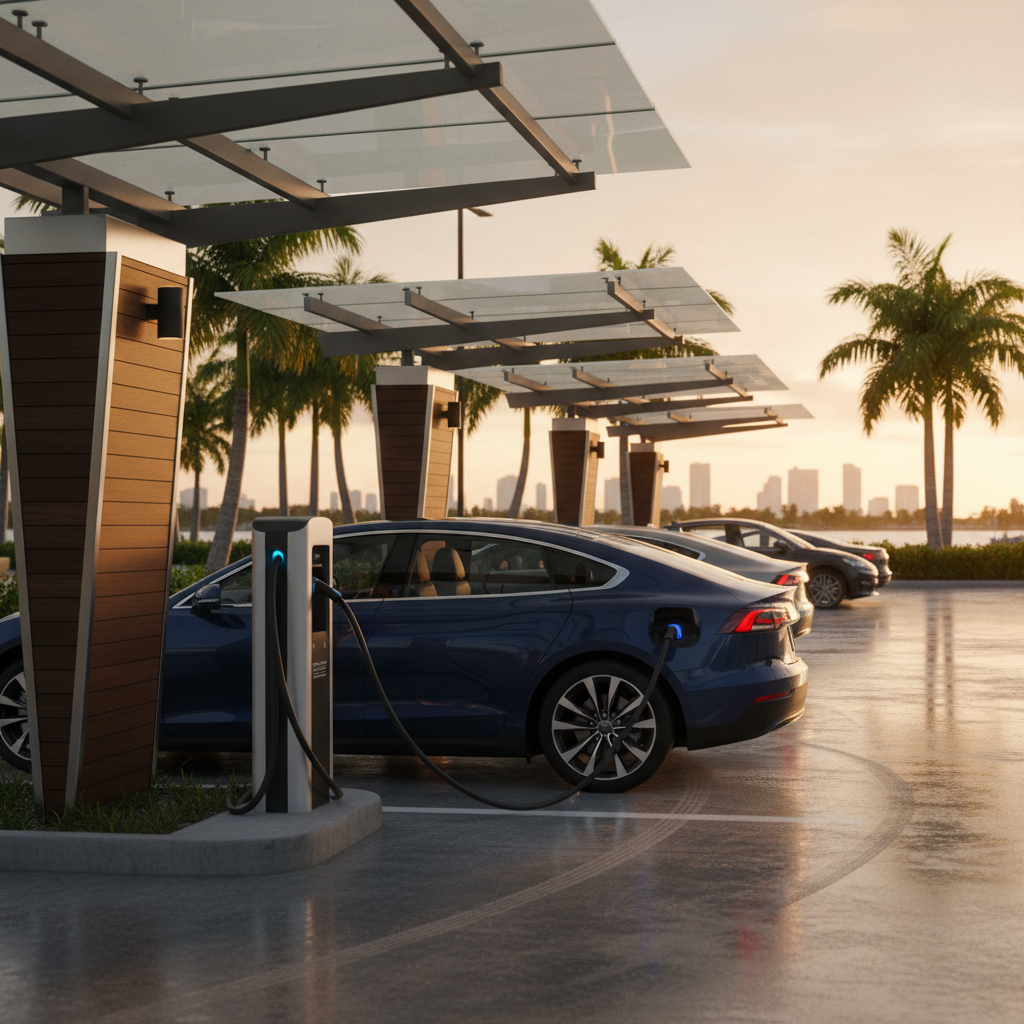
Fast charging is where you really feel the difference on a road trip. The EV6 rides on an 800‑volt architecture, which lets it gulp power quickly at a capable DC fast charger. Under ideal conditions, you can go from 10–80% in under 20 minutes. The ID.4’s 82 kWh pack peaks around the mid‑100‑kW range; that’s still perfectly usable, but typical 10–80% sessions land closer to half an hour or a bit more.
Remember: public chargers set the pace
- Both EV6 and ID.4 offer roughly 200+ miles of real‑world highway range in most mainstream trims when driven at U.S. interstate speeds.
- The EV6’s quicker DC charging can save you meaningful time if you road trip often, especially if you plan minimal stops.
- For mostly local driving, the difference in fast‑charge speed matters far less than a reliable Level 2 home or workplace charger.
Space, comfort and practicality for daily life
How each one fits your life
Seating position, cargo space, and cabin feel can matter more than 0–60 times.
Kia EV6: sporty family hatch
The EV6 stretches its wheelbase to give you excellent rear legroom, even for adults. But the sleek roofline means taller passengers may brush the headliner, and loading bulky child seats or rear‑facing seats can take a little more finesse.
- Seats: 5, with supportive front buckets and a slightly lower, car‑like hip point.
- Cargo: Good floor length and a wide hatch opening, but not the tallest space for boxy items.
- Best for: Drivers who don’t want to feel like they’re in an SUV, and families with kids past the rear‑facing car‑seat stage.
VW ID.4: upright family room
The ID.4 leans into the classic compact SUV shape. You sit higher, the roof is taller, and the cabin feels more open. Loading kids, dogs, and cargo is simply easier because the whole body shell is more vertical.
- Seats: 5, with a higher seating position that many drivers find more confidence‑inspiring.
- Cargo: Boxier cargo bay makes Costco runs and strollers less of a Tetris game.
- Best for: Young families, tall drivers and passengers, and anyone regularly hauling gear.
Car‑seat and stroller shoppers
Tech, safety and driver assistance
Both of these SUVs were engineered to be mainstream, not exotic, which means you get the right kind of tech: strong crash protection and a full suite of driver‑assist features. Euro NCAP testing put both near the top of the class, with the ID.4 edging the EV6 slightly on passive crash protection and the EV6 inching ahead on active safety systems.
Infotainment & safety: what it’s like to live with
The right tech is the tech you don’t have to fight with every morning.
Infotainment & controls
Kia EV6: Dual widescreens look sharp, responses are quick, and physical knobs pull double duty for climate/audio. Menus still take some learning but feel modern and polished.
VW ID.4: Later models improve speed and screen size, but touch‑sliders and earlier software updates frustrated many owners. Simpler once you’ve lived with it, but try before you buy.
Driver assistance
Both offer adaptive cruise, lane‑keeping assist, and automatic emergency braking on most trims. The EV6’s systems tend to feel a bit more polished and confident on the highway, while the ID.4’s tuning is deliberately conservative.
Over‑the‑air & updates
Later software updates have improved both models. On a used EV, it’s worth confirming that all recalls and major software updates have been completed before you sign.
Battery‑related recall note for ID.4 shoppers
Costs, incentives and used EV value
Sticker prices for new EV6s typically run higher than comparable ID.4s, especially when you step into the more powerful dual‑motor trims. On the used market, that gap often remains: the EV6’s styling, performance, and charging edge keep demand, and pricing, a bit stronger.
How to think about total cost of ownership
1. Look beyond sticker price
In many markets, a used ID.4 will undercut a similarly equipped EV6 by a noticeable margin. But if you road trip often, the EV6’s faster charging and longer range may pay you back in saved time and fewer charging stops.
2. Factor in tax credits and local incentives
U.S. EV incentives have changed rapidly. Some newer EV6 trims assembled in the U.S. may qualify for benefits that earlier imports didn’t, while ID.4 eligibility depends on model year and build location. Always check up‑to‑date federal and state programs.
3. Compare insurance and tires
Sportier EV6 trims with large wheels and performance tires can cost more to insure and re‑shoe. The ID.4, with more modest wheel/tire setups, often wins on long‑term tire cost.
4. Think depreciation and resale
Historically, the market has treated strong‑range, fast‑charging EVs more kindly. The EV6’s spec sheet helps here. The ID.4’s more aggressive new‑car incentives and fleet sales mean you might see deeper discounts as a used buyer, but also softer resale when it’s your turn to sell.
Where Recharged fits in
Ready to find your next EV?
Browse VehiclesReal-world charging and road trip experience
On a cold, windy February night with luggage stacked to the roof, you stop thinking about spec sheets and start caring about how easy the next 150 miles will be. Here’s how each SUV behaves when you’re living with it, not just shopping it.
Kia EV6 on the open road
- Planning: Long‑range trims can comfortably knock out 200‑plus highway miles between charges, even with winter penalties.
- Charging: When you find a healthy high‑power station, the 800V system means you’re back on the road quickly. Perfect if your travel style is "grab a coffee, hit the restroom, get moving."
- Comfort: Low noise levels and stable highway manners make it an excellent cruiser. The only downside for some: a slightly lower seating position and smaller side glass compared with the ID.4.
VW ID.4 in the real world
- Planning: Highway range is competitive with mainstream EV6 trims, and slightly shorter legs are offset by easy‑going comfort.
- Charging: Peak speeds are lower, but if you typically pair charging with a real sit‑down meal or playground break, that extra ten minutes won’t sting.
- Comfort: Big windows, an upright seat, and a soft ride make the ID.4 feel less fatiguing for drivers who like a traditional SUV posture.
Network matters more than badges
Which one is right for you? Real-world buyer profiles
Match the EV to your life, not the other way around
Three common buyers, three different winners.
The driving enthusiast
You enjoy a back road and care how a steering wheel feels in your hands. You do a mix of commuting and longer weekend drives.
Pick: Kia EV6, ideally a long‑range RWD or dual‑motor trim. You’ll appreciate the sharper handling, stronger acceleration, and faster DC charging.
The young family
Your life is car seats, diaper bags, sports gear, and last‑minute grocery runs. You want an EV that makes chaos easier, not harder.
Pick: VW ID.4. The higher seating position, simpler loading, and boxier cargo area win here, especially if you’re swapping drivers often.
The commuter and cost hawk
You do mostly predictable miles, rarely road trip, and care most about monthly payment and long‑term cost.
Pick: Whichever gives you the cleaner used example and better deal. A well‑priced ID.4 can be a bargain; a fairly priced EV6 might hold value better. Condition, battery health, and deal terms should decide it.
Buying a used EV6 or ID.4 with Recharged
Once you’ve sorted out whether the Kia EV6’s sportiness or the VW ID.4’s calm practicality fits you better, the next question is which individual car is actually worth your money. That’s where Recharged steps in.
How Recharged helps you shop smarter
Battery health you can see
Every EV6 or ID.4 on Recharged comes with a Recharged Score report showing verified battery health, so you’re not guessing about range based on model‑year brochures.
Apples‑to‑apples pricing
Recharged benchmarks each vehicle against fair market pricing for similar EVs, factoring in mileage, condition, equipment, and battery health, critical when EV depreciation curves vary so much.
Flexible ways to buy or sell
You can finance, trade in your current vehicle, or get an instant offer or consignment option. It’s all digital, with the option to visit Recharged’s Experience Center in Richmond, VA if you like to kick tires in person.
Nationwide delivery & EV‑savvy support
Recharged ships vehicles nationwide and pairs you with EV‑specialist support so you can get charging, home setup, and day‑one questions answered without wading through generic dealer talk.
Kia EV6 vs VW ID.4: FAQ
Frequently asked questions about Kia EV6 vs VW ID.4
Bottom line: Kia EV6 vs VW ID.4
If you strip away all the trim names and marketing gloss, the choice between Kia EV6 vs VW ID.4 is pretty simple. The EV6 is the EV you pick because you want it, the design, the way it drives, the fast charging. The ID.4 is the EV you pick because it fits your life, the shape, the seating, the value. Both can be the right answer; you just need to be honest about what matters to you more often: a grin every time you merge, or a car that quietly disappears into the background of your busy day.
When you’re ready to move from research to reality, Recharged can show you real EV6 and ID.4 listings with verified battery health, transparent pricing, and EV‑savvy support. That way, whichever SUV you fall for, you’ll know the particular one in your driveway is as solid as the idea that got you here.