If you’re cross‑shopping a used BMW iX vs a Volvo EX90, you’re really asking two questions at once: “Do I want proven German weird‑luxury today, or Scandinavian spaceship‑SUV that’s only just arriving?” This comparison walks through the realities of both, range, charging, space, tech, long‑term costs, specifically from a used EV buyer’s point of view.
Both are excellent, but they solve different problems
Overview: Used BMW iX vs Volvo EX90
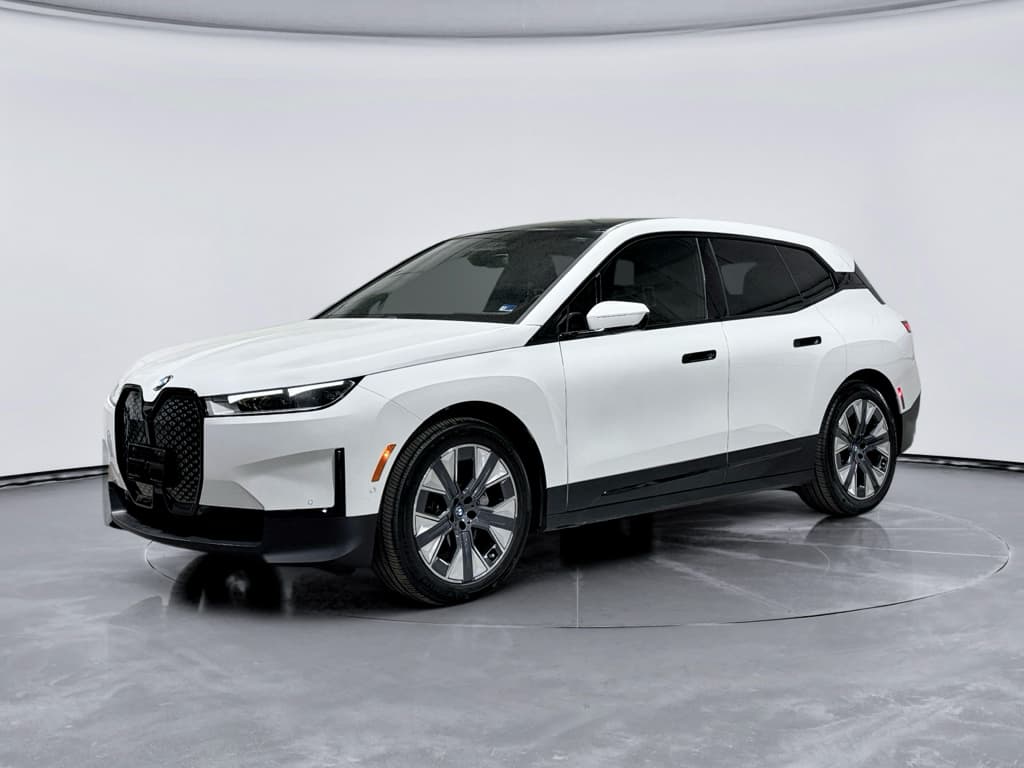
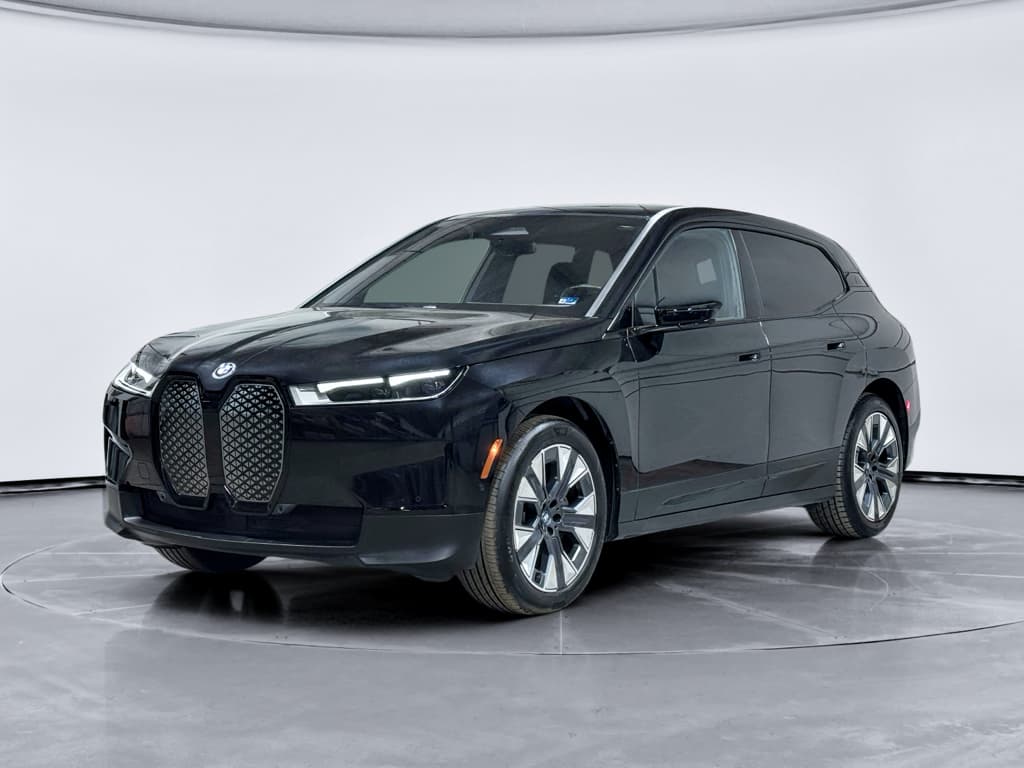
On paper, the BMW iX and Volvo EX90 are playing the same game: all‑electric luxury SUVs with big batteries, big power, and big screens. In practice, they’re aimed at slightly different lives. The BMW iX is a two‑row lounge on wheels, less a family bus, more a techy grand tourer. The Volvo EX90 is Volvo’s new electric XC90 replacement: three rows, kid‑hauling, dog‑hauling, and a safety‑first mission that borders on paranoid, in a good way.
BMW iX (xDrive50 & M60)
- Two‑row midsize luxury SUV
- ~105 kWh battery, ~300 miles EPA range depending on spec
- Dual‑motor AWD, 516–610 hp
- On sale in the U.S. since 2022, healthy used supply
Volvo EX90 (Twin & Twin Performance)
- Three‑row full‑size luxury SUV
- ~107 kWh usable battery, ~300 miles EPA‑ish range depending on trim/year
- Dual‑motor AWD, ~400–500+ hp depending on model year
- U.S. production in South Carolina, deliveries only recently ramping up
Model‑year nuance matters
Quick specs: BMW iX vs Volvo EX90
Core specs comparison (typical U.S. trims)
Approximate specs for mainstream all‑wheel‑drive versions most shoppers will see used. Always verify exact numbers for the specific VIN you’re considering.
| BMW iX xDrive50 | BMW iX M60 | Volvo EX90 Twin Motor | Volvo EX90 Twin Performance | |
|---|---|---|---|---|
| Seating | 5 seats (2 rows) | 5 seats (2 rows) | 6–7 seats (3 rows) | 6–7 seats (3 rows) |
| Battery (usable, approx.) | ~105 kWh | ~105 kWh | ~107 kWh | ~107 kWh |
| EPA / est. range | ~303–309 mi | ~296 mi | ~300 mi (est., trim‑dependent) | Slightly lower than Twin |
| 0–60 mph | ~4.4 sec | ~3.6 sec (launch‑style fast) | ~5.7–6.0 sec | ~4.7–5.0 sec |
| DC fast charge peak | up to ~195 kW | up to ~195 kW | up to ~250 kW (400 V versions) | similar; newer 800 V updates are quicker |
| Length | ~195 in | ~195 in | ~199 in+ | ~199 in+ |
| Drive character | Quiet, plush, very quick | Brutally quick, still comfy | Comfort‑first, stable, family‑oriented | More urgent but still Volvo‑calm |
BMW iX vs Volvo EX90 high‑level specs
How to read these specs
Pricing and value: used vs new
Because the BMW iX has been on sale longer, it already lives in the used‑car ecosystem. The EX90, by contrast, is still just beginning to trickle into the used market as early adopters flip leases or trade out of launch‑year builds. That timing shift matters more to your wallet than any 0–60 time.
Where prices are likely to land
Subject to local demand, options and mileage, always check real‑time listings.
Used BMW iX
- Multiple model years (2022–2024, and now 2025) in circulation.
- Typical used asking prices often land well below original six‑figure MSRPs.
- Plenty of lease returns and low‑mileage executive cars in the pool.
- Luxury EV depreciation can be steep, good news if you’re buying used.
Used Volvo EX90
- Fewer units and mostly very new model years.
- Prices closer to new because supply is tight and demand from Volvo loyalists is strong.
- Early production hiccups and factory pauses may create odd gaps in availability.
- Discounted lightly‑used examples will likely appear more in the next 12–24 months.
Where Recharged fits in
Ready to find your next EV?
Browse VehiclesRange, battery and charging experience
Both SUVs carry big batteries and real‑world highway range around the 280–310‑mile mark when new, give or take wheels, weather and your right foot. That’s plenty for most families as long as you have reliable Level 2 charging at home and access to fast charging on the road.
Battery and charging at a glance
- BMW iX: Up to roughly 303–309 miles of EPA range for the xDrive50, a bit less for the M60. Peak DC fast‑charge rate just under 200 kW, which is competitive but not class‑leading.
- Volvo EX90: Volvo targets around 300 miles of range depending on trim. DC fast charging up to about 250 kW on 400‑volt versions, with later 800‑volt models promising quicker 10–80% times under ideal conditions.
Charging network reality check
In daily use, the difference in charging between these two is less about raw kilowatts and more about your routine. If you mostly charge overnight at home and occasionally road‑trip on major corridors, both are fine. If you live on public DC fast charging, the later‑hardware EX90’s 800‑volt system and higher peak charge speeds may trim a few minutes off those coffee breaks, but that’s a small edge, not a revolution.
Space, comfort and day-to-day usability
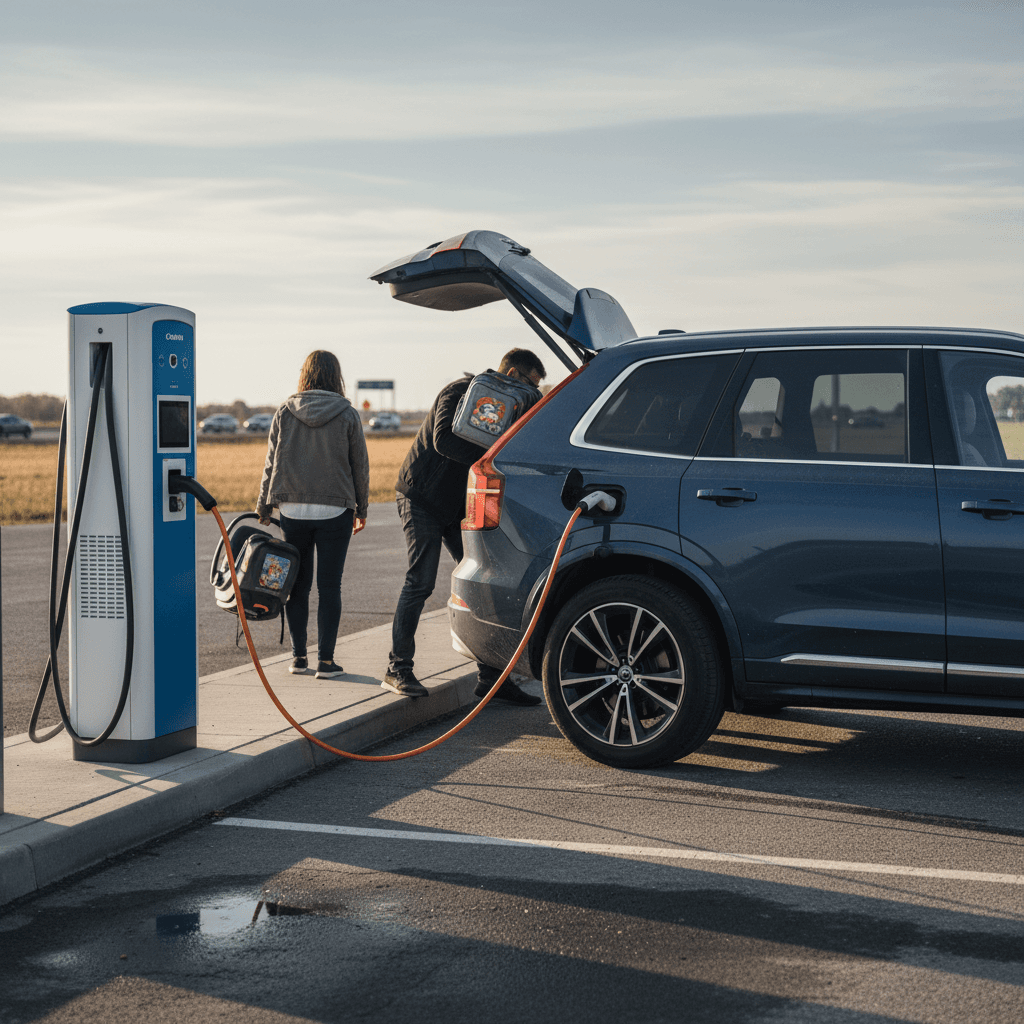
The single biggest practical difference between a used BMW iX and a Volvo EX90 is simple: rows of seats. You either need a third row or you don’t. Everything else, leather smell, screen count, brand identity, is details.
Space and usability: who each SUV really suits
Think less about spec sheets and more about what your Tuesdays look like.
BMW iX: Lounge for five
- Spacious two‑row layout with limo‑like rear legroom.
- Flat floor and airy cabin, especially with lighter interiors.
- Cargo room is generous for road trips, dogs and strollers, just not three kids in boosters plus grandparents.
- Perfect if your "family hauler" rarely needs more than five seats.
Volvo EX90: Real three‑row family hauler
- Available 6‑ or 7‑seat layouts with a usable third row.
- More vertical, upright seating, less lounge, more Scandinavian minivan with better tailoring.
- Three rows change the way you pack: car seats, sports gear, and still room for Costco.
- If you routinely move more than five humans, this is the point of the EX90.
Ask yourself a brutal question
Tech, safety and driving feel
This is where the personalities really diverge. The BMW iX is BMW’s idea of a rolling concept car: hexagonal steering wheel, shimmering curved display, optional crystal controls. The Volvo EX90 is the sensible‑shoes futurist: Google‑based infotainment, a clean portrait screen, lidar on the roof, and enough sensors to make a fighter jet blush.
BMW iX: Surrealist lounge, sport‑sedan shove
- Driving feel: Quick steering, huge torque, and that instant EV surge. The xDrive50 is already brisk; the M60 is what happens when a family SUV grows a supercar complex.
- Ride & noise: Extremely quiet, very well damped. Feels like a cocoon, especially on smaller wheels.
- Tech vibe: Rich graphics, lots of configurability, a learning curve to iDrive if you’re new to BMW infotainment.
Volvo EX90: Calm, safe and very digital
- Driving feel: More relaxed steering and chassis tuning; even the quicker Twin Performance feels measured, not manic.
- Safety first: Volvo leans hard into advanced driver‑assist and active‑safety systems. Expect lane‑keeping, adaptive cruise, and plenty of semi‑automated driving help on highways.
- Interface: Clean, Google‑based system that favors simplicity over visual drama.
Tech aging and over‑the‑air updates
If the BMW iX is a rolling design‑lab exercise that accidentally became a family car, the Volvo EX90 is a family car that accidentally stumbled into the future.
Reliability, battery health and depreciation
Neither of these SUVs has the long, boring reliability record of a basic gas crossover; that’s the price of being on the cutting edge. But there are a few patterns worth understanding before you wire a five‑figure down payment.
What matters most in long‑term ownership
Think in systems: battery, electronics, and everything else.
Battery & range
Both the iX and EX90 use large, actively‑managed lithium‑ion packs with manufacturer warranties typically around 8 years / 100,000 miles for the high‑voltage battery. Real‑world data so far suggests modest degradation when cars are charged sensibly (mostly AC, limited DC fast‑charging).
Electronics & software
This is the wild card. Early‑build premium EVs commonly see software bugs, sensor glitches and occasional infotainment gremlins. Over‑the‑air updates help, but it’s crucial to check service records and verify all recall campaigns were performed.
Depreciation
Luxury EVs tend to fall in value quickly in the first few years. That hurts original buyers and can greatly favor a patient used‑EV shopper, especially with a model like the iX that already has multiple years in the market.
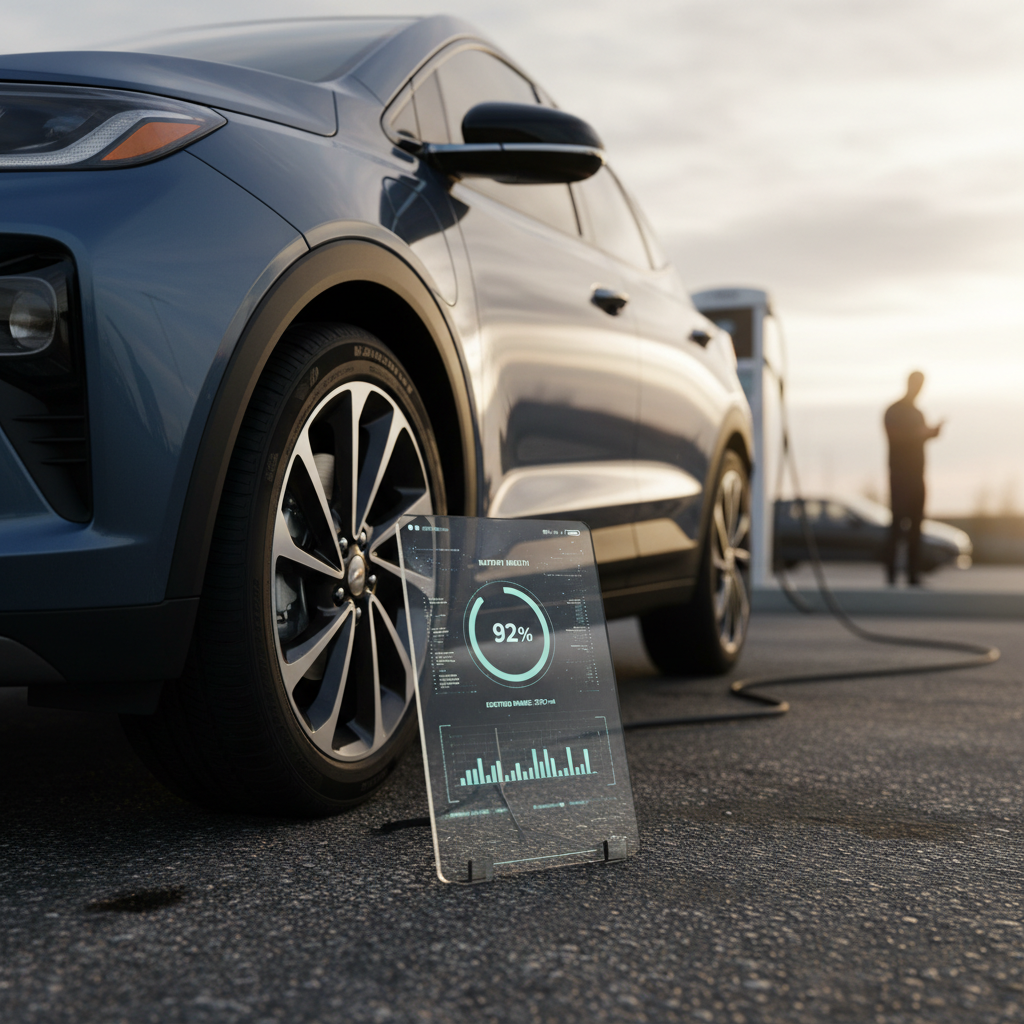
Use battery health data, not guesswork
For the EX90, the relative youth of the fleet means less long‑term data. You’re trading some peace‑of‑mind history for newer hardware. If you’re risk‑averse, a later‑build iX with a clean service record and verified battery health is the more conservative play. If you want the newest Volvo safety tech and three‑row packaging, just go in eyes‑open about software updates and potential teething issues you might be helping Volvo iron out.
Which should you buy: BMW iX or Volvo EX90?
Choose a used BMW iX if:
- You rarely need more than five seats and prefer a quieter, more cocoon‑like cabin.
- You want strong performance and a car that feels closer to a luxury grand‑tourer than a family bus.
- You like the idea of steeper early depreciation working in your favor as a used buyer.
- You’d rather buy into a model that’s been on the road a few years with more real‑world reliability data.
Choose a Volvo EX90 if:
- You truly need a usable third row for kids, relatives or car‑pool duty.
- Safety and driver‑assist tech sit at the top of your priority list, even above performance.
- You’re comfortable paying closer‑to‑new prices for a very fresh design with evolving software.
- You prefer Volvo’s calmer, minimalist design language to BMW’s “design‑studio fever dream.”
The simple rule of thumb
How to shop smart for a used luxury EV
Whether you land on iX or EX90, the way you buy matters as much as the badge. These are complex machines with six‑figure MSRPs when new. Treat the shopping process more like buying a small airplane than a used hatchback.
Used BMW iX or Volvo EX90: buyer checklist
1. Verify battery health and range
Ask for a third‑party battery health report or a Recharged Score. Compare the current usable capacity and estimated range to the original spec so you’re not surprised by a 20–30‑mile gap.
2. Pull full service and recall history
Both BMW and Volvo have issued software updates and campaigns for early‑build vehicles. Confirm that the car has an up‑to‑date service history and that all recall work is complete.
3. Inspect charging hardware
Check the charge port, DC fast‑charge history (if available), and included charging cables. A damaged inlet or missing Level 2 EVSE is an immediate negotiation point.
4. Test all driver‑assist and safety systems
On a test drive, deliberately try lane‑keeping, adaptive cruise, parking assists and 360° cameras. Look for warning lights, beeps, or erratic behavior that hint at sensor or calibration issues.
5. Think about your charging life, not just specs
Map your daily commute, home charging setup and road‑trip routes. A 300‑mile SUV is wasted if you have nowhere convenient to charge it; Recharged can help you plan a realistic charging strategy.
6. Run the numbers on total cost of ownership
Factor in insurance (often high on luxury EVs), property taxes, potential tax credits for used EVs in your state, and future battery or tire replacements. A slightly cheaper purchase price can be erased by higher ongoing costs.
How Recharged makes this easier
In the end, “used BMW iX vs Volvo EX90” isn’t a fight so much as a fork in the road. One path leads to a quirky, futuristic two‑row BMW with serious pace and increasingly attractive used pricing. The other leads to Volvo’s new safety‑obsessed three‑row flagship, still writing its long‑term story but already tailor‑made for families who live in all three rows. Decide which life you’re actually buying for, then find the cleanest, best‑documented example you can, and insist on hard data about the battery, not just a full charge and a handshake.
FAQ: Used BMW iX vs Volvo EX90
Frequently asked questions
If you’re ready to see real numbers on real cars, you can browse used BMW iX listings on Recharged, check Recharged Scores for verified battery health, and compare total cost of ownership to whatever new three‑row crossover your neighbor just leased. That’s the beauty of the used‑EV moment: you get yesterday’s flagship technology at today’s buyer‑friendly prices, provided you shop with your eyes open and your battery data in hand.