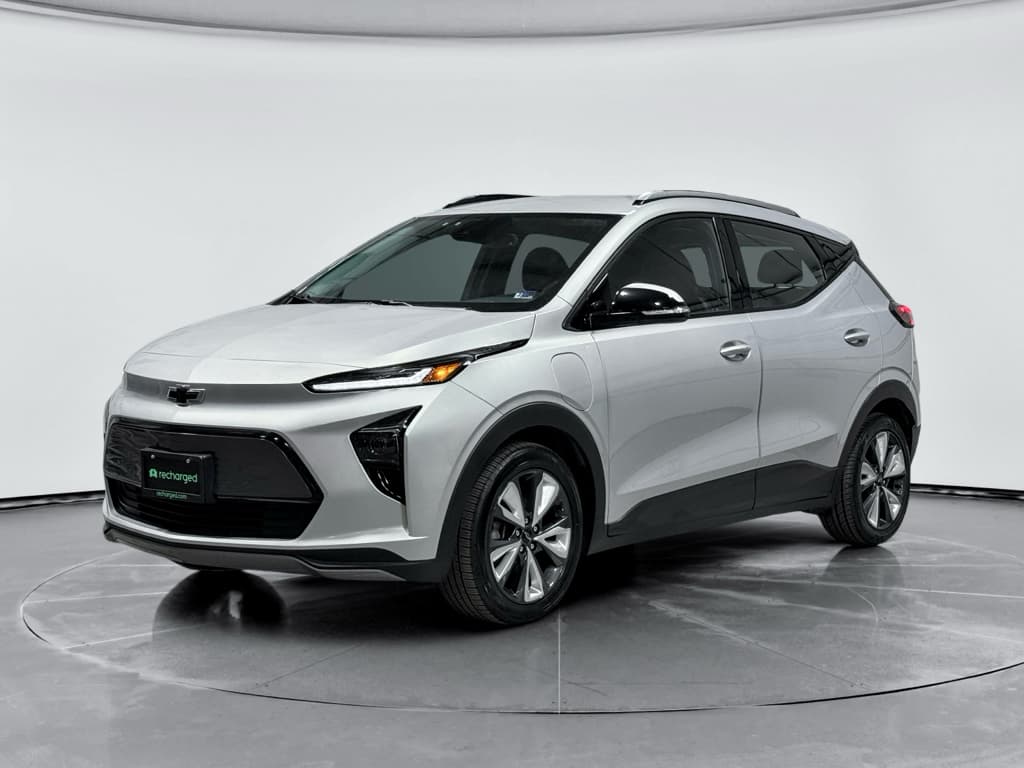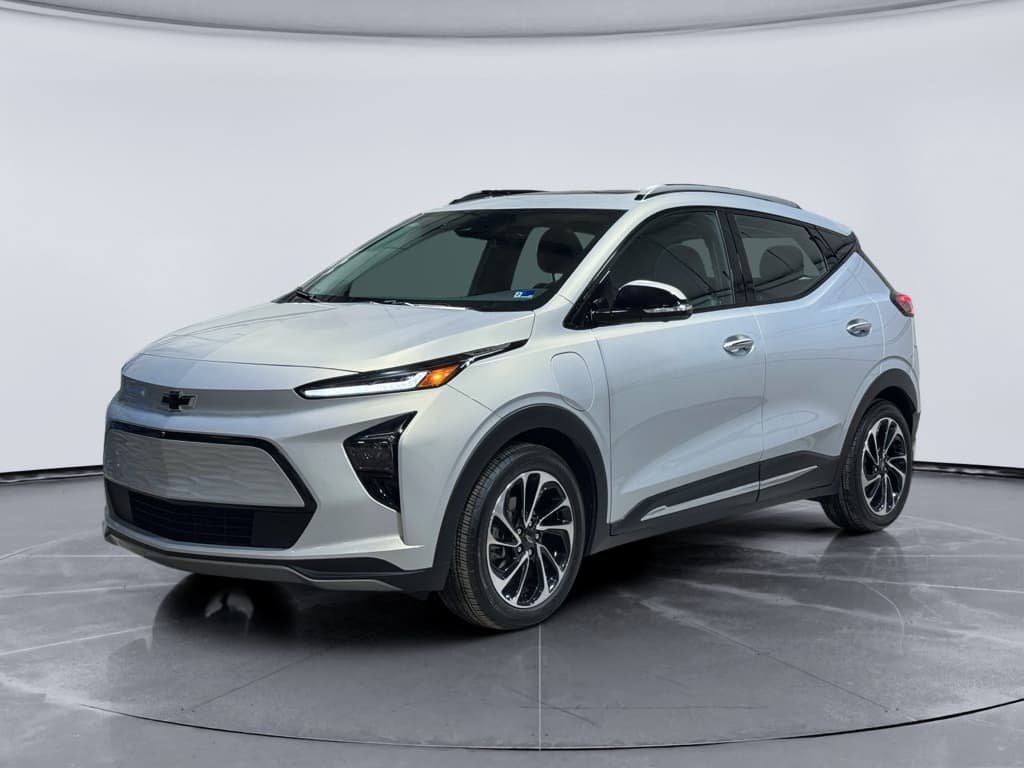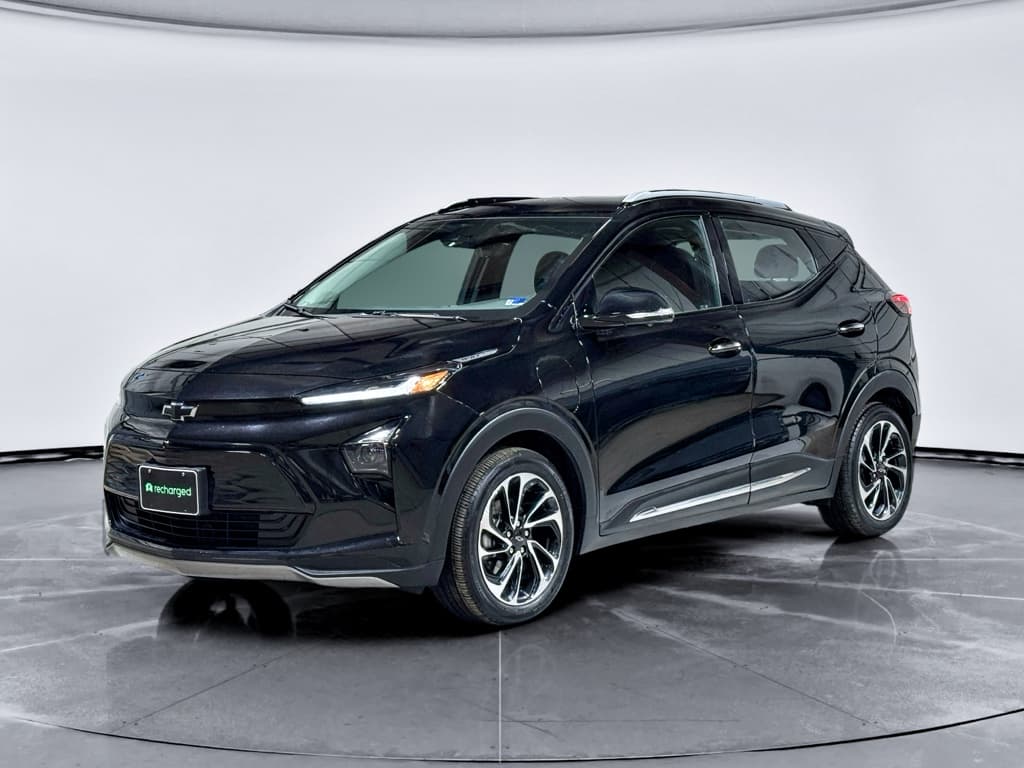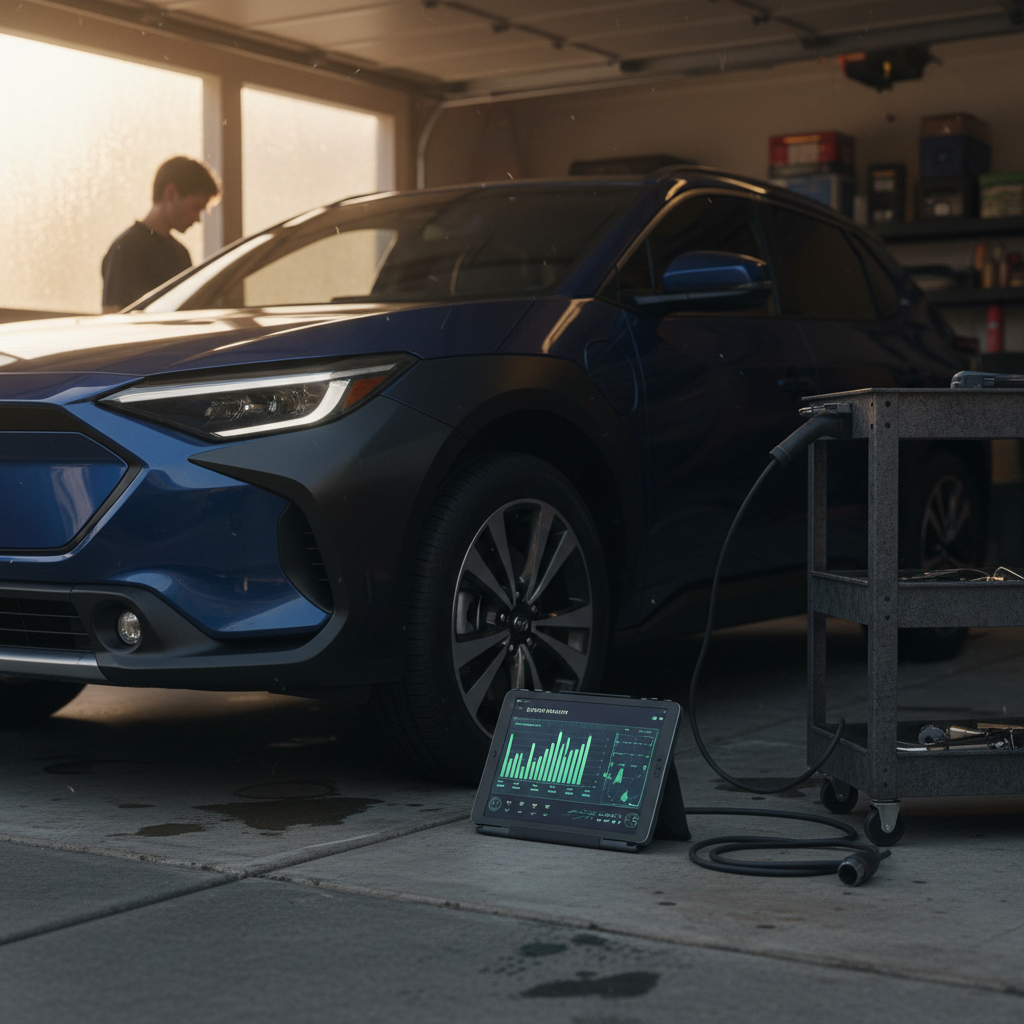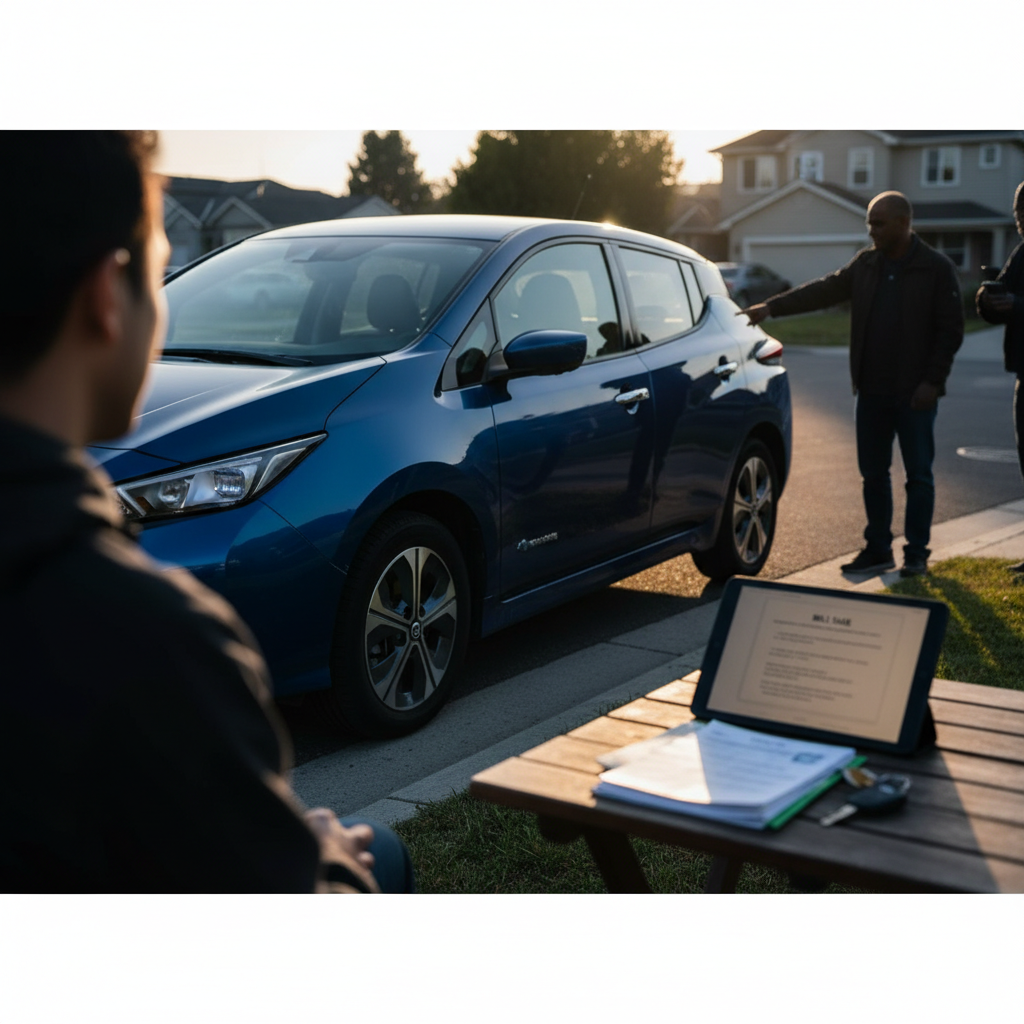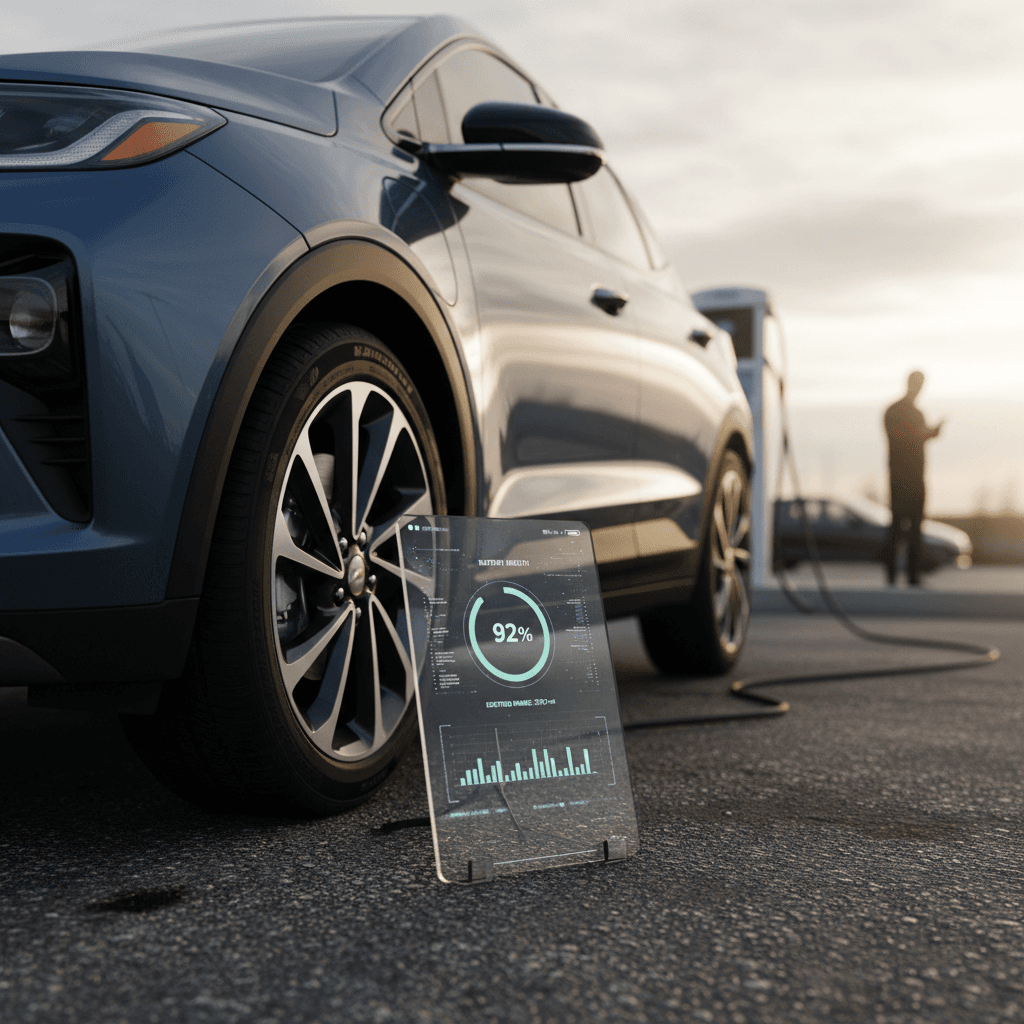
If you own a Chevrolet Bolt EUV or you’re shopping for a used one, battery life is the ballgame. The pack under the floor is the most expensive component in the car, and how you charge, drive, and store your Bolt EUV will shape its range and resale value years down the road. The good news: you don’t need to baby it, you just need a few smart habits to maximize Bolt EUV battery life.
Quick context
Why battery life matters on the Bolt EUV
On paper, a Bolt EUV offers around 247 miles of EPA‑rated range on a full charge. In reality, what you care about is how much of that range you’ll still have after five, eight, or ten years. That depends on two things you can’t change, chemistry and design, and one you can: how much stress you put on the pack over time.
Think of your battery as having a “stress budget.” Every time you combine high state of charge, deep discharge, hot temperatures, and aggressive DC fast charging, you’re spending more of that budget. You don’t have to eliminate stress entirely. You just want to avoid stacking all the worst conditions at once, every day.
Chevy Bolt EUV battery at a glance
How the Chevrolet Bolt EUV battery works
The Bolt EUV rides on GM’s BEV2 platform with a 65 kWh lithium‑ion pack made up of 288 cells, cooled by liquid coolant. Chevy’s battery management system (BMS) hides a small buffer at the top and bottom of the pack, so 0% and 100% on the dash are not true chemical extremes. That buffer is one reason Bolts have earned a reputation for solid long‑term battery health.
Like any modern EV, the pack ages mainly from three factors: time at high or very low state of charge (SoC), high temperatures, and high charge/discharge power. You can’t stop aging entirely, but you can dramatically influence the slope of the curve with your day‑to‑day routine.
Rule of thumb
Daily charging habits to maximize Bolt EUV battery life
Your daily charging routine is the biggest lever you control. The Bolt EUV doesn’t offer a simple “80%” slider like some EVs, but you still have several tools: charge level scheduling, departure‑time charging, and old‑fashioned common sense.
- Aim for 60–80% as your everyday “home base” SoC when your schedule allows.
- Use 100% charges as a range tool, great before a trip, unnecessary for most commutes.
- Try to arrive home with 15–30% remaining instead of single digits.
- Charge more often and shallower instead of waiting to nearly empty.
Use departure‑time charging
For short daily commutes
- Keep your usual target in the 60–70% range.
- Plug in most nights and let the car top off a bit.
- Charge to 90–100% only before a longer weekend drive.
For long daily drives
- If you routinely use 70–80% of the pack, charging to 90–100% most days is reasonable.
- Still avoid letting the car sit full in hot sun for many hours.
- Whenever your schedule eases up, spend a few days back in the 60–80% band.
Don’t obsess over every percent
Using DC fast charging without killing your battery
One of the biggest myths in EV ownership is that any DC fast charging will wreck your battery. With the Bolt EUV, the reality is more nuanced. Its peak DC rate, around 50–55 kW on a roughly 65 kWh pack, is relatively gentle compared with newer EVs that pull 150–250 kW.
Occasional highway fast charging is exactly what the system was designed to do. Problems only start to show up when you combine hot weather, repeated fast‑charge sessions on an already hot battery, and sitting at 100% afterward. In other words, again, it’s about stacking stressors.
DC fast‑charging habits for a healthy Bolt EUV battery
Use fast charging strategically, not fearfully
Prioritize 10–70%
The Bolt EUV charges fastest and most efficiently when you arrive at a DC charger between about 10–30% and unplug somewhere around 70–80%.
Watch pack temperature
On scorching days, give the car a little time to cool after a long drive before hopping on another fast charger, especially on road trips with back‑to‑back sessions.
Keep it for trips
Use DC fast charging as your road‑trip tool. For daily use, home Level 2 charging is easier on the battery and your wallet.
Good news for frequent DCFC users
Temperature and storage: keep your pack in the comfort zone
Lithium‑ion batteries are like people: they prefer mild temperatures. Heat accelerates chemical aging the most, but long periods in bitter cold aren’t ideal either. Your Bolt EUV’s thermal management system helps, yet you can still tilt the odds in your favor.
- Whenever possible, park in a garage or shaded spot instead of direct sun in summer.
- Avoid leaving the car at 100% and baking outside on 95°F+ days; charge later or move it once full if you can.
- For long‑term storage (weeks or months), leave the car around 40–60% state of charge.
- In very cold climates, precondition the cabin while plugged in rather than hammering a cold pack on the road.
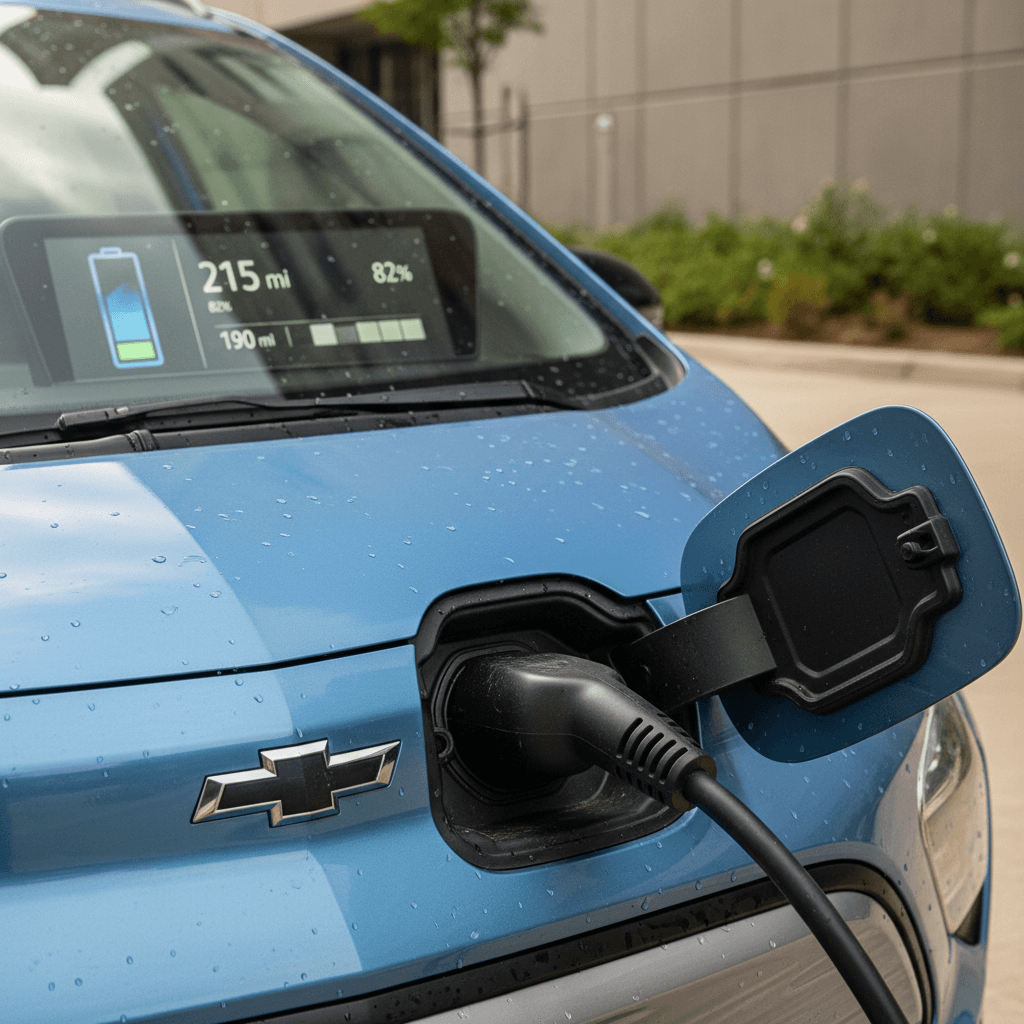
Heat + high SoC: the worst combo
Driving habits that protect range and battery health
Unlike a gasoline engine, your Bolt EUV’s battery doesn’t care whether you occasionally floor it. High power draws do add some wear, but they’re a minor factor compared to SoC and temperature. The bigger payoff from smoother driving is preserving usable range so you don’t need to charge as often.
Driving habits that help your Bolt EUV go the distance
You’ll gain both range and long‑term peace of mind
Moderate highway speeds
Above 70 mph, aerodynamic drag soars and range falls quickly. Cruising at 65–70 mph instead of 80 mph can feel boring, but it saves energy and cuts how often you fast charge.
Use regen smartly
One‑pedal driving and regen are good for efficiency. Just remember that avoiding unnecessary stops in the first place saves even more energy than recovering it.
Plan efficient routes
On trips, use apps that show elevation and traffic so you’re not climbing hills or sitting in jams for no reason. Less wasted energy means less charging and fewer deep cycles.
Trip planning and battery life
Long-term ownership: what to expect new vs. used
Most EV batteries, including the Bolt EUV’s, follow a similar pattern: a small drop in usable capacity in the first couple of years, then a slower, steadier decline. Owner data suggests many Bolts lose only a handful of percentage points in the first 50,000–60,000 miles when treated reasonably well.
If you bought your Bolt EUV new
- Expect some early range adjustment as the BMS "learns" your pack.
- Follow the charging and temperature tips above from day one.
- Take advantage of the battery warranty window, if something abnormal happens, you’re covered.
If you’re buying used
- Focus on real‑world range at typical highway speeds, not just the dash estimate.
- Ask about charging history, mostly home charging vs. constant DC fast charging.
- Look for a third‑party battery health report or diagnostic data when possible.
How Recharged helps used Bolt EUV shoppers
Simple maintenance and software habits
EVs don’t need oil changes, but your Bolt EUV’s battery still benefits from a bit of attention. Fortunately, most of the “maintenance” is software and inspection, not wrenches and fluids.
- Keep your Bolt EUV’s software up to date; GM occasionally refines battery management and diagnostics.
- Have any high‑voltage or recall campaigns performed promptly, Bolt batteries have had updates over the years to improve safety and longevity.
- If you see warnings about reduced charging or limited range, don’t ignore them; schedule service so the battery can be checked under warranty.
- Periodically review your own habits, if you notice you’re fast charging out of convenience, consider whether a home Level 2 charger could shift more charging to gentler AC.
Let the car protect itself
Checklist: how to maximize Chevy Bolt EUV battery life
Bolt EUV battery‑friendly habit checklist
1. Use a moderate daily SoC window
For typical driving, try to live mostly between about <strong>20–80%</strong>. Charge to 100% when you need the range, not out of habit.
2. Charge more often, not deeper
Instead of running down to 5% and then blasting to full, plug in when it’s convenient and avoid repeated 0–5% and long stints at 100%.
3. Favor Level 2 at home
Make home AC charging your default. Treat DC fast charging as a tool for road trips and emergencies, not your primary fuel pump.
4. Respect summer heat
In heat waves, park in shade or a garage when you can, avoid long periods at 100% in full sun, and time charging to finish near departure.
5. Store at 40–60%
If you’ll leave the car parked for weeks, vacations, seasonal use, leave it with roughly half a charge and consider a garage if possible.
6. Drive smoothly at highway speeds
Moderate speeds and anticipating traffic reduce energy use, which in turn reduces how often you need deep cycles and fast charges.
7. Keep software and recalls current
Make sure any battery‑related campaigns and software updates are completed; they’re often designed to monitor and protect pack health.
Chevrolet Bolt EUV battery life FAQ
Frequently asked questions about Bolt EUV battery life
Thinking about a used Bolt EUV?
The Chevrolet Bolt EUV has quietly built a reputation for solid battery durability when owners follow a few common‑sense rules. You don’t have to drive like an engineer or manage spreadsheets of state of charge. If you keep the pack out of the harshest extremes, use DC fast charging wisely, and pay attention to software and recall updates, you’re setting yourself up for many years of confident electric driving.
If you’re cross‑shopping used Bolt EUVs, the big question is which one still has the healthiest battery. That’s where a transparent, data‑driven inspection matters. Every EV listed on Recharged comes with a Recharged Score Report that includes battery health diagnostics, fair pricing, and expert guidance, so you can pick the right Bolt EUV and then use the habits in this guide to keep it performing like it should for the long haul.