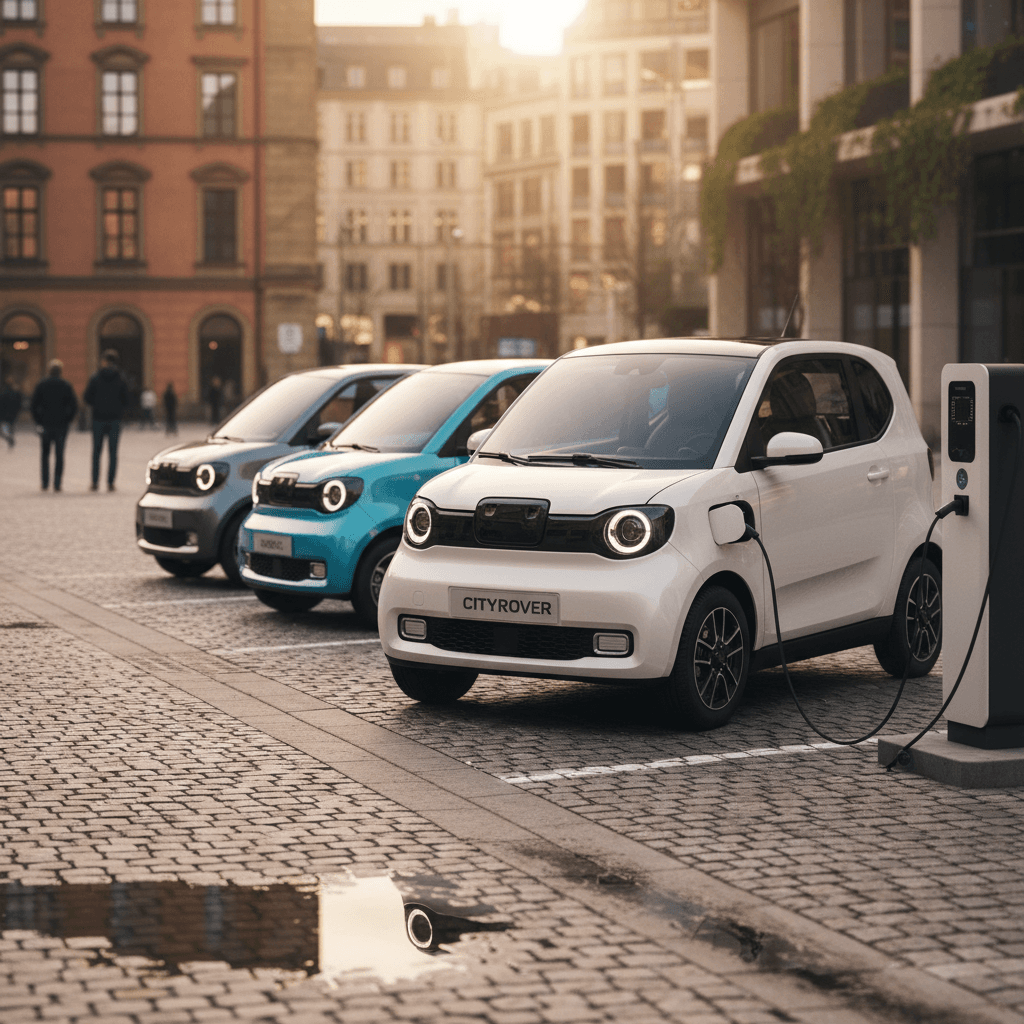
If most of your miles are on crowded streets, tight parking ramps, and short hops across town, a **small electric car** can fit your life better than any oversized SUV. The best small electric car for city driving isn’t just tiny, it’s easy to park, quick off the line, cheap to run, and has enough range that you rarely think about charging.
City first, highway second
Why small electric cars shine in the city
Think of city driving as a series of short sprints and sudden stops. A **small EV** with instant torque is perfect for this: it jumps into gaps in traffic, coasts quietly in stop‑and‑go, and slides into parking spots that bigger vehicles simply can’t use. And because you’re usually driving shorter distances, you don’t need a 300‑mile battery pack to feel comfortable.
- Tight dimensions make parallel parking and cramped garages far less stressful.
- Electric motors deliver instant low‑speed pull for darting through traffic and short on‑ramps.
- Regenerative braking is most effective in stop‑and‑go city driving, stretching your range.
- Smaller batteries generally mean lower purchase prices and faster home charging.
- With zero tailpipe emissions, you’re not adding to the smog hanging over the urban core.
Good news on range
What actually makes a small EV great for city driving?
Before we talk specific models, it helps to define what “best small electric car for city” really means. Size is part of it, but a good city EV blends **maneuverability, visibility, comfort over broken pavement, and easy charging**. Here are the factors that matter most if you spend most of your time below 45 mph.
Key ingredients of a great city EV
What to prioritize when most of your driving is urban
Compact footprint
Ideal city EVs are **short and narrow enough** to slot into curbside spaces and tight garages, yet still have four seats for friends or kids.
Quick off the line
You don’t need supercar power, but strong **0–30 mph response** makes merging and lane changes far less stressful.
Great visibility
Large windows, a high seating position, and **good rear visibility** make threading through traffic and backing into spots easier.
Suspension tuned for potholes
City streets are rough. Softer, compliant ride quality matters more than sharp cornering limits for most commuters.
Easy charging
Look for **standard connectors**, solid AC charging (7–11 kW), and preferably DC fast charge for weekend getaways.
Low running costs
Efficient energy use, modest tire sizes, and strong reliability keep ownership costs predictable, especially important if you’re buying used.
Don’t overbuy range
Best small electric cars for city driving (2025–2026)
The global small‑EV market is exploding, with many of the tiniest and most affordable models sold in Europe and Asia. In the U.S., your choices are more limited, but there are still standout **compact EVs** that work brilliantly in urban environments, and more are on the way. Below we split recommendations into two groups: practical choices you can find or import, and noteworthy international city EVs that show where the segment is headed.
City‑friendly EVs by the numbers
Best city‑friendly small EVs you’re most likely to see in North America
Standout small EVs for city driving (North America–friendly)
Approximate specs and strengths for popular compact EVs well‑suited to urban life.
| Model | Approx. length | Est. real‑world range | City strengths | Where it shines |
|---|---|---|---|---|
| Chevrolet Bolt EV / EUV (used) | ~163–169 in | 210–240 mi | Very efficient, compact footprint, good visibility | Budget‑friendly all‑rounder that still feels stable on the highway. |
| Nissan Leaf (2nd gen, used) | ~176 in | 140–180 mi | Smooth ride, simple controls, strong reliability record | Calm commuter with great value on the used market. |
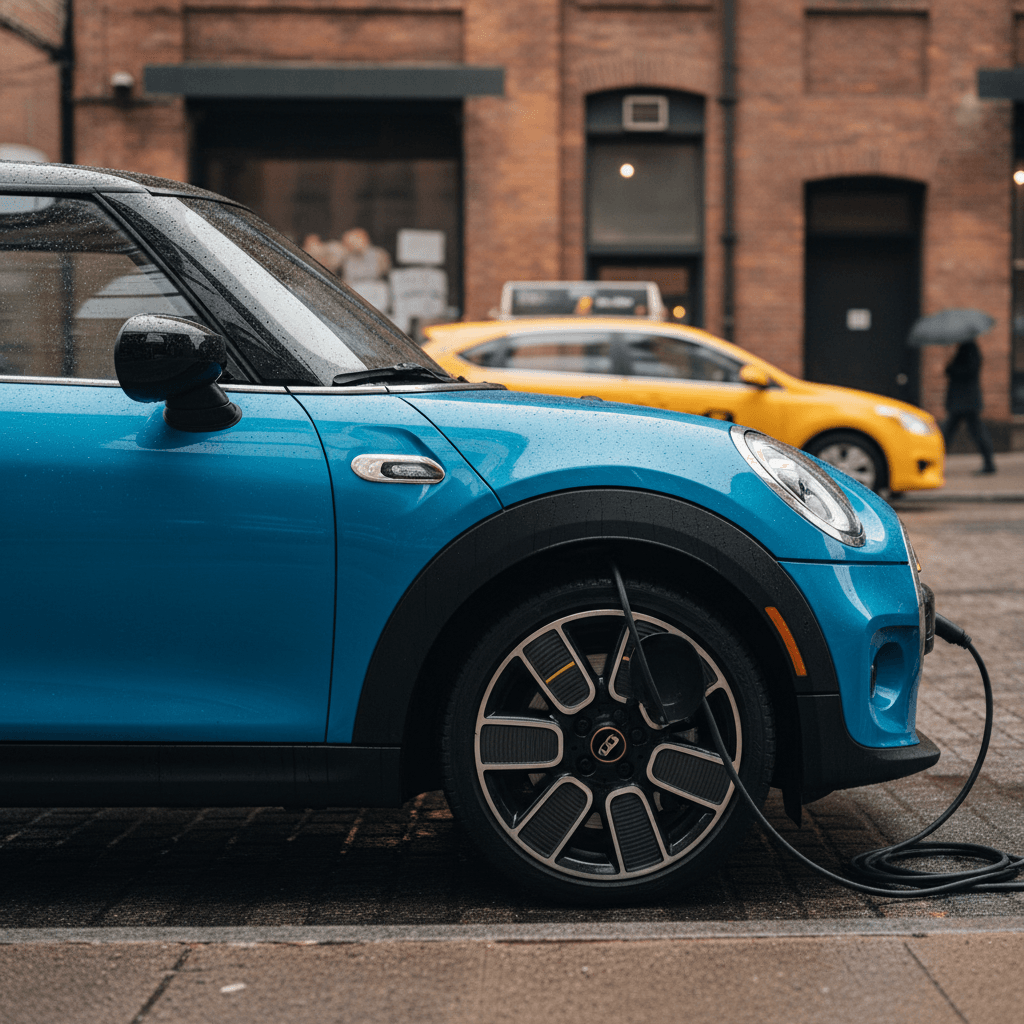
| Mini Cooper Electric | ~152 in | 120–150 mi | Extremely small, sharp steering, fun to drive | Tight parking, short hops, style‑focused buyers. |
| Fiat 500e (new & used, depending on market) | ~144 in | 100–150 mi | Tiny footprint, chic design, quick off the line | Dense downtown cores where parking is scarce. |
| Volvo EX30 | ~166 in | 200–250 mi | Premium cabin, strong performance, ultra‑fast charging | Buyers wanting small footprint with big‑car tech and safety. |
Always verify exact specs and availability by model year, numbers below are typical for 2024–2025 models.
Think used for value
International small city EVs worth knowing about
If you follow EV news globally, you’ll see a wave of ultra‑compact EVs designed almost exclusively for crowded European and Asian cities. They’re not all available in the U.S., but they’re a good reference point for what a **pure city car** looks like.
- **Renault 5 E‑Tech** – A modern electric reboot of the classic Renault 5. Roughly supermini‑sized, with up to around 250 miles of WLTP range and agile handling, it’s frequently ranked near the top of European city‑EV lists.
- **Fiat 500e (Europe & U.S.)** – The spiritual successor to the original 500 city car. Tiny on the outside, stylish inside, and ideal for short trips and very tight streets.
- **Mini Cooper Electric** – A premium, playful city hatch with quick steering and a premium cabin. Range isn’t massive, but it’s more than enough for urban duty.
- **Geely Panda Mini EV and similar Chinese micro‑EVs** – Ultra‑short three‑door hatches with modest range that dominate dense Chinese cities by fitting where a full‑size car simply cannot.
U.S. vs rest‑of‑world reality
Best used small electric cars for city driving
For many buyers, the **best small electric car for city driving** is a used one. City use rarely stresses the powertrain, and you can trade some highway range (that you may not need) for much lower purchase price. Here are used models that work particularly well as urban runabouts.
Top used city‑friendly EV picks
Compact, affordable, and proven in real‑world use
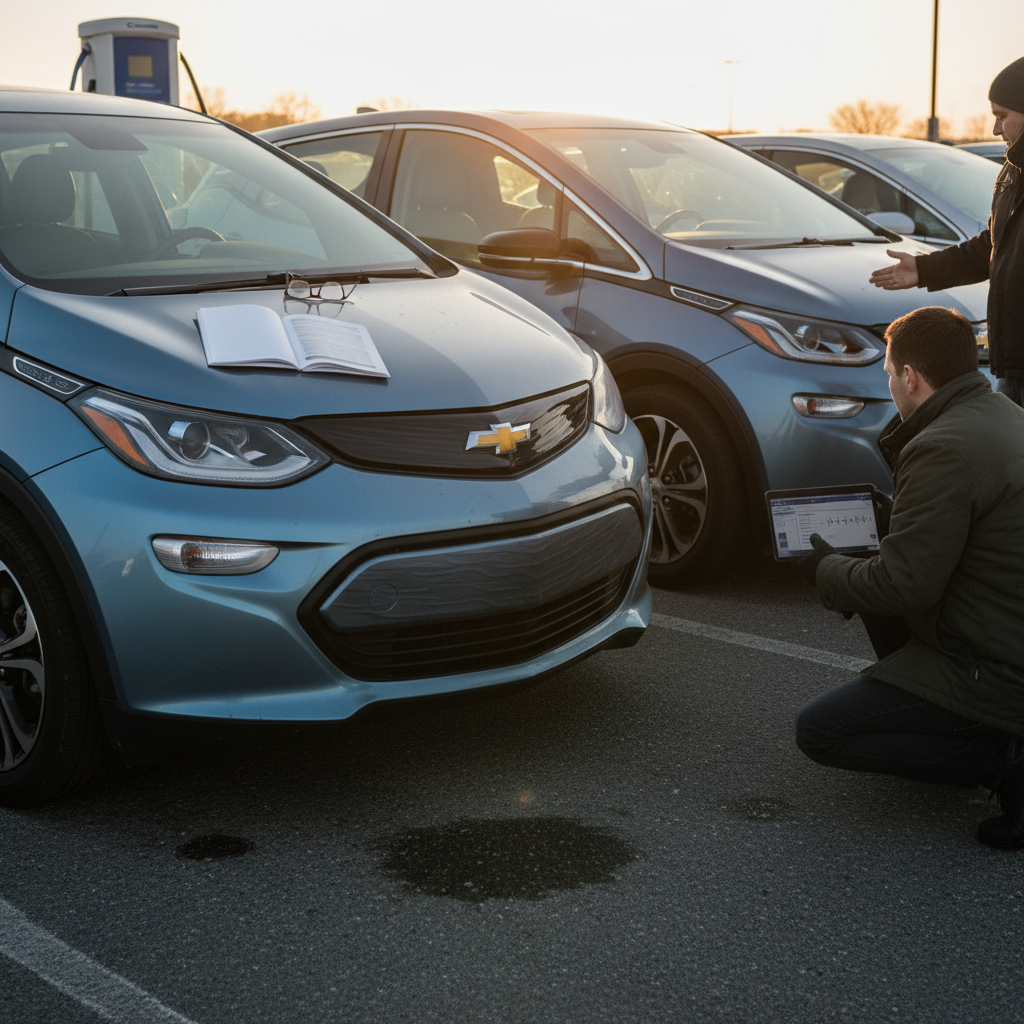
Chevrolet Bolt EV / EUV
Why it works in the city:
- Short overall length and upright seating make it easy to place in traffic.
- Excellent efficiency keeps electricity costs low.
- Flat load floor and hatchback practicality for city errands.
Earlier model years can be very affordable on the used market, but pay close attention to battery health and recall history.
Nissan Leaf (2nd generation)
Why it works in the city:
- Smooth, quiet, and easy to drive, even for EV newcomers.
- Comfortable ride over rough pavement.
- Plenty of real‑world range for daily commuting and errands.
Earlier Leafs use the CHAdeMO DC fast‑charging standard, which is fading in the U.S., but for strictly urban use that’s rarely a deal‑breaker.
BMW i3
Why it works in the city:
- Ultra‑tight turning circle and tiny footprint.
- Excellent outward visibility and a premium cabin.
- Distinctive styling that still looks futuristic.
Range isn’t huge by modern standards, but in a city it’s typically sufficient, especially if you can plug in at home or work.
Fiat 500e (first generation)
Why it works in the city:
- Incredibly small, perfect for dense urban cores.
- Fun, characterful driving experience.
- Often very inexpensive on the used market.
Short range and snug rear seats make it best as a second car or a primary city‑only commuter.
Used city EVs: watch battery health
City EV buying checklist: how to pick the right one for you
Every city is different. Narrow, pre‑war streets in Boston or San Francisco aren’t the same as wide, fast arterials in Phoenix or Dallas. Use this checklist to narrow down which small EV is truly right for **your** urban reality.
Essential checklist for choosing a city EV
1. Measure your real daily mileage
Add up a typical weekday: commute, daycare drop‑off, grocery stop, and an unexpected detour. Most urban drivers land well under **60 miles per day**. If that’s you, you don’t need a 300‑mile battery.
2. Test parking and tight‑space maneuvering
Bring a tape measure and pay attention to how easily the car swings into spots, U‑turns, and navigates your parking garage. A small car that’s hard to see out of isn’t truly city‑friendly.
3. Prioritize visibility and seating position
Sit in the driver’s seat and look for blind spots. Big pillars and tiny rear windows make city driving more stressful. A slightly higher seating position can be a big help in urban traffic.
4. Check ride comfort on rough streets
On a test drive, deliberately seek out poorly maintained roads and speed humps. Some sporty EVs feel great on smooth pavement but become tiring over potholes and expansion joints.
5. Confirm charging options where you actually park
If you park on‑street, investigate nearby public Level 2 chargers or workplace charging. If you have off‑street parking, consider <a href="/articles/home-ev-charger-installation">installing a home Level 2 charger</a> for effortless overnight top‑ups.
6. Look beyond tech gimmicks
A flashy infotainment system is nice, but for city driving you’ll value **easy climate controls, good cameras, parking sensors, and clear mirrors** more than a billion apps.
Drive your actual route
Running costs & charging a small EV in the city
One big advantage of picking a **small electric car for city** use is that it keeps day‑to‑day costs predictable. Smaller vehicles tend to use less energy per mile, wear out tires more slowly, and often cost less to insure than large performance EVs.
Electricity vs. gasoline in stop‑and‑go
Stop‑and‑go traffic is where EVs shine. While gasoline cars burn fuel idling at every light, an EV uses very little energy when stationary and can recapture some energy each time you slow down.
- Many compact EVs average the equivalent of **90–120 MPGe** in city driving.
- Over a year of urban commuting, that can translate to hundreds of dollars in fuel savings versus an economy gasoline car, and far more versus a compact SUV.
Home vs. public charging in the city
If you have a driveway or garage, a **Level 2 home charger** turns your small EV into a plug‑in appliance: you park, plug in, and wake up to a full battery.
- Apartment dwellers often rely more on workplace chargers or public Level 2 stations.
- A small battery pack typically charges from low to full in **4–8 hours** on Level 2, perfect for overnight or workday sessions.
If you mostly drive locally, fast charging is nice to have but not essential.
Plan for curbside realities
How Recharged helps you buy the right small city EV
Shopping for a used small electric car can feel tricky, especially if you’re worried about **battery health** or choosing a model that really fits city life. That’s exactly the problem Recharged was built to solve.
Why city EV shoppers like working with Recharged
Clarity on battery health, pricing, and the right car for your routes
Recharged Score Report
Every vehicle on Recharged comes with a **Recharged Score Report** that includes verified battery health diagnostics, so you know how much real‑world range to expect before you buy.
Transparent pricing & financing
We show **fair market pricing** up front and offer financing options tailored to EVs. You can even trade in your current vehicle or get an instant offer.
Nationwide, digital‑first experience
Browse, finance, and buy online with **nationwide delivery**, or visit our Experience Center in Richmond, VA if you’d like in‑person help choosing the right city EV.
Because the best small electric car for city driving is the one that fits your routes, your parking situation, and your budget, Recharged’s EV specialists can walk you through options, from a nimble Fiat 500e for downtown living to a slightly larger Bolt EV that can comfortably handle both weekday errands and weekend trips.
FAQ: Best small electric car for city driving
Frequently asked questions about small city EVs
Bottom line: choosing your best small electric car for the city
The **best small electric car for city driving** isn’t automatically the newest or the one with the longest range. It’s the car that fits into the spaces you actually park in, matches your real daily mileage with a comfortable buffer, and stays affordable to own. For many drivers, that points to a compact hatchback, often a used one, with solid visibility, a comfortable ride over rough pavement, and 120–220 miles of honest range.
If you’re ready to turn your city commute into something quieter, cleaner, and easier to park, a small EV is one of the smartest moves you can make. And if you want help choosing a **used city EV** with verified battery health, transparent pricing, and EV‑savvy guidance from start to finish, Recharged is built for exactly that. Browse online, talk to an EV specialist, and let your next parallel‑parking job be the easiest one you’ve ever had.