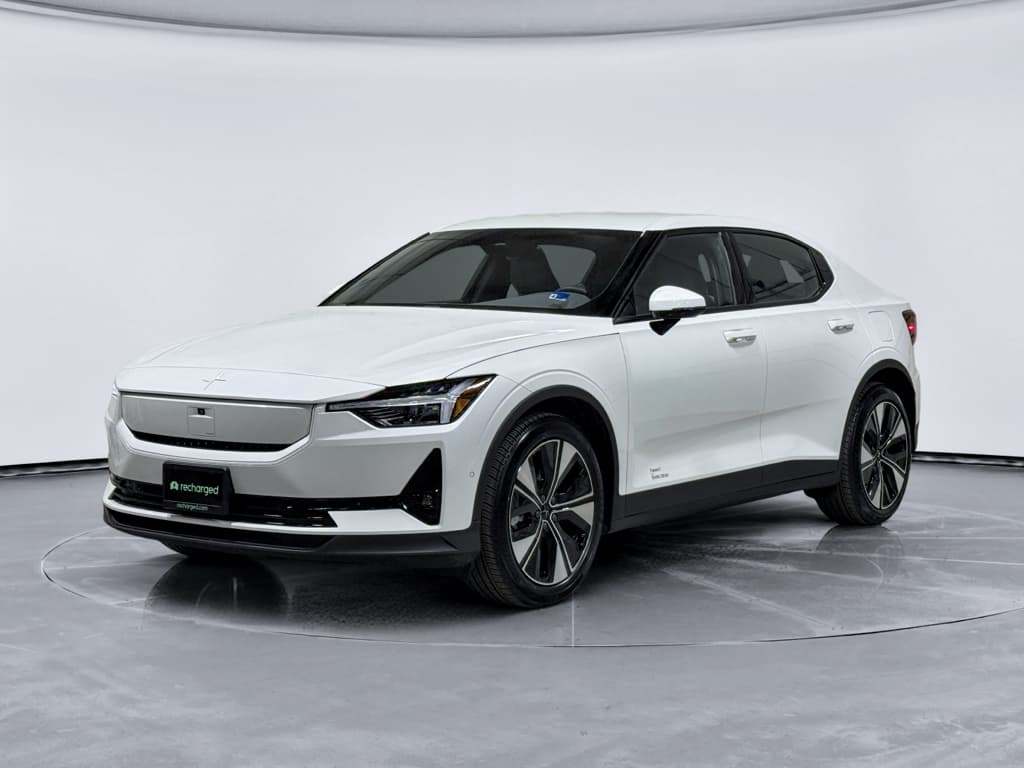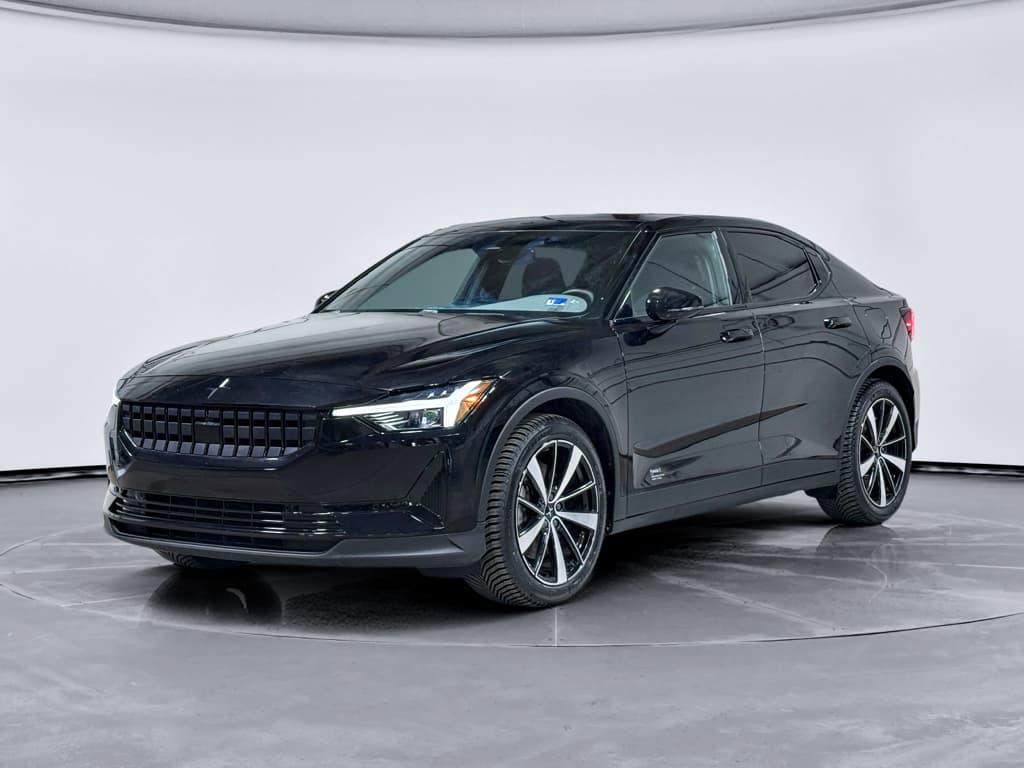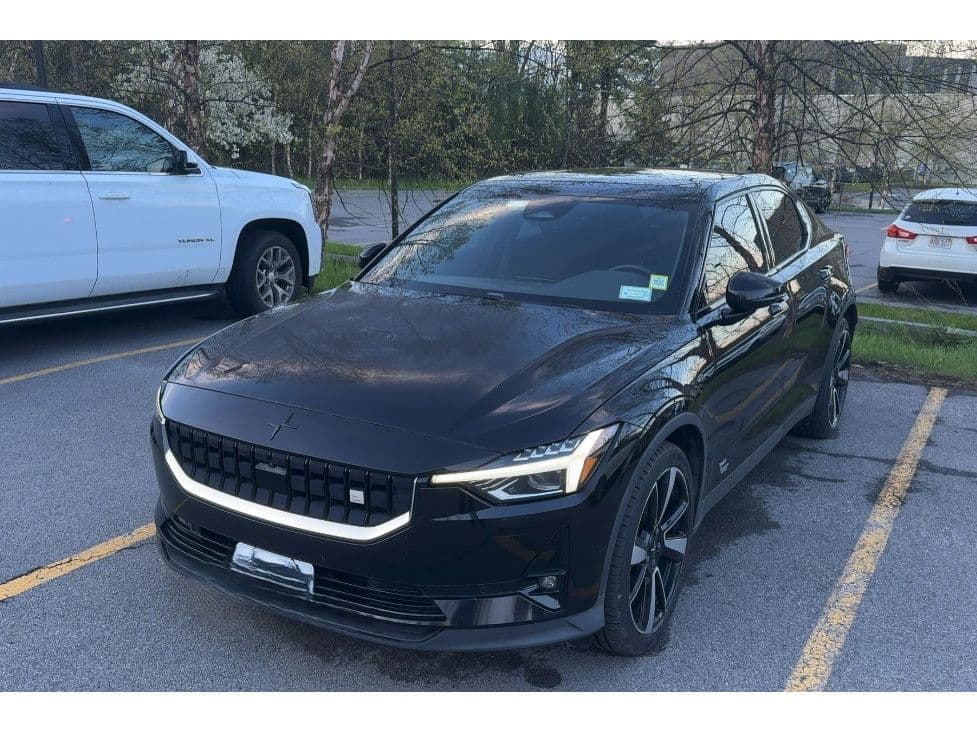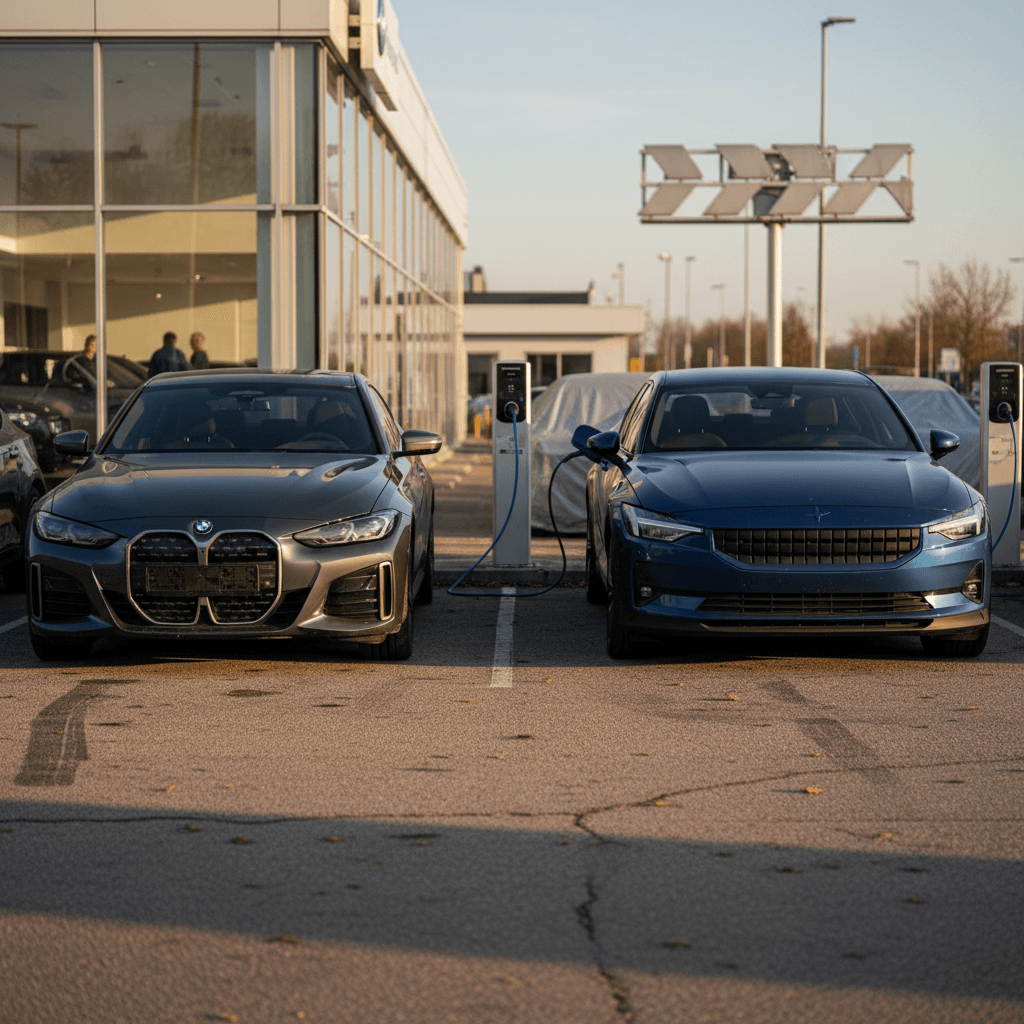
If you’re shopping the used luxury EV market in 2026, the BMW i4 and Polestar 2 are probably on the same short list. Both are sleek, fast, European liftback EVs with premium cabins and real-world range, but they reach that goal in very different ways. This 2026 used-BMW i4 vs Polestar 2 comparison walks you through range, performance, comfort, tech, reliability and ownership costs so you can pick the one that actually fits your life.
Model years we’re talking about
Who this BMW i4 vs Polestar 2 comparison is for
- You’re cross‑shopping a used BMW i4 and a Polestar 2 and want a clear, no‑nonsense verdict.
- You already drive a luxury ICE car and want to know which EV feels like a proper upgrade, not a science project.
- You care about range, charging speed and battery health, but you also care what your garage looks like.
- You’re trying to decide whether a cheaper Polestar 2 beats a slightly pricier but more common used BMW i4, or vice versa.
BMW i4 vs Polestar 2 in 2026: the quick take
Used BMW i4 vs Polestar 2: strengths at a glance
Both are excellent; the winner depends on what you value most.
Why choose a used BMW i4
- Range confidence: mainstream trims like the eDrive40 deliver some of the strongest real‑world range in this class.
- Refined, familiar luxury: feels like a 4‑Series Gran Coupe that happens to be electric, quiet, substantial, conservative in the best way.
- Charging + network access: strong DC fast‑charge rates for its segment and growing access to NACS adapters and Tesla Superchargers.
- Reliability trajectory: early issues are being ironed out; recent model‑year owner scores look "better than average" or higher.
Why choose a used Polestar 2
- Driving character: especially in refreshed dual‑motor versions, the Polestar 2 feels eager, playful and Scandinavian‑sporty.
- Design statement: cool, minimalist interior and distinctive exterior that reads more concept‑car than company‑car.
- Value on the used market: steeper depreciation than the BMW in many regions means compelling deals for savvy buyers.
- Google‑based infotainment: native Google Maps, Assistant and Play Store feel immediately familiar to Android users.
Bottom line verdict (short version)
Specs at a glance: used BMW i4 vs Polestar 2
Core specs snapshot (typical U.S. trims you’ll see used in 2026)
Numbers vary by year and wheel/tire choice, but this gives you the ballpark you’re actually cross‑shopping.
| Model / Trim (typical used) | Drivetrain | Battery (usable, approx.) | EPA range (mi, approx.) | 0–60 mph (sec, approx.) |
|---|---|---|---|---|
| BMW i4 eDrive35 | RWD | ~60 kWh | ~240–260 | ~5.8 |
| BMW i4 eDrive40 | RWD | ~81 kWh | ~290–300+ | ~5.5 |
| BMW i4 xDrive40 | AWD | ~81 kWh | ~280–290 | ~5.1 |
| BMW i4 M50 | AWD | ~81 kWh | ~245–270 | ~3.7 |
| Polestar 2 Single Motor Long Range (2024) | RWD | ~79–82 kWh | ~300–320 | ~6.2 |
| Polestar 2 Dual Motor Long Range (non‑Performance) | AWD | ~78–82 kWh | ~260–270 | ~4.3–4.5 |
| Polestar 2 Dual Motor Performance Pack (2024–2025) | AWD | ~78–82 kWh | ~245–255 | ~4.0 |
Always verify exact specs for the specific VIN, these are representative figures, not promises.
Don’t over‑index on brochure range
Range and charging: will it fit your life?
For most used‑EV buyers in 2026, usable range and charging speed matter more than 0–60 times. The good news: both the BMW i4 and Polestar 2 can comfortably handle a typical American commute, plus weekend trips, with home or workplace charging. The differences show up on winter road trips and at aging high‑mileage fast‑chargers.
Used BMW i4: range reality
- The sweet‑spot eDrive40 is a range monster for its class: many owners report 250+ miles at 70 mph in mild weather when new, and 200+ even with some degradation.
- eDrive35 gives you lower entry price but noticeably tighter margins on winter highway runs; think 170–190 miles of comfortable highway range with a buffer.
- M50 trades range for power; expect more like 180–210 real‑world highway miles depending on wheel size and temperature.
- BMW’s battery management is conservative; early degradation data looks reassuring, especially on larger‑pack cars driven regularly.
Used Polestar 2: range reality
- The 2024–2025 Single Motor Long Range is the range hero, with EPA figures around 300–320 miles and real‑world highway results that, in good weather, rival the i4 eDrive40.
- Dual‑motor versions, especially Performance Pack, see a meaningful drop; many owners report more like 200–220 miles at 70 mph when new, less in winter.
- Earlier 2021–2022 cars with smaller batteries and less efficient motors feel "fine" as city cars but can disappoint if you expect Tesla‑like highway range.
- Software updates over the years have subtly improved efficiency and range projections; a well‑updated Polestar 2 is better than an ignored one.
Home charging changes everything
Quick range fit check before you choose
1. Map your longest regular drive
Look at the <strong>longest trip you actually do at least monthly</strong>, not the once‑a‑year family odyssey. Add 30–40% to the distance for weather, detours and degradation, then compare to realistic (not brochure) ranges above.
2. Decide if fast charging is frequent or rare
If you’ll DC fast‑charge once a month, small differences in peak speed won’t matter. If you road‑trip every other weekend, the BMW i4’s efficient highway manners and the Polestar 2’s improving fast‑charge curves deserve a closer look.
3. Check your climate
Cold climates punish range. In Minnesota, a bigger‑battery i4 eDrive40 or Polestar 2 Long Range Single Motor makes more sense than a short‑range trim that looked fine on paper in California.
4. Look at real‑world owner data
Search for owner efficiency screenshots, not just press‑car tests. You’ll see patterns: <strong>i4s skew efficient at steady highway speeds</strong>, Polestar 2s reward smoother, mixed driving more than brutal interstate slogs.
Performance and driving feel: sporty vs sportier
You’re not shopping either of these because you’re indifferent to how a car feels. Both the i4 and Polestar 2 are legitimately quick, but their characters diverge: the BMW is a stealth bomber; the Polestar is more hot‑hatch in a tailored suit.
Performance highlights (representative trims)
Behind the wheel of a used BMW i4
- Refined, heavy, planted. Even on 19s, an i4 feels like a traditional German sport sedan that went to a silent retreat. Steering is accurate if a bit aloof.
- M50 is brutally fast in a straight line, but carries its weight; think autobahn bruiser more than back‑road scalpel.
- Ride quality varies a lot with wheel size and adaptive dampers. Big wheels + bad roads = busy; spec carefully if you value comfort.
- The car shrinks around you at speed. Long highway journeys are where the i4 feels most at home.
Behind the wheel of a used Polestar 2
- More eager and talkative. Particularly the 2024+ rear‑drive single‑motor and dual‑motor cars feel quick on their feet, almost like an EV Golf R.
- Performance Pack cars add Öhlins dampers and stronger brakes; they can feel busy in town but come alive on good pavement.
- Steering feel is among the better efforts in the segment: clear, light, with a hint more road texture than the BMW.
- The upright seating and glassy cabin give you a sense of command that many buyers find addictive, especially in urban traffic.
Which is more fun, honestly?
Interior comfort and practicality: liftback vs liftback
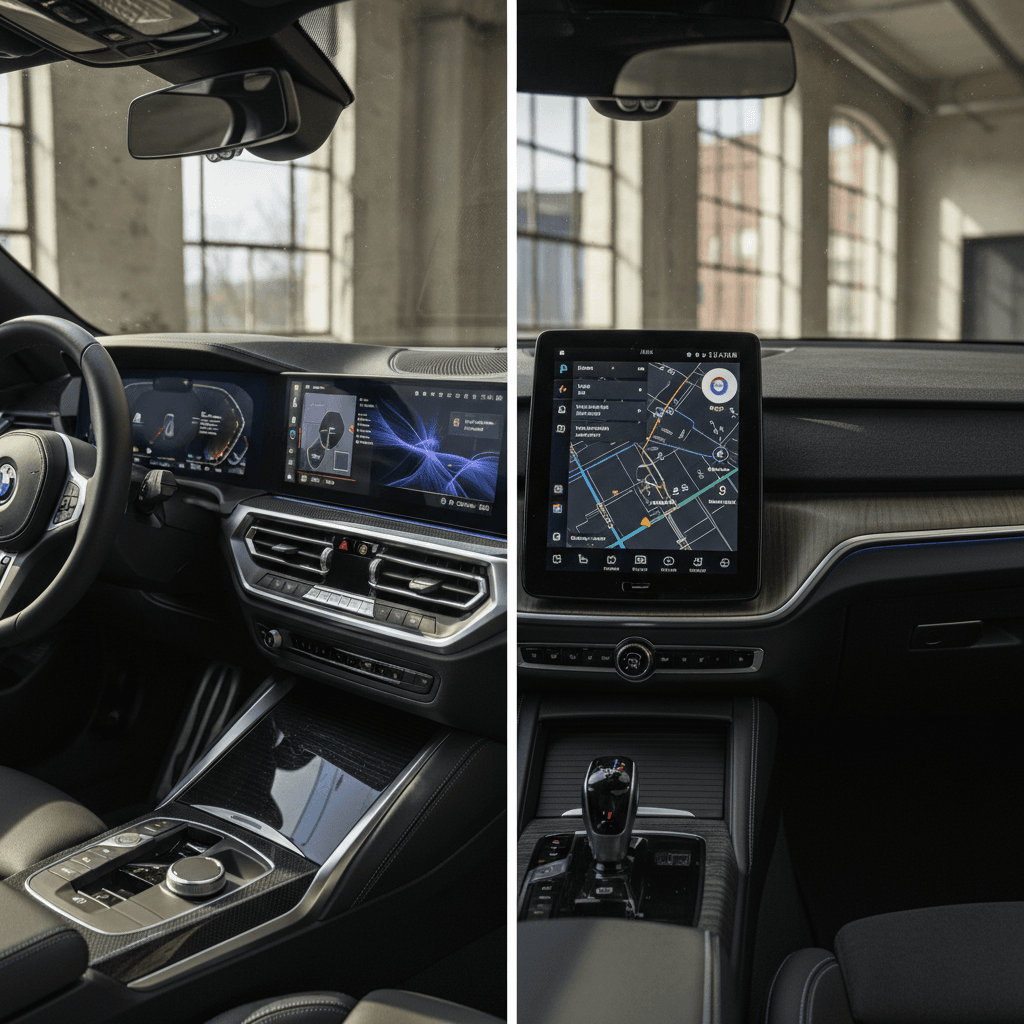
BMW i4 cabin: familiar 4‑Series, electrified
- The i4 shares bones with the 4‑Series Gran Coupe, so it feels traditional BMW premium: low seating position, long hood, thick doors.
- Later cars feature the curved BMW iDrive display; earlier ones mix analog‑style gauges and a central screen. Either way, material quality is high.
- Rear seat space is adequate but not generous. Tall adults will notice the sloping roof, especially with a sunroof.
- The hatchback offers a respectable cargo hold, but floor height and opening shape aren’t quite as clever as some EV‑native rivals.
Polestar 2 cabin: Scandi lounge with a license plate
- Inside, the Polestar 2 feels minimalist and modern: clean lines, Google‑based vertical touchscreen, vegan materials on many trims.
- Material quality is mostly excellent for the class; details like metal hardware and woven textiles give it a concept‑car feel.
- The seating position is more upright than the BMW; that’s good for visibility and comfort, less good if you want a true "coupé" feel.
- Hatchback practicality is similar to the i4, and Polestar adds a few thoughtful storage touches, though the front trunk is modest.
Sit in both before you decide
Tech, infotainment and driver assistance
Both cars are rolling software platforms, for better and worse. BMW leans on its evolving iDrive ecosystem and tightly integrated driver‑assist; Polestar essentially hands you a Google tablet on wheels.
BMW i4 tech
- iDrive 8/8.5 (later cars) brings a big curved display and a dense but powerful interface. It can feel menu‑heavy, but the rotary controller is still there as a lifeline.
- Apple CarPlay and Android Auto are standard or common on U.S. cars; wireless support depends on year and options.
- BMW’s driver‑assist (adaptive cruise, lane‑keeping, traffic‑jam assist) is polished when properly optioned, though subscription features can confuse second owners.
- Over‑the‑air updates arrive, but not with Tesla‑like fanfare. Check that a used car is on current software; it can fix nagging bugs.
Polestar 2 tech
- Android Automotive OS means native Google Maps, Assistant and Play Store. If you live in Google’s ecosystem, it feels instantly intuitive.
- Software updates over 2021–2025 added range, performance tweaks and new features. A well‑updated car can literally drive better than the one that left the factory.
- Phone integration is more app‑centric; traditional CarPlay support rolled out later, so behavior can vary by model year and software level.
- Driver‑assist is generally competent but not standout. Calibration and camera/radar cleanliness make a big difference in day‑to‑day smoothness.
Software quirks on the used market
Reliability, battery health and longevity
Battery health is the whole ballgame on a used EV. Drivetrains tend to be robust; what separates a bargain from a landmine is how much usable capacity remains and how well the supporting electronics have held up.
Reliability snapshot: used BMW i4 vs Polestar 2
What owner data and early surveys suggest as of 2026.
BMW i4 reliability picture
- Independent surveys and owner reports now rate the i4 as better than average to much better than average for overall reliability among new EVs.
- Most issues cluster around early software bugs, a few charging‑hardware glitches and minor body/trim quirks, many already covered by recalls or TSBs.
- The high‑voltage battery itself has, so far, proven stable when cars are driven regularly and not fast‑charged exclusively.
- A BMW dealer network that actually understands the product helps; parts availability is trending better than in 2022–2023.
Polestar 2 reliability picture
- Polestar 2 has fewer years on the road and a smaller fleet, so data is thinner. Most owners report solid drivetrains with occasional niggles.
- Common complaints involve phantom range drain, infotainment stutters, sensor gremlins and sporadic charging‑station compatibility drama.
- Battery packs, especially the later larger units, are holding up reasonably well in early life; we’ll know more about long‑term degradation after 8–10 years.
- Service experience varies heavily by region because Polestar relies on partner Volvo dealers; some are excellent, some are learning in real time.
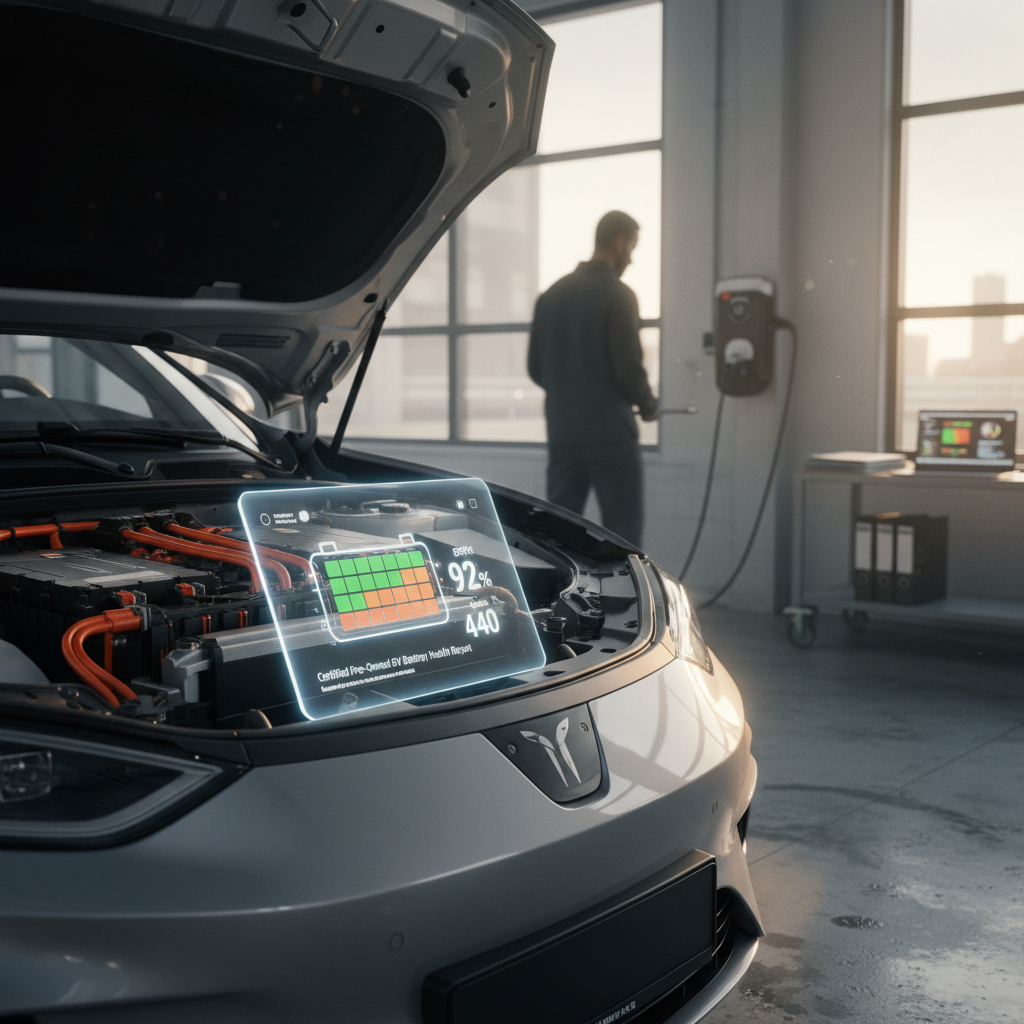
Why a proper battery‑health report matters
Ownership costs, depreciation and value
Sticker price is only the beginning. In the used‑EV world, depreciation and running costs tell the real story. Here, the i4 and Polestar 2 diverge in useful ways for the savvy buyer.
Typical ownership‑cost patterns (used 3–5 years old in 2026)
These are directional patterns, not quotes, actual numbers depend on your location, trim, mileage and financing.
| Factor | Used BMW i4 | Used Polestar 2 |
|---|---|---|
| Depreciation from original MSRP | Moderate; BMW badge and demand help residuals | Steeper; smaller brand footprint and incentives push prices down |
| Future value outlook (next 3–5 yrs) | Relatively strong; mainstream premium brand, broad dealer support | More uncertain; depends on Polestar’s U.S. strategy and brand awareness |
| Scheduled maintenance | Low vs ICE BMW (no oil), but premium parts and tires can be pricey | Also low; simpler EV service, but fewer service points in some regions |
| Out‑of‑warranty repairs | Potentially expensive; BMW electronics and suspension aren’t cheap | Can be costly if parts are slow to arrive; smaller network magnifies inconvenience |
| Insurance | Often a bit higher due to repair costs and performance trims | Similar or slightly lower; check with your insurer by VIN |
| Electricity vs gas | Massive savings vs a comparable 3‑ or 4‑Series | Similar savings vs a comparable Volvo S60 or XC40 |
Think in trends: which car is likely to lose more value from today, and which will be easier to resell?
Where the bargains are in 2026
How to choose: which one fits you?
Choose your path: which used EV should you buy?
The highway commuter / road‑trip family
Prioritize <strong>range and comfort</strong>. Look hard at BMW i4 eDrive40 or xDrive40, or Polestar 2 Long Range Single Motor (2024+).
Skip extreme performance trims and giant wheels; they eat range and ride quality for no benefit on I‑95.
Check DC fast‑charge behavior in owner reports and, if possible, on a test charge. You care more than most.
If budget allows, favor cars with <strong>remaining factory battery warranty</strong> into your planned ownership window.
The enthusiast driver
If handling feel matters more than quietness, a <strong>dual‑motor Polestar 2 with Performance Pack</strong> is a deeply satisfying daily hot hatch in disguise.
The i4 M50 is brutally fast but feels heavier and more insulated; great if you want straight‑line fireworks with BMW polish.
Avoid modded cars unless you know what you’re doing; aggressive wheel/tire or suspension changes can stress components and hurt range.
On your test drive, find a rough road and a good corner. Your spine and your grin will make the decision for you.
The design‑first urban driver
You live in a city, rarely exceed 150 miles in a day and care deeply about <strong>how the car looks and feels inside</strong>.
Here the <strong>Polestar 2 shines</strong>: the cabin, the UI, the exterior presence all feel more special than most compact SUVs at the curb.
Range anxiety is less of an issue if you can plug in at home or in a garage; favor later‑year cars with the larger battery for flexibility.
A BMW i4 still makes sense if you want the quieter, more traditional luxury experience and slightly better noise isolation.
The value hunter
Start with <strong>total cost to own</strong>, not just purchase price: include projected depreciation, insurance and electricity.
A well‑priced Polestar 2 that’s already taken a big depreciation hit can be a steal, especially if a battery‑health report comes back strong.
An older or higher‑mileage i4 may hold value better but leave less room for further depreciation; the trade‑off is peace of mind in brand support.
In both cases, walk away from any car with sketchy service history, missing software updates or unexplained battery‑health anomalies.
How Recharged helps you shop BMW i4 and Polestar 2 smarter
Luxury EVs look broadly similar on a listing page: glossy photos, big range numbers, vague assurances. Underneath, two BMW i4s, or two Polestar 2s, with the same odometer reading can have radically different battery stories. That’s exactly the problem Recharged was built to solve.
Why shop your used i4 or Polestar 2 with Recharged
Battery clarity, fair pricing, and EV‑savvy support in one place.
Recharged Score battery health diagnostics
Fair pricing and flexible financing
Trade‑in, consignment and delivery
Ready to find your next EV?
Browse VehiclesFrom scroll to driveway, without the guesswork
FAQ: used BMW i4 vs Polestar 2
Frequently asked questions about used BMW i4 and Polestar 2
The used‑EV market in 2026 is finally rich enough that you can shop on taste, not just tolerance. The BMW i4 and Polestar 2 are proof: one is a quietly brilliant electric 4‑Series, the other a Scandinavian design object with a mischievous streak. If you match their strengths to your driving reality, and insist on clear battery‑health data, you can’t go too far wrong with either. The trick is not settling for a pretty listing when you could have a well‑documented, fairly priced, properly sorted car instead.