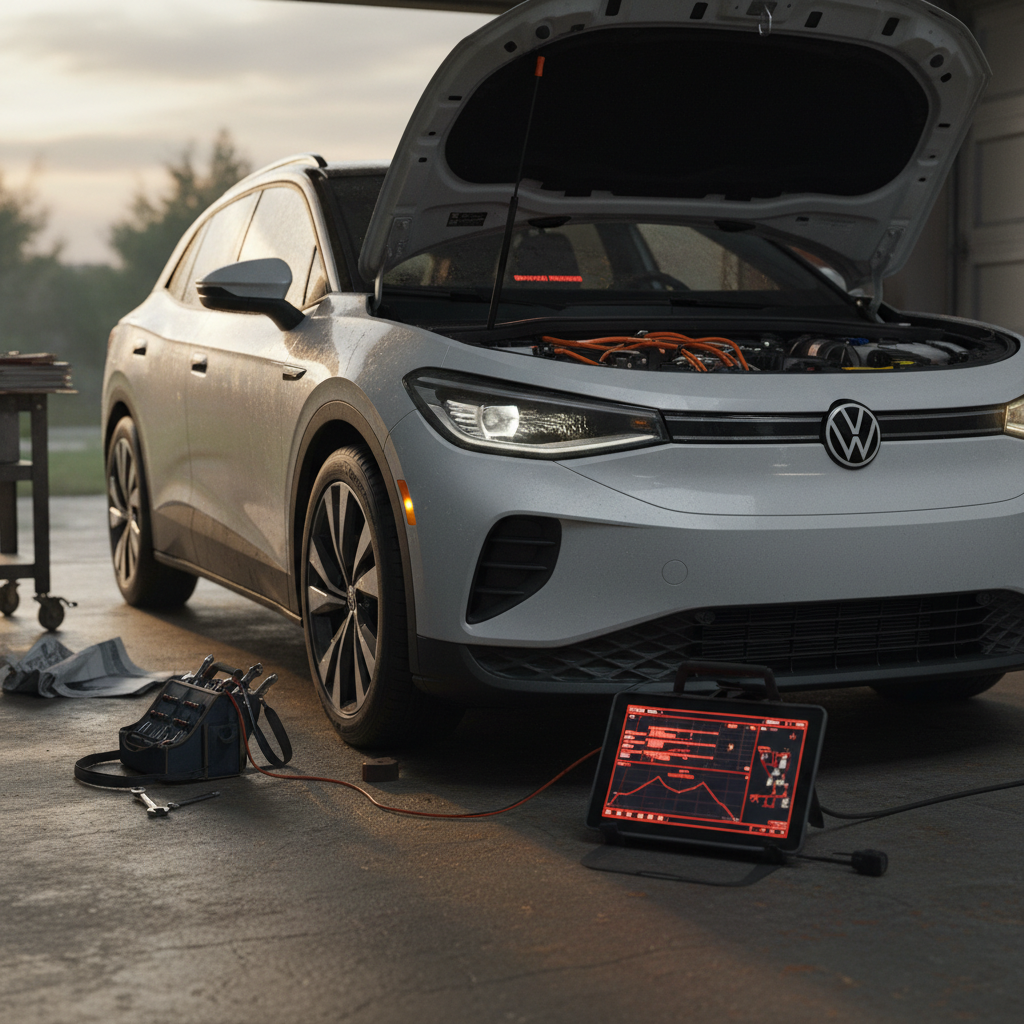
If you’re shopping for a used electric car, you’ll see a lot of badges and buzzwords: “Certified,” “Factory CPO,” “Dealer Certified.” Underneath all the marketing, the real question is simple: are the CPO electric car warranty benefits actually worth paying extra for, especially when battery health is your biggest concern?
Quick take
Why CPO matters for used electric cars
With gas cars, most certified pre‑owned programs are about peace of mind on engines, transmissions, and repair bills. For EVs, the stakes are different. Your biggest unknown is battery health and how much original range the car still has. That battery is already protected by a federal minimum of eight years or 100,000 miles, but CPO status can change how that remaining coverage works for you, and what happens when it runs out.
Why warranties matter more for EVs than gas cars
Don’t assume all coverage transfers
How EV warranties work: battery and beyond
To understand the value of a CPO program, you first need a clear picture of how standard EV warranties work. Most electric cars sold in the U.S. have three main layers of coverage:
- Basic (bumper‑to‑bumper): usually 3–4 years / 36,000–50,000 miles. Covers most non‑wear components, electronics, and interior hardware.
- Powertrain / electric drive: often 5–6 years / 60,000–70,000 miles. Covers motors, reduction gears, and related components.
- High‑voltage battery: at least 8 years / 100,000 miles by federal rule, with some brands stretching to 10 years / 100,000 miles or more.
The catch is that battery warranties tend to be very specific. Some only cover a complete failure (the pack won’t operate), while others also cover capacity loss below a threshold, commonly around 70% of original capacity by the end of the warranty period. That’s a big difference for a used‑EV buyer who’s trying to predict long‑term range.
Pro move for any used EV
What makes a CPO electric car warranty different?
A certified pre‑owned EV is usually a late‑model used electric car that meets specific age, mileage, and condition standards set by the manufacturer or dealer. In exchange, it comes with a bundle of warranties and benefits you won’t get on an ordinary used EV from a random lot or private seller.
Typical components of a CPO electric car program
What you’re usually paying extra for
Extended warranty coverage
Many CPO programs extend basic or powertrain coverage beyond the original term, sometimes adding 1–2 years or a set mileage on top of what’s left from the factory warranty.
Multi‑point inspection
Manufacturers specify detailed EV‑focused inspections: software updates, charging performance checks, brake and tire wear, and often battery diagnostics.
Roadside & extras
CPO cars commonly include perks like roadside assistance, trip‑interruption coverage, and sometimes free scheduled maintenance or charging credits.
EV‑specific twist
Key CPO electric car warranty benefits
So what are the concrete CPO electric car warranty benefits you should actually care about, and are they more than marketing? Let’s break them down into protections you can put numbers to.
Core CPO EV warranty benefits that actually matter
1. Extra time after basic coverage expires
Many CPO programs add a year or more of comprehensive coverage that starts when the original new‑car warranty ends. On a 3‑year‑old EV, that can mean protection to year 5 or 6 on non‑battery components that are expensive to fix, like infotainment systems or power electronics.
2. Clearer battery protection story
Even if CPO programs don’t extend the battery warranty duration, they often clarify what happens if the pack is already degraded. Some will not certify a car below a certain capacity, effectively screening out the worst examples before you ever see them.
3. Roadside assistance that understands EVs
EV‑aware roadside coverage can include flatbed towing to a fast charger if you run out of range, coverage for towing to a dealer for high‑voltage issues, and sometimes transportation or hotel reimbursement if a major repair strands you on a trip.
4. Lower risk of hidden deferred maintenance
Because cars must pass specific inspection and reconditioning standards, you’re less likely to inherit worn tires, tired 12‑volt batteries, or neglected software updates that can quietly shorten range or charging performance.
5. Easier financing and resale story
Lenders and future buyers respond to structure and documentation. A recognizable CPO warranty can make financing smoother today and support a higher resale value later, because you have a clean paper trail on coverage, battery health, and maintenance.
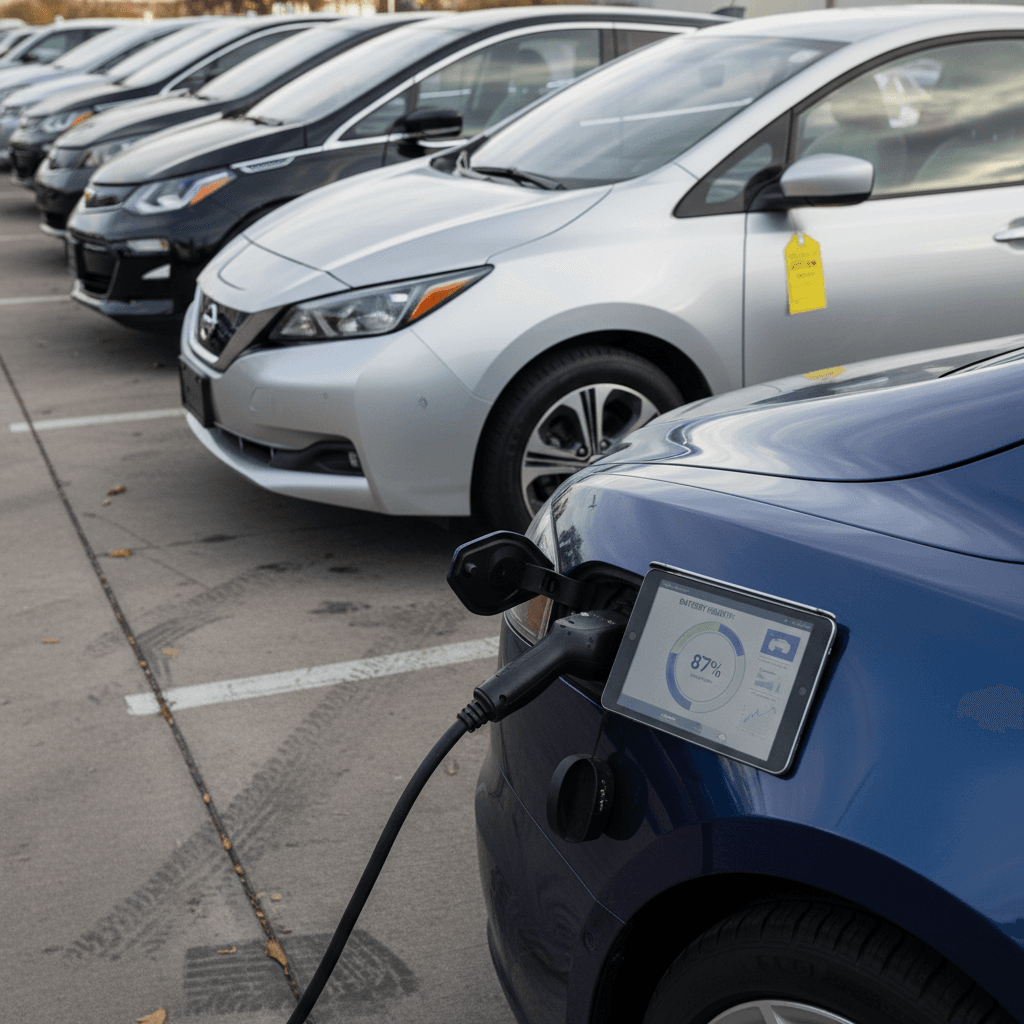
When these benefits shine
CPO vs non‑certified used EV: side‑by‑side
To see whether CPO premiums are justified, compare a typical factory CPO EV to a similar non‑certified used EV from an independent dealer or marketplace. Real programs vary, but the pattern is consistent.
CPO electric car vs standard used EV
How a typical OEM CPO program stacks up against a non‑certified used EV purchase.
| Feature | Factory CPO EV | Non‑certified used EV |
|---|---|---|
| Battery warranty | Same remaining factory battery warranty, often pre‑screened for capacity | Same remaining factory battery warranty, but condition may be unknown |
| Bumper‑to‑bumper coverage | Often extended 1–2 years beyond original term | Usually expired or close to expiring |
| Inspection depth | Brand‑specific EV inspection with documented checklist | Dealer’s own process, which may or may not be EV‑specific |
| Roadside assistance | Typically included for duration of CPO term | Varies; often third‑party or none |
| Reconditioning | OEM standards for software, tires, brakes, cosmetic issues | Dealer‑chosen standards; quality can vary widely |
| Price | Higher, often a premium over similar non‑CPO cars | Lower upfront price, but more risk to you |
Details differ by brand and model year, but this table captures the most common differences you’ll see in the market.
Who gets the most value from CPO?
If you’re risk‑averse, drive a lot of miles, or plan to keep the EV for several more years, the structure and coverage of a CPO program can be worth a measurable premium.
It’s especially attractive if you’re buying your first EV and want a softer landing into ownership.
When non‑certified can make sense
If you understand EVs, are comfortable reading battery reports, and have a trusted independent shop or a solution like the Recharged Score for objective battery health, you might prefer to pocket the discount on a non‑CPO car.
In that case, you’re effectively doing your own certification.
How much is a CPO EV warranty actually worth?
CPO EVs often cost more than similar non‑certified cars. The question is whether the extra coverage and reduced risk add up for you. There’s no universal answer, but you can frame it with a simple thought exercise.
- Estimate the price premium for the CPO EV versus a non‑certified equivalent of the same trim, mileage, and condition.
- Look at what the CPO program actually adds: extra years of coverage, deductible amounts, roadside assistance, and any battery‑related assurances.
- Ask yourself, “If I had a major repair outside warranty, how much would I realistically pay out of pocket?” and compare that to the CPO premium.
- Factor in your time horizon. If you’ll sell the car in two years, a long CPO warranty has less value than if you plan to drive it to year 10.
A simple rule of thumb
Evaluating a CPO EV program like a pro
Not all certified pre‑owned badges are equal. Some OEM programs are conservative about which cars they certify and generous on coverage; others lean more on branding than substance. Here’s how to read between the lines.
Key questions to ask about any CPO electric car warranty
The fine print determines the real value
1. What exactly is covered, and for how long?
Get the start and end dates, mileage caps, and a list of covered components. Clarify whether coverage is from in‑service date (original sale) or from the CPO purchase date. The difference can be years of protection.
2. How does it treat battery health and degradation?
Does the program simply inherit the factory battery warranty, or does it set minimum capacity standards for certification? Are there any added battery protections, or inspection summaries you’ll get in writing?
3. What are the exclusions and maintenance obligations?
Look for requirements like annual inspections or specific documentation to keep the warranty valid. If missing one oil change voids a gas‑car warranty, missing a battery health check could do the same for some EV policies.
4. Who actually backs the warranty?
An OEM‑backed CPO warranty has different implications than a dealer‑branded or third‑party service contract. If the dealership closes, you still want your coverage honored nationwide.
Watch for confusing “8‑year” battery promises
Where Recharged fits: beyond traditional CPO
Traditional CPO programs were built for combustion engines, and many of them have been retrofitted for EVs. At Recharged, the starting point is different: every used EV we sell is evaluated as an EV first, with battery health and charging performance at the center of the experience.
- Every vehicle includes a Recharged Score Report with verified battery health and range estimates, so you’re not guessing about degradation.
- You get fair market pricing that already reflects real battery condition, whether the car would qualify for a traditional CPO badge or not.
- Our EV‑specialist team can walk you through remaining factory warranties, CPO vs non‑CPO trade‑offs, and extended coverage options in plain language.
- The whole process, from browsing to financing, trade‑in, and nationwide delivery, is built for a fully digital experience, with an Experience Center in Richmond, VA if you prefer to visit in person.
Think of Recharged as “EV‑native CPO”
FAQ: CPO electric car warranty benefits
Common questions about CPO EV warranties
Bottom line: should you pay extra for CPO?
A strong CPO program can absolutely be worth paying for on an electric car, especially if it adds years of useful coverage beyond the original warranty, bakes in meaningful EV‑specific inspections, and screens out cars with weak batteries. Those are the CPO electric car warranty benefits that actually change your risk profile, not just your badge count.
But CPO is not magic. It can’t turn a heavily degraded battery into a good one, and it doesn’t replace the need for transparent, VIN‑specific battery health data. That’s why, whether you’re buying a CPO EV at a franchised dealer or shopping a broad mix of used electric cars on Recharged, the smartest move is the same: start with the battery, verify the warranty, and then decide how much extra protection is worth to you in dollars, not just in peace of mind.