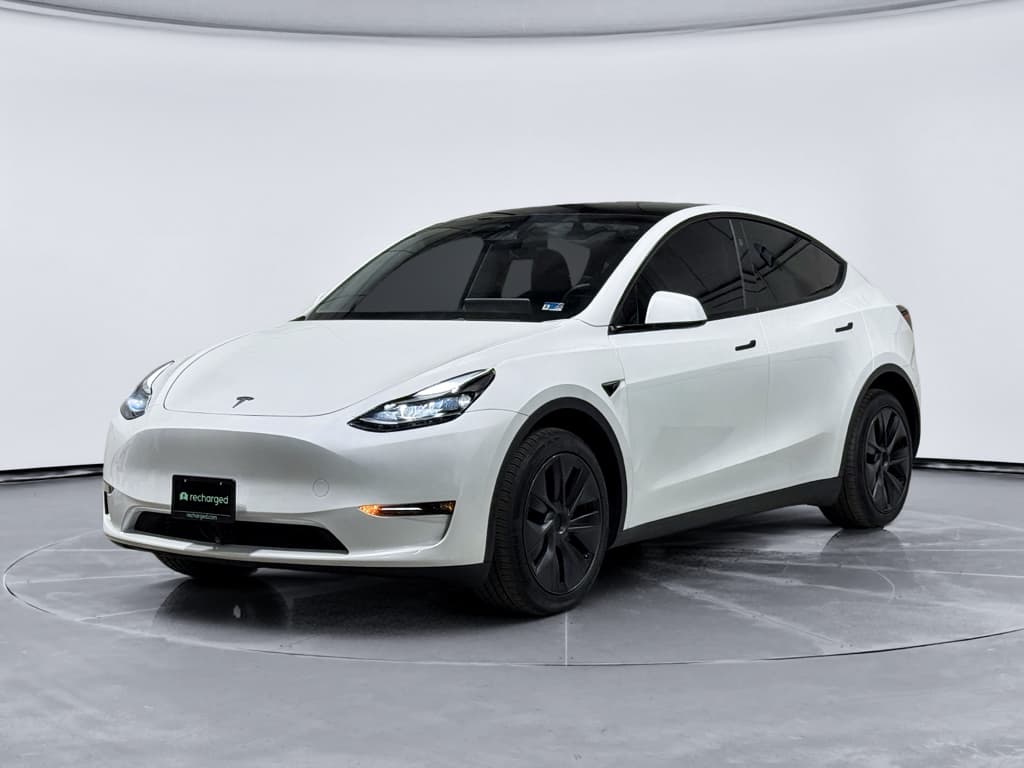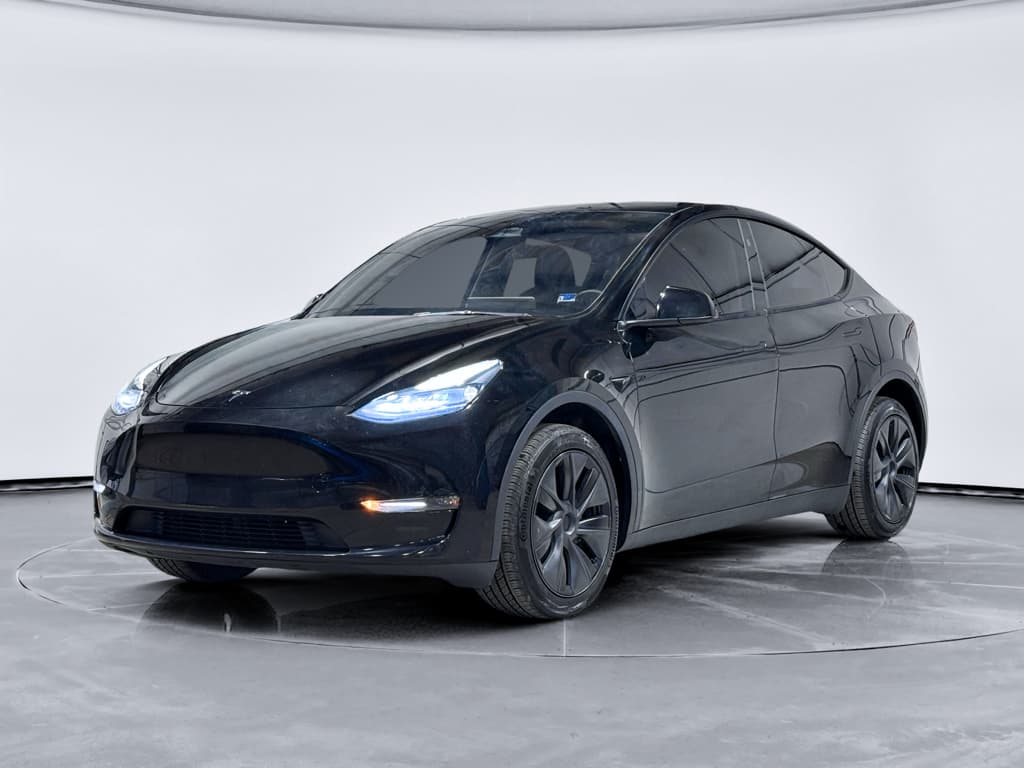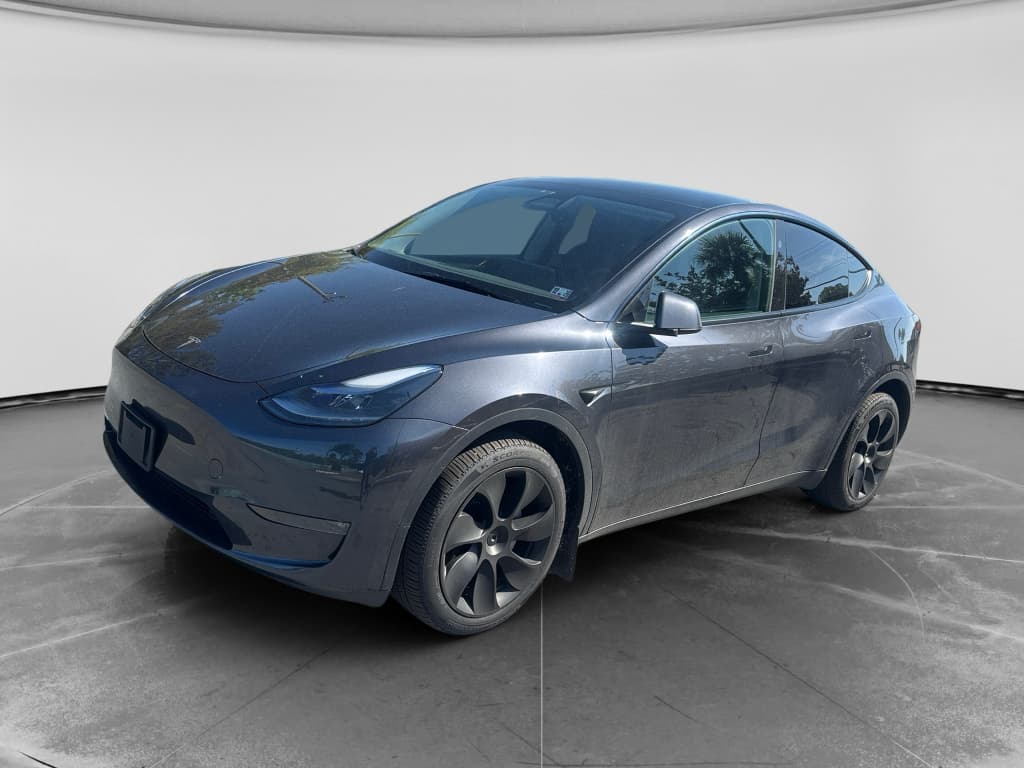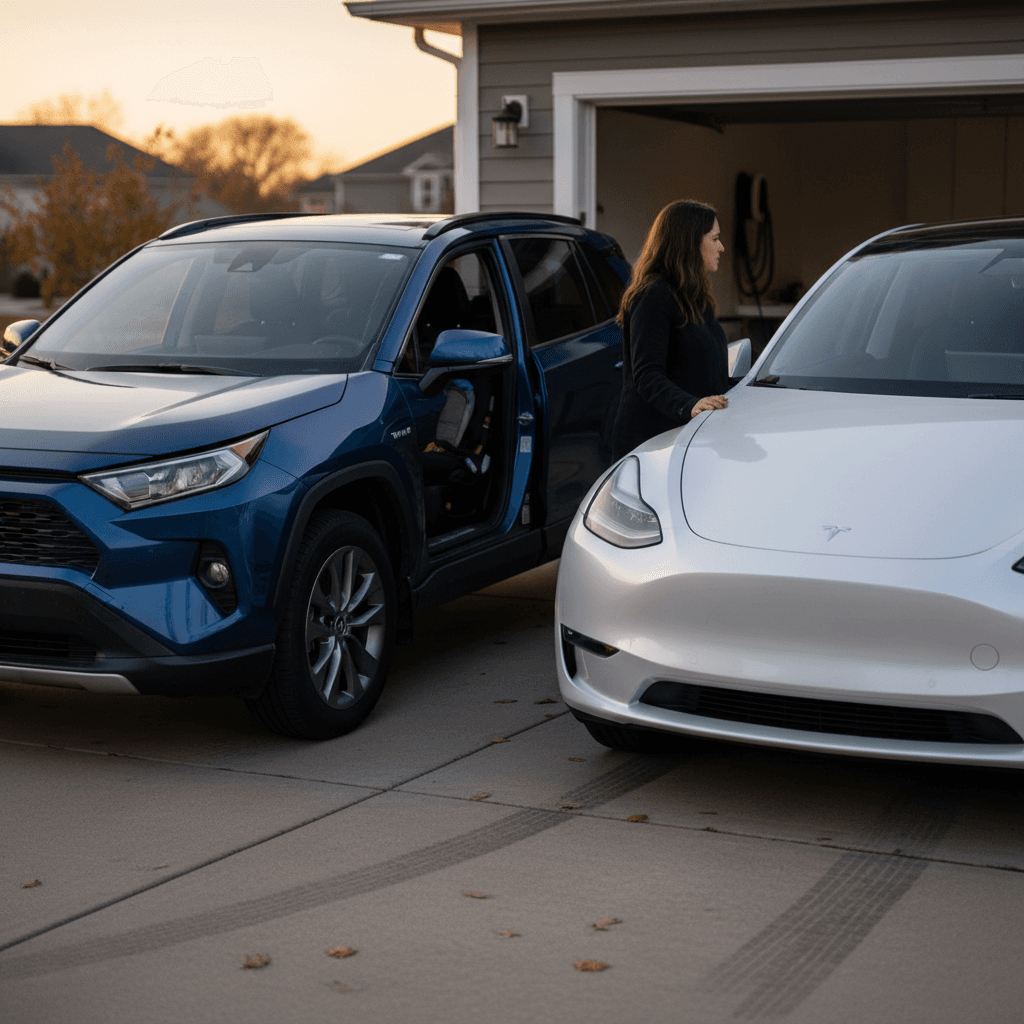
If you’re a Toyota RAV4 owner thinking about switching to a Tesla Model Y, you’re not alone. The RAV4 and Model Y trade the top sales spots globally, and a lot of drivers are debating the same move you’re considering. This owner-style review walks through what really changes when you trade a RAV4 (gas, Hybrid or Prime) for a Model Y, driving feel, charging, costs, comfort, and the surprises you only notice after the honeymoon period.
Context matters
Who this RAV4-to-Model-Y review is for
- Current Toyota RAV4 gas owners tired of fuel costs or wanting something quicker and more modern.
- RAV4 Hybrid or RAV4 Prime drivers wondering if full EV life (and charging) is a big leap.
- Leasers with a RAV4 term ending who are considering jumping to a Tesla Model Y instead of renewing.
- Shoppers comparing a used Model Y to a new or lightly used RAV4 and trying to understand real-world trade-offs.
Rather than a spec-sheet comparison, this is written from the standpoint of, “I know what living with a RAV4 is like, what actually changes if I go Model Y?”
Quick take: Should a RAV4 owner switch to a Tesla Model Y?
RAV4 owner → Model Y at a glance
If you loved your RAV4 for its reliability, simplicity and go‑anywhere practicality, a Tesla Model Y will feel like a big step up in performance and tech, but also a step into a more complex, software‑centric world. The switch makes the most sense if you drive a lot of miles, have reliable home charging, and value the EV driving experience more than rock-bottom insurance costs or maximum dealership convenience.
Who’s the ideal switcher?
Driving experience: RAV4 vs Tesla Model Y
What RAV4 owners are used to
- Comfortable but conservative ride, tuned for commuting and light adventures.
- In gas trims, a traditional automatic or CVT that can feel busy when you push it.
- Hybrids and Primes feel smoother and punchier, but still very “Toyota” in character.
- Steering and handling are predictable but not sporty, confidence rather than excitement.
What changes with a Model Y
- Instant torque: the Model Y feels much quicker off the line than any RAV4.
- Smoother, quieter power delivery, no gear shifts, no engine noise.
- More planted feel in corners, especially in Dual Motor AWD trims.
- Ride can be firmer than RAV4, especially on 20" wheels, so rough roads are more noticeable.
Ride quality surprise
Overall, if one of your complaints about the RAV4 is that it feels a bit slow, noisy, or dated to drive, the Model Y will feel like a big upgrade. If you mainly love how soft and relaxed your RAV4 rides on broken pavement, the switch is more of a trade than an outright win.

Charging vs gas: what day-to-day really feels like
RAV4 gas tank vs Model Y battery in real life
Same weekly errands, very different refueling routine
RAV4 routine
- Fill up every 1–2 weeks at a gas station.
- 5–10 minutes, but always a separate errand.
- Price swings with gas markets.
Model Y with home charging
- Plug in at home a few nights per week.
- Wakes up with a “full tank” for commuting.
- Electricity rates are more predictable than gas.
Model Y without home charging
- Rely on public Level 2/DC fast charging.
- Can mean 1–2 dedicated charging stops weekly.
- Costs more than home power and requires planning.
Home charging is the make-or-break factor
Most RAV4 owners are used to treating fuel as an occasional chore. In a Model Y with home charging, you’ll think about “fuel” less, not more, plugging in becomes a quick, nightly habit. On the flip side, if you go from a gas RAV4 with cheap fill‑ups at a nearby station to a Model Y with no home charging, you may feel like you downgraded your convenience even if you like the car more.
Ownership costs: when a Model Y is cheaper (and when it isn’t)
Many shoppers assume an EV is automatically cheaper to own. For a RAV4 owner switching to a Model Y, the story is more nuanced: you’ll probably spend less on “fuel” and routine maintenance, but more on insurance, tires, and potentially upfront price.
Typical 5‑year cost snapshot: RAV4 vs Model Y (U.S. example)
Illustrative numbers assuming ~12,000 miles/year, mostly home charging for the Tesla and regular gas for the Toyota. Actual costs vary by state, driving habits and model year.
| Category | Used Tesla Model Y | Used Toyota RAV4 (gas/Hybrid) |
|---|---|---|
| Purchase price | Often higher than an equivalent-year RAV4, especially for Long Range/AWD trims | Lower than Model Y for similar age/miles in most markets |
| Energy / fuel | Often $500–$700/year with home charging; more if you Supercharge a lot | $1,200–$1,700/year depending on mpg and gas prices |
| Insurance | Commonly $1,800–$2,500/year | Often $1,300–$1,800/year |
| Maintenance | Lower for basics (no oil changes, fewer fluids) | Higher for fluids and engine-related service, but parts are cheap and widely available |
| Unexpected repairs | Can be expensive and Tesla-dependent for body/battery work | Usually cheaper; huge independent shop network |
| Depreciation | Can be steeper year‑to‑year as EV tech evolves | Historically strong; RAV4s hold value extremely well |
These are directional ranges, not quotes, use them to frame your expectations, not as hard offers.
Where Recharged fits in
When a Model Y usually beats a RAV4 on cost
You drive a lot of miles
If you’re closer to 15,000–20,000 miles per year, the fuel/energy savings from switching out of gas can meaningfully outweigh higher insurance.
You mostly charge at home
Home electricity, especially with off‑peak rates or solar, keeps your per‑mile cost very low. Heavy fast‑charging erodes the savings.
You keep cars for 5+ years
Long-term owners benefit most from lower routine maintenance. Short turnover can make depreciation volatility hurt more on an EV.
You’re buying used, not new
Letting the first owner absorb the steepest depreciation on a Model Y makes the economics look much friendlier compared with a brand‑new RAV4.
Space, comfort and practicality for families
Cargo and seating
- Both vehicles are compact crossovers with usable back seats and generous cargo space.
- The RAV4’s boxier shape can make bulky items easier to load; the Model Y’s hatch is large but the roofline slopes.
- Optional third‑row jump seats in some Model Ys are very tight and best for kids in a pinch, not adults.
Comfort and noise
- RAV4: Generally softer suspension and more road isolation, especially on smaller wheel packages.
- Model Y: Quieter powertrain (no engine) but more road and tire noise; ride can feel firmer.
- Cabin layout is minimalist in the Model Y, almost everything, including climate, runs through the center screen.
Family test: car seats and cargo
For most families, moving from a RAV4 to a Model Y won’t feel like a downgrade in space, but it will feel different. The Model Y feels more airy and modern inside, while the RAV4 often wins for traditional practicality, extra storage cubbies, and that slightly taller, more squared‑off feel.
Tech and features: from buttons to big screens
Here’s where the switch from RAV4 to Model Y can feel the most dramatic. Toyota leans on physical controls and conventional infotainment, while Tesla leans almost entirely on software and a single center screen.
How tech changes when you leave Toyota for Tesla
Same crossover shape, very different control philosophy
Controls
- RAV4: Physical buttons and knobs for climate, volume, drive modes.
- Model Y: Nearly everything via the touchscreen and steering‑wheel scrolls.
Navigation & apps
- Tesla’s native navigation is tightly integrated with charging stops.
- Built‑in streaming, games, and over‑the‑air software updates.
Driver assistance
- RAV4 offers Toyota Safety Sense with lane‑keep and adaptive cruise.
- Model Y adds more aggressive lane‑centering and optional Autopilot upgrades, but they require you to trust the software more than in the RAV4.
Learning curve alert
One upside many RAV4 owners appreciate: Tesla’s constant over‑the‑air updates mean features, range estimates, and the user interface can improve over time, something a traditional RAV4 won’t do once it leaves the dealer lot.
Reliability, maintenance and repair experience
Toyota has built its reputation on reliability, and the RAV4 is one of the brand’s poster children. The Tesla Model Y is simpler mechanically, no engine, transmission or exhaust, but the ownership experience is different enough that it’s worth going in with eyes open.
- Routine maintenance: The Model Y skips oil changes and many traditional services. You’ll still need tires, wiper blades, cabin filters, and brake fluid checks, but your calendar of dealer visits is generally lighter than with a gas RAV4.
- Tires and consumables: The Model Y’s weight and instant torque can wear tires faster than your RAV4, especially if you drive aggressively. Budget accordingly, premium EV‑rated tires are not cheap.
- Repairs and body work: With a RAV4, you can choose from thousands of independent shops and dealers. With a Model Y, you’re usually working through Tesla Service or a smaller network of EV‑qualified shops, which can mean higher repair rates and longer wait times in some regions.
- Software and electronics: Instead of worrying about head gaskets and transmissions, you’ll be thinking more about software bugs, sensors, and occasional glitches that require app‑scheduled service visits.
Battery health is the big swing factor
Tips if you’re trading a RAV4 for a used Model Y
Checklist: make your RAV4 → Model Y switch smooth
1. Be honest about your charging situation
Before falling in love with the idea of a Tesla, confirm whether you can install a Level 2 charger at home or in your building. If not, map out realistic public charging options near work and home.
2. Run a full cost-of-ownership comparison
Include energy, insurance, financing, and maintenance. Use your real annual mileage and local power/gas prices, not generic averages.
3. Focus on battery health and warranty
For a used Model Y, check remaining battery and drivetrain warranty coverage, and get an independent battery‑health assessment where possible, built into the Recharged Score when you shop on Recharged.
4. Drive both on the same roads
Test drive a Model Y over the same potholes, highways and commutes you know from your RAV4. Pay attention to ride firmness, visibility, and how you feel about the all‑screen interface.
5. Compare cargo and car-seat fit
If you’re hauling kids, pets or gear, bring your car seats or main cargo items to the test drive. Make sure the Model Y works for your real life, not just on paper.
6. Consider a used Model Y with verified history
A well‑vetted used Model Y can offer huge value compared with buying new. Recharged can help you stack a Model Y against your current RAV4 with trade‑in options, battery-health reports, and nationwide delivery.
FAQ: RAV4 owner switching to Tesla Model Y
Frequently asked questions
Bottom line: Is switching from RAV4 to Model Y worth it?
If you’re happy with your Toyota RAV4 because it’s easy to own, inexpensive to insure, and does everything “well enough,” a Tesla Model Y is not a mandatory upgrade. It’s a different kind of crossover: faster, more high‑tech, quieter in power delivery, but potentially more expensive to insure and repair, and more dependent on your charging situation.
The switch tends to pay off for RAV4 owners who drive a lot, can charge at home, and genuinely value the EV driving experience and tech. If that sounds like you, a used Model Y with verified battery health from a specialist marketplace like Recharged can deliver the best of both worlds: lower running costs than your gas RAV4, and a safer, more transparent path into EV ownership.
Before you sign anything, line up three things: a realistic charging plan, real insurance quotes for the VIN you’re considering, and a clear view of battery health. Nail those, and trading your RAV4 for a Tesla Model Y can feel less like a gamble and more like a well‑calculated upgrade.