If you’re eyeing a used BMW i7, the big questions hit fast: what’s a fair price after 3 years, how hard has it depreciated, and will the battery still deliver the range you expect? With luxury EVs, those answers matter even more than they do with gas cars.
Why 3 years is the sweet spot
BMW i7 3‑Year Value Overview
The BMW i7 arrived as BMW’s flagship electric sedan, with six‑figure MSRPs once you add typical luxury options. That makes its 3‑year resale value both a big opportunity and a potential trap. You’re dealing with a car that depreciates like a German S‑Class, but also carries the new‑tech discount that still follows EVs.
BMW i7 Value Snapshot After ~3 Years (Ballpark)
Depreciation varies by spec
How Much Does a BMW i7 Depreciate in 3 Years?
Exact numbers depend on trim, original price, mileage, and market conditions, but most BMW i7s follow a familiar luxury‑EV curve. The car takes a heavy hit early, then the line begins to flatten.
Illustrative BMW i7 Depreciation Curve (Typical Scenario)
These are ballpark ranges to frame expectations, not guaranteed prices. They assume normal mileage and no major accidents or battery issues.
| Age | Odometer (approx.) | Typical Private‑Party Price Range | % of Original MSRP |
|---|---|---|---|
| New | 0–5,000 miles | $125,000–$130,000 | 96–100% |
| 1 year | 10,000–15,000 miles | $85,000–$95,000 | 65–73% |
| 2 years | 20,000–25,000 miles | $70,000–$82,000 | 54–63% |
| 3 years | 30,000–40,000 miles | $60,000–$72,000 | 46–55% |
Depreciation on a $130,000 new i7 with typical options and average mileage.
That 45–55% value retention at year three is right in line with other flagship luxury sedans, and a touch better than some early luxury EV pioneers that scared buyers with unknown battery longevity. As the market gets comfortable with high‑end EVs, the i7’s curve is starting to look more like a conventional 7 Series, just with a bigger first‑year cliff.
Where Recharged fits in
Why Luxury EVs Drop Fast Early, Then Level Off
1. Sticker shock vs. real‑world demand
The i7’s transaction prices often start well into six figures when new. Early buyers pay for exclusivity and the latest tech; second owners are focused on value per dollar. That gap between prestige pricing and practical shopping drives the big early drop.
2. Tech pace and fear of obsolescence
EV shoppers worry about buying something that will feel outdated in two or three years. As software and charging speeds evolve, first owners eat that uncertainty. By year three, the market has a clearer sense of how the i7 stacks up, so depreciation softens.
3. Incentive and lease effects
Many new i7s are leased. Those subsidized lease deals bake significant depreciation into the residual. When lease returns hit the used market after 24–36 months, they set the tone for what a three‑year‑old i7 is “worth.”
4. Luxury buyers vs. value buyers
New i7 buyers tend to chase options and personalization. Used buyers are more pragmatic: they’ll happily skip a $6,000 audio upgrade if it trims thousands off the price. That shift in priorities explains why highly optioned cars fall harder at first, then stabilize.
Good news for second owners
Battery Health & Range: The Heart of i7 Resale Value
With any EV, the battery pack is the asset. In a BMW i7, it’s also the difference between a car that feels cutting‑edge and one that feels compromised. By year three, you’re not usually fighting catastrophic battery failures, you’re tracking how much usable range is left.
What Shapes a 3‑Year‑Old i7’s Battery Value?
Most i7 packs age gracefully if they’ve been driven and charged sensibly.
Climate & storage
i7s that live in extreme heat, park outdoors, or sit for long stretches at 100% charge tend to show more degradation. Garage‑kept cars in moderate climates age better.
Fast‑charging habits
Occasional DC fast charging is fine. Packs that lived on 350 kW chargers for every road trip can show more wear than those mostly charged on Level 2 at home.
Mileage vs. use pattern
Thirty thousand highway miles with gentle charging can be easier on the battery than fifteen thousand stop‑and‑go miles plus constant high‑power fast charging.
How Recharged checks battery health
Ready to find your next EV?
Browse VehiclesOptions & Trims That Hold Their Value Better
Not every dollar you spend on options comes back when it’s time to sell. The BMW i7 is a rolling tech showcase, but the used market is picky about which upgrades it actually rewards.
BMW i7 Features the Used Market Likes (and Ignores)
Core powertrain over exotic packages
Shoppers care more about having the right battery and motor setup than ultra‑niche option bundles. A well‑equipped mainstream trim often resells better than a maxed‑out “halo” spec.
Driver assistance and safety tech
Adaptive cruise, lane‑keeping systems, and parking aids tend to hold value because they change how relaxing the car is to drive every day.
Comfort features that age well
Heated and cooled seats, quality leather, and a good seat design matter to second owners. Ultra‑specific luxury add‑ons (like ornate interior packages) don’t always command big premiums used.
Infotainment and sound systems
Premium audio can be a selling point, but used buyers won’t pay anywhere near original option prices for it. It helps the car move faster more than it boosts resale dollar for dollar.
Wheel and tire choices
Huge wheels look dramatic on the lot and ding range and ride quality later. Practical wheel sizes and well‑maintained tires are worth more to a used buyer than the biggest rim in the brochure.
Color and interior combinations
Conservative exterior colors with tasteful interiors tend to sell faster than wild palettes. When in doubt, think timeless, not trendy.
When high options work against you
3‑Year Cost of Ownership: BMW i7 vs Rivals
Depreciation is only one line on the spreadsheet. If you’re comparing a three‑year‑old BMW i7 with something like a Mercedes EQS or a Lucid Air, you also want to look at running costs and real‑world range.
BMW i7 vs. Comparable Luxury EVs After 3 Years (High‑Level View)
Illustrative comparison of three‑year‑old flagship luxury EVs with similar original prices and mileage.
| Model (3 yrs old) | Typical Price vs. New | Perceived Range Retention | Charging Experience |
|---|---|---|---|
| BMW i7 | ~45–55% of original price | High – solid range if well‑maintained | Strong DC fast‑charging and home charging flexibility |
| Mercedes EQS Sedan | ~40–50% of original price | Medium – aero‑focused, but efficiency varies | Good, but network comfort depends on region |
| Lucid Air | ~40–55% of original price | Very high – strong range leader | Excellent DC fast‑charging, more limited network footprint |
| Tesla Model S (latest gen) | ~55–65% of original price | High – range and network synergy | Best‑in‑class charging network access in many regions |
These are directional comparisons, not firm quotes, assuming mid‑trim cars with average equipment and around 30,000–40,000 miles.
The i7’s niche
How to Evaluate a 3‑Year‑Old BMW i7
When you’re shopping for a three‑year‑old i7, you’re not just checking the usual luxury‑car boxes. You’re also doing a bit of detective work on the battery and charging history. The trick is focusing on what actually affects long‑term value, not just shiny options.
Pre‑Purchase Checklist for a 3‑Year‑Old i7
1. Pull a detailed battery health report
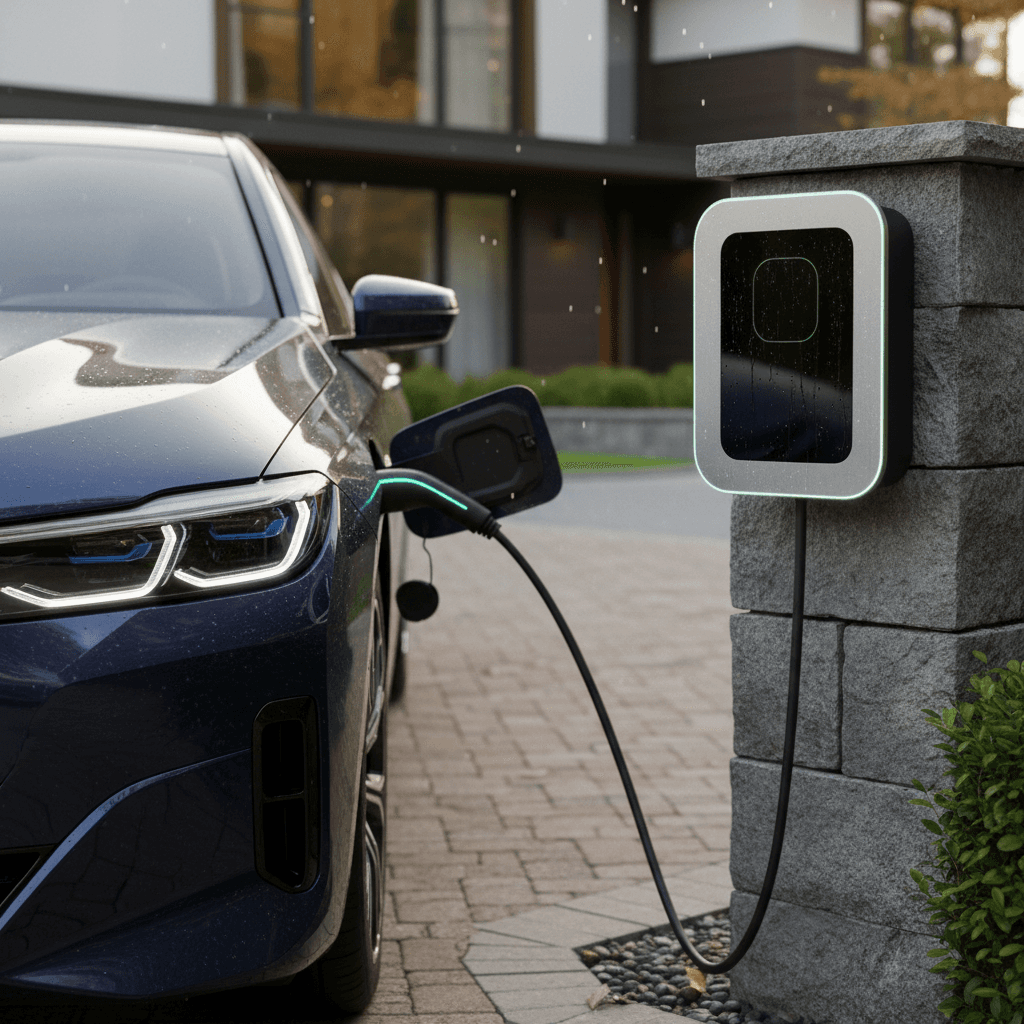
You want more than a dash‑display range estimate. A proper battery diagnostic, like the Recharged Score battery health analysis, shows current capacity, projected range, and any warning signs.
2. Review charging and service history
Ask how the car was charged (mostly home Level 2 vs. constant fast-charging) and get records of any high‑voltage system service. Consistent, boring history is good news.
3. Check for software and recall updates
BMW regularly refines EV software. Make sure the car has received recommended updates, including any campaigns related to charging, safety systems, or battery management.
4. Test real‑world range on a mixed drive
If possible, take a longer test drive that includes highway and city miles. Compare trip computer efficiency and projected range to what you expect from a healthy pack.
5. Inspect tires, brakes, and suspension
The i7 is heavy, powerful, and quiet, easy on ears, harder on consumables. Uneven tire wear or tired dampers can be expensive fixes on a big luxury EV.
6. Verify remaining warranty coverage
Confirm in writing exactly how much factory warranty remains on both the vehicle and the high‑voltage battery. That coverage is a big part of the value equation at year three.
Let someone else do the homework
Pricing Benchmarks & What Counts as a Good Deal
Used‑car hunting always tempts you to chase the absolute lowest number. With a three‑year‑old BMW i7, a “cheap” example that’s been abused or poorly maintained can cost more in the long run than a fairly priced, well‑documented car.
Spotting a Smart 3‑Year‑Old i7 Purchase
Look beyond the sticker to the story behind the car.
Price vs. original MSRP
For many three‑year‑old i7s, expect asking prices in the 45–55% of original MSRP range for average miles and solid condition. Outliers should have clear reasons, either issues or exceptional specs.
Miles vs. age
30,000–40,000 miles is perfectly normal. Extremely low miles can be nice, but you don’t want a car that sat unused and uncharged for long periods either.
Condition & verification
A clean history, documented service, strong battery report, and remaining warranty can justify paying a bit more than the rock‑bottom example down the street.
Beware of “too cheap to be true” i7s
Financing & Warranty Strategies for a Used i7
Because a three‑year‑old BMW i7 has already taken its biggest depreciation hit, smart financing can make the monthly cost surprisingly reasonable compared to leasing new. But you want that payment aligned with the car’s likely remaining sweet‑spot years.
Match loan length to comfort zone
A seven‑year loan on a three‑year‑old luxury EV stretches risk. Many buyers are more comfortable with 48–60‑month terms, so they’re not still paying once the car is deep into out‑of‑warranty territory.
Leverage pre‑qualification
Getting pre‑qualified, like you can through Recharged, lets you shop specific i7s knowing exactly what your budget and rate look like, without dinging your credit just to window‑shop.
Warranty Coverage to Look For
A little paper goes a long way toward protecting your investment.
Remaining factory basic warranty
Three‑year‑old i7s may still have basic bumper‑to‑bumper coverage, depending on in‑service date and mileage. Confirm exact expiration dates.
High‑voltage battery warranty
EV battery warranties typically run much longer than basic coverage. Knowing you’ve got years of battery protection left is a major comfort factor.
Certified or third‑party coverage
Some used i7s come with CPO‑style coverage or a reputable extended service contract that covers expensive components beyond year three.
How Recharged can help with the numbers
FAQ: BMW i7 Value After 3 Years
BMW i7 3‑Year Value, Frequently Asked Questions
Should You Buy a BMW i7 at 3 Years Old?
If you like your sedans big, quiet, and unapologetically plush, a three‑year‑old BMW i7 can be a bit of a secret handshake. The original owner paid for the early‑adopter glow; you get most of the experience for far less money, so long as you buy with your eyes open.
Focus on battery health, warranty coverage, and realistic pricing rather than chasing the cheapest example you can find. A well‑documented, fairly priced i7 with a strong battery report is usually a better bet than a rock‑bottom car with a mysterious past.
If you want help sorting the gems from the gambles, Recharged is built for exactly this moment in the EV market, where used luxury EVs like the i7 are starting to look very tempting. Every car comes with a Recharged Score battery health diagnostic, transparent pricing, expert EV support, and optional financing and delivery. That leaves you free to concentrate on the fun part: deciding which three‑year‑old i7 you actually want to live with.