If you’re shopping for a used plug‑in hybrid, a used Toyota Prius Prime sits right in the bullseye of rational decision‑making. It’s frugal, usually bulletproof, and still slips under the radar on dealer lots. This Toyota Prius Prime used buying guide walks you through model years, batteries, warranties, pricing, and the specific trouble spots to check before you sign anything.
What exactly is the Prius Prime?
Why the Prius Prime makes sense as a used buy
Core strengths of a used Prius Prime
Three big reasons it’s one of the smartest used plug‑in buys
Ultra‑low running costs
Driven mostly on electricity, a Prius Prime can deliver the fuel bills of an e‑bike. Even when the gas engine runs, you’re in 50+ mpg territory in hybrid mode.
Battery longevity record
Prius family hybrids have a long track record of battery packs routinely crossing 150,000–200,000 miles with only gradual degradation when properly maintained.
Toyota reliability and resale
Toyota’s reputation and strong resale values cushion depreciation. That matters if you’re buying a used plug‑in and plan to exit in a few years.
Who the Prius Prime fits best
Prius Prime generations and key model years
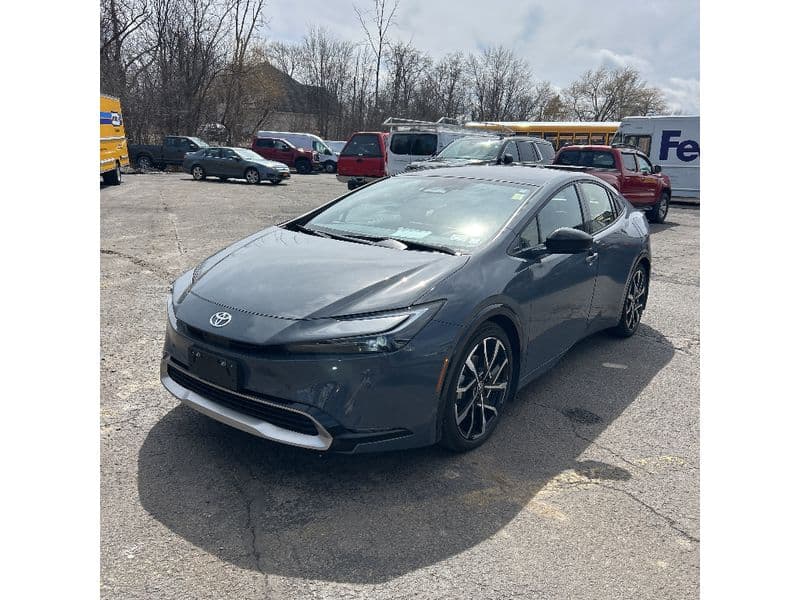
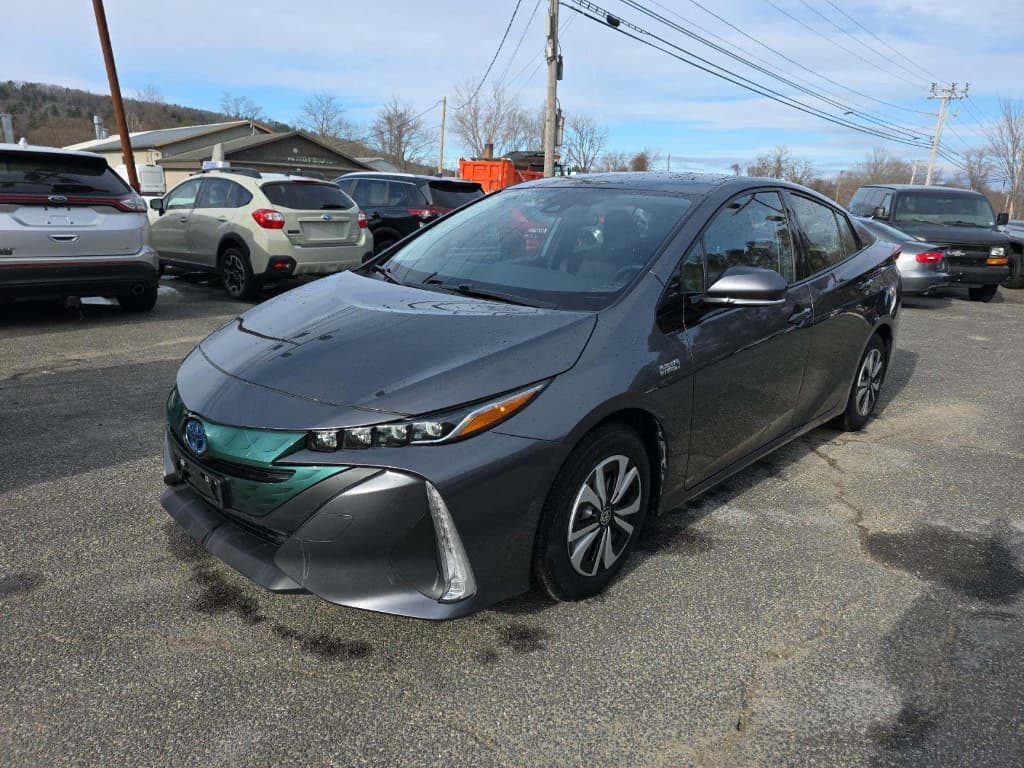
There are two broad eras of used Toyota Prius Prime you’ll see on the market right now: the wedge‑shaped **first‑gen (2017–2022)** and the dramatically restyled **second‑gen (2023–present)**, which was renamed Prius Plug‑in Hybrid for the 2025 model year in some markets. Under the sheetmetal, both are plug‑in Priuses, but they feel very different from behind the wheel.
Toyota Prius Prime model years at a glance
Use this to orient yourself when browsing used listings.
| Generation | Model years (US) | Seats | Approx. EV range | Notable changes |
|---|---|---|---|---|
| 1st gen (XW50) | 2017–2019 | 4 | ~25 mi | Launch of Prius Prime; distinctive split‑glass rear hatch; 4‑seat layout with rear console |
| 1st gen (update) | 2020–2022 | 5 | ~25 mi | Rear bench redesigned for 5 passengers; expanded driver‑assist tech and standard features |
| 2nd gen (XW60) | 2023–2024 | 5 | ~39–44 mi | All‑new design, much stronger performance, bigger battery and range, modern infotainment and safety tech |
| 2nd gen rename | 2025–present | 5 | ~39–44 mi | In some markets renamed Prius Plug‑in Hybrid; mechanical package similar to 2023–24 |
Battery range figures are EPA estimates when new.
The styling question
Best value sweet spots
- 2020–2022 Prius Prime – Last years of the first‑gen, with 5 seats, mature hardware, and the updated 10‑year/150,000‑mile hybrid battery warranty in CARB states.
- 2018–2019 Prius Prime – Often cheaper than 2020–22, still with solid equipment, though officially a 4‑seater.
When to stretch for Gen 2
- 2023–2024 cars bring much stronger acceleration, a nicer interior, and more EV range. If you want something that feels genuinely modern and can afford near‑new pricing, they’re the pick.
- From a pure dollars‑and‑sense standpoint, though, early‑20s first‑gen cars will usually be the better value.
Battery, range and warranty on a used Prius Prime
Battery anxiety is the ghost at the banquet for every used plug‑in. With the Prius Prime, the news is mostly good, but you still need to understand what you’re buying: how far it goes on electricity, what’s left of the warranty, and what degradation looks like in the real world.
Prius Prime battery & warranty basics
Know which battery is which
In the US, Toyota’s hybrid battery warranty for the Prius family shifted for the 2020 model year: most cars built for 2020 and later receive 10 years or 150,000 miles of coverage on the hybrid battery, whichever comes first, in many states. Earlier cars were typically covered for 8 years/100,000 miles, with longer coverage in certain CARB emissions states. That hybrid battery warranty is transferable to subsequent owners, which is a big deal for used‑car shoppers.
How to check remaining battery warranty
Reliability and common issues to know about
The Prius nameplate’s reputation is such that taxi fleets treat them like immortal cockroaches in a world of fruit flies. The Prime version inherits most of that toughness, but it isn’t perfect. Early build years and the current‑gen cars have a few themes you should be aware of when buying used.
Common Prius Prime trouble spots (by era)
These aren’t automatic deal‑breakers, but they’re worth asking about.
2017–2019: early‑build bugs
- Occasional reports of hybrid system warnings and stalling tied to software or inverter issues.
- Isolated cases of cooling system or heat‑exchanger problems shared with the regular Prius.
- Infotainment glitches and dated head unit.
2020–2022: mostly de‑bugged
- Mechanically mature, but still watch for soy‑coated wiring chewed by rodents on any low‑nose hybrid.
- Normal wear‑and‑tear issues: wheel bearings, shocks, 12‑volt battery aging after 5–6 years.
2023+ Gen 5: growing pains
- Scattered owner reports of 12‑volt battery failures and charging‑system warnings while the car is still under warranty.
- Some early reports of software gremlins and intermittent infotainment or driver‑assist quirks.
The big red flags
Beyond those specifics, the Prius Prime shares the Prius family virtues: modest maintenance costs, long‑lived engines and transmissions, and far fewer catastrophic failures than most plug‑in hybrids. The wildcards are mostly externalities, rodents chewing wiring, bad body repairs, neglectful owners who never change coolant or transmission fluid. That’s why a proper inspection matters more than obsessing over forum anecdotes.
How much you should pay for a used Prius Prime
Used Prius Prime pricing is wildly sensitive to mileage, region, and how hot the broader hybrid/EV market is this month. But you can use a few broad ranges to sanity‑check listings before you drive across town to see a car that’s $5,000 too high.
Typical used Prius Prime price bands (US, ballpark)
These are rough nationwide retail ranges for clean‑title cars with average mileage. Local markets will vary.
| Model years | Mileage band | Likely price band | What you’re getting |
|---|---|---|---|
| 2017–2018 | 60k–100k | $14,000–$19,000 | Early cars, 4‑seat layout, older infotainment but very low operating costs. |
| 2019–2020 | 40k–80k | $18,000–$23,000 | Updated first‑gen with better equipment; sweet‑spot value for most buyers. |
| 2021–2022 | 20k–60k | $22,000–$27,000 | Late first‑gen with remaining hybrid battery warranty and more modern safety tech. |
| 2023–2024 | Under 40k | $30,000–$38,000 | Current‑gen cars; often priced close to new because supply is tight and demand high. |
If a car is significantly outside these ranges, make sure there’s a very good reason.
Factor incentives into the math
If you don’t want to play amateur pricing analyst, Recharged can help here. Every used EV we list, including plug‑in hybrids like the Prius Prime, comes with a Recharged Score that bakes in market comps, condition, and battery health so you can see at a glance whether the price is fair.
Used Prius Prime buying checklist
Essential checks before you buy a used Prius Prime
1. Verify model year and trim
Confirm the exact year, trim, and options from the VIN sticker and window sticker or build sheet. The difference between an early 4‑seat 2017 and a 5‑seat 2021 matters for daily livability and resale.
2. Pull a full history report
Look for accidents near the rear floor where the battery lives, insurance totals, flood branding, repeated dealer visits for hybrid system faults, and frequent ownership changes.
3. Inspect charge port and cable use
Check the charge port door for damage, bent pins, corrosion, or signs of forced plugs. Ask how often the previous owner actually plugged in, this can hint at how much the traction battery was cycled.
4. Test drive in EV and hybrid modes
Start fully charged, drive a typical commute loop in EV mode, then continue with the battery depleted so the car runs as a regular hybrid. Listen for engine roughness, inverter whine, or clunky transitions.
5. Scan for warning lights and codes
Any check‑engine, hybrid system, or charging‑system warnings are a yellow flag. Have a shop with hybrid experience scan the car for stored or pending codes before you commit.
6. Check tires, brakes and suspension
Low‑rolling‑resistance tires, fresh brake fluid, and tight suspension bushings all matter to the Prius Prime’s quiet, efficient character. Worn‑out consumables are leverage for negotiation.
How to evaluate Prius Prime battery health
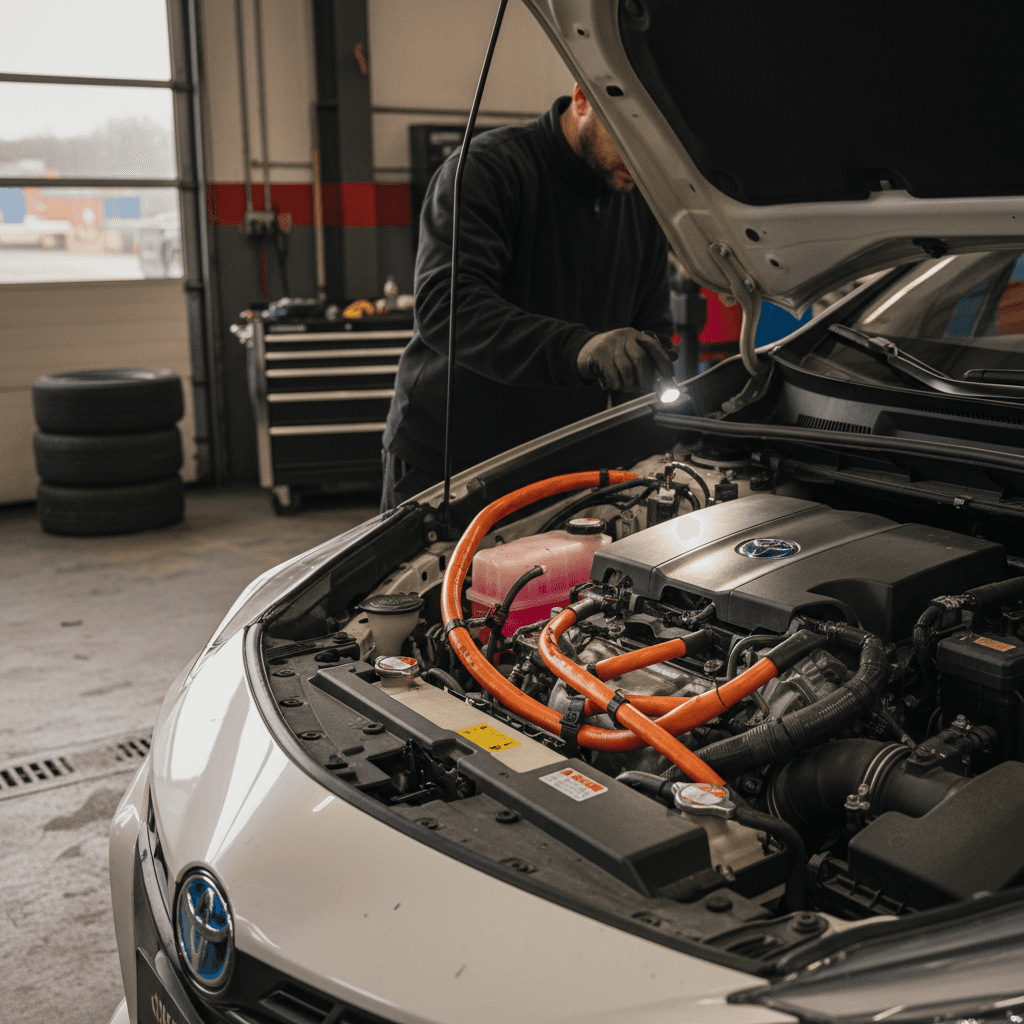
Unlike a pure EV, the Prius Prime doesn’t live or die on its electric range. If the battery loses some capacity, the car quietly falls back on its hybrid side and you just burn a bit more gasoline. Still, you want to know what you’re working with, especially on older, high‑mileage examples.
Four practical ways to judge battery health
You don’t need lab equipment, but you do need a method.
1. Real‑world EV range test
Fully charge the car, reset the trip meter, and drive your normal route at sane speeds with climate control on as needed. If a first‑gen car only manages 8 miles of EV range on a mild day, something’s off.
2. Use onboard readouts or apps
Check the car’s estimated EV range after a full charge and compare it to period EPA numbers. Some owners use OBD‑II dongles and smartphone apps to see state‑of‑health estimates for the pack.
3. Get a professional battery test
A shop with hybrid expertise, or a marketplace like Recharged that performs battery health diagnostics, can run deeper tests, including capacity checks and thermal behavior under load.
4. Watch how it charges
An aging battery will still generally charge, but if you see wildly inconsistent charge times, abnormal heat, or repeated charging‑system errors, it’s time to dig further or walk away.
Aging gracefully is normal
Plug‑in charging 101 for new owners
If you’re coming from a regular Prius, or from the world of pure gasoline cars, plugging in every night can feel like a new chore. It’s actually the easiest part of Prius Prime ownership, and understanding your options will help you shop more confidently.
- Level 1 (120V) charging: Every Prius Prime can charge from a standard household outlet using the included cord. Expect a full charge in roughly 5–6 hours on first‑gen cars and a bit longer on the higher‑capacity second‑gen battery.
- Level 2 (240V) charging: If you install a 240‑volt outlet or wallbox, you can cut charging time roughly in half. This is optional for most commuters but handy if you run multiple errands per day.
- No DC fast charging: The Prius Prime does not support high‑power DC fast charging. For road trips you simply drive it like a regular hybrid and let the gas engine do its thing.
- Charging habits matter, but don’t obsess: Avoid leaving the pack at 0% or 100% for weeks on end, but otherwise Toyota’s conservative battery management does a lot of the worrying for you.
What you need at home
When a Prius Prime is not the right choice
For all its strengths, a used Prius Prime is not the universal answer. There are scenarios where it’s the wrong tool for the job, and you’re better served by a full battery‑electric or a different plug‑in hybrid.
Situations where it may fall short
- Very long, high‑speed commutes: If you routinely drive 80+ miles of highway per day, the Prime spends most of its life as a 50‑mpg hybrid. A long‑range EV may make more sense.
- No place to plug in: Without regular charging, you’re paying for a bigger battery you rarely use. A standard Prius or another conventional hybrid might be smarter.
- Need for cargo or towing: The Prime’s sloping hatch and battery packaging eat into cargo area compared with some compact SUVs.
What to consider instead
- Used battery‑electric hatchbacks and crossovers if you have home charging and want to ditch gas entirely.
- Other PHEVs like the RAV4 Prime if you want all‑wheel drive and more power, albeit at higher prices.
- A non‑plug‑in Prius if you simply want Toyota hybrid efficiency with less complexity and cost.
How Recharged can help you compare
Frequently asked questions about used Prius Prime
Used Toyota Prius Prime FAQ
A used Toyota Prius Prime isn’t the sexiest plug‑in you can buy, but for the right driver it’s arguably the smartest: miserly with fuel, gentle on batteries, and backed by Toyota’s long hybrid track record. The key is to buy with clear eyes, know the generation, understand the remaining battery warranty, and put every candidate through a proper test drive and inspection. If you’d rather not go it alone, Recharged can connect you with used plug‑in hybrids that already have their homework done, complete with a Recharged Score, verified battery health, and EV‑specialist support from first click to delivery.