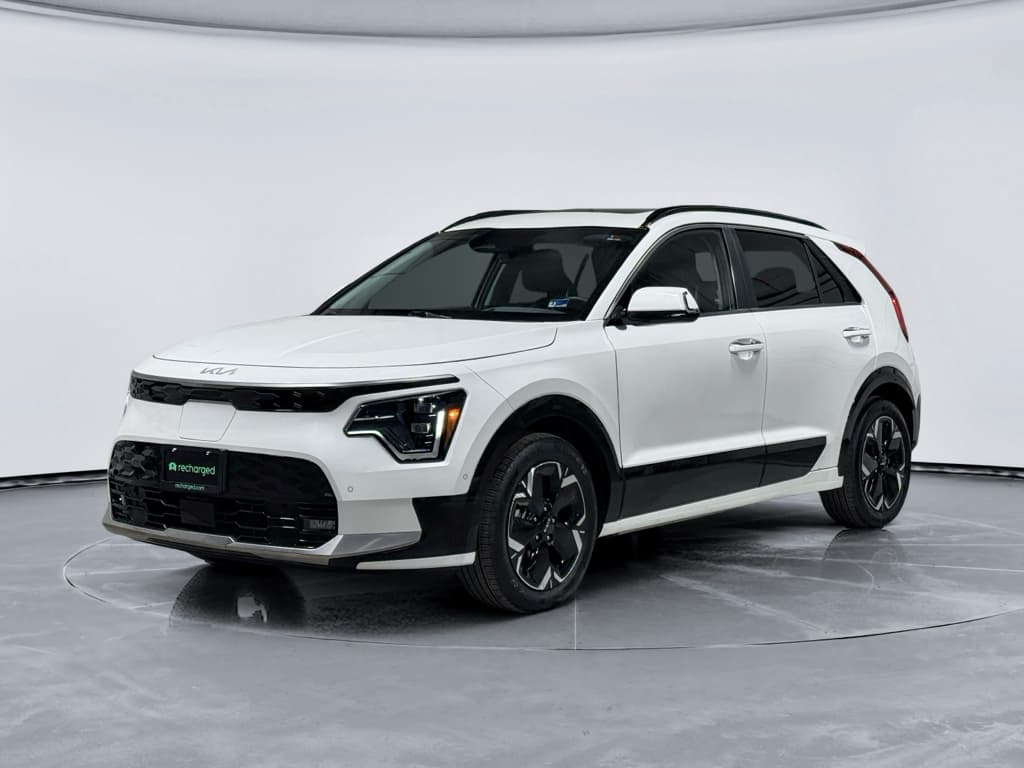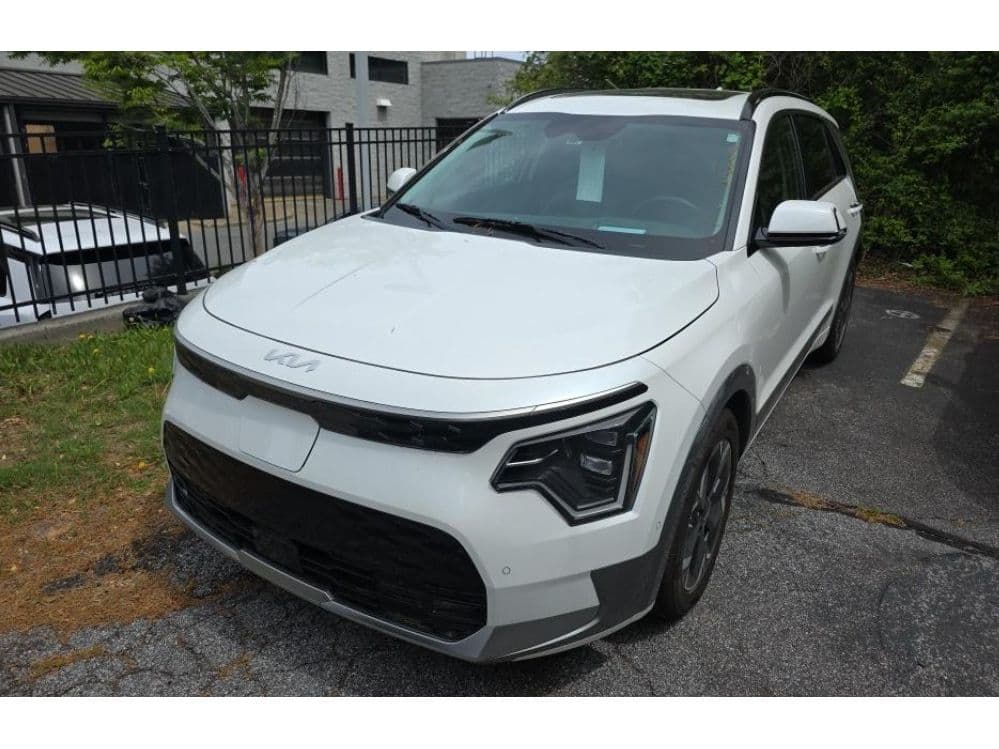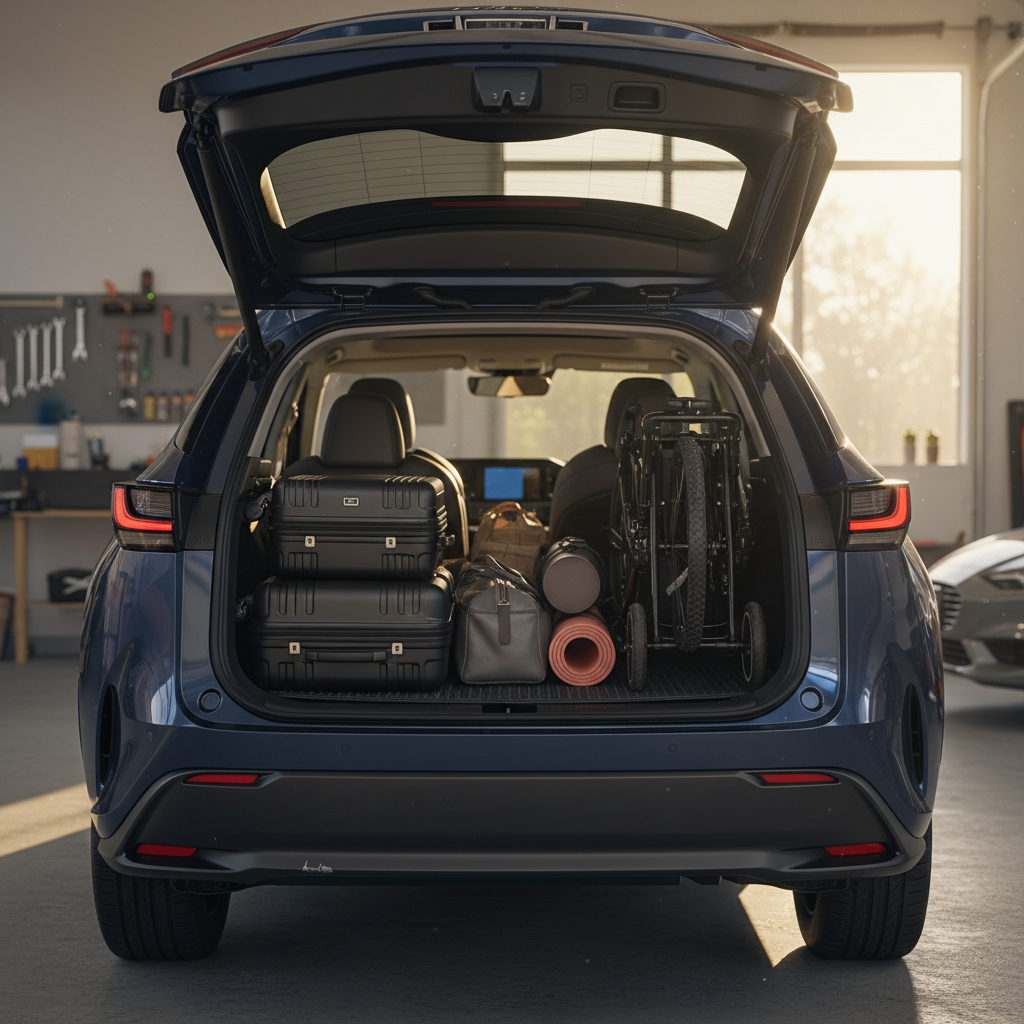
If you own a Kia Niro EV, the phrase “battery replacement” probably sounds like a four‑figure thunderclap. In 2026, a full Kia Niro EV battery replacement is one of the most expensive repairs you can face on this car. The good news: most owners will never pay for one, thanks to the 10‑year/100,000‑mile battery warranty and the Niro EV’s relatively gentle degradation. The trick is understanding the real numbers, your options, and when you’re better off replacing the car instead of the pack.
Quick take
Overview: 2026 Kia Niro EV battery costs at a glance
Kia Niro EV battery cost snapshot for 2026
Those numbers are the 10,000‑foot view. The real story depends on which Niro EV you drive (first‑gen e‑Niro vs. second‑gen Niro EV), how many miles are on it, and whether you’re still under factory battery coverage. Let’s start with what’s actually under the floor.
How big is the Kia Niro EV battery and why it’s expensive
The Kia Niro EV uses a large lithium‑ion battery pack mounted under the floor. First‑generation e‑Niro and U.S. Niro EV models typically carry a 64 kWh pack, while newer models list roughly 64.8 kWh of energy capacity. That’s in the same neighborhood as many compact‑to‑midsize electric crossovers, and it’s a big reason replacement isn’t cheap, there’s simply a lot of battery there.
- Battery chemistry: lithium‑ion polymer pack designed for long life and fast DC charging.
- Nominal capacity: about 64–64.8 kWh depending on model year and market.
- Range when new: roughly 240–260 miles of real‑world mixed driving for most owners.
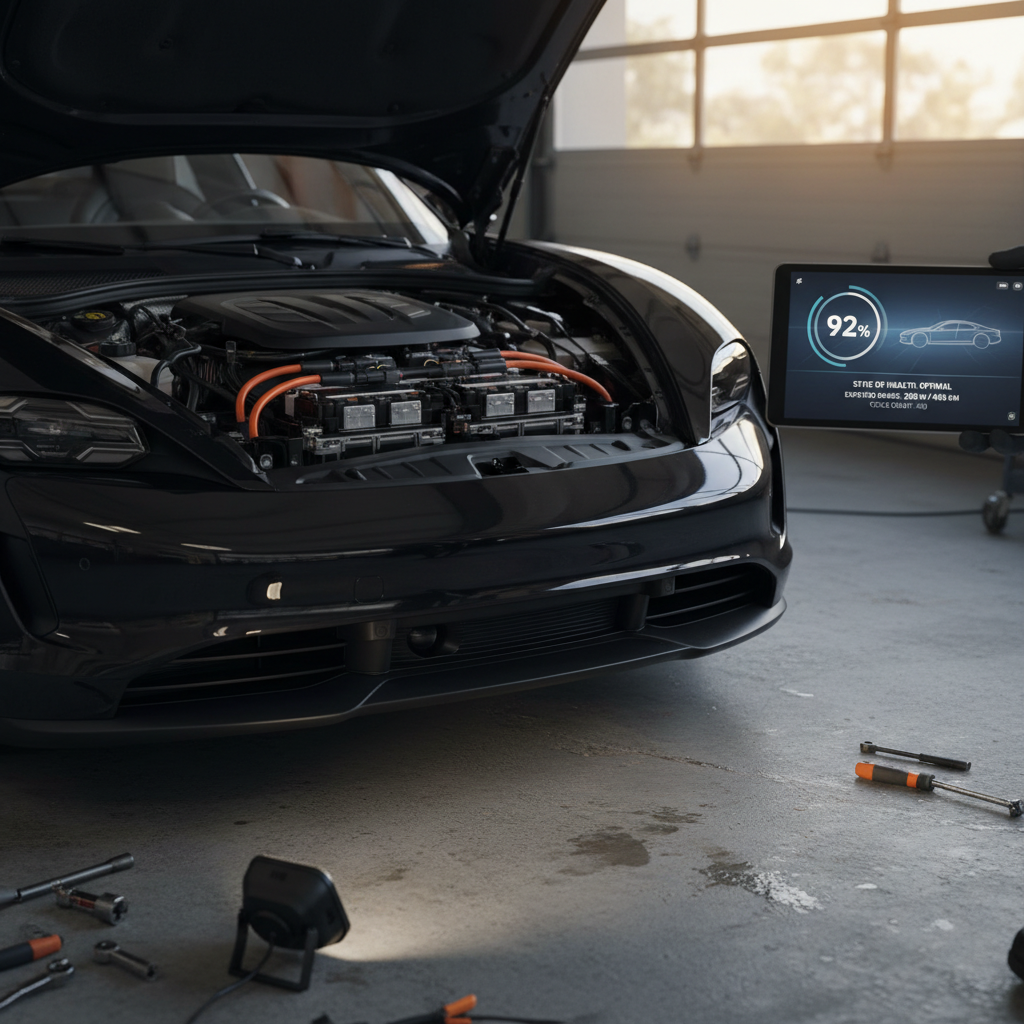
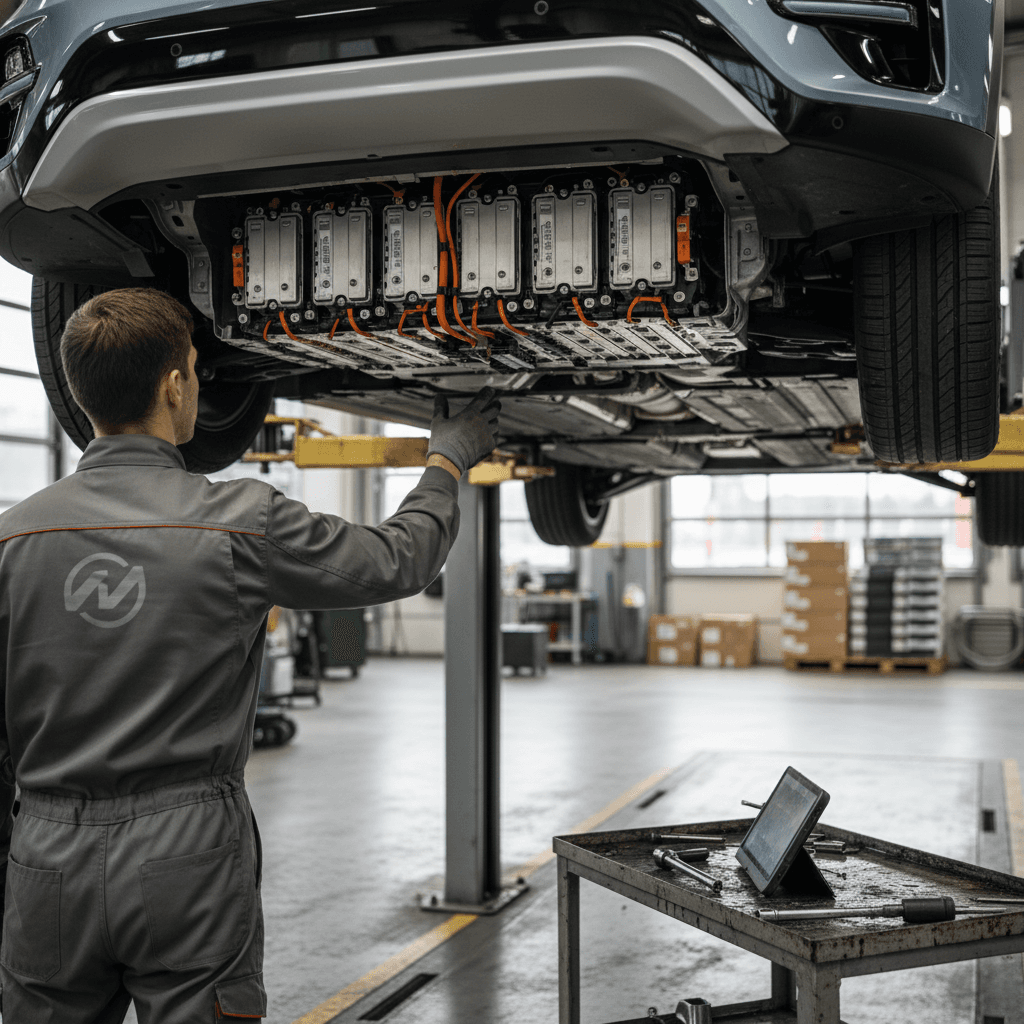
- Battery layout: dozens of modules bolted into a sealed pack, with cooling, sensors, and high‑voltage electronics.
When you buy a replacement pack, you’re not just paying for cells. You’re buying the modules, cooling channels, wiring, contactors, control electronics, and the labor to safely drop a several‑hundred‑pound assembly out of the car and install it again. That’s why any quote under $5,000 for a full high‑voltage pack in 2026 should make you ask a lot of questions.
Kia Niro EV battery replacement cost in 2026
Let’s talk about the number everyone searches for: what does a Kia Niro EV battery replacement cost in 2026? Exact pricing will vary wildly by region, supply, and whether you use new or refurbished components, but we can outline realistic ranges based on pack size and current market data for mid‑size EV crossovers like the Niro EV.
2026 Kia Niro EV battery replacement cost estimates (U.S.)
Approximate price ranges for a full high‑voltage battery pack replacement on a Kia Niro EV once you’re out of warranty. These are directional numbers, not quotes.
| Option | What you’re buying | Battery parts estimate | Labor & fees estimate | Likely total (2026) |
|---|---|---|---|---|
| Kia dealer, new OEM pack | Brand‑new Kia pack, full capacity, installed at a franchised dealer | $9,000–$12,000 | $1,000–$2,000 | $10,000–$14,000 |
| Independent EV specialist, new OEM pack | New pack sourced through Kia or parts distributor, installed by EV‑focused shop | $8,000–$11,000 | $1,000–$1,800 | $9,000–$13,000 |
| Independent EV specialist, refurbished pack | Used or remanufactured Niro EV pack, tested and reconditioned | $5,000–$8,000 | $1,000–$1,800 | $6,000–$9,000 |
| Module‑level repair (select cells/modules) | Replacing only failing modules instead of the whole pack (if available) | $2,000–$4,000 | $1,000–$1,500 | $3,000–$5,500 |
Always get a written, itemized estimate from any shop before committing to a battery replacement.
Sticker shock is normal
If you’re quoted significantly above those ranges for a 2019–2024 Niro EV, you’re probably seeing dealer list pricing for the newest part number, thin supply, or a shop that doesn’t really want to take the job. If you see numbers far below them, make sure you understand whether you’re getting a full pack, a partial repair, or a used salvage unit with minimal testing.
Labor, taxes, and hidden fees you should budget for
Parts are only half the story. Swapping a high‑voltage pack isn’t like tossing in a 12‑volt battery. It’s an involved job that requires trained technicians, specialized equipment, and a shop that’s comfortable working around 400‑plus volts.
- Labor time: Expect 8–15 billable hours for a full pack swap, depending on model year, rust, and how busy the service department is.
- Shop rates: EV‑trained technicians at metro‑area dealers in 2026 can run $175–$250 per hour; independents may be lower but still premium.
- High‑voltage handling fees: Some shops add line items for HV safety procedures, hazmat packaging, and transport of the old pack.
- Diagnostics: Pre‑authorization diagnostics and post‑install verification can add a few hundred dollars if the job isn’t warranty‑approved.
- Taxes and disposal: Sales tax on an $8,000–$12,000 part adds up quickly, and there may be recycling or core charges baked into your quote.
Ask for an itemized estimate
Kia Niro EV battery warranty: will you actually pay anything?
Here’s the twist: most Kia Niro EV owners will never write a check for a full battery replacement. That’s because modern Kia EVs in the U.S. generally carry a high‑voltage battery warranty of about 10 years or 100,000 miles, transferable to subsequent owners. On top of defects in materials or workmanship, Kia also includes capacity coverage, typically if the pack falls below roughly 70% of its original capacity during that period.
- If your Niro EV is less than 10 years old and under 100,000 miles, battery problems are often handled under warranty, assuming maintenance and usage meet Kia’s conditions.
- Capacity loss alone doesn’t automatically trigger replacement; the dealer has to perform diagnostics and confirm you’re below the warranty threshold.
- Normal degradation, say, dropping from 250 miles of range to 215 over several years, is usually considered wear, not a defect.
- Warranty terms can vary slightly by model year and region, so the final word is always in your specific warranty booklet.
Good news for used‑EV shoppers
If you’re worried about a borderline pack, maybe range feels way down compared with new, your first step should be a proper battery health check, not a new‑battery quote. That’s exactly the gap Recharged tries to fill with our battery‑focused inspections and the Recharged Score report.
Repair, replace, or sell the car: what makes sense?
When an estimate for a battery shows up with five digits, you don’t have a parts problem, you have a decision problem. Do you repair the car, try a smaller fix, or walk away and put that money into a different EV?
1. Full pack replacement
Best when your Niro EV is otherwise in excellent shape, you plan to keep it for many more years, and the replacement is covered, or mostly covered, by warranty. Out of warranty, a $10,000–$14,000 bill rarely makes sense unless the car’s value is still high and you absolutely love it.
2. Module‑level repair
Some independent EV shops can replace only the weak modules inside your pack. This can cost a fraction of a new battery but isn’t available everywhere and may not come with OEM‑style guarantees. It’s worth asking about if you’re out of warranty and the car is otherwise solid.
3. Sell or trade instead
If the estimate eats half or more of the car’s market value, shifting gears often wins. You can sell the Niro EV as‑is to a dealer, a specialist, or a marketplace like Recharged, then put that money toward a different EV with a healthier pack and more warranty life.
When replacement rarely makes sense
Buying a used Kia Niro EV? How to judge the battery
If you’re shopping used, you’re trying to do this math in reverse: will I ever be the person who has to buy that new pack? You can’t see battery health on a window sticker, but there are smart ways to stack the odds in your favor.
Four battery checks for a used Niro EV
Simple things you can do before you ever sign the paperwork
1. Look at real‑world range
On a full charge at 100%, what does the car estimate for range in its normal drive mode? A healthy Niro EV that started with ~240 miles when new might show something like 210–230 depending on weather and driving history. If you’re seeing much lower numbers, dig deeper.
2. Check in‑service date and mileage
The date the car first went into service controls the battery warranty clock. A 2020 Niro EV first sold in mid‑2020, with 50,000 miles today, likely has several years of battery coverage left. A very early car with high miles is closer to the warranty edge.
3. Service records & recall work
Regular maintenance and up‑to‑date recall campaigns suggest a previous owner who cared. Long gaps in service, or a car that skipped required software updates, are reasons to slow down and ask questions.
4. Get a proper battery health report
Generic OBD scanners and smartphone apps only tell you so much. A Recharged Score battery report reads deep data on state of health, pack balance, and fast‑charge history so you’re not guessing about the most expensive part of the car.
Use battery health to negotiate
Five ways to reduce the odds you’ll ever buy a pack
You can’t freeze your Niro EV’s battery in time, but you can stack the cards for slow, boring degradation, the kind you barely notice over a decade of driving.
Simple habits that are kind to your Niro EV battery
1. Don’t live at 100%
Charging to 100% before a road trip is fine. Parking at 100% all week isn’t. For daily driving, many owners stick to 60–80% as their normal window and only top off right before long highway runs.
2. Avoid deep discharges
Running down to 0–5% occasionally won’t kill the pack, but making it a habit will age it faster. Try to recharge when you’re in the 10–20% neighborhood instead of waiting for warning lights.
3. Be selective with fast charging
DC fast charging is a superpower, not a lifestyle. Using it regularly on road trips is exactly what the Niro EV was built to do, but relying on it for every small top‑up in hot weather is harder on the battery than slower Level 2 charging.
4. Keep the car cool when you can
Batteries hate extreme heat. Parking in the shade or a garage, and avoiding long sits at 100% in summer, helps. Let the pack cool a bit after a hard DC fast charge before you immediately fast charge again.
5. Stay current on software and service
Occasional software updates can fine‑tune how the Niro EV manages its battery. Don’t ignore service campaigns or technical service bulletins related to the high‑voltage system.
How Recharged handles Kia Niro EV batteries and pricing
At Recharged, we see both sides of the Kia Niro EV story: the owner who’s nervous about long‑term battery life, and the shopper who’s trying to snag a great used EV without inheriting someone else’s problem pack. That’s why every Niro EV we sell includes a Recharged Score Report that digs specifically into battery health and value.
What you get with a Kia Niro EV from Recharged
Battery clarity, fair pricing, and options if your pack ever becomes a problem
Verified battery health
We don’t just glance at the range estimate. We run a battery‑specific diagnostic that looks at state of health, cell balance, and error history so you know how your pack is aging.
Pricing tied to battery data
A Niro EV with a stronger pack is simply worth more. Our pricing reflects that, so you’re not overpaying for a car that has quietly lost a chunk of its usable range.
Flexible exit options
If a future repair estimate makes you rethink the car, Recharged can help with trade‑ins, instant offers, or consignment, plus financing for your next EV and nationwide delivery from our fully digital storefront.
Ready to find your next EV?
Browse VehiclesThinking about selling your Niro EV?
FAQ: Kia Niro EV battery replacement cost in 2026
Common questions about Kia Niro EV battery replacement
Bottom line: when a Kia Niro EV battery replacement is worth it
A Kia Niro EV battery replacement in 2026 isn’t cheap, think used‑car money, not “new set of tires” money. The flip side is that most owners will never face that bill at all. Kia’s long battery warranty, the Niro EV’s generally slow degradation, and a growing ecosystem of EV specialists mean you usually have options long before you’re forced into a full pack swap.
If you’re already in Niro EV ownership, the smartest move is to monitor battery health, stay on top of software and service, and use range‑friendly charging habits. If you’re shopping used, insist on real battery data, not just a guess based on the gauge, and favor cars with plenty of warranty runway left.
And if a five‑figure estimate lands in your lap, don’t assume replacing the battery is the only path. In many cases, selling or trading the car, especially through an EV‑focused marketplace like Recharged that understands battery condition and prices it fairly, will leave you in a stronger position than pouring money into a pack your life has already outgrown.