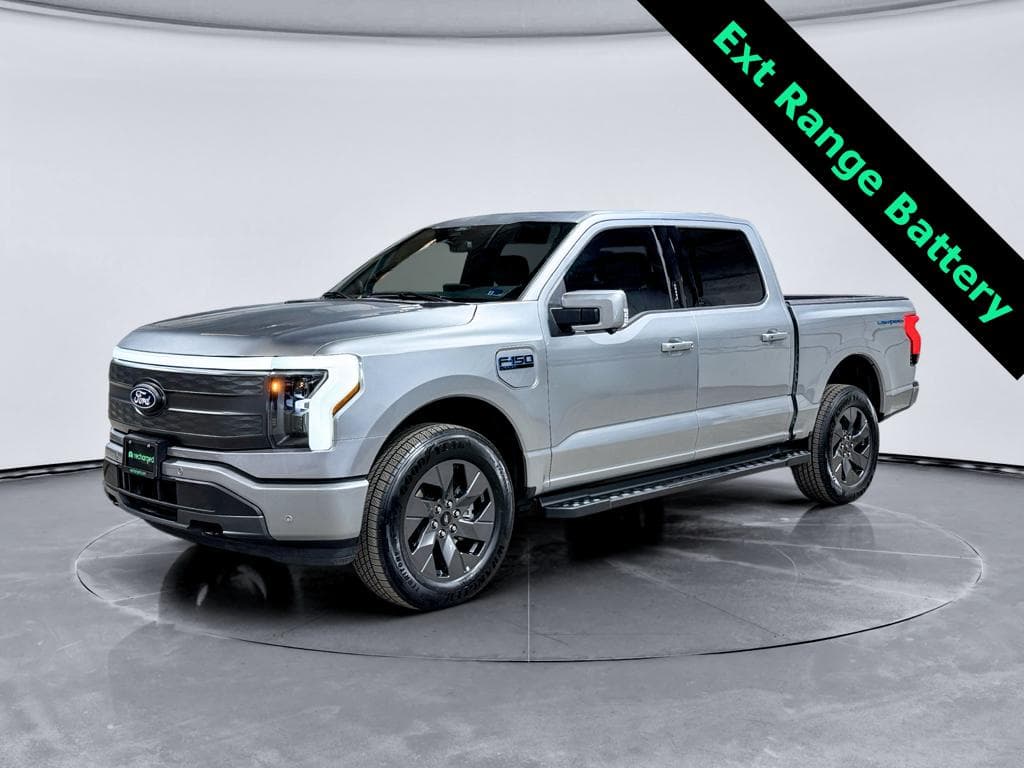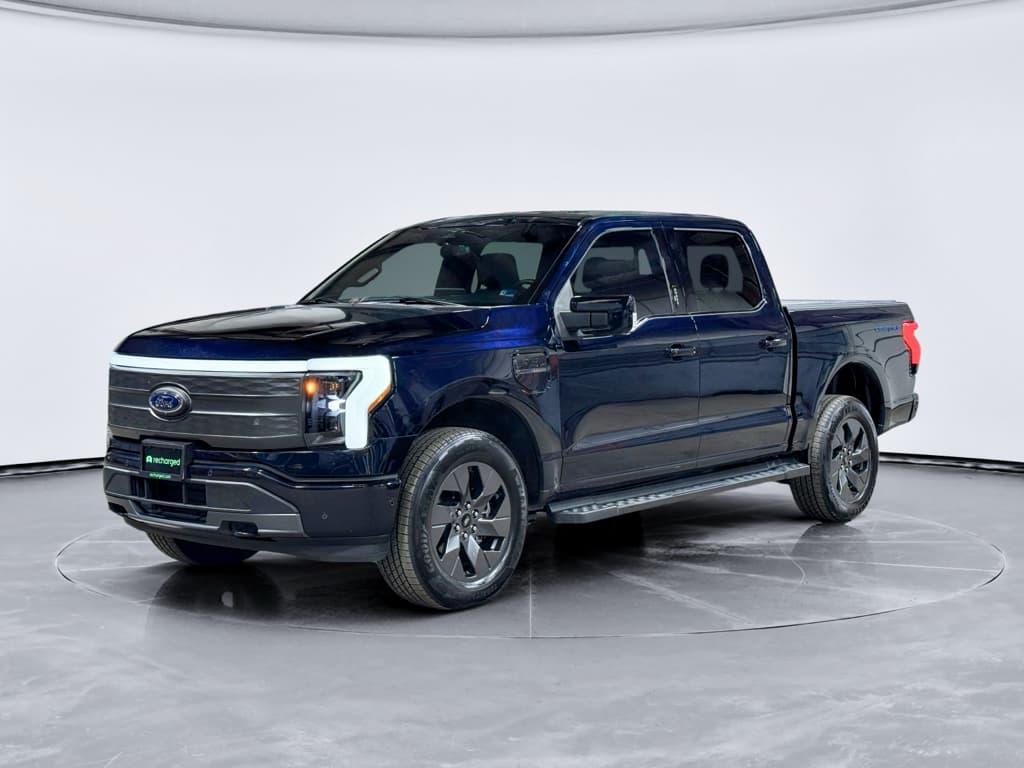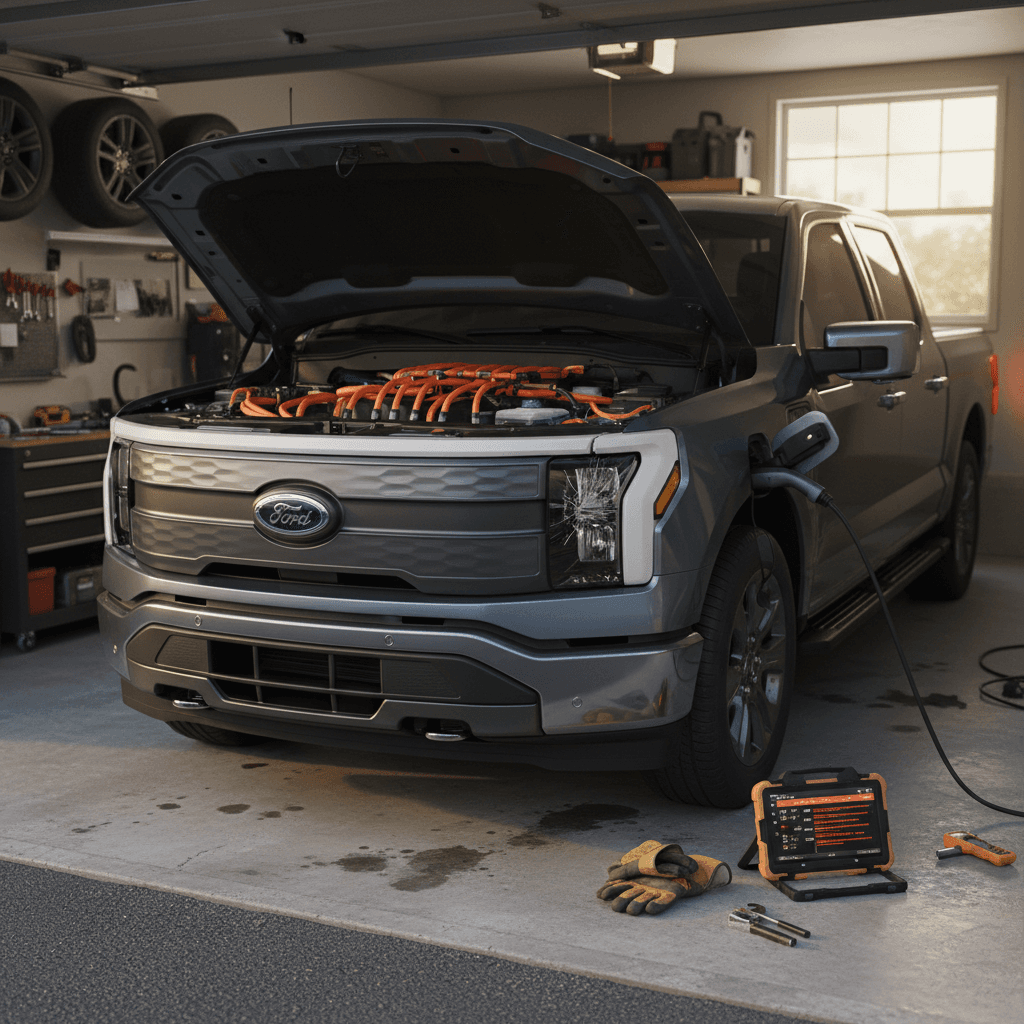
The 2025 Ford F-150 Lightning arrives with a strange résumé: a landmark electric pickup that Ford has already decided to kill off in favor of hybrids, yet one that still turns heads and can tow like a freight elevator. If you’re eyeing a 2025 Lightning, especially on the used market, you’re probably wondering: what are the real problems, and what are the realistic fixes?
Big picture on 2025 Lightning reliability
Overview: Should you worry about 2025 Lightning problems?
If you strip away the headlines, most 2025 F-150 Lightnings are not time bombs. They’re powerful, quiet trucks that do daily-driver duty just fine. The trouble is that Ford stacked cutting‑edge hardware on top of immature software, then sold it to people who expect F‑150 levels of durability.
By 2025, Ford had already chased down some early battery and charging failures seen on earlier model years. But the truck picked up new headaches in suspension and electronic controls, and it still carries the usual EV caveats: range swings with weather, weight, and towing.
Here’s the pragmatic way to think about a 2025 Lightning:
- Safety recalls and hard failures: These are fix‑or‑forget issues. Once addressed properly, they shouldn’t haunt you.
- Software and feature bugs: Expect some frustration, but also expect over‑the‑air updates and TSBs to slowly improve things.
- Battery and range: Largely predictable if you understand EV physics; the real “problem” is owners expecting gas‑truck behavior.
The key is going in with eyes wide open, and a plan.
2025 F-150 Lightning problem snapshot
Quick look: Major 2025 F-150 Lightning issues
- Suspension defects on some 2024–2025 trucks (front upper control arm/ball joint issues) that can affect steering and stability.
- Integrated park module defect that can fail to fully engage Park, raising a rollaway risk until a software update is applied.
- Ongoing software glitches: frozen or blank SYNC 4 screens, random warning chimes, lane‑keeping and BlueCruise quirks.
- Inconsistent DC fast‑charging performance at some public stations and very slow charging in cold weather.
- Range drop when towing or in winter that surprises owners more than it should.
- Fit‑and‑finish complaints: tailgate latch fickleness, water leaks in bed or frunk seals, wind noise from mirrors or seals.
Why recalls aren’t deal-breakers by themselves
Safety recalls affecting the 2025 F-150 Lightning
Let’s start with the serious stuff: what can hurt people or wreck the truck. By early 2026, at least two major safety campaigns touch the 2025 Lightning: one involving front suspension components, the other an integrated park module that may not fully lock the truck in Park.
Suspension recall: Upper control arm and steering loss
Certain 2024–2025 F-150 Lightning trucks are covered by a recall for a faulty front upper control arm/ball joint assembly. The concern is simple and ugly: if the joint loosens or separates, the wheel can change alignment abruptly and you may lose steering control.
Suspension recall: what 2025 Lightning owners need to know
Key facts about the upper control arm / ball joint recall on newer Lightnings.
| Aspect | What’s happening | Owner symptoms | Recommended fix |
|---|---|---|---|
| Affected area | Front upper control arm ball joint hardware may be defective or improperly secured. | Clunks, pops, wandering steering, or uneven tire wear; in worst cases, sudden change in steering. | Have the front suspension inspected immediately; schedule recall repair if your VIN is covered. |
| Risk level | Loss of steering control at speed; this is a serious safety issue, not just a comfort problem. | Truck may pull hard to one side or feel unstable over bumps. | Do not ignore noises from the front end; park the truck if steering feels unsafe. |
| Fix | Dealer replaces hardware and inspects related components under recall. | Vehicle may be grounded until parts are available in some cases. | Get documentation of completed recall work for your records and future resale. |
Always confirm recall status with the VIN at Ford’s official recall site or NHTSA before buying.
Do not drive through steering symptoms
Rollaway risk: Integrated park module software recall
Another major recall covers 2022–2026 F-150 Lightning BEVs, including the 2025 model year, for an integrated park module that may not fully engage Park even though the shifter says it’s in Park. In the wrong set of circumstances, particularly on a slope without the parking brake set, the truck could roll away.
How to handle the integrated park module recall
Simple steps to make sure your truck stays put.
1. Run a VIN recall check
Use Ford’s recall page or NHTSA’s VIN lookup to see if your 2025 Lightning is part of the park module campaign. Almost all build ranges are included.
2. Schedule the software update
The fix is typically a software update that changes how the control module confirms Park engagement. Dealers perform it free of charge.
3. Use the parking brake
Until the fix is applied, always set the electronic parking brake when you park, especially on any grade. It’s smart EV etiquette anyway.
Battery, charging, and range complaints
The 2025 F-150 Lightning benefits from Ford’s earlier battery lessons, most catastrophic high‑voltage pack failures were tied to 2022–2023 build issues. For 2025, the story is less about packs catching fire and more about how the truck uses energy in the real world.
- Range collapse while towing: Hitch 7,000+ pounds to a heavy, brick‑shaped truck and you will see range fall by half or more. That’s not a defect; it’s physics. But many first‑time EV truck owners are blindsided.
- Cold‑weather charging slowdown: In winter, preconditioning that isn’t aggressive enough, or not used at all, means DC fast‑charging can start painfully slow until the pack warms up.
- Public charger drama: The Lightning still leans on CCS1 hardware at many networks, with varying reliability. Some owners report sessions failing to start, or charge rates stuck well below the truck’s capability.
- Early‑life 12V battery issues: Like many EVs, a weak low‑voltage battery can trigger bizarre warning lights and failed startups even when the high‑voltage pack is healthy.
Pro tip: Separate range problems from charging problems
Software and electronics gremlins
Ford tried to turn the Lightning into a rolling smartphone with SYNC 4, huge screens, and over‑the‑air updates. The result, in many trucks, is a magic show where the rabbit occasionally explodes. Owners of 2024 models, whose hardware and software are very close to 2025, report below‑average reliability, heavily driven by in‑car electronics and driver‑assist tech.
Common Lightning software and electronics issues
What you might actually experience day to day.
Infotainment & screen bugs
- Frozen or black SYNC 4 screen.
- Laggy navigation or audio controls.
- Random reboots while driving.
Often improved with software updates, but some trucks need module replacements.
Driver-assist weirdness
- Lane‑keeping or BlueCruise dropping out unexpectedly.
- Phantom collision warnings or braking alerts.
- Incorrect or missing speed‑limit data.
Usually software calibration issues; occasionally sensor hardware defects.
Remote and access glitches
- Phone-as-key failing to unlock the truck.
- Walk‑away locking disabled or inconsistent.
- FordPass app showing stale data.
Most are app or key‑fob related, but low 12V battery can amplify symptoms.
OTA update hiccups
- Updates failing to install.
- Features promised but delayed.
- Temporary feature regressions after updates.
Good news: later software builds tend to stabilize the truck over time.
Why software history matters on a used Lightning
Fit, finish, and hardware niggles
Underneath the high‑voltage drama, the Lightning is still an F‑150, built in an F‑150 world, with F‑150 build realities. Owners report a familiar constellation of minor annoyances, none catastrophic, but all capable of driving you a little mad on a Tuesday.
- Tailgate latches that hesitate or need multiple remote presses to release.
- Wind noise from door mirrors or weatherstripping at highway speeds.
- Occasional water leaks into the bed or around the front trunk (frunk) seals after heavy rain or car washes.
- Loose interior trim squeaks and rattles over rough pavement.
- Bed power-outlet covers and charge-port doors that feel fragile or stick in cold weather.
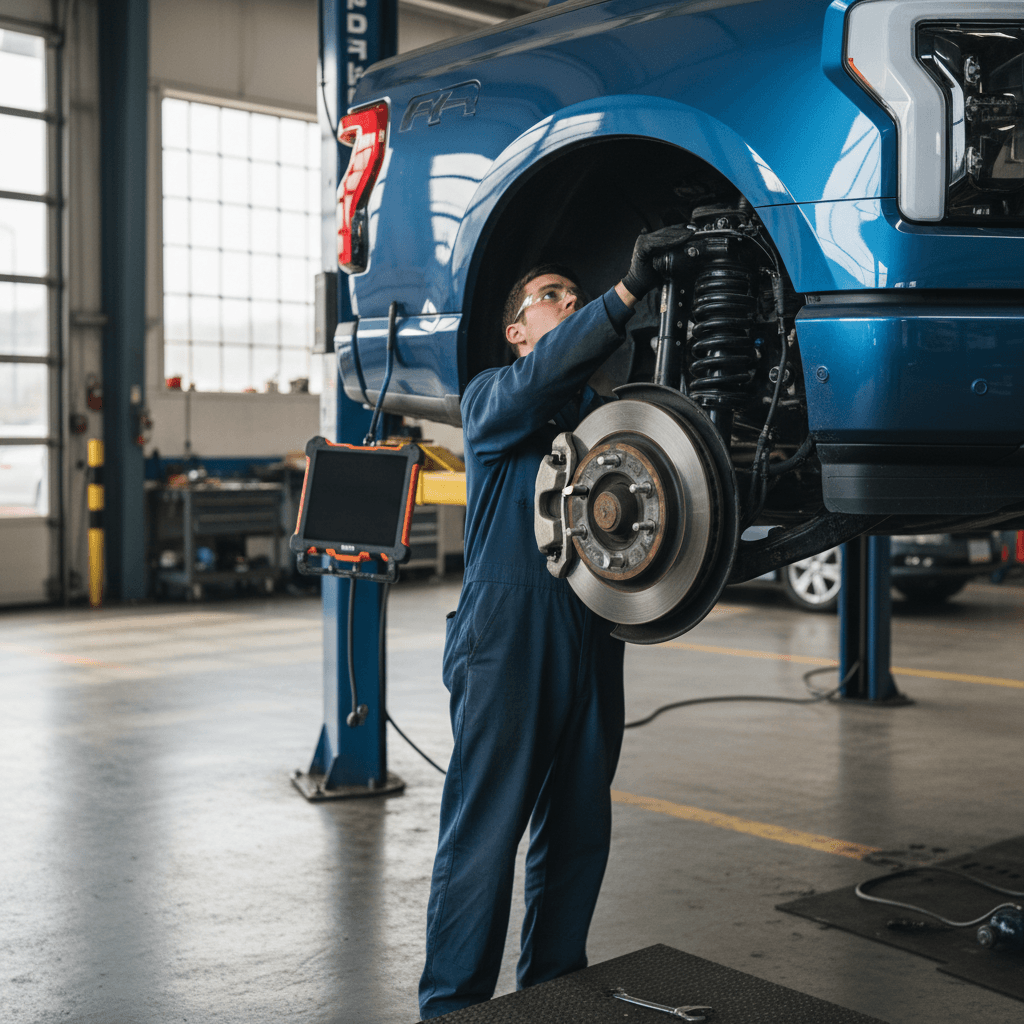
Diagnosing and fixing common Lightning issues
Owner playbook: What to do when your Lightning misbehaves
1. Start with simple resets
For infotainment weirdness, try a <strong>soft reboot</strong> of SYNC (holding power + skip buttons) and a full vehicle power‑down cycle before assuming hardware failure.
2. Check 12V battery health
A weak 12V battery can throw the entire truck into chaos. Many auto‑parts stores and EV‑savvy shops can test and replace it; Ford can update any related software settings.
3. Pull and document codes
If the truck throws a warning, use a scan tool that supports Ford EVs or let a dealer pull diagnostic trouble codes. Snap photos of messages and dates, helpful for warranty claims.
4. Confirm recall and TSB coverage
Run your VIN through Ford’s recall site and ask a service advisor to check for <strong>technical service bulletins (TSBs)</strong> that match your symptoms. TSBs often provide improved parts or software.
5. Use EV‑experienced service shops
For suspension, brakes, or tire work, any competent shop can help, but for high‑voltage or complex software diagnostics, lean on a Ford dealer or an independent EV specialist.
6. Escalate persistent issues
If a problem takes repeated dealer visits, document everything. In some states, repeat failures under warranty may qualify for <strong>lemon‑law or buyback</strong> discussions.
Where Recharged fits in
Ready to find your next EV?
Browse VehiclesMaintenance strategies to avoid bigger problems
The Lightning doesn’t have oil changes, spark plugs, or exhaust systems to worry about. But it absolutely does have a maintenance story, and neglecting it can turn small problems into five‑figure repairs.
Simple habits that keep a 2025 Lightning out of trouble
You don’t have to baby it, but you do have to be intentional.
Mind your tires
The Lightning is heavy and powerful. Rotate tires on schedule, watch pressures, and choose EV‑rated rubber. It protects range and reduces suspension stress.
Protect the high-voltage pack
Aim to keep daily charging in the 20–80% window when convenient. Use DC fast charging as a tool, not a lifestyle. Precondition before fast‑charging in winter.
Listen for new noises
Clunks, pops, and new whines, especially from the front end, deserve attention. Catching suspension or bearing issues early keeps them cheap and safe.
Keep cooling systems happy
Battery and drive‑unit cooling are vital. If you see temperature‑related warnings, don’t keep driving hard. Have the systems checked for leaks or pump issues.
Follow software and recall notices
Say yes to over‑the‑air updates and dealer campaigns. Many Lightning “problems” disappear with newer calibration files and module firmware.
Keep a paper trail
Maintain a folder (or digital archive) of all service visits, updates, and recall completions. It strengthens any future warranty, resale, or buyback claim.
Service records are leverage
Should you buy a used 2025 F-150 Lightning?
Here’s the twist: just as Ford announces the end of the all‑electric Lightning, used prices start to look tempting. That’s how markets work; yesterday’s moonshot becomes tomorrow’s bargain if you’re willing to live with its eccentricities.
Who a 2025 Lightning suits
- Homeowners with predictable commutes and access to overnight Level 2 charging.
- Drivers who tow occasionally, not cross‑country every weekend.
- Owners comfortable with technology hiccups and recall appointments.
- Shoppers hunting for a luxury‑quiet truck with huge torque and low fueling costs.
Who should probably skip it
- People without reliable home charging who depend solely on public fast chargers.
- Heavy haulers who tow long distances in cold climates and can’t compromise on range.
- Buyers who expect “set it and forget it” reliability with zero software drama.
- Those unwilling to do even minimal research on EV charging and maintenance.
How Recharged de-risks a used Lightning
FAQ: 2025 Ford F-150 Lightning problems and fixes
Frequently asked questions
The 2025 Ford F-150 Lightning is not the indestructible, low‑tech work mule your grandfather remembers, and it was never meant to be. It’s a fast, quiet, deeply capable electric truck layered with software and complexity, which means the ownership experience rises or falls on how seriously you treat its known problems and available fixes. If you keep up with recalls, stay current on software, and buy with a clear view of its limits, a 2025 Lightning can be a bargain piece of the EV future, even as Ford’s corporate gaze swings back toward gasoline and hybrids.