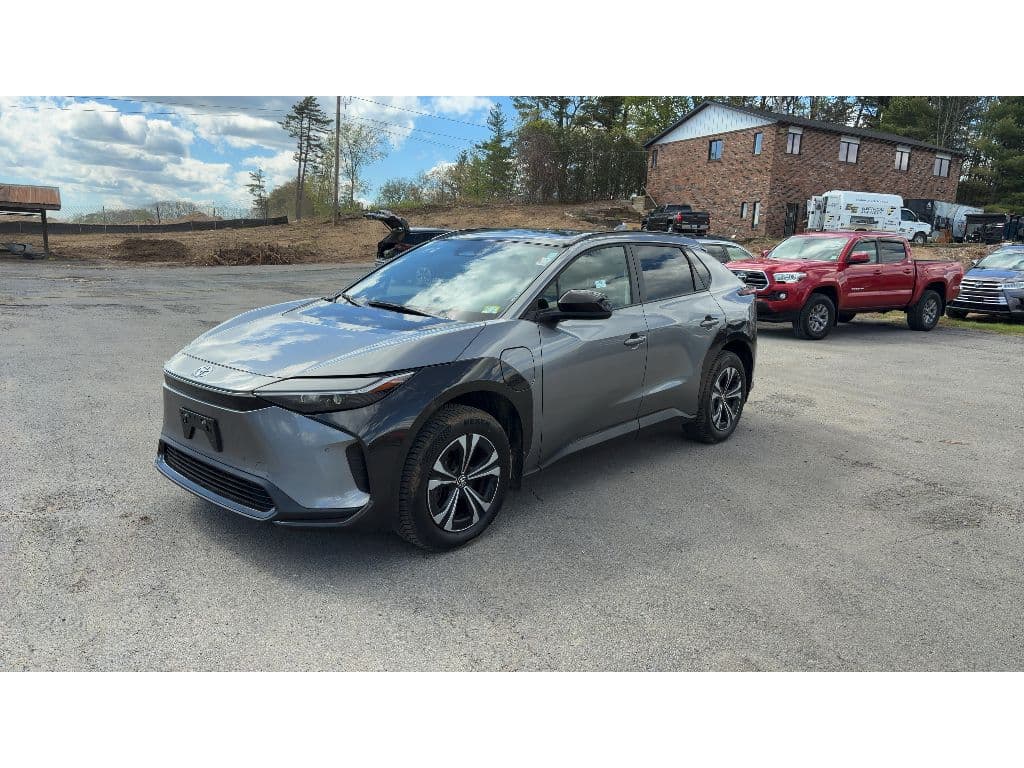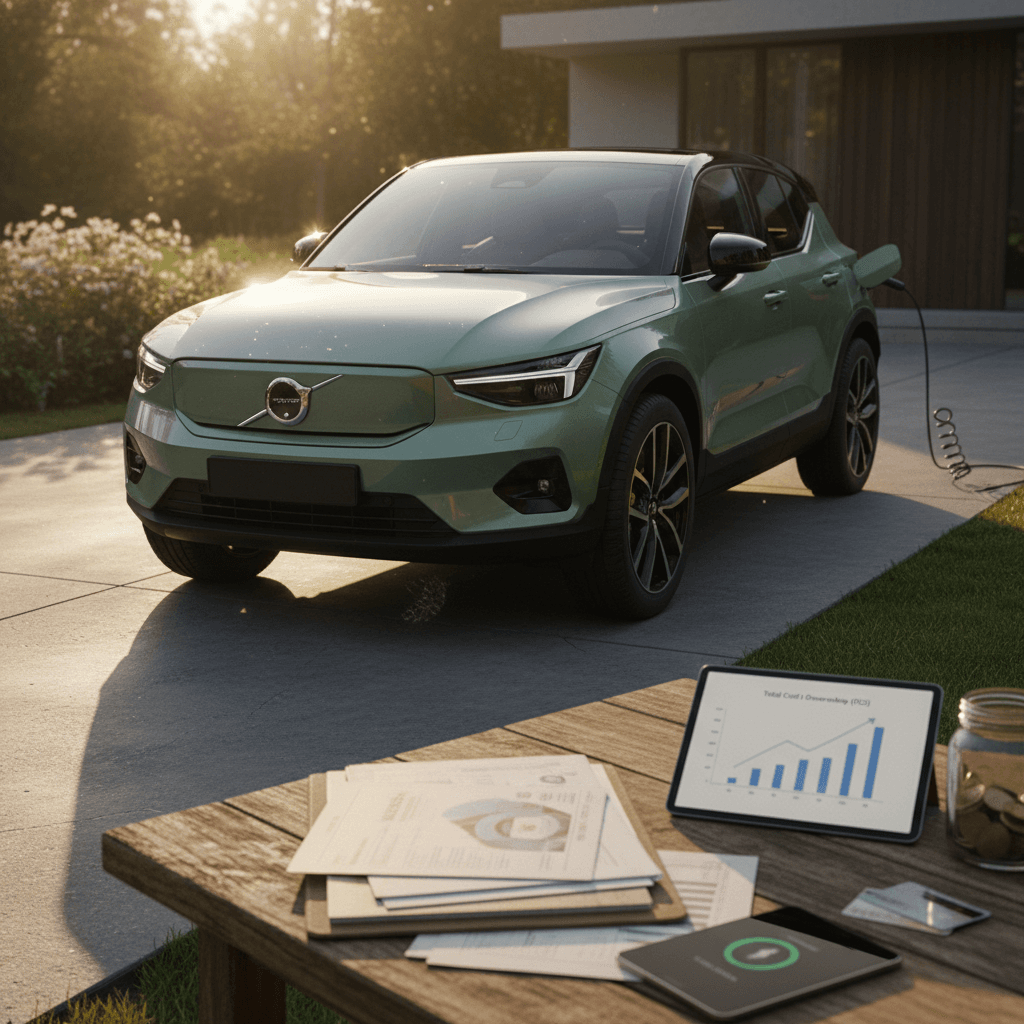
If you’re considering a Toyota bZ4X, you’re probably not just asking what it costs to buy, you want to know the **Toyota bZ4X long term ownership cost**. How much will you spend on electricity, maintenance, insurance, and depreciation over 5–10 years, and how does that compare to a gas SUV or other EVs?
What this guide covers
Toyota bZ4X long‑term cost: the big picture
5‑year Toyota bZ4X cost snapshot (U.S. averages)
Think of bZ4X ownership costs in four buckets: **energy**, **maintenance/repairs**, **insurance & fees**, and **depreciation**. For most owners, electricity and maintenance are lower than a gas RAV4‑class SUV, insurance is similar, and depreciation is the wild card, especially if you buy new at MSRP. That’s exactly why a well‑priced used bZ4X can be such a strong value play.
Quick rule of thumb
Electricity cost per mile for the Toyota bZ4X
The bZ4X is a compact electric SUV, and like any EV, your **long term ownership cost** is heavily influenced by electricity prices where you live and how often you fast‑charge.
- EPA‑listed combined efficiency for a 2024 Toyota bZ4X AWD is around 32 kWh per 100 miles. FWD trims are a bit more efficient; AWD plus winter driving will be a bit worse.
- U.S. residential electricity averages about 18¢/kWh as of early 2026, but ranges from ~13¢ in low‑cost states to 30¢+ in high‑cost coastal markets.
- At 32 kWh/100 miles and 18¢/kWh, that’s roughly $5.76 of electricity per 100 miles, or about 5.8 cents per mile if you charge primarily at home.
Home vs. public charging
Estimated bZ4X electricity cost per mile
Illustrative costs at different residential electricity prices, assuming ~32 kWh/100 miles and mostly home charging.
| Electricity price (¢/kWh) | Cost per 100 miles | Cost per mile | Annual cost (12,000 mi) |
|---|---|---|---|
| 14¢ (low‑cost state) | $4.48 | $0.045 | ≈$540 |
| 18¢ (U.S. average) | $5.76 | $0.058 | ≈$690 |
| 24¢ (higher‑cost state) | $7.68 | $0.077 | ≈$920 |
| 30¢ (very high‑cost) | $9.60 | $0.096 | ≈$1,150 |
Your actual costs will vary based on driving style, climate, wheel size, and mix of home vs. public charging.
Don’t ignore local rates
Maintenance and repair costs over time
One of the biggest advantages of the bZ4X over a gas SUV is its **simple powertrain**. No oil changes, spark plugs, timing belts, or multi‑gear automatic transmission. Over 5–10 years, that translates into real savings and fewer unpleasant service visits.
Where bZ4X owners actually spend on maintenance
What you’ll service regularly, and what you won’t
Things you don’t pay for
- Engine oil & filter changes
- Engine air filters, spark plugs, belts
- Transmission fluid flushes
- Exhaust system repairs
Routine EV items
- Tire rotations and replacements
- Cabin air filter
- Brake fluid every few years
- Wiper blades, washer fluid
Wear items over 10 years
- Tires (every 30k–45k+ miles)
- 12V accessory battery
- Suspension components as it ages
- Occasional alignment
Independent cost‑to‑own models for a new 2024 bZ4X put **5‑year maintenance spend in the low‑to‑mid $3,000s** at 15,000 miles per year, including tires and dealer‑recommended services. For most average‑mileage owners, that’s roughly **$600–$700 per year** all‑in during the first five years. Repairs outside of scheduled maintenance are modeled at **well under $1,000** in the first 5 years, and should stay relatively low as long as you’re within Toyota’s basic and powertrain warranty windows.
Stretching maintenance savings
Insurance, registration, and taxes
Insurance and registration aren’t as exciting as kWh numbers, but they’re a steady part of your **long term ownership cost**. The bZ4X sits in the same general class as a RAV4 or Subaru Forester from an insurer’s perspective, but as with any EV, parts availability and repair procedures can nudge premiums up or down depending on the market.
- Independent cost‑to‑own data for a 2024 bZ4X pegs **5‑year insurance costs around the mid‑$4,000s**, or roughly $900–$1,000 per year for a typical driver profile.
- Registration, local fees, and initial taxes on a new bZ4X easily total **$5,000–$6,000+** over the first 5 years in many states, front‑loaded into year one when you pay sales tax.
- A used bZ4X bought a few years into its life typically has lower insurance and tax costs, because you’re insuring and registering a lower vehicle value. This is often overlooked when comparing new vs. used.
EV incentives can change the math
Depreciation and future resale value
For many bZ4X owners, **depreciation is the single largest cost** of ownership, especially if you buy new. Market‑wide, early‑generation mass‑market EVs have generally depreciated faster than comparable hybrids or gas SUVs, driven by rapid improvements in range and charging plus aggressive new‑EV incentives that undercut used prices.
What we’re seeing so far
- Cost‑to‑own models for the 2024 bZ4X estimate about $31k–$35k of depreciation over 5 years at 15k miles/year for new purchases.
- That implies the vehicle may lose roughly 55–60% of its value over the first 5 years depending on trim, incentives, and local demand.
- Used‑market data suggests much of that hit happens in the first 2–3 years, as lease returns and early adopters trade out.
Why this can be good for used buyers
- If you buy at a fair used price after that initial drop, your per‑year depreciation can be dramatically lower than the first owner’s.
- Because EV drivetrains handle mileage well compared with gas engines, a 3‑year‑old bZ4X with healthy battery metrics can offer nearly new usability with much lower capital cost.
- That’s exactly the gap Recharged is built to address: giving you a clear, data‑backed view of battery health and fair market value before you commit.
Depreciation takeaway
Sample 5‑year Toyota bZ4X ownership cost
Let’s put some of this into one place. Below is a rough illustrative 5‑year cost picture for a new 2024 bZ4X XLE FWD purchased at average U.S. pricing, versus a well‑priced 2‑year‑old used example. These are ballpark numbers, not quotes, but they show where the money actually goes.
Illustrative 5‑year bZ4X ownership: new vs. used
Approximate totals over 5 years, assuming 12,000–15,000 miles per year and mostly home charging at average U.S. electricity rates.
| Cost category (5 years) | New 2024 bZ4X (illustrative) | Used 2‑yr‑old bZ4X (illustrative) |
|---|---|---|
| Depreciation | ≈$32,000 | ≈$15,000–$18,000 |
| Financing interest | ≈$7,000–$8,000 | ≈$4,000–$5,000 |
| Electricity | ≈$3,500–$4,000 | ≈$3,500–$4,000 |
| Insurance | ≈$4,500–$5,000 | ≈$4,000–$4,500 |
| Maintenance | ≈$3,000–$3,500 | ≈$3,000–$3,500 |
| Repairs | ≈$500–$1,000 | ≈$1,000–$1,500 (out of basic warranty sooner) |
| Taxes & fees | ≈$5,000–$6,000 | ≈$2,000–$3,000 |
| Estimated 5‑yr total | ≈$57k–$60k | ≈$43k–$50k |
Numbers rounded for simplicity; your actual costs will vary by state, lender, trim, and driving profile.
How this compares to a gas SUV
10‑year ownership outlook and battery life
With EVs, the 10‑year question is almost always about the **battery**: How fast will it degrade, and will you face a huge replacement bill? Toyota’s approach with the bZ4X has been conservative, aiming for durability over maximum range.
- Toyota’s traction battery warranty for the bZ4X is up to 10 years or 150,000 miles in many U.S. states (check specific terms where you live) provided you follow inspection and maintenance requirements.
- Real‑world early data suggests **gradual capacity loss**, you might see a modest range drop after the first few years, especially in harsher climates, but not an abrupt cliff.
- Most owners planning to keep the bZ4X for 8–10 years should budget for:
- At least one full set of tires every 30k–45k miles
- A 12V accessory battery replacement
- Suspension or steering wear items as mileage climbs past 100k
Battery replacement isn’t a routine expense
New vs. used bZ4X: where the savings are
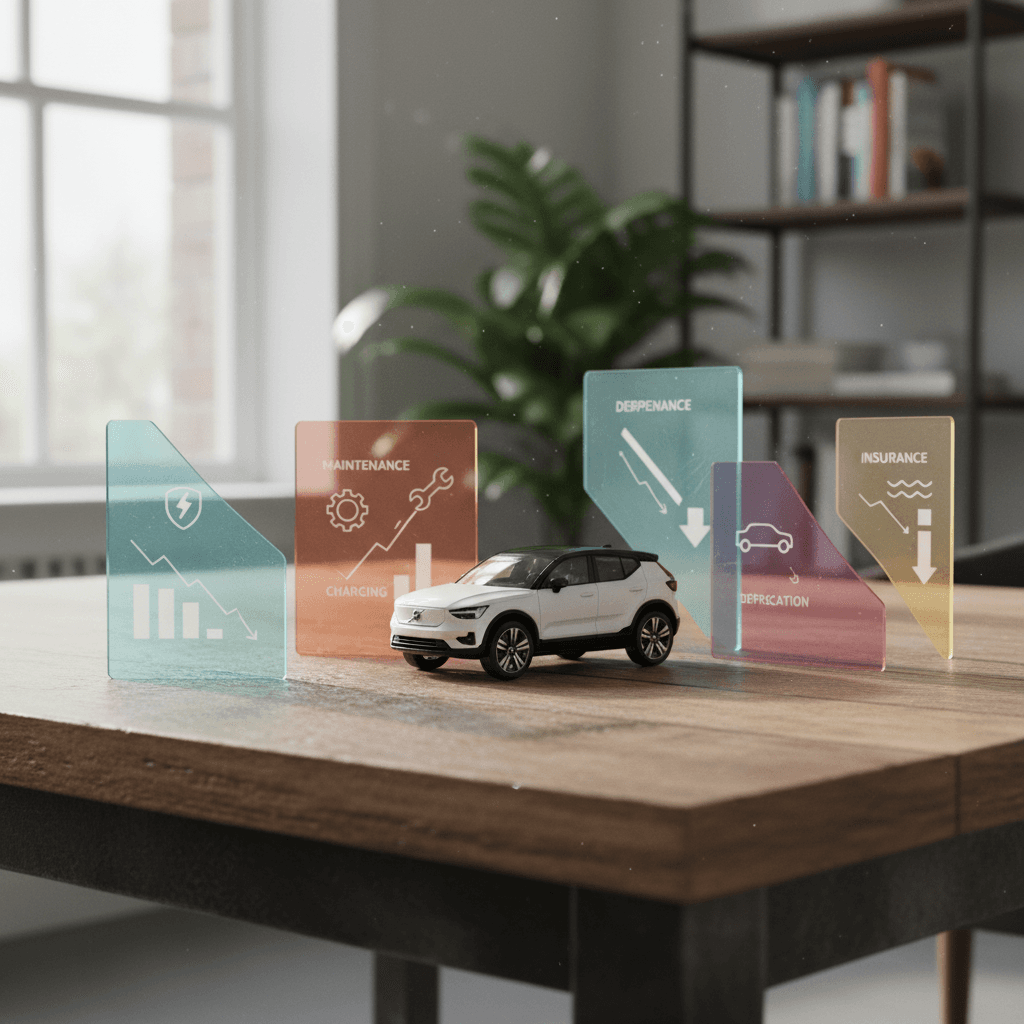
If you care about **long term ownership cost**, the choice between a new and used bZ4X may matter more than whether you pick FWD or AWD. The underlying hardware is similar; what changes dramatically is how much of the depreciation curve you’re on the hook for.
Choosing your place on the depreciation curve
Why many cost‑conscious buyers lean used for EVs
Buying new
- Full access to the latest model‑year updates and software.
- Full new‑car warranty coverage from day one.
- Highest upfront cost and fastest early depreciation.
- Potential eligibility for new‑EV tax credits if you qualify.
Buying used
- Let the first owner absorb the steepest depreciation years.
- Still benefit from Toyota’s long battery warranty, depending on age/mileage.
- Lower sales tax, registration, and often lower insurance.
- Access to detailed battery health data if you buy through a specialist like Recharged.
What to look for in a used bZ4X
How Recharged reduces bZ4X ownership risk
EVs flip the usual ownership equation: instead of worrying about head gaskets and transmission rebuilds, you’re thinking about software, battery health, and charging patterns. That’s where a generic used‑car report stops being helpful and EV‑specific data becomes essential.
What you get with a bZ4X from Recharged
Recharged Score battery health diagnostics
Every bZ4X on Recharged comes with a Recharged Score Report that quantifies battery health and expected range, so you’re not guessing about degradation, or overpaying for a pack that’s seen better days.
Transparent, data‑driven pricing
We benchmark each vehicle against national and regional EV market data to surface <strong>fair market pricing</strong>, so your long‑term cost story starts with the right number on the bill of sale.
EV‑specialist guidance, start to finish
From picking the right trim and wheel size for your range needs to planning home charging, Recharged’s EV‑specialist support team walks you through the trade‑offs that actually affect your total cost of ownership.
Financing and trade‑in options
Recharged offers EV‑friendly financing and trade‑in or consignment options, helping you manage cash flow and avoid surprises at the point where depreciation, equity, and your next car decision intersect.
Nationwide delivery and digital buying
Because the entire experience is digital, you’re not limited to whatever EVs happen to be sitting on a local lot. You can shop bZ4X inventory across the country and have the right one delivered to your driveway.
Why this matters for long‑term cost
Toyota bZ4X ownership cost FAQ
Common questions about bZ4X long‑term costs
When you zoom out, the **Toyota bZ4X long term ownership cost** story is less about chasing the lowest cents‑per‑mile number and more about making smart decisions on purchase price, charging habits, and battery health. If you buy at a fair value, especially on the used market, charge mostly at home, and keep an eye on tires and routine service, the bZ4X can be a very cost‑effective way to electrify your daily driving. And with tools like Recharged’s battery health diagnostics, fair pricing, and EV‑savvy guidance, you can step into bZ4X ownership with your eyes open and your long‑term costs under control.