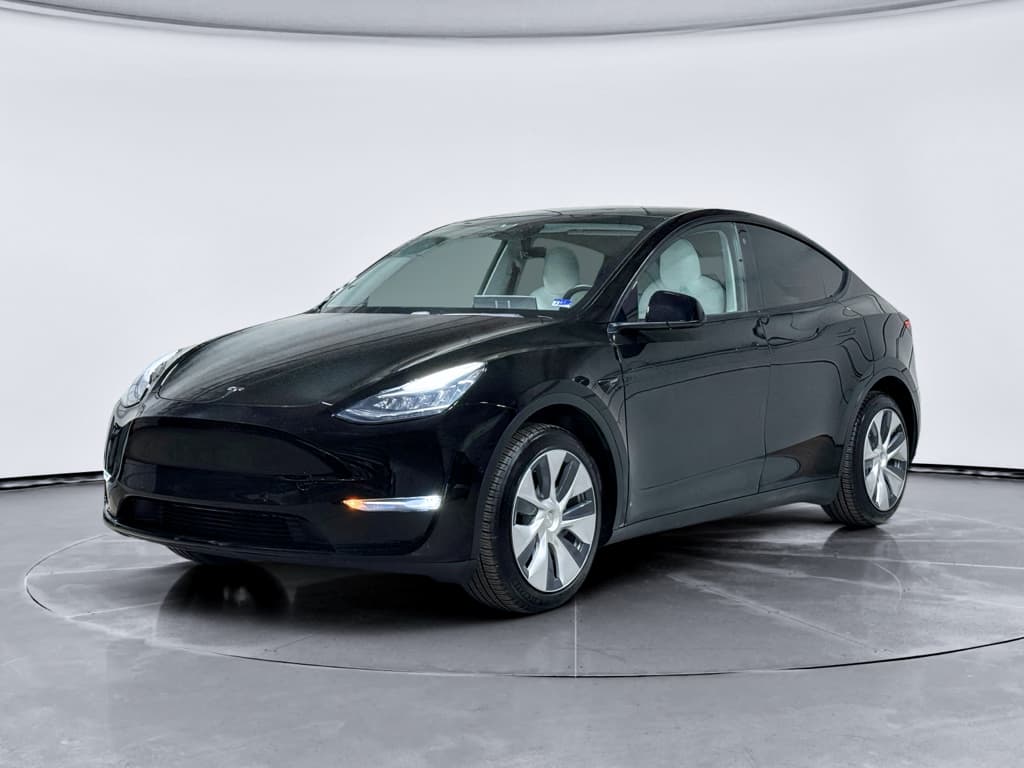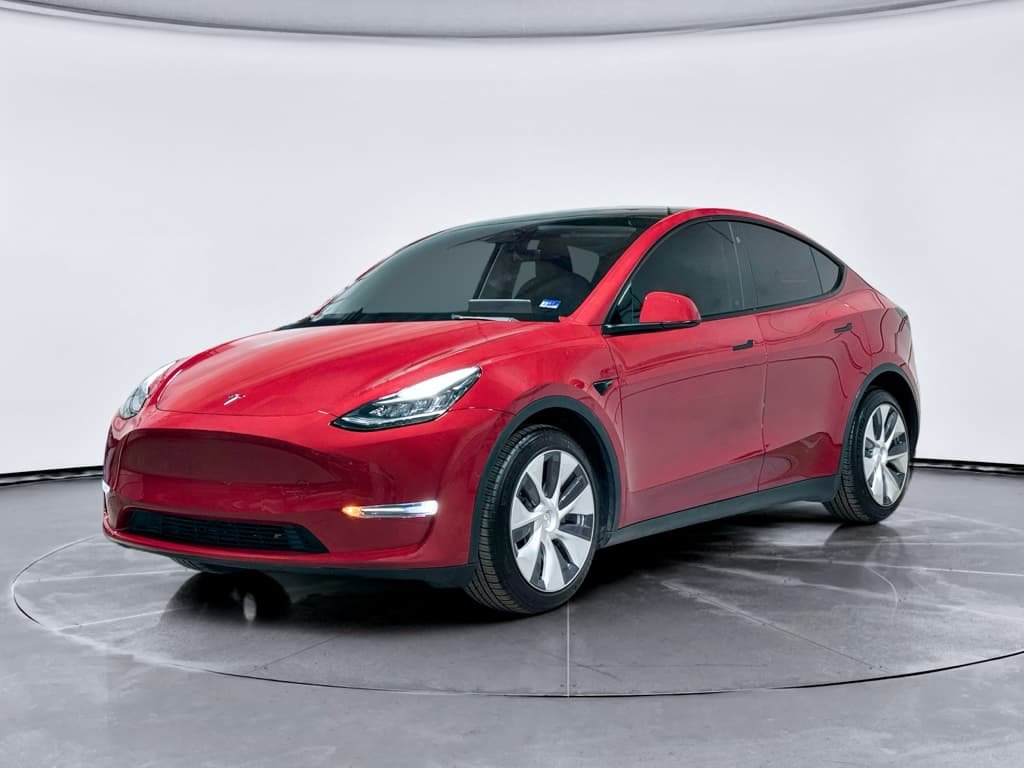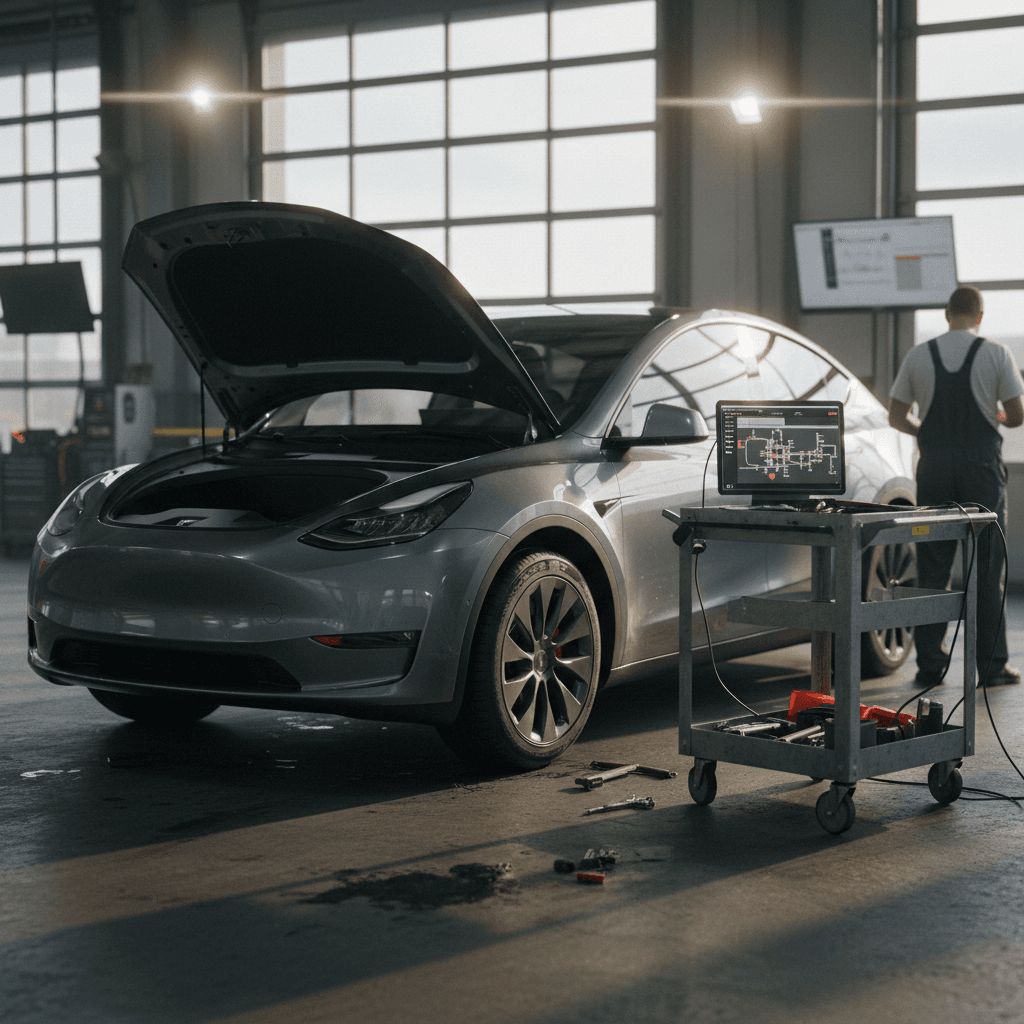
If you own, or are shopping for, a 2023 Tesla Model Y, you’ve probably heard about a steady drumbeat of Tesla recalls. The good news is that most 2023 Model Y recalls are software‑based fixes delivered over the air. The bad news is that it can be hard to see them all in one place and know what’s already been taken care of, especially if you’re considering a used Model Y in 2026.
Quick take
Why 2023 Model Y recalls matter in 2026
Tesla sold a huge number of 2023 Model Y crossovers, and many of them are now entering the used‑EV market. At the same time, regulators have pushed Tesla to correct issues in how its advanced driver‑assistance features behave, how its warning lights and labels are displayed, and how basic safety functions, like backup cameras and hood‑latch detection, operate. That’s why you’ll see the same VIN hit multiple recalls over a couple of years.
Tesla & recall volume in recent years
For you as an owner or shopper, the key questions are simple: What recalls apply to a 2023 Model Y? Have they been fixed? And if not, what does that mean for safety, convenience, and resale value?
How Tesla recalls work (and why many don’t feel like recalls)
Traditional automakers
- Receive a formal recall notice from NHTSA or initiate one themselves.
- Mail paper letters to owners, asking them to schedule a dealer visit.
- Dealership installs new hardware or reprograms modules in person.
This is still how most brands handle things like airbag inflators, fuel systems, and structural fixes.
Tesla’s approach
- Many recalls are software‑only and remedied via an over‑the‑air (OTA) update.
- Owners see a notification in the car or app and install the update at home.
- For hardware recalls, Tesla uses its service centers and mobile service vans.
That means some recalls are effectively fixed before owners ever hear the word "recall."
Pro tip for Tesla owners
2023 Tesla Model Y recalls list (major campaigns)
Tesla and the National Highway Traffic Safety Administration (NHTSA) have issued multiple recalls that explicitly include 2023 Model Y vehicles. Below is a plain‑English summary of the most important campaigns that a typical 2023 Model Y owner or used‑EV shopper should know about. Exact applicability depends on VIN, build date, and software version, so always verify using the tools listed later in this guide.
Key recall campaigns affecting 2023 Tesla Model Y
These are the headline recall themes you’ll see attached to 2023 Model Y VINs. Individual vehicles may be covered by some, all, or none of these, depending on when they were built and what software they’re running.
| Recall theme | What’s wrong | Type of fix | Typical impact on owner |
|---|---|---|---|
| Autopilot / driver‑attention behavior | System may not sufficiently ensure driver supervision in certain conditions. | Software update (OTA). | Short download and install; changes how the car nags for attention and manages some maneuvers. |
| Warning label font size | Instrument‑panel warning icons and text are too small for U.S. rules. | Software update (OTA). | No change in how the car drives; icons just get easier to read and compliant with regulations. |
| Rear‑view / backup camera image loss | On some vehicles, the camera feed may intermittently fail to display while in Reverse. | Software update (OTA) on specific hardware builds. | Owners may have noticed a black or frozen camera image; fix restores consistent video. |
| Hood‑latch detection | Vehicle may not properly detect an unlatched front trunk ("frunk"), risking the hood flying up while driving. | Software update (OTA) to detection logic. | No new hardware for most owners; update adds or improves warnings if the hood isn’t fully closed. |
| Seat‑belt reminder warning | Driver seat‑belt chime and visual reminder may not reliably activate under certain conditions. | Software update (OTA). | Owner may never notice beyond a change in when/how chimes sound. |
| Steering assist / loss of steering | In a subset of vehicles, steering components or software could lead to increased effort or loss of power assist. | Hardware inspection and possible part replacement at a service center. | You’d schedule service; Tesla handles parts and labor at no cost. |
| Tire‑pressure monitoring behavior | For some builds, tire‑pressure monitoring may not provide the intended warning behavior. | Software update (OTA). | Owner sees updated TPMS behavior or warnings after a routine software update. |
Campaign names here are simplified for clarity; always consult the official NHTSA or Tesla documentation for legal wording.
Important VIN note
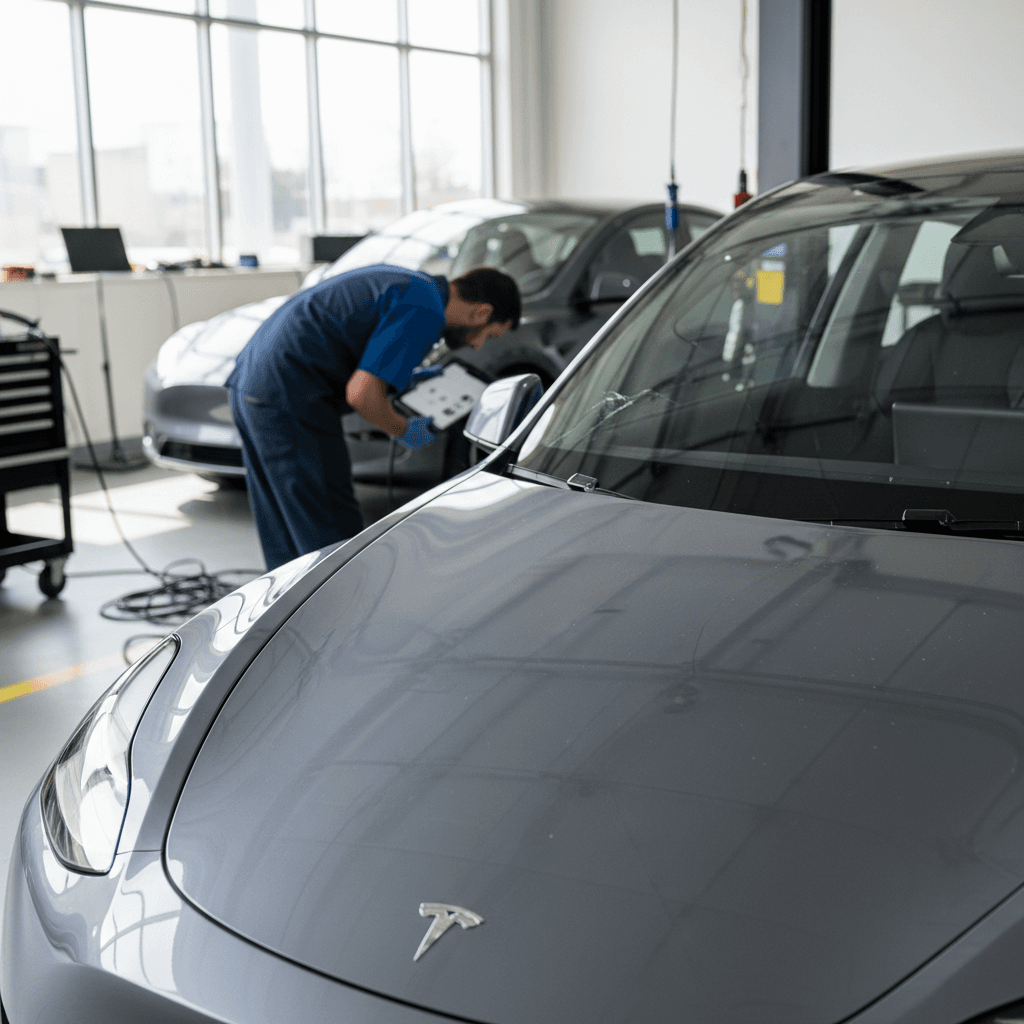
Software‑focused recalls on the 2023 Model Y
1. Autopilot / driver‑monitoring behavior updates
In late 2023, regulators forced Tesla to recall virtually every U.S. vehicle equipped with Autopilot, including the 2023 Model Y. The concern wasn’t a broken sensor or a loose bolt; it was how the software allowed drivers to over‑rely on automation in situations where the system could misinterpret lanes, traffic controls, or road edges.
- Applies to: Most 2023 Model Y vehicles with Autopilot or Enhanced Autopilot (including those with optional Full Self‑Driving capability).
- Symptom: System may allow operation in certain conditions without robust enough driver supervision and alerts.
- Fix: One or more over‑the‑air software updates that change how Autopilot engages, how often it checks for driver attention, and what maneuvers are permitted.
Safety first with driver assistance
2. Instrument‑panel warning label and icon size
One of the biggest Tesla recall campaigns in 2024 involved something that sounds almost trivial: warning label font size. Regulators decided that certain dashboard icons and text on vehicles including the 2023 Model Y were too small to meet federal visibility requirements.
- Applies to: A very large population of Teslas, including 2023 Model Y vehicles running affected software.
- Symptom: Icons and text on the instrument panel may not meet minimum size standards (you might never have noticed).
- Fix: OTA software update that adjusts the size and presentation of warnings to satisfy regulations.
Does this affect real‑world safety?
3. Backup camera / rear‑view image loss
Another high‑profile recall covered certain 2023–2025 Model Y SUVs in which the backup camera might intermittently fail to display an image while the car is in Reverse. For a vehicle that leans heavily on cameras rather than traditional mirrors, that’s a serious usability and safety problem.
- Applies to: 2023 Model Y units with specific car‑computer hardware and older software builds.
- Symptoms owners reported: Black screen, frozen image, or delayed video when shifting into Reverse.
- Fix: Software update that changes how the system manages the camera feed on those hardware revisions. No new camera needed for most owners.
4. Hood‑latch detection and warning logic
In 2024, Tesla recalled a massive number of vehicles, again including the 2023 Model Y, because the cars might not reliably detect when the front trunk ("frunk") hood wasn’t fully latched. If the hood were to fly open at speed without a prior warning, it could completely block the driver’s view.
- Applies to: Many Model Y vehicles from recent years running specific software versions.
- Symptom: The car might fail to warn you that the hood is ajar before you start driving.
- Fix: OTA software update that tightens up how the hood sensor is monitored, and when and how it warns the driver.
Owner behavior still matters
5. Seat‑belt reminder chime and visual alert
In 2024, Tesla issued a recall covering millions of vehicles, including Model Y units built from 2020 through 2023, because the driver’s seat‑belt warning chime and visual indicator might not always activate when required. The issue came down to how the car interpreted the driver‑seat occupancy signal in specific conditions.
- Applies to: 2023 Model Y vehicles falling within Tesla’s defined VIN and software range for this campaign.
- Symptom: In rare cases, the seat‑belt warning chime and light may fail to activate when you begin driving unbuckled.
- Fix: OTA software update that changes how the seat‑occupancy and buckle status are monitored and how the warning is triggered.
6. Tire‑pressure monitoring behavior
Late‑2024 recall activity also touched tire‑pressure monitoring on a group of vehicles that included the Model Y. While the details vary by campaign, the broad concern was that the tire‑pressure monitoring system (TPMS) might not warn drivers in the way regulations expect if pressure dropped below specification.
- Applies to: Selected 2020–2025 Model Y vehicles, depending on hardware and software.
- Symptom: Under certain conditions, TPMS may fail to alert or may not behave as intended.
- Fix: Software update that changes threshold logic or how TPMS warnings are displayed.
Hardware & safety component recalls
7. Steering effort / potential loss of power assist
Alongside the software‑heavy recalls, Tesla has also faced safety complaints and recall action around steering feel and loss of power assist in some Model 3 and Model Y vehicles built in 2023 and 2024. On affected vehicles, drivers reported steering suddenly becoming very stiff or the car drifting due to alignment issues.
- Applies to: A subset of 2023 Model Y vehicles built within specific production windows; not the entire model year.
- Symptoms owners reported: Sudden increase in steering effort, difficulty keeping the vehicle tracking straight, or warnings about steering assist.
- Fix: Tesla service inspects steering components and may replace the steering rack or related parts. Software calibration can also be part of the remedy.
Do not ignore steering changes
8. Other hardware‑adjacent campaigns
Because Tesla often bundles multiple model years into single NHTSA campaigns, your 2023 Model Y may see recall entries that share themes with other models: things like door‑latch logic, side‑marker lighting behavior, or seat‑mounting hardware. These campaigns are generally narrower in scope than the big Autopilot or warning‑label recalls, and many still rely on software updates for the primary fix.
The pattern to remember: if it can be adjusted via code, timing of a chime, sensitivity of a sensor, text on a display, Tesla tends to fix it with software. If it involves physical wear or mechanical failure, you’ll be routed to a service bay or mobile tech.
How to check if your 2023 Model Y has open recalls
Three ways to see open recalls on a 2023 Model Y
Use more than one method if you’re buying a used EV or you don’t know the car’s update history.
1. Tesla app & in‑car alerts
Best if you already own the car.
- Check the Service section of the Tesla app for recall notices.
- Look for red or yellow warning indicators in the car’s Service menu.
- Keep software updates current; some recall fixes are bundled into ordinary updates.
2. NHTSA recall lookup (by VIN)
Best for shoppers and new owners.
- Grab the full 17‑digit VIN from the windshield, door jamb, or title/registration.
- Go to NHTSA’s online recall‑lookup tool and enter the VIN.
- You’ll see all open safety recalls that still need a fix.
3. Independent inspection & report
Best if you’re buying used or want extra peace of mind.
- Ask for documentation that recall work has been completed.
- Use a third‑party report, like a Recharged Score, that verifies software level, battery health, and known recall remedies.
How Recharged helps
Ready to find your next EV?
Browse VehiclesStep‑by‑step: Checking recall status on a 2023 Model Y
1. Capture the VIN
Write down the full 17‑digit VIN from the lower left corner of the windshield, driver’s door jamb, or registration paperwork.
2. Run the VIN through NHTSA
Use the federal recall‑lookup tool to see any <strong>open safety recalls</strong>. Print or save the results for your records or purchase file.
3. Review Tesla app & in‑car menus
If you have the car, sign into the Tesla app and open the Service section. In the vehicle, open the Service menu and scroll to see any alerts or outstanding campaigns.
4. Verify software version
From the car’s touchscreen, open Software and note the version number. Compare it with recall documentation or ask a Tesla advisor if the version includes the relevant fixes.
5. Confirm hardware work
For steering or other component‑level recalls, confirm that a Tesla service center has documented the inspection or part replacement on the vehicle’s service history.
6. Keep a paper trail
Whether you’re an owner or a used‑EV shopper, keep screenshots or PDFs of recall lookups and repair invoices. They help at resale time and if future questions arise.
Buying a used 2023 Tesla Model Y: recall checklist
The 2023 Model Y sits in a sweet spot for many used‑EV buyers: newer battery tech, updated interior and build quality, and plenty of warranty left on the high‑voltage pack. Recalls don’t automatically make it a bad bet, but you do want to know how they’ve been handled on the specific car you’re considering.
Questions to ask the seller
- Has the car been kept up to date on software? Ask for a recent screenshot of the Software screen.
- Any steering or alignment repairs? Ask specifically about steering‑rack work or front‑end repairs.
- Any camera or screen issues? Intermittent backup camera problems may point to past or pending recall work.
- Service history available? A PDF from Tesla or a third‑party report goes a long way.
Items to check yourself on a test drive
- Steering feel: Should be light and consistent, with no pulling or sudden heaviness.
- Hood latching: Open and close the front trunk; make sure it latches confidently and the car shows it as closed.
- Backup camera: Shift into Reverse multiple times to ensure the image appears quickly and stays stable.
- Seat‑belt chime: In a safe area, confirm you get a prompt audible/visual reminder if you move without buckling.
Leaning on experts
Costs, downtime, and resale value impact
By law, recall repairs are free. That includes parts, labor, and any necessary software updates. Where owners feel the pain is time: scheduling an appointment, waiting for parts, or planning around a mobile‑service visit. With the 2023 Model Y, the heavy use of over‑the‑air updates actually works in your favor.
What 2023 Model Y recalls mean for everyday ownership
Think in terms of time, convenience, and future value, not just the word “recall.”
Time & convenience
Software‑only recalls generally mean a 15–30 minute update while the car sits in your driveway. Hardware fixes can take hours but are far less common.
Ownership cost
The monetary cost of recall work is $0 to you. The bigger cost is any downtime if your vehicle needs to sit at a service center for parts‑related work.
Resale value
Documented recall repairs rarely hurt value. In fact, proof that a 2023 Model Y is fully up to date on safety campaigns can support a stronger resale price.
How Recharged treats recall history
FAQ: 2023 Tesla Model Y recalls
Frequently asked questions about 2023 Model Y recalls
Bottom line: Should recalls scare you off a 2023 Model Y?
A long 2023 Tesla Model Y recalls list can look intimidating in a headline, but context matters. Many of the biggest campaigns are about software behavior, how the car presents warnings, how it supervises Autopilot, how it confirms that a hood is latched or a seat belt is buckled. Those are serious issues, but on a Tesla they’re often resolved with the same kind of update you’d use to get a new feature.
For current owners, the smartest move is simple: stay current on software, check your VIN for open recalls a few times a year, and address any steering, camera, or warning‑system symptoms right away. For used‑EV shoppers, focus less on the existence of recalls and more on how they’ve been handled on the individual car in front of you.
If you’d rather not untangle that history yourself, buying through Recharged gives you a head start. Every vehicle comes with a Recharged Score Report, expert guidance on recall and battery status, and support from specialists who live and breathe EVs. That way, a 2023 Model Y’s recall record becomes one more data point, not a mystery that keeps you up at night.